

Note: This article contains affiliate links. If you click on these links and make a purchase, I may earn a small commission at no extra cost to you. This helps support my research and content. Read my full affiliate disclosure here.
Repair Snapshot
Use a mechanic if the harness is buried behind the engine, the alternator output circuit shows severe overheating, or you are not comfortable testing live electrical circuits. Professional help is also smart if the vehicle has a smart charging system or repeated battery warning light issues after basic wiring repair.
This article is part of our Electrical System Maintenance & Repair Guides.
Charging system wiring problems can mimic a bad battery or failed alternator, but the real issue is often a loose connection, corroded ground, damaged cable, or blown fusible link. If the battery light comes on, the vehicle dies after driving, or charging voltage stays low, wiring checks should be part of your diagnosis before you replace expensive parts.
Most charging systems are simple at the basic level: the alternator makes power, the battery stores it, and the wiring carries it through the output cable, grounds, fuse protection, and control circuits. A fault in any of those paths can create low voltage, intermittent charging, flickering lights, or a no-start condition after the battery drains.
This guide walks you through safe, practical diagnosis and repair for common charging system wiring faults on U.S. vehicles. The goal is to help you identify whether the problem is in the battery cables, alternator output wire, engine ground, connector, or fuse protection, then make a repair that lasts.
How the Charging Circuit Works
Before testing, it helps to know what you are looking at. On most vehicles, the alternator has a large output terminal connected to the battery positive side through a heavy-gauge cable, fuse, or fusible link. It also has a plug with one or more smaller wires for field control, voltage sensing, or warning light communication.
The system also depends on good grounds. The alternator case grounds through its mounting, the engine must be grounded to the chassis, and the battery negative cable must have a clean, low-resistance path back to the body and engine. Even if the alternator is healthy, high resistance in the positive or ground side can prevent proper charging.
- Battery warning light on while driving
- Battery repeatedly goes dead
- Headlights brighten and dim with engine speed
- Low charging voltage at the battery
- Burned wire insulation near the alternator or battery
- Hot battery cable ends or melted fuse link insulation
Safety and Setup Before Testing
Charging system circuits can carry high current, so work carefully. Do not let a wrench bridge the alternator output stud to ground, and disconnect the negative battery cable before repairing wiring or removing connectors. If you need to test live voltage with the engine running, keep hands, tools, jewelry, and clothing away from belts and pulleys.
Start with a fully charged battery if possible. A weak battery can confuse your results and make a good charging system look bad. If the battery is very low, charge it first and confirm the terminals are clean and tight.
What You Should Inspect First
- Battery terminal corrosion, looseness, or broken clamps
- Alternator output cable for rubbing, swelling, burns, or repairs
- Alternator connector for broken locks, green corrosion, or oil contamination
- Battery negative cable and engine ground straps for looseness or rust
- Main charging fuse or fusible link for an open circuit or heat damage
Diagnose the Wiring Before Replacing Parts
Check Base Battery Voltage
With the engine off for at least a few minutes, measure battery voltage at the posts, not the cable ends. A healthy, charged battery is usually around 12.4 to 12.7 volts. If it is well below that, charge the battery before going further.
Check Charging Voltage at Idle
Start the engine and measure voltage again at the battery posts. Most systems should show roughly 13.5 to 14.8 volts, depending on temperature and charging strategy. If voltage stays close to battery voltage, the system is undercharging and you need to determine whether the fault is the alternator, wiring, fuse protection, or control circuit.
Perform a Voltage Drop Test on the Positive Side
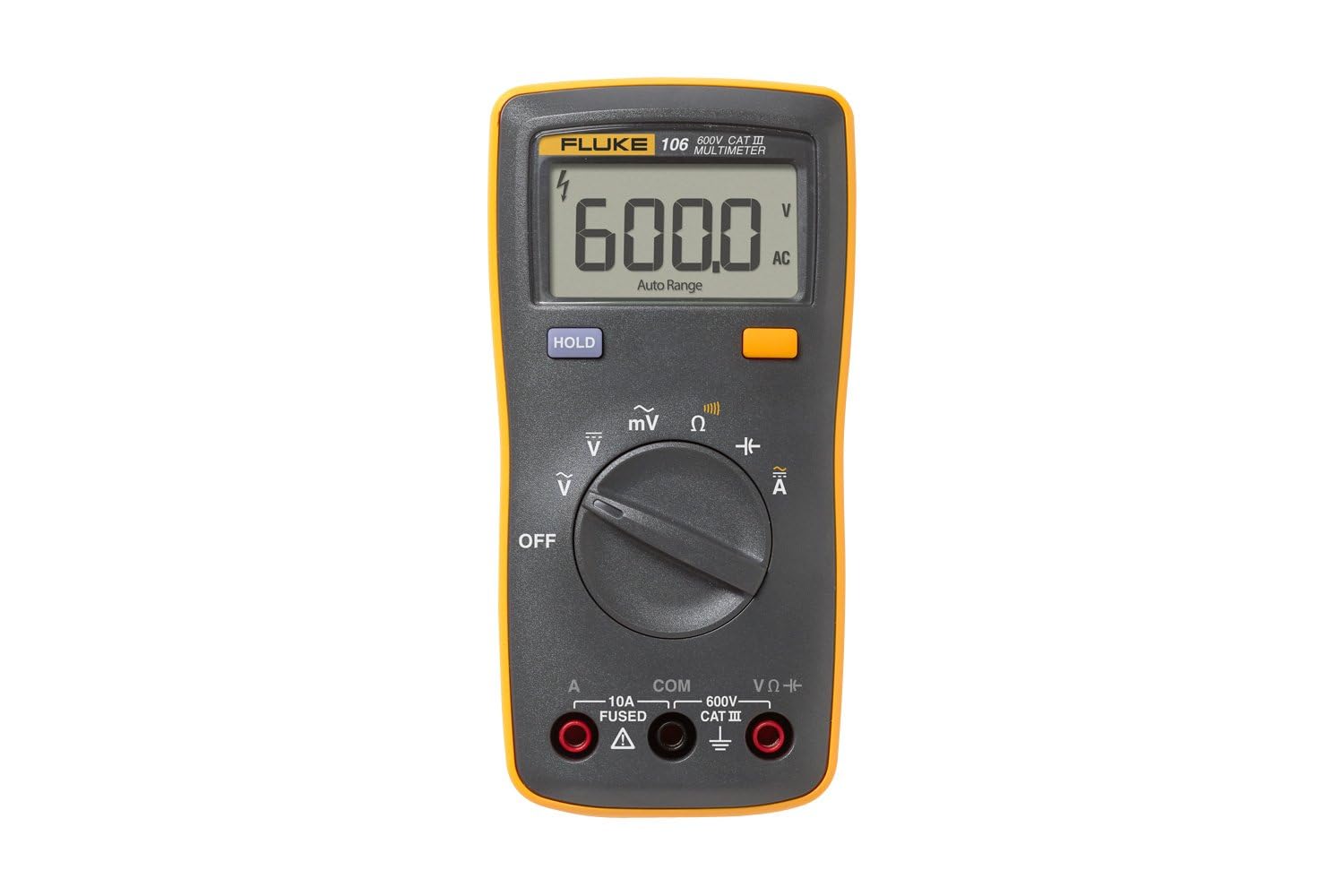
A voltage drop test is one of the best ways to find resistance in charging wiring. Set the multimeter to DC volts. With the engine running and electrical loads on, place the red lead on the alternator output stud and the black lead on the battery positive post. You are measuring loss in the cable path between those two points.
On many vehicles, a reading under about 0.2 volts is acceptable on the high-current positive side. If the reading is significantly higher, suspect a corroded cable, loose terminal, damaged fuse link, overheated fuse block connection, or poor crimp inside the cable.
Perform a Voltage Drop Test on the Ground Side
Place the red lead on the alternator case and the black lead on the battery negative post with the engine running and loads turned on. Again, low voltage drop is the goal. A high reading points to poor engine grounding, corrosion at cable ends, paint or rust under a ground lug, or a failing negative battery cable.
Check the Alternator Connector Circuits
If the heavy output cable and grounds test well, inspect the smaller control wires. Depending on the vehicle, one wire may have battery voltage with the key on, another may be a sense wire, and another may be computer-controlled. Use a wiring diagram if available. A broken or corroded connector can stop charging even when the alternator itself is good.
- No battery voltage at the alternator output stud usually means an open fuse, blown fusible link, or disconnected cable.
- Good alternator output but low battery voltage usually means high resistance in the output cable or positive connection path.
- Low voltage at idle with high ground-side drop usually points to bad grounds between alternator, engine, chassis, and battery.
- Intermittent charging when moving the connector or harness usually points to broken strands, loose pins, or internal corrosion.
Tools That Make This Job Easier


Common Charging System Wiring Faults
The most common failure points are usually not deep inside the harness. Start with visible, high-heat, and high-current areas first. Alternator wiring lives near the engine, so heat, oil, and vibration are frequent contributors.
- Corroded battery terminals causing low voltage and hard starting
- Loose nut on the alternator output stud creating heat and intermittent charging
- Blown main alternator fuse or fusible link after a short or jump-start mistake
- Frayed output cable insulation where the harness rubbed against a bracket
- Broken engine-to-chassis ground strap causing dim lights and unstable charging
- Melted alternator connector from resistance, poor pin contact, or overcharging
- Previous poor-quality repairs using household connectors or undersized wire
How to Repair Charging System Wiring
Disconnect the Battery
Remove the negative battery cable first. If you are working on the main output wire, disconnect the positive side only after the negative is safely off. This helps prevent accidental shorts.
Repair or Replace Damaged Cable Sections Correctly
If the cable has burned insulation, green corrosion under the jacket, or stiff swollen sections, replacement is usually better than patching. For smaller control wires, you can often cut back to clean copper and splice in a matching-gauge section. Use quality automotive wire, proper crimp connectors, and adhesive-lined heat-shrink for a sealed repair.
Do not use speaker wire, twist-and-tape repairs, or undersized wire on any charging circuit. The alternator output cable must match or exceed the original gauge and routing. If the terminal end is damaged, replace it with the correct heavy-duty ring terminal and make sure the crimp is solid.
Clean and Restore Ground Connections
Remove the battery ground connection at the body and engine if accessible. Clean the contact areas down to bare metal if corrosion or paint is present, then reinstall tightly. A light coating of protectant on the outside can help slow future corrosion, but the metal-to-metal contact surfaces must remain clean.
Replace a Bad Connector or Pigtail
If the alternator plug is brittle, melted, or loose, replace it with the correct pigtail. Splice one wire at a time so you do not mix up positions. Keep the splice staggered when possible to reduce bulk in the harness, then wrap and loom the section so it is supported and protected from heat.
Repair Fuse Link or Main Fuse Issues Properly
If a fusible link or main charging fuse is open, do not bypass it. Find out why it failed before installing a replacement. A shorted output wire, reversed jumper cables, or a failed alternator can blow the protection device. Replace it only with the specified type and rating.
Secure and Protect the Harness
After the electrical repair, route the wiring away from exhaust components, moving belts, and sharp brackets. Use loom, clips, or zip ties where appropriate, but do not pull the harness so tight that engine movement stresses the wires.
Recommended Tools for This Job


Recheck the System After the Repair
Reconnect the battery and start the engine. Measure charging voltage again at the battery posts. If your repair addressed the fault, voltage should now be in a normal charging range and more stable under load.
Repeat the positive-side and ground-side voltage drop tests. The readings should now be lower than before. Also check for any abnormal heat at the repaired connection after several minutes of charging. Warm is one thing; hot enough to be concerning usually means resistance is still present.
- Battery warning light stays off
- Battery voltage rises with engine running
- Headlights no longer flicker at idle
- No visible arcing, smoke, or hot cable ends
- Harness is secured and clear of moving or hot parts
Mistakes to Avoid During Charging Wiring Repair
Many repeat charging problems come from poor repairs rather than the original failure. A quick patch can work for a day and fail again under heat, vibration, and current load.
- Testing at the cable ends instead of the battery posts and missing a bad terminal connection
- Replacing the alternator before checking fuse links, grounds, and voltage drop
- Using undersized wire or cheap connectors on a high-current circuit
- Leaving corrosion inside a cable end and only cleaning the outside surface
- Ignoring a damaged engine ground strap
- Skipping harness support and allowing the repaired wire to rub again
When the Problem Is Not Just Wiring
If the wiring checks out and voltage remains low, the alternator itself may be weak, the belt may be slipping, or the battery may have an internal fault. On newer vehicles, the engine computer can also control alternator output, which means a charging problem may involve sensor data, a smart charging module, or a network-related fault.
If you have normal wiring voltage drop, intact fuse protection, good grounds, and a healthy battery but the charging light still returns, scan tool diagnosis may be required. That is especially true on late-model vehicles with computer-regulated alternators.
Key Takeaways
- Use voltage drop testing on both the alternator output path and the ground path to find resistance quickly.
- Repair charging wires with matching-gauge automotive wire, sealed connectors, and proper harness protection.
- Do not bypass a blown charging fuse or fusible link without finding the cause of the overload or short.
- Clean battery and ground connections to bare, solid contact surfaces before condemning the alternator.
- If the system uses smart charging controls or the harness is badly overheated, professional diagnosis is often the safer choice.
FAQ
Can Bad Charging System Wiring Act Like a Bad Alternator?
Yes. High resistance in the output cable, bad grounds, a blown fuse link, or a failed connector can keep battery voltage low even if the alternator is capable of charging normally.
What Voltage Should I See at the Battery with the Engine Running?
Most vehicles will show roughly 13.5 to 14.8 volts, though the exact number depends on temperature, battery condition, and whether the vehicle uses a smart charging strategy.
What Is the Fastest Way to Check for Charging Wire Resistance?
A voltage drop test is usually the fastest and most accurate method. Test from the alternator output stud to the battery positive post, and then from the alternator case to the battery negative post.
Can I Repair a Damaged Alternator Wire Instead of Replacing the Whole Harness?
Often yes, especially for isolated damage in an accessible section. Use the correct wire gauge, proper crimped and sealed connections, and route the repair safely away from heat and moving parts.
Why Did My Main Alternator Fuse or Fusible Link Blow?
Common causes include a shorted output cable, reversed jumper cable connection, internal alternator failure, or severe overcurrent from a damaged circuit. The cause should be fixed before installing a replacement.
Should I Put Dielectric Grease on Charging System Connectors?
A small amount on weather-sealed connector surfaces can help keep moisture out, but it should not be used as a substitute for clean, tight terminal contact. Do not pack it in a way that interferes with metal-to-metal connection.
When Should I Stop and Call a Mechanic?
Call a mechanic if the harness damage is extensive, the alternator output wire is badly overheated, the charging system is computer-controlled and tests inconclusive, or you are not comfortable working around live electrical circuits and rotating engine components.
Need Parts for This Repair?
The right parts and supplies vary by vehicle.
Select your make and model to find compatible parts and accessories for your car.
Exact Fit
Parts that fit your make and model
Quality You Can Trust
Top brands and OEM quality options
Fast Shipping
Get the parts you need, delivered fast