

Note: This article contains affiliate links. If you click on these links and make a purchase, I may earn a small commission at no extra cost to you. This helps support my research and content. Read my full affiliate disclosure here.
What You’ll Need
A quick look at the tools and supplies commonly used for this job.
Tools
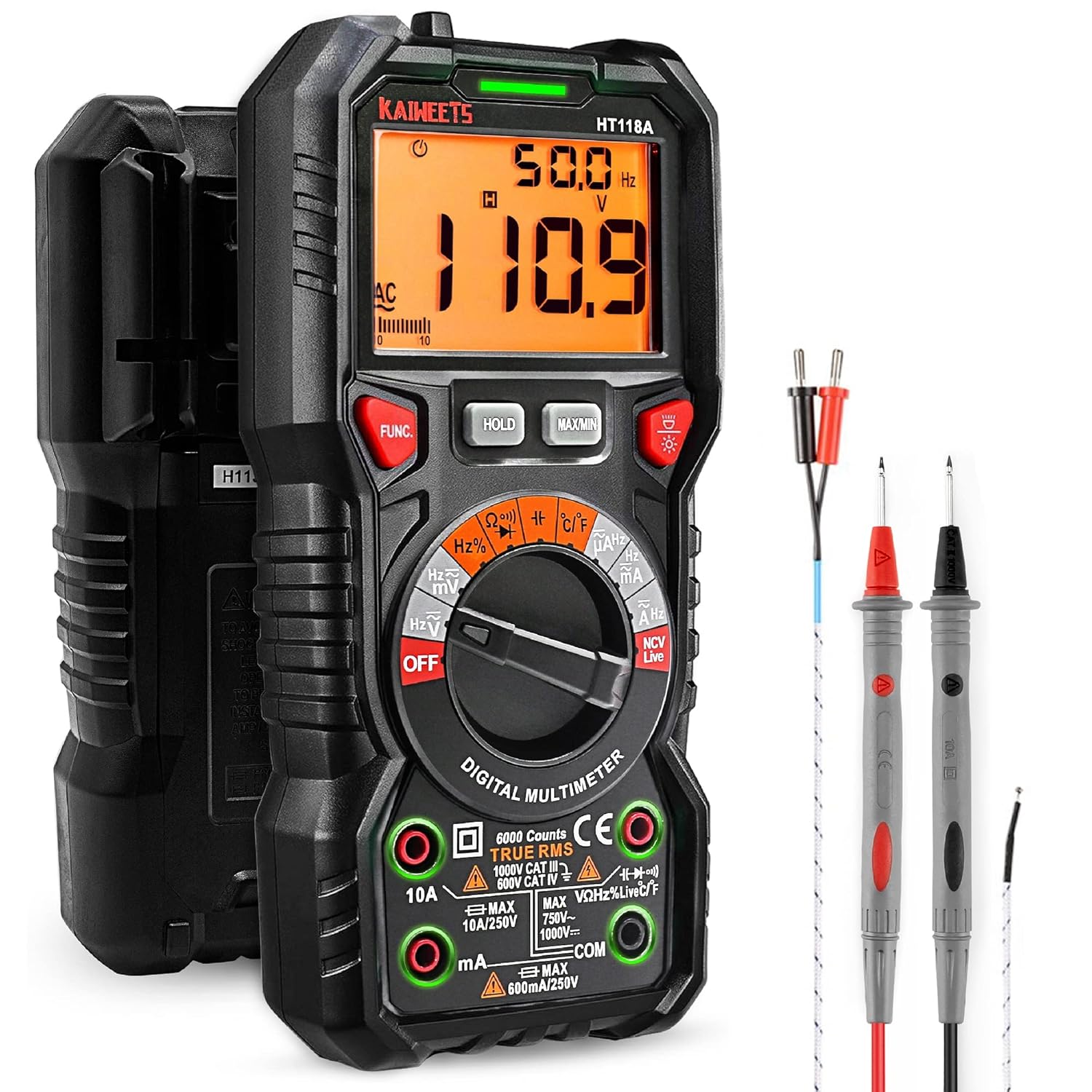
- Digital multimeter
- OBD-II scan tool with live data
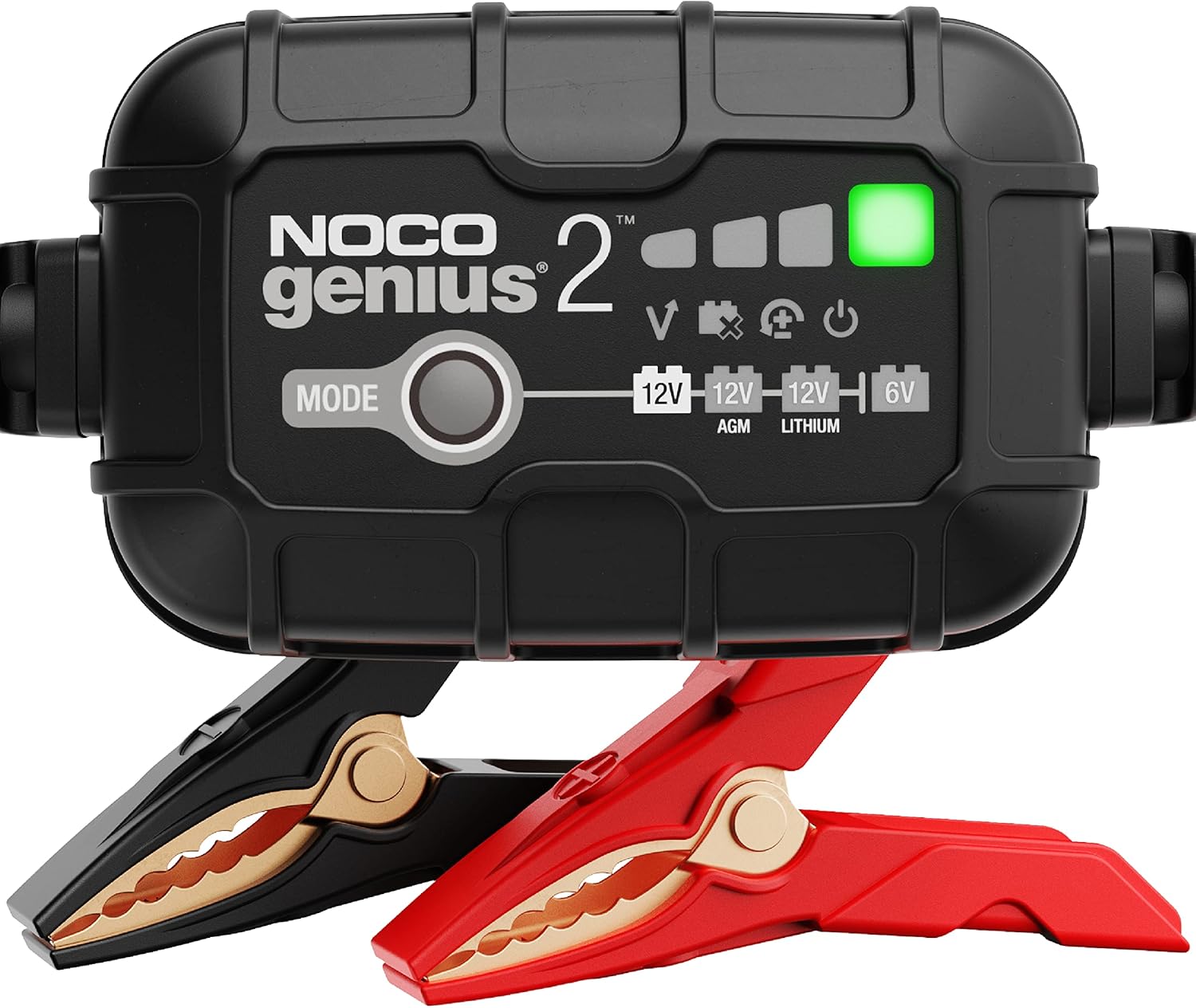
- Battery charger or maintainer
- Test light
- Back-probe pins or probe leads
- Wiring diagram or service information
- Fuse puller
Parts & Supplies
- Replacement fuses
- Battery terminal cleaner
- Dielectric grease
- Electrical contact cleaner
- Battery terminal shims or hardware as needed
This article is part of our Electrical System Maintenance & Repair Guides.
Lost module memory or repeated control module resets usually point to an intermittent power, ground, battery, fuse, or charging system problem rather than a bad module by itself.
Modern vehicles rely on multiple control modules to store learned values, readiness monitors, clock settings, radio presets, transmission adaptives, and communication data. When one of those modules loses keep-alive power or experiences a low-voltage event, it may reboot, forget stored information, set communication faults, or trigger strange symptoms that seem unrelated.
A good diagnosis starts with the basics: battery condition, charging voltage, fuse feeds, grounds, and wiring integrity. If you work in a logical order, you can often confirm the cause without replacing an expensive module unnecessarily.
Common Signs of Module Memory Loss or Reset Problems
Control module reset issues do not always show up as a single obvious fault. In many cases, the vehicle seems to have several small electrical problems at once. The key is to look for patterns that suggest a module is losing continuous battery power, seeing low system voltage, or briefly dropping off the network.
- Clock, radio presets, seat memory, or trip information reset after the vehicle sits or after starting.
- Check engine light, ABS light, traction control light, or other warning lights appear intermittently with multiple low-voltage or communication codes.
- Readiness monitors reset unexpectedly after they were previously complete.
- Idle quality, transmission shift behavior, or throttle response changes temporarily as the module relearns settings.
- The vehicle may crank slowly, click, or start normally but still show random electronic resets.
Some vehicles will also show messages such as ‘system initializing,’ ‘service power steering,’ ‘battery saver active,’ or ‘lost communication with module.’ These messages matter because they help narrow the event to a voltage drop, power interruption, or network disturbance.
Safety and Before-You-Start Checks
Before testing circuits, make sure the battery is fully charged and the vehicle is parked safely. Low voltage can create misleading results, so charging the battery first is not optional if it is weak.
- Turn the ignition off before unplugging most modules or high-current connectors.
- Use a battery maintainer during extended scan-tool sessions or key-on testing.
- Avoid probing connector terminals aggressively because spread terminals can create a new intermittent fault.
- If the vehicle has anti-theft radio or memory settings, note them before disconnecting the battery.
What Usually Causes Lost Module Memory
A module usually keeps memory through a constant battery feed, often called B+, battery feed, or keep-alive power. If that feed drops out even briefly, the module may reset. The reset may happen while driving, during cranking, or while the vehicle is parked.
- Weak or failing battery with excessive voltage drop during cranking.
- Loose, corroded, or damaged battery terminals or ground straps.
- Blown, loose, or heat-damaged fuse supplying module keep-alive power.
- Intermittent open or high resistance in power or ground wiring.
- Charging system over-voltage or under-voltage problems.
- Water intrusion or corrosion at a module connector, fuse box, or body control module.
- A module that is internally failing, though this should be confirmed only after circuit testing.
On many vehicles, a body control module, engine control module, transmission control module, radio module, or gateway module may appear to be the problem. But the real cause is often upstream: the battery, main grounds, ignition feed, fuse box, or charging system.
Start With a Full Vehicle Scan
Read All Modules, Not Just the Engine Computer
Use a scan tool that can access as many vehicle modules as possible. A basic code reader may miss the bigger picture. You are looking for low-voltage codes, lost communication codes, reset counters, and clues about which module dropped out first.
- Battery voltage low or power input low codes.
- Lost communication with ECM, BCM, TCM, ABS, or instrument cluster.
- Control module memory reset or keep-alive memory fault codes.
- Ignition voltage performance or system voltage out of range codes.
If multiple modules store low-voltage codes at the same mileage or key cycle, that usually points to a system-wide power issue. If only one module resets while others remain stable, focus more closely on that module’s dedicated power and ground circuits.
Check Freeze-frame and History Data
If available, note when the event happened: during crank, at idle, while driving, after sitting overnight, or during wet weather. Reset events during crank often suggest battery or cable problems. Reset events while driving can suggest charging faults, fuse box issues, or intermittent connection loss.
Tools That Make This Job Easier


Test Battery Condition First
A weak battery is one of the most common causes of module resets. Even if the engine still starts, a battery with poor reserve capacity can drop voltage low enough to reboot modules.
Battery Voltage Checks
- With the engine off after the battery has rested, a healthy fully charged battery should read about 12.6 volts.
- Around 12.4 volts suggests partial charge and may still be usable, but it should be charged before diagnosis.
- Below about 12.2 volts means the battery is significantly discharged and test results may not be reliable.
Next, watch voltage during cranking. If voltage falls too far, some modules will reset even if the starter turns the engine over. Exact thresholds vary by vehicle, but a major drop well below normal is a red flag.
Inspect Terminals and Cables
Look for loose clamps, white or green corrosion, damaged cable ends, swollen insulation, and poor aftermarket terminal repairs. A terminal can appear tight but still lose contact under vibration or high current.
If the battery is old, repeatedly low, or fails load testing, correct that before moving deeper into module diagnosis. Replacing a module before confirming battery health is a very common mistake.
Check Charging System Performance
Modules need stable voltage while the engine is running. If the alternator undercharges, overcharges, or produces unstable output, modules may log resets or communication faults.
- Measure charging voltage at the battery with the engine idling and with accessories on.
- Watch for voltage that is too low, too high, or fluctuating abnormally.
- Compare scan tool system voltage to multimeter voltage to catch sensing issues.
- If headlights flicker or the blower speed changes randomly, suspect charging or connection problems.
Charging voltage often falls somewhere in the mid-13 to mid-14 volt range, depending on vehicle strategy and conditions. Some computer-controlled charging systems vary output on purpose, so use service information when possible. The main concern is unstable or clearly incorrect voltage, not a tiny difference from one vehicle to another.
Verify Constant Power, Switched Power, and Ground at the Affected Module
Once you identify the likely module, check its main feeds and grounds using a wiring diagram. Most modules have at least one constant battery feed, one ignition-switched feed, and one or more grounds.
Constant Battery Feed
This circuit keeps memory alive when the key is off. If this feed disappears overnight or drops out intermittently, the module can forget settings or reset learned data.
Ignition-switched Feed
This feed wakes the module when the key is turned on. A failure here can mimic a bad module because the module may appear dead or reboot every time the ignition state changes.
Ground Circuits
A bad ground can cause the same symptoms as a missing power feed. Measure voltage drop on the ground side while the circuit is loaded, not just continuity with the power off. A ground can pass a continuity test and still fail under load.
- Identify the module power and ground pins from the wiring diagram.
- Back-probe the circuit carefully with the connector plugged in whenever possible.
- Check for battery voltage on the constant feed with the key off.
- Check for proper switched voltage with the key on.
- Load-test the grounds by measuring voltage drop between module ground and battery negative while the module is active.
If battery power is missing at the module but present at the fuse, the problem is in the wiring or connector path. If power is missing at the fuse itself, move upstream to the fuse box, battery junction, or main distribution point.
Inspect Fuses, Relays, and Fuse Box Connections
Do not assume a fuse is good because it looks intact. A fuse can have poor blade contact, heat damage, hairline cracking, or intermittent continuity. The fuse socket itself can loosen or corrode.
- Check both sides of the fuse for voltage, not just one side.
- Gently inspect fuse fit; an overly loose fuse can interrupt module memory feed.
- Look for heat discoloration, melted plastic, or signs of water intrusion in the fuse box.
- If a relay powers the module wake-up circuit, verify relay operation and terminal condition.
Under-hood fuse boxes are especially vulnerable to moisture and heat. Interior fuse panels may suffer from coffee spills, windshield leaks, or body water leaks. If several unrelated modules reset, the issue may be at a common power distribution point rather than at each module individually.
Perform Voltage Drop Tests on Main Power and Ground Paths
Voltage drop testing is one of the best ways to find hidden resistance. Corrosion inside a cable, a loose body ground, or a weak fuse box connection may not show up in a simple static voltage check.
Where to Test
- Battery positive terminal to module power feed under load.
- Battery negative terminal to module ground under load.
- Battery negative terminal to engine block during cranking.
- Battery negative terminal to body ground near the affected module.
Higher-than-expected voltage drop points to resistance in the cable, terminal, splice, fuse connection, or ground point. This is especially important if symptoms happen mainly during engine cranking or when high electrical loads are turned on.
Recommended Tools for This Job


Look for Intermittent Wiring or Connector Problems
If all tests look fine while parked, the fault may be intermittent. Wiring issues often appear with vibration, heat, steering movement, door opening, or moisture.
- Wiggle-test harnesses near the battery, fuse boxes, grounds, and the affected module while monitoring voltage or scan data.
- Inspect connectors for backed-out terminals, corrosion, bent pins, or poor locking tabs.
- Check areas where harnesses pass through the firewall, under seats, behind kick panels, or near hood hinges.
- Pay close attention to aftermarket alarm, radio, remote start, or trailer wiring splices.
Aftermarket electrical work is a frequent source of module reset complaints. Poor crimp connectors, Scotch-lock style taps, or shared grounds can create momentary voltage loss that is hard to duplicate unless the harness is moved.
Use Scan Data to Confirm the Event
Many scan tools can display module voltage, ignition status, network status, and reset counters. This can help confirm whether the module is actually rebooting or simply losing communication for another reason.
- Monitor system voltage before, during, and after cranking.
- Watch the affected module’s reported supply voltage if the scan tool supports it.
- Look for sudden dropouts in communication while wiggling harnesses or loading the electrical system.
- Compare behavior across multiple modules to see whether the event is isolated or system-wide.
If only one module shows unstable voltage or resets while the rest of the network remains healthy, concentrate on that module’s feed and ground circuits or on the module itself. If many modules drop together, stay focused on battery, grounds, fuse box, ignition power distribution, or charging issues.
How to Interpret Your Test Results
Battery or Charging Problem Likely
If you find low resting voltage, severe cranking voltage drop, unstable charging voltage, or multiple low-voltage codes across many modules, fix the battery or charging system first. Then clear codes and retest.
Power or Ground Circuit Problem Likely
If the affected module loses constant power, switched power, or clean ground while the rest of the system remains normal, the fault is likely in the fuse, connector, splice, ground point, or harness feeding that module.
Module Failure Possible
Consider the module itself only after verifying correct power, ground, network integrity, and charging performance. A module that resets despite stable inputs may have an internal fault, corrupted software, or a known service bulletin issue.
Programming or Software Issue Possible
Some vehicles have known calibration updates for false reset codes, battery management issues, or communication faults. Check for manufacturer service information before replacing hardware.
What to Do Next
Once you identify the most likely cause, make the repair and verify it under the same conditions that originally triggered the problem.
- Charge or replace the battery if it fails testing.
- Clean and tighten battery terminals and main grounds.
- Repair damaged wiring, corroded connectors, or loose fuse box terminals.
- Replace failed fuses or relays only after confirming why they lost continuity or overheated.
- Clear all codes and road test the vehicle.
- Recheck for returning low-voltage, memory reset, or communication faults.
If the vehicle still shows repeat resets after power, ground, and charging checks pass, it may be time for model-specific service information or professional testing. Some cases require oscilloscope testing, network diagnostics, or module programming tools that go beyond typical DIY equipment.
Key Takeaways
- Start with battery condition and cranking voltage because weak batteries are a leading cause of module resets and lost memory.
- Scan every accessible module and compare codes to determine whether the problem affects one controller or the whole electrical system.
- Test constant power, switched power, and loaded grounds at the affected module instead of guessing based on symptoms alone.
- Inspect fuses, fuse box terminals, grounds, and aftermarket wiring for intermittent contact or corrosion before condemning a module.
- Replace or reprogram a control module only after stable voltage, clean grounds, and proper circuit integrity have been confirmed.
FAQ
Can a Bad Battery Cause Control Modules to Lose Memory?
Yes. A weak or failing battery can drop voltage low enough during cranking or while parked that one or more modules lose keep-alive memory, reboot, or store low-voltage codes.
Will Disconnecting the Battery Reset Module Memory?
Often yes. Disconnecting battery power can erase learned values, radio presets, clock settings, idle adaptives, and readiness monitors depending on the vehicle and module design.
How Do I Know if the Issue Is the Module or the Wiring?
Verify the module has stable constant power, switched power, and low-resistance grounds under load. If those inputs remain correct when the reset happens, then the module or its software becomes more likely.
Why Do My Warning Lights Come on After a Module Reset?
When a module resets or briefly loses communication, other modules may detect that interruption and set warning lights or communication codes even if the original problem is just a voltage drop.
Can a Blown Fuse Still Look Good?
Yes. A fuse can have a hairline crack, poor terminal contact, or heat damage that causes intermittent failure. That is why checking voltage on both sides of the fuse is better than visual inspection alone.
What if the Vehicle Only Resets Modules After Sitting Overnight?
That pattern often points to battery drain, weak battery reserve capacity, a loose battery connection, or loss of constant battery feed to the affected module while the vehicle is off.
Can an Alternator Cause Memory Loss Issues Even if the Car Starts?
Yes. An alternator that undercharges, overcharges, or produces unstable system voltage can trigger module resets, communication problems, and random electronic behavior even though the engine still runs.
Need Parts for This Repair?
The right parts and supplies vary by vehicle.
Select your make and model to find compatible parts and accessories for your car.
Exact Fit
Parts that fit your make and model
Quality You Can Trust
Top brands and OEM quality options
Fast Shipping
Get the parts you need, delivered fast