

Note: This article contains affiliate links. If you click on these links and make a purchase, I may earn a small commission at no extra cost to you. This helps support my research and content. Read my full affiliate disclosure here.
What You’ll Need
A quick look at the tools and supplies commonly used for this job.
Tools
- Digital multimeter
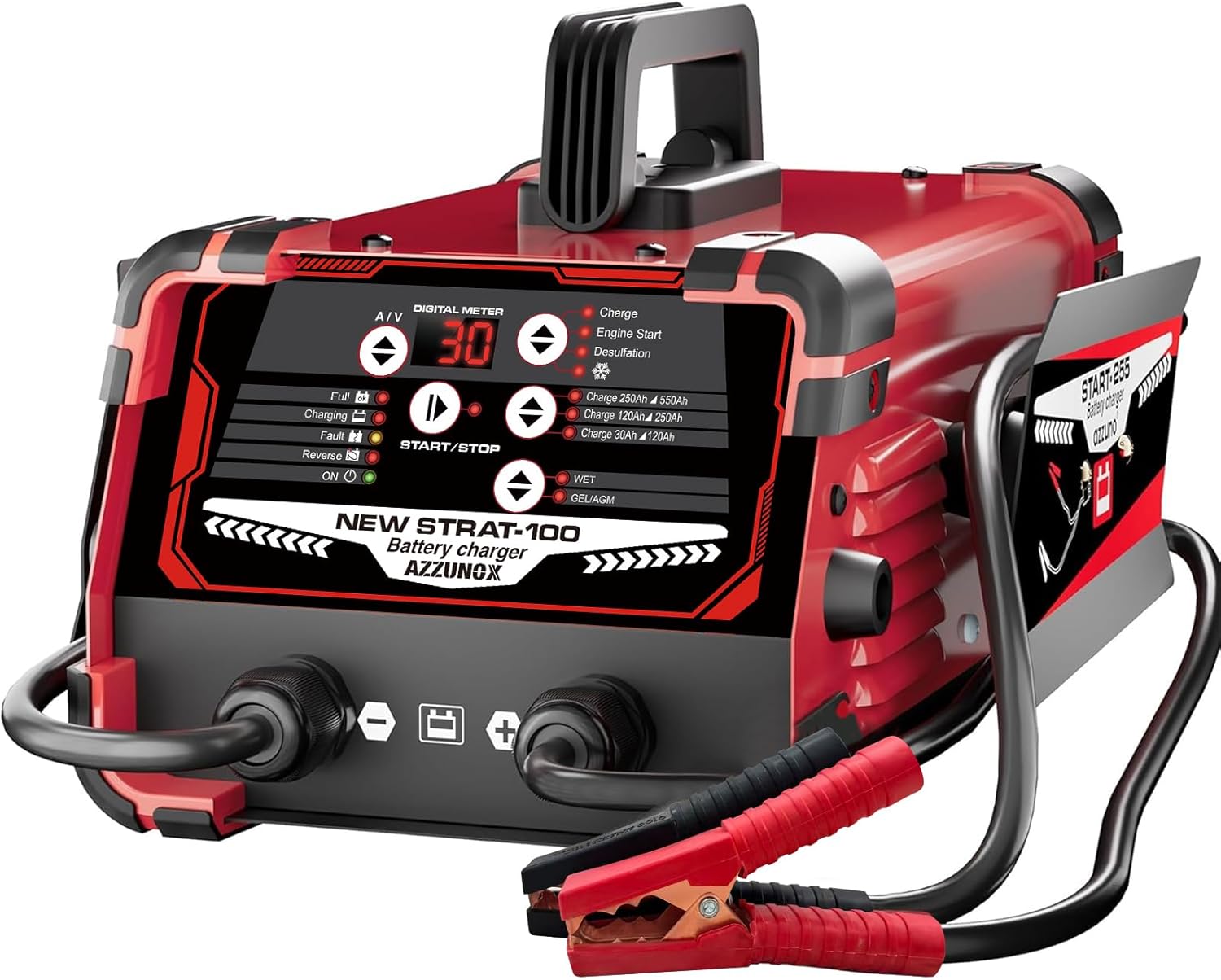
- Battery charger
- Basic socket and wrench set
- OBD-II scan tool
- Test light
- Clamp meter with DC amp function
- Battery terminal brush or cleaning tool
Parts & Supplies
- Replacement battery
- Replacement alternator belt
- Battery terminal cleaner
- Dielectric grease
- Replacement battery terminals or cable ends
- Shop towels
- Safety glasses and gloves
This article is part of our Electrical System Maintenance & Repair Guides.
Low voltage or power supply problems can make a car do strange things long before it completely fails to start. Dim lights, random warning messages, slow cranking, dead batteries, and modules that seem to glitch for no reason often come from weak battery voltage, charging problems, poor connections, or excessive electrical draw.
The good news is that you can diagnose most power supply issues at home with a multimeter and a logical process. The key is to test in order: verify the battery, check charging voltage, inspect cables and grounds, then look for voltage drop or a parasitic draw if the battery keeps going dead.
This guide walks through the symptoms, tools, and step-by-step tests that help you separate a bad battery from a weak alternator, loose terminals, damaged wiring, or an electrical drain when the car is off.
Common Signs of Low Voltage or Power Supply Problems
Power supply issues rarely show up as just one symptom. Modern vehicles depend on steady voltage for the starter, ignition system, fuel pump, control modules, sensors, and communication networks. When voltage drops too low, unrelated systems can start acting up at the same time.
- Slow cranking or a no-start condition, especially after the car sits overnight.
- Dash lights that flicker, dim, or reset during cranking.
- Radio presets, clock, or memory settings that keep disappearing.
- Battery, charging system, ABS, traction control, or multiple warning lights appearing together.
- Power windows, locks, blower motor, or seat motors operating slower than normal.
- Rough idle, stalling, or transmission shifting problems caused by unstable system voltage.
- A battery that repeatedly needs a jump-start.
If the problem happens mostly during cold starts, suspect battery condition first. If it appears while driving with lights getting dimmer or warnings appearing, focus on the alternator, belt, and charging circuit. If the car starts fine after charging but is dead the next morning, start thinking about parasitic draw or a poor battery connection.
Safety and Preparation
Before testing, work safely around the battery and charging system. Batteries can produce explosive gas, and loose tools can easily short across a terminal or metal bracket. Always keep the transmission in park or neutral, set the parking brake, and keep hands and clothing away from belts and fans when the engine is running.
- Wear eye protection and gloves when cleaning or disconnecting battery terminals.
- Do not smoke or create sparks near the battery.
- Disconnect the negative cable first if removing the battery.
- Check whether your vehicle has battery registration or memory procedures before replacement.
- Make sure the battery is fully charged before judging its health whenever possible.
Start with a Visual Inspection
A careful visual check can save time before you reach for the meter. Many low voltage complaints come from dirty terminals, loose grounds, belt issues, or damage at the battery cables rather than a failed component.
What to Inspect
- Battery terminals for corrosion, looseness, or white and green buildup.
- Battery case for swelling, cracks, or leaking electrolyte.
- Positive and negative cables for broken strands, stiff insulation, or overheated spots.
- Ground straps between the battery, engine, body, and chassis.
- Alternator belt for glazing, cracking, contamination, or poor tension.
- Fuse box main power connections for looseness or heat damage.
- Aftermarket accessories such as alarms, amplifiers, dash cams, or remote starters that may be draining power.
If the terminals can be rotated by hand, that alone can cause intermittent no-starts and low-voltage module faults. Clean and tighten obvious issues before moving on. Also note battery age. A battery older than about 4 to 6 years is a more likely suspect, especially in hot climates.
Check Battery State of Charge
Your first real measurement should be battery voltage with the engine off. Let the vehicle sit with the engine off for at least 20 to 30 minutes if possible so surface charge can settle. Set the multimeter to DC volts and measure directly across the battery posts, not the cable clamps.
Open-circuit Voltage Guide
- 12.6 to 12.8 volts: fully charged battery in good resting condition.
- 12.4 volts: roughly 75% charged.
- 12.2 volts: roughly 50% charged.
- 12.0 volts or less: discharged battery.
- Below about 11.8 volts: heavily discharged or possibly damaged battery.
If the battery is below about 12.4 volts, charge it first and retest before drawing conclusions. A weak state of charge can make a good battery appear bad. If it will not take or hold a charge, the battery may be sulfated or internally failing.
Cranking Voltage Test
Next, watch battery voltage while a helper cranks the engine. On most vehicles, voltage should usually stay above about 9.6 volts during cranking at normal temperatures. If voltage drops well below that and the starter turns slowly, suspect a weak battery, excessive starter draw, poor cable connections, or high resistance in the ground or positive side.
Tools That Make This Job Easier


Determine Whether the Battery Itself Is Bad
A battery can show acceptable resting voltage and still fail under load. If your battery charges up but quickly falls flat again, or if cranking voltage collapses badly, the battery may have low capacity even if it is not completely dead.
- The battery is old and repeatedly needs jump-starts.
- It charges to 12.6 volts but drops noticeably after sitting a few hours.
- The headlights dim severely during cranking.
- The case is swollen or there is evidence of leakage.
- A battery test at a parts store or shop shows low cold cranking amps or failed reserve capacity.
If the battery fails a proper load or conductance test, replace it before chasing more complex faults. A bad battery can create misleading charging and module codes that disappear once stable voltage is restored.
Test Alternator Output and Charging Voltage
If the battery is known good or fully charged, the next step is checking whether the alternator is keeping the system supplied while the engine runs. Start the car and measure voltage at the battery posts with the engine idling.
Typical Charging Voltage
Most vehicles will show roughly 13.5 to 14.8 volts with the engine running, though exact numbers vary with temperature, electrical load, and smart charging strategies. Some newer vehicles may intentionally reduce charging voltage under certain conditions, so compare your readings to service information if available.
What Different Readings Usually Mean
- Around 12.6 volts or battery voltage only with the engine running: alternator may not be charging.
- Below about 13.2 volts with accessories on: weak charging output, belt slip, wiring loss, or regulator problem.
- Above about 15 volts: overcharging condition that can damage the battery and electronics.
- Voltage that swings wildly or flickers: poor connection, failing regulator, bad ground, or intermittent alternator fault.
Turn on headlights, rear defroster, blower motor, and other major loads. Charging voltage should remain strong and stable. If it falls too low under load, inspect belt condition and tension, then move on to wiring and voltage drop tests.
Check for Voltage Drop in Cables and Grounds
A battery and alternator can both be healthy while the car still suffers from low voltage if power cannot travel through the cables efficiently. Corrosion hidden inside battery terminals or ground straps creates resistance, and resistance causes voltage loss under load.
Positive Cable Voltage Drop Test
Set the meter to DC volts. Place the red lead on the battery positive post and the black lead on the starter motor main power terminal or the alternator output stud, depending on which circuit you are testing. Have a helper crank the engine or turn on a heavy electrical load. A low reading is good because you are measuring lost voltage. As a general rule, about 0.2 to 0.5 volts or less per heavy cable path is acceptable, while higher readings point to excess resistance.
Ground Side Voltage Drop Test
Place the red lead on the starter housing or alternator case and the black lead on the battery negative post. Crank the engine or load the circuit. Again, excessive voltage drop means resistance in the ground path. Check the battery negative cable, engine ground strap, body ground points, and any corroded mounting surfaces.
This is one of the most important tests in low voltage diagnosis because cables often look fine externally while failing internally. If cleaning and tightening connections reduces voltage drop, retest charging and starting performance before replacing parts.
Recommended Tools for This Job


Scan for Trouble Codes and Module Voltage Clues
An OBD-II scan tool can help confirm a power supply issue even when the battery warning light is off. Low voltage can set system-wide communication and module performance faults that seem unrelated at first glance.
- Charging system or generator control codes.
- Low voltage or system voltage circuit codes.
- Communication codes affecting multiple modules at once.
- Throttle, transmission, ABS, steering, or sensor codes that appeared after a dead battery event.
If you see multiple low-voltage-related codes across different systems, fix the power supply issue first and clear the codes before replacing sensors or modules. Many electronics behave unpredictably when voltage drops during cranking or while driving.
If the Battery Dies Overnight, Check for a Parasitic Draw
If the battery tests good and the alternator charges normally, but the car is dead after sitting, you may have a parasitic draw. This means something is staying on after the vehicle should be asleep.
Basic Draw Test Process
- Fully charge the battery first.
- Turn the car off, remove the key, close doors, and latch any switches needed so interior lights go out.
- Allow the vehicle time to enter sleep mode, which can take 20 to 60 minutes or more.
- Connect a DC clamp meter around the battery cable, or place an ammeter in series with the negative battery cable if you know how to do this safely.
- Observe the resting current draw.
Typical Draw Values
Many vehicles settle below about 50 milliamps after going to sleep, though some newer cars may be slightly higher depending on design. If current draw remains elevated, pull fuses one at a time until the draw drops. That identifies the circuit to inspect more closely.
Common draw sources include glove box and trunk lights, failing relays, infotainment modules, amplifiers, aftermarket accessories, keyless entry modules, and chargers left plugged into power ports.
How to Interpret Your Results
By this point, your measurements should point you toward the failed part or circuit. Avoid replacing the alternator, battery, and starter all at once. Matching the test results to the symptom pattern is what keeps the repair accurate.
- Low resting voltage, poor cranking voltage, and failed load test usually mean the battery is bad.
- Battery starts charged but system voltage stays near 12 volts with engine running usually means the alternator is not charging.
- Charging voltage is normal at the alternator but low at the battery usually points to a cable, fuse link, or connection problem.
- Good battery and alternator, but high voltage drop during cranking usually indicates resistance in cables or grounds.
- Battery goes dead after sitting, with normal charging while driving, usually indicates a parasitic draw.
- Over 15 volts while running suggests an overcharging regulator or control issue that should be fixed quickly.
What to Do Next
Once you identify the likely cause, fix the simple items first and retest before moving on. Clean and tighten battery terminals, repair damaged ground points, replace a worn belt, or charge the battery fully. If the same readings return, replace the failed battery or alternator as indicated by your tests.
If your vehicle uses a battery current sensor, smart charging system, or requires battery registration after replacement, follow the proper service procedure. Skipping that step can lead to undercharging, warning lights, or shortened battery life.
Seek professional help if you find severe parasitic draw, intermittent charging failure, repeated blown main fuses, or signs of wiring damage in the harness or fuse box. Those faults can take advanced wiring diagrams and higher-level scan tools to isolate safely.
Key Takeaways
- Start with battery state of charge and cranking voltage before blaming the alternator or starter.
- A running voltage near battery voltage usually means the charging system is not doing its job.
- Clean, tight battery terminals and good engine grounds are critical because resistance causes low voltage under load.
- If the battery dies after sitting but charges normally while driving, test for parasitic draw instead of replacing parts blindly.
- Multiple warning lights and strange electronic behavior often come from unstable system voltage rather than failed modules.
FAQ
What Voltage Is Too Low for a Car Battery at Rest?
A healthy fully charged 12-volt battery usually rests around 12.6 to 12.8 volts. Around 12.2 volts means it is roughly half charged, and 12.0 volts or less is low enough to cause starting and electronics problems.
Can a Bad Alternator Cause Low Voltage Even if the Battery Is New?
Yes. A new battery can still go low if the alternator is not charging properly, the drive belt is slipping, or there is excessive resistance in the charging cable or grounds.
Why Does My Car Have Multiple Warning Lights when the Battery Is Weak?
Modern control modules need stable voltage to communicate correctly. When voltage drops during cranking or while driving, multiple systems can set faults at once, making the problem look bigger than it really is.
What Should Charging Voltage Be with the Engine Running?
Most vehicles show roughly 13.5 to 14.8 volts at the battery with the engine running, though smart charging systems may vary. A reading that stays near 12 volts usually means little or no charging is happening.
How Do I Know if I Have a Bad Battery Cable or Ground Strap?
Use a voltage drop test while cranking or under heavy electrical load. If voltage loss across the cable or ground path is higher than expected, there is excessive resistance from corrosion, looseness, or internal cable damage.
What Is a Normal Parasitic Draw on a Car Battery?
Many vehicles settle below about 50 milliamps after all modules go to sleep, although some newer models may vary. A significantly higher draw that remains after sleep mode can drain the battery overnight.
Should I Replace the Battery First if the Car Needs Frequent Jump-starts?
Not automatically. First charge the battery and test resting voltage, cranking voltage, and charging voltage. Frequent jump-starts can be caused by a weak battery, poor charging, bad cable connections, or a parasitic draw.
Need Parts for This Repair?
The right parts and supplies vary by vehicle.
Select your make and model to find compatible parts and accessories for your car.
Exact Fit
Parts that fit your make and model
Quality You Can Trust
Top brands and OEM quality options
Fast Shipping
Get the parts you need, delivered fast