

Note: This article contains affiliate links. If you click on these links and make a purchase, I may earn a small commission at no extra cost to you. This helps support my research and content. Read my full affiliate disclosure here.
What You’ll Need
A quick look at the tools and supplies commonly used for this job.
Tools
- OBD-II scan tool with live data
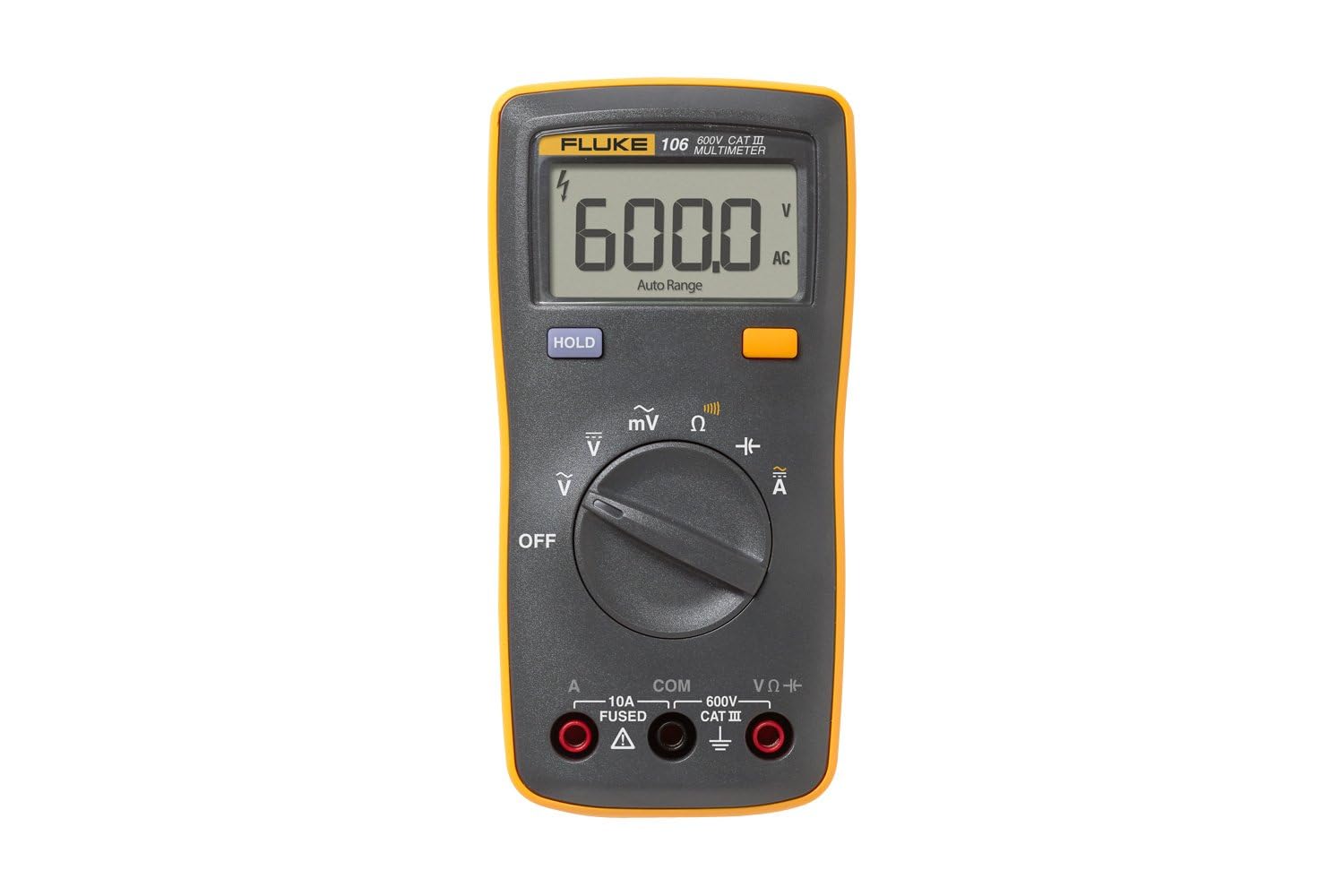
- Digital multimeter
- Infrared thermometer
- Basic socket and wrench set
- Needle-nose pliers
- Back-probe pins or test leads
- Service information or wiring diagram
- Safety gloves and safety glasses
Parts & Supplies
- Engine coolant
- Replacement engine coolant temperature sensor
- Sensor connector pigtail if damaged
- Dielectric grease
- Thread sealant if specified by the manufacturer
- Shop rags
This article is part of our Cooling System Maintenance & Repair Guides.
A bad engine coolant temperature sensor can cause hard starting, poor fuel economy, cooling fan problems, and misleading temperature readings. The good news is that you can often diagnose it at home with a scan tool, a multimeter, and a careful visual inspection.
The coolant temperature sensor tells the engine computer how warm the engine is. That input affects fuel mixture, ignition timing, idle speed, radiator fan operation on many vehicles, and sometimes transmission behavior. If the sensor signal is wrong, the computer may think the engine is ice cold when it is fully warmed up, or hot when it is not.
This guide walks through a practical step-by-step process to confirm whether the sensor itself is bad, the wiring is damaged, or the issue is actually a thermostat, low coolant level, or another cooling-system fault.
What the Engine Coolant Temperature Sensor Does
The engine coolant temperature sensor, often called the ECT sensor, is usually a two-wire thermistor threaded into a coolant passage near the thermostat housing, cylinder head, or intake manifold. Its electrical resistance changes as coolant temperature changes.
The powertrain control module sends a reference voltage through the sensor and watches how the return signal changes. When the engine is cold, resistance is high. As the engine warms up, resistance drops. The computer uses that information to decide how much fuel to add during warm-up, when to go into closed loop, and when to command the cooling fans on many vehicles.
Because the ECT sensor influences several systems, a bad reading can mimic other problems. That is why diagnosis matters before replacing parts.
Common Symptoms of a Bad Coolant Temperature Sensor
- Hard cold starts or long cranking, especially in the morning.
- Rough idle for the first few minutes after startup.
- Poor fuel economy or a strong fuel smell from an overly rich mixture.
- Cooling fans running constantly or not turning on when expected.
- Temperature gauge behavior that does not match actual engine temperature.
- Black exhaust smoke on startup in severe cases.
- Check engine light with temperature-sensor or rationality-related trouble codes.
These symptoms are not exclusive to the sensor. A stuck-open thermostat, low coolant, trapped air in the cooling system, wiring corrosion, or even a failing intake air temperature sensor can create similar complaints.
Trouble Codes That Often Point to This Problem
Start by scanning for codes, even if the check engine light is off. Some pending codes may still be stored.
- P0115: Engine coolant temperature circuit malfunction.
- P0116: Engine coolant temperature circuit range or performance problem.
- P0117: Engine coolant temperature circuit low input, often meaning the computer sees a very hot reading.
- P0118: Engine coolant temperature circuit high input, often meaning the computer sees a very cold reading or an open circuit.
- P0125: Insufficient coolant temperature for closed loop fuel control.
- P0128: Coolant thermostat below regulating temperature, often a thermostat problem but sometimes confused with sensor faults.
Do not replace the sensor based only on a code. Codes tell you which circuit or condition the computer does not like, not which part has definitely failed.
Safety and Setup Before You Test
Work on a cold engine when possible. Opening the cooling system on a hot engine can release pressurized coolant and cause burns. If you need to compare cold and warm readings, do your initial setup before starting the engine.
- Park on level ground and set the parking brake.
- Let the engine cool fully before unplugging the sensor or removing any cap.
- Wear gloves and eye protection.
- Keep loose clothing and tools away from belts and fans during live testing.
Tools That Make This Job Easier


Start With the Simple Checks
Check Coolant Level First
Low coolant can leave the sensor uncovered or only partly immersed, which causes inaccurate readings. Check the reservoir level and, when the engine is completely cool, verify the radiator is full if your vehicle allows direct radiator inspection.
Inspect the Connector and Harness
Look for green corrosion, coolant intrusion, bent terminals, broken locking tabs, chafed wires, or heat damage near the exhaust. Many ECT problems turn out to be connector or wiring faults rather than failed sensors.
Make Sure the Engine Actually Warms Up Normally
If the engine takes an unusually long time to warm up or the upper radiator hose gets hot too soon after startup, the thermostat may be stuck open. That can trigger temperature-related codes and poor heater performance even when the sensor is fine.
Compare Scan Tool Data to Reality
Cold Engine Reading Test
Connect the scan tool before starting the engine after the vehicle has sat overnight or long enough to cool completely. Look at the ECT reading with key on, engine off. It should be close to ambient temperature. If it is 40 degrees below ambient or already showing an overheated engine, the reading is not plausible.
A reading far below ambient often suggests an open circuit, poor connection, or failed sensor. A reading far above ambient often points to a short to ground, a shorted sensor, or wiring damage.
Warm-up Behavior Test
Start the engine and watch live ECT data as it warms. The reading should rise steadily and smoothly. Sudden jumps, dropouts, or values that freeze indicate a wiring issue, connector fault, or an internally failing sensor.
Most engines will eventually stabilize somewhere around the thermostat’s rated opening temperature, commonly in the 180 to 220 degree Fahrenheit range depending on the vehicle. Check your service information for normal specifications.
Cross-check with an Infrared Thermometer
Aim an infrared thermometer at the thermostat housing or near the sensor mounting area and compare that surface temperature to scan tool data. They will not match perfectly, but they should be reasonably close once the engine has stabilized. A scan reading that is dramatically different from actual measured temperature is a strong clue.
How to Test the Sensor With a Multimeter
Resistance Test with the Sensor Unplugged
On many vehicles, you can unplug the sensor and measure resistance across its terminals with the engine cold. Then compare the reading to a temperature-versus-resistance chart from service information. If the engine is warmed up and safely shut down, you can test again at a higher temperature and compare that reading too.
Exact values vary by manufacturer, so the chart matters. The key pattern is this: higher resistance when cold, lower resistance when hot. If resistance does not change appropriately, goes open intermittently, or reads far outside spec, the sensor is likely bad.
Reference Voltage Test at the Harness
With the connector unplugged and key on, use a multimeter to check for the computer’s reference voltage at the harness side. Many systems use about 5 volts. Also verify a proper sensor ground where applicable. If reference voltage or ground is missing, the problem may be in the wiring or control module circuit rather than the sensor.
Wiggle Test for Intermittent Faults
While watching scan data or meter readings, gently move the harness near the connector and along the routed wiring. If the reading suddenly changes, cuts out, or spikes, you likely have a broken conductor, poor terminal fit, or connector damage.
Recommended Tools for This Job


How to Interpret Your Results
The Sensor Is Likely Bad When
- Cold reading is clearly unrealistic compared with ambient temperature.
- Live data jumps erratically with no change in actual engine temperature.
- Resistance values do not follow the expected cold-to-hot pattern.
- The harness has proper reference voltage and ground, but sensor output remains wrong.
- The problem disappears temporarily when you tap or move the sensor body, suggesting an internal fault.
The Wiring or Connector Is More Likely at Fault When
- Sensor resistance checks out, but scan data is still wrong.
- You find corrosion, coolant in the connector, loose pins, or damaged insulation.
- Reference voltage or ground is missing at the harness.
- The reading changes during a wiggle test.
Another Cooling-system Problem Is More Likely When
- The scan reading appears believable, but the engine runs too cool due to a stuck-open thermostat.
- Coolant level is low or there is trapped air in the system.
- The vehicle is actually overheating from a fan, radiator, water pump, or flow problem.
Mistakes That Lead to Wrong Diagnosis
- Replacing the sensor without checking coolant level.
- Confusing the dash gauge sender with the engine computer’s ECT sensor on vehicles that use separate sensors.
- Assuming a P0128 code always means the ECT sensor is bad when the thermostat is often the real issue.
- Comparing resistance values without knowing actual coolant temperature.
- Ignoring a damaged connector because the sensor is inexpensive and easy to replace.
A careful diagnosis usually saves time and avoids replacing a good part.
What to Do If the Sensor Tests Bad
If your tests point to a failed sensor, replace it with a quality part that matches the original specification. Some sensors can be swapped with minimal coolant loss, while others may require draining enough coolant to drop the level below the sensor opening.
- Let the engine cool completely.
- Relieve any residual cooling-system pressure carefully.
- Unplug the electrical connector and remove the old sensor.
- Install the new sensor using thread sealant only if the manufacturer specifies it.
- Reconnect the harness, refill lost coolant, and bleed air from the system if required.
- Clear codes and verify the live temperature reading from cold start through full warm-up.
If the connector is brittle, green with corrosion, or loose at the terminals, replace the pigtail at the same time. Installing a new sensor into a damaged connector often leaves the original problem unresolved.
When You Should Stop Driving and Fix It Soon
A bad ECT sensor does not always make the car unsafe immediately, but it can create conditions that should not be ignored. If the engine is actually overheating, if the fans do not come on, or if the car runs extremely rich and misfires, stop driving until the issue is fixed.
Driving with a false cold reading can wash excess fuel onto cylinder walls, dilute engine oil, damage the catalytic converter, and hurt fuel economy. Driving with a false hot reading may cause poor cold starts, hard driveability problems, and incorrect fan operation.
Key Takeaways
- Always compare cold ECT scan data to ambient temperature before replacing the sensor.
- Check coolant level, thermostat behavior, and connector condition because they commonly mimic sensor failure.
- A good sensor should show a smooth temperature rise on live data and resistance that changes logically from cold to hot.
- If reference voltage or ground is missing, diagnose the wiring first instead of installing a new sensor.
- After any repair, confirm normal warm-up, fan operation, and code-free scan data.
FAQ
Can a Bad Coolant Temperature Sensor Cause a Car Not to Start?
Yes. If the sensor tells the computer the engine is much hotter or colder than it really is, the fuel mixture during startup can be wrong enough to cause long cranking, hard starting, or a no-start in some cases.
Will a Bad Coolant Temperature Sensor Always Trigger a Check Engine Light?
No. A sensor can drift out of accuracy without immediately setting a code, especially if the reading is still within a believable range. That is why live data comparison is so useful.
How Do I Tell the Difference Between a Bad Thermostat and a Bad Coolant Temperature Sensor?
Use scan data and actual temperature checks together. If the sensor reading is believable and the engine warms very slowly or never reaches normal operating temperature, the thermostat is more likely the problem. If the reading is implausible or erratic, the sensor or wiring is more suspect.
What Should the Coolant Temperature Read on a Cold Engine?
It should be close to outside ambient temperature after the vehicle has sat long enough to cool fully. Small differences are normal, but large differences usually point to a sensor or circuit issue.
Can Low Coolant Make the Coolant Temperature Sensor Read Wrong?
Yes. If coolant is low or there is air trapped in the system, the sensor may not be fully surrounded by coolant, which can cause inaccurate or unstable readings.
Do All Cars Use the Coolant Temperature Sensor to Control the Radiator Fan?
Not all, but many do. Some vehicles also use separate fan switches, multiple temperature sensors, or module-based fan control strategies, so always check service information for your specific model.
Is It Okay to Drive with a Bad Coolant Temperature Sensor?
Short trips may be possible if the engine is not overheating, but it is not ideal. The wrong temperature signal can cause poor running, bad fuel economy, increased emissions, and possible catalytic converter damage.
Need Parts for This Repair?
The right parts and supplies vary by vehicle.
Select your make and model to find compatible parts and accessories for your car.
Exact Fit
Parts that fit your make and model
Quality You Can Trust
Top brands and OEM quality options
Fast Shipping
Get the parts you need, delivered fast