

Note: This article contains affiliate links. If you click on these links and make a purchase, I may earn a small commission at no extra cost to you. This helps support my research and content. Read my full affiliate disclosure here.
What You’ll Need
A quick look at the tools and supplies commonly used for this job.
Tools
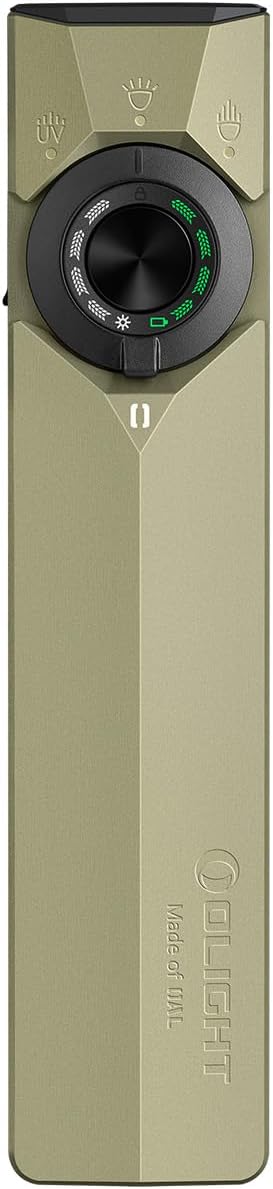
- Flashlight
- Plastic trim tool
- Clean microfiber towel
- Mild soap and water
- Notepad or phone camera for documenting damage
Parts & Supplies
- Replacement seat belt assembly if damage is found
- Replacement buckle or pretensioner components if specified by the vehicle manufacturer
This article is part of our Body and Exterior Maintenance & Repair Guides.
Seat belt damage inspection is one of the most important safety checks you can do on your vehicle, because a belt that looks usable can still fail when you need it most.
Unlike many comfort-related parts, seat belts are part of the vehicle’s primary restraint system. Webbing can fray, buckles can stop locking securely, and retractors can lose tension or bind up. Even sunlight, spilled drinks, dirt, repeated twisting, and one previous collision can leave a belt unsafe to trust.
This guide walks you through how to inspect the belt webbing, latch plate, buckle, retractor, mounting points, and warning signs of crash-related damage. It also explains what counts as a pass, what means immediate replacement, and when a professional inspection is the safer choice.
Why Seat Belt Inspection Matters
A seat belt does three critical jobs in a crash: it keeps you in position, spreads crash forces across stronger parts of the body, and works with airbags as part of a larger restraint system. If the belt webbing tears, the latch releases, or the retractor fails to lock, the restraint system may not protect you as designed.
Seat belt issues are often missed because the system gets used daily and wear happens gradually. A small cut on the edge of the webbing, a buckle that occasionally sticks, or a belt that retracts slowly may seem minor, but those are all signs that the assembly may be contaminated, worn, or structurally compromised.
- Inspect seat belts any time you buy a used car.
- Check them after any collision, even a moderate one.
- Reinspect if a belt gets soaked, contaminated, or exposed to battery acid, bleach, or harsh cleaners.
- Pay close attention if the airbag light or seat belt warning light stays on.
Before You Start the Inspection
Park on level ground with the ignition off. Open the doors or move the seats for better access. Good lighting matters because edge fraying, melted fibers, and buckle damage are easy to miss in low light.
Do not disassemble the retractor, pretensioner, or buckle mechanism unless the service manual specifically allows it. Many modern seat belts include pyrotechnic pretensioners that are tied into the airbag system. Improper handling can damage components or create a safety risk.
Good Inspection Habits
- Inspect every seating position, not just the driver’s belt.
- Pull each belt out fully so hidden damage near the spool is visible.
- Compare left and right side operation if only one belt seems questionable.
- Use a phone camera to photograph damage before ordering parts.
What to Inspect on the Belt Webbing
The webbing is the fabric strap itself, and it is the most visible wear point. Pull the belt all the way out slowly and run your fingers along both edges and both faces of the belt. Look closely with a flashlight. The belt should feel smooth, evenly woven, and consistent in width.
Pass Condition
- The webbing is flat and uniform with no cuts or broken threads.
- Minor surface fuzz from normal use is limited and not deep into the fibers.
- Color fading is mild and there are no stiff, brittle, or melted areas.
- The belt slides through your hand smoothly without catching on damaged spots.
Fail Condition
- Any cut, tear, puncture, or split in the webbing.
- Heavy fraying, especially along the edges or near the latch plate.
- Burn marks, melted fibers, shiny heat-damaged spots, or stiffness.
- Chemical staining, bleach damage, mildew, or hard crusted contamination.
- Pulled threads, thin spots, or sections that look stretched or rippled.
If you can see broken fibers, exposed inner strands, or any place where the belt looks narrower or weaker than the surrounding material, replace the assembly. There is no safe repair for damaged seat belt webbing.
High-wear Areas to Focus On
Pay extra attention where the latch plate rests, where the belt rubs over trim at the B-pillar, and where the webbing disappears into the retractor. These are common spots for abrasion. Also inspect child-seat seating positions carefully, since repeated installation can twist and strain the belt.
Tools That Make This Job Easier


How to Check the Latch Plate and Buckle
The latch plate is the metal tongue you insert into the buckle. The buckle is the receiving end, usually mounted beside the seat. Both need to function cleanly and positively every time.
Latch Plate Inspection
- Check for cracks, bending, heavy corrosion, or sharp burrs.
- Make sure the webbing is securely attached and not bunching at the plate.
- Confirm the plate slides on the belt as designed and is not twisted or jammed.
- Look for signs of impact damage, such as gouges or deformation.
Buckle Inspection
Insert the latch plate fully into the buckle. You should hear a distinct click and feel a secure lock. Tug firmly to confirm it stays latched. Press the release button and verify the latch plate ejects or releases smoothly without sticking.
- A good buckle locks on the first try and releases cleanly.
- A failing buckle may require wiggling, fail to click, release too easily, or stick closed.
- Coins, crumbs, sticky drink residue, and dirt can interfere with buckle function.
- If the buckle has intermittent locking problems, replacement is safer than trying to live with it.
Do not lubricate the buckle with oil or grease. If contamination is obvious, consult the vehicle service information for approved cleaning methods. If the buckle remains inconsistent after gentle cleaning, replace it.
How to Test the Retractor and Locking Function
The retractor stores the belt, keeps light tension on it, and locks the belt during certain rapid movements or vehicle deceleration. A belt that does not retract fully or does not lock correctly should not be trusted.
Retraction Test
Pull the belt out slowly, then feed it back in while guiding it with your hand. It should retract smoothly without hesitation, slack, or bunching. If the belt hangs loose, retracts very slowly, or stops partway, check first for twisted webbing or trim interference.
- Pass: smooth, consistent pull-out and return with enough tension to remove slack.
- Borderline: slight slow return caused by dirty webbing or a twist near the shoulder guide.
- Fail: repeated sticking, weak spring tension, scraping noises, or failure to retract enough to stow properly.
Locking Test
Pull the belt out slowly several inches, then give it a sharp tug. In most vehicles, the retractor should lock and stop the webbing from extending farther. Repeat the test from different belt lengths. Some systems are angle-sensitive, so perform the test with the vehicle parked level and the belt routed normally.
If the belt never locks during a sharp tug, or locks unpredictably during normal movement, the retractor may be defective or crash-affected. Replacement is usually the correct fix.
Child-seat Locking Mode Note
Many modern seat belts have a switchable locking mode for installing child seats. When pulled all the way out, the belt may ratchet as it retracts. That can be normal. What is not normal is random locking, failure to switch modes as designed, or inability to retract once the belt is fed back in.
Check the Anchor Points and Surrounding Hardware
Seat belt strength depends on more than the webbing. The belt anchors, bolts, seat-mounted hardware, and upper guides must also be secure. Use a flashlight to inspect visible mounting points at the floor, seat frame, and pillar.
- Look for loose trim that may hide rust or movement at the mounting point.
- Check for corrosion, bent brackets, cracked plastic guides, or missing bolt covers.
- Watch the anchor while pulling the belt; there should be no shifting or popping movement.
- Inspect seat-mounted buckles for bent stalks, torn covers, or looseness at the seat frame.
Any visible rust-through, cracked bracket, or loose mounting hardware is a fail. Because these points see very high loads in a collision, even minor-looking structural damage deserves prompt repair.
Signs of Crash Damage or Pretensioner Deployment
A seat belt may be unsafe even if the webbing looks decent after a collision. Many vehicles use pretensioners that tighten the belt instantly during a crash. Once deployed, the component may need replacement even if the belt still buckles.
Common Clues That the Belt System Has Been Crash-affected
- The belt is suddenly shorter than before or will not pull out normally.
- The retractor is locked solid after a crash.
- Wrinkled, stretched, or rippled webbing appears near the latch plate or anchor.
- The SRS or airbag warning light remains on after collision repair.
- The buckle, pretensioner tube, or anchor hardware shows soot, deformation, or fresh replacement marks on only one side.
If the vehicle has been in any collision and you are unsure whether the seat belt pretensioner deployed, assume the restraint system needs professional evaluation. A used vehicle with unevenly aged seat belts, salvage history, or airbag work should be inspected carefully before being relied on.
Recommended Tools for This Job


Cleaning Vs. Replacing: What Is Safe
Light dirt on webbing can slow retraction and make a belt feel stiff, so gentle cleaning is sometimes worthwhile. Use mild soap and water on a cloth, wipe the belt with it fully extended, then wipe with clean water and let it dry completely before retracting. Avoid soaking the retractor.
Do not use bleach, strong solvents, petroleum-based cleaners, dye, heat guns, or stiff brushes. These can weaken fibers or damage the belt finish. If dirt is the only issue and the belt passes all other checks, cleaning may restore normal operation.
Replace Instead of Clean if You Find
- Fraying or cut fibers.
- Mold, chemical exposure, or battery acid contamination.
- Persistent buckle or retractor malfunction.
- Evidence of prior crash loading or pretensioner deployment.
- Heat, burn, or melted damage.
When the Belt Passes, When It Fails, and When to Act Immediately
A Seat Belt Passes Inspection If
- The webbing is intact, flat, and free of cuts, tears, and deep fraying.
- The latch plate and buckle lock and release correctly every time.
- The retractor pulls out smoothly, retracts fully, and locks during a sharp tug.
- The anchors and guides are secure with no rust damage or looseness.
- There is no sign of crash deployment, stretching, or warning light-related restraint faults.
A Seat Belt Fails Inspection If
- Any webbing damage is visible beyond very minor surface fuzz.
- The buckle is intermittent, sticky, or does not hold reliably.
- The belt does not retract or lock as designed.
- Mounting hardware is loose, corroded, bent, or damaged.
- The vehicle has crash history with unresolved restraint system concerns.
Act immediately if the driver’s belt or any frequently used passenger belt fails. Until repaired, do not assume that seating position is safe. Seat belts are not maintenance items you postpone the way you might delay a cosmetic repair.
Replacement Tips and Best Practices
In most cases, the safest repair is replacing the complete seat belt assembly with the correct part for your exact year, make, model, trim, and seating position. Left and right belts, front and rear belts, and belts with integrated pretensioners are often different.
If the belt is connected to the airbag system, disconnecting or replacing components may require battery disconnection procedures, torque specs, scan-tool checks, and service manual steps. If you are not comfortable working around SRS components, this is a good job to hand to a professional.
- Use OEM or equivalent parts matched to the exact seating position.
- Do not install a belt with unknown crash history from a salvage vehicle unless the source and condition are verified and local regulations allow it.
- Replace damaged trim guides if they caused belt chafing.
- Confirm proper operation after installation with latch, retract, and lock tests.
Key Takeaways
- Replace any seat belt with cuts, deep fraying, melted spots, chemical damage, or signs of stretching after a crash.
- A buckle that does not click and hold securely every time is a safety failure, not a minor annoyance.
- Test both retraction and sudden-tug locking, because a belt can look fine but still fail mechanically.
- Inspect anchor points and seat-mounted hardware for looseness, rust, or bent brackets before declaring the belt safe.
- If the vehicle has collision history or an SRS warning light, have the restraint system professionally evaluated.
FAQ
Is a Little Fuzz on the Seat Belt Edge Normal?
Very light surface fuzz from normal use can be acceptable if the webbing is still flat, full-width, and free of broken threads, cuts, or thinning. Deep edge fraying, exposed fibers, or any place that looks weakened means the belt should be replaced.
Can I Keep Using a Seat Belt That Retracts Slowly?
Only if the cause is clearly minor, such as dirt on otherwise undamaged webbing or a simple twist at the shoulder guide. If the belt still retracts weakly after cleaning and correcting routing, the retractor may be worn or damaged and the assembly should be replaced.
How Do I Know if a Seat Belt Was Damaged in a Previous Crash?
Look for rippled or stretched webbing, a retractor that stays locked, unusual belt length, trim disturbance around the pillar, new parts on one side only, or an SRS warning light. Any suspected pretensioner deployment or crash loading calls for professional inspection or replacement.
Can Seat Belts Be Repaired Instead of Replaced?
Damaged webbing should not be sewn, glued, patched, or otherwise repaired. Buckles and retractors are generally replaced as assemblies or according to manufacturer service procedures. For most DIY owners, replacement of the complete seat belt assembly is the safest route.
Is It Safe to Buy a Used Replacement Seat Belt?
It is risky unless you can verify the exact fitment, storage condition, and that the donor vehicle was not in a crash affecting that belt. Because hidden pretensioner or load damage is possible, new OEM or high-quality approved replacement parts are usually the better choice.
Should I Replace Seat Belts After Airbags Deploy?
Often yes, or at minimum inspect them according to the manufacturer’s repair procedures. Airbag deployment frequently happens with pretensioner activation or crash loading of the belt system, and those components may no longer be safe to reuse.
What Cleaner Should I Use on a Dirty Seat Belt?
Use mild soap and water on a cloth, wipe gently, then wipe with clean water and let the belt dry fully before retracting. Avoid bleach, solvents, petroleum products, or harsh brushes because they can weaken or damage the webbing.
Need Parts for This Repair?
The right parts and supplies vary by vehicle.
Select your make and model to find compatible parts and accessories for your car.
Exact Fit
Parts that fit your make and model
Quality You Can Trust
Top brands and OEM quality options
Fast Shipping
Get the parts you need, delivered fast