

Note: This article contains affiliate links. If you click on these links and make a purchase, I may earn a small commission at no extra cost to you. This helps support my research and content. Read my full affiliate disclosure here.
Repair Snapshot
Use a mechanic if the window glass is cracked, the door has side-impact airbags you are not comfortable working around, or riveted regulator mounting requires heavy-duty tools you do not have.
This article is part of our Body and Exterior Maintenance & Repair Guides.
Replacing a window regulator is a manageable DIY repair if your power window has fallen into the door, moves crookedly, grinds, or stops moving even though the motor still tries to work.
On most vehicles, the regulator sits behind the interior door panel and moves the glass up and down with either a cable, scissor, or track-style mechanism. The exact fastener locations vary by make and model, but the overall process is similar: remove the door panel, secure the glass, disconnect the regulator, install the new assembly, and test everything before buttoning up the door.
Because you are working around sharp metal edges, fragile glass, wiring, and sometimes side airbags, take your time and use the service information for your vehicle when available. A careful, methodical approach matters more here than speed.
Before You Start
Confirm that the regulator is actually the failed part before taking the door apart. If you hear the motor running but the glass does not move, drops suddenly, binds, or tilts, the regulator is the likely problem. If there is no sound at all, the fault could be the motor, switch, fuse, wiring, or body control module.
Buy the correct replacement by matching year, make, model, body style, door position, and power versus manual window setup. Many replacement regulators come with a motor already attached, while others require transferring your original motor. Compare the new part to the old one before installation.
- Park on level ground and switch the ignition off.
- If your vehicle has side airbags in the door, disconnect the negative battery cable and wait a few minutes before unplugging door connectors.
- Protect painted surfaces with towels or tape so tools and glass do not scratch the finish.
- Have extra door panel clips on hand because old ones often break during removal.
How the Window Regulator Fails
A window regulator fails in a few common ways. Cable-style regulators often fray, kink, or jump off the spool, which can make the glass drop into the door or move unevenly. Scissor-style regulators can wear at pivot points or rollers. Guides and sliders can crack, and mounting bolts can loosen over time.
A dragging window can also overload the regulator. Dry window channels, bent guides, or misaligned glass make the mechanism work harder, which shortens the life of the regulator and motor. If the old regulator failed because the glass was binding, address that issue before installing the new part or the replacement may fail early too.
Remove the Door Panel and Access the Regulator
Remove Visible and Hidden Fasteners
Start by locating all screws in the armrest, pull handle, switch bezel, lower door pocket, and behind small trim covers. Many doors use a combination of Phillips, 7mm, 8mm, 10mm, or Torx fasteners. Use a trim tool to pop out covers gently so you do not mar the panel.
Release the Panel Clips
Once the screws are out, slide a trim removal tool between the door panel and the door shell and pop the clips loose one at a time. Work around the perimeter instead of pulling hard in one spot. Older clips can be brittle, and the fiberboard backing on some panels can crack if forced.
Disconnect Wiring and Cables
Lift the panel upward to unhook it from the window ledge. Disconnect electrical connectors for the window switch, mirror switch, courtesy light, and speaker as needed. If the inside door handle uses a cable or rod, detach it carefully and note how it routes for reassembly.
Peel Back the Vapor Barrier
Behind the panel you will usually find a plastic water shield or foam vapor barrier attached with sticky butyl adhesive. Peel it back slowly without tearing it. This barrier is important because it keeps water off the back of the panel and helps prevent rattles and electrical issues. If the adhesive no longer sticks well, plan to reseal it during reassembly.
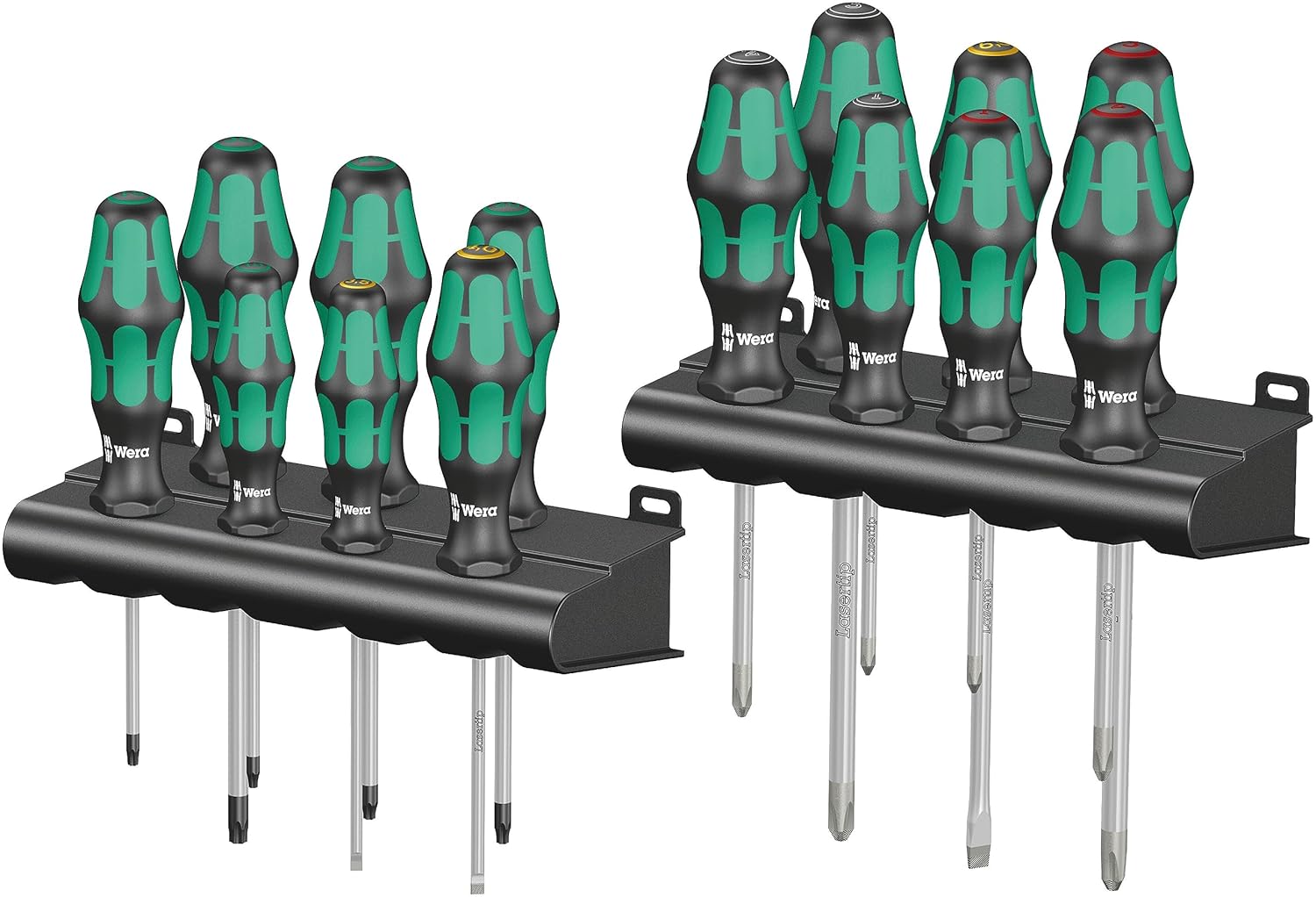
Tools That Make This Job Easier


Secure the Window Glass
Before loosening the regulator, support the glass. If the window still moves a little, reconnect the switch temporarily and move the glass until the regulator-to-glass fasteners line up with the access holes in the door. Then disconnect power again if needed.
Most vehicles clamp the glass to the regulator with two bolts, nuts, or plastic clips. Once you loosen or remove those fasteners, slide the glass fully upward by hand and secure it in place with several long strips of painter’s tape running over the top of the door frame and down both sides of the glass. Use enough tape that the glass cannot slip.
If the glass is loose in the tracks or you do not trust tape alone, have a helper hold it, or wedge it gently with a soft block at the bottom. Do not put pressure on the edge of tempered glass, and do not rest tools against it.
Remove the Old Window Regulator
Disconnect the Motor and Mounting Points
Unplug the window motor electrical connector. Remove the bolts or nuts holding the regulator and motor to the door shell. Some vehicles use large aluminum rivets instead of bolts. If yours does, you may need to drill the rivets out and install the new regulator with bolts and locknuts or a rivet gun designed for heavy-duty fasteners.
Transfer the Motor if Required
If your new regulator does not include a motor, remove the motor from the old regulator only after checking the instructions. Some cable regulators are spring-loaded and can snap or shift when separated. The replacement part may have a shipping clip or locking feature to keep the mechanism safe until the motor is installed.
Maneuver the Assembly Out of the Door
Collapse the regulator as needed and rotate it through the largest access opening in the inner door shell. This part can be awkward. Pay attention to the path it takes out of the door because that usually shows the easiest way to get the new one back in.
- Watch for sharp edges inside the door.
- Do not let the regulator catch the speaker wires or door lock rods.
- Keep track of bolt locations if the hardware sizes differ.
- Compare the old and new assemblies side by side before installation.
Install the New Window Regulator
Guide the new regulator into the door in roughly the same orientation as the old one came out. Start all mounting bolts by hand before tightening any of them fully. This helps the assembly sit squarely in the door and prevents cross-threading.
If you had to transfer the motor, attach it according to the part instructions and make sure the gear engages cleanly. On cable-style setups, avoid cutting any shipping ties or retainers until the unit is bolted in place, if the instructions call for that sequence.
Tighten the regulator and motor fasteners evenly. Exact torque specs vary widely by vehicle, so use service manual values whenever you have them. If no spec is available, snug the small fasteners firmly without overtightening, especially where the regulator mounts to thin sheet metal.
Reconnect the Glass to the Regulator
Lower the glass carefully into the regulator clamps or mounting points. Make sure the glass sits fully in the channel or bracket and is not twisted. Install the clamp bolts or nuts and tighten them evenly. Over-tightening can crack the glass or distort the clamp, so use moderate hand force and factory torque specs when available.
Recommended Tools for This Job


Test Window Operation Before Reassembly
Reconnect the switch and turn the ignition to the accessory position. Run the window down and up several times while watching the regulator and glass. The movement should be smooth, even, and reasonably quiet. The glass should stay centered in the run channels and seal evenly at the top.
If the window binds, tilts, or slows near the top, stop and correct it now. Check that the regulator is seated properly, the glass is centered in the clamps, and nothing inside the door is interfering with the tracks or cables. A misrouted wire or loose fastener can cause immediate problems.
For vehicles with one-touch auto-up or pinch protection, you may need to initialize the window after installation or after disconnecting the battery. A common procedure is to run the window fully down, hold the switch for a few seconds, then fully up and hold again. Follow your owner’s manual or service information because the reset steps differ by manufacturer.
Reassemble the Door Properly
Once the window works correctly, reseal the vapor barrier carefully. This step is easy to overlook, but it matters. A poorly sealed barrier can let water reach the door panel, speaker, and switch wiring, leading to rattles, damp carpet, or failed electronics.
Reconnect all electrical plugs and the interior handle cable or rod. Hang the top of the panel on the window ledge first, then align the retaining clips with their holes and press the panel into place. Reinstall all screws, trim covers, and bezels in the reverse order of removal.
Do one last functional check: test the window, door lock, inside handle, mirror switch, speaker, and courtesy light. Make sure nothing rattles and the panel sits flush all the way around.
Torque Notes, Adjustment Tips, and Common Mistakes
Window regulator fasteners usually thread into thin metal or small captive nuts, so this is not a repair where brute force helps. Follow factory torque values when you can. If you do not have the spec, tighten bolts and nuts just enough to secure the assembly without deforming brackets or stripping threads.
If your door has adjustable glass stops or guide rails, mark their original positions before loosening anything. This gives you a reference point if the window alignment changes. A small amount of silicone spray in the window run channels can help reduce drag, but do not soak the door or contaminate electrical connectors.
- Do not slam the door with the panel off and the glass taped up.
- Do not skip the vapor barrier; water management inside the door is normal and expected.
- Do not assume a bad regulator if the switch has no power or the fuse keeps blowing.
- Do not reuse broken panel clips because loose panels rattle and may not seal correctly.
When to Replace the Motor Too
If the old motor is noisy, weak, intermittent, or shows signs of water damage, replacing it at the same time can save you from reopening the door later. On many vehicles, labor overlaps almost completely, so the extra part cost can be worth it.
A regulator that failed suddenly can also overload the motor. If the motor was stalled while the cable tangled or the glass jammed, its internal gears or thermal protection may already be compromised. If your replacement regulator is available as a complete assembly with motor, that is often the most straightforward option for DIY repair.
Key Takeaways
- Support the glass securely before disconnecting the old regulator so it cannot slide down and shatter or injure you.
- Compare the new regulator to the old assembly before installation, especially motor fitment, mounting points, and connector style.
- Test the window through several full cycles before reinstalling the door panel so alignment issues are easier to fix.
- Reseal the vapor barrier carefully to prevent future water leaks, rattles, and electrical problems inside the door.
- If the door uses airbags, riveted mounts, or cracked glass, professional repair may be the safer choice.
FAQ
How Do I Know if the Window Regulator Is Bad Instead of the Motor?
If you hear the motor running but the glass does not move, drops into the door, or moves crookedly, the regulator is usually bad. If there is no sound at all, test the fuse, switch, wiring, and motor power before replacing the regulator.
Can I Replace Just the Regulator and Keep the Old Motor?
Yes, if the motor still works properly and your replacement regulator is designed to accept the original motor. However, if the motor is weak, noisy, intermittent, or difficult to access, replacing both together can save time later.
Do I Need to Disconnect the Battery for This Repair?
It is strongly recommended if the door contains side airbags or if you will be unplugging multiple electrical connectors. Disconnecting the negative battery cable also reduces the chance of short circuits while working inside the door.
What if the Window Glass Falls Into the Door?
Raise it carefully by hand if possible and secure it with several strips of tape over the top of the door frame. If the glass is cracked, chipped on the edge, or unstable in the channels, stop and replace or professionally inspect the glass before continuing.
Do Window Regulators Need Lubrication?
The regulator itself is usually pre-lubricated or designed to run dry in certain areas, so follow the part instructions. Light silicone spray in the window run channels can help the glass move smoothly, but avoid heavy grease on cables, tracks, or electrical components unless the service manual specifically calls for it.
Why Does My Window Move Slowly After Replacing the Regulator?
Slow movement can come from a weak motor, misaligned glass, tight or dirty run channels, loose mounting points, or an initialization procedure that has not been completed. Recheck alignment and confirm the motor has proper voltage before assuming the new regulator is defective.
Do I Need Special Tools if the Regulator Is Riveted in Place?
Possibly. You may need a drill to remove the factory rivets and hardware to install the new regulator. Some replacements use bolts and locknuts instead of rivets, but always follow the part manufacturer’s instructions.
Need Parts for This Repair?
The right parts and supplies vary by vehicle.
Select your make and model to find compatible parts and accessories for your car.
Exact Fit
Parts that fit your make and model
Quality You Can Trust
Top brands and OEM quality options
Fast Shipping
Get the parts you need, delivered fast