

Note: This article contains affiliate links. If you click on these links and make a purchase, I may earn a small commission at no extra cost to you. This helps support my research and content. Read my full affiliate disclosure here.
What You’ll Need
A quick look at the tools and supplies commonly used for this job.
Tools
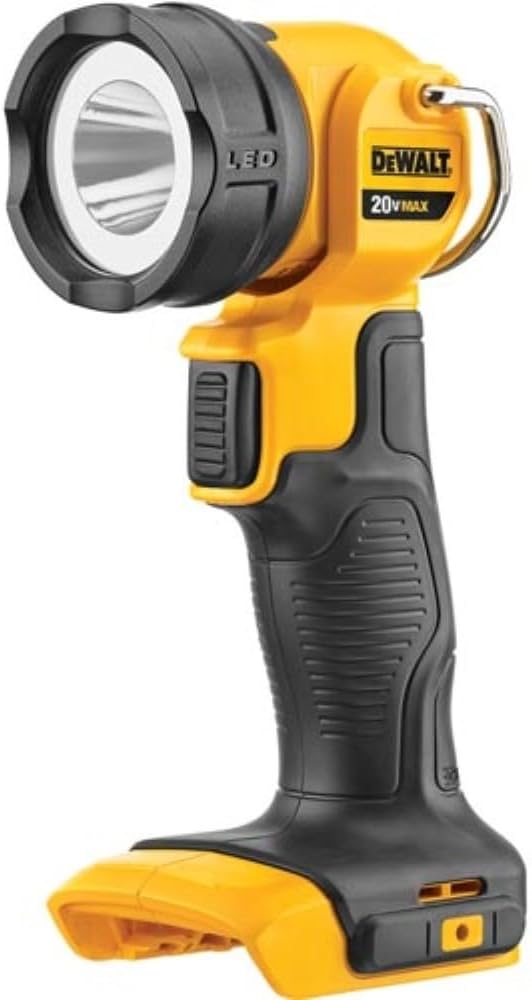
- Flashlight
- Trim removal tool set
- Plastic pry tool
- Mechanic’s stethoscope or chassis ear kit
- Microfiber towel
- Painter’s tape
- Small socket and screwdriver set
- Smartphone voice recorder
Parts & Supplies
- Replacement trim clips
- Automotive felt tape
- Foam anti-rattle tape
- Silicone lubricant safe for rubber and plastic
- Isopropyl alcohol or interior-safe cleaner
- Zip ties
This article is part of our Body and Exterior Maintenance & Repair Guides.
Loose trim rattles can be some of the most annoying noises in a car because they often sound worse than the actual problem. A tiny loose clip, vibrating panel edge, or plastic-on-plastic contact point can create a sharp buzz or tapping noise that seems to move around the cabin as speed and road surface change.
The good news is that trim-related rattles usually can be diagnosed with basic tools and a systematic test drive. The key is to confirm when the noise happens, narrow down the area, then use pressure, isolation, and inspection tests to identify the exact panel, fastener, or contact point.
This guide walks through a practical DIY process for finding rattles from interior and exterior trim, including what to listen for, how to reproduce the noise safely, where to inspect first, and what your results usually mean.
What Loose Trim Rattles Usually Sound Like
Trim noises are often described as rattles, buzzes, ticks, plastic tapping, or a light knocking sound. Unlike suspension clunks or drivetrain noises, trim rattles usually react strongly to cabin pressure, hand pressure on a panel, temperature, or specific road textures like expansion joints and washboard pavement.
A loose trim problem may come from interior panels, dashboard bezels, door cards, B-pillar covers, seat belt height trim, center console pieces, rear hatch trim, cargo panels, speaker grilles, sunroof surrounds, or exterior plastic cladding. The noise can echo through the cabin, so the first sound you hear is not always the exact location.
- A buzz usually points to two plastic pieces vibrating against each other.
- A light tapping often suggests a loose clip, screw, or harness contacting trim from behind.
- A rattle over bumps only often indicates a panel that moves vertically with body motion.
- A noise that changes when you press on trim strongly suggests a trim-related source instead of a mechanical one.
Before You Start: Rule Out Non-Trim Noises
Before pulling panels apart, remove obvious loose items from the cabin. Cups, charging cables, pens, garage door openers, sunglasses, child seat hardware, floor mat clips, cargo cover parts, and jack tools can mimic trim rattles surprisingly well.
Also check easy false leads such as seat belt buckles striking trim, loose coins in door pockets, headrests, rear seat latches, license plate frames, and items stored in the spare tire well. If the noise disappears after emptying the car, the problem was not the trim itself.
Quick Elimination Checklist
- Empty the glove box, center console, door pockets, and cargo area.
- Remove phone mounts, dash cams, and loose accessories temporarily.
- Secure the spare tire, jack, and tire tools.
- Check that the license plate and plate bracket are tight.
- Verify floor mats are clipped down and not contacting pedals or trim.
How to Reproduce the Noise Reliably
The best diagnostic step is creating a repeatable test. If the noise only appears once every few drives, diagnosis becomes guesswork. Try to identify the exact speed, road type, temperature, and vehicle condition that makes the rattle happen most consistently.
Note the Driving Conditions
- Does it happen at low speed over rough pavement, or at highway speed on smooth roads?
- Does it occur during body twist, such as driveway entrances or diagonal bumps?
- Is it worse in cold weather, when plastic shrinks and stiffens?
- Does it change with the fan on, windows open, or sunroof shade open?
- Does it stop when a passenger presses on a panel?
Use the same route for each test drive if possible. A short loop with a known rough section is better than a long random drive. If you have a helper, one person should drive while the other listens and lightly presses suspected areas. Never attempt detailed panel testing while driving alone.
Record What You Hear
A phone voice memo can help capture when the noise starts and what road input triggers it. Say out loud what you are doing, such as “45 mph, rough pavement, pressing right door panel now.” This makes it easier to compare later if the noise shifts or disappears during testing.
Pinpoint the Area With Pressure and Isolation Tests
Once you can reproduce the rattle, start isolating the source by changing one thing at a time. The most useful test is gentle hand pressure on suspect trim while the vehicle passes over the same type of road input that creates the noise.
Pressure Test Method
Have a helper press on one trim area at a time: door panel upper edge, dash bezel, A-pillar trim, console side panel, rear hatch panel, or cargo trim. If the noise weakens or stops when a certain area is loaded by hand, you have narrowed the source to that panel or a component directly behind it.
Tape Isolation Method
Painter’s tape is useful for temporary isolation. Place tape along panel seams where two trim pieces meet, around a suspected speaker grille edge, or where a door weatherstrip contacts trim. If the rattle changes after taping a seam, the noise likely comes from movement or contact at that interface.
Towel Wedge Method
A folded microfiber towel can be inserted temporarily between a seat and side trim, between hatch trim and glass, or against a console panel to preload the area. If the sound disappears, the towel has effectively isolated a loose trim contact point.
- Change only one test variable at a time.
- If pressing a panel changes the sound, inspect that panel first.
- If taping a seam changes the sound, focus on panel-to-panel contact.
- If none of the trim responds, reconsider cargo, seat, or exterior sources.
Tools That Make This Job Easier


Common Places Loose Trim Rattles Hide
Door Panels
Door panels are frequent offenders because they contain clips, wiring, switches, speaker housings, vapor barriers, and latch rods. A loose fastener, broken clip, or harness tapping the inner door shell can sound like a dash or pillar rattle from the driver’s seat.
Dashboard and Center Console
Dash trim often rattles where bezels snap together, around infotainment screens, HVAC control panels, side vents, and glove box stops. Center console noises commonly come from side panels, cup holder inserts, armrest latch mechanisms, or charging cables hidden inside the storage bin.
Pillar Trim and Headliner Edges
A-pillar, B-pillar, and C-pillar covers can buzz if clips loosen or if seat belt hardware contacts adjacent plastic. Headliner edges, grab handles, map light housings, and sunroof trim can also produce intermittent overhead ticks and buzzes, especially on uneven roads.
Rear Hatch and Cargo Area
On hatchbacks, SUVs, and wagons, rear trim is a major rattle zone. Check the hatch interior panel, latch trim, cargo side panels, parcel shelf, seatback latches, jack storage, and the plastic trim around the tailgate glass.
Exterior Trim
Loose exterior plastic cladding, mirror covers, cowl panels, wheel arch trim, roof moldings, splash shields, and underbody aero panels can transmit sound into the cabin. If the rattle appears mainly at speed or in crosswinds, do not ignore an exterior source.
Hands-On Inspection Steps
After narrowing the likely area, inspect it with the vehicle parked. Use a flashlight and look for gaps, shiny rub marks, broken tabs, missing screws, uneven panel fit, or witness marks where parts have been vibrating against each other.
What to Check on the Panel Itself
- Push gently at each corner and edge of the panel to feel for movement.
- Look for missing or partially seated trim clips.
- Check whether a fastener spins without tightening, which may indicate a stripped clip point.
- Inspect seam gaps and compare side-to-side with the same panel on the opposite side of the car.
- Look for scuffing, dust trails, or polished plastic where parts have been rubbing.
What to Check Behind the Panel
If removal is straightforward and safe, pull the panel carefully using trim tools and service information for your vehicle. Inspect for loose wire harnesses, disconnected clips, broken retainers, speaker screws, loose ducting, latch rods, and modules contacting the trim shell.
Many recurring trim rattles are not from the visible panel but from something mounted behind it. A connector that was not clipped back after a previous repair, for example, may tap the panel only on rough roads. Likewise, a door vapor barrier or foam block that came loose can let a harness swing into plastic.
Recommended Tools for This Job


How to Interpret What You Find
If Pressure on the Panel Stops the Noise
This usually indicates a loose clip, weak mounting point, or panel edge vibrating against another surface. The repair may be as simple as reseating the panel, replacing damaged clips, or adding felt tape at contact points.
If the Panel Feels Solid but the Noise Remains
Look behind the panel for harnesses, ducts, rods, or modules. A hidden component may be the actual noise source while the trim only acts like a sounding board.
If the Noise Changes with Temperature
Cold-weather rattles often point to plastic shrinkage, hardened clips, or reduced cushioning at contact points. Felt or foam anti-rattle material may help, but do not use it to hide a broken mounting tab that needs proper repair.
If the Noise Appears Only at Speed
Re-check exterior trim, underbody shields, mirror covers, windshield cowl trim, and roof moldings. Wind load can make a loose piece flutter or tap in ways that seem like an interior rattle.
Typical Fixes for Loose Trim Rattles
Once you have identified the source, choose the fix that matches the actual failure. Avoid overstuffing foam or taping everything in sight. A targeted repair is cleaner, more durable, and less likely to create fit problems later.
- Replace broken or stretched trim clips rather than reusing them.
- Reseat panels fully so all clips engage in the correct order.
- Use automotive felt tape where two plastic surfaces lightly contact and buzz.
- Secure loose harnesses with proper clips or zip ties away from moving parts.
- Tighten accessible screws or bolts to the correct snugness without overtightening plastic.
- Use silicone-safe lubricant sparingly on rubber-to-trim contact areas if squeaks are involved.
If a mounting tab is cracked, the long-term fix may require replacing that trim piece. Glue repairs sometimes work on hidden tabs, but they often fail again if the panel is under tension or repeatedly removed.
When to Be Careful or Stop the DIY Diagnosis
Some trim areas deserve extra caution. A-pillars, B-pillars, seats, and roof rails may be near side curtain airbags, pretensioner components, or important wiring. If you are unsure about clip locations or airbag routing, use service information or leave that area to a professional.
You should also stop and investigate further if the “rattle” turns out to be a heavier metallic clunk, if it changes during braking or steering, or if it comes with warning lights. That points away from simple trim and toward a mechanical or safety-related issue.
- Do not probe around airbag-marked trim casually.
- Do not road-test while trying to remove panels.
- Do not ignore exterior panels that appear loose enough to detach.
- Do not force a trim panel if hidden screws or retainers may still be installed.
Next Steps After the Repair
After reassembly, repeat the same test drive on the same route. If the noise is gone, you have likely fixed the correct source. If it changed but did not disappear, you may have found one contributor while another nearby contact point remains.
For persistent noises, work methodically outward from the confirmed area rather than jumping to a new section of the vehicle. Trim rattles often come from clusters of related parts, such as a door panel, speaker grille, and harness all in the same cavity.
If the sound cannot be isolated after basic testing, a shop may use chassis ears or more advanced diagnostic methods to trace the exact location. That can be worthwhile when the rattle is intermittent, speed-dependent, or seems to come from hidden body cavities.
Key Takeaways
- Reproduce the rattle on the same route and note speed, road type, temperature, and whether hand pressure changes the noise.
- Remove loose personal items first so you do not mistake cargo or accessories for a trim problem.
- Use pressure, painter’s tape, and temporary padding to isolate the exact panel seam or contact point before disassembly.
- Inspect for broken clips, loose harnesses, rubbed plastic, and poorly seated panels, then repair the actual cause instead of masking it.
- Use extra caution around pillar trim and roof areas because airbags and related wiring may be hidden behind the panels.
FAQ
Can Loose Trim Really Sound Like a Serious Mechanical Problem?
Yes. A small interior or exterior trim rattle can echo through the cabin and sound much larger than it is. That is why isolation tests are important before assuming the problem is suspension, steering, or engine related.
Why Does a Trim Rattle Seem to Move Around While Driving?
Noise reflects off glass, hard plastic, and body panels, so the sound you hear is not always the true source. Changes in speed, road texture, and cabin pressure can also make the same rattle seem to come from different areas.
What Is the Fastest Way to Narrow Down a Trim Rattle?
Use a repeatable test drive and have a helper press on one suspect panel at a time. If the sound changes when a specific panel is loaded by hand or isolated with painter’s tape, that area becomes your primary inspection point.
Is Felt Tape a Real Repair or Just a Temporary Fix?
Felt tape is a legitimate repair when the issue is light plastic-to-plastic contact at a seam or mounting surface. It is not a substitute for replacing broken clips, cracked tabs, or loose hardware.
Can Cold Weather Make Trim Rattles Worse?
Yes. Plastic contracts and becomes less flexible in colder temperatures, which can open up gaps and reduce damping between surfaces. That often makes existing trim looseness more noticeable.
Should I Remove Pillar Trim Myself?
Only if you understand the clip design and know whether side curtain airbags or related wiring are behind the panel. If you are unsure, it is safer to inspect visible fitment first and leave deeper disassembly to a professional.
What if I Fixed One Panel and the Rattle Is Still There?
That usually means either a nearby part is also loose or the panel was acting as a sound amplifier for something behind it. Recheck the same area carefully, especially harnesses, speaker mounts, clips, and adjoining trim pieces.
Need Parts for This Repair?
The right parts and supplies vary by vehicle.
Select your make and model to find compatible parts and accessories for your car.
Exact Fit
Parts that fit your make and model
Quality You Can Trust
Top brands and OEM quality options
Fast Shipping
Get the parts you need, delivered fast