

Note: This article contains affiliate links. If you click on these links and make a purchase, I may earn a small commission at no extra cost to you. This helps support my research and content. Read my full affiliate disclosure here.
What You’ll Need
A quick look at the tools and supplies commonly used for this job.
Tools
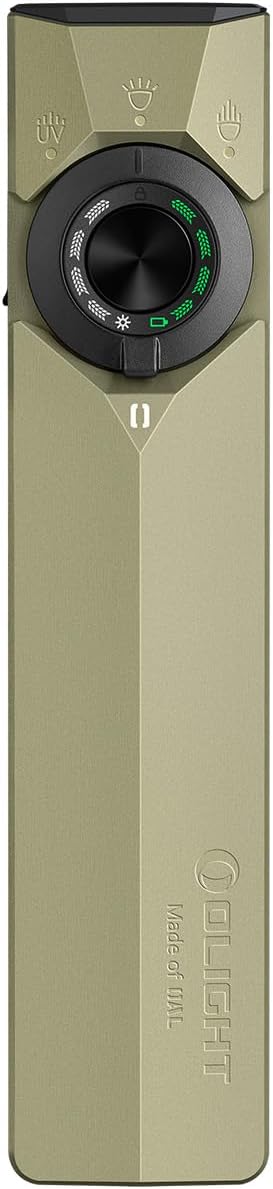
- Flashlight
- Trim removal tool
- Inspection mirror
- Garden hose with adjustable spray nozzle
- Microfiber towels or shop towels
- Plastic sheet or painter’s plastic
- Masking tape
- Chalk or talcum powder
- Compressed air or flexible drain-cleaning brush
Parts & Supplies
- Replacement door weatherstrip if damaged
- Automotive weatherstrip adhesive if required by the seal design
- Silicone-free interior cleaner
- Dielectric-safe rubber conditioner for weatherstrips
This article is part of our Body and Exterior Maintenance & Repair Guides.
Door seal water leaks can be frustrating because the wet carpet or dripping trim you see is not always where the water actually entered. A leak at the upper door frame, mirror sail panel, vapor barrier, sunroof drain, or windshield edge can all mimic a bad door seal.
The goal of diagnosis is to isolate the exact entry point before replacing parts. If you test methodically, you can usually tell whether the problem is a flattened weatherstrip, a misaligned door, blocked drains, failed inner moisture barrier, or water running in from somewhere else.
This guide walks through the most effective DIY checks, what results mean, and when the fix is simple maintenance versus when body adjustment or trim repair is more likely.
What Door Seal Water Leaks Usually Look Like
Before testing, pay attention to where the water shows up. The pattern tells you a lot. Water on the outer door sill may be normal if it drains out properly, but water on the carpet, lower kick panel, seat belt pillar trim, or headliner edge points to a sealing or drainage problem.
- Wet carpet near the front or rear door opening after rain or washing.
- Musty smell, foggy windows, or repeated interior condensation.
- Visible water tracks on plastic trim, scuff plates, or painted door jamb surfaces.
- Damp headliner or A-pillar trim near the upper corner of the door opening.
- Standing water inside the bottom of the door or sloshing sounds when opening the door.
If the leak only happens while driving in rain, suspect air pressure forcing water past a weak seal or a problem near the mirror, window frame, or upper door alignment. If it leaks during a car wash or steady hose test while parked, the source is easier to isolate.
Safety and Preparation
Work on a dry day if possible so you can start with a dry baseline. Dry the door opening, sill, weatherstrip, carpet edge, and nearby trim before testing. If the area is already soaked, it becomes much harder to tell where new water is entering.
Do not use high-pressure water at first. A pressure washer can force water into places that would never leak in normal conditions and can lead you to the wrong conclusion. Use a light shower pattern from a garden hose instead.
- Park on level ground.
- Remove floor mats and dry visible moisture.
- Place towels inside the vehicle to catch fresh drips.
- Have one person stay inside with a flashlight while another controls the hose.
- Test one area at a time for several minutes instead of soaking the whole vehicle at once.
Common Leak Sources Often Mistaken for a Bad Door Seal
A door opening has several barriers, not just the outer weatherstrip. Water can pass the outer glass seals and enter the inside of the door by design, then exit through drain holes at the bottom. Problems happen when that water cannot drain or when it gets past the inner moisture barrier and into the cabin.
- Flattened, torn, hardened, or partially detached door weatherstrip.
- Door misalignment causing uneven compression against the seal.
- Blocked drain holes at the bottom of the door shell.
- Failed inner door vapor barrier behind the trim panel.
- Leaking mirror mounting gasket or sail panel area.
- Windshield, cowl, roof rail, or sunroof drain leaks that run toward the door opening.
- Damaged window channel or frame seal at the top of the door.
That is why diagnosis should move from simple visual checks to controlled water testing. Replacing the perimeter seal first may waste time and money if the leak is actually inside the door or above the opening.
Visual Inspection of the Door Seal and Door Opening
Inspect the Weatherstrip Condition
Open the door and inspect the full perimeter seal. Look for tears, cuts, crushed corners, hardened rubber, missing sections, loose retaining clips, adhesive failure, or shiny flattened areas where the seal no longer springs back.
Pay special attention to upper corners and the lower hinge-side area. Upper corners often leak from age and compression set, while lower sections collect dirt and can lose proper seating.
Check the Mating Surfaces
Inspect the painted body flange and door frame where the seal contacts. Dirt, old adhesive, bent metal lips, or rust scale can hold the seal away from the body and create a leak path. Clean the area before assuming the seal has failed.
Look for Water Trails
Use a flashlight to find clean streaks through dust, mineral marks, or dark damp tracks. Water trails usually show direction. A trail running downward from above the seal suggests the source may be higher than the wet spot.
Tools That Make This Job Easier


Check Door Alignment and Seal Compression
A healthy weatherstrip cannot seal well if the door does not compress it evenly. Sagging hinges, prior body repair, striker misadjustment, or a slightly twisted door frame can leave one area too loose and another too tight.
Simple Alignment Checks
- Check whether the door sits flush with adjacent body panels when closed.
- Look for a corner that sticks out or sits too far inward.
- Lift up gently on the open door to feel for hinge play.
- Notice whether the door must be slammed to latch or drops slightly as it closes.
- Compare panel gaps and latch feel with the opposite side of the vehicle.
Paper-strip Compression Test
Place a strip of paper or thin cardstock across the weatherstrip, close the door gently, and pull the paper out. Repeat around the perimeter. Areas where the paper pulls out very easily often indicate weak seal compression. Areas where it is extremely tight can suggest the door is unevenly aligned.
One loose spot does not always prove the rubber is bad. It may point to a striker or hinge issue. If the seal looks good but compression is uneven, investigate alignment before buying weatherstrips.
Inspect Door Drains and the Inside of the Door
Most vehicle doors are designed to let some water past the outer glass sweep. That water should run down inside the door and exit through drain holes at the bottom. If those drains clog, water can back up and spill over inner openings into the cabin.
Drain-hole Check
Inspect the bottom edge of the door for drain slots or holes. Clear mud, leaves, adhesive residue, or road debris carefully with a plastic tool, soft brush, or compressed air. Do not jab sharp metal tools into the drains because you can damage coatings or internal parts.
Signs of Water Trapped Inside the Door
- Sloshing noise when the door is moved.
- Water dripping from the interior trim panel instead of the outer drain slots.
- Damp speaker area or lower door panel.
- Rust or staining along the lower inner seam.
If water appears on the inside lower edge of the trim panel or runs onto the carpet from behind the panel, the inner vapor barrier is a strong suspect. That barrier must direct water back into the door shell, not into the cabin.
Controlled Hose Test to Find the Exact Entry Point
The best DIY leak test is slow and controlled. One person stays inside with a flashlight while another sprays the vehicle starting low and working upward. Spray one zone at a time for two to three minutes and stop as soon as water appears so you know what area caused it.
How to Run the Test
- Start at the lower rear of the door opening and spray gently.
- Move to the lower front of the door opening.
- Test the mid-level perimeter seal area.
- Test the upper frame and top corners.
- Test the mirror area and sail panel.
- Finally test the glass run channel, windshield edge, roof rail, and any nearby drains.
Keep the spray angled like natural rain whenever possible. Avoid blasting directly into the gap unless you are doing a final confirmation test. If the leak only appears when spraying the mirror or windshield edge, the door seal may be innocent.
What the Observer Should Watch For
- First drop location, not where the water eventually runs.
- Water wicking from behind trim or from under the weatherstrip.
- Drips from the top corner versus the lower sill.
- Water appearing only after several minutes, which often indicates pooling inside a cavity.
Use Chalk or Talcum Powder to Trace Leak Paths
If the hose test gets you close but not all the way to the source, dust the suspect area lightly with chalk or talcum powder on the dry side of the seal and nearby trim surfaces. When water enters, it leaves a visible track through the powder.
You can also place strips of paper towel along the sill, lower jamb, and behind accessible trim edges. These act like leak indicators and help you see which section gets wet first.
This method is especially useful when water migrates along seams before dripping. It helps separate a true door perimeter leak from water traveling down from the A-pillar, roof edge, or mirror mount.
Recommended Tools for This Job


How to Tell Which Component Is Actually Failing
Likely Bad Door Weatherstrip
- Seal is visibly torn, flattened, brittle, or detached.
- Water appears right at the perimeter contact area during a low-pressure hose test.
- Compression test shows a loose area exactly where the leak starts.
- Temporary improvement occurs after cleaning and conditioning the seal or gently adjusting its seating.
Likely Door Alignment Issue
- Seal looks usable but compression is uneven.
- Door is not flush or requires slamming.
- Leak occurs at one corner with no obvious seal damage.
- Wind noise and water leak happen in the same area.
Likely Blocked Drains or Failed Vapor Barrier
- Water enters only after the inside of the door fills.
- Lower interior trim panel gets wet first.
- Drain holes are clogged or little water exits from the door bottom during testing.
- Speaker or lower door panel area shows moisture.
Likely Leak From Outside the Door Seal
- Water starts above the weatherstrip line.
- A-pillar, headliner edge, or dash side panel gets wet first.
- Leak is triggered by roof, windshield, cowl, or sunroof-drain testing rather than door-perimeter testing.
- Mirror area spray creates the leak even when the door seal itself stays dry.
Next Steps After Diagnosis
Once you know the source, the repair path becomes much clearer. Minor seal issues can sometimes be corrected with cleaning, reseating, or replacing a damaged section. Drain problems are usually straightforward. Alignment and vapor barrier repairs take more care but are still manageable for many DIY owners.
If the Weatherstrip Is the Problem
Clean the seal and mating surface first, then inspect for gaps. If the seal is detached, reinstall it according to the vehicle design and use the proper adhesive only where required. Replace the seal if it is torn, permanently compressed, or hardened.
If Drains Are Blocked
Clear the door drains and retest with water poured along the glass and outer seal area. You should see steady drainage from the bottom of the door without water crossing into the cabin.
If the Vapor Barrier Is Leaking
Remove the interior trim panel carefully, inspect the moisture barrier for tears or loose butyl adhesive, and reseal or replace it properly. A bad vapor barrier often causes repeat lower-cabin leaks even when the outer weatherstrip is new.
If Door Alignment Is Off
Minor striker adjustments may help, but hinge or frame issues can become complicated quickly. If the door sags, binds, or was previously repaired after collision damage, professional adjustment is often the safest choice.
When to Stop DIY Diagnosis and Get Professional Help
Some leaks are simple. Others involve body alignment, hidden seam sealer failures, or multiple leak paths at once. If your tests point away from the weatherstrip or if you cannot reproduce the leak consistently, a professional water leak specialist or body shop may save time.
- The door is visibly sagging or misaligned.
- The vehicle has prior collision repair near the door opening.
- Headliner, pillar trim, or windshield area is involved.
- You find corrosion, seam sealer failure, or structural distortion.
- You have repeated interior soaking but no clear source after controlled testing.
Key Takeaways
- Start with a dry interior and low-pressure, one-zone-at-a-time hose testing so you can identify the first entry point accurately.
- Do not assume the perimeter weatherstrip is bad until you check door drains, the inner vapor barrier, mirror area, and nearby roof or windshield leak paths.
- Use a paper-strip compression test to compare seal pressure around the door and reveal alignment-related gaps.
- Water from behind the lower door panel usually points to blocked drains or a failed vapor barrier rather than the outer seal alone.
- If the door is out of alignment or the leak involves pillar, roof, or windshield areas, professional diagnosis is often the smarter next step.
FAQ
Can a Door Seal Leak Only when Driving and Not when Parked?
Yes. Air pressure at highway speed can push water past a weak upper seal, mirror gasket, or misaligned door edge even if a basic parked hose test does not show much.
Is Water Inside the Bottom of the Door Always a Problem?
Not necessarily. Some water enters the door past the glass seals by design. It becomes a problem when drain holes are clogged or the inner vapor barrier lets that water reach the cabin.
How Do I Know if the Weatherstrip Is Bad or Just Dirty?
Clean the seal and body contact surface first. If the seal is still torn, brittle, flattened, loose, or fails the compression test in the leak area, replacement is more likely needed.
Can I Use a Pressure Washer to Find the Leak Faster?
It is better not to at first. High pressure can force water through good seals and create false results. Use a gentle hose pattern and only increase intensity later for confirmation.
Why Is the Carpet Wet but the Door Seal Looks Fine?
Water may be entering through a failed vapor barrier, blocked door drains, mirror mount, windshield edge, roof rail, cowl, or sunroof drain and then traveling to the carpet.
What Is the Easiest First DIY Fix After Diagnosis?
Cleaning the weatherstrip and contact surface, clearing door drains, and reseating a slightly loose seal are the easiest first steps. Always retest before moving on to part replacement.
When Should I Replace the Door Weatherstrip?
Replace it when it is visibly damaged, permanently compressed, hardened, or no longer seals even after cleaning and confirming the door alignment is correct.
Need Parts for This Repair?
The right parts and supplies vary by vehicle.
Select your make and model to find compatible parts and accessories for your car.
Exact Fit
Parts that fit your make and model
Quality You Can Trust
Top brands and OEM quality options
Fast Shipping
Get the parts you need, delivered fast