

Note: This article contains affiliate links. If you click on these links and make a purchase, I may earn a small commission at no extra cost to you. This helps support my research and content. Read my full affiliate disclosure here.
What You’ll Need
A quick look at the tools and supplies commonly used for this job.
Tools
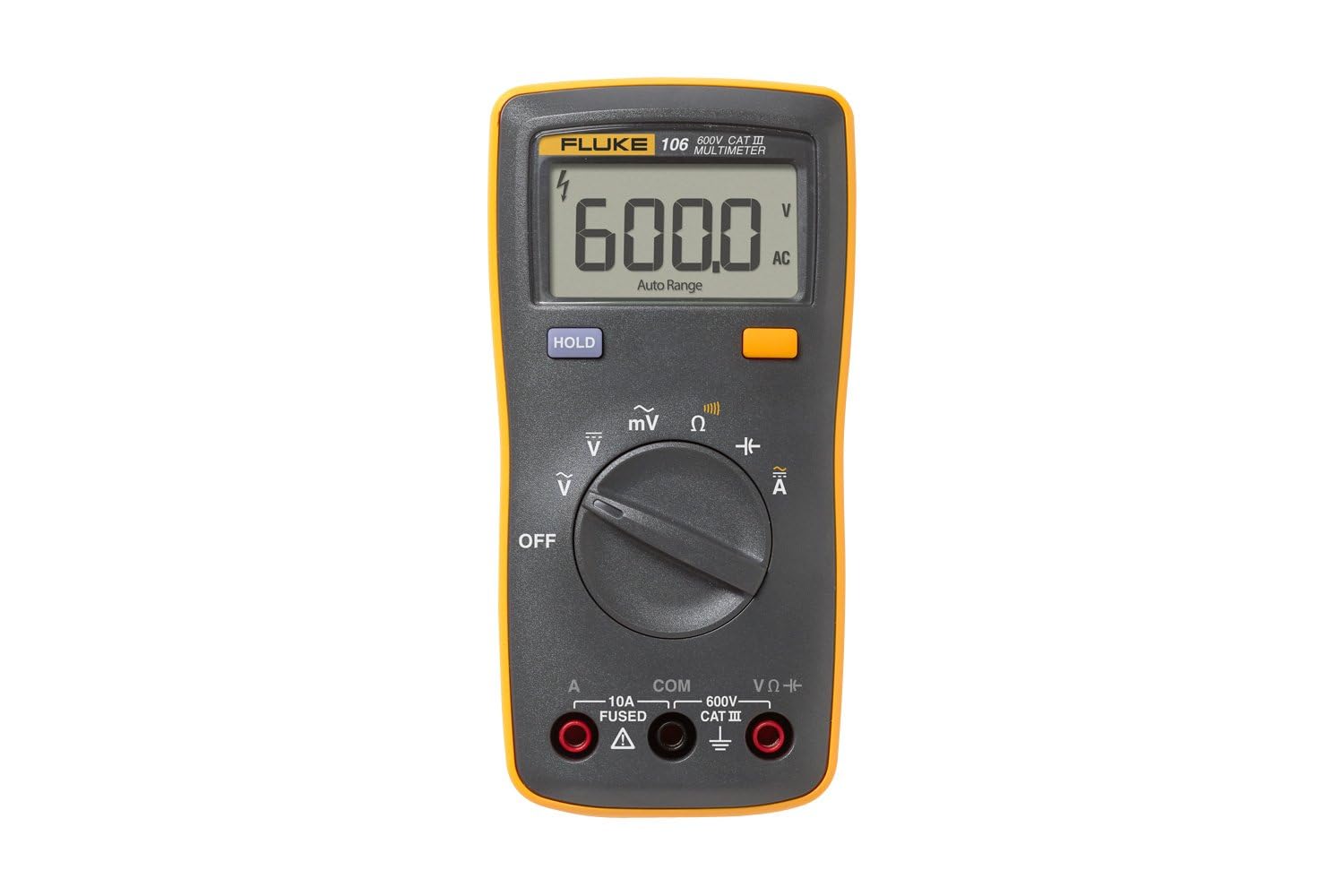
- Digital multimeter
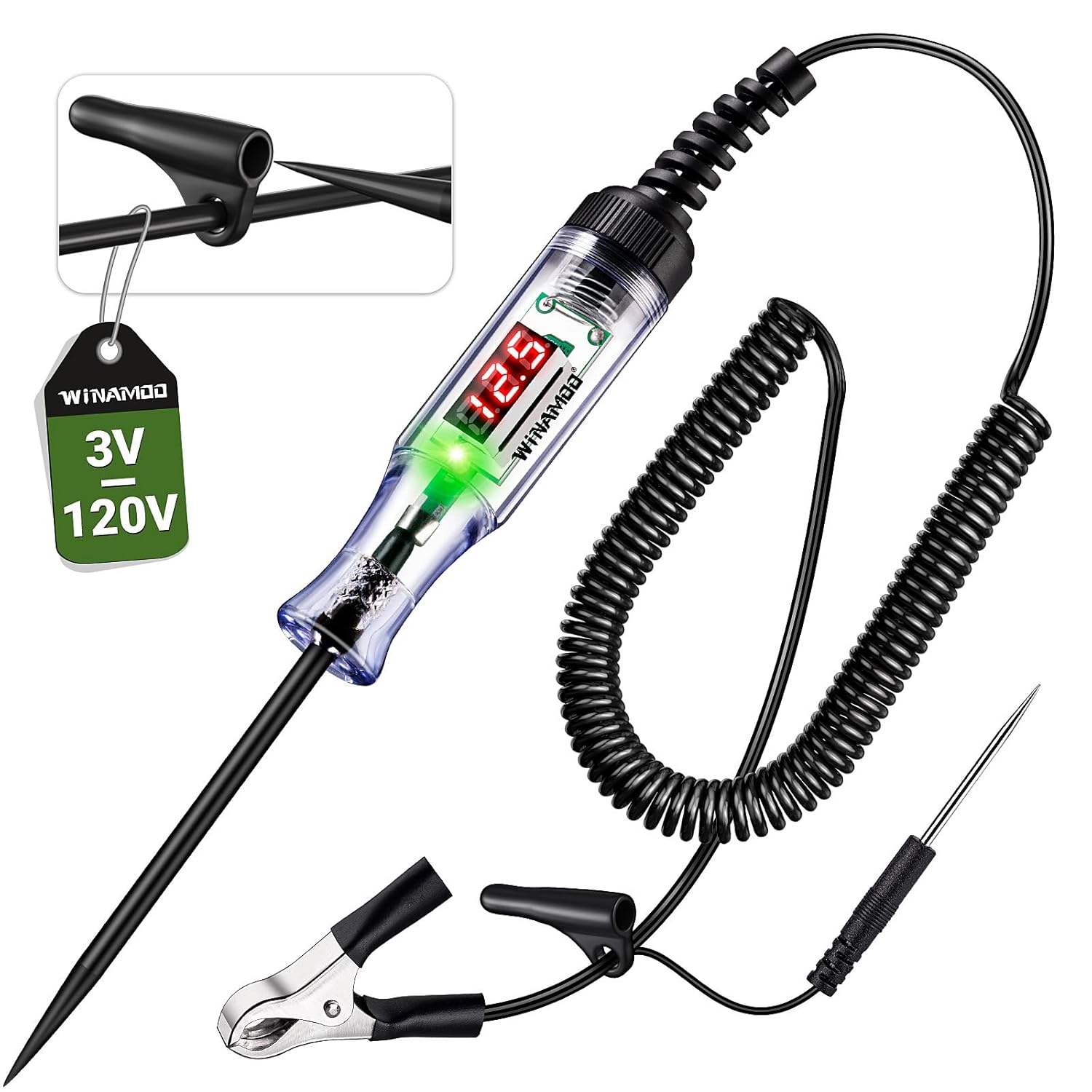
- 12-volt test light
- Trim removal tools
- Screwdriver set
- Socket and ratchet set
- Vehicle-specific wiring diagram
Parts & Supplies
- Replacement wiper switch
- Electrical contact cleaner
- Dielectric grease
- Replacement fuse
This article is part of our Body and Exterior Maintenance & Repair Guides.
A bad wiper switch can cause anything from wipers that will not turn on to blades that only work on one speed or refuse to park correctly. Because the switch is only one part of the system, it is important to test methodically before buying parts.
On many vehicles, the wiper switch sends signals to a relay, body control module, or wiper motor circuit rather than powering the motor directly. That means similar symptoms can also come from a blown fuse, wiring problem, failed relay, bad ground, or a worn wiper motor. The steps below help you narrow it down with basic tools.
This guide is written for DIY car owners who want to confirm whether the switch is actually faulty. If your vehicle uses a steering column multifunction switch, the same diagnostic approach still applies, but connector locations and wire colors will vary by make and model.
Common Symptoms of a Bad Wiper Switch
Start by paying attention to exactly what the wipers do and do not do. A failing switch usually creates repeatable command problems, while a bad motor or linkage tends to create movement problems.
- Wipers do not turn on in any switch position.
- Only one or two speeds work, but other positions do nothing.
- Intermittent mode does not work while low and high still work.
- Washer spray works, but the wipers do not respond, or vice versa.
- Wipers start only when the switch is held in a certain spot.
- The switch feels loose, sticky, cracked, or electrically inconsistent.
These symptoms point toward the switch, but they do not prove it. For example, if high speed works but low speed does not, the fault could be in the switch, the relay logic, the resistor or control circuit, or the motor itself depending on the design.
How the Wiper Circuit Usually Works
Knowing the basic circuit helps you test smarter. In older systems, the switch may directly route power to different motor circuits for low, high, mist, and washer functions. In newer systems, the switch often sends low-current signals to a control module, which then activates relays or the motor.
- Battery power flows through a fuse to the switch, relay, module, or motor.
- The switch selects off, mist, intermittent, low, high, and washer commands.
- A relay or module may interpret the switch signal and power the motor.
- The wiper motor usually has a park circuit so the blades return to the base of the windshield when turned off.
Because of that park feature, wipers that stop in the middle of the windshield do not automatically mean the switch is bad. That symptom often points to the motor park contacts or motor internals.
Safety and Preparation
Before opening trim panels or probing connectors, park the vehicle on a level surface, set the parking brake, and remove the key. If you need to work around the steering column, be aware that airbag components may be nearby.
- Use a wiring diagram if possible so you know which circuits should have power, ground, or signal.
- Disconnect the negative battery cable before removing steering column covers or unplugging the multifunction switch.
- Do not probe yellow airbag connectors or related harnesses.
- If the wiper arms may move unexpectedly during testing, keep hands clear of the linkage area.
Start With the Simple Checks
Check the Fuse First
A blown wiper fuse can mimic a dead switch. Find the fuse box diagram for your vehicle and inspect the wiper and washer fuses. Do not rely only on visual inspection; a test light or multimeter is better. Power should be present on both sides of the fuse where appropriate.
Listen for Relay Activity
On some cars, moving the wiper switch to low or high causes a relay click. If you hear the relay click but the motor does not run, the switch may be sending a command correctly and the problem may be farther downstream.
Check for Obvious Physical Problems
Make sure the switch lever is not cracked or loose and that steering column trim is not binding the lever. If the washer function works but the lever feels mechanically damaged, the switch assembly may still be at fault.
Tools That Make This Job Easier


Verify the Problem Pattern
Cycle through every switch position and write down what happens in each one. This matters because the pattern often tells you which part of the circuit has failed.
- Off: do the wipers stay parked or continue running?
- Mist: do the blades make one pass?
- Intermittent: do the blades cycle at all?
- Low: does the motor run at steady low speed?
- High: does the motor run faster than low?
- Washer: does washer fluid spray, and do the wipers move automatically?
If only one switch function fails, the switch contacts for that position may be worn. If no positions work at all, suspect loss of power to the switch, a failed ground, a bad connector, or a fault beyond the switch.
Access the Wiper Switch Connector
Most front wiper switches are part of the multifunction switch on the steering column. Remove the trim carefully according to your service information. Once exposed, inspect the connector before unplugging anything.
- Look for melted plastic, green corrosion, loose pins, or signs of moisture intrusion.
- Check whether the connector is fully seated and locked.
- Inspect the harness for rubbing, broken insulation, or previous repair splices.
- If the connector is contaminated, clean it with electrical contact cleaner and let it dry fully.
If you find heat damage or a loose terminal, the switch itself may not be the only failed part. A burned connector can create voltage drop and intermittent operation even with a new switch.
Test for Power and Ground at the Switch
With the wiring diagram in hand, identify the switch power feed, ground, and output or signal wires. Reconnect the battery if needed for live testing, then back-probe the connector carefully.
Power Feed Test
With the ignition in the required position, the power feed wire should show battery voltage if the circuit is healthy. If there is no power at the switch, the switch cannot be blamed yet. Go upstream to the fuse, relay, ignition feed, or body control module.
Ground Test
If the switch uses a ground reference, verify it. A poor ground can create strange, inconsistent wiper behavior that looks like a bad switch. Voltage drop testing is more useful than simple continuity when possible.
Why This Step Matters
A switch can only send the correct command if it receives the correct input. Missing power or ground means you need to repair the circuit before condemning the switch.
Check Switch Output in Each Position
This is the most direct way to confirm switch failure. Using the wiring diagram, identify which output or signal wires should become active in mist, intermittent, low, high, and washer positions.
- Back-probe the suspected output wire with the connector plugged in.
- Move the switch to the target position.
- Watch for battery voltage, ground switching, or resistance change depending on system design.
- Repeat for each function and compare the actual result to the wiring information.
If the switch has correct power and ground but fails to produce the expected output in one or more positions, the switch is very likely bad. If the switch output changes correctly, the fault is probably in the relay, module, motor, or wiring after the switch.
On multiplexed or module-controlled systems, the switch may produce a changing resistance or low-voltage signal instead of full battery voltage. In that case, a scan tool capable of reading body data can make diagnosis much easier by showing whether the module sees each switch command.
Differentiate the Switch From the Wiper Motor
A lot of wiper complaints are caused by the motor rather than the switch. If the switch output is correct, move to the motor side of the circuit.
Signs the Motor May Be the Problem
- You have proper switch output and relay operation, but the motor does not run.
- The motor gets power and ground, but only hums or moves slowly.
- The wipers stop mid-sweep or fail to park consistently.
- A direct power-and-ground test at the motor shows weak or no operation.
Signs the Switch Is More Likely the Problem
- There is no switch output on the affected circuits despite good power and ground into the switch.
- The function returns when the lever is jiggled or held in a certain spot.
- Multiple switch positions are dead, but the motor runs when commanded directly.
- Washer and wiper commands fail in ways that match worn internal switch contacts.
Recommended Tools for This Job


Differentiate the Switch From a Relay or Control Module
If your vehicle uses a wiper relay or body control module, the switch may only be a request device. In that setup, you need to know whether the command is leaving the switch and whether the next component is responding.
If the switch signal changes correctly but the relay never energizes, test the relay coil feed, control side, and output side. If the signal reaches the module but the module never commands the relay or motor, the problem may be module-related or due to missing module power, ground, or software logic.
A scan tool can be very helpful here. If body data shows the module sees the switch move from off to low to high, the switch is probably fine. If the data never changes when you operate the stalk, the switch or its wiring is still suspect.
Bench and Continuity Testing the Switch
If you remove the switch, you can often do a continuity test across specific terminals. Only do this with a wiring diagram or service manual so you know which terminals should connect in each position.
- Disconnect the battery and unplug the switch.
- Set the multimeter to continuity or low-ohms mode.
- Check the specified terminal pairs in off, mist, low, high, intermittent, and washer positions.
- Compare the readings to the service information.
If continuity is erratic, missing, or changes when you wiggle the lever, the switch is worn internally. Keep in mind that some modern switches use resistor networks rather than simple on-off contacts, so continuity testing alone may not tell the whole story.
When the Problem Is Intermittent
Intermittent failures are common with aging multifunction switches. Internal contacts can wear or oxidize, causing the wipers to work normally one day and fail the next.
- Operate the switch slowly through each detent and note any dead spots.
- Lightly wiggle the lever while the wipers are on to see if operation cuts in and out.
- Tap the switch housing gently; if wiper behavior changes, internal contacts may be failing.
- Inspect for signs of spilled drinks, moisture, or prior cleaning products entering the switch area.
If the issue only appears during rain, also inspect the cowl area and windshield sealing. Water intrusion can affect connectors, relays, and modules, not just the switch.
What to Do After Diagnosis
Once you confirm the switch is faulty, replace it with a quality part and inspect the connector carefully before reassembly. If the connector terminals are loose or heat-damaged, repair them too so the new switch does not inherit the same problem.
After installation, verify every function: mist, intermittent, low, high, washer, and proper park operation. Clear any body control module codes if your vehicle stores them, and perform any steering angle or column-related recalibration required by the service manual.
If your testing does not clearly identify the switch, stop before replacing parts at random. Wiper circuits can involve logic modules and park circuits that are easy to misdiagnose without wiring information.
Key Takeaways
- Always verify fuse power, switch power feed, and ground before blaming the wiper switch.
- A bad switch usually shows missing or inconsistent output in specific lever positions despite good inputs.
- If the switch command is correct but the motor does not respond, test the relay, wiring, and motor next.
- Wipers that stop mid-windshield often point to a motor park problem rather than the switch.
- Use a wiring diagram whenever possible because many newer vehicles route wiper commands through modules.
FAQ
Can a Bad Wiper Switch Cause the Wipers to Stop Working Completely?
Yes. If the switch loses its power feed, ground, or internal contacts, the wipers may not respond in any position. But a blown fuse, bad relay, failed motor, or wiring fault can cause the same symptom, so testing is important.
How Do I Know if It Is the Wiper Switch or the Wiper Motor?
Test the switch input and output first. If the switch receives proper power and ground and sends the correct command, the problem is more likely downstream at the relay, module, wiring, or motor. If the switch does not produce the proper output, the switch is likely faulty.
Will a Bad Wiper Switch Affect the Washer Spray Too?
It can. On many vehicles the washer command is built into the same multifunction switch assembly. If washer spray and wiper functions fail together, the switch becomes more suspicious, though fuse and wiring issues are still possible.
Why Do My Wipers Only Work on High Speed?
That can be caused by a bad switch, a failed low-speed motor circuit, a resistor or control issue, or a relay problem depending on the vehicle design. The key is to verify whether the switch is actually sending the low-speed command.
Can I Test a Wiper Switch with a Multimeter?
Yes. You can check for power and ground at the connector, verify output in each switch position, and in some cases bench-test continuity after removal. Always follow a wiring diagram because terminal functions vary by vehicle.
Do I Need a Scan Tool to Diagnose a Bad Wiper Switch?
Not always. Basic fuse, voltage, ground, and output tests can identify many bad switches. A scan tool becomes especially useful on newer vehicles where the switch sends data or resistance signals to a body control module.
Is It Safe to Replace the Wiper Switch Myself?
Usually yes, but take extra care if the switch is mounted on the steering column near airbag components. Disconnect the battery, avoid probing airbag connectors, and follow vehicle-specific service procedures.
Need Parts for This Repair?
The right parts and supplies vary by vehicle.
Select your make and model to find compatible parts and accessories for your car.
Exact Fit
Parts that fit your make and model
Quality You Can Trust
Top brands and OEM quality options
Fast Shipping
Get the parts you need, delivered fast