

Note: This article contains affiliate links. If you click on these links and make a purchase, I may earn a small commission at no extra cost to you. This helps support my research and content. Read my full affiliate disclosure here.
Driving a Ford Ranger in winter conditions changes what you need from your tires. The right winter tire improves traction on snow and ice, reduces stopping distances in slush, and can make winter driving more predictable so you feel safer behind the wheel. This guide shortlists five top options selected for typical Ranger use, with attention to fitment, braking in wet and snowy conditions, and durability.Below you will find the top picks, plus the factors we weighed and practical tips to help you choose the best Ford Ranger winter tire for your driving conditions.
Looking for other parts? See all Ford Ranger parts & accessories.
Top Picks at a Glance
| Best Reviewed A top-rated pick with lots of positive feedback | Firestone Winterforce 2 UV studdable winter tire P225/75R15 |  |
| Best Quality Built to a higher standard if you want something more solid | Cooper Evolution Winter 255/65R18 111T Tire |  |
| Most Sold A high-volume bestseller chosen again and again | Bridgestone Blizzak DM-V2 Winter Tire (235/70R16) | 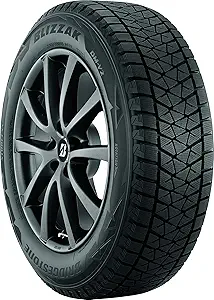 |
| Best Value for Money The sweet spot between price and what you get | Firestone Winterforce 2 UV Winter/Snow SUV Tire P245/75R16 |  |
| Best Overall The best all-around choice for most situations | Cooper Discoverer Snow Claw Winter Tire — 255/70R17 | 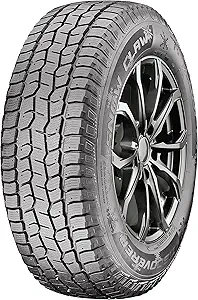 |
1. Firestone Winterforce 2 UV studdable winter tire P225/75R15

| Size | P225/75R15 |
|---|---|
| Load Capacity | 1874 Pounds |
| Tread Depth | 12 32nds |
| Maximum Pressure | 44 PSI |
| Construction Type | Radial |
The Firestone Winterforce 2 UV is a winter tire built for light trucks and compact pickups like the Ford Ranger, offering a cold-weather compound, full-depth tread features, and the 3-Peak Mountain Snowflake certification for improved snow traction. It is typically used as a dedicated winter tire on a paired axle or as a full seasonal swap for winter months; the design supports optional studs (pinned for size #11 studs) for added bite on icy roads. Notable features include open shoulder slots and a non-directional tread that help evacuate snow and maintain consistent contact, and a construction aimed at long tread life so you can get multiple winters from the same tires. Expect better snow performance than an all-season tire and the ability to add studs where legal, but like most aggressive winter tires it will be noisier and offer reduced dry-road handling compared with a highway tire. Installation requires appropriate mounting and balancing and studding should be done by a qualified shop if used.
Best for: A reliability-focused buyer who needs dependable winter traction for a Ford Ranger and prefers a durable, certified winter tire they can trust in snowy conditions.
Less Ideal for: Drivers who want year-round low-noise performance or primarily drive on dry pavement should consider a less aggressive or seasonal highway tire instead.
- 3-Peak Mountain Snowflake certification for verified winter traction
- Studdable design (pinned for size #11 studs) for improved ice performance
- Full-depth tread and cold-weather compound designed for longer winter tread life
- Open shoulder slots and non-directional tread to help clear snow and maintain grip
- More road noise and reduced dry-road handling compared with touring or all-season tires
- Performance on bare ice without studs is limited compared with dedicated studded tires
Verdict If you need a dependable, stud-capable winter tire for a Ford Ranger that balances snow traction and longevity, the Winterforce 2 UV is a practical choice; skip it if you prioritize quiet, year-round highway comfort.
2. Cooper Evolution Winter 255/65R18 111T Tire

| Size | 255/65R18 111T |
|---|---|
| Tread Depth | 14 32nds |
| Tread Type | Directional |
| Maximum Pressure | 44 PSI |
| Construction Type | Radial |
The Cooper Evolution Winter is a directional winter tire built to improve traction in deep snow and on ice for trucks and SUVs like the Ford Ranger. It uses a sawtooth center rib and Snow Groove Technology to pack snow into the tread for better snow-on-snow bite, while multi-angled corrugated siping creates numerous biting edges for braking and cornering on winter surfaces. The tire is studdable, which lets drivers add studs for extreme ice performance, and it carries the Three-Peak Mountain Snowflake severe weather rating. In practice this tire provides confident uphill acceleration and stable straight-line handling in heavy snow, and reviewers report a quieter ride than many aggressive winter tires. Expect good performance on packed snow, slush, and icy stretches, but remember stud installation is an extra step and studded setups may affect noise and pavement wear when clear roads return. Mounting the correct 255/65R18 size on a Ford Ranger with compatible wheels will deliver the intended winter capability.
Best for: Performance-oriented drivers who prioritize maximum winter traction for a Ford Ranger and want a tire that handles deep snow, steep driveways, and icy roads with confidence.
Less Ideal for: Drivers who need a quiet, all-season tire for year-round use or those unwilling to fit and remove studded tires seasonally should consider all-season or dedicated touring winter alternatives.
- Designed for deep snow with directional tread and Snow Groove Technology to improve snow-on-snow traction
- Studdable design allows adding studs for enhanced ice grip
- Three-Peak Mountain Snowflake severe weather rating for verified winter performance
- Sawtooth center rib and multi-angled siping boost stability and numerous biting edges
- Studs are not preinstalled so additional installation is required for maximum ice performance
- Aggressive winter tread may produce more road noise and faster wear on dry, clear pavement if used year-round
Verdict A studdable, severe-weather winter tire that gives Ford Ranger drivers strong deep-snow and ice capability at the cost of potential noise and extra stud installation.
3. Bridgestone Blizzak DM-V2 Winter Tire (235/70R16)

| Size | 235/70R16 |
|---|---|
| Tread Depth | 14 32nds |
| Load Capacity | 2094 Pounds |
| Tread Type | Directional |
| Construction Type | Radial |
The Bridgestone Blizzak DM-V2 is a winter tire built to improve grip, braking, and stability on snow and ice for SUVs, CUVs and light trucks such as the Ford Ranger when fitted in the correct size. It uses a next-generation Multicell compound with a hydrophilic coating to shed water from icy surfaces and a directional tread with 15 percent more block edges to bite into snow and slush. The tire also features an optimized contact patch for more even pressure distribution, which helps handling and consistent braking in winter conditions. In everyday use the Blizzak DM-V2 delivers confident stopping on packed snow and better control on icy roads, though on dry pavement it can feel a bit firmer and may transmit more road feedback than an all-season tire. This model is a winter-specialist rather than a year-round option, so seasonal mounting and storage are necessary. For Ford Ranger owners who need reliable winter performance, the Blizzak DM-V2 is a well-engineered choice that prioritizes traction and safety in cold conditions.
Best for: Risk-averse mainstream buyers who prioritize safety and consistent winter traction for seasonal use on a Ford Ranger rather than year-round comfort.
Less Ideal for: Drivers who need a single set of tires for all seasons or who prioritize a quiet, smooth ride on dry roads should consider an all-season or touring tire instead.
- Designed Multicell compound that improves traction on ice by dispersing surface water
- Tread pattern with increased block edges for stronger snow shearing and better grip in slush
- Optimized contact patch for more uniform pressure and improved stability during winter driving
- Focused on winter performance so dry-road comfort and noise may be less refined than all-season tires
- Directional tread limits rotation patterns, which can affect tread life management
Verdict A winter-focused tire that delivers confident traction on snow and ice for Ford Ranger owners who put safety first in cold conditions.
4. Firestone Winterforce 2 UV Winter/Snow SUV Tire P245/75R16

| Size | P245/75R16 |
|---|---|
| Load Capacity | 2271 Pounds |
| Tread Depth | 12 32nds |
| Tread Type | Asymmetrical |
| Maximum Pressure | 44 Pound per Square Inch |
The Firestone Winterforce 2 UV is a winter-specific tire designed for pickup trucks and SUVs, offering a cold-weather compound and a tread pattern tuned for snow and slush. For Ford Ranger drivers running the P245/75R16 size, this tire is typically used as a seasonal set to replace all-season tires during winter months. Notable features include the 3-Peak Mountain Snowflake certification for winter traction, full-depth tread elements intended to extend usable life, and open shoulder slots that help evacuate snow and slush. In practice the tire provides confident winter grip and predictable handling in snowy conditions, and many owners report good durability for a winter tire. On the downside it can be noticeably louder than touring or highway tires and some users have reported durability concerns under heavy use. Installation requires fitting and balancing at a tire shop and the design favors winter traction over year-round comfort and low road noise.
Best for: Practical optimizers who want dependable winter traction on a Ford Ranger without overspending and who prioritize seasonal performance and longevity over year-round refinement.
Less Ideal for: Drivers who need a quiet, comfort-focused all-season tire or who use their Ranger for heavy-duty hauling year-round should consider alternatives.
- Certified 3-Peak Mountain Snowflake for reliable winter traction.
- Full-depth tread design aimed at longer seasonal tread life.
- Cold-weather compound and open shoulder slots improve grip in snow and slush.
- Tire tends to be louder than highway or touring tires.
- Some user reports of premature wear or durability issues under heavy loads.
Verdict A budget-conscious winter tire that gives Ford Ranger owners solid snow performance and extended seasonal life at the cost of more road noise.
5. Cooper Discoverer Snow Claw Winter Tire — 255/70R17

| Size | 255/70R17 |
|---|---|
| Load Capacity | 2469 Pounds |
| Tread Depth | 13 32nds |
| Maximum Pressure | 44 PSI |
| Construction Type | Radial |
The Cooper Discoverer Snow Claw is a winter tire built for trucks and SUVs that prioritizes grip in heavy snow and icy conditions. It uses Cooper’s Snow Groove Technology to trap snow in the tread for improved snow-on-snow traction and a winter-formulated compound that stays flexible in very cold temperatures. The tire is Three-Peak Mountain Snowflake certified and threaded to accept studs for added ice performance, which makes it suitable for harsh winter roads. In everyday use it behaves like a predictable winter tire on dry and wet pavement, and many owners report a smooth ride and manageable road noise for this class. Practical benefits include a deep tread and engineered blocks for braking in snow plus the option to stud if you need extreme ice bite. Limitations are typical for dedicated winter rubber: expect faster wear and reduced fuel economy versus all-season tires once temperatures rise, and studs will increase road noise and pavement wear if used frequently.
Best for: Balanced all-round buyers who want a reliable, purpose-built winter tire for their Ford Ranger and prioritize consistent snow and ice performance during cold months.
Less Ideal for: Drivers who need a year-round tire or who rarely encounter snow and ice should consider all-season or touring tires instead.
- Severe Weather Rated and Three-Peak Mountain Snowflake certified for verified winter performance.
- Snow Groove Technology traps snow in the tread to improve snow-on-snow traction.
- Designed to accept studs for optional extra ice traction when conditions demand.
- Winter compound formulated to remain flexible in very low temperatures for better grip.
- Dedicated winter rubber wears quicker and is less fuel efficient than all-season tires when used year-round.
- Studding increases noise and can accelerate pavement wear if used on clear roads.
Verdict Choose the Discoverer Snow Claw if you want a Ford Ranger winter tire focused on snow and ice traction, but switch to all-seasons for year-round use.
Choosing the Right Ford Ranger Winter Tire: Key Factors to Consider
Tire Size and Load Rating
Choosing the correct tire size and load rating ensures the tire can safely carry your Ford Ranger’s weight and fit the wheel and wheel well without rubbing. Incorrect size or insufficient load capacity can affect steering, braking, and overall handling, and may cause premature wear.
Check your vehicle’s placard or owner’s manual for recommended sizes and load index. If you regularly carry heavy payloads or tow, opt for a higher load rating even if the physical diameter and width match. Proper inflation tailored to load and size also matters for even wear and consistent winter performance.
Traction on Snow and Ice
Traction on snow and ice is the primary function of a winter tire and should be the top priority. Look for tread designs with multiple biting edges, sipes, and a rubber compound engineered to stay pliable at low temperatures. These features improve grip when accelerating, cornering, and braking on packed snow and glazed ice.
Consider how often you encounter deep snow versus light, intermittent dustings because tread pattern aggressiveness affects both snow clearing ability and on-road noise. If icy roads are common, prioritize tires with documented ice performance characteristics.
Wet Braking and Slush Handling
Winter roads are often a mix of slush and water that can greatly increase stopping distances. Tires with wide circumferential grooves and effective water evacuation channels help reduce hydroplaning risk and shorten wet braking distances. The compound should balance low-temperature flexibility with enough stiffness to resist excessive tread squirm during hard braking.
Evaluate manufacturer wet-grip ratings or third-party test results when available. Good slush handling provides more predictable braking and can reduce the chance of getting stuck in mixed conditions.
Tread Depth and Longevity
Deeper tread can improve snow-clearing ability and extend usable life, but very deep or soft tread compounds can wear faster on cleared roads. Consider the expected mileage and how often you will drive on dry pavement versus snow-covered roads. Treadwear influences how often you will need to replace the tires and affects total ownership cost.
Also inspect how the tread design resists stone retention and irregular wear patterns. A balanced design will offer reasonable longevity without sacrificing necessary winter performance.
Studded Versus Studless Options
Studded tires can provide superior traction on thick ice but may be noisy and can damage paved roads. Studless winter tires rely on specialized compounds and micro-siping for ice grip, offering quieter operation and better general road manners. Your choice depends on typical winter conditions, legal restrictions, and your tolerance for road noise.
If you frequently encounter black ice or hard-packed frozen surfaces, studded options may be worth considering where they are permitted. For mixed conditions and urban driving, studless designs usually offer a better compromise between performance and comfort.
Installation, Maintenance, and Seasonal Use
Proper installation and maintenance determine real-world tire performance. Mounting tires to the correct torque, balancing, and aligning wheels keeps handling predictable. Regularly check tire pressure as cold temperatures cause PSI to drop, which affects grip and wear rate.
Plan when to switch to winter tires based on consistent temperatures below about 45 degrees Fahrenheit rather than a calendar date. Store off-season tires properly to preserve compound life, and rotate tires periodically to ensure even wear across axles.
FAQ
When should I switch to Ford Ranger winter tire fitment for the season?
It often makes sense to switch when daily temperatures consistently fall below about 45 degrees Fahrenheit because winter tire compounds perform better at lower temperatures. Timing can also depend on local weather patterns and when roads typically see sustained snow or ice.
Do I need studded winter tires for a Ford Ranger?
Studded tires can improve traction on thick, hard ice but are not always necessary. Their benefit depends on how often you encounter icy roads and whether local regulations allow studs. Many drivers find high-quality studless winter tires offer adequate grip for mixed winter conditions.
How does winter tire tread depth affect performance and longevity?
Deeper tread generally helps clear snow and provides more biting edges, improving traction in deep snow. However, very deep or softer tread compounds may wear faster on bare pavement. Think about your typical driving mix to balance traction needs with expected mileage.
Will switching to winter tires change my Ranger’s fuel economy?
Winter tires can slightly affect fuel economy because winter compounds and aggressive tread create more rolling resistance than summer or all-season tires. The impact is usually modest, and the safety benefits in cold, snowy conditions often outweigh a small reduction in fuel efficiency.
How do I confirm correct winter tire size fitment for my Ford Ranger?
Check the vehicle placard or owner’s manual for recommended tire sizes and load indexes. If you plan a different wheel size or aftermarket setup, confirm with the wheel manufacturer or a qualified installer to ensure proper clearance and load capacity.
How We Chose the Best Ford Ranger Winter Tire
We focused on attributes that matter for a midsize pickup performing winter duties. Key evaluation criteria included winter traction on packed snow and ice, wet-braking performance on slush and rain, and tread compound and pattern designed for low-temperature flexibility. Fitment and load rating were reviewed to ensure each option supports common Ford Ranger wheel and payload needs. Durability and treadwear patterns were considered to estimate usable life in mixed winter conditions. We also looked at noise and ride comfort because winter tires are often driven for months at a time. Exclusions: we did not consider tires that lack adequate size or load ratings for the Ford Ranger, nor tires intended strictly for racing, off-road rock crawling, or light-duty passenger cars. Our process prioritized balanced, road-focused winter performance suitable for everyday Ranger use.
Our full evaluation process is outlined in our review methodology.
Conclusion
Choosing the right Ford Ranger winter tire means balancing traction, fitment, and longevity against your typical winter conditions. Prioritize correct size and load rating, strong snow and ice traction, and wet-braking performance to maintain control on slippery roads.Remember the tradeoffs: studded options increase ice grip but may be noisier, while studless designs offer a quieter ride and good all-around winter handling. Regular maintenance and timely seasonal swaps will help you get the most safe miles from whichever winter tire you choose.
Explore More:
- Check out all Ford Ranger parts & accessories
- Explore Winter Tires Maintenance & Repair Guides
- Explore Wheels & Tires
- Browse all Auto Parts
