

Note: This article contains affiliate links. If you click on these links and make a purchase, I may earn a small commission at no extra cost to you. This helps support my research and content. Read my full affiliate disclosure here.
If you tow heavy loads or put high miles on a Chevrolet Silverado 2500 HD, picking the right transmission fluid matters for shift quality, temperature control, and long-term reliability. The wrong fluid can lead to harder shifts, higher operating temperatures, and accelerated wear. This guide covers the top transmission fluids shortlisted for the Silverado 2500 HD and explains the performance characteristics that matter for heavy-duty use.We evaluated options that address friction characteristics, thermal stability, and seal compatibility so you can choose the right fluid for towing, hauling, or everyday driving. Below are our top picks followed by practical guidance to help you decide which fluid fits your truck and driving style.
Top Picks at a Glance
| Best Overall Transmission Fluid The best all-around choice for most transmission needs | ACDelco DEXRON-VI Automatic Transmission Fluid, 1 Gallon |  |
| Best Budget Transmission Fluid A low-cost fluid that protects without breaking the bank | Valvoline DEX/MERC Automatic Transmission Fluid 1 gal |  |
| Best Premium Transmission Fluid A higher-end option focused on extended protection and performance | Castrol TranSynd 668 Synthetic Automatic Transmission Fluid, 1 gal |  |
| Best Synthetic Transmission Fluid Full-synthetic formulation for improved temperature and wear performance | Valvoline DEXRON VI / MERCON LV Full Synthetic ATF 1 Gallon |  |
| Best Manual Transmission Fluid A fluid designed for manual gearboxes and synchronized shifting | Valvoline Synchromesh Manual Transmission Fluid, 1 Quart |  |
1. ACDelco DEXRON-VI Automatic Transmission Fluid, 1 Gallon
Best Overall Transmission Fluid
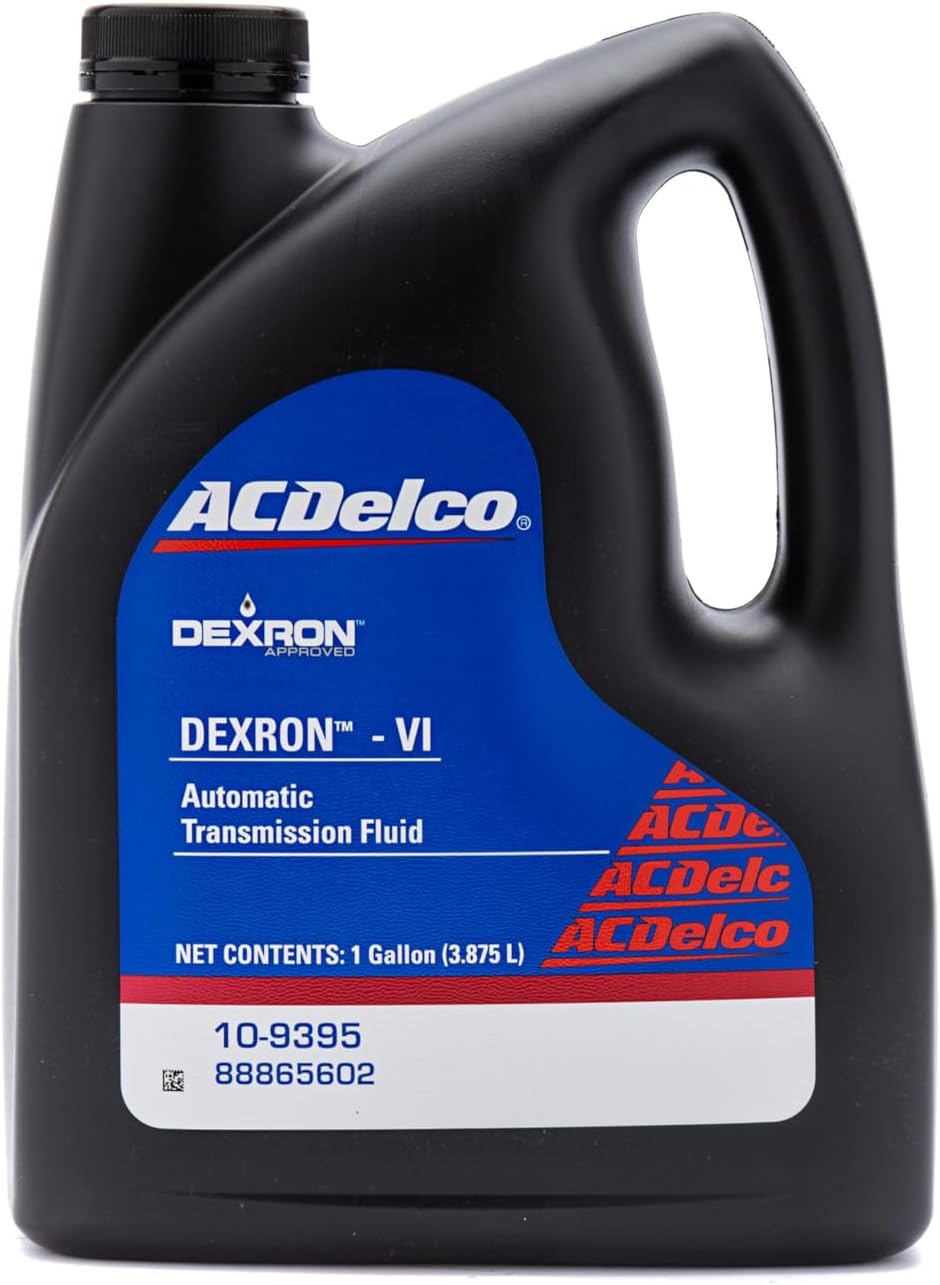
| Brand | ACDelco |
|---|---|
| Liquid Volume | 1 Gallons |
| SAE J300 Viscosity Grade | 5W-40 |
| Recommended Uses For Product | Transmission Fluid |
ACDelco DEXRON-VI is a full‑synthetic automatic transmission fluid designed to meet GM licensing for DEXRON‑VI and to replace earlier DEXRON‑III and II(E) fluids. It is typically used for fluid changes and top-offs in transmissions that call for DEXRON‑VI, delivering more consistent shift feel and reduced degradation compared with older formulas. Notable features include improved friction durability, viscosity stability, aeration and foam control, and oxidation resistance, which translate to steadier shifts under load and the potential for longer fluid life and extended drain intervals. The fluid is not suitable for CVT or dual clutch gearboxes, so it should only be used where DEXRON‑VI is specified. For a heavy-duty truck like the Silverado 2500 HD, this fluid supports reliable shift performance and protection when the manufacturer recommends DEXRON‑VI, but always confirm the transmission service spec for your exact model and year before changing fluid.
Best for: Owners performing routine transmission service on Silverado 2500 HDs that require a licensed DEXRON‑VI fluid and who prioritize consistent shifting and long fluid life.
Less Ideal for: Technicians or owners with transmissions that specify CVT or DCT fluids or those seeking a specialized heavy‑duty commercial transmission fluid outside the DEXRON‑VI specification.
- Licensed to meet GM DEXRON‑VI requirements for factory-quality compatibility with GM transmissions
- Improved friction durability and viscosity stability for consistent shift feel under load
- Formulation resists aeration, foaming, and oxidation for longer fluid life and extended drain intervals
- Backward compatible with older DEXRON‑III and II(E) specifications
- Not formulated for CVT or dual clutch transmissions so it cannot be used in those gearboxes
Verdict: The best all-around transmission fluid balances compatibility, protection, shifting performance, and longevity for general automotive maintenance.
2. Valvoline DEX/MERC Automatic Transmission Fluid 1 gal
Best Budget Transmission Fluid

| Specific uses | Dexron-III, Mercon, Ford M2C138-CJ M2C166-H, Allison C-4 TES-389, Caterpillar TO-2 |
|---|---|
| Liquid Volume | 1 gallons |
| Material | Mineral Oil |
| Included Components | DEX/MERC ATF |
Valvoline DEX/MERC ATF is a one-gallon bottle of mineral-based transmission fluid designed for vehicles that specify Dexron-III or Mercon-type fluids. It is used to refill or service automatic transmissions and transaxles that require these older specifications and is suitable for many pre-2006 Ford and GM applications relevant to heavy-duty trucks. The formula emphasizes low-temperature flow for reliable shifting in cold starts, anti-shudder protection for smoother gear engagements, and anti-wear additives to help extend transmission life under normal driving. For a cost-conscious DIY mechanic working on a Silverado 2500 HD that calls for Dexron-III/Mercon-compatible fluid, this product delivers the essential performance without paying for newer synthetic chemistries you may not need. Limitations are that it is a mineral-oil formula rather than a modern full synthetic, so it does not offer the extended-temperature stability or extended drain intervals of newer synthetic ATFs and is intended for transmissions specifying these legacy specs only.
Best for: Cost-conscious DIY mechanics working on a Silverado 2500 HD that requires a Dexron-III or Mercon-compatible fluid and who prioritize reliable, budget-friendly servicing over the latest synthetic performance.
Less Ideal for: Owners seeking the longest service intervals or maximum high-temperature protection should consider modern full synthetic ATFs formulated for extended life and higher heat resistance.
- Meets Dexron-III and Mercon specifications for compatible transmissions.
- Improved low-temperature flow for reliable cold-start shifting.
- Anti-shudder and anti-wear additives help smooth shifts and protect internal components.
- Available in a 1-gallon size convenient for DIY transmission service.
- Mineral-oil formulation lacks the thermal stability and extended drain capability of full synthetic ATFs.
Verdict: The best budget transmission fluid offers adequate wear protection and smooth shifting at a low price for cost-conscious DIY mechanics.
3. Castrol TranSynd 668 Synthetic Automatic Transmission Fluid, 1 gal
Best Premium Transmission Fluid

| Unit Count | 128.0 Fluid Ounces |
|---|---|
| Item Form | Liquid |
| Material | Synthetic |
| Container Type | Bottle |
Castrol TranSynd 668 is a fully synthetic transmission fluid aimed at demanding use where long-term stability and clutch protection matter. It is typically used during transmission service or rebuilds to replace factory fluid in heavy-duty trucks like the Chevrolet Silverado 2500 HD when a high-performance fluid is desired. Notable features called out by the manufacturer include improved gear protection, extended anti-shudder and clutch-friction durability, strong resistance to corrosion and foaming, and thermal and oxidative stability that helps prevent deposits and oil thickening. In practice that means smoother torque converter operation, reduced risk of shudder under load, and a fluid that resists breakdown under high towing or hauling conditions. The product comes in a one-gallon synthetic bottle which is convenient for a full service. Limitations are that specific vehicle approvals or exact compatibility notes are not listed here, so installers should confirm factory fluid specifications for the Silverado 2500 HD before use.
Best for: Owners of a Chevrolet Silverado 2500 HD who prioritize long-term transmission durability and consistent performance under heavy towing or hauling conditions.
Less Ideal for: Buyers who need a direct factory-specified fluid with documented OEM approvals should verify compatibility or choose a product listed explicitly by the vehicle manufacturer.
- Fully synthetic formulation for superior thermal and oxidative stability
- Designed to reduce torque converter shudder and extend clutch life
- Claims improved gear protection under heavy load
- Resists foaming and corrosion to maintain fluid performance over time
- No explicit vehicle-specific approvals or manufacturer compatibility details provided in the listing
Verdict: The best premium transmission fluid delivers superior oxidation stability, thermal resistance, and long-term wear protection for demanding or performance-minded users.
4. Valvoline DEXRON VI / MERCON LV Full Synthetic ATF 1 Gallon
Best Synthetic Transmission Fluid

| Material | Synthetic |
|---|---|
| Liquid Volume | 1 Gallons |
| Flash Point | 356 Degrees Fahrenheit |
| Item Form | Oil |
Valvoline DEXRON VI/MERCON LV is a full-synthetic ATF engineered to meet the demands of modern automatic transmissions, including those requiring Dexron VI. It is typically used as a factory-quality replacement fluid or during a service refill and is suitable where manufacturers call for Dexron-VI, Dexron-III/II back-serviceable fluids, Mercon LV, or Allison C-4. The formula emphasizes improved thermal and viscosity stability, enhanced anti-shudder protection for smoother shifts, and anti-wear additives to help extend transmission life under towing and heavy-load conditions. For a Silverado 2500 HD, its synthetic base stocks should provide better low-temperature flow for cold starts and stronger film protection during high-temperature towing compared with conventional ATFs. Limitations are that compatibility depends on the vehicle’s specified fluid requirement and some dealer-service procedures recommend specific factory-branded fluids; always confirm the Silverado 2500 HD’s service manual before swapping fluids.
Best for: Owners who want a high-stability synthetic ATF that improves shift quality and provides stronger protection for heavy-duty driving and towing on a Silverado 2500 HD.
Less Ideal for: Drivers who must follow dealership-specified service fluids without deviation or those uncertain about their truck’s exact ATF specification should consult their service manual or dealer first.
- Meets Dexron VI and Mercon LV specs, making it compatible with many modern GM and Ford transmissions
- Full-synthetic base stocks offer improved thermal and viscosity stability under heavy load
- Enhanced anti-shudder formulation for smoother gear engagements
- Anti-wear additives help protect transmission components during towing and frequent shifting
- Some dealer service recommendations may specify a particular factory-branded fluid instead of aftermarket options
Verdict: The best synthetic transmission fluid provides enhanced shear stability, cleaner operation, and superior protection across a wider temperature range than conventional oils.
5. Valvoline Synchromesh Manual Transmission Fluid, 1 Quart
Best Manual Transmission Fluid

| Item Type Name | Manual Transmission Fluid |
|---|---|
| Material | Synthetic |
| Liquid Volume | 1 Quarts |
| Flash Point | 390 Degrees Celsius |
Valvoline Synchromesh is a full-synthetic manual transmission fluid intended to protect gears and keep synchronizers working smoothly in vehicles that specify GL-4 fluids and the listed GM/Chrysler part numbers. It is used as a top-up or service fill to provide anti-wear and extreme-pressure protection, improved cold-flow for easier shifts in low temperatures, and additives to reduce foaming and corrosion. For Silverado 2500 HD owners who need a manual MTF that aligns with GM recommendations, this bottle delivers targeted protection and consistent shift feel under load. The practical benefits include robust load-carrying ability for heavy-duty use, stable thermal performance during towing or long climbs, and factory-compatible friction characteristics to avoid harsh shifting. Limitations are that it is a single-quart retail bottle suited for topping up or small service jobs, so multiple bottles are needed for full drains on large transmissions, and it should only be used where GM/Chrysler approvals and API GL-4 are acceptable for the vehicle’s manual transaxle specifications.
Best for: Buyers of Chevrolet Silverado 2500 HD manual transmissions who prioritize a factory-compatible fluid that preserves synchronizer feel and protects gears under heavy loads.
Less Ideal for: Anyone looking for a one-quart solution for non-GM manual gearboxes with different fluid specifications or users needing bulk quantities for frequent full-service changes.
- Full-synthetic formula for improved thermal stability and wear protection
- Formulated to support smooth synchronizer performance and proper friction characteristics
- Meets API GL-4 and lists compatible GM and Chrysler part numbers for fitment confidence
- Anti-foam and corrosion inhibitors to help maintain fluid condition under heavy use
- Sold in 1-quart bottles which may require multiple units for a full transmission service
Verdict: The best manual transmission fluid provides the right viscosity and friction properties for gear protection, smooth synchro operation, and long service life in manual transmissions.
Choosing the Right Chevrolet Silverado 2500 HD Transmission Fluid: Key Factors to Consider
Specification and OEM Compatibility
Transmission fluids differ by the specifications and approvals they carry. For the Chevrolet Silverado 2500 HD you need a fluid that meets the transmission manufacturer or OEM requirements. Using a fluid that matches the specified performance class helps ensure correct friction characteristics and protects internal clutch materials.
Failing to use a compatible fluid can lead to harsh shifting, premature clutch wear, or warranty concerns if those issues arise during covered periods. Always verify the vehicle's service manual or the transmission's technical documentation to confirm acceptable fluids before making a choice.
Thermal Stability and High-Temperature Performance
Heavy towing and repeated low-speed hauling push transmission temperatures higher than normal driving. Fluids with strong thermal stability resist thinning, oxidation, and sludge formation at elevated temperatures. That matters because stable viscosity maintains hydraulic pressure and consistent shift timing under load.
Better high-temperature performance reduces the risk of varnish and deposits that can hinder valve body operation. If you frequently tow or operate in hot climates, prioritize fluids with demonstrated high-temperature oxidation resistance and longer drain interval recommendations under severe service.
Frictional Properties and Shift Quality
The friction modifier package in a transmission fluid controls clutch engagement characteristics and shift feel. For a Silverado 2500 HD, smooth, predictable shifts under load are important for driver confidence and drivetrain longevity. Fluids designed with the right friction balance reduce shudder, hunting, or slip during torque transfer.
Some formulations target firmer shifts for towing stability, while others emphasize smoothness for daily driving. Consider how you use the truck and choose a fluid whose friction profile aligns with heavier towing, frequent city driving, or mixed-use scenarios.
Wear Protection and Additive Durability
Long-term protection against wear depends on the anti-wear and film-strength additives in the fluid. These additives form protective layers on gears, bushings, and clutch surfaces to prevent scoring and metal-to-metal contact under load. For a heavy-duty pickup, robust anti-wear performance reduces the rate of component deterioration when towing or carrying heavy payloads.
Also consider how long additives maintain effectiveness. Additive depletion leads to reduced protection over time, so fluids with proven resistance to oxidation and shearing retain protective qualities longer and can support extended service intervals when recommended by the vehicle's guidance.
Seal Compatibility and Leak Prevention
Transmission seals and gaskets are sensitive to fluid chemistry. Some fluids can cause seal swelling and premature leaks, while others maintain seal material flexibility. For a Silverado 2500 HD, selecting a fluid with chemistry compatible with the transmission's seal materials helps prevent leaks that are costly to repair and can lead to low fluid conditions.
Consider fluids that state compatibility with common tractor and heavy-duty transmission elastomers or that follow OEM compatibility lists. If you plan to mix fluids during top-ups, prioritize fluids that are compatible with the OEM-recommended fluid to avoid adverse reactions.
Service Interval and Maintenance Implications
Different fluids have varying recommendations for service intervals under normal and severe conditions. Choosing a fluid with better oxidative stability and contamination control can extend usable life between changes, which is meaningful for trucks used heavily for towing or commercial work. However, extended intervals should only be used if consistent with the vehicle manufacturer's guidance.
Factor in how often you can realistically change fluid based on your maintenance schedule and operating demands. If you tow frequently, plan for more frequent checks and consider fluids rated for severe service to reduce the risk of degraded performance between changes.
How Transmission Fluid Affects Towing Performance
When towing with a Silverado 2500 HD, transmission fluid plays a direct role in how the transmission manages torque and heat. Proper fluid keeps hydraulic pressures consistent so shift points remain stable under load and the transmission can dissipate heat effectively.
Using a fluid with poor high-temperature properties can lead to thinner film strength, higher metal contact, and faster wear. Conversely, a fluid formulated for heavy-duty duty preserves frictional behavior and helps the transmission maintain cooling efficiency during long or steep towing runs.
- Maintains hydraulic pressure for consistent gear changes under load
- Helps control operating temperature and reduce overheating risk
- Supports clutch material behavior to avoid slip or shudder during towing
Don't Mix Fluids Unless Recommended
Mixing different transmission fluids can alter friction characteristics and additive balance unpredictably. If you must top up between services, try to use the same type and specification already in the system, or follow the manufacturer's guidance on compatible fluids.
When the existing fluid's specification is unknown, consider a full drain and refill to ensure the transmission contains a consistent formulation that matches the Silverado 2500 HD's requirements.
- Inconsistent friction can cause shift quality changes
- Additive interactions may reduce wear protection
- A full fluid change removes unknown residual chemistry
Signs You Should Change Transmission Fluid
Monitor for darker fluid color, burnt smell, delayed or harsh shifts, and increased operating temperature during heavy use. These symptoms often indicate oxidation, contamination, or degraded friction additives.
Regular checks of fluid level and condition are especially important after extended towing or when the truck operates in dusty or stop-and-go conditions. Addressing fluid degradation early helps avoid more significant transmission repairs.
- Burnt odor or darkened color indicates oxidation
- Slipping or harsh shifts suggest friction or pressure problems
- Visible contamination or metal particles mean immediate attention
Choosing Fluid Based on Driving Style
If you primarily use the Silverado 2500 HD for heavy towing or commercial tasks, prioritize fluids that emphasize high-temperature stability and clutch protection. For mostly highway or light-duty driving, a fluid geared toward smooth shift feel and seal compatibility may be preferable.
Consider seasonal impacts as well. Fluids with better low-temperature flow improve cold-start shift quality, while those with robust high-temperature performance protect during sustained towing in hot conditions.
- Heavy towing: prioritize thermal stability and wear protection
- Daily driving: prioritize smooth shift quality and seal compatibility
- Seasonal use: balance low-temperature fluidity with high-temp durability
Maintenance Tips for Extending Transmission Life
Beyond picking the appropriate fluid, follow a maintenance routine that includes periodic condition checks, filter changes where applicable, and proper cooling system upkeep. A well-functioning transmission cooler and clean lines reduce heat stress on the fluid and components.
Address leaks promptly and maintain recommended fluid levels. When replacing the fluid, use the specified fill volume and follow the proper fill procedure to avoid air pockets or incorrect fluid levels that can affect operation.
- Check fluid level and condition regularly, especially after towing
- Maintain transmission cooler and cooling fins to reduce oil temperatures
- Replace filter and pan gasket per service guidelines when applicable
How We Chose the Best Chevrolet Silverado 2500 HD Transmission Fluid
We prioritized fluids that meet or exceed the specifications commonly required for heavy-duty Chevrolet transmissions and that perform well under towing and high-load conditions. Our evaluation focused on technical compatibility with Silverado 2500 HD transmissions, thermal stability at elevated temperatures, and friction control to preserve shift quality across a range of operating conditions.Key evaluation criteria included manufacturer fluid specifications and ATF ratings, high-temperature viscosity retention and shear stability, friction modifier formulation and clutch compatibility, seal and material compatibility to prevent leaks and swelling, and resistance to oxidation and sludge formation for extended drain intervals. We also considered available technical documentation and laboratory data on wear protection and copper corrosion where provided.We excluded products lacking clear specification sheets or those that do not list compatibility with the relevant class of automatic heavy-duty transmissions. Fluids intended only for light-duty or incompatible transmission types were removed from consideration. Our shortlist reflects fluids that balance heat tolerance, shift feel, and long-term transmission protection for the Silverado 2500 HD.
Our full evaluation process is outlined in our review methodology.
FAQ
How often should I change the transmission fluid in a Silverado 2500 HD?
It depends on your usage. For heavy towing or severe service, changes are typically more frequent than normal intervals. Check the vehicle's service recommendations and inspect fluid condition more often if you tow frequently.
Can I switch to a different ATF brand during a top-up?
Mixing brands can alter friction and additive balance. If possible, top up with the same specification as the existing fluid. If you are unsure of what is in the transmission, a full drain and refill to a known compatible fluid is safer.
Will using a higher-performance transmission fluid fix shifting problems?
Sometimes degraded or incorrect fluid causes shifting issues, but shifting problems can also stem from mechanical wear, solenoid faults, or control module issues. Replacing the fluid can help if the fluid is the root cause, but persistent issues should be diagnosed by a technician.
Does towing void any transmission-related recommendations for fluid type?
Towing does not change the type of fluid specified, but it may change the recommended service interval. Use a fluid that meets the required specifications and consider more frequent checks and changes when towing regularly.
How can I check if my transmission fluid is overheating?
Signs of overheating include a burnt smell, darkened fluid color, and higher transmission operating temperature readings if your vehicle monitors them. Frequent high-temperature operation suggests a need for a fluid with better thermal stability or improved cooling.
Final Verdict
For a Chevrolet Silverado 2500 HD, prioritize transmission fluids that match OEM specifications, resist high-temperature breakdown, and deliver the right frictional behavior for your towing and driving needs. Balancing thermal stability with compatible friction characteristics will help maintain shift quality and extend component life.Decide based on how you use the truck: choose fluids focused on heat resistance and wear protection for heavy towing, or fluids oriented toward smooth shifts and seal compatibility for everyday driving. Regular fluid checks and adherence to service guidance are the best ways to protect your transmission and avoid costly repairs.
