

Note: This article contains affiliate links. If you click on these links and make a purchase, I may earn a small commission at no extra cost to you. This helps support my research and content. Read my full affiliate disclosure here.
If you tow regularly or plan occasional hauling with a 2015-2019 Subaru Outback, choosing the right trailer hitch changes how safe and usable your setup is on the road. A correct hitch provides proper weight support, preserves vehicle ground clearance, and avoids interference with rear sensors or exhaust routing.This guide shortlists the top trailer hitch options for the 2015-2019 Outback and explains how we evaluated each choice for fitment, capacity, durability, and installation. Use the quick summaries and buying advice to narrow to the best fit for your towing needs before checking specific product details and installation requirements.
Looking for other parts? See all Subaru Outback parts & accessories.
Top Picks at a Glance
| Best Overall Trailer Hitch The top all-around hitch balancing fit, strength, and features | Draw-Tite Class 3 Trailer Hitch 2" Receiver for 2010–2019 Subaru Outback |  |
| Best Budget Trailer Hitch A low-cost hitch that reliably covers basic towing needs | Kojem Class 3 Trailer Hitch for 2010–2019 Subaru Outback, 2" Receiver |  |
| Best Premium Trailer Hitch A higher-end hitch with superior materials, finish, and extras | CURT Class 3 Trailer Hitch with 4-Way Wiring Kit for 2014–2019 Outback |  |
| Best 2-Inch Receiver Trailer Hitch Standard 2-inch receiver size for common ball mounts and accessories | CURT 13390 Class 3 Trailer Hitch, 2-Inch Receiver |  |
| Best Heavy-Duty Trailer Hitch High-capacity hitch built for heavier trailers and frequent towing | T-TOP WLS Class 3 2" Trailer Hitch Receiver for Subaru Outback (2010–2019) |  |
| Best Low-Profile Trailer Hitch A discreet, compact hitch that preserves bumper clearance and appearance | CURT Class 3 Trailer Hitch 2" Receiver with Rubber Tube Cover (Fits 2010-2019 Subaru Outback) |  |
1. Draw-Tite Class 3 Trailer Hitch 2" Receiver for 2010–2019 Subaru Outback
Best Overall Trailer Hitch
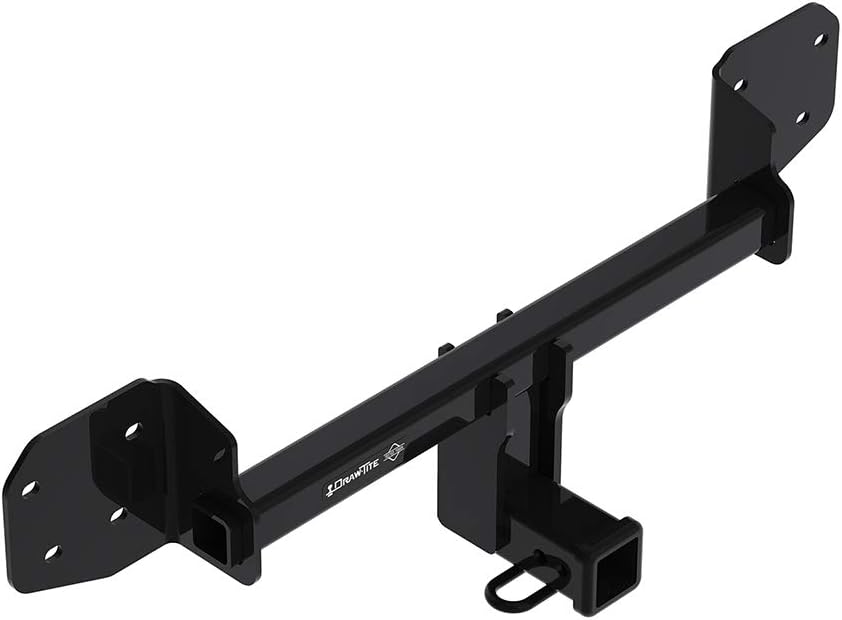
| Material Type | Alloy Steel |
|---|---|
| Finish Type | Powder Coated |
| Pull Force | 4000 pounds |
| Maximum Towing Capacity | 599.7 pounds |
This Draw-Tite Class 3 hitch is a custom-fit receiver designed for Subaru Outback models from 2010 through 2019 and provides a sturdy way to add towing and rear-mounted cargo capability. It installs using the factory attachment points and includes the mounting hardware, so many DIY owners can complete the job with basic tools and a helper for alignment. The hitch is all-welded alloy steel with a black powder coat to resist corrosion, and the 2-inch square receiver accepts common accessories such as bike racks and cargo carriers. Draw-Tite rates it for up to 4,000 lb gross trailer weight and 600 lb tongue weight, which covers most small boat, utility, and lightweight travel trailers without a weight-distribution system. It does not support weight distribution systems, however, and its 2-inch receiver limits very heavy towing setups. For owners who prioritize a factory-quality fit, straightforward installation, and versatile accessory compatibility for weekend use, this hitch is a practical, durable choice.
Best for: Subaru Outback owners who want a reliable, factory-style hitch that balances strength and ease of installation for regular weekend towing or accessory use.
Less Ideal for: Drivers planning heavy towing with weight-distribution setups or who need higher capacity receivers should choose a hitch designed for those specific demands.
- Custom-fit design for Subaru Outback (2010–2019) that aligns with factory mounting points
- Solid all-welded alloy steel construction with black powder coat for corrosion resistance
- 2-inch receiver accepts widely available bike racks and cargo carriers
- Includes mounting hardware and is installable by competent DIYers with basic tools
- Rated for up to 4,000 lb GTW and 600 lb tongue weight for common light towing tasks
- Not compatible with weight distribution systems, limiting heavier trailer setups
- 2-inch receiver and Class 3 rating may be insufficient for users needing higher towing capacity
Verdict: The best all-around trailer hitch that balances build quality, ease of installation, towing capacity, and useful features for most DIY owners.
2. Kojem Class 3 Trailer Hitch for 2010–2019 Subaru Outback, 2" Receiver
Best Budget Trailer Hitch

| Hitch Class | Class 3 |
|---|---|
| Receiver Tube Size | 2 in |
| Maximum Towing Capacity | 4000 Pounds |
| Pull Force | 4000 Pounds |
This Kojem Class 3 trailer hitch is a straightforward bolt-on replacement designed to restore towing capability to compatible 2010–2019 Subaru Outback models. It features a 2-inch receiver and a concealed crosstube, and it is made from alloy steel with a black powder-coat finish to resist corrosion and everyday wear. Installation is intended to be simple using the included hardware and instructions, so a competent DIYer or a shop can fit it without major modification. The hitch supports up to 4,000 pounds gross towing and 600 pounds tongue weight, which covers common light trailers, bike racks, and cargo carriers. The design emphasizes durability and function rather than premium extras, so you get a solid, vehicle-specific tow solution at an economical level. Buyers should plan on professional installation if they want torque-accurate fasteners and proper alignment for heavier towing, and note that this unit focuses on basic towing features rather than integrated wiring or trim-free aesthetic integration.
Best for: Buyers who want a reliable, no-frills towing solution for a 2015–2019 Subaru Outback and prioritize safe, budget-friendly hardware over premium features.
Less Ideal for: Anyone needing integrated wiring, advanced mounting options, or a high-end finish for show-quality appearance should consider a different, feature-rich hitch.
- Vehicle-specific fit for 2010–2019 Subaru Outback simplifies installation
- Class 3, 2-inch receiver supports common towing loads up to 4,000 lb
- Alloy steel construction with powder-coat finish improves durability and corrosion resistance
- Concealed crosstube gives a cleaner look under the bumper and protects the structure
- Does not include integrated wiring or electrical connections for trailer lights
Verdict: The best economical trailer hitch for buyers who need a safe, simple tow solution without extra features or premium materials.
3. CURT Class 3 Trailer Hitch with 4-Way Wiring Kit for 2014–2019 Outback
Best Premium Trailer Hitch

| Maximum Towing Capacity | 4000 pounds |
|---|---|
| Pull Force | 4000 pounds |
| Compatible with Vehicle Type | Trailer |
| Material Type | Alloy Steel |
| Finish Type | Powder Coated |
This CURT Class 3 hitch is a vehicle-specific towing solution for the 2014–2019 Outback that combines a 2-inch receiver with a matched 4-way flat wiring harness. It installs using the factory mounting points for a precise, secure fit and includes the wiring connector plus a rubber dust cover to keep the plug clean when not in use. The hitch is made from alloy steel with a powder-coated finish to resist rust and chipping, and it is precision-welded to provide solid support for utility trailers, small campers, bike racks, and cargo carriers up to the 4,000-pound rating. The plug-and-play wiring simplifies hookup to trailer lights, though it does require a vehicle battery connection during installation. The package includes necessary hardware and a dust cap, but expect professional installation if you prefer not to work under the rear bumper. This is a higher-quality, long-lived option for Outback owners who want a near-factory fit and durable finish rather than a basic universal receiver.
Best for: Buyers who prioritize a refined, durable hitch with corrosion-resistant finishes and a factory-style fit for confident towing on a 2015–2019 Outback.
Less Ideal for: Shoppers looking for the cheapest or universal hitch option or those who need towing capacity above 4,000 pounds should consider other products or upgrades.
- Vehicle-specific design for a precise fit and secure mounting
- 2" receiver and 4,000 lb towing capacity suitable for common light-duty trailers
- Powder-coated alloy steel construction improves corrosion resistance and durability
- Includes custom plug-and-play 4-way wiring harness with dust cover for protected connections
- Precision welding and included hardware simplify a clean installation
- Requires connection to the vehicle battery during wiring installation which may add complexity
Verdict: The best premium trailer hitch for shoppers willing to pay more for corrosion-resistant coatings, beefier construction, longer warranties, and refined fitment details.
4. CURT 13390 Class 3 Trailer Hitch, 2-Inch Receiver
Best 2-Inch Receiver Trailer Hitch
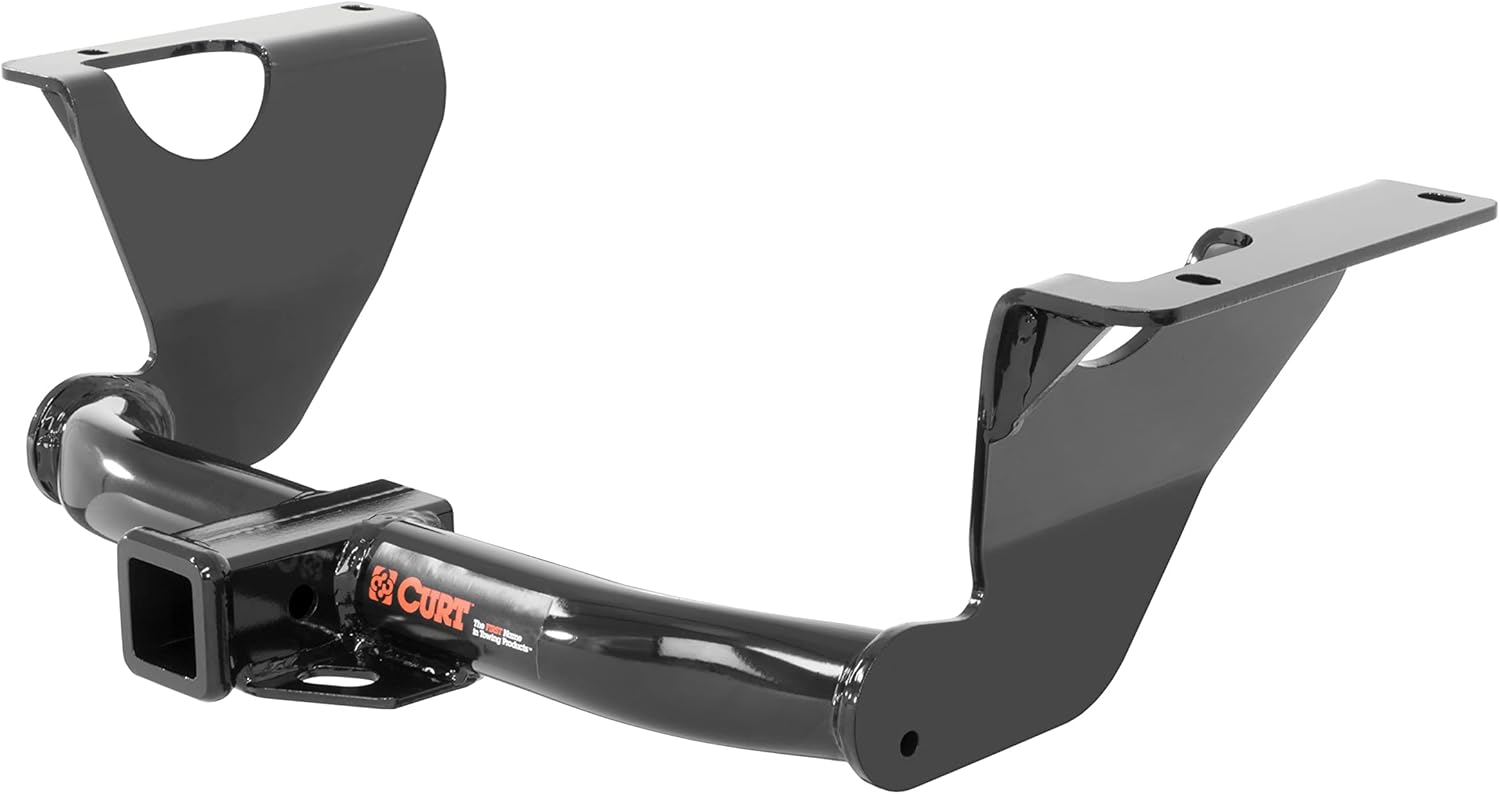
| Maximum Towing Capacity | 4000 Pounds |
|---|---|
| Compatible with Vehicle Type | Sport Utility Vehicle |
| Material Type | Carbon Steel |
| Finish Type | Gloss, Powder-Coated |
The CURT 13390 is a custom-fit Class 3 trailer hitch made for specific Subaru Outback years that provides a 2-inch receiver and a 4,000 lb gross trailer weight rating. It installs using vehicle-specific mounting points so it sits tight to the frame and preserves ground clearance while giving a common receiver size that accepts most bike racks, cargo carriers and ball mounts. Constructed from carbon steel with precise welding and a dual-layer corrosion-resistant finish, the hitch is built for regular towing tasks like small campers, boat trailers and utility loads within its rating. Practical benefits include broad accessory compatibility because of the 2-inch tube, tested strength per SAE J684, and a durable powder-coated finish to resist rust. Limitations are inherent to its class and fitment: it is for the specified Subaru Outback application only and cannot exceed the 4,000 lb GTW or 600 lb tongue weight, and heavier towing will require a higher class hitch or different towing setup.
Best for: Buyers who need a factory-quality, vehicle-specific 2-inch receiver for an Outback and want broad accessory compatibility for bikes, cargo carriers, and moderate trailers.
Less Ideal for: Drivers planning to tow heavier travel trailers, full-size campers, or who need a universal hitch that fits multiple vehicle models.
- Vehicle-specific design for a precise, low-profile fit on applicable Subaru Outback years
- 2-inch receiver tube compatible with the widest range of aftermarket hitch accessories
- 4,000 lb gross towing capacity and 600 lb tongue weight suitable for moderate trailers and carriers
- Carbon steel construction with a co-cured and powder-coated finish for strong corrosion resistance
- Fitment limited to the specified Subaru Outback applications so it is not universal
- Class 3 rating restricts use to moderate loads and not heavy-duty towing
Verdict: The best 2-inch receiver trailer hitch when you need the most common receiver size for broad accessory compatibility and moderate towing loads.
5. T-TOP WLS Class 3 2" Trailer Hitch Receiver for Subaru Outback (2010–2019)
Best Heavy-Duty Trailer Hitch

| Compatible with Vehicle Type | 2010-2019 Subaru Outback (Except Sport Model) |
|---|---|
| Maximum Towing Capacity | 4000 pounds |
| Pull Force | 4000 pounds |
| Material Type | Carbon Steel |
| Finish Type | Powder Coated |
This bolt-on Class 3 trailer hitch turns a 2010–2019 Subaru Outback (except Sport models) into a capable towing vehicle without drilling or welding. It installs using factory mounting points and includes the mounting hardware; the manufacturer recommends tightening factory bolts to 42 ft-lbs for full rated strength. Built from carbon steel with a black powder-coat finish, the hitch provides a factory-like fit and resists road salt and corrosion. The 2-inch square receiver is the industry standard so you can use ball mounts, bike racks, cargo carriers, spare tire mounts, and other accessories. Its practical towing limits are a 4,000 lb gross trailer weight and 600 lb tongue weight, which handles most trailers, small campers, and heavy gear for frequent towing. The main compromises are that fitment excludes Sport models and installation requires correct torqueing to achieve the rated capacity, so expect to follow the torque specification or use a shop if you are not comfortable with that step.
Best for: Drivers who tow frequently and need a robust, vehicle-specific hitch for heavier trailers and accessories while keeping a clean factory-style installation.
Less Ideal for: People who have the Subaru Outback Sport model or those who only need occasional light towing and prefer a universal or lighter-duty hitch option.
- Vehicle-specific fit for 2010–2019 Subaru Outback (except Sport models) for a clean, factory-like installation
- Class 3 rating with 4,000 lb gross trailer weight and 600 lb tongue weight for regular heavier towing
- Bolt-on design with included mounting hardware requires no drilling or welding
- Durable carbon steel construction and black powder-coat finish resist corrosion and road wear
- Not compatible with Sport model Outbacks
- Reaches rated strength only when factory bolts are tightened to the specified torque, which may require a torque wrench or professional installation
Verdict: The best heavy-duty trailer hitch for users who tow larger loads regularly and need higher gross trailer weight and tongue weight ratings.
6. CURT Class 3 Trailer Hitch 2" Receiver with Rubber Tube Cover (Fits 2010-2019 Subaru Outback)
Best Low-Profile Trailer Hitch

| Vehicle fit | 2010-2019 Subaru Outback |
|---|---|
| Receiver size | 2" x 2" |
| Gross trailer weight | 4,000 lb |
| Tongue weight | 600 lb |
This CURT kit pairs a vehicle-specific Class 3 trailer hitch with a 2" receiver and a friction-fit rubber tube cover, designed to fit the 2010–2019 Subaru Outback. The hitch is engineered and tested to SAE J684 standards and is rated for up to 4,000 lb GTW and 600 lb tongue weight, so it handles most light towing needs such as small trailers, cargo carriers, or bikes. Its precision welding, open-back receiver for easy cleaning, and high-gloss powder coat over a rust-resistant Bonderite finish help it stay durable and low-visibility behind the bumper. The included rubber cover snaps into the 2" opening without a pin, keeping debris out and preserving the factory rear appearance when the hitch is unused. Installation uses vehicle-specific hardware for a close fit and the open-back design reduces trapped dirt. Buyers should note ratings are limited by the vehicle maker, and this is aimed at moderate towing rather than heavy commercial use.
Best for: Buyers who prioritize a discreet, factory-like hitch installation that preserves ground clearance and the vehicle's rear appearance while still allowing regular light towing or cargo accessories.
Less Ideal for: People who need heavy-duty or commercial towing capacity or who plan to exceed the Outback's manufacturer tow limits should look at higher-capacity alternatives.
- Vehicle-specific design provides a close, low-profile fit behind the rear bumper
- Tested to SAE J684 with 4,000 lb GTW and 600 lb tongue weight ratings suitable for common towing tasks
- Durable finish with Bonderite coating and powder coat for corrosion resistance
- Open-back receiver simplifies cleaning and reduces trapped debris
- Includes a friction-fit rubber tube cover to maintain a tidy factory appearance when not towing
- Towing capacity is constrained by the vehicle manufacturer and not suitable for heavy-duty towing
Verdict: The best low-profile trailer hitch for buyers wanting a less obtrusive install that maintains ground clearance and factory rear appearance.
Choosing the Right 2015-2019 Subaru Outback Trailer Hitch: Key Factors to Consider
Fitment and Mounting Style
Correct fitment is the most important factor for the 2015-2019 Subaru Outback because the bumper, frame rails, and exhaust path affect how a hitch mounts. Hitches designed for this year range will match factory bolt locations and avoid interfering with plastic fascia pieces. Some designs bolt to existing frame holes while others require a few small drill points; know which approach a product uses and whether drilling voids any local warranty or requires rust-proofing.
Mounting style also affects emitter placement and ground clearance. Low-profile hitches tuck the receiver closer to the bumper for a cleaner look but may reduce clearance for steep driveways. Full-crossbar designs can distribute load across both frame rails and sometimes offer higher rated tongue weight. Confirm the mounting style against your Outback's underbody layout to prevent unexpected trimming or bracket work.
Weight Rating and Capacity
Trailer hitch weight ratings determine what you can safely tow and carry with a ball mount or cargo accessory. Look at two numbers: the gross trailer weight rating and the maximum tongue weight. For many Outback owners, tongue weight is the limiting factor when hauling cargo carriers or small trailers. Choose a hitch with a tongue weight rating that exceeds the combined weight of the trailer tongue plus any cargo on the carrier by a healthy margin.
Also consider how towing with the hitch interacts with vehicle payload limits. Even if a hitch has a high rating, the vehicle's own capacity may be lower. Plan loads so you do not exceed the Outback's specifications for gross vehicle weight and axle loads. If you expect to tow heavier trailers periodically, select a hitch with a higher rating and verify that the Outback's brakes and cooling are sufficient for sustained towing.
Receiver Size and Accessory Compatibility
Receiver size determines what accessories you can attach. The 2-inch hitch receiver is the most versatile choice for light towing and common ball mount and cargo carrier combinations. Some hitches for this Outback range may offer alternate receiver sizes or require adapters; be aware that adapters can reduce rated capacity and introduce additional sway.
Choosing the right receiver size saves you from needing adapters and ensures compatibility with bike racks, cargo carriers, and weight-distributing hitches. If you plan to use specialty accessories, check their shank dimensions and whether the receiver opening has a full-size interior or is narrowed by reinforcement lips which can affect fit.
Corrosion Protection and Finish
The Outback often sees wet, salty, or winter road conditions that accelerate corrosion. Hitches with strong rust protection—such as e-coated or multi-stage powder coatings—last longer and maintain appearance and structural integrity. Pay attention to welded joints, plated hardware, and whether fasteners are stainless or zinc-coated.
Surface finish also affects maintenance. A high-quality coating reduces the frequency of touch-up painting or rust cleanup. If you live in a coastal or snowy area, prioritize robust corrosion protection and consider undercoating exposed attachment points after installation for extra protection.
Installation Complexity and Tools Required
Installation complexity influences whether you can DIY or should budget for professional help. Some Outback-compatible hitches are bolt-on with easy access to frame holes and require only basic hand tools and a torque wrench. Others may need partial removal of the fascia, trimming of heat shields, or temporary lowering of exhaust components.
Estimate the time, tools, and help needed before purchase. If the hitch requires drilling or modifying trim pieces, account for rust-proofing and potential cosmetic finishing. Also verify whether wiring harness routing for trailer lights is affected by the hitch and whether a vehicle-specific wiring adapter is necessary for safe trailer lighting.
Ground Clearance and Vehicle Dynamics
Ground clearance affects where the receiver hangs relative to curbs, steep driveways, and loading ramps. A lower-mounted receiver can make loading easier but increases the chance of scraping on abrupt grade changes. For the Outback, which is often used on rough roads, maintaining a balance between usable receiver height and clearance is important.
Hitch location also affects vehicle dynamics slightly. A well-centered hitch distributes trailer forces evenly; a poorly placed or asymmetrical installation can introduce torque on the rear bumper or change how a tongue weight shift affects rear suspension. Consider how the hitch position aligns with your typical trailer and cargo types.
Understanding Towing Limits on the 2015-2019 Outback
Knowing the Outback's towing and payload capabilities helps you match a trailer hitch to realistic loads. The hitch's rated capacity is only one piece of the puzzle; you must plan loads so combined trailer weight, cargo, and passengers remain within vehicle limits. This reduces strain on the drivetrain and braking system and prevents accelerated wear on suspension components.
Before attaching a trailer or cargo carrier, calculate tongue weight and distribute loads so the trailer rides level. Improper weight distribution can cause sway and reduce steering feel. Also consider temperature and altitude effects on towing performance for longer trips.
- Confirm vehicle payload and rear axle limits before selecting a hitch
- Estimate tongue weight for trailers and cargo carriers
- Account for passengers and rooftop cargo in payload calculations
Wiring and Electrical Considerations
A trailer hitch installation often requires wiring for brake lights, turn signals, and auxiliary power. For the 2015-2019 Outback, using a vehicle-specific wiring harness minimizes splicing and preserves factory connectors. Decide whether you need a simple 4-pin connector for lights or a 7-pin that includes brake controller and auxiliary circuits for heavier trailers.
Some installations require routing the harness through the bumper cavity or underbody panels. Ensure connectors are positioned away from heat sources and protected from road spray. If your trailer has electric brakes, factor in the need for a brake controller and a compatible wiring interface.
- Choose a harness that matches your trailer connector type
- Protect exposed wiring with conduit or loom for longevity
- Locate connectors for easy access but out of high-debris paths
Common Installation Steps and Time Estimates
Typical bolt-on installations for Outback-compatible hitches include raising the vehicle, removing or lowering the rear fascia or trim panels if required, aligning the hitch to frame holes, and tightening hardware to specified torque values. Many bolt-on jobs can be completed in a few hours with two people, whereas installations requiring drilling or exhaust lowering may take longer.
Plan for basic tools such as sockets, torque wrench, jack stands, and possibly a fish tape for wiring. If drilling is required, include drill bits and rust-prevention paint. Always follow the hitch manufacturer's torque specifications for fasteners to ensure secure mounting.
- Bolt-on installations: 1.5 to 3 hours for a DIYer with basic tools
- Installations requiring trimming or drilling: allow extra time and materials
- Verify torque specs and retorque after a short test drive
Accessory Choices That Complement the Hitch
Selecting the right accessories extends the hitch's usefulness. A properly rated ball mount and hitch pin are basic necessities. If you plan multi-use loading, a locking hitch pin improves security. For carrying bicycles or cargo, choose carriers designed for a 2-inch receiver and that do not exceed the hitch tongue weight rating.
Weight-distributing hitches are less common for light trailers on an Outback but can help with heavier loads by redistributing some tongue weight. Also consider anti-rattle inserts or vibration-damping bushings to reduce noise and wear.
- Match ball mount and hitch pin to receiver size and weight rating
- Use locking hardware for security when leaving accessories mounted
- Consider anti-rattle products for a quieter ride
Maintenance and Inspection Tips
Regularly inspect the hitch for signs of rust, loose fasteners, or paint damage. Clean undercoated areas after winter months and touch up exposed metal with appropriate coatings. Check that all bolts remain torqued to specification after the first few hundred miles of towing and during routine service intervals.
Inspect electrical connectors for corrosion and ensure the wiring harness remains routed away from moving parts. Replace worn pins, clips, or safety chains as needed to maintain a safe towing setup.
- Inspect mounting bolts and hardware at regular intervals
- Touch up paint chips and treat rust quickly
- Verify electrical connectors are dry and secure before each trip
Still looking for the perfect fit?
Select your Subaru Outback configuration to see the most relevant Trailer Hitches recommendations
How We Chose the Best 2015-2019 Subaru Outback Trailer Hitch
We focused on trailers hitches built specifically to fit the 2015-2019 Subaru Outback and evaluated entries against criteria that matter to Outback owners. Key evaluation points included bolt-pattern and bumper interface to confirm correct fitment without major bumper modification, towing capacity and tongue weight ratings to match common trailer types, corrosion protection and finish for longevity in varied climates, and installation complexity so owners can judge DIY versus professional install. Additional factors included whether the hitch preserved ground clearance and the presence of useful features like integrated attachment points or removable receiver sleeves.Excluded from consideration were universal-fit or highly modified hitches that require cutting major fascia components or permanent vehicle alterations. We also deprioritized options with ambiguous weight ratings or nonstandard receiver sizes that reduce flexibility for common accessories. The end result is a set of six hitches that balance reliable fitment to the 2015-2019 Outback, practical towing capacity, and realistic installation expectations.
Our full evaluation process is outlined in our review methodology.
FAQ
Can I install a trailer hitch on my 2015-2019 Outback myself?
Often you can install a bolt-on hitch yourself if you have basic tools and some mechanical aptitude. Simple installations usually take a few hours, but if the job requires trimming or drilling you may want professional help.
What receiver size should I choose for the Outback?
A 2 inch hitch receiver is the most versatile for light towing and common accessories. It supports most ball mounts, cargo carriers, and bike racks used with this vehicle class.
How do I know the hitch weight rating is enough?
Compare both the hitch's gross trailer weight and tongue weight ratings with your intended trailer and cargo. Ensure the vehicle's own payload and axle limits are not exceeded; the lower of the vehicle or hitch rating is the effective limit.
Will adding a hitch affect ground clearance?
Some hitch designs sit lower and can reduce clearance slightly, which may increase the chance of scraping on steep driveways. Choose a mounting style that balances clearance with receiver accessibility for your typical use.
Do I need to change my Outback's wiring to tow a trailer?
You usually need a trailer wiring harness to power lights and signals. A vehicle-specific harness simplifies installation and preserves factory connectors; larger trailers may require a 7-pin setup and a brake controller.
How often should I inspect a trailer hitch after installation?
Inspect the hitch and fasteners after the first few hundred miles of towing and then at regular service intervals. Check for loose bolts, corrosion, and wiring issues each season or before long trips.
Final Verdict
Choosing the right trailer hitch for your 2015-2019 Subaru Outback comes down to matching fitment, capacity, and installation approach to how you intend to tow. Prioritize a hitch that fits the Outback's frame without major modification, has adequate tongue weight and towing ratings for your loads, and offers durable corrosion protection suited to your climate.Balance the convenience of a low-profile receiver with the need for ground clearance, and plan for wiring and accessory compatibility up front. With those tradeoffs in mind, you can confidently select a hitch that delivers safe, reliable towing for your Outback.
Explore More:
- Check out all Subaru Outback parts & accessories
- Explore Other Accessories
- Browse all Accessories
