

Note: This article contains affiliate links. If you click on these links and make a purchase, I may earn a small commission at no extra cost to you. This helps support my research and content. Read my full affiliate disclosure here.
If you plan to tow with a 1998–2002 Honda Accord, choosing the right trailer hitch matters for safety, load control, and long-term durability. These model years share a common chassis layout and mounting points, so fitment precision and proper weight ratings are essential to avoid stress on the frame and ensure predictable towing behavior.This guide highlights the top shortlisted trailer hitches that fit the 1998–2002 Accord and explains the tradeoffs between receiver size, class rating, and installation approach. We also outline the evaluation criteria used so you can pick the best option for light towing, cargo carriers, or bike racks. Read on for quick decision guidance and practical installation notes before you pick a hitch for your Accord.
Looking for other parts? See all Honda Accord parts & accessories.
Top Picks at a Glance
| Best Overall Trailer Hitch A well-rounded, vehicle-fit hitch balancing strength, fit, and finish | Draw-Tite Class 1 Trailer Hitch 1.25" Receiver (vehicle-specific) |  |
| Best Budget Trailer Hitch An affordable bolt-on hitch that covers basic towing needs | CURT 11290 Class 1 Trailer Hitch, 1-1/4-Inch Receiver |  |
| Best Vehicle-Specific Trailer Hitch Custom-fit hitches designed to match factory mounting points and contours | CURT Class 1 Trailer Hitch 11085, 1-1/4-Inch Receiver |  |
| Best 1-1/4-Inch Receiver Trailer Hitch Class I/1 hitches with a 1.25" receiver for light towing uses | CURT 11327 Class 1 Trailer Hitch, 1-1/4-Inch Receiver for Honda Accord |  |
| Best Corrosion-Resistant Trailer Hitch Hitches finished with multi-stage coatings for long-term rust resistance | CURT Class 1 Trailer Hitch 1-1/4-Inch Receiver (fits select Accord) |  |
1. Draw-Tite Class 1 Trailer Hitch 1.25" Receiver (vehicle-specific)
Best Overall Trailer Hitch

| Receiver size | 1.25 inch |
|---|---|
| Maximum towing capacity | 2000 Pounds |
| Tongue weight | 200 Pounds |
| Material type | Alloy Steel |
| Finish type | Powder Coated |
This Draw-Tite Class 1 hitch is a custom-fit, bolt-on receiver designed for 1998–2002 Honda Accord applications and similar passenger cars. It provides a 1.25 inch receiver and is rated for up to 2,000 pounds gross trailer weight and 200 pounds tongue weight, so it suits bike racks, cargo carriers, and light utility trailers. Constructed from all-welded alloy steel with a black e-coat plus powder coat finish, the hitch is built to resist corrosion and endure regular road use. Installation is straightforward for a competent DIYer because the hitch uses vehicle-specific mounting locations and common hardware. The unit is not intended for heavy towing or use with weight-distribution systems, so larger trailers or heavier towing setups will require a higher-class hitch. For everyday recreational hauling and occasional errands the Draw-Tite strikes a balance between fit, finish, and practical towing capacity for older Accords.
Best for: DIY-minded owners who need a factory-quality, vehicle-specific hitch for light towing and accessory mounting and who prioritize a clean fit and straightforward bolt-on installation.
Less Ideal for: Drivers who plan to tow heavy trailers, use weight-distribution systems, or require a 2 inch receiver for heavier accessories should choose a higher-class hitch instead.
- Vehicle-specific bolt-on design simplifies DIY installation
- Solid all-welded alloy steel construction for strength
- Protected by e-coat and powder coat finish to reduce corrosion
- Rated for light towing tasks like bike racks and cargo carriers
- Low 1.25 inch receiver and 2,000 lb capacity limit use to light trailers and accessories
Verdict: The top choice for DIY mechanics who want a reliably engineered, vehicle-specific hitch that balances towing capacity, corrosion protection, and straightforward bolt-on installation.
2. CURT 11290 Class 1 Trailer Hitch, 1-1/4-Inch Receiver
Best Budget Trailer Hitch
| Maximum Towing Capacity | 2000 Pounds |
|---|---|
| Receiver Size | 1-1/4-inch |
| Automotive Fit Type | Vehicle Specific Fit |
| Material Type | Carbon Steel |
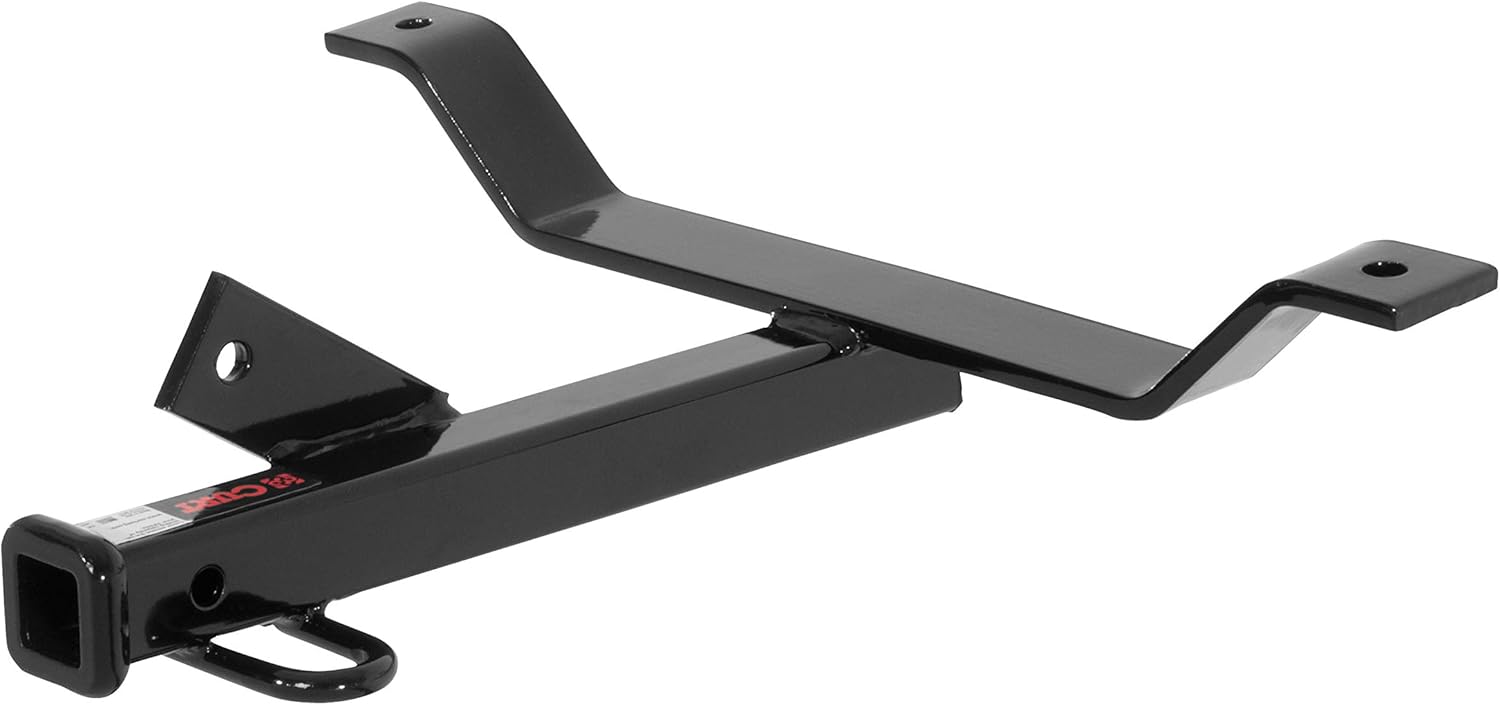
The CURT 11290 is a no-frills, vehicle-specific Class 1 trailer hitch designed to add basic towing and cargo-carrying capability to compatible Accords and similar sedans. It installs with a few drilled holes in the spare-tire well and comes with the mounting hardware, so typical DIYers can fit it in a garage with common tools. The 1-1/4-inch receiver is ideal for hitch-mounted bike racks and small cargo carriers and the hitch is rated for 2,000 lb gross trailer weight and 200 lb tongue weight when used within the vehicle and trailer limits. CURT’s dual-coat finish and precision welding mean the hitch resists rust and looks tidy tucked under the bumper. Limitations are inherent to its class: the smaller receiver and mounting location make it unsuitable for heavy trailers or high tongue loads, and fitment must be confirmed for specific Accord years and trims before purchase. If you want a simple, durable hitch to carry bikes or haul a small trailer occasionally, this restores practical utility without complicated features.
Best for: Buyers who want an inexpensive, straightforward receiver to regain basic towing or hitch-mounted cargo capability on compatible Honda Accord years and prioritize simple DIY installation and durability.
Less Ideal for: Do not choose this if you need to tow heavy trailers, carry large cargo loads, or require a 2-inch receiver and weight-distribution compatibility.
- Vehicle-specific design for a close fit and easier installation on supported models
- 1-1/4-inch receiver sized for common bike racks and small cargo carriers
- 2,000 lb gross towing capacity and 200 lb tongue weight for light-duty towing
- Durable dual-coat finish and precise welding for corrosion resistance and long life
- Requires drilling in the spare tire well during installation which may be inconvenient for some users
Verdict: Choose this pick when you need a low-cost, straightforward receiver that restores basic towing or cargo-carrying ability without extra bells and whistles.
3. CURT Class 1 Trailer Hitch 11085, 1-1/4-Inch Receiver
Best Vehicle-Specific Trailer Hitch

| Receiver tube | 1-1/4-inch |
|---|---|
| Gross trailer weight | 2,000 lbs |
| Tongue weight | 200 lbs |
| Material | Carbon Steel |
| Finish | Bonderite undercoat and powder-coat |
The CURT 11085 is a custom-fit Class 1 trailer hitch made to bolt to specific Honda Accord and TSX frames and add light towing or hitch-mounted cargo capacity. It installs under the rear bumper and provides a 1-1/4-inch receiver that accepts standard ball mounts, bike racks, or cargo carriers. Notable features include a vehicle-specific design for a close factory-style fit, robotic and manual welding for strength, and a co-cured Bonderite plus powder-coat finish to resist rust and chipping. CURT rates this hitch for up to 2,000 lb GTW and 200 lb tongue weight, which is appropriate for small trailers and most bike racks. Installation is typically straightforward for someone comfortable working under the car, and the hidden main body gives a near-original look once fitted; some owners needed to trim or modify heat shields during install. The hitch comes with mounting hardware and integrated safety chain loops, but it is intended only for light-duty towing so do not exceed vehicle or hitch limits.
Best for: Buyers who want a factory-style, vehicle-specific hitch that installs cleanly and is optimized for carrying bike racks or small trailers on an Accord without a bulky visible hitch assembly.
Less Ideal for: Drivers who need heavy towing capacity or frequent towing of large trailers should choose a higher-class hitch and towing package instead.
- Vehicle-specific design for a close, factory-style fit
- 1-1/4-inch receiver suited to bike racks and light trailers
- Durable co-cured Bonderite undercoat plus powder-coat finish for corrosion resistance
- Integrated safety chain loops and included mounting hardware
- Concealed main body for a low-profile, OEM-like appearance
- Limited to light-duty towing with 2,000 lb GTW and 200 lb tongue weight
- Some installs require trimming or lowering exhaust heat shields on certain model years
Verdict: This slot suits buyers who prioritize a factory-style fit and easiest install—vehicle-specific hitches that bolt on with minimal trimming or modification.
4. CURT 11327 Class 1 Trailer Hitch, 1-1/4-Inch Receiver for Honda Accord
Best 1-1/4-Inch Receiver Trailer Hitch

| Receiver size | 1-1/4-inch |
|---|---|
| Gross trailer weight | 2,000 lbs |
| Tongue weight | 200 lbs |
| Material | Carbon Steel |
| Finish | Bonderite undercoat + powder coat |
The CURT 11327 is a custom-fit Class 1 trailer hitch made for select Honda Accord years and intended for light-duty towing and accessories. It provides a 1-1/4-inch receiver tube and is rated to 2,000 lb gross trailer weight and 200 lb tongue weight, which makes it well suited for bike racks, cargo carriers, and small utility trailers. CURT uses high-strength carbon steel, precise welding, and a co-cured Bonderite undercoat plus powder-coat finish for corrosion resistance and a factory-quality look. Installation is vehicle-specific but several owners report needing to lower or work around the exhaust and trim frame spacers or enlarge holes to get the backer plates into the frame, so plan for basic metalworking tools or professional installation if you lack experience. The hitch includes mounting hardware and integrated safety chain loops but does not always come with a ball mount. For Accord owners wanting a discreet, OEM-style hitch for light towing and racks, this delivers solid construction and a clean fit when installed correctly.
Best for: Buyers who need a discreet, factory-quality 1-1/4-inch receiver for light towing or hitch-mounted racks on a 1998–2002 Honda Accord and value a custom-fit, durable hitch.
Less Ideal for: Do not choose this if you plan heavy towing, need a 2-inch receiver, or want a truly bolt-and-go install without any frame trimming or specialty tools.
- Vehicle-specific design for a close, factory-style fit
- Rated 2,000 lb GTW and 200 lb tongue weight suitable for racks and small trailers
- Durable co-cured Bonderite undercoat plus powder-coat finish for corrosion protection
- Integrated safety chain loops and included mounting hardware
- Made from high-strength carbon steel with precise welding
- Several installers report modifying frame spacers or enlarging holes during installation which can add time and tools
- Does not consistently include a ball mount or receiver plug
Verdict: Select this pick if you plan to tow light trailers or mount bike racks and cargo carriers that require the smaller 1-1/4" receiver and modest tongue weight.
5. CURT Class 1 Trailer Hitch 1-1/4-Inch Receiver (fits select Accord)
Best Corrosion-Resistant Trailer Hitch

| Maximum Towing Capacity | 2000 Pounds |
|---|---|
| Pull Force | 2000 Pounds |
| Material Type | Carbon Steel |
| Finish Type | Gloss, Powder-Coated |
The CURT Class 1 hitch is a custom-fit rear hitch designed to add light-duty towing and hitch-mounted cargo options to select Honda Accord models. It provides a 1-1/4-inch receiver tube for a ball mount, bike rack, or cargo carrier and is rated at 2,000 pounds GTW and 200 pounds tongue weight, making it suitable for small trailers, utility loads, and bikes. Installation is vehicle-specific and the kit includes mounting hardware; several owners report the carriage-bolt installation can be fiddly without a lift or a fish-wire trick but is manageable with patience and basic tools. Notable features are the high-strength carbon steel construction and a dual-coat finish that uses an A-coat plus durable powder coat to resist rust, chips, and UV exposure. That finish, combined with factory-style fit and SAE J684 testing, means the hitch is built for regular use in wet or salty climates. The main compromises are its light-duty capacity and the tighter installation access on low cars compared with heavier-duty hitches.
Best for: Buyers who prioritize long-term corrosion resistance and a factory-like fit for a Honda Accord and plan to use the hitch for bike racks, cargo carriers, or small trailers.
Less Ideal for: Drivers needing higher towing capacity for heavy trailers or regular heavy towing should choose a higher class hitch or a vehicle-rated towing solution.
- Vehicle-specific fit for cleaner installation and alignment
- Dual-coat corrosion protection with liquid A-coat plus powder coat for long-term rust resistance
- Made from high-strength carbon steel with welded construction and included mounting hardware
- 1-1/4-inch receiver supports common bike racks and small cargo carriers
- Light-duty rating limits towing to small trailers and light loads
- Installing carriage bolts through the frame can be difficult without a lift or creative fishing methods
Verdict: Pick this option if you want a hitch with advanced coatings (A-coat, powder coat, zinc) that stands up to salt, road grime, and wet climates for long service life.
Choosing the Right 1998-2002 Honda Accord Trailer Hitch: Key Factors to Consider
Receiver Size and Class Rating
Receiver size determines what accessories and ball mounts you can use, and it ties directly to the hitch class and load limits. Most Accord owners need either a 1.25-inch receiver for light accessories or a 2-inch receiver for heavier loads. Choosing a larger receiver does not automatically increase capacity unless the hitch and mounting points are rated accordingly.
Class rating, such as Class II or Class III, specifies gross trailer weight and tongue weight limits. For a 1998–2002 Accord, understand both the vehicle's tow capability and the hitch's rating so you do not overload the frame or rear suspension. Matching the receiver size and class to your intended use—bike rack, cargo carrier, or light trailer—keeps towing predictable and safe.
Weight Ratings and Tow Limits
Trailer hitch weight ratings include gross trailer weight (GTW) and tongue weight (TW). These numbers must be considered alongside the Accord's own rated towing capacity. A hitch with high ratings is only useful if the vehicle structure and drivetrain can handle the load; conversely, a lower-rated hitch can limit practical towing even if the car could technically tow more.
When planning towing or hauling, calculate combined tongue weight from the trailer or accessories and ensure the hitch's TW rating includes a margin for dynamic loads. For repeated towing, a conservative selection helps preserve the vehicle's suspension and braking performance.
Mounting Method and Fitment Precision
How the hitch mounts to the Accord matters for strength and installation complexity. Some hitches use existing factory holes or frame points while others may require drilling or minor trimming. A hitch that aligns cleanly with the Accord's factory mounting points reduces installation time and minimizes potential damage to the frame.
Precision fitment also affects ride quality and stress distribution. A poorly aligned hitch can introduce vibration, loosen over time, or create stress concentrations on the rear subframe. Verify that the hitch design follows the vehicle's underbody contours and provides adequate clearance for exhaust and suspension components.
Corrosion Resistance and Finish
Road conditions expose the hitch to moisture, salt, and grit, so coating and corrosion protection determine long-term durability. Look for thick protective finishes such as powder coating or e-coating and properly sealed welds. Galvanized surfaces offer good rust resistance but may have different wear characteristics than coated finishes.
A corrosion-resistant finish reduces maintenance and extends service life, especially if you live in a coastal or winter-salt environment. Consider future repainting or touch-up procedures and ensure hardware is also plated or stainless to prevent seized bolts during service.
Hardware, Instructions, and Serviceability
Complete mounting hardware and clear instructions significantly affect real-world installability. Kits that include required bolts, washers, and lock nuts save time and reduce roadside improvisation. Clear torque specifications and diagrams tailored to the 1998–2002 Accord minimize guesswork and help ensure a secure installation.
Serviceability also covers access for maintenance or future removal. A hitch that allows straightforward disassembly or replacement of wear parts makes upgrades and repairs easier. Confirm the included fasteners are grade-rated to prevent stretching or failure under load.
Ground Clearance and Exhaust Clearance
Hitch design influences how close the receiver sits to the ground and how it interacts with the exhaust routing. Low-mounted receivers can limit approach clearance while poorly routed hitch tubes may contact the exhaust or rear bumper.
For a sedan like the Accord, ensure the chosen hitch maintains adequate ground clearance for normal driving and that it positions the receiver far enough from the exhaust to avoid heat damage. Consider how a loaded cargo carrier or bike rack will change rear overhang and clearance during turns or on uneven surfaces.
Understanding Tow Capacity for the 1998–2002 Accord
Before selecting a hitch, review the Accord's recommended towing capacity and how accessory loads affect handling. The sedan platform is typically better suited to light towing and cargo carriers rather than heavy trailers, so aligning hitch capacity with realistic use prevents overload.
Consider the effects of added tongue weight on rear suspension sag and braking performance. Short trips with moderate loads differ from frequent towing in maintenance implications, so choose a hitch that supports your typical usage pattern while leaving headroom for occasional heavier loads.
- Factor in passengers and cargo when calculating available tongue weight
- Use conservative estimates for dynamic loads when towing
- Check brake function and cooling when towing regularly
Choosing Between 1.25-Inch and 2-Inch Receivers
1.25-inch receivers are compact and adequate for light-duty accessories such as small cargo carriers and single-bike racks. They are lighter and less obtrusive but limit the size of accessories and ball mounts available.
2-inch receivers provide more flexibility and generally support higher class ratings and heavier accessories. If you plan to tow light trailers occasionally or use larger cargo solutions, a 2-inch receiver offers future-proofing and broader accessory compatibility.
- 1.25-inch: good for minimalist use and lighter accessories
- 2-inch: better for towing and larger carriers or multi-bike racks
Installation Options and Typical Labor Considerations
Installation can range from a straightforward bolt-on job using factory holes to a more involved process that requires limited drilling or underbody trimming. Review the vehicle-specific instructions and assess whether you can complete the install at home with common tools or need professional help.
Labor time and complexity increase if the hitch requires removal of exhaust components or temporary lowering of the spare tire or undertray. Preparing proper jack stands, torque tools, and corrosion-penetrating spray for older hardware can speed the process and reduce the chance of damage.
- Bolt-on installs are faster and less invasive
- Drilling may be required for some mounting designs
- Have torque specs and hardware handy to ensure secure mounting
Accessory Compatibility and Practical Uses
Think about the accessories you want to use: bike racks, cargo carriers, a small utility trailer, or a hitch-mounted step. Each accessory has its own fitment and weight implications, so verifying receiver size and pinhole spacing matters.
Some accessories concentrate load near the rear bumper, while others distribute weight on a ball mount. Match the hitch's tongue weight rating with the planned accessory load and consider extension mounts or anti-wobble devices if you anticipate play or sway.
- Verify accessories fit the chosen receiver size
- Confirm tongue weight compatibility for rooftop-style cargo versus trailers
- Consider anti-rattle accessories if junction play is a concern
Maintaining Your Hitch Over Time
Regular inspection of welds, fasteners, and the protective finish helps catch corrosion or loosening before they become safety issues. Clean contact surfaces and touch up chipped coatings to prevent rust progression.
Periodically retorque mounting bolts after the first few hundred miles and after heavy loads. Replace rusted or bent hardware and service the receiver aperture to prevent accessory jamming. Simple upkeep preserves performance and safety for long-term use.
- Inspect fasteners and welds after initial installation and periodically
- Touch up coatings and replace corroded hardware
- Keep the receiver aperture clean and lubricated to ease accessory removal
Still looking for the perfect fit?
Select your Honda Accord configuration to see the most relevant Trailer Hitches recommendations
How We Chose the Best 1998-2002 Honda Accord Trailer Hitch
We prioritized products that match the specific mounting points and frame characteristics of 1998–2002 Honda Accord sedans to ensure correct fitment and safe load transfer. Our selection framework emphasized measurable, vehicle-relevant criteria: receiver class and compatible tongue weight, gross trailer weight rating, corrosion protection and finish, ease of installation using factory holes or minimal drilling, and compatibility with common hitch accessories.We also considered build quality factors such as steel gauge, weld integrity, and hardware completeness. Installation practicality was a key filter: we favored hitches with clear instructions, included mounting hardware, and review-proven fit to the Accord's underbody geometry. Items that required extensive frame modification or offered ambiguous fit claims were excluded. Finally, we looked for options that support common receiver sizes and class ratings used by Accord owners for bike racks, cargo carriers, and light trailers.
Our full evaluation process is outlined in our review methodology.
FAQ
Can a 1998–2002 Honda Accord tow a small trailer safely?
It depends on the trailer weight and the vehicle's rated towing capacity. Many owners tow lightweight utility trailers or small boats within conservative limits, but you should confirm tongue weight and gross trailer weight against both the hitch and vehicle ratings before towing.
Is a 2 inch hitch receiver necessary for bike racks?
Not always. Smaller single-bike racks often fit a 1.25-inch receiver, but heavier multi-bike racks and many higher-capacity platforms require a 2-inch receiver for secure mounting and proper weight distribution.
Will installing a hitch affect my Accord's fuel economy?
A hitch mounted without carrying a load has minimal aerodynamic impact, though a visible receiver can create slight drag. When towing or carrying cargo, added weight and altered airflow will reduce fuel efficiency depending on load size and driving conditions.
How much clearance should I leave between the hitch and exhaust?
Maintain several inches of separation to prevent heat transfer to the hitch and accessories. Specific clearance needs vary with hitch design, but ensure the receiver and any mounted accessories do not contact the exhaust under load or during suspension travel.
Do I need to drill holes in the frame to install a hitch?
Some hitches use existing factory mounting points, while others require limited drilling. Review the installation instructions for the Accord-specific kit to determine if drilling is necessary and factor that into your installation plans.
How often should I check hitch hardware after installation?
Recheck torque and hardware after the first 100 to 200 miles and again after a few uses. Thereafter, inspect periodically, especially after heavy loads or exposure to corrosive conditions, to ensure bolts remain tight and components undamaged.
Final Verdict
Choose a hitch that balances the receiver size and class rating with realistic towing and accessory needs for the 1998–2002 Accord. Prioritize correct fitment to factory mounting points, adequate tongue weight capacity, and a durable corrosion-resistant finish to minimize maintenance and safety risk.For most sedan owners who plan occasional towing or carrying bikes and cargo carriers, a conservatively rated 2-inch receiver or a well-specified 1.25-inch option will be appropriate. Focus on installation quality and clearances to make a confident selection that preserves vehicle handling and longevity.
Explore More:
- Check out all Honda Accord parts & accessories
- Explore Other Accessories
- Browse all Accessories
