

Note: This article contains affiliate links. If you click on these links and make a purchase, I may earn a small commission at no extra cost to you. This helps support my research and content. Read my full affiliate disclosure here.
If you plan to camp out of your GMC Sierra 3500 HD, choosing the right roof tent makes the experience safer, more comfortable, and faster to set up. A properly matched rooftop shelter keeps you off the ground, provides better views, and can expand sleeping capacity without altering the truck bed.This guide covers the top shortlisted roof tents for the Sierra 3500 HD, with emphasis on real-world fitment, weather performance, and ease of installation. We evaluated options that balance durability, ventilation, and vehicle compatibility to help you find a truck-top tent that suits weekend trips or extended overland use. Read on for the decision factors and practical tips before the product listings.
Top Picks at a Glance
| Best Overall Roof Tent Balanced performance, weatherproofing, and features for most truck campers | ROVEROLL Hardshell Rooftop Tent for 2-3 People with Telescopic Ladder and LED Light Strip |  |
| Best Budget Roof Tent Lowest-cost rooftop tents that still offer basic waterproofing and sleep space | MC TOMOUNT Inflatable Rooftop Tent with Detachable Mattress and Telescoping Ladder |  |
| Best Hard-Shell Roof Tent Rigid clamshell or hardside RTTs with fast pop-up and durable shells | HEYFUN Adventurer Pro Hard‑Shell Rooftop Tent with USB Outlet and Side Awning |  |
| Best Soft-Shell Roof Tent Fabric-fold or soft‑shell RTTs with larger internal volume and annex options | Overland Vehicle Systems Nomadic 3 Extended Soft-Shell Rooftop Tent |  |
| Best Slim / Lightweight Roof Tent Low‑profile, lighter rooftop tents that reduce drag and roof load | SAN HIMA Hotham Lite Hard-Shell Rooftop Tent with LED Light and Ladder |  |
| Best Automatic / Electric Roof Tent Power‑assist or self‑deploying rooftop tents for near‑instant setup and teardown | SAN HIMA Kosci E‑Rise Electric Hard‑Shell Rooftop Tent |  |
1. ROVEROLL Hardshell Rooftop Tent for 2-3 People with Telescopic Ladder and LED Light Strip
Best Overall Roof Tent

| Occupancy | 3 Person |
|---|---|
| Seasons | 4 Season |
| Water Resistance Technology | 3000mm Waterproof Rating |
| Fabric Type | 280G Polycotton; 600D Oxford |
| Installation Type | Roof Top |
This ROVEROLL hardshell rooftop tent is a self-deploying roof-mounted shelter that suits extended overland use on a heavy-duty truck like a GMC Sierra 3500 HD. The CNC aluminum frame and honeycomb aluminum floor give a rigid sleeping platform, while gas struts make opening and closing quick and nearly effortless. Fabric layers combine 280G polycotton and 600D Oxford with a DWR coating for a 3000mm waterproof rating and strong UV blocking, so it holds up in rain and sun. Interior comforts include a high-density memory foam mattress, LED strip lighting, mesh window screens for ventilation, and a roof vent fan with anti-condensation pad to keep the sleeping area dry. The tent mounts to roof racks or crossbars and includes a telescoping aluminum ladder and built-in storage pockets. The main compromises are its weight and bulk compared with soft-shell options and the need for a sturdy roof rack rated for the tent and occupants on a Sierra 3500 HD; professional installation of mounting hardware is recommended for long-term overland use.
Best for: Buyers who want a balanced, durable rooftop tent for regular overland camping from a Sierra 3500 HD and value quick setup, weather protection, and a comfortable sleeping platform.
Less Ideal for: People seeking an ultralight, low-profile option for minimal impact on fuel economy or those who want a very compact soft-shell tent for occasional car-camping.
- Rigid CNC aluminum frame and honeycomb aluminum floor provide a stable, durable sleeping platform
- Gas-strut assisted hardshell deploys quickly without complex assembly
- 280G polycotton and 600D Oxford fabrics with 3000mm DWR coating offer reliable rain and UV protection
- Integrated memory foam mattress, LED lighting, and ventilation features improve comfort for multi-night trips
- Includes telescoping aluminum ladder and built-in storage for convenient vehicle-mounted use
- Heavier and bulkier than soft-shell tents, requiring a high-capacity roof rack and careful mounting
- May need professional or reinforced mounting hardware on a heavy-duty truck to ensure long-term stability
Verdict: The go-to rooftop tent if you want a well-rounded choice that balances build quality, weather resistance, and easy mounting for reliable overland use.
2. MC TOMOUNT Inflatable Rooftop Tent with Detachable Mattress and Telescoping Ladder
Best Budget Roof Tent

| Occupancy | 2 Person |
|---|---|
| Seasons | 4 Season |
| Water Resistance Technology | 2000mm+ |
| Material Type | TC Cotton |
| Included Components | Aluminum Telescoping Ladder, Detachable Mattress, Tent |
This inflatable rooftop tent provides a quick, low-cost way to add a comfortable elevated sleeping platform for occasional trips. The tent inflates separately from the detachable air mattress so you can use the mattress on its own on the ground or inside the tent. Built from heavy-duty 340g TC cotton, the shell is designed for improved UV and water resistance compared with lighter fabrics and includes a panoramic mesh skylight for ventilation and stargazing. Setup is simple and fast, advertised at around 10 minutes, and the included aluminum telescoping ladder supports heavy loads for safe access. For someone fitting this to a GMC Sierra 3500 HD, the tent offers a budget-friendly rooftop sleeping option when paired with appropriate roof bars or a bed rack. Expect a roomy two-person footprint but be aware the tent is inflatable rather than hard-shell, so it will be bulkier when packed and offers less insulation and wind resistance than rigid rooftop models in very cold or sustained high-wind conditions.
Best for: Buyers who prioritize the lowest-cost rooftop sleeping solution that still gives a sheltered, elevated bed for occasional camping on a GMC Sierra 3500 HD and value quick setup and a removable mattress.
Less Ideal for: Frequent overland travelers who need maximum wind resistance, insulation, or a low-profile hard-shell system should consider more rugged, purpose-built rooftop tents or camper conversions.
- Fast inflatable setup in about 10 minutes for quick overnight stops
- Detachable air mattress adds versatility for ground use
- Heavy-duty 340g TC cotton fabric for improved durability and water resistance
- Large panoramic mesh skylight improves airflow and visibility
- Inflatable design is bulkier packed and less thermally insulating than hard-shell rooftop tents
Verdict: Choose this slot when you want the cheapest viable rooftop‑tent option that still delivers shelter, a sleep platform, and acceptable weather resistance for occasional trips.
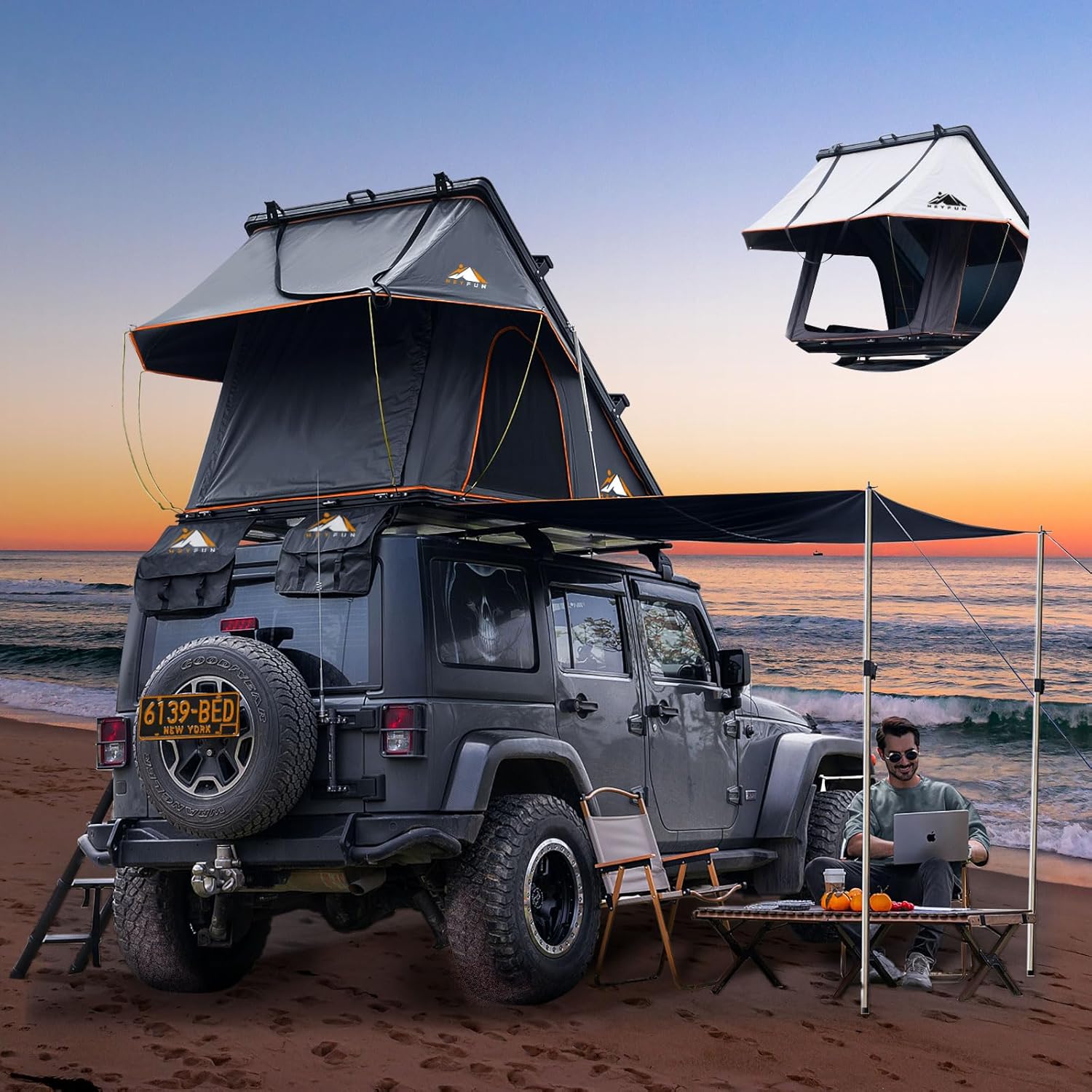
3. HEYFUN Adventurer Pro Hard‑Shell Rooftop Tent with USB Outlet and Side Awning
Best Hard-Shell Roof Tent
| Occupancy | 3 Person |
|---|---|
| Water Resistance Technology | 0-5,000 mm |
| Assembly Time | 10 Minutes |
| Included Components | Side awning, 2 rain flies, luggage racks, mattress, ladder, USB outlet, LED strip |
The HEYFUN Adventurer Pro is a hard‑shell rooftop tent built for fast setup and rugged use on large trucks like the GMC Sierra 3500 HD. The hardshell opens hydraulically in seconds and provides a rigid protective cover on the road, while the internal 3‑layer mattress, flocked floor and YKK zippers make overnight comfort straightforward. Included extras such as a side awning, replaceable rain fly, built‑in USB outlet and LED strip add practical convenience at camp. Aluminum honeycomb base, aircraft‑grade aluminum shell and stainless gas struts aim to resist corrosion and support heavy loads, and the universal mounting kit is intended to work with roof racks or crossbars that support the required load. Expect quicker deployment, improved weather protection and easier storage compared with soft tents. The tent is large enough for two adults plus a child but is heavy and needs robust crossbars that meet the 165 lb recommendation, so plan for professional mounting and be mindful of added vehicle height and wind noise while driving.
Best for: Buyers who prioritize fast deployment and a tough, roadworthy shelter for serious overland use on a heavy truck and want a ready‑to‑use sleeping setup with built‑in conveniences.
Less Ideal for: People who need a lightweight, low‑profile camping solution or who cannot fit or install heavy duty crossbars and mounting hardware on their vehicle.
- Hydraulic hard‑shell opens and closes in seconds for fast setup and takedown
- Durable aluminum honeycomb base and stainless gas struts for strong, weather‑resistant construction
- Built‑in 3‑layer mattress and flocked floor improve overnight comfort without extra gear
- Includes practical accessories: side awning, replaceable rain fly, luggage racks, LED strip and USB outlet
- Designed as an all‑season tent with windproof, snowproof and waterproof features
- Heavy unit that requires strong roof crossbars and adds significant vehicle height and weight
- Large footprint may obstruct overhead clearance or require adjustment for garage and low‑clearance areas
Verdict: Pick a hard‑shell tent if you need quick deployment, rigid protection in transit, and a tougher exterior that stands up to road wear and bad weather.
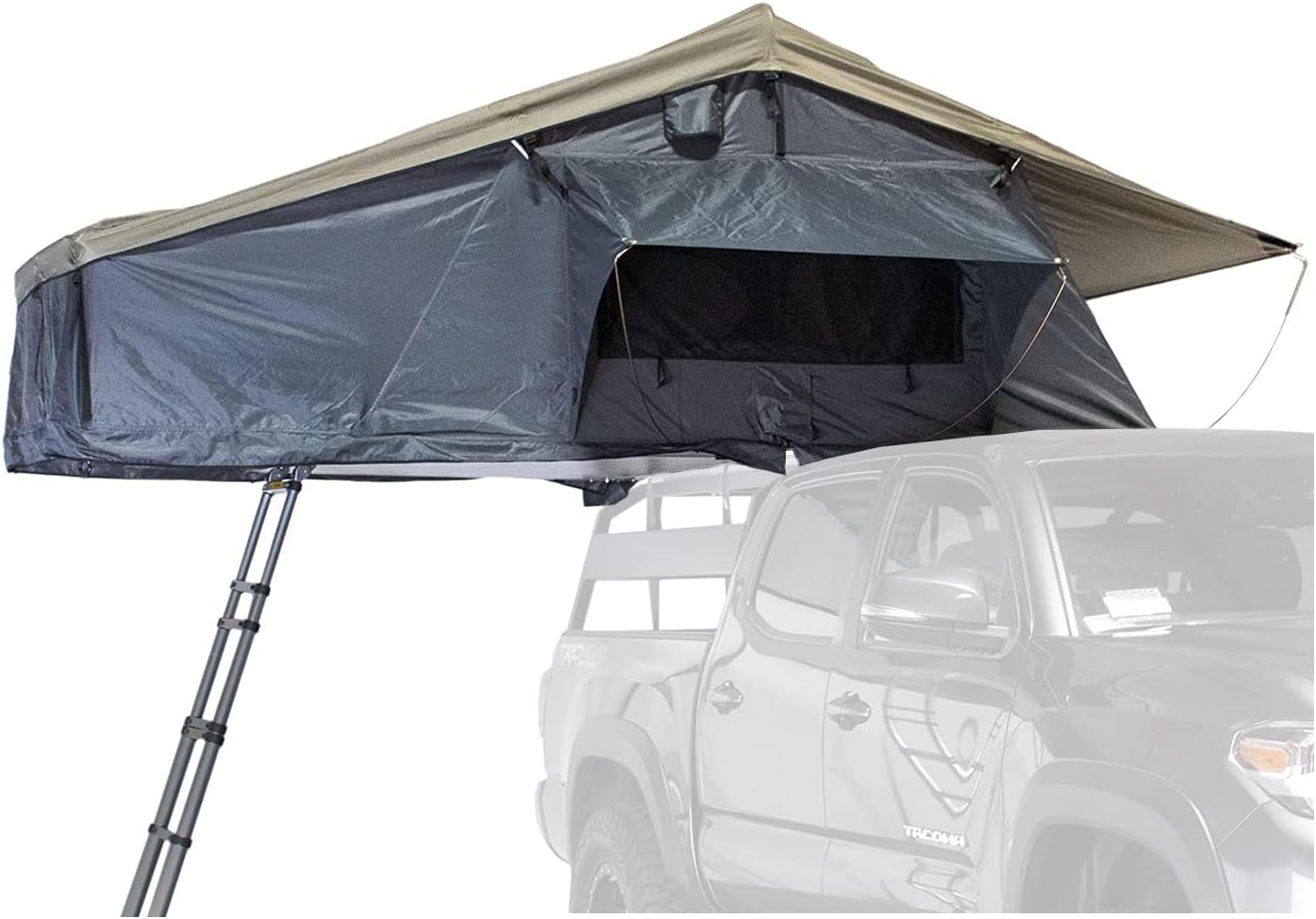
4. Overland Vehicle Systems Nomadic 3 Extended Soft-Shell Rooftop Tent
Best Soft-Shell Roof Tent
| Occupancy | 3 Person |
|---|---|
| Seasons | 4 Season |
| Material | 600D Ripstop |
| Included Components | Ladder, Rainfly, Rooftop Tent |
| Installation Type | Built In |
The Nomadic 3 Extended is a soft-shell rooftop tent built for multi-day overland camping where interior headroom and easy annexing matter. It mounts to any factory or aftermarket roof rack that can support the tent weight and installs without drilling. The soft-shell fabric (600D ripstop with ballistic and Oxford nylon panels) collapses to a relatively compact pack while the included rainfly and waterproof construction keep occupants dry in typical wet conditions. Notable features include a full diamond plate base for a stable platform, an aluminum pole frame, and a quick setup that lets two people deploy the tent in minutes. It includes a ladder and a memory foam pillow bonus pack for immediate use. Limitations are the tent weight and bulk when mounted on the roof, which requires confirming the Sierra 3500 HD roof rack capacity and will affect fuel economy and vehicle handling; the soft shell also needs care in high-wind, exposed alpine conditions compared with a hard shell. For Sierra 3500 HD owners who want roomy interior space and the flexibility to add an annex, this tent balances comfort and practical features for extended trips.
Best for: Owners prioritizing interior space and the ability to add an annex who plan multi-night trips and want a tent that sets up quickly and packs smaller when closed.
Less Ideal for: Drivers who need a lightweight, low-drag solution for frequent highway towing or who primarily camp in extreme high-wind alpine environments should consider other options.
- Generous three-person sleeping area with high interior headroom for comfort and annex compatibility
- Waterproof 600D ripstop and Oxford nylon construction with removable rainfly for wet-weather protection
- Full diamond plate base provides a stable, durable platform on the roof rack
- Quick, no-drill installation on compatible factory or aftermarket roof racks and fast setup in the field
- Includes ladder and small accessory pack so it is ready to use out of the box
- Heavy overall weight when mounted, requiring confirmation of roof rack capacity and affecting fuel economy and handling
Verdict: Opt for a soft‑shell tent when you prioritize interior headroom or annex compatibility and don’t mind a fabric body that packs smaller when closed.
5. SAN HIMA Hotham Lite Hard-Shell Rooftop Tent with LED Light and Ladder
Best Slim / Lightweight Roof Tent

| Occupancy | 2 Person |
|---|---|
| Seasons | 4 Season |
| Water Resistance Technology | PU 5,000mm |
| Fabric Type | 420D Double Ripstop Oxford Fabric, 280GT Polyester-Cotton |
| Included Components | Anti-condensation Mat, LED Strip Light, Shoe Bag, Telescopic Ladder, 2 Crossbars |
The SAN HIMA Hotham Lite is a slimline hard-shell rooftop tent built for quick setup and lower roof load. It mounts to crossbars and includes two crossbars and a telescopic ladder, so installation and packing are straightforward on a heavy-duty truck like the GMC Sierra 3500 HD when paired with proper rated roof racks. The tent uses 420D ripstop fabric with a 5,000 mm waterproof rating, a raised aluminum honeycomb base and a 1.97 inch memory foam mattress for comfortable, weather-resistant sleeping. Notable convenience features include a full-ceiling tri-color LED strip light, multiple mesh windows for ventilation, organized storage pockets and a shoe bag. Its slim packed height and relatively light construction reduce wind resistance and make lifting and mounting easier compared with bulkier hardshell RTTs. Limitations are typical of slim shells: interior headroom and mattress thickness are modest compared with larger models and roof load plus crossbar capacity still need to be checked against the vehicle’s rack and mounting points before installation.
Best for: Buyers who prioritize a low-profile, lighter rooftop tent for reduced wind resistance and easier mounting on a heavy-duty truck and prefer fast setup and simple, comfortable overnighting.
Less Ideal for: People who need maximum interior living space or a thick luxury mattress for extended overland trips should consider larger or taller rooftop tents instead.
- Slim 4.57 in packed profile reduces wind drag and makes undercover parking simpler
- 5,000 mm waterproof fabric and aluminum honeycomb base for strong weather protection
- Includes telescopic ladder, LED strip light and storage accessories for turnkey use
- Lightweight design compared with full-size hardshells eases mounting and reduces rack load
- Packed slim profile means less interior headroom and a thinner mattress than larger models
Verdict: This slot is for slim, lightweight RTTs if you want lower wind resistance, easier mounting, and less load on your roof racks.
6. SAN HIMA Kosci E‑Rise Electric Hard‑Shell Rooftop Tent
Best Automatic / Electric Roof Tent

| Occupancy | 3 Person |
|---|---|
| Seasons | 4 Season |
| Installation Type | Roof Top |
| Material Type | Aluminum |
| Is Waterproof | true |
The SAN HIMA Kosci E‑Rise is an electric hard‑shell rooftop tent designed to make solo or two‑person camping fast and comfortable on a truck roof. With a one‑touch motorized X‑frame it unfolds and folds automatically from its low‑profile aluminum shell, so setup and pack‑up are essentially instant and can be done by one person. The interior gives a roomy sleeping area with a thick high‑density foam mattress, LED light bar, mesh storage pockets and a Skyview roof for stargazing. Practical features for extended trips include built‑in air vents, an AC duct port, USB‑C/USB‑A and cigarette power outlets, and an Anderson‑style connector for solar charging and powering the lift. Materials are waterproof with strong UV protection and the package includes ladder, mounting hardware, and a repair kit. Expect higher weight and a more complex electrical system compared with soft tents, which means careful roof rack selection and professional or attentive installation on a heavy truck like the GMC Sierra 3500 HD.
Best for: Buyers who prioritize one‑person, near‑instant setup and want integrated power and creature comforts for extended truck camping on a Sierra 3500 HD.
Less Ideal for: People who need the lightest, simplest setup or who plan only occasional weekend use and prefer lower maintenance soft tents.
- One‑touch electric opening and closing for near‑instant single‑person setup
- Built‑in power panel with USB‑C, USB‑A, cigarette socket and Anderson‑style connector for charging and accessories
- Waterproof, UV‑protected fabric and solid aluminum hard shell for weather durability
- Integrated vents and AC duct port for climate control when parked
- Heavy overall weight requires a robust roof rack and may affect fuel economy
- Electrical system adds complexity and requires power management and proper wiring
Verdict: Choose an automatic or electric‑assist tent if you value one‑person, near‑instant setup and return‑to‑road convenience despite a higher price and added complexity.
Choosing the Right GMC Sierra 3500 HD Roof Tent: Key Factors to Consider
Fitment and Mounting Compatibility
Fitment is the foundation of a successful roof tent installation on the Sierra 3500 HD. Confirm that the tent's footprint and mounting points align with your roof rack or crossbars and that the combined load stays within the vehicle and rack's static and dynamic weight limits. A tent that is too wide or requires unconventional attachments may interfere with cab clearance or bed accessories.
Mounting compatibility affects safety and long-term durability. Look for mounting kits or hardware designed for full-size pickup crossbars, and verify bolt patterns and rail spacing. Consider how the tent sits on the roof in aerodynamic terms since a poorly seated tent increases wind noise and fuel drag.
Weight and Roof Load Limits
Roof tents and occupants add significant static load to your Sierra 3500 HD roof and rack. Check the tent's empty weight, recommended payload, and the roof rack's rated capacity. Pay attention to both static rating (when parked) and dynamic rating (while driving) to avoid overstressing mounting points.
Choosing a tent with an appropriate weight profile helps maintain safe handling and prevents long-term wear to the rack or roof. If you plan to carry extra gear inside the tent or mount accessories like awnings, factor that into the total calculated load.
Weather Resistance and Ventilation
Weatherproofing determines how well the tent will handle rain, wind, and temperature changes. Prioritize tents with durable, waterproof fabrics and taped seams for rainy conditions, plus a robust rainfly design that protects entry points. Wind resistance matters for highway travel and exposed campsites; a low-profile setup and sturdy anchoring reduce flapping and strain on mounts.
Ventilation and condensation control are equally important. Look for multiple mesh windows or vents that can be closed in poor weather but opened for airflow. Good ventilation improves sleeping comfort and reduces moisture buildup inside the tent during cool nights.
Setup Mechanism and Daily Usability
How you raise and lower the tent affects how often you will actually use it. Quick-deploy mechanisms such as pop-up or hinge systems save time and effort compared with tents that require extensive rigging. Evaluate whether the tent can be set up by one person and how long the typical setup and teardown take.
Consider practical details like ladder storage, locking mechanisms for travel, and whether the mattress remains installed. Ease of use influences whether the rooftop solution is convenient for weekend trips or better suited to infrequent, longer stays.
Sleeping Comfort and Interior Space
Interior dimensions, mattress thickness, and usable headroom define how comfortable nights will be. Check the tent's listed sleeping capacity but also review interior width and length to ensure adults fit comfortably. Higher-profile tent designs often provide more headroom but can increase wind exposure.
Mattress quality varies widely. Some tents include thin foam that may be sufficient for short trips, while others offer thicker, more supportive mattresses. Consider whether you will add a mattress topper or bedding and how that affects fit and ventilation.
Durability and Maintenance
Durability affects long-term ownership costs and reliability in the field. Inspect fabric denier and coating specifications where available, and check the robustness of zippers, seams, and ladder hardware. Reinforced bases and corrosion-resistant fasteners prolong service life, especially in coastal or snowy environments.
Maintenance considerations include how the tent packs down, whether the fabric resists mildew, and the ease of replacing consumable parts like zippers or seals. A tent that is simple to clean and maintain will perform better over multiple seasons.
Mounting Options for Heavy-Duty Pickup Roofs
There are a few common mounting strategies for rooftop tents on a Sierra 3500 HD roof. Most owners fit the tent to a set of heavy-duty crossbars or a full-length roof rack that spreads the load across multiple contact points. Some racks offer dedicated mounting plates that align with standard tent rails and make installation more repeatable.
If you use a crossbar setup, ensure bars are rated for the combined static weight of the tent and occupants. For full-length racks, confirm that attachment points clear any roof-specific features and that the rack structure resists flex at highway speeds. Professional installation can be helpful when mounting to aftermarket racks or when dealing with large, heavier tent models.
- Crossbars: easier to install, may require higher-rated bars for heavy tents
- Full-length racks: distribute load well, better for larger rooftop systems
- Mounting plates: simplify alignment and reduce installation time
Aerodynamics, Noise, and Driving Considerations
A rooftop tent affects aerodynamics, fuel economy, and wind noise. Lower-profile tents reduce drag and noise, while taller pop-up designs may create more turbulence. Consider where you will travel most often; long highway runs favor sleeker profiles, while frequent slow-speed overland use allows for bulkier tents with more interior space.
Securely tighten mounting hardware and use dedicated transport covers if available. When traveling at speed, check fasteners after the first short drive and periodically on long trips to ensure nothing has loosened.
- Low-profile tents reduce wind noise
- Confirm fastener torque after initial installation
- Transport covers lower flapping and protect fabric
Accessory Integration and Expanded Living Space
Many rooftop tent owners use annexes, awnings, and ladder platforms to expand living space. Annexes attach beneath the tent and create a sheltered ground-level vestibule for gear or changing. Awnings mounted to the rack or vehicle side increase shaded area for cooking and lounging.
When planning accessory use, check that the tent design supports attachable annexes and that ladders do not block vehicle doors or obstruct bed access. Some tent models provide purpose-built connectors that speed attachment of add-ons.
- Annexes create dry changing and storage space
- Awnings improve shade and rain protection
- Verify ladder placement for door access and safety
Seasonal Use and Climate Considerations
Think about the climates where you will camp. For frequent rainy-season use, prioritize heavy-duty waterproofing and raised base designs to keep floor areas dry. In colder climates, wind resistance and insulation value matter more; consider tents with tighter closures and options for thicker sleep surfaces.
Ventilation remains important in hot or humid conditions to control condensation. Removable storm panels or adjustable vents let you tune airflow for overnight comfort across different seasons.
- Rainy climates: taped seams and robust rainfly
- Cold climates: wind resistance and thermal considerations
- Hot climates: ample mesh and adjustable vents
Practical Maintenance and Storage Tips
After use in wet conditions, dry the tent fully before packing to prevent mildew and fabric degradation. Store the tent in a cool, dry place away from direct sunlight to preserve coatings and fabric strength. Regularly inspect zippers, seams, and ladder hardware for wear and address minor repairs before they worsen.
When transporting the tent long distances, use a protective cover to reduce road wear and prevent UV damage. Keep a small repair kit with seam sealant and spare fasteners on hand for field repairs.
- Dry before packing to avoid mildew
- Use protective covers for long highway travel
- Inspect fasteners and zippers regularly
How We Chose the Best GMC Sierra 3500 HD Roof Tent
We focused on attributes that directly affect on-vehicle performance and owner satisfaction for a GMC Sierra 3500 HD. Our editorial process prioritized roof tents that provide confirmed fitment with full-size pickup roof profiles, reliable weather protection, and straightforward mounting to common roof rack and crossbar systems used with heavy-duty pickups.Key evaluation criteria included materials and construction quality to withstand wind and rain, setup time and mechanism for frequent use, mattress comfort and sleeping capacity relative to tent footprint, and load limits compatible with the Sierra 3500 HD roof and rack systems. We also assessed ventilation and condensation control for a range of temperatures, and accessory compatibility such as annexes and ladder integration.We excluded tents that require permanent modifications to the vehicle roof, those rated below sensible weight or wind tolerances for highway use, and options lacking clear mounting instructions for heavy-duty pickups. The result is a curated shortlist focused on durability, safety, and practical daily use.
Our full evaluation process is outlined in our review methodology.
FAQ
Will a roof tent affect my Sierra 3500 HD roof load limits?
Yes. Roof tents and occupants add static weight to the roof and rack. Check your vehicle and roof rack static and dynamic weight ratings and ensure the combined load of tent, occupants, and gear stays within those limits to avoid structural strain.
Can I install a roof tent by myself?
It depends on the tent weight and your rack system. Lightweight pop-up tents are often manageable with two people for final placement, while heavier units usually require two or more people or professional help for safe mounting. Installation is easier with compatible mounting plates and a helper to steady the tent.
How does a roof tent handle rain and wind on the Sierra 3500 HD?
Performance varies by design. Look for waterproof fabrics, taped seams, and a well-shaped rainfly to handle rain. For wind, a low-profile design and secure mounting reduce flapping. Properly tensioned mounts and periodic inspections improve weather resilience.
Will a ladder block access to truck doors or the bed?
Ladder placement differs by tent and vehicle configuration. Some ladders angle away from doors to preserve access, while others can obstruct a rear door or bed access. Plan ladder position before purchase and consider models with adjustable mounting or side-entry options.
Do rooftop tents require special roof racks for the Sierra 3500 HD?
Not always, but racks rated for full-size pickups are recommended. Ensure crossbars or a rack are rated for the tent's static load and can accept the tent's mounting hardware. Heavier tents perform better on full-length racks that distribute load.
How should I maintain my roof tent between trips?
Dry the tent fully before stowing, clean dirt and salt from fabrics and hardware, and periodically treat seam areas with sealant if needed. Store the tent in a dry, shaded location and inspect zippers, seams, and fasteners before each season.
Final Verdict
Choosing the right roof tent for your GMC Sierra 3500 HD is a balance between fitment, weight, and how you plan to use it. Prioritize mounting compatibility and load ratings first, then consider weather protection and daily usability to match your typical trips. Remember that greater comfort or interior space usually comes with increased weight and wind exposure.Focus on options that match your rack and intended use—sleeker, lighter tents for frequent highway travel and lower noise, or larger, more robust designs if you need more living space at camp. With careful attention to mounting, weight limits, and weather features, you can select a rooftop tent that reliably extends your Sierra 3500 HD into a capable overland camper.
