

Note: This article contains affiliate links. If you click on these links and make a purchase, I may earn a small commission at no extra cost to you. This helps support my research and content. Read my full affiliate disclosure here.
Your Ford F-150 EcoBoost depends on accurate oxygen sensor readings to maintain fuel economy, emissions control, and smooth idle. A failing sensor can cause rough running, poor mileage, or trigger the check engine light, so picking the correct replacement matters for real-world drivability.This guide covers six top oxygen sensors that fit the EcoBoost configuration and explains the evaluation criteria used to shortlist them. You will get clear information on fitment, electrical compatibility, and expected operating behavior so you can choose the right sensor for the task. Read on for practical buying guidance before the product list.
Looking for other parts? See all Ford F-150 parts & accessories.
Top Picks at a Glance
| Best Overall The best all-around choice for most situations | Bosch 15383 Premium Fitment Oxygen Sensor |  |
| Best Quality Built to a higher standard if you want something more solid | Motorcraft DY992 Oxygen Sensor |  |
| Best Budget The cheapest option that still gets the job done reliably | Gledewen Oxygen Sensor Upstream/Downstream Replacement (15717/15716/15664) |  |
| Highest Rated A top-rated pick with lots of positive feedback | Bosch 17323 Premium Oxygen Sensor | 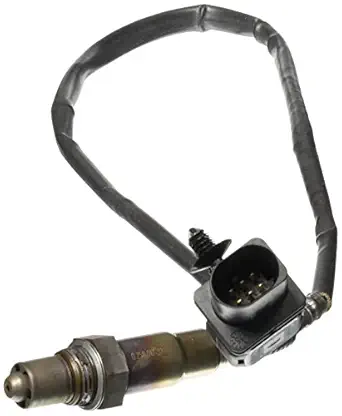 |
| Most Popular A crowd favorite that many people choose with confidence | Gledewen 4-Pack Oxygen Sensors (Upstream & Downstream) |  |
| Best Seller A high-volume bestseller chosen again and again | Bosch 17321 Premium Original Equipment Oxygen Sensor |  |
Bosch 15383 Premium Fitment Oxygen Sensor

| Brand | Bosch |
|---|---|
| Material | Alloy Steel, Stainless Steel |
| Mounting Type | Threaded Mount |
| Output Type | electrical signal |
| Response Time | 5 seconds |
This Bosch 15383 oxygen sensor is a direct-fit replacement intended to restore accurate air/fuel feedback and clear emission-related trouble codes on compatible Ford EcoBoost engines. It installs like a factory part with pre-coated threads and an OE-style connector, so you can expect straightforward swap-in installation when access allows. The sensor uses a stainless steel, double laser-welded housing and a fast-acting heater to reach operating temperature quickly, which helps the engine control module get reliable readings soon after startup. In practice that means smoother idle and more consistent exhaust emissions behavior after replacement. Bosch tests each unit for functionality, and many buyers report quick problem resolution when a faulty downstream sensor triggers codes. Limitations: a few reports cite heater circuit issues or early failures, so while most units perform well, there is some variability in longevity versus dealer-sourced factory replacements. Also installation can be difficult on tightly packaged exhausts and may require anti-seize-safe tools.
Best for: Buyers who want a proven aftermarket sensor that installs like a factory part and prioritizes restoring correct emissions and drivability on their Ford EcoBoost-equipped vehicle.
Less Ideal for: If you prefer only dealer-sourced factory parts for maximum long-term assurance or need lifetime guaranteed coverage, this aftermarket option may not meet that requirement.
- True direct-fit connector and pre-coated threads simplify installation
- Fast-acting heater shortens warm-up time for accurate readings
- Stainless steel, double laser-welded body resists exhaust corrosion
- Factory testing aims to ensure each sensor functions before shipping
- Some users report heater circuit faults or early failure in a minority of units
Verdict: Choose this Bosch sensor when you want a ready-to-install, factory-style replacement that quickly restores proper oxygen sensing and emissions control on your EcoBoost F-150.
Motorcraft DY992 Oxygen Sensor

| Mounting Type | Flange Mount |
|---|---|
| Output Type | Push-Pull |
| Item Type Name | Oxygen Sensor |
| Model | DY992 |
The Motorcraft DY992 is a direct-fit oxygen sensor intended to replace a failing downstream sensor and restore correct exhaust oxygen readings. It installs like a factory replacement and is used to feed the vehicle computer accurate downstream oxygen information so fuel trims, emissions, and fuel economy return to expected ranges. Notable features include a flange mount and push-pull output, plus corrosion-resistant construction aimed at longer service life. In daily use the DY992 behaves like a factory sensor: it produces stable voltage and helps clear erratic downstream readings that can cause rich running and reduced MPG. Practical benefits are straightforward: reliable fitment on matching Ford harnesses, predictable performance after a relearn cycle, and durability in exhaust environments. Limitations to keep in mind are connector color coding and exact part fitment requirements for specific Ford models and positions, so confirm the correct DY part number for your vehicle before ordering.
Best for: Buyers who prioritize restoring factory fuel control and emissions performance on Ford trucks and prefer a manufacturer-engineered replacement that installs like the original part.
Less Ideal for: People looking for a universal or multi-vehicle aftermarket sensor or those who need a sensor for non-Ford applications should consider alternatives.
- Factory-engineered fit and function for compatible Ford and Lincoln models
- Flange mount and push-pull output for straightforward direct replacement
- Corrosion- and abrasion-resistant construction for longer service life
- Restores proper downstream oxygen readings to improve fuel trims and MPG
- Connector color coding means you must match the vehicle harness connector to avoid fitment issues
Verdict: Choose the Motorcraft DY992 when you want a factory-quality downstream oxygen sensor that restores proper fuel control on compatible Ford trucks.
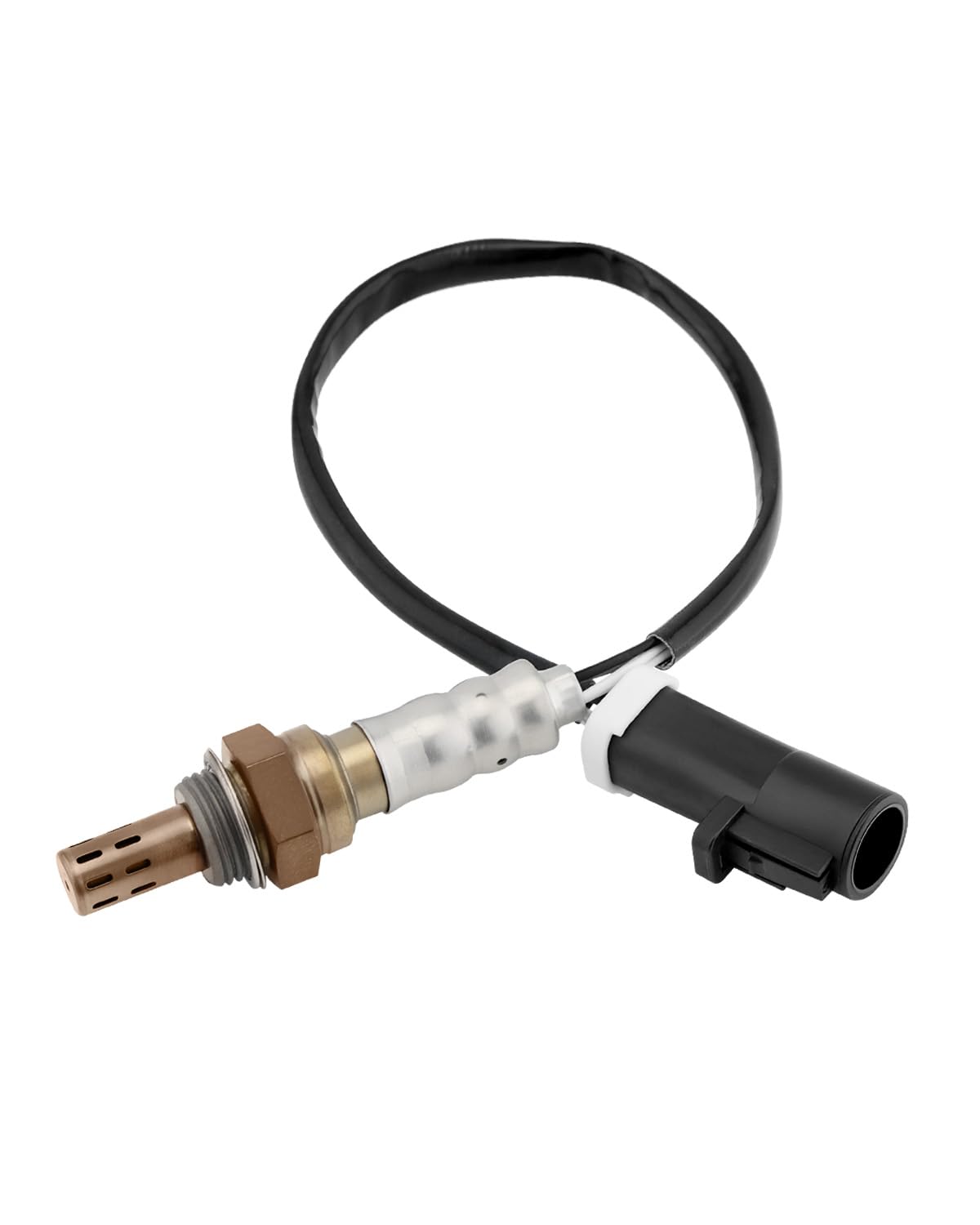
Gledewen Oxygen Sensor Upstream/Downstream Replacement (15717/15716/15664)
| Maximum Supply Voltage | 5 Volts |
|---|---|
| Measurement Accuracy | ±0.5% |
| Mounting Type | Flange Mount |
| Upper Temperature Rating | 1000 Degrees Celsius |
| Material Type | Stainless Steel |
This Gledewen oxygen sensor is a budget-friendly direct replacement that monitors the oxygen content in exhaust gases to help the engine control unit maintain the proper air-fuel ratio. It is offered as an upstream or downstream option and uses a flange mount with an electrical signal output, so replacement is straightforward for someone with basic automotive skills or a mechanic. The stainless steel, laser-welded body and high temperature rating aim to provide durable service and quick response for ignition and fuel-trim corrections. Practical benefits include resolving check-engine codes related to O2 sensors, improving fuel economy when a worn sensor is causing rich or lean conditions, and restoring throttle response. Limitations are typical of economy aftermarket sensors: long-term durability can vary between vehicles and some users report early failures, so expect mixed longevity compared with higher-end or OEM-style sensors. Also confirm connector and plug type before ordering since fitment depends on matching the original harness plug.
Best for: Buyers focused on a low-cost, functional replacement to clear O2-related codes and restore drivability and fuel economy without paying OEM prices.
Less Ideal for: Those who prioritize maximum long-term durability or need a sensor guaranteed to match factory performance under heavy-duty or performance use should consider higher-end or factory-quality alternatives.
- Direct replacement design that fits common Ford and related applications listed by the seller
- Stainless steel, double laser-welded body designed for high temperature resistance
- Works as upstream or downstream sensor and outputs standard electrical signal for ECU feedback
- Reported to restore correct fuel trim and resolve check-engine codes in many user reports
- Mixed reports on longevity with some users experiencing early failures
- Fit depends on matching the vehicle connector exactly so incorrect plug will not fit
Verdict: An affordable, stainless-steel direct-replacement oxygen sensor that gets most Ford engines back to proper fuel trim and drivability when you need a budget repair.
Bosch 17323 Premium Oxygen Sensor

| Brand | Bosch |
|---|---|
| Material | Stainless Steel |
| Mounting Type | Flange Mount |
| Output Type | Digital |
| Upper Temperature Rating | 1562 Degrees Fahrenheit |
The Bosch 17323 is a direct-fit oxygen sensor built to replace the factory unit on compatible Ford and Lincoln V6/V8 engines. It uses a double laser-welded stainless steel body and an internal heater to reach operating temperature quickly, so the engine control module gets accurate air/fuel data shortly after startup. Installation is straightforward thanks to factory-style connectors and pre-coated threads that reduce the chance of galling during fitment. The sensor is factory tested for full functionality and designed to resist exhaust corrosion, which should extend service life compared with generic aftermarket units. For reliability-minded buyers this sensor minimizes guesswork during replacement and helps preserve fuel economy and emissions performance when installed at manufacturer-recommended intervals. Limitations: fitment depends on engine and model year so you must verify the exact sensor position for your F-150 EcoBoost before ordering, and some users report mixed experiences with specific vehicle systems, which makes confirming compatibility essential.
Best for: Buyers who prioritize dependable, factory-style replacements and want a tested sensor that restores accurate air/fuel feedback to maintain fuel economy and emissions on their EcoBoost-equipped F-150.
Less Ideal for: Drivers looking for a universal or performance-wideband sensor for tuning applications should choose a purpose-built sensor instead.
- Direct-fit connectors and pre-coated threads simplify installation and reduce risk of damage during service.
- Double laser-welded stainless steel body resists exhaust corrosion for longer component life.
- Fast-acting heater brings the sensor up to operating temperature quickly for reliable cold-start readings.
- Factory testing for functionality reduces chance of receiving a defective unit.
- Digital output and flange-mount design match factory replacement expectations.
- Compatibility varies by engine and model year so cross-check fitment before purchase.
- Not vehicle-specific to EcoBoost in the listing so may require verification of sensor position and wiring.
Verdict: Choose the Bosch 17323 when you want a proven, factory-style oxygen sensor that emphasizes durability and reliable, OEM-like performance for your EcoBoost F-150.
Gledewen 4-Pack Oxygen Sensors (Upstream & Downstream)

| Brand | Gledewen |
|---|---|
| Material | Stainless Steel |
| Mounting Type | Flange Mount |
| Output Type | Electronic |
| Upper Temperature Rating | 932 Degrees Fahrenheit |
This four-pack from Gledewen provides upstream and downstream oxygen sensors intended to restore proper air-fuel monitoring and clear emission-related trouble codes on compatible Ford vehicles. Each sensor uses a stainless steel, laser-welded housing and an electronic output to report exhaust oxygen content to the engine control system. In practice you would swap the defective sensors for these units to recover fuel economy, smooth idle, and to pass emissions checks. The set covers many older Ford applications so it can replace multiple OE part numbers, and the high temperature construction and sealed body are built to resist exhaust conditions. On the downside buyers must verify the connector type and exact sensor location before installing since fitment varies and the bundle may include more downstream sensors than some vehicles need. A few buyers also reported heater circuit failures on certain units, so expect to test sensors after installation and keep a warranty or return option in mind.
Best for: A cautious buyer who values peer feedback and needs an affordable way to replace multiple oxygen sensors on older Ford F-150 EcoBoost setups while confirming connector compatibility before purchase.
Less Ideal for: Do not buy this if you prefer one-to-one direct-matched factory parts sold individually or need guaranteed plug-and-play fitment without verifying connectors or locations.
- Four-sensor kit covers upstream and downstream positions for multi-sensor engines
- Stainless steel, double laser-welded body designed for high temperature durability
- Electronic output suitable for engine control diagnostics and emissions monitoring
- Covers many Ford part numbers so it can replace several factory sensors in older models
- Fitment depends on matching connector type and position so incorrect selection is possible
- Some users reported heater circuit failures on a minority of sensors
Verdict: Choose this four-pack if you want a durable, multi-position oxygen sensor set that can restore emissions control and fuel economy on older Ford F-150 EcoBoost engines after you confirm connector and position compatibility.
Bosch 17321 Premium Original Equipment Oxygen Sensor

| Material | Stainless Steel |
|---|---|
| Mounting Type | Threaded |
| Output Type | Analog |
| Maximum Supply Voltage | 5 Volts |
| Upper Temperature Rating | 1200 Degrees Fahrenheit |
This Bosch 17321 oxygen sensor is a direct-fit replacement meant to restore accurate air-fuel sensing on compatible Ford engines. It uses a double laser-welded stainless steel body and a fast-acting heater so the sensor reaches operating temperature quickly, which helps reduce warm-up time and steady the engine control feedback loop. Installation is straightforward: the sensor comes with thread anti-seize and factory-style connector and harness for plug-and-play fitment in the correct vehicle applications. In use it provides reliable analog output for air-fuel ratio monitoring and is built to resist exhaust corrosion and high temperatures. Most buyers will appreciate Bosch's full testing process and the durable construction that supports consistent readings and longer service life. Limitations to note are vehicle fitment and engine position: you must verify this specific part number matches your F-150 EcoBoost engine and sensor location, and some users report occasional failures so consider verifying return or service options before installation.
Best for: A buyer who prioritizes a reliable, factory-quality replacement sensor and wants a plug-and-play part that minimizes installation hassle and preserves engine control performance.
Less Ideal for: If you want a universal or performance-tuned sensor for custom engine management, this direct-fit replacement is not designed for modified or nonstandard setups.
- Direct-fit factory-style connector and harness simplifies installation
- Double laser-welded stainless steel body improves corrosion and heat resistance
- Fast-acting internal heater reduces warm-up time for accurate readings sooner
- Threads come pre-coated with anti-seize to prevent galling during install
- Compatibility depends on engine and sensor position so fitment must be confirmed
- Some buyers have reported premature failures in a small number of units
Verdict: Choose the Bosch 17321 when you need a factory-quality, direct-fit oxygen sensor that restores accurate air-fuel control with minimal installation fuss.
Choosing the Right Ford F-150 EcoBoost Oxygen Sensor: Key Factors to Consider
Fitment and Connector Type
Correct physical fitment is the first priority for any oxygen sensor replacement on an EcoBoost engine. Thread pitch, hex size, and probe length determine whether the sensor seats properly in the exhaust bung and reads representative exhaust gas rather than cooler downstream flow. Connector type and pinout must match the truck's wiring harness so the sensor's heater and signal wires mate without splicing.
If a sensor requires an adapter or custom wiring, installation time and failure risk increase. Always confirm the sensor's mounting orientation and harness routing to avoid harness chafing, interference with heat shielding, or exhaust component contact.
Heater Circuit and Warm-Up Time
Most modern upstream oxygen sensors include an internal heater to bring the sensor up to operating temperature quickly. Faster warm-up means the engine reaches closed-loop fuel control sooner, improving cold-start emissions and fuel economy. For EcoBoost engines that cycle through different temperature regimes, a reliable heater circuit reduces the chance of prolonged open-loop operation.
When choosing a replacement, compare specified heater resistance or current draw to ensure compatibility. A heater that fails or warms slowly will trigger diagnostic trouble codes and degrade drivability, particularly during short trips and cold weather.
Signal Type and Response Speed
Oxygen sensors use different signal behaviors depending on type. Narrowband sensors switch rapidly around stoichiometric air-fuel ratios, while wideband sensors provide a proportional voltage or current representing AFR across a broad range. Response speed affects how quickly the ECU can correct fuel trims following load or throttle changes.
Faster sensors improve transient response and can reduce symptoms like hesitation during acceleration. When testers note sluggish sensor voltage changes or slow AFR readings, it usually points to reduced responsiveness from contamination or age. Make sure the replacement delivers comparable response characteristics to the original sensor to maintain drivability.
Location: Upstream Vs Downstream Roles
Upstream (pre-catalyst) sensors directly inform fuel control and have the most impact on mixture adjustments. Downstream (post-catalyst) sensors monitor catalytic converter efficiency and are less critical for instantaneous fuel trim but important for emissions diagnostics. Replacing the correct bank and position is essential on twin-exhaust or V-engine layouts.
For an EcoBoost engine, identify whether the code or symptom references bank 1 sensor 1 or another location before ordering. Installing the wrong-position sensor can leave the ECU without accurate inputs for either fuel control or converter monitoring, causing persistent check engine light issues.
Durability and Contamination Resistance
Exhaust sensors face soot, oil vapors, and high thermal stress; materials and protective coatings influence longevity. Sensors with protective shields or high-quality ceramic elements resist poisoning from silicone or lead-containing contaminants and maintain switching behavior longer. Robust sealing prevents exhaust leaks at the bung and keeps connectors free of corrosive residues.
Consider the typical driving conditions for your truck. Frequent towing, extended idling, or city stop-and-go traffic increases thermal cycling and deposit exposure. Choosing a sensor rated for heavy-duty or high-cycle use can reduce replacement frequency and maintain stable readings under load.
Ease of Installation and Serviceability
Installation factors matter to owners who plan to replace the sensor themselves. Probe length, harness reach, and included anti-seize or gaskets reduce installation difficulty. Sensors with factory-style harnesses and common hex sizes allow use of standard O2-sensor sockets and avoid exhaust disassembly.
If you rely on a shop, minimizing installation complexity saves labor. Also check whether the sensor can be accessed without removing heat shields or other components specific to the EcoBoost configuration, since that affects total labor time.
Identifying Sensor Location on the EcoBoost Engine
Finding the correct sensor starts with understanding the EcoBoost exhaust layout and the role each sensor plays. Upstream sensors are located before the catalytic converters and are primarily responsible for fuel trim corrections. Downstream sensors sit after the converters and help the ECU monitor catalyst performance.
- Confirm whether fault codes reference bank 1 or bank 2 and sensor 1 or sensor 2.
- Visually trace the exhaust from the turbo and downpipe to locate upstream probes near the turbine outlet.
- Downstream probes are typically mounted after the catalytic element or collector housing.
Common Symptoms of a Failing Oxygen Sensor
Symptoms often begin subtly and progress. Typical signs include rough idle, reduced fuel economy, fluctuating revs, and an illuminated check engine light. Some faults only show under certain conditions like cold starts or heavy load, so intermittent symptoms do not rule out a failing sensor.
- Persistent check engine light codes related to the sensor often accompany drivability symptoms.
- Reduced MPG or a richer-than-normal smell from the tailpipe suggests the upstream sensor is not reporting correctly.
- Hesitation under acceleration or surging idle can result from delayed sensor response.
Diagnosing Sensor Issues With On-Vehicle Tests
Basic checks can reveal whether the sensor and its heater are functioning before replacing it. Visual inspection of connectors and wiring is the first step; look for melted insulation, corrosion, or rodent damage. Next, perform live-data observation of the oxygen sensor voltage or AFR readings with an OBD-II scanner while the engine warms to operating temperature.
- Observe upstream sensor voltage oscillation frequently between low and high values in closed-loop operation.
- Check that the heater circuit reaches operating current quickly; a cold sensor will show delayed switching.
- Scan for codes such as an oxygen sensor heater circuit fault or slow response flags and note whether they are bank- or position-specific.
Installation Considerations and Accessibility
Plan the replacement by noting required tools: an O2 sensor socket, penetrating oil for seized threads, and torque specs for the sensor bung. Anti-seize is sometimes pre-applied; if not, use a small amount on the threads but avoid contamination of the sensor tip. Protect the new sensor's wiring from heat and routing hazards during installation.If you are installing the sensor yourself, allow the exhaust to cool and ensure the truck is securely supported. After installation, clear codes and test drive the vehicle to verify closed-loop operation resumes and that no new codes appear.
- Use a proper sensor socket to avoid damaging the wiring.
- Replace gaskets or crush washers as needed to prevent exhaust leaks.
- After installation, confirm the ECU recognizes the heater and signal quickly during warm-up.
When Diagnostics Point to the Catalytic Converter
A downstream sensor reporting out-of-range values can indicate catalyst inefficiency rather than a bad sensor. If downstream readings differ significantly from expected post-converter voltages, confirm the downstream sensor's heater and wiring before concluding the catalyst has failed. Replacing a downstream sensor may sometimes be necessary to rule out sensor-related false flags.
- Compare upstream and downstream data streams when diagnosing converter efficiency.
- Address any vacuum leaks or fueling issues that could mimic catalyst problems before replacing the converter.
Still looking for the perfect fit?
Select your Ford F-150 configuration to see the most relevant Oxygen Sensors recommendations
How We Chose the Best Ford F-150 EcoBoost Oxygen Sensor
Our selection focused on components that restore correct air-fuel sensing and integrate cleanly with the EcoBoost engine management. We prioritized sensors that match factory fitment and connector type for direct replacement, and we verified thread size and heater circuit compatibility as part of fit checks. Electrical response was another key criterion, so we considered sensors with fast voltage switching or stable AFR output depending on the sensor type.Durability under exhaust temperatures common to EcoBoost engines guided our choices; sensors that tolerate thermal cycling and resist contamination scored higher. We also weighed ease of installation, including reach and wiring harness length, and whether the sensor is serviceable without exhaust disassembly. Finally, emissions and diagnostics performance mattered: sensors that allow accurate OBD-II readiness and stable closed-loop operation were preferred.We excluded units that required extensive rewiring, nonstandard mounting, or significant ECU recalibration. Sensors without clear heater-circuit specifications or ambiguous fitment data were not considered.
Our full evaluation process is outlined in our review methodology.
FAQ
How do I know if my EcoBoost oxygen sensor is bad?
Symptoms often include a drop in fuel economy, rough idle, or a check engine light that points to an O2 sensor code. Live-data showing no voltage switching on an upstream sensor or a heater circuit fault usually confirms a problem.
Can I drive with a bad oxygen sensor on the F-150 EcoBoost?
You can usually drive short distances, but prolonged use may degrade fuel economy and emissions and cause catalytic converter stress. It is best to repair a known bad sensor promptly to avoid secondary damage.
Is bank 1 sensor 1 the same as the downstream sensor?
No. Bank 1 sensor 1 is typically the upstream sensor located before the catalytic converter on the side of the engine with cylinder one. Downstream sensors are sensor 2 and are positioned after the catalyst to monitor converter performance.
Will replacing an oxygen sensor clear the check engine light?
Clearing the code after a sensor replacement will remove the light, but the ECU must see correct sensor behavior and complete readiness checks. If the underlying issue persists, the light may return.
How long does an oxygen sensor last on an EcoBoost engine?
Lifespan varies with driving conditions, but many sensors last several years. Exposure to oil contamination, coolant leaks, or frequent short trips can shorten service life, leading to earlier replacement.
Can I test the oxygen sensor without removing it?
Yes. Using an OBD-II scanner to monitor live sensor voltage or AFR and checking heater-circuit status are common on-vehicle tests. If the live data shows proper switching and the heater reaches temperature quickly, the sensor may still be serviceable.
Final Verdict
Choose a replacement oxygen sensor that matches the EcoBoost's physical fit and electrical characteristics, and prioritize a fast-response unit with a reliable heater circuit. Pay attention to sensor location so you replace the correct upstream or downstream position, and consider durability features if you do heavy towing or frequent short trips. By focusing on fitment, response time, and heater performance you can restore stable fuel control and avoid unnecessary catalytic converter concerns.
Explore More:
- Check out all Ford F-150 parts & accessories
- Explore Oxygen Sensors Maintenance & Repair Guides
- Explore Engine
- Browse all Auto Parts
