

Note: This article contains affiliate links. If you click on these links and make a purchase, I may earn a small commission at no extra cost to you. This helps support my research and content. Read my full affiliate disclosure here.
If you own a 1996-2000 Honda Civic, selecting the right oil pump matters more than many owners realize. A correctly sized and installed oil pump preserves oil pressure, prevents premature wear, and helps the engine tolerate everyday driving stresses. For the 1996-2000 Civic (EJ, EK, and EM), this guide shortlists the top seven oil pump options that fit this model range and evaluates each by the real-world criteria that matter to owners.You will find options suited to routine maintenance and mild performance upgrades, plus notes on compatibility, seal and gasket considerations, and installation impact. The review blocks below represent our top picks, followed by detailed buying factors, technical guidance, and practical FAQs to help you choose the right oil pump for your Civic and intended use.
Looking for other parts? See all Honda Civic parts & accessories.
Top Picks at a Glance
| Best Overall The best all-around choice for most situations | DNJ OP212A Oil Pump Housing for 1996–2001 Honda 1.6L–2.0L L4 |  |
| Best Quality Built to a higher standard if you want something more solid | Melling M383 Engine Oil Pump |  |
| Best Value The sweet spot between price and what you get | DRIVESTAR M383 Replacement Engine Oil Pump for 1996–2000 Honda Civic 1.6L |  |
| Best Budget The cheapest option that still gets the job done reliably | VIPCAR M383 Replacement Oil Pump for 1996–2000 Honda Civic 1.6L (SOHC) |  |
| Highest Rated A top-rated pick with lots of positive feedback | Honda 15100-P72-A01 Oil Pump Assembly (Genuine) | 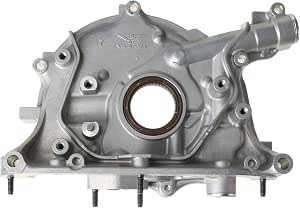 |
| Most Popular A crowd favorite that many people choose with confidence | DRIVESTAR M313 Replacement Engine Oil Pump (fits 1996–2001 Acura/Honda 1.6–2.0L DOHC) |  |
| Best Seller A high-volume bestseller chosen again and again | A-Premium Engine Oil Pump for Honda Civic 1996–2000 1.6L (D16 Engines) |  |
1. DNJ OP212A Oil Pump Housing for 1996–2001 Honda 1.6L–2.0L L4

| Manufacturer | DNJ |
|---|---|
| Item model number | OP212A |
| Exterior | Machined |
| Fits | 1996-2001 Honda 1.6L-2.0L L4 |
The DNJ OP212A is a direct-replacement oil pump housing intended to restore proper oil circulation on late 1990s Honda four-cylinder engines. It installs as a bolt-on unit during engine service or rebuilds and is used to maintain consistent oil pressure and lubrication to critical components. The part is machined and built to match factory form and fit so it typically drops in without modification. In practice it provides efficient oil flow and can help recover fuel economy and engine longevity when an old pump has worn. Buyers report generally clean castings and acceptable tolerances, though one user experienced a snapped oil pan stud during final torque which appears to be a rare issue rather than a design flaw. This pump is aimed at stock or lightly tuned engines rather than high-horsepower race builds, and using it in a high-rev or heavily modified application may require upgraded internals. For routine maintenance or a budget rebuild this DNJ pump is a sensible, reliable factory-style replacement.
Best for: Drivers doing a routine engine service or rebuild who want a dependable, factory-style oil pump replacement for late 1990s Honda four-cylinder motors and value straightforward fitment and good real-world durability.
Less Ideal for: Owners building high-performance or high-rev race engines who need upgraded oiling capacity and strengthened internal components should look for performance-specific pumps instead.
- Machined exterior and factory-style fit make installation straightforward for replacement jobs
- Restores consistent oil circulation to improve lubrication and reduce wear on engine internals
- Compatible with 1996–2001 Honda 1.6L–2.0L four-cylinder engines, covering common Civic and CR-V applications
- Constructed to withstand engine pressures and temperatures typical of street use
- Not designed for high-horsepower or high-rev racing applications without additional internal upgrades
Verdict: A reliable, factory-quality replacement oil pump housing that restores proper lubrication for 1996–2001 Honda four-cylinder engines and is ideal for routine maintenance or budget rebuilds.
2. Melling M383 Engine Oil Pump

| Manufacturer | Melling |
|---|---|
| Model | M383 |
| Manufacturer Part Number | M383 |
The Melling M383 is a straightforward replacement oil pump intended to re-establish proper engine oil flow where the original pump has worn or failed. It installs in place of the factory pump and is used during engine rebuilds or when diagnosing low oil pressure. The unit is made to factory-style form and fit and delivers the core function of pumping oil to lubrication points and the pressure relief circuit. For a performance-focused Civic build from 1996 to 2000, this pump provides reliable basic pressure support and is suitable when the goal is to return an engine to solid operating condition without altering pressure characteristics. It does not claim upgraded flow or pressure for high-rev performance builds, so racers seeking increased oiling capacity should look for performance-design pumps. Fitment depends on matching the M383 part to the engine; buyers should verify compatibility with their specific block and pickup arrangement before installation.
Best for: Buyers rebuilding or repairing a 1996–2000 Civic who prioritize restoring reliable, factory-quality oil delivery over increasing oiling performance.
Less Ideal for: Drivers building high-revving or heavily modified engines who need increased flow, higher pressure, or purpose-built performance oiling upgrades.
- Factory-style fit and form for straightforward replacement
- Restores standard oil circulation and pressure for reliable engine lubrication
- Well-known brand with long production history
- Not marketed as a high-flow or high-pressure performance pump
- Compatibility depends on matching part number to engine application
Verdict: Choose the Melling M383 when you need a dependable, factory-style replacement pump to restore proper oiling in a 1996–2000 Civic engine.
3. DRIVESTAR M383 Replacement Engine Oil Pump for 1996–2000 Honda Civic 1.6L

| Fitment | 1996–2000 Honda Civic 1.6L; 1996–1997 Civic del Sol 1.6L |
|---|---|
| Replacement part numbers | M-383, MA-371 |
| Manufacturer | DRIVESTAR |
| Item weight | 2.59 pounds |
This DRIVESTAR M383 oil pump is a direct-replacement unit for 1996–2000 Honda Civic 1.6L engines and is intended to restore proper oil pressure and flow. It is used as a like-for-like swap when an original pump fails or when reconditioning an engine; installation follows normal oil pump removal and gasket/seal replacement procedures. The manufacturer describes precision-machined gears and ground end plates plus testing for pressure and flow, and the pump is marketed as a high-volume design that can increase oil flow by about 20 percent for improved idle pressure. In practice that means stronger baseline oil pressure and better lubrication at lower revs. Several user reports note good pressure after installation but recurring problems with the supplied front seal, so swapping to a higher-quality seal at install is a practical precaution. The pump offers straightforward fitment to the specified Civic engines and is a budget-friendly alternative to factory parts, but expect to verify seal condition and torque procedures during installation to avoid leaks.
Best for: Buyers who prioritize restoring reliable oil pressure on a 1996–2000 Civic 1.6L with a cost-effective, tested replacement and who are comfortable verifying seals and performing a standard install.
Less Ideal for: Those seeking a guaranteed drop-in, worry-free OEM replacement without inspecting or swapping the supplied seal should consider a factory-quality unit or sourcing a higher-grade seal separately.
- Designed as a direct replacement for Honda Civic 1.6L (1996–2000) for straightforward fitment
- High-volume gearing claims roughly 20% more oil flow for improved idle oil pressure
- Precision-machined gears and ground end plates aim to deliver consistent pressure and wear resistance
- Individually tested for pressure and flow before leaving the factory
- Several user reports of failing or leaking front seal included with the pump, suggesting replacement at install if concerned
Verdict: A budget-friendly, higher-volume replacement pump that reliably restores oil pressure for 1996–2000 Civic 1.6L engines when installed with a careful seal check.
4. VIPCAR M383 Replacement Oil Pump for 1996–2000 Honda Civic 1.6L (SOHC)

| Vehicle fit | 1996–2000 Honda Civic 1.6L SOHC (includes Civic del Sol 1996–1997) |
|---|---|
| Part type | Crankshaft-driven standard oil pump (M383) |
| Manufacturer | LOBAM MACHINERY / VIPCAR |
| OEM interchange | 15100-P2A-A01, 15100-P2A-003, 15100-P2A-030, 15100-VC1-000 |
This VIPCAR M383 oil pump is a factory-style replacement designed to restore engine oil pressure and flow on 1996–2000 Honda Civic 1.6L SOHC engines. It installs in place of the original crankshaft-driven pump and is typically used during an engine rebuild or when oil pressure drops due to a failing pump. The unit is machined gears and gerotor style internals intended to meet factory-spec performance; the listing notes pressure, flow, and temperature testing during production. The pump ships with the gasket and O-ring and the listing includes installation tips such as cleaning mating surfaces, pre-lubricating ports, and torque sequencing. Practical benefits are straightforward: it returns proper oil circulation to protect bearings and cams and avoids the cost and lead time of a dealer part. Limitations are variability in long-term reliability reported by some buyers and the need to confirm fitment carefully against exact engine codes before purchase. Expect a budget-friendly, no-frills replacement that works well when matched exactly to the specified Civic 1.6L SOHC applications.
Best for: Buyers looking for an affordable, ready-to-install replacement pump to restore oil pressure on a 1996–2000 Civic 1.6L SOHC and who prioritize cost-effectiveness over dealer-name parts.
Less Ideal for: Anyone who wants a performance upgrade, extended-lifespan aftermarket option, or is uncertain about exact engine fitment should consider a different pump or verify fitment with a parts specialist first.
- Made to match OEM-style crankshaft-driven design for direct replacement
- Includes gasket and O-ring for a single-purchase installation
- Manufacturer reports factory testing for pressure, flow, and temperature
- Machined gears and gerotor internals intended to provide correct oil pressure
- Some customer reports of early failures indicate inconsistent long-term durability
Verdict: If you need a budget-friendly, factory-style replacement to restore oil pressure on a 1996–2000 Civic 1.6L SOHC, this VIPCAR M383 pump is a practical choice.
5. Honda 15100-P72-A01 Oil Pump Assembly (Genuine)

| Compatible with Vehicle Type | Honda |
|---|---|
| Automotive Fit Type | Vehicle Specific Fit |
| Manufacturer Part Number | 15100-P72-A01 |
| Unit Count | 1.0 Count |
This is a factory-quality oil pump assembly sold as a direct-fit replacement for compatible Honda Civic engines. It installs in place of the original unit and restores factory oil circulation without modification, so it is typically used during engine rebuilds or when diagnosing low oil pressure. The listing identifies it as the genuine Honda 15100-P72-A01 part, which means the casting, gear train, and mounting points match factory specifications. Buyers benefit from straightforward bolt-on fitment and the expectation of OEM-level durability and tolerance control. A practical limitation is that some related seals and the pickup-tube gasket are not included, so you may need to purchase those items separately during a full service. A few user reports conflict on authenticity for third-party sellers, so verify the seller if OEM provenance is critical. For reliability-focused maintenance this pump offers the closest match to factory performance but remember to replace mating gaskets and O-rings at installation for best results.
Best for: Buyers who prioritize restoring factory reliability and fitment during an engine service or rebuild and want a direct replacement that maintains factory oiling characteristics.
Less Ideal for: If you are building a high-horsepower or modified engine that needs a performance or high-flow pump, this stock replacement is not designed for that purpose.
- Factory-quality design that matches Honda mounting points and internal geometry
- Direct-fit replacement for easy bolt-on installation without modification
- Sold as a genuine Honda part which supports consistent manufacturing tolerances
- Does not include seals or pickup-tube gasket so additional parts may be required
- Some third-party listings have mixed authenticity reports requiring seller verification
Verdict: Choose this genuine Honda assembly when you want a direct, factory-matching oil pump to restore reliable, factory-spec oiling on 1996–2000 Civic engines.
6. DRIVESTAR M313 Replacement Engine Oil Pump (fits 1996–2001 Acura/Honda 1.6–2.0L DOHC)
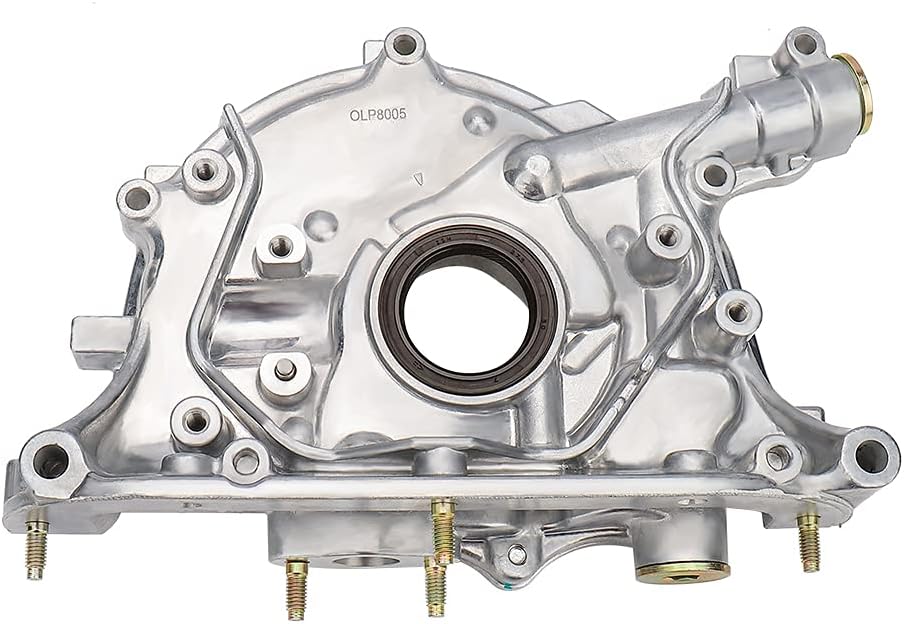
| Brand | DRIVESTAR |
|---|---|
| Manufacturer Part Number | OLP8005 |
| Compatible Engines | 1.6L–2.0L DOHC (selected 1996–2001 Acura/Honda) |
| Warranty | 3 year |
This DRIVESTAR M313 oil pump is a direct replacement designed to restore oil pressure and lubrication on compatible 1996–2001 Acura Integra and 1996–2001 Honda Civic and CR-V engines. It installs in place of the factory pump to circulate engine oil to bearings and valvetrain, which is important when the original pump is worn or after engine work. The listing emphasizes strict factory testing and part-number matches including 15100-P72-A01 so buyers can confirm fitment before ordering. In practice the pump offers a straightforward swap for mechanically minded owners or shops and should return factory-quality oil flow when installed correctly. Limitations are the need to verify exact part numbers and vehicle compatibility since it targets specific DOHC 1.6–2.0L engines, and installation can require moderate disassembly and fluid handling. The unit comes with a three-year warranty from the brand, which helps buyers who prefer some post-purchase protection.
Best for: Buyers who want a tested, direct-replacement oil pump backed by part-number matching and a warranty, and who prioritize confirming fitment and social proof before installing or having a shop fit it.
Less Ideal for: People who need a universal or multi-vehicle solution or those unwilling to verify part numbers and perform moderate engine disassembly should look elsewhere.
- Made to match factory part numbers for direct replacement fit
- Designed to restore engine oil circulation and pressure on compatible DOHC engines
- Undergoes factory testing according to the listing to ensure consistent quality
- Three-year warranty provides added post-purchase protection
- Fitment is limited to specific 1996–2001 Acura and Honda DOHC engines so wrong selection will not fit
Verdict: Choose this pump if you need a tested, part-number-matching replacement to restore oil pressure on the specified 1996–2001 Honda and Acura DOHC engines.
7. A-Premium Engine Oil Pump for Honda Civic 1996–2000 1.6L (D16 Engines)

| Vehicle Fitment | Honda Civic 1996–2000 1.6L and Civic del Sol 1996–1997 1.6L (specified D16 variants) |
|---|---|
| Housing Material | Aluminum |
| Oil Pump Type | Rotary |
| Volume Type | Standard Volume |
| Pressure Type | Standard Pressure |
This A-Premium oil pump is a direct-style replacement for late-1990s Honda Civic and Civic del Sol 1.6L D16 engines that require a standard-volume, standard-pressure unit. It circulates engine oil to lubricate and cool internal components and ships with a gasket and O-ring to simplify installation. The pump uses an aluminum housing and a rotary design with five mounting holes, and the listing includes OEM reference numbers so you can confirm fit before ordering. In practice it suits routine engine rebuilds and repairs where you need factory-spec oil flow rather than a high-volume upgrade. Buyers should expect a basic aftermarket unit that restores function and is backed by a one-year guarantee, but some users report minor internal burrs on arrival that may require light deburring or inspection before installation. For risk-averse owners this pump offers a familiar form, included seals, and generally positive owner feedback when used as a like-for-like replacement.
Best for: A cautious buyer seeking a straightforward, factory-style replacement pump for a late-1990s 1.6L Civic who prioritizes correct fitment and an included seal kit over performance upgrades.
Less Ideal for: Not a good choice for those wanting a high-volume or high-pressure performance upgrade or for builds that require nonstandard oiling modifications.
- Made for specified 1996–2000 1.6L D16 Civic and Civic del Sol engines, simplifying fitment checks
- Includes gasket and O-ring to help with sealing during installation
- Aluminum housing and rotary design provide standard factory-style oil circulation
- Sold as a single-piece replacement with OEM reference numbers for verification
- One-year unlimited-mileage guarantee
- Some customers reported small internal burrs that may need deburring or inspection before use
Verdict: Choose this pump if you want a like-for-like, factory-style replacement to restore proper oil circulation in a 1996–2000 1.6L Honda Civic or Civic del Sol.
Choosing the Right 1996-2000 Honda Civic Oil Pump: Key Factors to Consider
Fitment and Chassis Code Compatibility
Correct fitment is the first priority for a 1996-2000 Honda Civic oil pump. The EJ, EK, and EM chassis-related patterns define mounting hole spacing, pickup orientation, and front cover clearance. Choosing a pump that matches these dimensions avoids interference with the timing cover, oil pan, and pickup tube, and prevents the need for additional modifications.
A pump that fits poorly can create stress on mounting bolts or misalign the drive shaft, increasing wear and raising the chance of failure. Always cross-check pump part references to the Civic's engine code and the EJ, EK, and EM service dimensions before purchase.
Oil Flow and Pressure Characteristics
Oil pumps vary in how they deliver flow and pressure across engine speeds. For daily-driven Civic engines, prioritize a pump that maintains adequate pressure at idle and provides stable flow at higher RPM. Excessively high operating pressure can strain seals and increase parasitic drag, while low pressure risks poor lubrication at bearings and cam components.
Look for published pressure curves or manufacturer specifications that show performance across the engine's typical RPM range. Consider your engine condition, bearing clearances, and whether you run a thicker or thinner oil, because those factors interact with pump output to determine actual oil pressure.
Pump Construction and Materials
The internal components and housing material determine durability and resistance to wear. Pumps with precision-machined gears, hardened surfaces, and quality housing materials tend to hold tolerances longer and resist scoring under marginal lubrication conditions. For Civic engines that may see higher mileage or occasional spirited driving, reinforced gear sets and durable finishes reduce the risk of premature failure.
Also consider the shaft sealing areas and any pressed-in bushes or bearings. Poor machining in these regions can accelerate leakage or generate metal debris, jeopardizing oil cleanliness and engine health.
Sealing and Gasket Quality
A good oil pump needs reliable sealing where it mates to the block and around the pickup. Pumps supplied with full gasket kits or high-quality O-rings reduce installation uncertainty and the chance of leaks. The oil pump gasket seal must withstand heat cycles and oil exposure without hardening or failing.
Improper seals cause external leaks and can let air into the lubrication system, which reduces effective oil supply to bearings. For the 1996-2000 Civic, ensure the pump includes the correct type of gasket and any necessary dowels or alignment features for a clean seal.
Installation Complexity and Hardware
Installation difficulty affects both cost in time and potential for errors. Some pumps are drop-in units that match bolt patterns and require only basic hand tools, while others may need removal of timing components or additional spacers. For the EJ, EK, and EM layouts, consider access requirements around the front cover and whether a partial engine support or motor mount removal is necessary.
Check if the pump comes with new bolts, pickup tube hardware, or alignment dowels. Reusing old fasteners can be risky if they are stretched or corroded. Clear installation instructions and included hardware will reduce the chance of leaks and misalignment.
Noise, Efficiency, and Compatibility with Oil Type
Some oil pumps produce more mechanical noise depending on gear tolerances and clearances. Noise alone is not always indicative of failure, but excessive whine or knocking can suggest mismatch or bearing wear. Balance the desire for minimal noise with efficiency considerations; overly tight tolerances might reduce noise initially but increase parasitic drag and oil temperature under load.
Also verify pump compatibility with the oil grade you plan to use. Thicker oils change flow dynamics and can affect pressure at idle. Pumps designed to provide slightly higher flow are useful if you intend to run higher-viscosity oils for specific conditions.
Understanding Oil Pump Types and How They Work
Most oil pumps used on 1996-2000 Honda Civic engines are gerotor or gear-type designs that pressurize oil by positive displacement. They draw oil from the pan through a pickup and force it through engine passages to bearings, camshafts, and hydraulic lifters. The pump's internal clearances, gear profile, and housing shape directly influence flow and pressure characteristics.
Knowing the basic operation helps you evaluate specifications and identify which pump features matter for your Civic. For example, pumps with reinforced gears resist wear when oil quality is marginal, while units with tighter tolerances often produce higher idle pressure but can be more sensitive to oil viscosity.
- Gerotor/gear profile affects flow efficiency
- Pickup orientation impacts air ingestion risk
- Internal clearances influence idle and high-RPM pressure
Common Symptoms of Oil Pump Problems
Recognizing early signs of oil pump issues lets you intervene before engine damage occurs. Symptoms often include low or fluctuating oil pressure, an oil pressure warning lamp, unusual engine noise tied to lubrication points, and visible external leaks near the pump gasket. Some owners also report changes in oil pressure when the engine is hot versus cold.
Not all oil-related symptoms indicate pump failure. Low oil level, clogged pickup screens, or a failing pressure sender can mimic pump problems. Use a mechanical oil pressure gauge and inspect the pickup and screen before replacing the pump to ensure accurate diagnosis.
- Low or erratic oil pressure readings
- Oil pump noise or whining under load
- External oil leaks at pump gasket
- Pressure changes with engine temperature
Preparing for Engine Oil Pump Installation
Plan the installation by gathering the correct gasket kit, replacement hardware, and any required seals. For EJ, EK, and EM Civic engines, a clean work area and basic hand tools are usually sufficient for competent DIYers, but be prepared for removing the timing cover on some engines to access the pump area. Drain the oil and clean mating surfaces thoroughly before installation.
Torque values and sequence are important to avoid warping the pump housing or creating leaks. If the pump requires alignment dowels, ensure they are present and correctly seated. After installation, prime the oil system if possible and verify pressure with a mechanical gauge before first startup.
- Have full gasket and seal kit on hand
- Inspect pickup tube and screen for debris
- Use a torque wrench and follow bolt sequence
- Prime the oiling system before startup
When to Replace the Oil Pump on a 1996-2000 Civic
Replace the oil pump when mechanical wear reduces pressure, when the pump develops leaks, or when it has visible damage. Consider replacement as part of major engine work like timing belt service if access makes it practical. High mileage engines with known wear or engines that show persistent low pressure despite correct oil level and good senders are prime candidates.
Also consider replacement if you change engine internals in a way that alters bearing clearances or when upgrading to a thicker oil; these scenarios can alter system demands and make a fresh, correctly specified pump a sensible preventive step.
- During timing belt or front cover service
- If mechanical oil pressure is consistently low
- When pump shows visible wear or leakage
- After internal engine work altering bearing clearances
Gasket and Pickup Considerations for Reliable Sealing
A proper oil pump gasket seal is as important as the pump internals. For the 1996-2000 Civic, use the correct material and thickness to maintain proper sealing without altering pickup height. Some pumps include a preformed gasket, while others rely on RTV in specific locations. Follow the manufacturer guidance for sealant application points and torque specs.
Also verify that the pickup tube and screen are intact and free of sludge. A compromised pickup seal or a damaged screen can introduce air or allow debris to enter the pump, dramatically reducing flow and risking internal engine damage.
- Use OEM-equivalent gasket or full gasket kit
- Confirm pickup tube seals and screen condition
- Avoid over-applying sealant that can clog passages
Balancing Performance Upgrades with Longevity
If you are mildly modifying the engine or expect higher RPM operation, choose a pump that provides slightly higher flow without excessive pressure spikes. Overly aggressive pressure can increase drag and heat, while insufficient flow at high RPM may starve bearings. For most street-driven 1996-2000 Civics, a reliable pump that maintains factory-like pressure with improved durability is the right balance.
Keep in mind that some performance-oriented pumps require matching changes to oil type and filtration to achieve their benefits. Upgraded pumps should be paired with appropriate oil viscosity and a clean, high-capacity filter to maximize reliability.
- Aim for stable pressure across the RPM range
- Pair upgrades with proper oil grade and filter
- Avoid pumps that create excessive idle pressure
Still looking for the perfect fit?
Select your Honda Civic configuration to see the most relevant Oil Pumps recommendations
How We Chose the Best 1996-2000 Honda Civic Oil Pump
We focused on criteria that directly affect engine lubrication safety and long-term reliability for 1996-2000 Honda Civic engines. Key evaluation points included fitment accuracy to the EJ, EK, and EM service patterns, measured or published oil flow and pressure characteristics across typical operating RPM ranges, and compatibility with stock pickup and oil pan geometry.Durability factors were assessed through material and machining quality for internal gears, shaft tolerances, and the robustness of the pump housing. We also prioritized options with reliable sealing solutions and clear gasket or O-ring specifications to reduce leak risk. Installation considerations such as bolt pattern conformity, ease of access for common Civic timing and front cover layouts, and whether additional hardware is required were part of the selection filters.We excluded items with unclear fitment claims, incomplete sealing components, or insufficient specification data. Where possible, we favored pumps with documented flow-pressure charts or manufacturer testing information. The final list balances correct fitment, sufficient pressure and flow for both street use and mild performance upgrades, long-term durability, and practical installation notes.
Our full evaluation process is outlined in our review methodology.
FAQ
How do I tell if my Civic's oil pump is failing?
Often symptoms include low or fluctuating oil pressure, oil pump noise, or external leaks near the pump. Confirm with a mechanical oil pressure gauge and inspect the pickup screen before assuming pump failure.
Can I replace the oil pump myself on a 1996-2000 Civic?
Many owners with mechanical experience can replace the pump, but access may require front cover removal and adherence to torque specs. Gather the correct gasket kit and follow torque and priming procedures for safe installation.
Does changing oil viscosity affect oil pump performance?
Yes, thicker oils increase system resistance and can raise idle pressure while thinner oils reduce it. Choose a pump that matches your chosen oil viscosity and intended engine use to maintain proper lubrication.
Should I replace the pickup tube or gasket when installing a new pump?
Replacing the pickup tube gasket and using a full gasket seal kit is recommended. A compromised pickup or worn gasket increases the risk of air ingestion and leaks, which undermines the new pump's effectiveness.
Are high-pressure pumps necessary for mild performance builds?
High-pressure pumps are usually not required for mild builds. They can increase parasitic drag and stress seals. Instead, prioritize pumps that maintain stable flow across RPMs and offer improved durability.
What should I check if oil pump noise persists after replacement?
Persistent noise may indicate misalignment, incorrect clearances, a failing bearing, or contaminated oil. Verify installation alignment, check torque of fasteners, and inspect the oil pick up and filter for debris.
Final Verdict
Prioritize correct fitment, dependable sealing, and pump output that suits how you use your 1996-2000 Civic. The best choice balances accurate chassis code compatibility with reliable flow and durable construction so the engine maintains proper pressure across driving conditions. When deciding, weigh the tradeoff between slightly higher flow for safety at elevated RPM and the potential for increased parasitic drag or seal stress.For routine street use, favor pumps that offer strong reliability and correct sealing. For mild performance needs, select pumps with documented flow across the rpm range and pair them with appropriate oil grades and fresh gaskets to preserve engine longevity.
Explore More:
- Check out all Honda Civic parts & accessories
- Explore Oil Pumps Maintenance & Repair Guides
- Explore Engine
- Browse all Auto Parts
