

Note: This article contains affiliate links. If you click on these links and make a purchase, I may earn a small commission at no extra cost to you. This helps support my research and content. Read my full affiliate disclosure here.
If you own a 2018-present Jeep Wrangler you need an oil pan that fits the vehicle's chassis and stands up to off-road use and routine maintenance. A correct oil pan reduces the chances of engine oil leaks, eases oil changes, and protects the sump from impacts and corrosion. This guide covers five shortlisted oil pans selected for fitment to the Wrangler chassis used since 2018 and evaluates them on leak resistance, installation clarity, and long-term durability. Below you will find concise reasoning on each candidate and the factors we used to judge them, so you can pick the right replacement or aftermarket sump for your Wrangler whether you drive a JL or JLU on pavement or a modified rig off-road.
Looking for other parts? See all Jeep Wrangler parts & accessories.
Top Picks at a Glance
| Best Overall The best all-around choice for most situations | A-Premium Upper Engine Oil Pan with Drain Plug for Jeep Wrangler 3.6L V6 (2012–2018) |  |
| Best Quality Built to a higher standard if you want something more solid | Dorman 264-858 Engine Oil Pan (direct-fit) |  |
| Best Value The sweet spot between price and what you get | BOXI Oil Pan for 3.6L V6 (fits select 2011–2023 Wrangler/Chrysler/Dodge) |  |
| Best Budget The cheapest option that still gets the job done reliably | VANUODA Lower Engine Oil Pan Sump with Drain Plug, 3.6L |  |
| Highest Rated A top-rated pick with lots of positive feedback | Koomaha Upper Engine Oil Pan Sump for 2012–2018 Wrangler JK 3.6L |  |
1. A-Premium Upper Engine Oil Pan with Drain Plug for Jeep Wrangler 3.6L V6 (2012–2018)

| Compatible vehicles | Jeep Wrangler 2012-2017, Wrangler JK 2018, V6 3.6L |
|---|---|
| Material Type | Aluminum |
| Sump Style | Wet |
| Drain Plug | Included |
This A-Premium upper engine oil pan is a direct-fit replacement designed for Jeep Wrangler V6 3.6L models from 2012 through 2018. Made from cast aluminum with a corrosion-resistant finish, it replaces a damaged or leaking factory pan and includes a drain plug for routine oil changes. Installation is typical of a vehicle-specific pan and should match factory mounting points, though the gasket and installation hardware are not included so you will need to source those separately. The aluminum construction helps with durability and resists deformation compared with thin stamped pans, making it a good option if the original pan was punctured or warped. Buyers should expect a professional or experienced DIY installation because some trimming, cleaning of the mating surfaces, and proper torqueing of bolts are required to prevent leaks. Its like-new grade and included drain plug make post-repair maintenance easier, but confirm exact year and engine fitment before ordering to avoid mismatch.
Best for: Buyers who want a durable, factory-style replacement pan to restore a leaking or damaged oil sump on a Jeep Wrangler 3.6L and who prefer a long-lasting aluminum repair over a stamped or temporary fix.
Less Ideal for: People looking for a complete drop-in kit with gasket and bolts included or those who need a pan compatible with engines or model years outside the specified 2012–2018 3.6L Wrangler scope.
- Vehicle-specific fit for Jeep Wrangler 3.6L V6 (2012–2018) intended to match factory mounting points
- Cast aluminum construction with corrosion-resistant finish for improved durability over thin stamped pans
- Includes drain plug for easier oil changes
- Marketed as a like-new replacement with OEM-equivalent part numbers for straightforward sourcing
- Gasket and installation hardware are not included, requiring additional purchases
- Requires careful installation to ensure a proper seal and avoid oil leaks
Verdict: A durable, vehicle-specific aluminum upper oil pan that restores a leaking or damaged sump on 3.6L Jeep Wranglers while simplifying oil changes with an included drain plug.
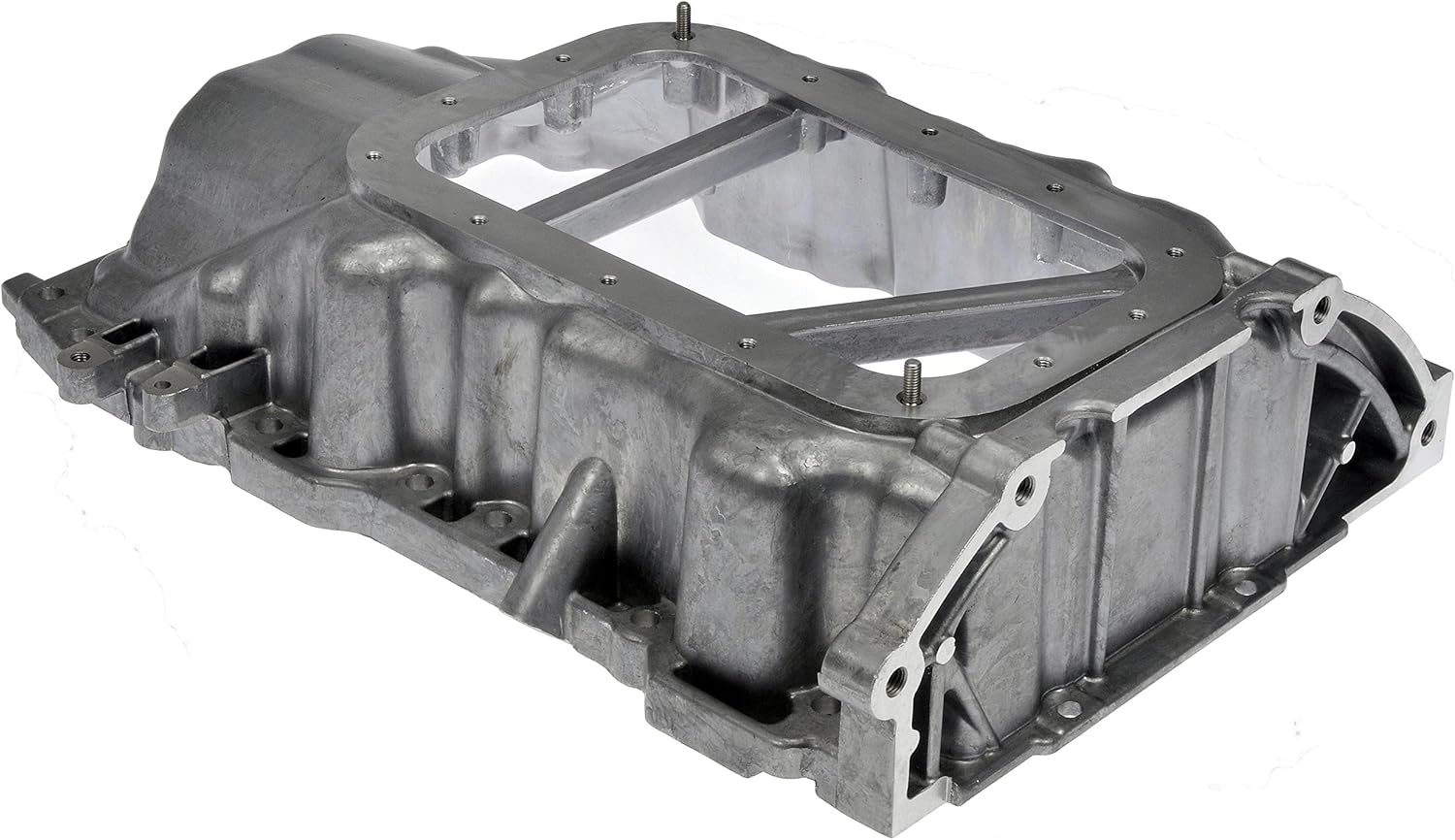
2. Dorman 264-858 Engine Oil Pan (direct-fit)
| Manufacturer | Dorman Products |
|---|---|
| Model | 264-858 |
| Manufacturer Part Number | 264-858 |
| OEM Part Number | 3310687; CRP73A; 68078951AC |
| Position | Front, Rear |
This Dorman 264-858 oil pan is a direct-fit replacement intended to restore a leaking or damaged factory pan on specified Jeep Wrangler models. It ships as a complete assembly with the drain plug included and uses a machined steel construction with a powder or e-coat finish to resist corrosion. Installation follows the stock mounting points so it installs like the original part, though accessing the pan on a Wrangler requires time and basic underbody work or a shop if you are focused on avoiding mistakes. The steel construction and factory-matching shape mean oil pickup and clearances remain as designed, which is important for consistent oil pressure and performance driving. For a performance-oriented owner, this pan maintains factory behavior rather than adding capacity or baffling for racing applications, so it is best when you want reliable, OEM-style replacement rather than performance upgrades. The included drain plug and durable coating are practical touches that simplify the repair and help longevity in wet or salty climates.
Best for: Buyers who want a reliable, factory-style replacement to restore proper oil containment and routing on a Wrangler without changing engine behavior; suited to owners prioritizing durability and straightforward repairs over performance modification.
Less Ideal for: Drivers building a track or off-road performance engine who need increased oil capacity, windage control, or specialized baffling should look at performance-specific aftermarket pans instead.
- Direct-fit design that matches factory mounting points for straightforward installation
- Includes replacement drain plug so no extra parts are required
- Steel construction with powder or e-coat finish improves corrosion resistance
- Machined exterior that mirrors original shape to preserve oil pickup and clearances
- Does not increase oil capacity or include performance baffles for aggressive track use
Verdict: A dependable factory-fit steel replacement that restores original oil system behavior and durability for Wrangler owners who want a straightforward repair.
3. BOXI Oil Pan for 3.6L V6 (fits select 2011–2023 Wrangler/Chrysler/Dodge)

| Manufacturer Part Number | BX04700017-1 |
|---|---|
| Manufacturer | ShangHai BOXI Auto Parts Co., Ltd. |
| OEM Part Number | 264-357, 5184546AC, 5184546AA, 5184546AB |
| Item Weight | 2.7 pounds |
| Fits Engines | 3.6L V6 |
This BOXI oil pan is a replacement stamped-steel pan intended for 3.6L V6 engines and designed to bolt into the factory mounting points. Typical use is straightforward: remove the old pan, replace the gasket, and install this pan as a direct-fit replacement using the existing hardware and drain plug. The listing calls out compatibility with 2012–2017 Jeep Wrangler and 2018 Wrangler JK on the 3.6L V6 as well as several Chrysler and Dodge models, and it claims to replace common factory part numbers. In practice the steel construction should offer solid durability and resistance to deformation compared with thinner aftermarket pans, and the factory-style shape keeps oil pickup and sump volume unchanged so engine oiling behavior remains factory-like. Limitations are that this is a basic replacement pan, not a deep-sump or skid-ready design, so it does not increase capacity or provide added ground clearance or protection for off-road use. Expect a simple, budget-friendly swap for routine repairs rather than a performance or heavy-duty upgrade.
Best for: Buyers who want a straightforward, cost-effective factory-style replacement pan to restore proper oil containment and sealing with minimal fuss and installation time.
Less Ideal for: Drivers who need extra oil capacity, added skid protection, or a heavy-duty off-road-ready pan should consider purpose-built aftermarket designs instead.
- Direct-fit replacement for 3.6L V6 applications listed, simplifying installation
- Stamped steel construction offers good strength and resistance to deformation
- Replaces several factory part numbers for easy cross-referencing
- Sold as a complete pan ready to install with standard drain plug
- Not a deep-sump or reinforced off-road pan so it does not add oil capacity or bottom protection
Verdict: A budget-friendly, factory-style stamped steel oil pan that makes replacing a worn or damaged pan on 3.6L V6 Wranglers quick and simple.
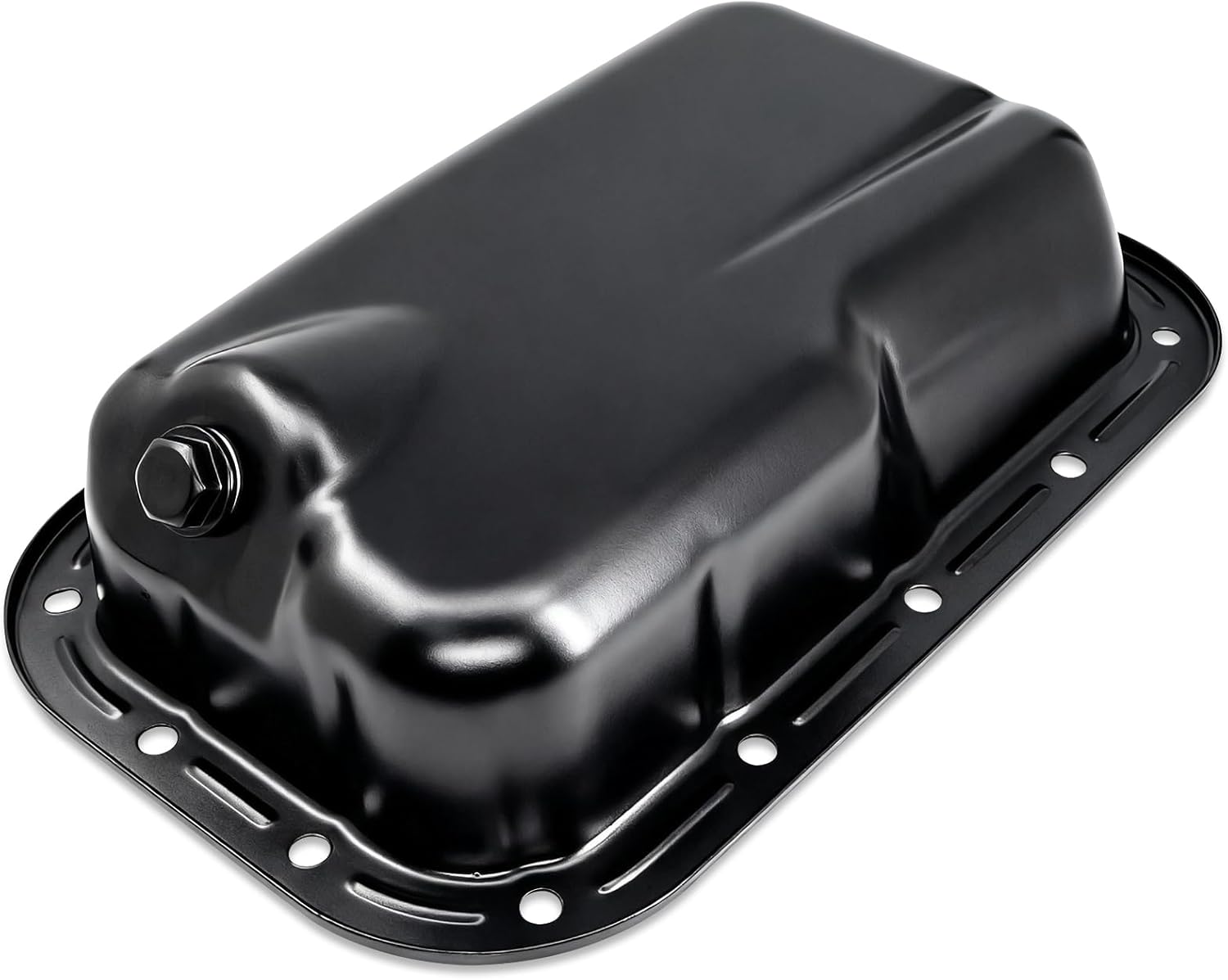
4. VANUODA Lower Engine Oil Pan Sump with Drain Plug, 3.6L
| Compatibility | 2012-2017 Jeep Wrangler, 2018 Wrangler JK, 3.6L |
|---|---|
| Material | Steel |
| Drain plug | Included |
| Finish | Corrosion Resistance |
This VANUODA lower oil pan is a direct-replacement style sump for 3.6L applications and functions as a straightforward way to fix leaks or replace a dented factory pan. Made from machined steel with a corrosion-resistant finish and an included drain plug, it installs like a factory pan and accepts a standard gasket. Typical use is a DIY or shop replacement when the original pan is leaking, damaged, or stripped at the drain plug. Reviewers report good fitment and leak-free operation after installation, and the steel construction stands up better to trail impacts than thinner stamped alternatives. Note that the listing does not explicitly include an installation gasket in every package, so you may need to buy a Fel-Pro or similar pan gasket separately to avoid delays. The part is a budget-focused option that matches factory fit and finish closely but does not add protective features like skid protection or thicker baffling found on premium aftermarket pans.
Best for: Buyers looking to replace a leaking or damaged lower oil pan on a 3.6L Jeep Wrangler who prioritize a low-cost, factory-fit repair and plan to perform the work themselves or have it done by a local shop.
Less Ideal for: Do not choose this if you need a plated skid-ready or high-clearance performance pan for severe off-road protection or increased oil capacity; consider heavy-duty aftermarket pans instead.
- Direct-fit replacement designed for 3.6L applications so no major modifications needed
- Durable machined steel construction with corrosion-resistant finish for better impact and wear resistance
- Integrated drain plug included for straightforward oil changes
- Multiple users report OEM-like fit and leak-free sealing after installation
- Gasket is not consistently included with every unit so a separate pan gasket may be required
Verdict: A cost-conscious, factory-fit steel replacement that restores leak-free operation for 3.6L Wrangler engines without the premium features of heavy-duty aftermarket pans.
5. Koomaha Upper Engine Oil Pan Sump for 2012–2018 Wrangler JK 3.6L

| Manufacturer | Koomaha |
|---|---|
| Manufacturer Part Number | Koomaha 68078951AC |
| OEM Part Number | 264-858, 68078951AC, CRP73A |
| Fitment | Wrangler 2012-2018 V6 3.6L |
This Koomaha upper engine oil pan is a straightforward replacement for the 3.6L V6 Wrangler JK that restores the factory oil containment and mounting points after damage or wear. It installs in the upper sump location to replace a punctured or corroded pan and is billed as a direct-fit part matching common OEM part numbers. For routine repairs it delivers the expected function: seals the crankcase, accepts the factory drain and bolt pattern, and lets you return the engine to regular service without modifying other components. The main benefits are the near-factory fit and simple swap-in installation, which cuts shop time and helps avoid custom adjustments. Limitations are inherent to replacement pans: material and corrosion resistance vary by maker and this part does not add extra protection compared with heavy-duty skid or performance pans, so drivers who need enhanced impact protection or increased oil capacity should look elsewhere.
Best for: Buyers who want a reliable, factory-style replacement to restore a damaged or leaking upper oil pan and prioritize getting the vehicle back to dependable operation with minimal fuss.
Less Ideal for: Drivers who frequently offroad, haul heavy loads, or want increased oil capacity and impact protection should choose a reinforced or performance pan instead.
- Direct replacement fit for Wrangler JK 3.6L 2012–2018, matching common part numbers
- Restores factory mounting pattern and drain location for straightforward installation
- Helps return a damaged vehicle to service without modifying related components
- Not designed as an upgraded heavy-duty or skid-resistant pan for offroad impact protection
Verdict: A practical factory-style replacement that gets a damaged 3.6L Wrangler JK back to reliable operation with a direct-fit, no-modification swap.
Choosing the Right 2018-Present Jeep Wrangler Oil Pan: Key Factors to Consider
Fitment and Chassis Compatibility
Confirming correct fitment is the single most important factor for a Wrangler oil pan. The 2018-present Wrangler uses specific bolt patterns, pickup tube locations, and clearance profiles that differ from earlier generations. A pan that does not precisely match these dimensions can cause interference with the oil pickup, exhaust routing, or crossmembers. Fitment also affects sealing. Misaligned bolt holes or incorrect flange geometry can stress the gasket and lead to engine oil leaks. When considering replacement options, verify the pan is specified for the 2018-present Wrangler generation and notes compatibility with common accessories such as skid plates and aftermarket suspension components.
Material and Corrosion Resistance
Oil pans are commonly stamped steel, cast aluminum, or heavy-gauge fabricated steel. Material choice influences impact resistance and long-term corrosion behavior. For Wrangler owners who see salt, mud, and standing water, corrosion resistance is important because a compromised pan can lead to oil loss or contamination. Finishes such as epoxy coatings, e-coating, or anodizing on aluminum help extend service life. Heavier-gauge materials add protection against rock strikes, but also increase weight, which matters for lifted or modified Wranglers where clearances can be tight. Factor in the environment you drive in and how often you clean underbody components.
Drain Access and Serviceability
Easy access to the drain plug and clearances for an oil filter are practical concerns for routine maintenance. A pan with a conveniently placed drain plug shortens oil change time and reduces the need to remove skid plates. Some designs include removable drain inserts or reusable magnetic plugs that catch metallic debris. Serviceability also covers how simple it is to reseal the pan. Pans that use a standard gasket profile and provide full flange contact points make gasket replacement straightforward. If you plan to do the oil pan replacement yourself, prioritize options that leave adequate room for fasteners and do not require special tools.
Baffles, Oil Pickup Geometry, and Capacity
Baffles and the internal shape of the pan control oil movement during cornering and off-road articulation. The Wrangler sees steep angles and dynamic loads, so a pan that manages oil slosh protects oil starvation risks under load. Pickup tube location and the pan sump depth affect how much usable oil remains during hard acceleration or steep grades. Some pans increase oil capacity slightly to improve cooling and reserve, but excessive sump depth can reduce ground clearance and make the pan more vulnerable to impact. Evaluate whether the pan's internal geometry works with your driving style, especially if you tow, carry heavy loads, or frequently drive off-road.
Mounting Flange Strength and Bolt Pattern Integrity
The strength of the mounting flange and the integrity of the bolt pattern affect sealing reliability and resistance to deformation from impacts. A warped flange or stretched bolt holes will create uneven gasket compression and lead to leaks. For Wranglers, which may experience occasional impacts from trails, a rigid flange and strong fastener engagement are critical. Proper bolt torque sequence and correct fastener lengths are also relevant. Check that replacement pans accommodate the factory bolt sizes and torques to avoid strip-out or under-clamping. Reinforced flanges or added gussets in heavy-duty designs help maintain alignment after service or rough use.
Compatibility With Skid Plates and Aftermarket Accessories
Many Wrangler owners run skid plates or aftermarket sump guards. The oil pan you choose should either work with the factory skid plate mounting points or provide clear instructions for accessory integration. A pan that requires removing or modifying a skid plate increases installation complexity and can leave the engine vulnerable during off-road driving. Consider pans designed with clearance for OEM components and popular accessory geometries when you plan to keep or upgrade underbody protection. This avoids surprises during installation and prevents interference with airflow or cooling paths.
Generation Notes: JL and JLU Compatibility and Chassis Codes
The 2018-present Wrangler is most commonly associated with the JL and JLU chassis code. When evaluating oil pans, look for explicit notes indicating JL and JLU fitment or referencing the 2018-present model years. That ensures bolt patterns, pickup locations, and clearances match what is used on these Wranglers.
While owner searches sometimes include older codes like JL and JLU, this guide focuses on parts meant for the 2018-present Wrangler JL and JLU architecture. If you see references to other chassis codes in listings or forums, verify they explicitly mention compatibility with the JL and JLU before assuming fitment.
- JL and JLU code alignment matters for bolt pattern and pickup placement
- Confirm notes on skid plate compatibility with JL and JLU models
- Avoid pans that list only older generation codes without JL and JLU confirmation
Common Causes of Engine Oil Pan Leak
Leaks can originate from a damaged flange, a degraded gasket, a loose or cross-threaded bolt, or corrosion around the drain plug. Impact damage from rocks or trail debris can dent the pan and stress the sealing surface, while overtorqued fasteners can deform the flange and create gaps.
When diagnosing leaks on a 2018-present Wrangler, inspect the flange for uniform contact, the drain plug for proper seating and torque, and the pickup area for any impact-related deformation. Regular underbody cleaning and visual checks after off-road runs help catch problems early.
- Damaged or warped flange surfaces
- Degraded or misinstalled gaskets
- Loose or incorrect fastener torque
- Corrosion around drain plug or seam
Oil Pan Gasket Vs Oil Pan: Reseal or Replace?
Deciding between replacing the gasket alone and swapping the entire oil pan depends on the condition of the pan flange and the extent of damage. A clean, flat flange with no corrosion or distortion can often be resealed successfully using a new gasket and correct torque procedure. This is a cost-effective fix when the pan itself is structurally sound.
If the flange is warped, the pan has significant dents, or the drain area shows signs of thread damage or corrosion, replacing the pan is the safer long-term choice. For Wranglers exposed to rough trails or salted roads, replacement can avoid repeated resealing and potential future leaks.
- Reseal when flange is flat and corrosion-free
- Replace pan when flange is warped or pans show impact damage
- Inspect drain plug threads and pickup tube location during service
Installation Tips for Jeep Wrangler Oil Pans
Use the proper bolt torque and sequence to prevent flange deformation. Follow factory torque specs where available and tighten in a crisscross pattern to achieve even gasket compression. If a pan includes a reusable or magnetic drain plug, ensure thread engagement is full and use the correct thread sealant if specified.
Lift and support the engine only as recommended for the vehicle when removing or installing the pan to avoid stress on the pickup tube or oil pump. Double-check clearances with skid plates, crossmembers, and exhaust components before final torque so nothing rubs or contacts the pan under load.
- Tighten bolts in a crisscross pattern to factory torque
- Check drain plug seating and use recommended sealant if needed
- Verify pickup tube clearance and engine support during install
Aftermarket Oil Pans and Off-Road Considerations
Aftermarket pans often provide thicker material, reinforced flanges, or integrated skid protection for off-road use. These features are useful if you frequently run trails or have a lifted Wrangler that reduces ground clearance. However, heavier pans may affect clearance and require different mounting hardware.
When choosing an aftermarket option, confirm compatibility with your Wrangler's JL and JLU subframe and that the pan does not interfere with exhaust routing or accessory brackets. Also verify whether the design changes oil capacity or sump depth in a way that impacts pickup geometry.
- Look for reinforced flanges and thicker gauges for trail use
- Check skid plate integration and exhaust clearance
- Confirm pickup tube alignment with deeper or modified sumps
When to Inspect or Replace the Oil Pan
Inspect the pan after any off-road incident where the underside may have struck an object, after visible oil spots appear beneath the vehicle, and during scheduled major services when the oil is drained. Early detection of dents, corrosion, or slow leaks prevents larger engine damage.
Replace the pan if you find persistent leaks after resealing, visible flange warping, stripped drain plug threads, or impact damage that compromises the sump. A timely replacement reduces the risk of oil starvation and the need for more expensive repairs down the line.
- Check after trail impacts or unusual oil spots
- Replace for persistent leaks, warped flanges, or thread damage
- Inspect during major services for preventative maintenance
Still looking for the perfect fit?
Select your Jeep Wrangler configuration to see the most relevant Oil Pans recommendations
How We Chose the Best 2018-Present Jeep Wrangler Oil Pan
Our selection prioritized fitment to the 2018-present Jeep Wrangler chassis family and real-world durability. We filtered candidate oil pans by confirmed chassis compatibility, manufacturing material and thickness, drain access and servicing convenience, and protective design features like baffles or skid clearance. We considered flange and bolt pattern accuracy, surface finishes that reduce corrosion risk, and whether the part accommodates stock suspension and skid plates. Ease of installation and available hardware or gasket compatibility were also weighted because incorrect bolt torque or missing components can lead to leaks. We excluded any items without verifiable fitment data for the Wrangler 2018-present scope, parts that required major engine modification to install, and pans with known reports of poor drain access or weak mounting flanges. Final choices favored pans with solid mounting interfaces, clear drain and pickup geometry, and designs that balance oil capacity with protection for common off-road impacts.
Our full evaluation process is outlined in our review methodology.
FAQ
How can I tell if my Wrangler's oil pan needs replacing or just a new gasket?
Inspect the flange for even contact and look for corrosion or warping. If the flange is flat and undamaged, a new gasket and correct torque often fix leaks. Replace the pan if it shows dents, warped flange surfaces, or damaged drain plug threads.
Will an aftermarket oil pan affect ground clearance on my 2018-present Wrangler?
Some aftermarket pans have deeper sumps or added skid features that change clearance. Check the sump depth and profile against the factory pan and confirm fitment with skid plates to ensure no unexpected interference.
What should I use for oil pan bolt torque when installing on a JL and JLU Wrangler?
Bolt torque usually follows factory specifications and a crisscross tightening pattern to prevent flange distortion. Torque values depend on bolt grade and thread size, so refer to factory service information or the part's installation instructions for exact numbers.
Can a damaged drain plug cause an engine oil pan leak?
Yes. Stripped threads or a damaged sealing surface around the drain plug commonly cause leaks. Inspect the plug and threads during service and replace the plug or pan if the threads are compromised.
Is it worth buying an oil pan with an integrated magnetic drain plug?
A magnetic drain plug can capture metallic debris and provide an early indicator of abnormal wear. It is a useful preventive feature, especially for Wranglers used in demanding conditions, but it does not replace regular oil analysis or service.
How much does an oil pan repair typically cost for a Wrangler?
Repair cost varies widely depending on whether you are resealing the pan, repairing minor dents, or replacing the entire sump. Simple reseals are usually less expensive than full replacements, while replacement costs include parts and labor. For accurate estimates, consult a service technician.
Final Verdict
Choose an oil pan for your 2018-present Jeep Wrangler by prioritizing correct JL and JLU-compatible fitment, a strong mounting flange, and adequate protection for your typical driving conditions. If the flange is undamaged, resealing can be a cost-effective fix, but visible warping, stripped threads, or impact dents justify replacement. Balance corrosion resistance and impact protection with serviceability factors such as drain access and bolt torque requirements. Focusing on these tradeoffs will help you select a reliable pan that minimizes leaks and keeps your Wrangler running well on and off the road.
Explore More:
- Check out all Jeep Wrangler parts & accessories
- Explore Oil Pans Maintenance & Repair Guides
- Explore Engine
- Browse all Auto Parts
