

Note: This article contains affiliate links. If you click on these links and make a purchase, I may earn a small commission at no extra cost to you. This helps support my research and content. Read my full affiliate disclosure here.
If you own a 2006-2011 Honda Civic, choosing the right oil pan matters for engine longevity and routine maintenance. The wrong sump can lead to persistent leaks, difficult gasket replacement, or extra clearance issues under the chassis. This guide focuses on the 2006-2011 Civic (FA and FG) and the practical differences between stock-style and stronger aftermarket pans.We shortlisted seven top oil pans based on compatibility, construction, and serviceability. You'll find clear guidance on what to prioritize for a long-lasting repair or upgrade and which features make installation and future maintenance easier.
Looking for other parts? See all Honda Civic parts & accessories.
Top Picks at a Glance
| Best Overall The best all-around choice for most situations | Dorman 264-382 Engine Oil Pan for select Honda Civic models (2006–2011) |  |
| Best Quality Built to a higher standard if you want something more solid | RemTune Aluminum K-Series Welded Turbo Oil Pan for K20Z3 (2006–2011 Civic Si) |  |
| Best Value The sweet spot between price and what you get | Garage-Pro Aluminum Engine Oil Pan for Honda Civic 2006–2011 1.8L |  |
| Best Budget The cheapest option that still gets the job done reliably | MTC Engine Oil Pan for Honda Civic 1.8L (2006–2011) |  |
| Highest Rated A top-rated pick with lots of positive feedback | PHILTOP Engine Oil Pan for Honda Civic 2006–2011 L4 1.8L |  |
| Most Popular A crowd favorite that many people choose with confidence | A-Premium Aluminum Engine Oil Pan with Drain Plug for Honda Civic 1.8L (2006–2011) |  |
| Best Seller A high-volume bestseller chosen again and again | KAX Engine Oil Pan for Honda Civic L4 1.8L (2006–2011) |  |
1. Dorman 264-382 Engine Oil Pan for select Honda Civic models (2006–2011)
| Brand | Dorman |
|---|---|
| Model | 264-382 |
| Exterior | Machined |
| Position | Center |
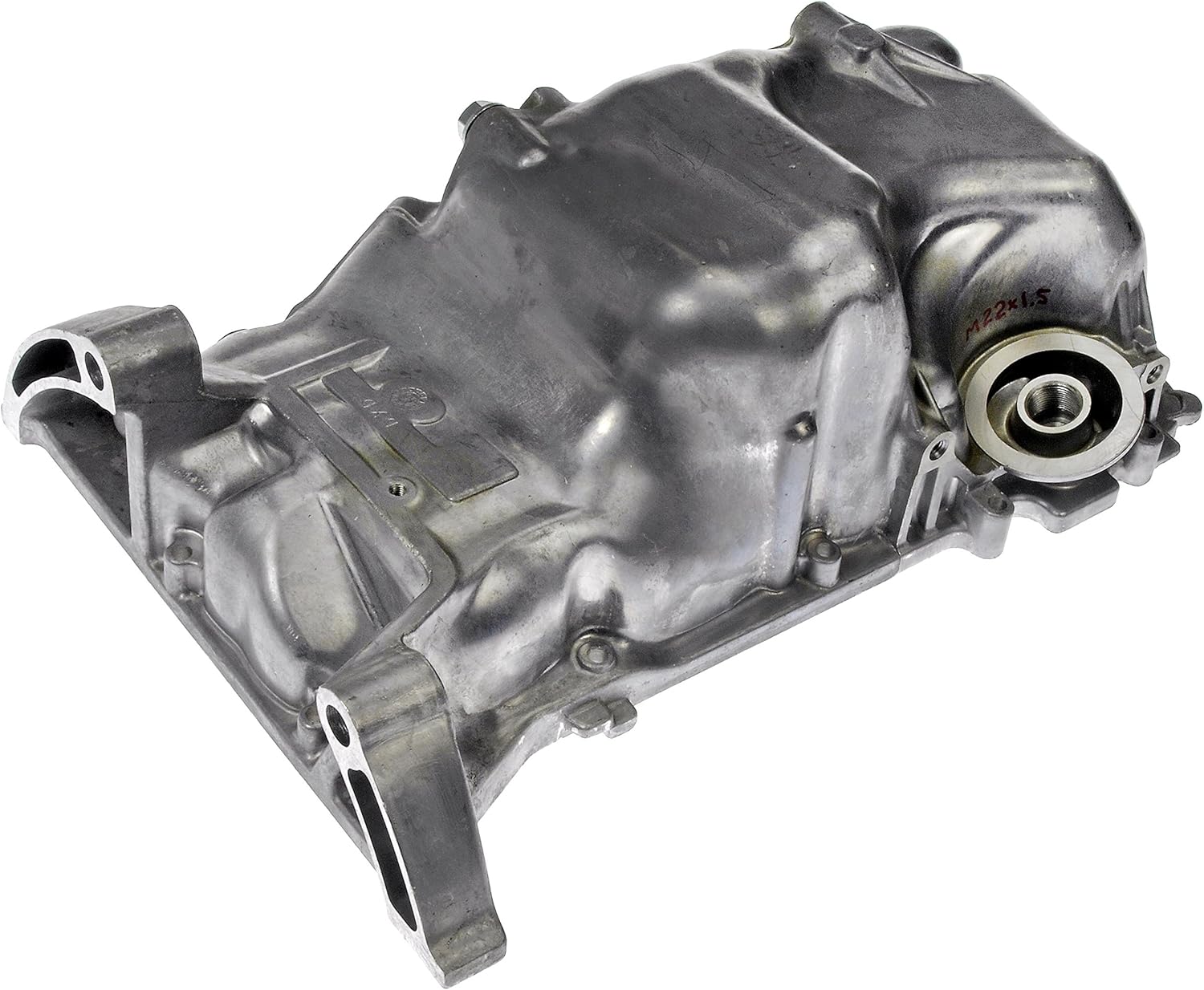
This Dorman oil pan is a direct-fit replacement intended to restore a leaking or damaged factory pan on compatible 2006–2011 Honda Civic models. It arrives as a complete assembly that includes the drain plug so installation is straightforward for a DIYer or technician and avoids sourcing extra hardware. The pan is machined and finished with a corrosion-resistant coating to improve durability compared with an untreated steel pan, and the manufacturer says dimensional testing ensures it matches factory mounting points. In practice the pan is used the same way as the original: remove the old pan, clean the mating surface, install the new pan with a proper gasket or sealant, torque fasteners to spec, and refill oil. Limitations are that fitment must be confirmed for your exact Civic trim and some buyers prefer OEM parts for perfect material match or factory provenance. For routine maintenance or a one-time repair this pan offers a practical balance of value, convenience, and durability.
Best for: Buyers who want a practical, value-minded replacement that restores a leaking or damaged oil pan to factory-style fitment without sourcing extra parts, and who plan to install it themselves or through an independent shop.
Less Ideal for: Those seeking an exact factory-branded part for dealership-level provenance or buyers who have modified engines requiring custom or upgraded pans.
- Direct replacement designed to match factory mounting points for simpler installation.
- Includes drain plug(s) so you do not need to buy separate hardware.
- Corrosion-resistant coating for improved long-term durability.
- Machined exterior and dimensional testing aimed at a reliable fit.
- Compatibility limited to specified 2006–2011 Honda Civic applications and requires checking trim-specific fitment.
Verdict: A dependable, ready-to-install replacement oil pan that restores factory-style fit and includes the drain plug for hassle-free repairs on 2006–2011 Honda Civics.
2. RemTune Aluminum K-Series Welded Turbo Oil Pan for K20Z3 (2006–2011 Civic Si)
| Manufacturer | Remtune |
|---|---|
| Model | KSERIESALUMINUM |
| Exterior | aluminum |
| OEM Part Number | 11200-RRB-A00 |
This RemTune aluminum oil pan is a direct-replacement pan for K20Z3 engines and is built for turbo K-series builds where an external -10AN oil line is needed. It installs in place of the factory pan and retains use of the stock oil pump, so it fits into the standard Civic Si service routine without requiring pump changes. The pan is TIG welded in-house and includes the welded -10AN fitting, which simplifies plumbing for turbo feed or return lines and reduces the need for additional modifications. Aluminum construction helps with heat dissipation and weight compared with heavier steel pans, and the fabrication quality looks aimed at custom builds. Limitations are that it is specific to K20Z3 engines from 2006 to 2011 and the aluminum design may be less tolerant of impact than steel versions, so track cars that see frequent bottoming or rough road use might prefer a steel pan option. Overall it is a practical choice for performance builds that need an integrated AN fitting and a direct-fit replacement.
Best for: Drivers building a turbo K20Z3 swap or upgrading a Civic Si who prioritize a direct-fit pan with a factory-pump setup and integrated AN plumbing for a tidy turbo oil feed.
Less Ideal for: Drivers who frequently track on rough courses or often bottom out should consider a steel pan or a design with additional skid protection instead.
- Direct replacement fit for K20Z3 engines (2006–2011 Civic Si) using the stock oil pump
- Welded -10AN fitting included to simplify turbo oil plumbing
- TIG welded fabrication and made in USA build quality
- Aluminum construction improves heat dissipation and reduces weight compared with steel
- Aluminum pans are generally more susceptible to impact damage than steel alternatives
- Only compatible with K20Z3 engine applications and not a universal K-series fit
Verdict: Choose this pan if you want a direct-fit aluminum replacement for a turbo K20Z3 Civic Si build with a ready-made -10AN plumbing solution.
3. Garage-Pro Aluminum Engine Oil Pan for Honda Civic 2006–2011 1.8L

| Fitment | 2006-2011 Honda Civic 1.8L (selected submodels) |
|---|---|
| Material | Aluminum |
| Interchange | 264382 |
This Garage-Pro oil pan is a direct-fit aluminum replacement for 2006–2011 Honda Civic 1.8L engines designed to restore a leaking or damaged factory pan. It installs in the same mounting locations as the original and is intended for routine engine service or crash repair where a structural, corrosion-resistant pan is needed. The aluminum construction sheds a bit of weight compared with stamped steel and resists rust, while the pan includes the common interchange number for easy matching. Buyers will appreciate the fitment callouts for Civic submodels and the focus on a one-to-one replacement that simplifies install and minimizes modification. Limitations are typical of aftermarket pans: it does not include drain plug hardware or gaskets in the listing and you should verify bolt torque and sealing surface condition during installation. For a buyer seeking a practical, factory-style replacement, this provides a solid, corrosion-resistant upgrade without extra features such as internal baffling or integrated sensors.
Best for: Buyers who want a straightforward, factory-style replacement to repair a leaking or damaged oil pan and value durability and ease of installation.
Less Ideal for: Not a good choice for builders seeking performance features like windage trays, integrated baffling, or custom sump modifications.
- Direct-fit design for 2006–2011 Honda Civic 1.8L simplifies installation
- Aluminum construction resists corrosion compared with stamped steel pans
- Includes interchange part number for easier matching to original part
- Listing does not specify included drain plug, gasket, or hardware so additional parts may be required
Verdict: A durable, direct-fit aluminum replacement that makes repairing a leaking or damaged 2006–2011 Civic 1.8L oil pan simple and reliable.
4. MTC Engine Oil Pan for Honda Civic 1.8L (2006–2011)
| Fits vehicles | Honda Civic (2006-2011) 1.8L |
|---|---|
| Manufacturer | MTC |
| Manufacturer Part Number | 1010828 / 11200-RNA-A02 |
| OEM Part Number | 11200-RNA-00, 11200-RNA-A01, 11200-RNA-A02, 264-382 |
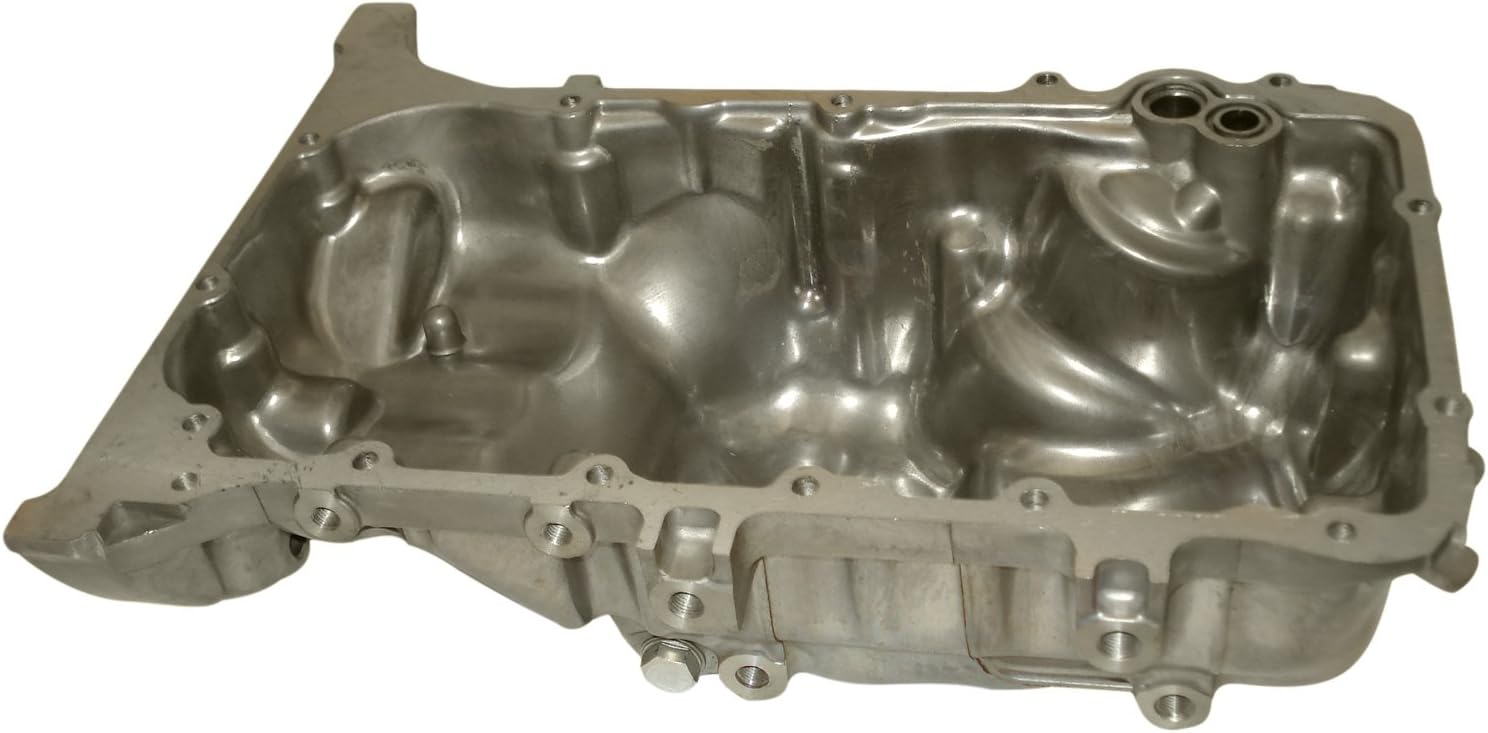
This MTC oil pan replaces the factory pan on 2006–2011 Honda Civic 1.8L models and is intended as a direct-fit aftermarket alternative. It installs in the same location as the original and is used whenever the original pan is cracked, leaking, or damaged from road debris. The listing emphasizes a like-factory fit and finish and includes OEM part numbers for cross-reference, which helps confirm compatibility. For budget-focused buyers this pan provides a cost-effective repair option while restoring oil containment and drain access. The pan appears to be stamped steel with a conventional design, so it should work with existing gaskets and drain plugs and accept routine oil change procedures. Limitations include its basic construction compared with heavier aftermarket performance pans and the listing does not include a gasket or hardware, so you may need to buy those separately. Expect a straightforward replacement job if you have basic mechanical skills or access to a shop.
Best for: Buyers looking to repair a leaking or damaged oil pan on a 2006–2011 Honda Civic without paying dealer prices and who prioritize a straightforward, budget-friendly replacement.
Less Ideal for: Drivers seeking upgraded capacity, reinforced pans for track use, or a complete performance oiling solution should consider specialized aftermarket options instead.
- Made to match factory fit and finish for direct replacement on specified Civics
- Lists OEM part numbers for easy verification of compatibility
- Affordable aftermarket option compared with dealer parts
- Single-piece pan replaces a damaged unit and restores normal oil containment
- Does not include gasket or mounting hardware in the listing
- Basic stamped construction may not match heavier-duty or performance pans
Verdict: A cost-conscious, factory-fit replacement oil pan for 2006–2011 Honda Civic 1.8L owners who need a reliable fix without paying dealer prices.
5. PHILTOP Engine Oil Pan for Honda Civic 2006–2011 L4 1.8L
| Fitment | Honda Civic 2006-2011 L4 1.8L Sedan/Coupe |
|---|---|
| Exterior | Machined |
| Manufacturer | PHILTOP |
| Includes | Engine oil pan with drain plug |
| Reference part numbers | 264382,11200RNAA00,11200RNAA01,11200RNAA02 |
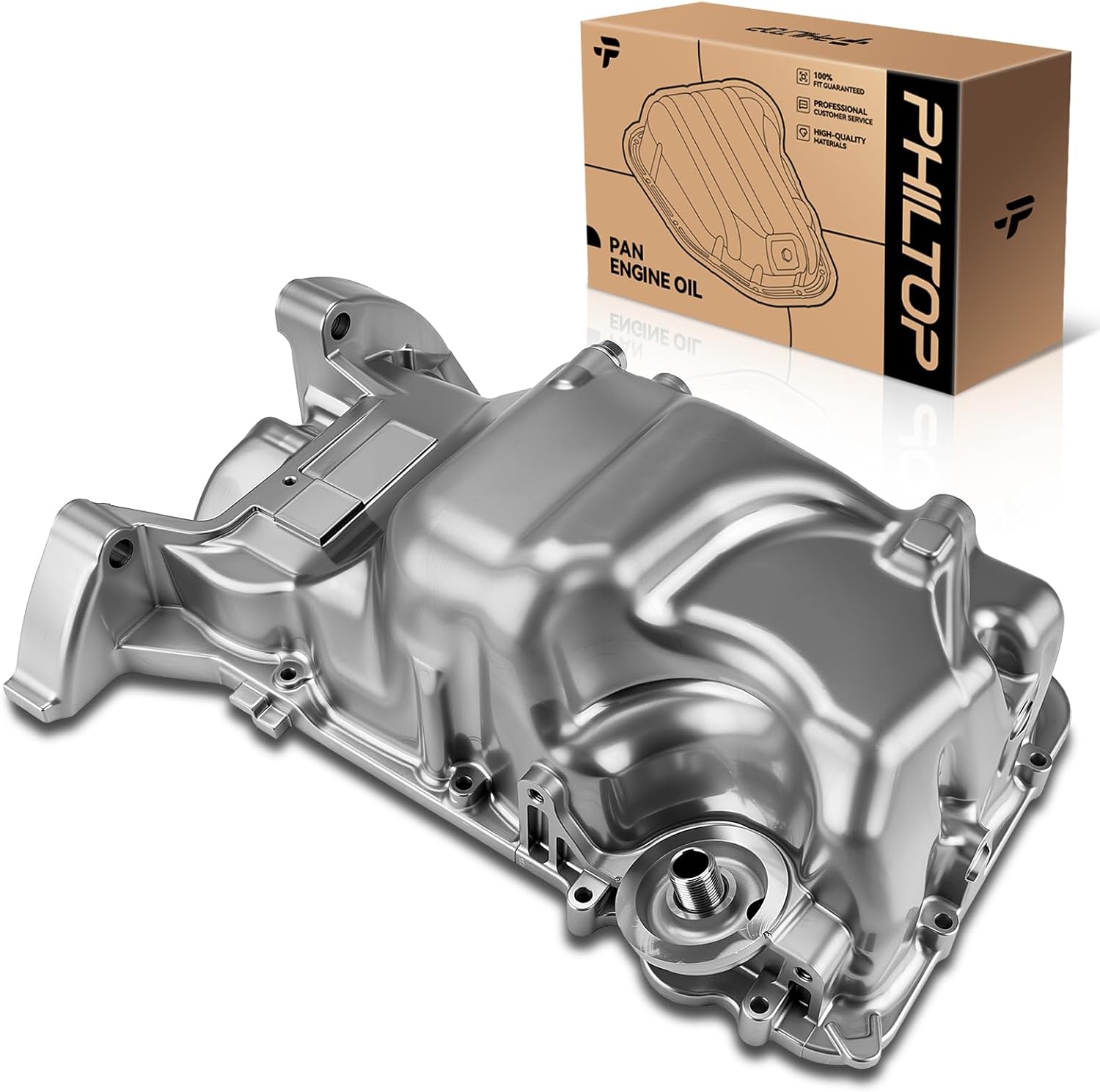
This PHILTOP oil pan is a direct-fit replacement for 2006–2011 Honda Civic 1.8L L4 sedans and coupes and is intended to restore the engine's oil containment and drainage functions. Constructed from machined metal, the pan installs where the factory unit sits, captures returning lubricant and provides a threaded drain plug for routine oil changes. Buyers will appreciate that it matches common reference part numbers and that reviews report good fit and functioning drain hardware. Practical benefits include solid build strength that resists deformation and a finish that tolerates engine temperatures, which helps the pan last under normal driving. Limitations to note are that the gasket is not included and some units may show casting residue out of the box, which can require a quick cleanup before installation; also a few buyers felt the metal seemed thinner than factory parts. For reliability-focused replacements this offers a serviceable, vehicle-specific option when a factory-quality unit is not required or available.
Best for: Buyers who prioritize a dependable, vehicle-specific replacement to restore oil containment and normal serviceability on a 2006–2011 Civic and want a straightforward swap with factory-style fit.
Less Ideal for: Do not choose this if you need an upgraded or thicker aftermarket pan for high-performance use or if you expect a fully finished, factory-identical surface out of the box.
- Direct-fit design for 2006–2011 Honda Civic L4 1.8L, simplifying installation
- Machined exterior and metal construction resistant to deformation and heat
- Includes a sturdy drain plug for convenient oil changes
- Matches common OEM part numbers for easier verification of fit
- Gasket not included so a separate purchase is required
- Some castings may have leftover material that needs cleaning before installation
Verdict: A straightforward, vehicle-specific replacement oil pan that restores reliable oil containment and adds a solid drain plug for easy maintenance on 2006–2011 Honda Civic 1.8L engines.
6. A-Premium Aluminum Engine Oil Pan with Drain Plug for Honda Civic 1.8L (2006–2011)

| Compatible Vehicles | Honda Civic 2006-2011 1.8L |
|---|---|
| Material Type | Aluminum |
| Drain Plug | Included |
| Condition | Brand New |
This A-Premium oil pan is a direct-fit replacement designed for the 2006–2011 Honda Civic 1.8L to restore the engine's lubrication sump. Made from aluminum with a corrosion-resistant finish, it arrives brand new and includes a drain plug but not a gasket, so buyers should plan to reuse the original gasket or purchase a new one. Installation is typical for a transmission/engine sump swap and will eliminate common oil-pan issues like leaks, low oil warnings, and oil sloshing that can cause overheating or increased consumption. The vehicle-specific fit simplifies replacement compared with universal pans, and the included drain plug saves a step during installation. The aluminum construction offers better resistance to rust compared with stamped steel pans and can be easier to clean. Expect to handle typical installation tasks such as proper torqueing of fasteners and ensuring a leak-free gasket seal since mounting hardware and gasket are not part of the package. The brand backs the part with a one-year limited guarantee covering the cost of the item.
Best for: Buyers who want a direct replacement that closely matches factory fit and finish and who value social proof and risk reduction when choosing parts for routine oil-system repairs.
Less Ideal for: Shoppers looking for a complete hardware kit or a pan prepped for performance modifications should consider other options that include gaskets, bolts, or baffling features.
- Vehicle-specific fit for 2006–2011 Honda Civic 1.8L simplifies installation
- Aluminum construction with corrosion-resistant finish reduces risk of rust
- Includes drain plug so you can drain oil immediately after install
- Sold brand new and covered by a one-year unlimited-mileage guarantee
- Gasket is not included so a new seal or reuse of the old gasket is required
- Mounting hardware is not listed and may be needed depending on removal condition
Verdict: A straightforward aluminum replacement oil pan that restores a factory-style sump for 2006–2011 Honda Civic 1.8L engines while minimizing corrosion concerns.
7. KAX Engine Oil Pan for Honda Civic L4 1.8L (2006–2011)

| Vehicle Fitment | Honda Civic 2006–2011 Sedan/Coupe L4 1.8L |
|---|---|
| Includes | 1 engine oil pan with drain plug |
| Exterior | Painted |
| Manufacturer | KAX |
| Model | Engine Oil Pan |
This KAX engine oil pan is a budget-friendly direct replacement for 2006–2011 Honda Civic 1.8L four-cylinder models. It serves as the oil reservoir, collecting return oil and helping cool and protect the engine lower end. The pan arrives painted, includes a drain plug, and is described as a thick, corrosion-resistant casting that resists impact and leakage. Installation is straightforward for a competent DIYer or a mechanic because the part is manufactured to match factory mounting points and fitment references. Practical benefits include a sturdy construction that should withstand road debris and normal wear and a ready-to-install finish that avoids immediate refinishing. Important limitations are that the gasket is not included and some users reported missing bolts or minor fitment adjustments such as repositioning the pickup tube or modifying a windage tray. Buyers should therefore budget for a proper oil pan gasket, sealant, and any fasteners before starting the job.
Best for: Buyers who want a reliable, factory-style replacement oil pan to restore a Civic's oil containment without expensive OEM pricing and who prefer a ready-to-install part they or their mechanic can fit quickly.
Less Ideal for: Do not choose this if you need a complete hardware kit or a lap-ready install without sourcing a gasket, fasteners, or minor trim pieces; also avoid if you require a performance or baffled oil pan beyond stock function.
- Direct-fit design made for 2006–2011 Honda Civic 1.8L for straightforward replacement
- Painted, thick-walled construction that resists corrosion and impact
- Includes drain plug so no separate drain hardware is required
- Manufactured to factory specifications for easier installation
- Gasket is not included so buyers must purchase a proper pan gasket or sealant separately
- Some kits may arrive without bolts or require minor pickup tube/windage tray adjustment
Verdict: A sturdy, factory-fit replacement oil pan that gives risk-averse Civic owners a practical, low-cost way to restore proper oil containment on 2006–2011 1.8L models.
Choosing the Right 2006-2011 Honda Civic Oil Pan: Key Factors to Consider
Fitment and Bolt Pattern
Correct fitment is the most important factor for the 2006-2011 Honda Civic (FA and FG) because the pan must align precisely to the engine block mounting face. A matching bolt pattern prevents leaks caused by uneven flange contact and avoids stress on head studs or bolts.
Bolt hole alignment also impacts installation time and the risk of cross-threading or stripped threads. Ensure the pan lists explicit compatibility with the FA and FG chassis and retains the stock drain plug location to keep oil change procedures unchanged. Misaligned pans can force you to modify gaskets or fasteners, which increases labor and introduces potential failure points.
Material and Construction
Oil pans come in stamped steel, cast aluminum, or thicker gauge aftermarket steels. Material affects dent resistance, weight, and thermal behavior. For a Civic, a sturdier stamped steel or cast option reduces the chance of road-debris dents that can compromise clearance and internal baffles.
Weld quality, seam finishes, and internal bracing influence long-term durability. Look for pans with smooth flange faces to ensure an even seal and pans treated for corrosion resistance if you live in areas with road salt or high humidity.
Sealing and Gasket Interface
A reliable seal between the pan and block prevents oil leaks and avoids frequent re-torquing. Pay attention to whether a pan requires a specific gasket type or RTV sealant and whether it includes pre-formed sealing surfaces. The difference between pan gasket types and when to use sealant can be significant for leak-prone installations.
Even flange flatness and proper drain plug seating reduce leak risk. Consider how easy it is to access and replace the gasket during routine maintenance and whether the pan design minimizes trapped oil that can degrade the seal over time.
Drain Plug and Serviceability
Drain plug location, size, and thread type determine how convenient oil changes will be and whether common oil pans and plugs are compatible. A well-placed drain plug allows full draining without tilting the vehicle or removing other components.
Serviceability also includes how the pan interfaces with the oil pickup and whether internal baffles complicate cleaning or inspection. Pans that simplify access to the drain plug and allow straightforward gasket replacement reduce long-term maintenance time and potential additional costs.
Sump Capacity and Baffling
Sump capacity influences oil volume and cooling characteristics. While the Civic's factory capacity is tuned for the engine, some aftermarket pans alter capacity to help with pickup reliability under higher G-loads or modified engines. Ensure any change in capacity does not cause oil starvation or dead zones that collect sludge.
Internal baffles control oil slosh during cornering or acceleration. Properly designed baffling maintains pickup pressure and prevents air ingestion, which is especially important if you plan to drive spiritedly or have minor engine modifications that affect oil pressure behavior.
Corrosion Protection and Finish
Exposure to road salt, water, and oil residues can corrode an oil pan over time. Look for pans with factory-applied coatings, galvanization, or anodizing for aluminum options. Corrosion protection preserves flange flatness and drain plug threads, reducing the risk of leaks and easing future removal.
A durable finish also makes cleaning easier and helps maintain appearance under the vehicle. If you operate in coastal or winter climates, prioritize pans with proven protective treatments and inspect warranty language related to corrosion resistance.
When To Replace the Oil Pan on a 2006-2011 Civic
Typical triggers for replacing the oil pan include persistent engine oil leaks, visible dents that reduce clearance, damaged drain plug threads, or internal damage to baffles. If you see oil pooling under the vehicle after parking, confirm whether the leak originates from the pan flange, drain plug, or an adjacent seal before assuming a full pan replacement is required.
Minor flange leaks can sometimes be fixed with a new gasket and correct torque sequence, but severe flange damage or cracked welds usually means replacement is safer. Replacement is also a good time to consider an upgraded pan if you need improved clearance, better corrosion resistance, or enhanced baffling for a modified engine.
- Look for visible dents, rusted sections, or stripped drain plug threads
- Confirm leak origin to avoid unnecessary replacements
- Consider upgrades if you plan higher-performance use or live in corrosive climates
Installation Tips for Civic (FA and FG) Oil Pans
Prepare the mating surfaces by cleaning the block flange and removing old gasket material. Use the correct gasket or sealant recommended for the pan design and avoid over-applying silicone-style sealants that can squeeze into the oil passageways.
Follow the proper bolt tightening sequence and torque spec for the Civic engine to ensure even flange contact. If drain plug threads are worn, inspect the block and replace inserts if needed rather than relying on an oversized plug. After installation, run the engine briefly and recheck torque and for leaks once the oil reaches normal temperature.
- Clean block flange and inspect for nicks or warping
- Use specified gasket or manufacturer-recommended sealant sparingly
- Tighten bolts in a crisscross pattern to specified torque
Common Causes of Engine Oil Pan Leak and How to Diagnose
Leaks can originate from the pan flange, a degraded gasket, a stripped drain plug, or a puncture in the pan body. To diagnose, clean the area, run the engine briefly, and observe the source of fresh oil. Placing cardboard under the vehicle and marking drop patterns after a short drive can help identify the leak point.
If the leak appears at the flange, inspect for uneven flange surfaces, missing bolts, or gasket failure. For drain plug leaks, verify the plug is tight and the washer or sealing arrangement is intact. Corrosion and rust pits near the bolt holes or drain area are common culprits on older pans and often warrant replacement.
- Clean and dry the suspected area before inspection
- Use a flashlight to trace the leak to its origin
- Check drain plug threads and washer condition as quick fixes
Selecting Between OEM-Style and Aftermarket Pans
OEM-style pans preserve original capacity, drain plug location, and weight while providing a like-for-like replacement. They are typically straightforward to fit and require no modification to the vehicle or pickup tube. Choose an OEM-style pan when maintaining original ride height and clearance is important.
Aftermarket pans can offer thicker materials, improved baffling, or enhanced corrosion protection. They may also increase capacity or change sump shape for added clearance. If you choose an aftermarket option, verify that pickup geometry and bolt patterns are unchanged and that the pan has clear documentation for the 2006-2011 Civic (FA and FG).
- OEM-style: direct fit, preserves original specifications
- Aftermarket: potential durability or serviceability benefits, verify fitment
When to Consider an Oil Sump Replacement for Modified Civics
If you have increased power, run higher cornering loads, or lowered the car significantly, consider a sump replacement designed to maintain oil pickup under those conditions. Modified vehicles can suffer from oil starvation during aggressive driving if the stock baffle layout and sump shape do not manage oil movement effectively.
Choose a sump with well-placed baffles and appropriate capacity changes only when you understand how those changes interact with your oil pickup and engine oiling needs. In many cases, correcting pickup height or adding an external baffled sump provides the needed reliability without drastic changes to the lower oil system.
- Upgraded baffling helps prevent oil starvation under high G loads
- Confirm pickup compatibility when changing sump capacity or shape
Maintaining the Pan After Replacement
Regularly inspect the pan for fresh oil residue, corrosion, or new dents. Replace the drain plug washer or sealing washer each oil change if the design specifies one. Clean the pan area when performing routine maintenance so small issues are spotted early.
If you drive on rough roads or through salted conditions, inspect the pan more frequently for signs of accelerated corrosion. Addressing minor issues early prevents the need for a full replacement later and keeps repair costs lower.
- Inspect drain plug and gasket condition at regular oil change intervals
- Keep the pan and surrounding area clean to spot new leaks quickly
Still looking for the perfect fit?
Select your Honda Civic configuration to see the most relevant Oil Pans recommendations
How We Chose the Best 2006-2011 Honda Civic Oil Pan
We prioritized fitment, durability, sealing, serviceability, corrosion resistance, and manufacturing quality when selecting oil pans suitable for the 2006-2011 Honda Civic (FA and FG). Each candidate had to match OE mounting patterns and drain location to avoid modifying the engine or vehicle frame. Material and construction criteria focused on stamped steel versus cast or thicker-gauge options and how those choices affect long-term dent resistance and corrosion tolerance.Sealing performance was a key filter: we looked for designs that allow consistent gasket seating and include correct drain plug threads and baffle placement to reduce oil aeration. Serviceability factors included ease of access to the drain plug, compatibility with common replacement gaskets, and whether the pan design simplifies future oil changes. Thermal and chemical resistance to common engine oils and additives was considered to reduce degradation risks.We excluded pans that required custom fabrication, those with undocumented fitment, or designs that altered sump capacity without clear rationale for the Civic application. We also filtered out units with known installation complications or that necessitated changes to oil pickup geometry.
Our full evaluation process is outlined in our review methodology.
FAQ
How do I know if my Civic needs a new oil pan or just a gasket?
If the leak traces to the flange and the flange surface is flat, a gasket replacement may be sufficient. However, visible flange damage, cracks, or large dents usually mean the pan itself should be replaced to ensure a reliable long-term seal.
Can I replace the oil pan myself on a 2006-2011 Civic?
Yes, a competent DIYer can replace the pan with basic tools, proper torque specs, and a safe way to support the vehicle. Ensure you clean mating surfaces, use the correct gasket or sealant, and follow the specified bolt-tightening sequence to avoid leaks.
Does changing to an aftermarket oil pan affect oil capacity?
Some aftermarket pans change sump capacity, which can alter oil volume and cooling characteristics. Confirm the stated capacity and how it impacts oil level markings and pickup reliability before installing to avoid oil starvation or overfill issues.
What causes a drain plug to leak after a new pan installation?
Common causes include incorrect torque, missing or damaged sealing washer, cross-threaded or damaged threads, or a mismatched plug. Verify proper thread engagement and torque, and replace the washer or plug if threads are compromised.
Is a thicker steel pan always better for the Civic?
Thicker steel can improve dent resistance, but it may add weight and could affect clearance. The benefits depend on your driving conditions; for harsh roads or increased debris exposure, the added durability can be valuable.
How often should I check the oil pan for corrosion or damage?
Inspect the pan at every oil change and more frequently if you operate in salty or wet environments. Early detection of corrosion or small dents reduces the likelihood of a sudden leak and keeps repair complexity down.
Final Verdict
Prioritize correct fitment, flange flatness, and reliable sealing when choosing an oil pan for the 2006-2011 Honda Civic (FA and FG). Balance material durability and serviceability against any changes in capacity or pickup geometry to avoid unintended oiling issues. For most owners, a direct-fit pan that matches the OE bolt pattern and provides good corrosion protection offers the best mix of reliability and ease of maintenance.When in doubt, address leaks or damage promptly and choose the pan that resolves the core failure mode whether that is flange damage, corrosion, or inadequate baffling. That approach delivers the most dependable outcome for Civic owners.
Explore More:
- Check out all Honda Civic parts & accessories
- Explore Oil Pans Maintenance & Repair Guides
- Explore Engine
- Browse all Auto Parts
