

Note: This article contains affiliate links. If you click on these links and make a purchase, I may earn a small commission at no extra cost to you. This helps support my research and content. Read my full affiliate disclosure here.
Choosing the right coolant for your Honda Ridgeline matters because it directly affects engine temperature control, corrosion protection, and long-term cooling system health. Use the correct formulation and maintenance routine to avoid overheating, premature component wear, and unexpected repairs.This guide highlights seven top-rated options shortlisted for their blend of corrosion inhibitors, thermal stability, and vehicle compatibility. We evaluated each candidate for chemical formulation, OEM compatibility, and longevity, then distilled the findings to help you pick the right coolant for routine service or a system refill.
Looking for other parts? See all Honda Ridgeline parts & accessories.
Top Picks at a Glance
| Best Overall The best all-around choice for most situations | Honda Genuine Type 2 Extended Life Antifreeze/Coolant, 1 Gallon (50/50 Pre-Diluted) |  |
| Best Quality Built to a higher standard if you want something more solid | Genuine 00272 SLLC2 Engine Coolant / Antifreeze |  |
| Best Value The sweet spot between price and what you get | Zerex Asian Vehicle Blue Prediluted 50/50 Antifreeze/Coolant 1 Gal |  |
| Highest Rated A top-rated pick with lots of positive feedback | Zerex Asian Vehicle Red 50/50 Prediluted Antifreeze/Coolant (1 gal) | 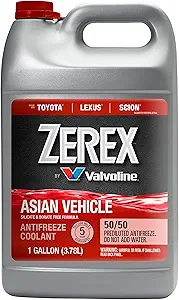 |
| Most Popular A crowd favorite that many people choose with confidence | PEAK Global Lifetime Concentrate Antifreeze and Coolant, 1 gal |  |
| Best Seller A high-volume bestseller chosen again and again | PEAK OET Extended Life Blue 50/50 Prediluted Antifreeze/Coolant for Asian Vehicles, 1 Gal |  |
Honda Genuine Type 2 Extended Life Antifreeze/Coolant, 1 Gallon (50/50 Pre-Diluted)

| Formula | Type 2 long-life coolant |
|---|---|
| Mix | 50/50 pre-diluted |
| Volume | 1 gallon |
| Service interval | Up to 5 years or 60,000 miles |
This is Honda’s genuine Type 2 extended-life coolant sold ready to use at a 50/50 mix. It is designed as a direct factory-quality replacement for Honda cooling systems and is the same distinctive blue long-life formulation used as factory fill. Typical use is a coolant drain and refill or topping off during scheduled service; the pre-diluted bottle removes the need to mix concentrate with water and simplifies DIY maintenance. The formula uses ethylene glycol with additives to resist corrosion on metal and non-metal components and is rated for up to 5 years or about 60,000 miles under normal conditions, which reduces service frequency. Practical benefits include consistent chemistry that matches factory recommendations and freeze/boil protection across temperature extremes. Limitations are that it is a Honda-specific Type 2 formula so it should only be used where the vehicle manual calls for Type 2 coolant and it contains ethylene glycol and a bittering agent, so safe handling and proper disposal are required.
Best for: A balanced, all-round buyer who wants a reliable factory-quality coolant that simplifies maintenance and reduces service frequency for a Honda Ridgeline.
Less Ideal for: Drivers looking for a universal or aftermarket universal-colored coolant for multiple vehicle makes should consider alternatives; also avoid if you require a propylene glycol non-toxic formula.
- Factory-approved formulation matching Honda factory fill
- Pre-mixed 50/50 ready to use, no dilution required
- Long-life protection rated up to 5 years or 60,000 miles
- Formulated to protect both metal and non-metal cooling system components
- Intended specifically for systems calling for Honda Type 2 coolant so not universal for all vehicles
- Contains ethylene glycol and a bittering agent requiring careful handling and proper disposal
Verdict: Choose this genuine Honda Type 2 pre-mixed coolant to get factory-matching, long-life protection with no mixing required.
Genuine 00272 SLLC2 Engine Coolant / Antifreeze

| Manufacturer | Genuine |
|---|---|
| Manufacturer Part Number | 00272SLLC2 |
| Item model number | 13 |
This is a factory-quality engine coolant sold as part number 00272 SLLC2 and intended to maintain stable engine temperature and corrosion protection. In use it replaces drained coolant during a service and circulates through the radiator, hoses, and engine passages to prevent overheating in summer and freezing in winter. Notable features from the listing include a factory part designation and a pre-mixed, ready-to-use container that is easy to pour. Buyers will get consistent temperature regulation and long-term corrosion control when they use the correct manufacturer-recommended formula. The product is presented as a direct factory replacement, which reduces uncertainty about chemical compatibility with systems designed for manufacturer-specified coolant. Expect professional-level reliability, though the formula is tailored to Toyota/Lexus specifications so you should confirm compatibility with other makes or specific engine requirements before swapping fluids.
Best for: Performance-oriented buyers who prioritize using factory-recommended fluids to maintain consistent cooling performance and long-term engine protection.
Less Ideal for: Drivers seeking a coolant specifically formulated for Honda vehicles or those who need detailed chemical specifications for aftermarket tuning should consider alternatives matched to Honda requirements.
- Factory part number ensures formula matches manufacturer recommendations for vehicles it was designed for
- Pre-mixed, ready-to-use container simplifies refills during maintenance
- Consistent temperature regulation and corrosion protection reported by users
- Widely used and reviewed, indicating reliable real-world performance
- Formulation is specified for Toyota and Lexus vehicles which may limit cross-vehicle compatibility
- Listing does not provide detailed chemical specs such as freeze/boil points or additive package information
Verdict: Buy this if you want a factory-replacement coolant trusted for consistent temperature control and corrosion protection, but confirm Honda compatibility before using it in a Ridgeline.
Zerex Asian Vehicle Blue Prediluted 50/50 Antifreeze/Coolant 1 Gal

| Brand | Zerex |
|---|---|
| Model | Asian Vehicle Blue |
| Formulation | Prediluted 50/50 |
| Technology | HOAT with phosphate additive |
| Contains | Silicate and borate free |
Zerex Asian Vehicle Blue is a ready-to-use 50/50 antifreeze/coolant formulated with Hybrid Organic Acid Technology and a phosphate additive for use in Asian-made cars that specify a blue, silicate- and borate-free formula. It is supplied prediluted so you can top off the radiator or refill after a flush without measuring concentrate, which simplifies DIY maintenance and saves time at service. The formula is designed to protect aluminum and other metals from corrosion, reduce scale and deposits, and maintain freeze and boil protection to prevent common cooling system failures. Because it avoids silicates, borates, amines and nitrites, it matches factory guidance for vehicles that require this chemistry. The main limitation is that the color and HOAT chemistry make it suitable only for engines that call for a blue Asian-spec coolant, so it is not a universal swap-in. For convenience-focused owners who want a straightforward, factory-compatible refill, this product minimizes mess and mixing while delivering long-life protection.
Best for: Convenience-driven owners who prioritize quick, no-mess maintenance and want a factory-compatible refill for Asian-spec vehicles like the Scion xB.
Less Ideal for: Owners who need a different coolant chemistry or are servicing vehicles that specify a green, yellow, or different OEM coolant color and formulation.
- Prediluted 50/50 formula ready to pour with no mixing required
- HOAT formula with phosphate additive protects aluminum and other metals from corrosion
- Silicate- and borate-free chemistry matches Asian vehicle coolant specifications
- Long-life formula designed to resist deposits and maintain freeze/boil protection
- Only appropriate for vehicles that require a blue, silicate-free HOAT coolant and not suitable for systems using different chemistries
Verdict: A convenient, factory-compatible prediluted blue coolant that simplifies topping off or refills for Asian-spec vehicles.
Zerex Asian Vehicle Red 50/50 Prediluted Antifreeze/Coolant (1 gal)

| Formulation | P-HOAT (phosphate Hybrid Organic Acid Technology) |
|---|---|
| Mix | 50/50 prediluted ready-to-use |
| Compatibility note | Designed for Asian vehicle specifications including Toyota, Lexus, Scion |
| Silicate/borate | Silicate-free, borate-free |
Zerex Asian Vehicle Red is a factory-replacement style, ready-to-use coolant aimed at vehicles that require a red, silicate-free P-HOAT formula. For a Honda Ridgeline this product is used as a full-system fill or for topping off after a service; the 50/50 prediluted mix removes the need to premix concentrate. The formula is phosphate-based and free of silicates and borates, which helps protect cooling system metals and reduce scale and deposits over time. It meets several OEM and industry specifications, so it is suitable where a red HOAT coolant is specified. Practical benefits include long-life protection rated for up to 5 years or 150,000 miles under qualifying conditions and compatibility with common Asian-engine cooling systems. Limitations are that you must confirm the Ridgeline’s required coolant type before use since Honda models vary by year and configuration, and the color and chemistry mean it is not interchangeable with green or traditional ethylene glycol formulations used in some other vehicles.
Best for: Reliability-focused owners who prioritize using a manufacturer-compatible, long-life coolant for routine maintenance and system flushes to minimize corrosion and long-term issues.
Less Ideal for: Owners who prefer to use a different coolant chemistry recommended for their specific model year or those who want a concentrate to mix to custom freeze/boil points.
- Pre-mixed 50/50 ready to use so no measuring or mixing needed
- P-HOAT, silicate- and borate-free chemistry designed for Asian vehicle specifications
- Long-life formula with claimed 5 year/150,000 mile protection under qualifying conditions
- Meets multiple OEM and industry specifications for coolant performance
- Not suitable if the Ridgeline’s service manual specifies a different coolant chemistry or color
Verdict: A ready-to-use, long-life red P-HOAT coolant intended for Asian-spec vehicles when you want a factory-quality replacement that reduces corrosion risk.
PEAK Global Lifetime Concentrate Antifreeze and Coolant, 1 gal

| Product type | Concentrate antifreeze and coolant |
|---|---|
| Technology | Phosphate-enhanced Organic Acid Technology (POAT) |
| Compatibility | All American, Asian, and European automobiles |
| Formulation notes | Free of silicate, borate, nitrite and amines |
The PEAK Global Lifetime Concentrate is a universal coolant concentrate designed to protect a vehicle cooling system from rust and corrosion using a phosphate-enhanced Organic Acid Technology. It is typically diluted with water to a 50/50 mix and used for a full flush-and-fill or to top off an existing coolant. The formula is free of silicates, borates, nitrites, and amines and is stated to be safe for American, Asian, and European cars, so it will work in a Honda Ridgeline when mixed to the correct concentration. Practical benefits include broad compatibility with other coolant types for easy top-offs, aluminum-friendly corrosion protection, and a bittering agent to discourage ingestion. Important limitations are that it is a concentrate that must be mixed before use and that the product labeling has changed over time so newer Peak formulations may list different service intervals; follow your Ridgeline owner manual for coolant type and maintenance intervals. For owners seeking a convenient, non-vehicle-specific coolant that simplifies mixing and topping off, this is a solid option.
Best for: Drivers who prioritize convenience and compatibility and want a single concentrate they can use for routine flushes and top-offs across different vehicles.
Less Ideal for: Owners who prefer a vehicle-specific factory-replacement coolant or who want a ready-to-use premix with no measuring should consider alternatives.
- Universal formula compatible with American, Asian, and European vehicles so it can top off a Ridgeline without worrying about a mismatch
- Organic Acid Technology provides corrosion protection for aluminum and other cooling-system metals
- Concentrate format lets you mix 50/50 to the exact concentration you need for climate or service requirements
- Amber color blends with existing coolants and is safe for top-offs without altering system color
- Must be diluted before use so it is not ready-to-use out of the bottle
- Labeling and product lines have changed over time so check current Peak guidance and your vehicle manual before choosing
Verdict: A convenient, universally compatible concentrate that simplifies coolant maintenance for Ridgeline owners who want broad top-off and corrosion protection.
PEAK OET Extended Life Blue 50/50 Prediluted Antifreeze/Coolant for Asian Vehicles, 1 Gal

| Volume | 1 gallon |
|---|---|
| Dilution | 50/50 prediluted |
| Intended use | Asian vehicles |
| Chemistry | Phosphate-enhanced OAT |
This 1-gallon PEAK OET blue antifreeze is a prediluted, extended-life coolant intended for Asian vehicle cooling systems and is ready to top off without mixing. It uses a phosphate-enhanced organic acid technology formula designed to prevent rust and corrosion across cooling system components and is labeled for brands like Honda and Subaru, which makes it suitable for the Scion xB when a blue POAT coolant is specified. The product is marketed as compatible with other extended-life coolants and includes a bittering agent to discourage ingestion. Practical benefits include the convenience of 50/50 predilution for immediate use, a factory-style formulation aimed at protecting aluminum and mixed-metal systems, and a long service interval when used after a full flush and fill. Limitations are that it is tailored to vehicles requiring the specific blue POAT chemistry, so it should not be mixed with incompatible coolant types, and buyers should confirm Scion xB coolant color/chemistry requirements before topping off.
Best for: Practical owners focused on cost-effective maintenance who want a ready-to-use, long-life coolant that matches factory chemistry for Asian cars like the Scion xB.
Less Ideal for: Buyers who need a different coolant chemistry or color for their vehicle or who plan to mix multiple coolant types should choose a product matched exactly to their vehicle specifications.
- Comes 50/50 prediluted for immediate top-offs without mixing
- Extended-life POAT formulation protects against rust and corrosion
- Formulated specifically for Asian vehicle coolant specifications
- 1-gallon size provides multiple top-offs or a full refill after a flush
- Designed for vehicles that require blue phosphate-enhanced OAT coolant and may be incompatible with other coolant chemistries
Verdict: A convenient, factory-style prediluted extended-life coolant for Scion xB owners who want a practical, low-effort maintenance solution.
Choosing the Right Honda Ridgeline Coolant: Key Factors to Consider
Chemical Formulation and Compatibility
The coolant chemistry determines how it interacts with the engine, radiator, hoses, and gaskets. Different formulations use organic acid inhibitors, silicates, or hybrid packages; each protects metals and seals differently and affects recommended service intervals.
Choosing a formulation compatible with the Ridgeline's materials reduces the risk of swelling or degradation of hoses and seals and helps prevent galvanic corrosion between dissimilar metals. Always check manufacturer specifications to ensure the coolant chemistry matches the vehicle requirements.
Corrosion Protection
Effective corrosion inhibitors are central to coolant performance because they protect aluminum heads, radiators, and water pump components from pitting and buildup. The right inhibitor package helps maintain heat transfer efficiency and prevents leaks that occur from metal deterioration.
Look for coolants with demonstrated inhibitor longevity and clear guidance on service life. Strong corrosion control extends component life and reduces the chance of costly cooling system failures.
Thermal Performance and Freeze/Boil Protection
Cooling fluid must maintain stable thermal properties across operating conditions to prevent overheating and freezing. The coolant's freeze and boiling protection, often expressed for specific concentration mixes, affects safe operation in cold winters and hot summer use.
Adequate thermal performance ensures consistent engine temperatures and protects against vapor lock or localized boiling that can cause hot spots and engine damage.
Service Interval and Longevity
Some coolants advertise extended service intervals, reducing the frequency of flushes and refills. Longevity depends on the inhibitor chemistry and how contaminants and electrochemical conditions in the system are managed.
Consider realistic service intervals based on the coolant's formulation and your driving conditions. Longer-life options can lower maintenance time, but only if they remain effective in your vehicle's operating environment.
Mixing, Concentration, and Ease of Use
Coolants may come pre-mixed or as concentrates requiring dilution. Correct mixing ratios are important to achieve the intended freeze and boil protection and corrosion control. Mis-mixing can reduce protection or harm components.
Choose products with clear dilution instructions and compatibility notes. Pre-mixed options simplify installation, while concentrates allow tailoring freeze/boil points for local climates when mixed correctly.
Labeling, Specifications, and OEM Compatibility
Clear labeling that lists industry standards, OEM approvals, and recommended vehicle compatibility helps ensure you select a safe product. Match coolant specifications to the Ridgeline's recommended fluid type to avoid warranty or performance concerns.
Verify that the coolant shows compatibility with the vehicle's requirements and provides manufacturer documentation or specification numbers. This reduces the risk of choosing an incompatible formulation.
Common Signs Your Ridgeline Needs New Coolant
Knowing when to replace or service the coolant in your Honda Ridgeline helps prevent overheating and costly engine damage. Watch for persistent engine overheating, a heater that blows cold air when the engine is warm, or frequent temperature gauge fluctuations. A sweet or musty smell under the hood, visible leaks near the radiator or water pump, or discolored fluid in the overflow reservoir are also warning signs.
Pay attention to warning lights and any sudden changes in cooling performance during towing or prolonged idling. Older coolant that has lost its anti-corrosion additives can accelerate rust and scale formation in the cooling passages, which often shows up as a rough-running engine or reduced heater output.
- Overheating or rapid temperature rise on the gauge
- Coolant that looks brown, cloudy, or contains particles
- Sweet smell indicating glycol leakage
- Visible puddles or drips under the front of the truck
- Unusual engine noise that coincides with temperature issues
How to Check and Top Up Coolant on a Ridgeline
Routine level checks are simple and keep the cooling system healthy between service intervals. Always check the coolant level when the engine is cold to avoid pressurized hot coolant. On the Ridgeline, inspect the translucent overflow reservoir for the min and max marks and top to the appropriate level if it is low.
When topping up, use the type of Honda Ridgeline coolant specified by the service manual or an equivalent product compatible with Honda systems. A small quantity of water or premixed coolant can be used in emergencies, but a proper replacement should match the recommended formulation to maintain corrosion protection and longevity.
- Park on level ground and let the engine cool before opening the hood
- Check the reservoir level against the min/max marks
- Top up using the recommended coolant or equivalent
- Do not remove the radiator cap while the engine is hot
What to Expect During a Drain-and-refill on a Ridgeline
A full drain-and-refill replaces most of the old fluid and helps restore freeze and boil protection plus corrosion inhibitors. For the Ridgeline, the process typically involves draining the radiator and engine block to remove as much old coolant as possible, refilling with the correct mixture, and properly bleeding air from the system to prevent hot spots.
If you are following the manufacturer service interval or switching to a different long-life coolant, plan for a complete system flush when recommended. A single drain-and-refill removes the majority of old fluid but not every last bit; multiple cycles or a full flush are used when contamination or severe degradation is present.
- Drain from the radiator and engine block petcock points where applicable
- Refill with the correct concentration—usually a 50/50 mix for most climates
- Bleed trapped air by running the engine with the heater on high and monitoring temperature
- Check for leaks and re-torque hose clamps after the engine reaches operating temperature
Seasonal Care and Towing Considerations for the Ridgeline
Your Ridgeline may face different cooling demands depending on season and use. In winter, make sure freeze protection is adequate for your local temperatures. In summer or when towing, the cooling system is under greater stress and benefits from fresh coolant with strong boil point and corrosion resistance characteristics.
If you regularly tow trailers or carry heavy loads, increase inspection frequency. Look for signs of higher operating temperature, accelerated coolant discoloration, or greater fluid loss. Upgrading to a higher-grade radiator coolant within Honda-compatible specifications can improve stability under load without compromising OEM compatibility.
- Check freeze and boil protection before extreme seasons
- Inspect belts, hoses, and the radiator for clogging or damage before towing
- Consider shorter service intervals if the Ridgeline sees frequent heavy use
Tools, Supplies, and when to DIY Versus Visiting a Shop
Basic checks and top-ups require minimal tools: gloves, funnels, and a disposable container for small spills. A proper drain-and-refill or a coolant flush needs more: socket set, catch pan, replacement hose clamps if needed, and a funnel with a long neck for bleeding. Have the correct coolant on hand labeled for Honda compatibility rather than guessing from generic options.
DIY is practical for owners comfortable with basic maintenance and who have space to dispose of used fluid responsibly. Bring the truck to a professional if you encounter corrosion, significant contamination, thermostat or water pump issues, or if the system requires pressure testing and component replacement. Shops can also perform a full coolant flush and confirm OEM coolant replacement compatibility.
- DIY tools: gloves, funnel, catch pan, basic hand tools
- Professional services are recommended for pressure testing, component failures, or contaminated systems
- Keep manufacturer specifications handy when choosing supplies
Safe Handling, Storage, and Disposal of Coolant
Coolants contain additives that can be hazardous to people and animals, so handle them with care. Store unopened coolant in a cool, dry place away from children and pets and keep containers sealed. Clean up spills promptly and avoid pouring used fluid into drains or on the ground.
Used radiator coolant should be recycled or disposed of according to local regulations. Many municipal waste facilities and automotive service centers accept used fluid for proper processing. Label containers of used coolant clearly and transport them upright to the disposal site to avoid leaks or contamination.
- Wear gloves and eye protection when handling coolant
- Store in original containers with labels intact
- Do not mix unknown coolant types before disposal
- Take used coolant to an approved recycling or disposal facility
How We Chose the Best Honda Ridgeline Coolant
We focused on coolants that meet the specifications and material needs typical of the Honda Ridgeline cooling system. Key evaluation criteria included corrosion protection performance for aluminum and other cooling system metals; chemical formulation and additive package to ensure compatibility with OEM elastomers and hoses; thermal performance and freeze/boil point characteristics relevant to varied climate use; longevity and recommended service intervals to reduce maintenance frequency; and ease of use and labeling clarity for safe mixing or pre-mixed application.We excluded products lacking clear specification data or manufacturer guidance for vehicle compatibility, formulations intended solely for racing or industrial equipment, and generic concentrates without stated corrosion inhibitor profiles. Our selection favored coolants that balance long service life with proven corrosion control and that clearly state compatibility with modern vehicle cooling system materials.
Our full evaluation process is outlined in our review methodology.
FAQ
How often should I replace the coolant in a Honda Ridgeline?
Replacement intervals vary by coolant formulation and driving conditions. Many modern long-life coolants recommend multi-year intervals, while traditional formulas may need more frequent changes. Check your vehicle maintenance guidelines and the coolant manufacturer's service recommendations, and inspect the system for contamination or corrosion that could warrant earlier replacement.
Can I mix different coolant types when topping off the system?
Mixing dissimilar coolant chemistries can reduce corrosion protection and may produce harmful reactions. It usually depends on the formulations involved. When possible, top off with the same type already in the system or perform a proper flush before switching to a different chemistry to ensure compatibility and maintain protection.
Is pre-mixed coolant better than concentrate?
Pre-mixed coolant is convenient and reduces the risk of incorrect dilution, which is helpful for DIY maintenance. Concentrates give you control over freeze and boil protection when mixed to precise ratios. Your choice should reflect comfort with mixing, local climate needs, and the clarity of instructions on the product label.
What signs indicate a coolant-related problem?
Warning signs include persistent overheating, discolored or rusty-looking coolant, visible leaks, sweet odor from the engine bay, or unexplained low coolant level. Any of these can indicate corrosion, contamination, or a failing component. Address issues promptly to avoid engine or cooling system damage.
Do I need a coolant flush when switching to a long-life coolant?
A flush is often recommended to remove old inhibitors and contaminants that could impair the new coolant's performance. Flushing helps the new inhibitors function as intended and reduces the risk of chemical interactions. Follow the vehicle manufacturer's recommendations and the coolant maker's guidance when changing formulations.
Final Verdict
Prioritize coolant chemistry and OEM compatibility when choosing a fluid for a Honda Ridgeline. Corrosion protection, thermal properties, and recommended service intervals directly affect cooling system longevity and performance.Balance convenience factors like pre-mixed products with the need for correct inhibitor packages and clear labeling. Addressing these tradeoffs will help you maintain steady engine temperatures and reduce the risk of cooling system repairs.
Explore More:
- Check out all Honda Ridgeline parts & accessories
- Explore Fluids & Chemicals
- Browse all Accessories
