

Note: This article contains affiliate links. If you click on these links and make a purchase, I may earn a small commission at no extra cost to you. This helps support my research and content. Read my full affiliate disclosure here.
Upgrading the rear view system on a 2010-2014 Subaru Outback can make parking, reversing, and hitching a trailer much easier and safer. The right 2010-2014 Subaru Outback backup camera reduces blind spots, helps you spot obstacles and pedestrians, and integrates with your vehicle without altering factory wiring more than necessary.This guide covers six shortlisted backup camera options chosen for their image quality, mounting styles, and installation approaches. We evaluate cameras based on visibility in low light, durability for outdoor use, and how straightforward the install is for this vehicle. Read on to find the camera style and installation approach that fits your needs and skill level.
Looking for other parts? See all Subaru Outback parts & accessories.
Top Picks at a Glance
| Best Overall Backup Camera An all-around choice balancing image, reliability, and ease of install | Subaru Rear View Backup Camera 86267AJ10B (2010–2014 Legacy/Outback) |  |
| Best Budget Backup Camera A low-cost camera that covers basics without breaking the bank | Dasbecan Rear View Backup Camera for Subaru Legacy/Outback 2010–2014 |  |
| Best Premium Backup Camera Higher-end camera with top image quality and advanced features | A-Premium Rear View Backup Camera for Subaru Outback (2011-2014) |  |
| Best High-Resolution Backup Camera Maximum image detail for clearer identification of obstacles and lines | MINOOM 86267-AJ10B Rear Backup Camera for Subaru Legacy/Outback 2010–2014 |  |
| Best Wide-Angle Backup Camera Extra-wide field of view to capture more of the rear scene | Arokzn Rear View Backup Camera Replacement for 2010–2014 Subaru Outback |  |
| Best Complete Backup Camera Full kit that includes camera, display, and all installation hardware | Manfiscal Rear Backup Camera Assembly with Bracket for Subaru Legacy Outback 2010-2014 |  |
1. Subaru Rear View Backup Camera 86267AJ10B (2010–2014 Legacy/Outback)
Best Overall Backup Camera

| Position | Rear |
|---|---|
| Voltage | 12 volts |
| Manufacturer | Subaru |
| Item model number | 86267AJ10B |
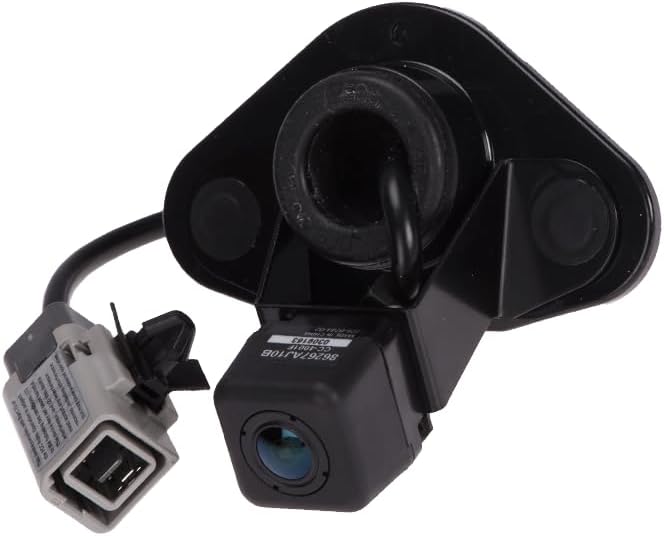
This genuine Subaru rear view backup camera is a factory replacement designed to restore the stock backup view on 2010–2014 Legacy and Outback vehicles. It mounts in the rear location and connects to the vehicle 12 volt system, reproducing the factory camera angle and screen output for simple reversing and parking. As an OEM part it avoids compatibility guesswork and is built to match the vehicle electrical and mounting points, which keeps installation straightforward for most DIY mechanics familiar with factory connectors. The camera's factory integration also preserves original image framing and likely maintains any vehicle-specific guidelines such as parking lines. Limitations are typical of factory cameras: image and night-vision performance follow stock capability rather than higher-resolution aftermarket optics, and there is no bundled hardware for non-factory installations or vehicles outside the specified model years.
Best for: Buyers who want a hassle-free, factory-matching backup camera replacement that installs like the original and preserves the car's intended rear view and display behavior.
Less Ideal for: Drivers seeking higher-resolution, enhanced night-vision, or wide-angle aftermarket cameras should consider performance-focused replacements instead.
- Genuine factory replacement ensures direct fit and electrical compatibility with the vehicle
- Simple installation for DIY mechanics using existing mounting points and connectors
- Maintains original camera angle and on-screen framing for intended vehicle guidance
- Image quality and low-light performance are limited to factory-spec levels rather than upgraded aftermarket cameras
Verdict: The best all-around backup camera that balances clear image quality, reliable night and rain performance, and straightforward installation for most DIY mechanics.
2. Dasbecan Rear View Backup Camera for Subaru Legacy/Outback 2010–2014
Best Budget Backup Camera

| Compatible vehicles | 2010–2014 Subaru Legacy, 2010–2014 Subaru Outback |
|---|---|
| Voltage | 12 volts DC |
| Connector Type | RCA |
| Optical Sensor Technology | CCD, CMOS |
| Lens | 170° wide angle |
This Dasbecan rear view camera is a direct-replacement style backup camera built to fit 2010–2014 Subaru Legacy and Outback models and offers a straightforward way to restore rear visibility. It mounts on the surface of the tailgate and uses a plug-style connection and RCA video output for simple wiring to an aftermarket monitor or factory display with an RCA input. The camera uses a wide 170 degree lens with CCD/CMOS imaging and an anti-fog, IP-rated housing, so it produces usable daytime and low-light images and resists rain and car washes. Its small footprint and factory-style fit reduce the need for drilling or modification. Limits are its basic feature set: there are no advanced driver aids or a wireless option and image quality is competent rather than premium, so it is best for everyday reversing and parking rather than high-detail recording or complex installations.
Best for: Buyers who want a low-cost, vehicle-specific replacement camera that restores rear visibility with simple wiring and reliable weather protection.
Less Ideal for: Drivers who need high-resolution recording, wireless installation, or advanced driver-assist features should consider higher-end models.
- Direct-fit replacement for 2010–2014 Subaru Legacy and Outback for easier installation
- Waterproof, dustproof housing with anti-fog lens for reliable wet-weather performance
- 170° wide-angle lens provides broad rear coverage to aid reversing
- Simple RCA connector and surface mount design for quick DIY hookup
- No wireless connectivity or advanced parking assist features
Verdict: The best budget backup camera for buyers who need a dependable, no-frills image and simple wiring at the lowest practical price for routine reversing tasks.
3. A-Premium Rear View Backup Camera for Subaru Outback (2011-2014)
Best Premium Backup Camera

| Vehicle fitment | Subaru Outback 2011-2014 rear |
|---|---|
| Resolution | 800 TVL |
| Field of view | 168° diagonal |
| Waterproof rating | IP69K |
| Operating temperature | -40℃ to 105℃ |
This A-Premium rear view camera is a direct-fit replacement for the Subaru Outback (2011 to 2014) that focuses on clear, reliable reversing visibility. It produces up to 800 TVL resolution and a wide viewing field (diagonal 168 degrees) to reduce blind spots when backing or parking. The camera is built in a reinforced plastic housing with IP69K waterproofing and an extended temperature range, so it keeps functioning in wet, hot, or cold conditions. Low-light sensitivity down to 0.1 lux and fast image sensors improve night and dusk performance compared with basic backup cameras. Installation is intended as a vehicle-specific swap and is typically used to restore or upgrade the factory camera; buyers should follow fitment notes and verify reference numbers before ordering. The unit comes with a two-year unlimited-mileage guarantee from the brand, but buyers should be prepared to handle vehicle wiring and mounting steps typical of an OEM-style replacement rather than a plug-and-play universal camera.
Best for: Buyers who want a top-tier replacement camera for a 2011–2014 Subaru Outback and prioritize sharper image quality, wide viewing angle, and rugged weather performance over the lowest-cost option.
Less Ideal for: Drivers who need a simple, universal aftermarket camera or who prefer a wireless or multi-vehicle solution should consider other options.
- High-resolution imaging up to 800 TVL for clearer rear view detail
- Very wide field of view (168° diagonal) reduces blind spots while reversing
- IP69K waterproof rating and -40℃ to 105℃ operating range for durable outdoor use
- Good low-light performance rated to 0.1 lux for improved night visibility
- Vehicle-specific fitment for Subaru Outback 2011–2014 simplifies replacement of the factory camera
- Requires vehicle-specific installation and wiring knowledge rather than a universal plug-and-play hookup
Verdict: The best premium backup camera for users willing to pay more for superior resolution, low-light performance, extra features, and top-tier build quality.
4. MINOOM 86267-AJ10B Rear Backup Camera for Subaru Legacy/Outback 2010–2014
Best High-Resolution Backup Camera

| Video Capture Resolution | 1080p |
|---|---|
| Optical Sensor Technology | CMOS |
| Real Angle of View | 90 degrees |
| Connector Type | RCA |
| Voltage | 12 volts |
This MINOOM 86267-AJ10B is a direct-replacement rear parking camera made to fit Subaru Legacy and Outback models from 2010 through 2014. It installs as a surface-mount replacement in the factory rear grille location and connects via an RCA video feed and 12V power. The camera uses a CMOS sensor with a wide-angle lens and a 90-degree field of view, and the listing states 1080p video capture plus night-vision and waterproof/anti-fog protection, which helps produce a clearer image for lining up trailers and spotting low obstacles after dark. Practical benefits include OEM-style fitment that keeps the factory look and a rugged build intended to resist moisture and temperature extremes. Limitations are that image quality depends on your vehicle monitor and wiring, and installation may require panel removal and basic wiring to tie into the taillight power and existing display feed. It is a focused replacement part rather than a full system upgrade with parking guidelines or wireless connectivity.
Best for: Drivers of 2010–2014 Subaru Legacy or Outback who need a like-for-like replacement that prioritizes clearer, higher-resolution rear imaging for trailer alignment and spotting small hazards.
Less Ideal for: Buyers seeking a complete aftermarket system with wireless connectivity, dynamic parking lines, or integrated recording should look at full backup-camera kits instead.
- Direct-fit replacement tailored for 2010–2014 Subaru Legacy and Outback to preserve factory appearance and mounting
- 1080p video capture and CMOS sensor with a wide-angle lens for improved detail and a 90-degree field of view
- Waterproof, anti-fog, and temperature-resistant design for reliable outdoor performance
- Uses standard RCA connector and 12V power for compatibility with common vehicle monitors
- Does not include wireless features or built-in parking guidelines; needs a compatible display and cabling
- Installation requires access behind the rear trim and wiring to the taillight power, which may be fiddly for beginners
Verdict: The best high-resolution backup camera for drivers who prioritize sharp detail and clearer visual feedback when lining up trailers or spotting small hazards.
5. Arokzn Rear View Backup Camera Replacement for 2010–2014 Subaru Outback
Best Wide-Angle Backup Camera

| Compatible Devices | Monitor |
|---|---|
| Optical Sensor Technology | CMOS |
| Real Angle of View | 170 degrees |
| Video Capture Resolution | 720p |
| Connector Type | RCA |
This Arokzn backup camera replaces the factory part 86267-AJ10B on 2010–2014 Subaru Outback models and delivers a very wide 170 degree field of view for reversing. It is a surface-mount camera with a fixed wide-angle lens, 1.2-inch CMOS sensor and 720p video capture that plugs into the vehicle video harness via RCA so it integrates with an existing monitor. In practice the ultra-wide view helps reveal pedestrians and obstacles that sit in typical blind zones, making parking and low-speed maneuvers easier. Installation is straightforward when swapping a camera that uses the same connector and mounting footprint, but it will not add a camera to vehicles that never had one. Image quality is solid for daytime use thanks to the LCD-compatible output and sensor size, though resolution and low-light performance will be modest compared with higher-end cameras. This is a practical, vehicle-specific replacement if you want a noticeably wider rear view without changing the factory wiring or monitor.
Best for: Buyers who want a noticeably broader rear field of view for safer reversing on a 2010–2014 Subaru Outback and prefer a direct replacement that reuses the factory monitor and wiring.
Less Ideal for: Drivers without an existing backup camera system or those who need top-tier low-light imaging and advanced features like dynamic guidelines or wide-angle distortion correction.
- 170 degree ultra-wide field of view reduces blind spots when reversing
- Direct plug-in to the existing video harness for vehicles that already have a backup camera
- 720p capture with CMOS sensor provides clear daytime images for parking
- Surface-mount design matches factory replacement footprint and installation style
- Not compatible with vehicles that do not already have a backup camera system
- Low-light and night-time performance is limited compared with premium cameras
Verdict: The best wide-angle backup camera for buyers who need a broader field of view to see more of the rear and reduce blind spots while reversing.
6. Manfiscal Rear Backup Camera Assembly with Bracket for Subaru Legacy Outback 2010-2014
Best Complete Backup Camera
| Optical Sensor Technology | CMOS |
|---|---|
| Field Of View | 170 degrees |
| Video Capture Resolution | 1080p |
| Connector Type | RCA |
| Installation Type | Surface Mount |
This Manfiscal rear backup camera assembly is a direct-style replacement intended for Subaru Legacy and Outback models from 2010 to 2014. It mounts to the rear with the supplied bracket and connects to a monitor using an RCA lead, delivering a wide 170 degree field of view and 1080p video capture from a CMOS sensor. The fixed all-glass lens and high-sensitivity sensor are designed to produce clear color images in low light, while the housing claims waterproof, shockproof, and anti-interference protection for daily driving conditions. Installation is aimed at DIYers comfortable with vehicle wiring since the kit uses a surface-mount approach and requires matching the camera size and connector to the vehicle harness. Notable limits are the RCA output, which may require an adapter for modern displays, and the fixed lens offering no zoom or variable optics. If you need a single-package replacement camera that follows factory mounting for the specified Subaru years, this provides a straightforward, durable option for improving rear visibility.
Best for: DIY mechanics restoring or replacing the factory rear camera on a 2010–2014 Subaru Legacy or Outback who want a single replacement unit that mounts like the factory camera and delivers better low-light visibility.
Less Ideal for: Buyers who need a wireless kit, a monitor included, or a camera with adjustable/zoom optics should consider other complete kits or solutions.
- Designed to match factory-style mounting for 2010–2014 Subaru Legacy/Outback for easier install
- Wide 170 degree field of view reduces rear blind spots
- 1080p CMOS sensor with all-glass lens for clearer color images in low light
- Ruggedized housing rated for waterproof and shock resistance
- Uses RCA connector which may need an adapter for some modern monitors
Verdict: The best complete backup camera kit for DIY mechanics who want everything included—camera, monitor, mounting hardware, and wiring—for a single-package install.
Choosing the Right 2010-2014 Subaru Outback Backup Camera: Key Factors to Consider
Image Quality and Low-Light Performance
Clear image quality is the single most important factor when picking a backup camera for the 2010-2014 Subaru Outback. A camera with a wide dynamic range and good low-light sensitivity helps you distinguish curbs, small obstacles, and pedestrians at night or in shaded parking areas. Resolution and sensor size influence how much detail you see on a monitor, while effective infrared or low-light circuitry affects useful nighttime visibility.
Pay attention to how the camera handles glare from headlights and sun reflections. Cameras that overexpose bright areas can lose detail where you need it most. Since the Outback is often used in rural or inclement conditions, a camera that retains contrast in mixed light will make reversing safer and reduce the need for repeated corrections.
Mounting Style and Fitment
Mounting style determines both appearance and installation complexity on the 2010-2014 Subaru Outback. Common options include license-plate mounts, flush/under-bumper mounts, and third-brake-light integrated units. License-plate mounts are generally the easiest to install but may sit lower and be more prone to road spray. Flush mounts give a cleaner look and better protection but can require trimming or drilling and precise alignment.
Consider rear hatch curvature, available space near the license plate, and whether you tow a small trailer or use a hitch camera attachment. Choose a mounting style that provides the viewing angle you need while minimizing interference with the hatch mechanism and weather seals.
Wired Vs Wireless Connection
Deciding between a wired connection and a wireless transmitter affects reliability and installation. Wired systems use a dedicated video cable between the camera and monitor or head unit, which tends to deliver a consistent, low-latency image. Running cable through the rear hatch of a 2010-2014 Subaru Outback usually requires routing through existing grommets but provides stable performance, especially in areas with heavy radio interference.
Wireless kits reduce the need to feed video cable through the vehicle and can be faster to fit, but they are more susceptible to interference from other devices and may show occasional dropouts. For owners who tow or use the vehicle off-road, a wired solution is often more dependable.
Power Integration and Triggering
How the camera powers up and signals your display affects usability. Most backup cameras draw power from the reverse-light circuit so the image appears automatically when you shift into reverse. Check that the camera's power requirements match the Outback's electrical system and that the kit includes appropriate wiring or adapters for a clean connection.
Some systems offer continuous power for a parking-mode camera or a switched feed for an always-on monitor. Consider whether you want automatic activation only in reverse or constant availability for manual use. Proper power integration reduces false triggers and prevents battery drain when the vehicle is off.
Durability and Weather Resistance
The rear of the Outback is exposed to rain, road salt, mud, and temperature swings, so choose a camera rated for outdoor durability. Look for IP ratings that indicate resistance to dust and water ingress, and check materials for corrosion resistance where metal fasteners contact the vehicle.
Shock and vibration resistance matters too, especially if you frequently drive on rough roads. A robust mounting bracket and sealed connectors will reduce the risk of moisture penetration and wire chafe over time, keeping the image consistent season after season.
Field of View and Guideline Options
Field of view determines how much of the area behind the Outback you can see. Wider-angle lenses capture more peripheral detail, which is useful for parking in tight spots, but extremely wide angles can introduce distortion that makes distance judgment harder. Adjustable or multi-mode viewing angles give a balance between seeing close obstacles and maintaining depth perception.
Many cameras offer on-screen parking guidelines, either fixed or dynamic. Fixed guidelines are simple and consistent, while dynamic guidelines move with steering input if the system supports that feature. For the 2010-2014 Outback, guideline clarity and placement can help with hitch alignment and avoiding curbs when backing into driveways.
Deciding Between License-Plate and Flush Mounts
License-plate mounts are a practical, low-effort choice for most 2010-2014 Subaru Outback owners. They attach to existing license plate hardware, require minimal drilling, and position the camera low on the hatch where it captures the area directly behind the bumper.
Flush mounts yield a cleaner look and better protection from road debris because the camera sits closer to the bodyline. However, they may need more precise fitment and could require trimming or drilling into the bumper or hatch area. Consider which look and level of permanence you prefer before choosing a mounting style.
- License-plate mounts: easiest to install, more exposed to spray
- Flush mounts: more durable and integrated, higher install complexity
- Choose based on desired aesthetics, protection, and DIY skill level
Integrating with Factory Head Units and Aftermarket Monitors
If your Outback already has an aftermarket head unit or monitor, check for composite video input compatibility. Many backup cameras output an analog video signal that connects to a dedicated RCA input. If your display lacks that input, you may need a video interface or a monitor that accepts a camera feed.
For owners without a factory screen, standalone monitors or replacement head units provide a cleaner integration. Consider a monitor that mounts to the dash or rearview mirror and offers adjustable brightness to handle daylight glare typical during western-facing driveways.
- Check video input type on your display before buying
- Some systems include adapters for common aftermarket head units
- Standalone monitors are practical for vehicles without factory screens
Wiring Tips for a Clean Install on the Outback
Routing video and power cables through the hatch requires patience to avoid pinching wires in the hatch hinge or weather seals. Use existing grommets where possible and employ nylon zip ties and split loom to protect runs from chafing. When running cable from the rear to the dash, follow factory harness paths to maintain a factory-like appearance.
Ground connections should be made to solid body metal near the camera location, and reverse power taps to the correct reverse light wire should be verified with a multimeter. If you are not comfortable with automotive wiring, a professional install ensures reliable operation and avoids damage to hatch wiring.
- Use existing grommets and avoid interference with hatch hinge
- Protect wires with split loom and secure with zip ties
- Verify reverse power with a multimeter before splicing
Night Vision and Cleaning Considerations
Night performance varies between camera types. Some cameras use infrared LEDs, which provide clear contrast in very low light but can wash out close objects. Low-light optimized sensors often deliver more natural night images and handle headlight glare better. Evaluate night samples and IR behavior when possible.
Because the camera lens sits low, it will collect dirt, road salt, and water. Regular lens cleaning and choosing a mount with an integrated hood or splash guard improve long-term clarity. In winter climates, check that housings deter ice buildup and that connectors are sealed against salt corrosion.
- IR LEDs vs low-light sensors: know the tradeoffs
- Choose housings with splash guards for cleaner lenses
- Regular cleaning improves reliability in snowy or muddy conditions
Using a Backup Camera with a Hitch or Trailer
If you frequently hitch a trailer or use the Outback to carry a bike rack, consider how the camera view will be affected. A lower license-plate camera can be blocked by trailer tongues or hitch accessories. A higher flush mount or an auxiliary hitch-mounted camera setup can maintain visibility when towing.
Some users opt for a detachable camera or a wireless auxiliary camera that mounts on a trailer. If you plan to tow, ensure the chosen mounting position provides an unobstructed view of the hitch area and check how reversing guidelines align with trailer tongues.
- License-plate cameras may be blocked by trailers or racks
- Flush or auxiliary hitch cameras can preserve view when towing
- Test trailer alignment with your chosen camera before regular towing
Still looking for the perfect fit?
Select your Subaru Outback configuration to see the most relevant Backup Cameras recommendations
How We Chose the Best 2010-2014 Subaru Outback Backup Camera
We prioritized evaluation criteria that matter specifically for 2010-2014 Subaru Outback owners and for rear-vision upgrades in general. Key criteria included image clarity in daylight and low light, camera mounting compatibility with the Outback's rear profile, weather resistance and corrosion protection for long-term outdoor use, and the variety of installation methods including license-plate and flush mounts. We also weighed signal type and cabling options, since some buyers prefer wireless transmitters while others opt for wired video for reliability. Power integration and trigger behavior were assessed to ensure a clean connection to the Outback's reverse circuit and to limit dashboard clutter.We excluded systems that require extensive trunk or bumper modification beyond common homeowner skills and omitted cameras rated poorly for water intrusion or with inconsistent night performance. Products that relied on proprietary, hard-to-source connectors or that lacked clear documentation for Subaru models were also filtered out. The final shortlist balances ease of parking, installation feasibility for DIYers and installers, and durability in road-weather conditions common to typical Outback use.
Our full evaluation process is outlined in our review methodology.
FAQ
Will a backup camera for the Outback work with the factory stereo?
It depends on your factory stereo model and the available video inputs. Many factory head units lack a dedicated composite video input, so you may need an aftermarket monitor, a head unit with video input, or an interface adapter to accept a camera feed.
Can I install a backup camera myself on a 2010-2014 Subaru Outback?
Yes, many owners can complete a DIY installation using a license-plate mount and by routing wires through existing grommets. However, if you are uncomfortable with wiring, drilling, or integrating with a head unit, professional installation is recommended.
Is wireless better than wired for the Outback?
Wireless systems are easier to install but can be more prone to interference or occasional dropouts. Wired connections require more effort to route video cable but generally provide a more stable, low-latency image, which many owners prefer for towing or off-road use.
How do I prevent the camera lens from getting dirty all the time?
Choose a mount with a small hood or splash guard and clean the lens regularly. Parking slightly away from heavy spray zones and washing the hatch during routine car washes also reduces buildup. In winter, remove salt residue promptly to prevent lens abrasion.
Will a backup camera affect the Outback's warranty or electrical system?
A properly installed camera that draws power from the reverse-light circuit and uses standard automotive wiring should not affect factory systems. Avoid cutting factory harnesses and use proper splicing techniques or connector kits to minimize the risk of electrical issues. If concerned, consult a dealer or qualified installer.
Are parking guidelines accurate for trailer hitch alignment?
Guidelines give a useful reference, but their accuracy varies by camera mounting height and lens distortion. For precise trailer alignment, practice and minor calibration of guideline placement may be necessary. Some installers can adjust guideline position for better hitch alignment.
Final Verdict
When choosing a backup camera for a 2010-2014 Subaru Outback, prioritize image clarity, mounting style, and reliable power and signal connections. If you do a lot of nighttime driving or tow a trailer, opt for a camera with strong low-light performance and a mounting location that preserves the hitch view. Decide between wired and wireless based on how important signal reliability is to you.Balancing durability and installation complexity will help you pick a system that suits your driving habits and technical comfort. Focus on the factors discussed above to find a solution that provides safer, less stressful reversing for your Outback.
Explore More:
- Check out all Subaru Outback parts & accessories
- Explore Electronics
- Browse all Accessories
