

Note: This article contains affiliate links. If you click on these links and make a purchase, I may earn a small commission at no extra cost to you. This helps support my research and content. Read my full affiliate disclosure here.
If you own a Subaru Crosstrek with a CVT, choosing the right transmission fluid directly affects shift smoothness, temperature management, and long-term drivetrain health. The wrong fluid can lead to noisy operation, slipping, or premature wear, while the right formulation helps maintain consistent friction characteristics and protects internal components under varied driving conditions.This guide presents seven shortlisted CVT transmission fluids selected for their suitability in Subaru Crosstreks with continuously variable transmissions. We focus on lubrication performance, thermal stability, and compatibility with Subaru CVT friction requirements so you can pick a fluid that matches your driving habits and maintenance interval. Read on for the evaluation criteria and practical guidance to make a confident choice.
Looking for other parts? See all Subaru Crosstrek parts & accessories.
Top Picks at a Glance
| Best Overall Transmission Fluid A reliable, shop‑grade CVT fluid that balances OEM fit and performance | Subaru CVTF-III (CVT 3) Genuine Transmission Fluid — 6-Quart Bottle |  |
| Best Budget Transmission Fluid An affordable CVT-compatible fluid that covers basic maintenance without overspending | TRIAX CVT ATF Universal Full Synthetic Transmission Fluid (5 Quart) |  |
| Best OEM Subaru Transmission Fluid Genuine Subaru CVTF packaged in multi‑quart kits for exact OEM specification replacements | Subaru CVTF-II Automatic Transmission Fluid (6 Quarts) – Genuine Subaru |  |
| Best Import OE Alternative Japanese OE-style fluids engineered to meet Subaru/Asian OEM CVT specifications | ENEOS Import CVT Model S CVT Fluid for Subaru CVTF II, 1 Qt |  |
| Best Universal CVT Fluid A multi‑vehicle CVT formula that claims broad OEM compatibility for many makes | Castrol Transmax ATF/CVT Universal Transmission Fluid, 1 Gallon |  |
| Best Full‑Synthetic Performance Fluid High‑end synthetic CVT fluids focused on anti‑shudder, thermal stability, and durability | Red Line 30804 Synthetic Non‑Slip CVT Fluid, 1 Quart |  |
| Best Single‑Quart Top‑Off Bottle Single‑quart bottles for quick top‑ups or small repairs without bulk buying | Subaru CVTF-III (CVT 3) Transmission Fluid 1 Quart |  |
1. Subaru CVTF-III (CVT 3) Genuine Transmission Fluid — 6-Quart Bottle
Best Overall Transmission Fluid

| Unit Count | 192 Fluid Ounces |
|---|---|
| Liquid Volume | 6 quarts |
| SAE J300 Viscosity Grade | 10W-30 |
| Material | Synthetic |
This genuine Subaru CVTF-III (CVT 3) kit supplies six quarts of synthetic CVT fluid formulated for use in Subaru continuously variable transmissions. It is intended for routine service and fluid changes where factory friction characteristics and fluid chemistry matter for smooth belt/chain operation and torque transfer. Typical use is drain-and-fill or full-service replacement during scheduled maintenance on the listed Subaru CVT models. Because it is Subaru-specified, the fluid matches the friction modifiers, viscosity behavior, and additive package the transmission was designed for, which helps preserve shift feel and reduce slippage or judder in normal driving. Practical benefits include exact compatibility with model years and trims listed and the convenience of a six-quart supply for multiple top-ups or a full service. Limitations are that it is strictly a CVT-specific fluid and should not be substituted into conventional or dual-clutch transmissions, and it is only appropriate for the Subaru models called out in the fitment notes.
Best for: Mechanics and DIYers who prioritize using the exact Subaru-specified CVT fluid for routine maintenance to preserve shift feel and transmission longevity on covered Subaru CVT models.
Less Ideal for: People looking for a universal or multi-transmission fluid or owners of non-listed or non-CVT Subaru models should choose a different fluid or consult a specialist.
- Factory-formulated synthetic fluid matching Subaru CVT friction and additive requirements
- Six-quart supply covers a full service or multiple top-ups without needing separate bottles
- Clear model fitment notes for Crosstrek, Forester, Impreza, Legacy, and Outback CVT applications
- Only for CVT transmissions and specific Subaru model years listed, not a universal transmission fluid
- Contains model-year fitment limits so buyers must verify vehicle eligibility before purchase
Verdict: For mechanics who want a single, proven CVT fluid that delivers correct friction characteristics and dependable service life for routine transmission maintenance.
2. TRIAX CVT ATF Universal Full Synthetic Transmission Fluid (5 Quart)
Best Budget Transmission Fluid

| Application | CVT Automatic Transmissions |
|---|---|
| Material | Synthetic |
| Liquid Volume | 5 Quarts |
| Upper Temperature Rating | 130 Degrees Fahrenheit |
This TRIAX CVT ATF is a full synthetic CVT fluid sold in a 5-quart jug intended for routine fluid changes and top-offs. It is formulated to meet or exceed many CVT manufacturer requirements and is advertised for use in belt and chain CVTs; in practice that means it aims to reduce shudder and slipping while maintaining consistent hydraulic film for smooth shifting. The product highlights high thermal stability and a broad operating range so it should handle typical seasonal temperatures experienced by Crosstrek drivers. Practical benefits include a universal fitment approach for many CVT systems and a larger 5-quart container that covers a drain and refill for most small crossovers. Limitations are that the listing does not provide a specific OEM approval sheet for Subaru CVT spec numbers, and the stated upper temperature rating is modest at 130 F compared with some high-performance ATFs, so it is best used for routine service rather than heavy towing or extreme-duty use.
Best for: Crosstrek owners looking for an economical, full-synthetic CVT fluid for regular service intervals or occasional top-offs who prioritize acceptable shift quality and simple, predictable maintenance.
Less Ideal for: Drivers who demand factory-specified fluid approvals for warranty-sensitive services or those who subject their Crosstrek to heavy-duty driving, towing, or sustained high-temperature use.
- Full synthetic formulation for better thermal stability and wear protection than conventional fluids
- Formulated specifically for CVT belt and chain systems to help reduce shudder and slipping
- 5-quart jug is convenient for a full drain and refill or multiple top-offs
- Marketed to meet or exceed many CVT OEM performance requirements
- No explicit Subaru CVT specification numbers or approvals are listed in the product details
Verdict: Choose this when you need a cost-conscious CVT fluid that maintains acceptable shift quality and protection for routine fluid changes or top-offs.
3. Subaru CVTF-II Automatic Transmission Fluid (6 Quarts) – Genuine Subaru
Best OEM Subaru Transmission Fluid

| Brand | Subaru |
|---|---|
| Liquid Volume | 6 Quarts |
| Specific Uses For Product | Maintenance of Subaru CVT transmissions |
| Upper Temperature Rating | 176 Degrees Celsius |
This genuine Subaru CVTF-II kit provides six quarts of the manufacturer-recommended fluid formulated specifically for Subaru CVT gearboxes. It is intended for routine fluid service and top-ups in compatible CVT models and is the same green formulation Subaru specifies for correct hydraulic performance and clutch friction characteristics. Using the specified fluid helps maintain shift quality, reduce belt and chain wear, and support the transmission control strategy designed by the maker. The product is straightforward to use: drain and refill following Subaru service intervals or a shop procedure for a full exchange. The main limitation is fitment — this fluid is only for Subaru CVT transmissions listed by the maker and is not a universal ATF replacement, so confirm model and year compatibility before buying. Also, buying OEM fluid typically costs more than aftermarket substitutes, but it avoids uncertainty about formulation differences that can affect CVT behavior.
Best for: Buyers who want the exact factory-recommended CVT fluid to maintain original transmission performance and ensure compatibility during scheduled service.
Less Ideal for: Drivers looking for a lower-cost universal ATF alternative or parts that claim cross-vehicle compatibility should consider aftermarket fluids designed for broader fitment.
- Factory-formulated CVTF-II matches Subaru specifications for CVT hydraulic and friction properties
- Sold in a 6-quart pack that covers most CVT service intervals or full-fill jobs
- Helps preserve intended shift feel and reduces risk of premature belt or chain wear when used as recommended
- Limited to Subaru CVT applications listed by the manufacturer and not suitable as a universal transmission fluid
Verdict: Buy this slot if you prioritize factory-specified fluid compatibility and want the exact CVTF formulation recommended by the vehicle maker for guaranteed fitment.
4. ENEOS Import CVT Model S CVT Fluid for Subaru CVTF II, 1 Qt
Best Import OE Alternative

| Specific Uses For Product | Subaru CVTF II fluid replacement |
|---|---|
| Unit Count | 32 Fluid Ounces |
| Material | Synthetic |
| Container Type | Bottle |
This ENEOS Import CVT Model S is a one-quart synthetic fluid designed to match Subaru CVTF II specifications for CVT-equipped Subarus. It is intended for DIY CVT service where an exact-match replacement is preferred over factory-branded fluid. The formula uses high-quality synthetic base oils and advanced additives to promote smooth belt and pulley operation, stable friction characteristics, and protection against wear and deposits. In practice you can expect consistent shift feel and dependable performance between services when the correct Subaru CVTF II fill is required. The bottle size and factory-oriented formulation make it convenient for single-bay fluid changes or top-offs. Limitations include strict compatibility: it is not suitable for Subaru High Torque CVTF applications, so confirming your Crosstrek's required fluid is essential. Also, buying individual quarts can be less cost-efficient than larger multi-quart packs for full-capacity services.
Best for: DIY owners who want a third-party fluid that closely matches Subaru CVTF II chemistry and prefer a ready-to-use one-quart bottle for routine CVT service.
Less Ideal for: Shops or owners needing a high-torque CVTF or those who prefer factory-branded parts and multi-quart economy packaging.
- Formulated to meet Subaru CVTF II specifications for a true import-match replacement.
- Fully synthetic base oils and additives for stable friction, wear protection, and deposit resistance.
- One-quart bottle convenient for DIY single-bay changes and top-offs.
- Made by ENEOS, a supplier with Japanese OEM development and racing-derived R&D pedigree.
- Not compatible with Subaru High Torque CVTF applications and must be matched to the vehicle specification.
Verdict: This slot suits DIYers who want OE-level chemistry from third‑party makers—Japanese-engineered bottles that match Subaru CVTF II/III performance without buying factory-branded packs.
5. Castrol Transmax ATF/CVT Universal Transmission Fluid, 1 Gallon
Best Universal CVT Fluid

| Unit Count | 128.0 Fluid Ounces |
|---|---|
| Viscosity | 32 centistokes |
| Container Type | Bottle |
| Included Components | 1 Gallon ATF |
Castrol Transmax ATF/CVT Universal is a full‑synthetic transmission fluid designed as a one‑bottle solution for both traditional stepped automatics and continuously variable transmissions. It is blended with premium base oils and Castrol Smooth Drive Technology, which adjusts friction characteristics under changing pressures and speeds to help maintain smooth shifting. In shop or DIY use you would pick this when you need one fluid to service multiple makes rather than stocking several manufacturer‑specific oils. Notable features include enhanced high‑temperature oxidation resistance and corrosion protection aimed at preserving clutch and valve body components. As a universal product it simplifies inventory and speeds service, but universal formulations cannot guarantee compatibility with every factory specification, so always cross‑check Subaru CVT fluid requirements for the Crosstrek before use. The gallon bottle and fluid viscosity specification make it convenient for full drains and top‑ups during routine maintenance.
Best for: Shops or owners who want a single, flexible CVT/ATF choice to simplify servicing multiple vehicles and minimize inventory, while still aiming for smooth shift feel.
Less Ideal for: Owners who require strict factory‑specified Subaru CVT fluid or who prefer fluids explicitly labeled for Subaru CVT systems should choose the manufacturer recommended fluid instead.
- Full‑synthetic formulation for better oxidation and high‑temperature stability
- Formulated for both stepped automatics and CVTs, reducing the need for multiple fluids
- Includes friction modifier system (Smooth Drive Technology) to promote smoother shifts
- Gallon size is practical for full fluid changes on most vehicles
- Not guaranteed to match every manufacturer specification so verification against Subaru requirements is necessary
Verdict: Pick this when you need a single universal CVT fluid that’s marketed to work across multiple manufacturers’ CVT designs for flexible shop use.
6. Red Line 30804 Synthetic Non‑Slip CVT Fluid, 1 Quart
Best Full‑Synthetic Performance Fluid

| Unit Count | 32 Fluid Ounces |
|---|---|
| Material | Synthetic |
| Specific Uses For Product | CVTs in Mini, Nissan, and Subaru vehicles |
| Container Type | Bottle |
| Viscosity | Stable |
Red Line 30804 is a full‑synthetic continuously variable transmission fluid made for metal‑belt CVTs like those used in Subaru vehicles. It maintains stable viscosity and improved thermal stability to resist thinning and volatility under higher operating temperatures, which helps preserve shift feel and reduce shudder. The formula includes anti‑wear additives to protect torque‑converter clutches and metal components, and Red Line advertises extended drain intervals when following manufacturer guidance. In real use this fluid is suited to spirited driving or towing where the CVT runs hotter than normal because it holds friction characteristics across a broad temperature range. Trade‑offs are that it is a specialized non‑slip CVT fluid rather than a universal OEM replacement, so you should confirm Subaru compatibility and follow the Crosstrek service procedure and fill volume. The one‑quart bottle makes top‑ups convenient for DIY maintenance but full drains or factory capacity changes should follow the vehicle manual or a shop.
Best for: Drivers of Subaru Crosstrek who prioritize high‑temperature protection, consistent shift feel, and longer service intervals during spirited driving or frequent highway/tow use.
Less Ideal for: Owners seeking a direct factory‑branded replacement or those who prefer dealer service with manufacturer‑specified fluid and fill procedures.
- Full synthetic base stocks for improved high‑temperature stability and shear resistance.
- Anti‑wear additives to protect metal belt and clutch components.
- Formulated to maintain consistent friction characteristics and reduce CVT shudder.
- Advertised extended drain intervals when used per manufacturer recommendations.
- Not a generic multi‑vehicle OEM replacement so verify Subaru Crosstrek CVT compatibility before use.
Verdict: Choose a full‑synthetic performance fluid if you want superior high‑temperature protection, reduced shudder, and longer service intervals under demanding driving conditions.
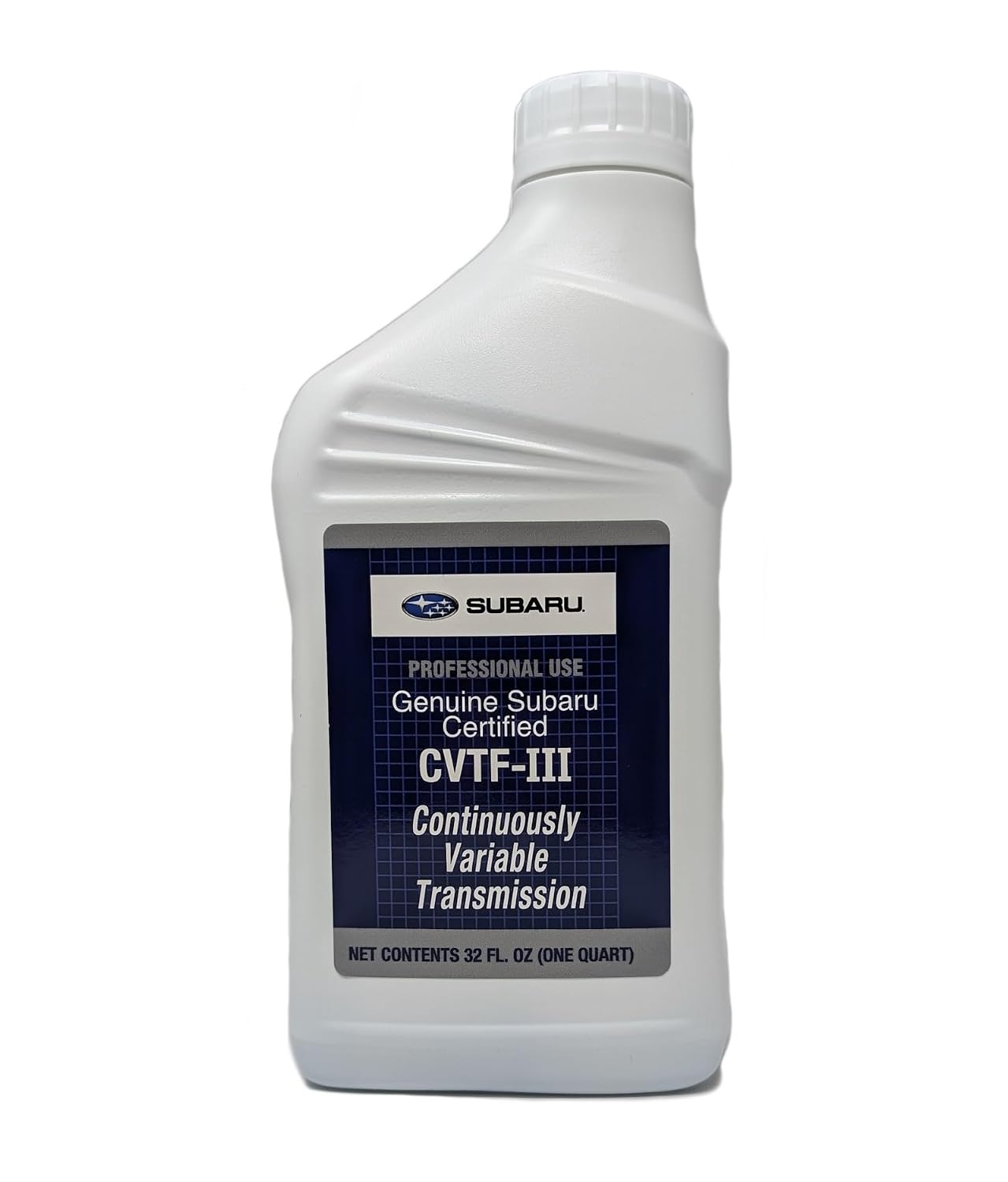
7. Subaru CVTF-III (CVT 3) Transmission Fluid 1 Quart
Best Single‑Quart Top‑Off Bottle
| Unit Count | 32 Fluid Ounces |
|---|---|
| Item Form | Liquid |
| Part Number | subarusoa427v1660 |
| Viscosity | 0W-20 sae_grade |
This is a factory Subaru CVTF-III (CVT 3) transmission fluid packaged as a single one-quart bottle intended for topping off or small service jobs on compatible Subaru CVT vehicles. It is the blue opaque CVT-specific fluid that Subaru specifies for certain Crosstrek, Forester, Impreza, Legacy, and Outback CVT applications; the quarter size makes it convenient to carry as a spare or to add small amounts without buying a multi-quart jug. Typical use is a quick top-up during maintenance or to replace a small leak without opening a full-service container. The practical benefits are genuine manufacturer formulation, correct viscosity grade listed for Subaru CVT systems, and easy storage in a trunk or toolbox. Limitations are obvious: a single quart will not cover full fluid changes on most CVT transmissions, and fitment is limited to the Subaru models and years listed by the manufacturer, so confirm compatibility before purchase.
Best for: Buyers who want a genuine single-quart CVT fluid for on-the-spot top-offs, small repairs, or to keep a factory-spec spare in the vehicle.
Less Ideal for: Technicians or DIYers planning a complete transmission fluid change or servicing multiple vehicles who need larger multi-quart containers for job efficiency.
- Factory Subaru formulation designed specifically for compatible CVT transmissions
- Sold in a single one-quart bottle ideal for topping off or keeping a spare
- Correct viscosity classification (0W-20) noted for the product
- Blue opaque fluid makes visual identification easy during service
- One quart is insufficient for a full CVT fluid replacement on most vehicles
Verdict: This slot fits buyers who need one‑quart bottles for topping off, small repairs, or keeping a spare on hand without purchasing large multi‑quart cases.
Choosing the Right Subaru Crosstrek CVT Transmission Fluid: Key Factors to Consider
Friction Characteristics And Shift Feel
Friction behavior determines how smoothly the CVT engages and transitions under load. Proper friction levels prevent shudder or slip while delivering predictable throttle response. Fluids formulated for CVT systems use additive packages tuned to maintain stable friction over temperature and service life.
If a fluid's friction coefficient drifts with heat or age, you may notice jerky low-speed operation or inconsistent acceleration. For Subaru Crosstrek CVT owners who frequently encounter stop-and-go traffic or towing, choose fluids with proven friction stability to preserve drivability.
Thermal Stability And Oxidation Resistance
CVT fluids operate at elevated temperatures, especially during highway driving or when climbing grades. Thermal stability prevents viscosity breakdown and formation of varnish or deposits that can impair hydraulic control and clutch surfaces.
Oxidation-resistant fluids maintain their protective properties longer, extending service life and reducing the risk of clogged passages or degraded valve body performance. For Crosstrek drivers in hot climates or those who tow or carry heavy loads, prioritize fluids with high thermal and oxidative resistance.
Shear Stability And Viscosity Retention
Shear stability refers to a fluid's ability to resist molecular breakdown under mechanical stress. In CVTs, continuous contact between belts, rollers, and pulleys applies shear forces that can thin out a fluid if it is not shear-stable.
Fluids that retain viscosity under shear continue to provide an adequate lubricating film, protecting metal surfaces and hydraulic components. Lower shear stability can accelerate wear and alter shift timing, so look for fluids with additives or base stocks designed to preserve viscosity throughout service.
Compatibility With Seals And Elastomers
Transmission fluids interact directly with seals, O-rings, and other elastomer components. Chemical incompatibility can cause swelling, hardening, or shrinking of seals, leading to leaks or pressure loss in the CVT hydraulic circuit.
Because Subaru Crosstrek CVT systems use specific elastomer materials, select fluids that state compatibility or are formulated for Subaru CVTs. Using a fluid with unknown compatibility increases the risk of minor leaks and degraded hydraulic performance over time.
Corrosion And Wear Protection
Wear protection additives and corrosion inhibitors guard bearings, bushings, and metal surfaces inside the CVT. A robust anti-wear package reduces surface fatigue and extends component life, particularly under higher torque or frequent acceleration.
Corrosion inhibitors are important if the vehicle is used in humid or coastal environments where moisture ingress can accelerate rust. For Crosstrek owners who keep their vehicles long term, prioritizing fluids with strong anti-wear and corrosion control properties helps protect internal parts.
Cold-Start Performance And Low-Temperature Flow
Cold-weather flow affects how quickly hydraulic pressure and lubrication build during startup. Poor low-temperature flow can delay proper pulley and clutch engagement, causing wear from metal-to-metal contact in the first minutes of operation.
If you drive your Crosstrek in winter conditions, choose a fluid with good low-temperature viscosity characteristics to ensure responsive shifting and immediate protection during cold starts.
Why CVT-Specific Fluids Matter For The Crosstrek
Continuously variable transmissions rely on frictional contact and precise hydraulic control more than conventional stepped automatics. Subaru's CVT designs use belts or chains and clutch packs that require fluids with controlled friction coefficients and stable hydraulic properties. Using a fluid engineered specifically for CVTs helps maintain intended shift behavior and reduces the chance of shudder or belt slip.
- CVT fluids balance lubrication with friction control
- Hydraulic viscosity impacts pulley actuation and shift responsiveness
- CVT-specific additives help protect belts, chains, and pulleys
When To Change CVT Fluid In A Subaru Crosstrek
Service intervals depend on driving conditions, but certain signs indicate it is time for a change. Regularly inspect for darkened fluid color, burnt odor, or unusual shift behavior. High-mileage vehicles or those used in severe conditions benefit from more frequent fluid replacement to preserve thermal and friction properties.
- Routine inspection every 15,000 miles is a good baseline for visual checks
- Consider shorter intervals for frequent towing, mountainous driving, or heavy urban traffic
- Always follow Subaru's service recommendations and fluid specifications when available
DIY Fluid Change Basics And Safety Notes
Changing CVT fluid requires access to the drain and fill procedures specific to the vehicle, and maintaining correct fill level is critical because CVT systems depend on precise hydraulic volumes. Use proper jack stands, work on a level surface, and allow the engine and transmission to cool before opening service points.Collect used fluid for proper disposal and avoid contaminating the system with dirt. If you are unsure about the correct fill method or torque values for drain plugs and pan bolts, consult the factory service information or a professional technician.
- Always use the recommended fill procedure and correct fluid amount
- Check for leaks and verify shift feel after service
- Dispose of used fluid according to local regulations
How Driving Habits Affect Fluid Life
Aggressive acceleration, repeated towing, or extensive stop-and-go driving raise operating temperatures and stress the CVT. These conditions accelerate fluid degradation, both chemically and mechanically. Conversely, steady highway cruising tends to be gentler on fluid life and component wear.Adjust maintenance intervals based on your typical driving. If you do a lot of short trips or drive in hilly terrain, plan for more frequent fluid inspection and service to avoid degradation-related issues.
- Towing and heavy loads shorten fluid life
- Stop-and-go city driving increases thermal cycling and wear
- Highway driving is generally less stressful for CVT fluid longevity
Signs Of Fluid-Related Problems To Watch For
Early indicators of fluid issues include shudder during acceleration, slipping under load, delayed or hesitant shift response, and unusual noises that correlate with speed or throttle changes. Fluid that smells burnt or appears very dark may have lost oxidation resistance or reached the end of its effective life.If you observe these symptoms, a fluid inspection and possibly a flush or replacement can resolve problems before they cause mechanical damage. Keep records of service dates and fluid brands used to help diagnose recurring issues.
- Shudder or vibration during acceleration
- Delayed or inconsistent shift response
- Dark, burnt-smelling fluid on inspection
Still looking for the perfect fit?
Select your Subaru Crosstrek configuration to see the most relevant Transmission Fluids recommendations
How We Chose the Best Subaru Crosstrek CVT Transmission Fluid
We focused on fluids that match the performance needs and service practices of Subaru Crosstrek CVT systems. Selection prioritized formulations explicitly intended for continuously variable transmissions or fluids with documented compatibility with Subaru CVT friction requirements. We evaluated each option on measurable technical attributes rather than marketing claims.Key evaluation criteria included friction and clutch compatibility to maintain smooth belt/roller engagement; thermal stability and oxidation resistance to protect fluid viscosity under heat; shear stability and viscosity index to preserve film thickness over time; corrosion and wear protection to safeguard gear surfaces and bearings; and compatibility with Subaru seals and elastomers to prevent leaks or swelling. We also considered recommended service intervals and the fluid's ability to support cold-start shift behavior.We excluded generic automatic transmission fluids that do not state CVT suitability or fluids meant only for manual gearboxes. Fluids lacking clear technical specs or manufacturer guidance for CVT use were removed. The remaining candidates represent options that meet the technical demands of Subaru Crosstrek CVT applications while offering a balance of protection and shift quality.
Our full evaluation process is outlined in our review methodology.
FAQ
Can I mix CVT fluid types if I top up my Crosstrek between changes?
Mixing different formulations is not ideal because additive packages and friction characteristics can differ. Occasional small top-ups may not cause immediate harm, but for consistent shift feel and long-term protection, match the fluid to what is already in the CVT or perform a full drain and refill with a single specified fluid.
How often should I have the CVT fluid changed on a Crosstrek used for mountain driving?
Mountain or towing use increases thermal stress, so shorten service intervals compared with mild driving. Many owners find inspecting fluid annually and changing every 30,000 to 40,000 miles under severe conditions offers better protection, though follow Subaru's official guidance if it is provided.
Will a CVT fluid change fix slipping or shudder immediately?
If slipping or shudder is caused by degraded fluid or contamination, a change can improve symptoms. However, mechanical issues like worn belts, clutches, or hydraulic components may require diagnosis and repair beyond a fluid replacement.
Is CVT fluid the same as automatic transmission fluid?
CVT fluids are formulated differently from traditional automatic transmission fluids. They emphasize controlled friction and specific additives for belt or chain drive elements. While some ATF types may work in certain CVTs, use only fluids specified for Subaru CVT systems to ensure compatibility.
Can I perform a CVT fluid change at home or should I go to a shop?
A knowledgeable DIYer can perform a CVT fluid service if they have the correct tools and follow the precise fill procedure. Because fill level and cleanliness are critical, many owners prefer a professional service to ensure correct handling and to avoid contamination.
What happens if I use a non-CVT manual transmission fluid in my Crosstrek CVT?
Manual transmission fluids are not designed for CVT friction and hydraulic needs. Using a manual fluid can alter friction behavior and may lead to shudder, poor shift quality, or increased wear. Stick to fluids recommended for CVT applications.
Final Verdict
Prioritize fluids that explicitly address the frictional and thermal demands of Subaru Crosstrek CVT systems. Focus on formulations with stable friction characteristics, strong thermal and shear stability, and confirmed compatibility with seals and elastomers used in the vehicle. Adjust your service interval to match driving conditions and inspect fluid appearance and odor regularly to detect early degradation.Balancing shift quality against longevity means accepting tradeoffs: some fluids emphasize silky low-speed feel while others prioritize long-term oxidation resistance. Choose the option that aligns with your driving style and maintenance cadence to keep the Crosstrek CVT performing reliably.
Explore More:
- Check out all Subaru Crosstrek parts & accessories
- Explore Fluids & Chemicals
- Browse all Accessories
