

Note: This article contains affiliate links. If you click on these links and make a purchase, I may earn a small commission at no extra cost to you. This helps support my research and content. Read my full affiliate disclosure here.
If your Honda Fit is running roughly or showing an emissions-related warning, the oxygen sensor plays a central role in engine control and fuel delivery. Choosing the right Honda Fit oxygen sensor matters because compatibility and signal accuracy affect drivability, fuel economy, and emissions. This guide highlights seven shortlisted sensors that suit common Honda Fit fitments and explains the evaluation criteria we used. You will get clear guidance on the factors that impact performance and diagnostics before diving into specific product choices.
Looking for other parts? See all Honda Fit parts & accessories.
Top Picks at a Glance
| Best Overall The best all-around choice for most situations | Denso 234-4358 Oxygen Sensor (Air and Fuel Ratio Sensor) |  |
| Best Quality Built to a higher standard if you want something more solid | Denso 234-4978 Oxygen Sensor (1-Pack) |  |
| Best Value The sweet spot between price and what you get | Maxfavor Upstream Oxygen Sensor for 2015–2016 Honda Fit 1.5L |  |
| Best budget The cheapest option that still gets the job done reliably | QIJIAUTO Downstream Oxygen Sensor for Honda Fit, CR-Z, Insight (36532-RTW-G03 Repl.) |  |
| Highest Rated A top-rated pick with lots of positive feedback | DrCax 234-9077 Oxygen O2 Sensor (Compatible with Honda Fit 2009-2010 1.5L) | 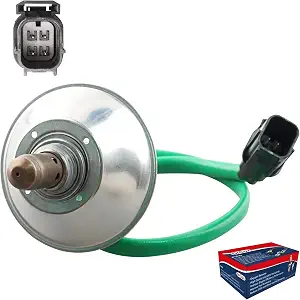 |
| Most Popular A crowd favorite that many people choose with confidence | TRQ O2 Oxygen Sensor OSA61710 – 4-Wire Narrow-Band Downstream for Honda Fit and Select Honda Models |  |
| Best Seller A high-volume bestseller chosen again and again | Sangyue Upstream Oxygen O2 Sensor 36531-RB0-003 for Honda Fit/CR-V/Accord/Civic |  |
1. Denso 234-4358 Oxygen Sensor (Air and Fuel Ratio Sensor)

| Measurement Accuracy | ±1.5% |
|---|---|
| Mounting Type | Threaded |
| Output Type | Push-Pull |
| Upper Temperature Rating | 1200 Degrees Celsius |
| Material Type | Stainless Steel |
The Denso 234-4358 is a threaded air/fuel ratio oxygen sensor built to match factory fit and function for Honda Fit applications. It detects oxygen content in the exhaust and sends a push-pull output to the engine control unit so the ECU can adjust fuel trim. Construction uses stainless steel with an aluminum oxide trap layer, PTFE filter and a double protection layer intended to improve durability in high-temperature exhaust environments. Typical use is direct replacement during diagnostics or maintenance to clear codes and restore stable idle and fuel economy. Installation is straightforward for anyone with basic hand tools and access to the downstream sensor location. Practical benefits include precise measurement accuracy and a factory-style design that helps the sensor integrate cleanly with the vehicle wiring and fuel control logic. Limitations include occasional fitment differences reported by some users and the fact that this part is a downstream sensor in certain applications, so verifying correct upstream/downstream position is necessary before ordering.
Best for: A balanced all-round buyer who wants a reliable, factory-style replacement to restore engine drivability and fuel economy without chasing the cheapest option or high-end motorsport parts.
Less Ideal for: Drivers who need a custom or performance-tuned sensor or those who cannot verify vehicle-specific upstream/downstream fitment should consider alternative fitment-verified parts.
- Factory-quality construction for reliable air-fuel ratio readings
- Precision measurement accuracy listed at ±1.5% for stable ECU corrections
- Stainless steel housing and layered protection designed for high exhaust temperatures
- Threaded design for straightforward direct-replacement installation
- Some buyers report fitment differences and missing mounting pieces on certain vehicle-specific installs
- This listing corresponds to a downstream sensor for some applications so ordering the correct position is essential
Verdict: A factory-quality replacement oxygen sensor that brings precise air-fuel ratio readings and dependable fit for Honda Fit maintenance and repairs.
2. Denso 234-4978 Oxygen Sensor (1-Pack)

| Mounting Type | Flange Mount |
|---|---|
| Output Type | electrical signal |
| Measurement Accuracy | ±1.5% |
The Denso 234-4978 is a direct-fit, heated 4-wire oxygen sensor designed to replace a failed upstream sensor and return the engine to proper closed-loop fuel control. It installs in the factory mounting flange and uses the same electrical output style for straightforward plug-and-play replacement. Measured accuracy of ±1.5% and the built-in heater help the sensor reach operating temperature quickly, improving emissions control and throttle response after cold starts. In practice it is used to clear O2-related fault codes, smooth fuel trims, and prevent rough idling or decreased fuel economy caused by a bad sensor. As a factory-quality aftermarket part from an OEM supplier, it emphasizes reliable fit and consistent signal rather than cost-cutting. Limitations are that fitment must match the vehicle connector and mounting location exactly and it does not include additional hardware or extensive installation guidance, so basic mechanical skill is required for replacement on the Honda Fit upstream position.
Best for: Performance-oriented owners focused on restoring precise engine control and emissions behavior with a factory-quality replacement part for the Honda Fit upstream oxygen sensor.
Less Ideal for: Buyers looking for a universal sensor or a low-cost generic substitute should consider other options; this is not for those who need a multi-vehicle universal fit or a DIY kit with extras.
- Factory-quality direct fit for straightforward plug-and-play replacement
- Heated 4-wire design brings the sensor to operating temperature quickly
- Measurement accuracy listed at ±1.5% for consistent air-fuel feedback
- From an established OEM supplier with parts built to factory standards
- No additional installation hardware or step-by-step instructions included
- Compatibility limited to vehicles with the matching flange and connector
Verdict: Choose the Denso 234-4978 when you want a factory-quality upstream oxygen sensor that restores accurate air-fuel control on a Honda Fit.
3. Maxfavor Upstream Oxygen Sensor for 2015–2016 Honda Fit 1.5L

| Specific Uses For Product | 2015-2016 Honda Fit 1.5L vehicles |
|---|---|
| Mounting Type | Flange Mount |
| Output Type | Push-Pull |
| Material Type | Stainless Steel |
This Maxfavor upstream oxygen sensor is a direct-fit replacement for the 2015–2016 Honda Fit 1.5L and is designed to restore proper air-fuel sensing after the original unit fails. It installs in the upstream position and uses a flange mount with a push-pull output configuration so most DIYers can swap it in with basic hand tools. The sensor is housed in stainless steel and the listing highlights a multi-layer protection design and PTFE filtering aimed at longer life and stable readings. In use it should clear oxygen-sensor-related check engine codes, help the engine return to correct fueling, and can indirectly improve fuel economy and catalytic converter longevity. Expect a simple plug-and-play replacement experience but be aware this is an aftermarket part so long-term durability may vary compared with higher-end name-brand sensors; careful matching of the connector and thread to your vehicle is recommended before installation.
Best for: Practical optimizers looking to fix a failed oxygen sensor without overspending and who prioritize straightforward, cost-effective repairs that restore normal engine operation.
Less Ideal for: Buyers seeking the highest-end, long-term OEM-matching sensor for performance tuning or for vehicles under intensive duty should consider premium branded options instead.
- Direct-fit upstream sensor specified for 2015–2016 Honda Fit 1.5L for straightforward replacement
- Stainless steel housing and multi-layer protection designed to resist contamination and extend service life
- Push-pull electrical output and flange mount match common factory fittings for easy installation
- Seller provides basic installation guidance and diagnostic tips to verify proper operation
- Aftermarket unit so long-term reliability and exact match to factory calibration can vary between examples
Verdict: A budget-friendly, direct-fit upstream oxygen sensor that restores proper air-fuel sensing on 2015–2016 Honda Fit 1.5L models.
4. QIJIAUTO Downstream Oxygen Sensor for Honda Fit, CR-Z, Insight (36532-RTW-G03 Repl.)

| Compatible part | 36532-RTW-G03 replacement |
|---|---|
| Vehicle fitment | Honda Fit 2009-2013, 2015-2020; CR-Z 2011-2016; Insight 2010-2014 |
| Position | Downstream oxygen sensor |
This QIJIAUTO downstream oxygen sensor is a direct replacement for Honda part 36532-RTW-G03 and is intended to restore correct downstream O2 readings to clear check engine lights and normalize fuel trim. Installation is straightforward for a typical home mechanic or technician because the connector, wire length, and mounting interface match the factory layout for the listed Honda Fit, CR-Z, and Insight applications. In use it stabilizes idle, reduces engine jitter, and helps the ECU maintain expected fuel economy once the sensor is operating. The sensor cites durable construction and a silver alloy joint for longer service life than the cheapest aftermarket units, but it is a budget offering so long-term longevity may not match more expensive branded replacements. It is sold as a downstream bank sensor and relies on correct part-number match for fitment, so confirm year and engine before installation. For a cost-conscious owner needing a functional, no-frills downstream O2 replacement for a Honda Fit, this delivers practical value with an easy swap-in fit.
Best for: Practical, budget-conscious Honda owners who prioritize a low-cost, functional replacement to restore normal operation and avoid shop labor for routine downstream oxygen sensor failures.
Less Ideal for: Those seeking a long-term high-end or performance-grade sensor or owners who want a guaranteed OEM lifetime match should consider premium factory-quality alternatives.
- Designed to match factory downstream sensor fit for specified Honda models for simple installation
- Addresses check engine light, idle instability, and fuel-trim issues when replacing a failing downstream sensor
- Includes connector and wire length that align with the original sensor layout for direct plug-in
- Construction claims silver alloy joint intended to resist wear better than lowest-cost alternatives
- Budget positioning may mean shorter service life compared with higher-end branded sensors
- Compatibility depends on exact year, engine, and part number so mistakes can lead to returns
Verdict: A cost-focused downstream O2 sensor that restores normal engine function on compatible Honda Fits and similar models but may not match the longevity of premium replacements.
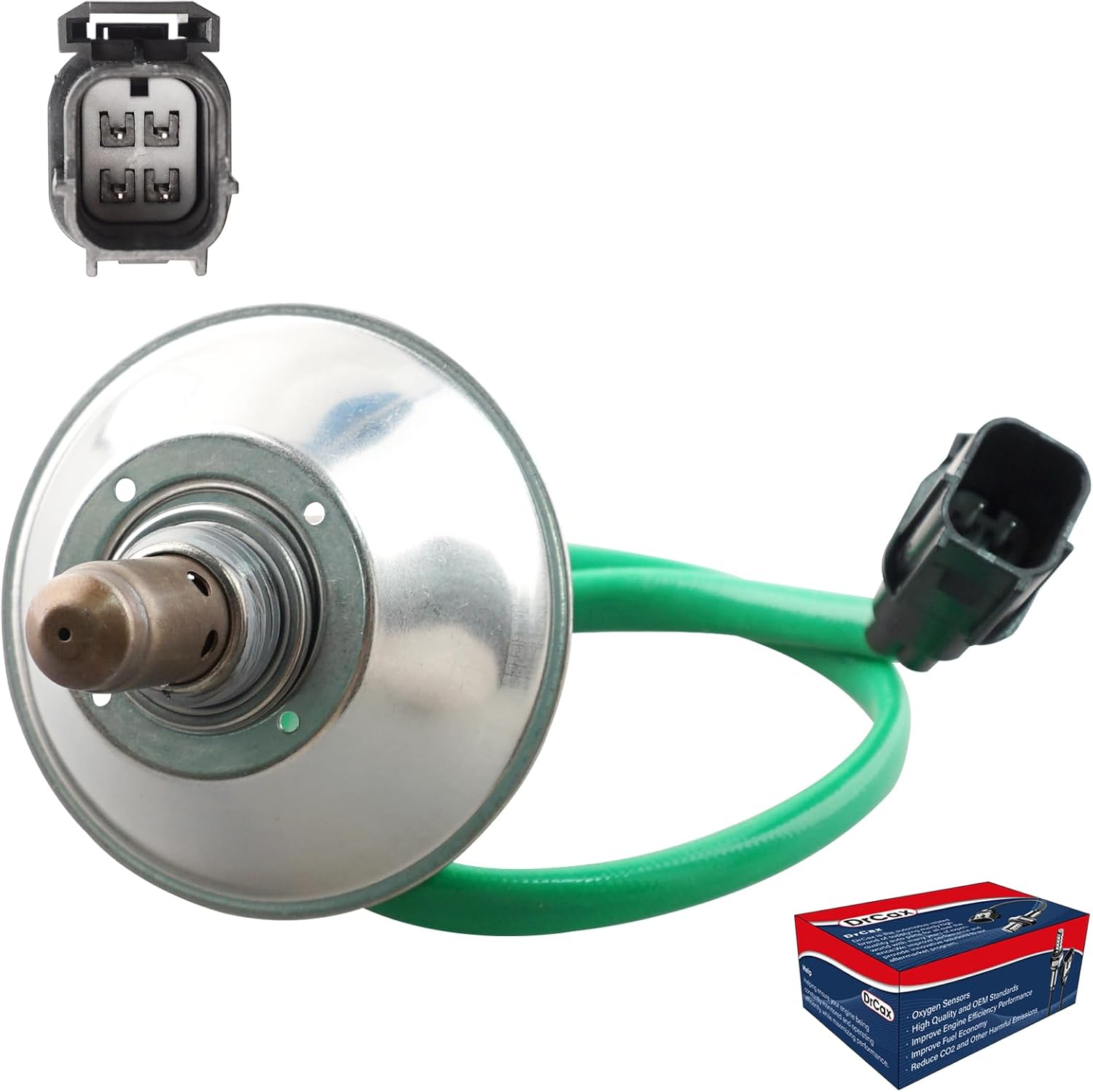
5. DrCax 234-9077 Oxygen O2 Sensor (Compatible with Honda Fit 2009-2010 1.5L)
| Mounting Type | Flange Mount |
|---|---|
| Measurement Accuracy | ±0.5% |
| Output Type | electrical signal |
| Upper Temperature Rating | 1800 Degrees Fahrenheit |
| Specific Uses For Product | Engine |
This DrCax 234-9077 is a heated oxygen sensor sold as a direct replacement for the upstream sensor on 2009–2010 Honda Fit 1.5L engines. It measures exhaust oxygen and sends an electrical signal to the engine computer so air-fuel mixture and emissions control return to proper operating range. Typical use is straightforward: unplug the old sensor, remove the flange-mounted unit with an O2 socket, swap in this sensor and reconnect the wiring harness. Notable features include a flange mount, ±0.5% measurement accuracy, and a high upper temperature rating that supports durability in exhaust conditions. Buyers will appreciate improved engine efficiency, reduced emissions, and the claim of matching factory specifications for fit and function. Limitations to note are occasional fitment or connector mismatches reported by some users and mixed longevity reports, so double-check connector orientation and part number before installation and be prepared to verify compatibility during install.
Best for: Reliability-focused buyers who want a budget-friendly factory-quality replacement for the Honda Fit 2009–2010 to restore engine efficiency and emissions control with minimal fuss.
Less Ideal for: Buyers unwilling to verify connector fitment or those who need a guaranteed long-term aftermarket warranty should consider OEM parts or options with extended support.
- Built to meet or exceed factory specifications for straightforward replacement
- Heated design and high temperature rating support reliable sensor response in exhaust conditions
- Measurement accuracy listed at ±0.5% for consistent air-fuel feedback
- Flange-mount construction matches standard upstream installation for easier swap
- Some buyers reported connector orientation or pin differences that required modifications or prevented fitment
- Mixed reports on long-term durability with a small number of units failing after weeks
Verdict: A cost-effective factory-style heated oxygen sensor that restores air-fuel control for Honda Fit 2009–2010 1.5L engines.
6. TRQ O2 Oxygen Sensor OSA61710 – 4-Wire Narrow-Band Downstream for Honda Fit and Select Honda Models

| Mounting Type | Flange Mount |
|---|---|
| Output Type | electrical (4-wire narrow-band) |
| Upper Temperature Rating | 200 Degrees Celsius |
| Material Type | Stainless Steel |
| Warranty Description | 2 years |
This TRQ O2 oxygen sensor is marketed as a direct-fit downstream replacement for many Honda Fit and related models and arrives pre-assembled to simplify installation. It uses a 4-wire narrow-band electrical output and a flange mount so you can swap it into the factory location without modification. The sensor housing is stainless steel with a high temperature rating and the listing highlights pre-applied anti-seize and a pre-wired connector to speed up DIY installs; TRQ also provides fitment guidance and step-by-step videos for convenience. In use it restores the ECU’s accurate air-fuel feedback so drivability improves and check engine codes tied to a failed downstream sensor typically clear after a drive cycle. Reported downsides include some variability in long-term durability and occasional connector polarity differences that may require attention before installation. For routine downstream sensor replacement this unit offers an affordable, easy-to-fit option, but expect mixed longevity compared with higher-end replacements.
Best for: Convenience-driven buyers who want a ready-to-install, direct-replacement oxygen sensor they can fit themselves to quickly clear downstream O2 faults and restore normal engine feedback.
Less Ideal for: If you prioritize maximum long-term durability or need a guaranteed OEM part life, consider higher-end or factory-sourced sensors instead.
- Direct-fit pre-assembled design simplifies DIY installation and avoids modifications
- Stainless steel construction and 200°C upper temperature rating for corrosion and heat resistance
- Pre-applied anti-seize and included connector reduce install prep time
- Comes with manufacturer installation videos and compatibility guidance
- Some users report inconsistent long-term durability compared with more expensive alternatives
- Connector type may differ from the vehicle harness on rare units requiring splicing or adapter
Verdict: A convenient, direct-fit downstream O2 sensor that makes DIY replacement quick and restores normal engine feedback for compatible Honda Fit models.
7. Sangyue Upstream Oxygen O2 Sensor 36531-RB0-003 for Honda Fit/CR-V/Accord/Civic

| Replacement part numbers | 36531-RB0-003 / 36531-RE0-003 |
|---|---|
| Position | Upstream (Bank1 Sensor1) |
This upstream (Bank 1 Sensor 1) oxygen sensor replaces factory-style O2 sensors on many Honda and Acura 4-cylinder models and plugs into the vehicle to monitor exhaust oxygen levels for the engine control unit. It is used where a failing sensor triggers a check engine light, causes rough idle, or increases emissions and fuel use. The sensor lists direct replacement numbers 36531-RB0-003 and 36531-RE0-003 and fits models such as the Honda Fit, CR-V, Civic, Accord and select Acura vehicles within the listed years. As an aftermarket direct-fit part it aims to provide factory-compatible signal response so the engine computer can correct fuel trim. Practical benefits include an easy bolt-in swap and restoring drivability and emissions compliance without needing complex programming. Limitations are typical for aftermarket sensors: long-term durability and exact match to factory calibration can vary, so proper fit confirmation for year and engine is required before purchase.
Best for: Risk-averse mainstream owners who prioritize restoring factory-like emissions and drivability with a straightforward replacement rather than performance modifications.
Less Ideal for: Drivers seeking performance-tuned sensors or long-term OEM-equivalent warranties should consider higher-end or dealer-sourced options instead.
- Direct replacement for listed Honda and Acura 4-cylinder models using part numbers 36531-RB0-003 and 36531-RE0-003
- Upstream Bank1 Sensor1 location for accurate air-fuel feedback to the engine control unit
- Plug-and-play fit aimed at simple bolt-in installation to clear check engine codes and restore fuel trim
- Aftermarket longevity and exact calibration may differ from factory sensors
- Fitment requires confirming model year and engine match before purchase
Verdict: A straightforward direct-fit upstream O2 sensor meant to quickly restore proper air-fuel sensing on compatible Honda and Acura 4-cylinder models.
Choosing the Right Honda Fit Oxygen Sensor: Key Factors to Consider
Fitment and Connector Type
Correct physical fit is the first priority because thread size, mounting location, and connector pinout vary by engine and model year. A sensor that does not match the Fit's threads or connector can cause installation issues, poor electrical contact, or necessitate adapters that may lead to leaks or intermittent signals.
Check whether the sensor is specified for the Honda Fit engine variant you own and verify connector compatibility. Ensuring direct-fit replacements reduces installation time and avoids potential sealing problems that could affect sensor readings and engine performance.
Sensor Signal Type and Response
Oxygen sensors produce different signal types and have varying response times, which directly affect fuel trim calculations. A faster, more accurate sensor helps the engine control unit correct air-fuel ratio more precisely, improving idle stability and throttle response.
Understand whether the sensor is a typical narrowband type or a different signal design, and consider how quickly it reaches operating temperature and reports accurate readings. Faster warm-up and stable output are beneficial for real-world driving and emissions control.
Durability and Heat Resistance
Sensors are exposed to high exhaust temperatures, road salts, and contaminants, so materials and protective features matter for longevity. Robust construction and heat shielding or ceramic sensing elements tend to resist degradation from thermal cycling and deposits.
Longer-lasting sensors reduce the frequency of replacements and minimize the chance of failure-related drivability issues. Consider products with corrosion-resistant housings and sealed connectors when durability is a priority.
Diagnostic Support and Error Reporting
A sensor that produces clear, stable diagnostics makes it easier to identify issues such as slow response, open circuits, or heater faults. Sensors that reliably trigger conventional fault codes help you understand whether problems stem from the sensor itself or upstream engine systems.
If you rely on on-board diagnostics or diagnostic tools, choose a sensor known for consistent reporting. This lowers diagnostic time and helps pinpoint faults without extensive component swapping.
Heater Element and Warm-Up Time
Many oxygen sensors include an internal heater to reach operating temperature quickly, improving accuracy during cold starts. A reliable heater reduces the period when the ECU uses open-loop fuel maps, which can affect emissions and fuel economy until the sensor warms up.
Check the heater design and expected warm-up characteristics. Sensors with efficient heaters improve short-term drivability and reduce cold-start emissions, especially in temperate conditions.
Installation Ease and Thread Sealing
Practical installation considerations such as thread size, wrench clearance, and whether the sensor requires a new sealing washer matter for a clean fit. Some sensors include anti-seize on the threads or recommended torque specs, which prevent damage during installation and simplify future removal.
Plan for access to the sensor location and check whether additional tools or anti-seize compound are needed. Simple, direct-fit sensors minimize installation time and the risk of exhaust leaks that would otherwise affect sensor readings.
How We Chose the Best Honda Fit Oxygen Sensor
We focused on sensors that match Honda Fit-specific fitment and connector types, ensuring straightforward physical compatibility. Signal accuracy and response time were prioritized because these influence fuel trim and combustion efficiency. Durability under heat and exposure was assessed through reported lifespan characteristics and construction details such as sensing element protection. Electrical integrity and diagnostic clarity were considered, including how well a sensor reports faults and supports common troubleshooting steps. Ease of installation and standard thread sizes were included so replacements can be fitted without extensive modification.We excluded products lacking clear fitment information for Honda Fit or those intended for non-automotive use. We also filtered out sensors with unclear electrical specifications or insufficient data on signal type. The resulting list emphasizes fitment, signal reliability, thermal durability, diagnostics, and installation compatibility as the key dimensions that matter for Honda Fit oxygen sensor replacements.
Our full evaluation process is outlined in our review methodology.
FAQ
How do I know if my Honda Fit oxygen sensor is failing?
Common signs include rough idle, poor fuel economy, or a persistent emissions-related warning light. You may also notice hesitation during acceleration or black smoke from the exhaust. These symptoms often point to a sensor that is slow or providing incorrect readings, but they can also stem from other engine issues, so diagnostics are useful.
Can I replace the oxygen sensor myself on a Honda Fit?
Many owners can perform a sensor replacement with basic tools if the sensor is accessible and the correct replacement is chosen. Ensure the replacement matches the Fit's thread and connector, and observe proper torque and sealing to avoid leaks. If access is limited or you are unsure about electrical connections, professional installation can reduce risk.
What does bank 1 sensor 1 mean on a Honda Fit?
Bank 1 sensor 1 refers to the oxygen sensor located upstream, before the catalytic converter, on the side of the engine with cylinder one. It monitors exhaust oxygen content for fuel control. Faults at this position typically affect fuel trim and trigger diagnostics related to mixture control.
Will a bad oxygen sensor trigger a check engine light on a Honda Fit?
Yes. A failing sensor often sets an emissions-related code and illuminates the warning light because the engine control unit detects abnormal readings or heater circuit faults. The specific code gives clues about whether the issue is the sensor signal, heater, or related wiring.
How do mechanics test an oxygen sensor on a Honda Fit?
Technicians usually inspect wiring and connectors, then monitor the sensor's voltage or data stream while the engine runs to check response and range. They may also check the heater circuit for continuity and measure warm-up behavior. These steps help distinguish sensor faults from exhaust leaks or fuel system problems.
Is upstream or downstream oxygen sensor replacement more important?
Upstream sensors, located before the catalytic converter, directly affect fuel control and typically have a more immediate impact on drivability when they fail. Downstream sensors are used mainly to monitor converter efficiency. Priority depends on the symptoms and diagnostic codes observed.
Conclusion
When choosing a Honda Fit oxygen sensor, prioritize correct fitment, signal reliability, and adequate thermal durability. These factors determine how well the replacement integrates with the engine control system and how long it will provide useful, accurate data.Balance installation ease and diagnostic clarity against longevity. Focusing on connector compatibility, heater performance, and consistent signal response will help you pick a sensor that restores normal operation and minimizes repeat visits.
Explore More:
- Check out all Honda Fit parts & accessories
- Explore Oxygen Sensors Maintenance & Repair Guides
- Explore Engine
- Browse all Auto Parts
