

Note: This article contains affiliate links. If you click on these links and make a purchase, I may earn a small commission at no extra cost to you. This helps support my research and content. Read my full affiliate disclosure here.
If you drive a Ford F-150 in cold climates, the right winter tires make a big difference for safety and capability. Winter tires are engineered for low temperatures, snow, and ice, and selecting the correct fit and load rating matters more on a pickup than on smaller vehicles.This guide shortlists the five best winter tire options for the Ford F-150 and explains why each style is suitable for pickup use. We evaluated traction in snow and ice, wet braking, load and speed ratings, tread durability, and fitment concerns so you can choose wheels and tires that match your truck's configuration and winter driving needs.
Looking for other parts? See all Ford F-150 parts & accessories.
Top Picks at a Glance
| Best Overall The best all-around choice for most situations | Nexen Winguard Winspike 3 Winter Tire 275/65R18 |  |
| Best Value The sweet spot between price and what you get | Firestone Winterforce 2 UV Studdable Winter Tire P235/70R16 |  |
| Best Budget The cheapest option that still gets the job done reliably | Falken Winterpeak F-Ice 1 215/65R16 102T Winter Tire |  |
| Highest Rated A top-rated pick with lots of positive feedback | Bridgestone Blizzak LT Winter Tire LT245/75R16 |  |
| Most Popular A crowd favorite that many people choose with confidence | Cooper Evolution Winter 265/60R18 110T Tire |  |
Nexen Winguard Winspike 3 Winter Tire 275/65R18

| Size | 275/65R18 |
|---|---|
| Tread Depth | 11 32nds |
| Tread Type | Directional |
| Maximum Pressure | 51 PSI |
| Construction Type | Radial |
The Nexen Winguard Winspike 3 is a studdable winter tire built to deliver stronger traction and control in cold conditions. It uses an advanced winter compound and dense siping to stay flexible in sub-freezing temperatures, and the directional tread with deep grooves helps evacuate water and slush for better wet-ice behavior. The tire is Three-Peak Mountain Snowflake certified, so it is intended for moderate to severe winter use, and Nexen offers a 36-month roadside assistance program. Practical benefits include confident grip on packed snow and improved braking on icy patches, and the option to add TSMI #12 studs gives extra bite where allowed. Expect a softer ride and increased winter traction at the cost of accelerated wear if run in warm months and slightly louder road noise compared with touring tires. Fitment should be limited to vehicles specified for this size and load rating, and stud installation depends on local regulations.
Best for: Drivers who prioritize reliable winter traction and control on snowy or icy roads and want a tire they can stud for maximum grip when conditions require it.
Less Ideal for: Drivers looking for an all-season tire for year-round use or those who prioritize low road noise and maximum tread life in warm climates.
- Three-Peak Mountain Snowflake certified for severe winter conditions
- Studdable design (TSMI #12) available for added ice traction
- Directional tread and deep grooves for rapid water and slush evacuation
- Dense siping and winter compound maintain flexibility and grip in sub-freezing temperatures
- Softer winter compound will wear faster if used year-round
Verdict: Choose the Winguard Winspike 3 if you need a winter-focused tire that stays flexible in cold weather and can be studded for superior ice traction.
Firestone Winterforce 2 UV Studdable Winter Tire P235/70R16

| Size | P235/70R16 |
|---|---|
| Load Capacity | 1984 Pounds |
| Tread Depth | 12 32nds |
| Construction Type | Radial |
| UTQG | 500 AA C |
The Firestone Winterforce 2 UV is a studdable winter tire built for pickup trucks and SUVs to improve traction in snow and icy conditions. It uses a special cold-weather rubber compound, full-depth tread and open shoulder slots to maintain grip as the tread wears, and it carries the 3-Peak Mountain Snowflake certification for severe snow performance. For Ford F-150 drivers looking to run a dedicated winter tire, this size P235/70R16 offers long-lasting tread life and the option to pin for size #11 studs if you need extra ice bite. Expect better braking and lateral grip compared with all-season tires, and a predictable on-snow feel; wet performance benefits from the non-directional tread and wide siping. The trade-offs are typical for winter rubber: more road noise and higher rolling resistance than highway tires and reduced warm-weather handling, so it is best used seasonally rather than year-round. Installation on the F-150 is straightforward with standard wheel fitment for this metric size.
Best for: Drivers who prioritize predictable winter traction and longevity on a Ford F-150 and plan to fit a dedicated set of winter tires for cold months.
Less Ideal for: Drivers who want a single tire for year-round use or prioritize the quietest, most fuel-efficient highway ride should consider other seasonal or all-season options.
- Certified for severe snow with 3-Peak Mountain Snowflake for reliable winter traction.
- Special cold-weather compound and full-depth tread designed for longer winter tread life.
- Studdable/pinned for added ice traction when conditions require it.
- Non-directional tread and open shoulder slots help evacuate slush and improve wet grip.
- Winter compound and tread design increase road noise and rolling resistance compared with all-season tires.
Verdict: If you run a dedicated winter set on your F-150 and want certified snow performance with long-lasting tread, the Winterforce 2 UV is a practical, value-oriented choice.
Falken Winterpeak F-Ice 1 215/65R16 102T Winter Tire

| Size | 215/65R16 |
|---|---|
| Load Index | 102 |
| Speed Rating | T |
| Tread Type | Directional |
| Seasons | Winter |
The Falken Winterpeak F-Ice 1 is a winter tire aimed at delivering reliable traction in cold, snowy, and slushy conditions. It uses a directional tread and deep 11/32nds tread depth to evacuate water and pack snow for improved grip, while the high ply radial construction supports heavier light-truck and SUV loads indicated by the 102 load index. Typical use is seasonal fitment on vehicles that see winter roads and occasional highway driving; it handles braking on snow and wet roads better than an all-season but will be quieter and less refined than a dedicated highway tire. Notable features from the spec sheet include a 50 psi maximum inflation rating and a tread pattern optimized for winter. Practical benefits are improved winter stopping and lateral grip plus a load capacity suitable for heavier pickups. Limitations are inherent to winter rubber: reduced tread life and noisier highway manners in warm conditions, and it is a single-season performance tire rather than an all-weather solution.
Best for: Buyers who need an affordable, season-specific winter tire that improves snow and wet traction on heavier pickups and SUVs and prioritize winter performance over year-round use.
Less Ideal for: Drivers who want a single tire for all seasons or who primarily drive in warm climates should consider an all-season or all-weather alternative.
- Directional tread and 11/32nds tread depth for strong snow and slush evacuation
- 102 load index supports heavier light-truck and SUV loads
- Radial high-ply construction for durability under load
- Designed specifically for winter conditions for better traction than all-season tires
- Not intended for warm-weather driving so tread wears faster outside winter temperatures
Verdict: Choose this tire if you want a budget-friendly winter-specific tire that boosts snow and wet traction for heavier trucks and SUVs.
Bridgestone Blizzak LT Winter Tire LT245/75R16

| Size | LT245/75R16 |
|---|---|
| Load Capacity | 3042 Pounds |
| Tread Depth | 17 32nds |
| Maximum Pressure | 80 Pound per Square Inch |
| Load Range | E |
The Bridgestone Blizzak LT is a commercial light-truck winter tire built to keep heavy-duty pickups and fleet trucks moving through winter weather. It uses a rugged LT compound and tread features such as straight outer grooves, tied shoulder lugs, and a zig-zag center groove to evacuate water and slush, resist hydroplaning, and boost traction on snow and ice. In practice this means confident braking and steady handling when hauling or plowing, and the manufacturer positions the tread to last an extra winter season compared with earlier Blizzak models. Fit as a 16-inch LT245/75R16 with load range E makes it suitable for trucks that need higher load capacity. The tire is optimized for winter performance rather than dry-road sportiness so expect quieter, more compliant behavior from highway summer tires to be reduced and slightly slower steering response. For drivers who prioritize on-road winter reliability while carrying payloads, the Blizzak LT is a sensible, durable choice.
Best for: Buyers who need dependable winter traction for light trucks that carry loads, tow, or operate in frequent snow and icy conditions and who prioritize consistent, work-ready performance over sporty handling.
Less Ideal for: Drivers looking for maximum dry-road grip, low noise touring comfort, or a year-round tire for mixed-season use should consider other specialty or all-season options.
- Commercial-grade compound tuned for snow and ice traction.
- Tread design with straight outer grooves and zig-zag center groove improves water and slush evacuation and reduces hydroplaning risk.
- Tied shoulder lugs enhance handling stability when carrying loads or towing.
- Designed to provide longer winter tread life versus the previous Blizzak W965.
- Focused on winter performance so dry-road handling and steering responsiveness are less sporty than all-season or summer tires.
- Available in sizes for light truck fitments only, not aimed at passenger-car performance applications.
Verdict: Choose the Blizzak LT when you need heavy-duty, work-ready winter traction for an F-150 that frequently carries loads or operates in snow and ice.
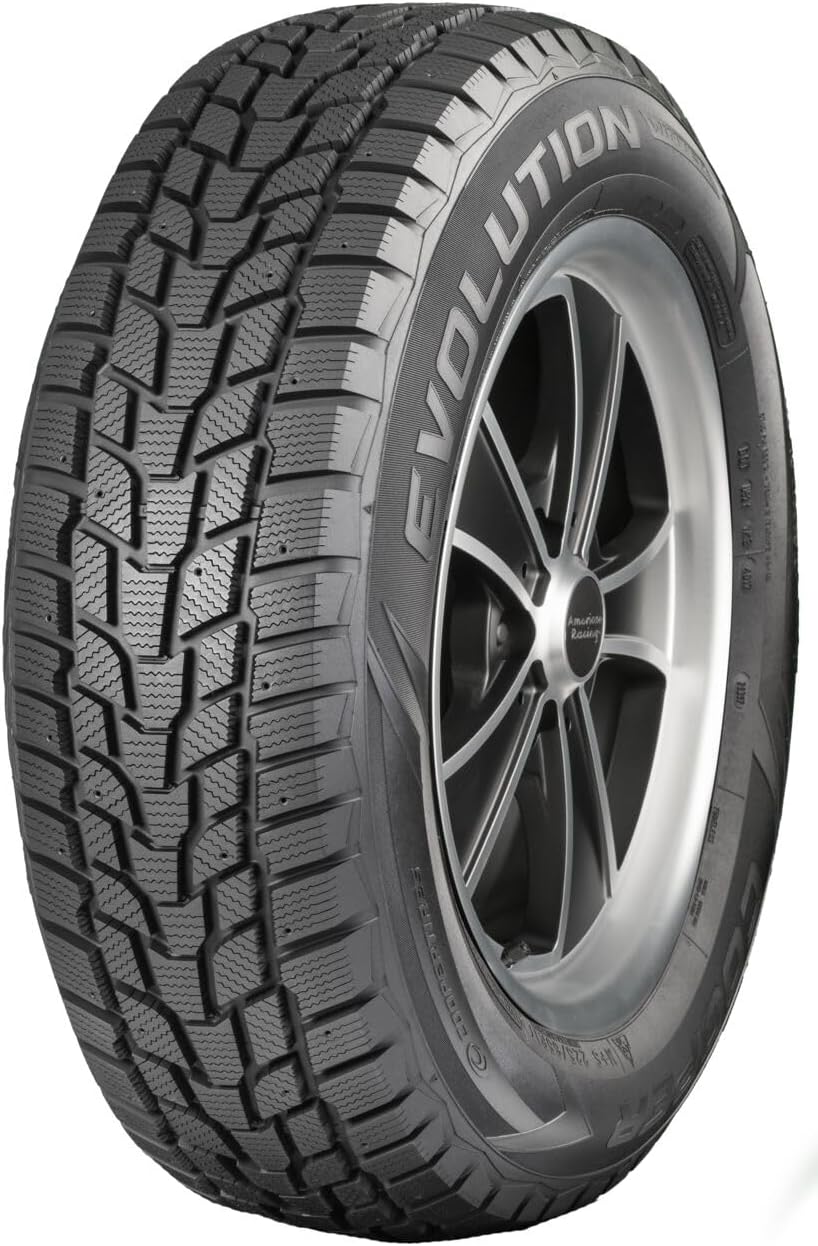
Cooper Evolution Winter 265/60R18 110T Tire
| Rim Size | 18 Inches |
|---|---|
| Load Index | 110 |
| Speed Rating | T |
| Tread Type | Directional |
| Seasons | Winter |
The Cooper Evolution Winter 265/60R18 is a dedicated winter tire built to handle deep snow, slush, and icy roads. Its directional tread, Snow Groove Technology, and multi-angled corrugated siping deliver strong snow-on-snow traction and confident braking on packed snow. The tire is studdable for drivers who need extra ice bite and carries the Three-Peak Mountain Snowflake severe weather rating, so it meets lab performance standards for heavy snow. In real-world use it provides stable acceleration and braking and a wide center rib that helps straight-line stability at highway speeds. Expect a firmer ride and more road noise than a highway all-season, and studs are an extra step if you want maximum ice performance. This is a winter-specific tire intended to be fitted for the season rather than used year-round, and it is offered in a light truck/SUV size that suits many F-150 wheel setups when 265/60R18 fitment is specified.
Best for: Drivers who prioritize predictable winter traction and prefer proven customer feedback when choosing a tire for seasonal use on their F-150, especially those who need reliable deep-snow and severe-weather capability.
Less Ideal for: Drivers seeking a quiet, year-round tire or those who rarely encounter snow and ice should choose a touring all-season or highway tire instead.
- Severe weather 3PMSF certification for proven snow performance
- Directional tread and Snow Groove Technology improve deep snow traction
- Studdable design for enhanced ice grip when needed
- Wide center rib adds stability at speed
- Designed for winter use only so tread will wear faster if used year-round
- Stud installation is required separately for full ice performance
Verdict: Choose the Cooper Evolution Winter when you need a certified, studdable winter tire that delivers confident deep-snow and severe-weather traction for seasonal F-150 use.
Choosing the Right Ford F-150 Winter Tire: Key Factors to Consider
Traction in Snow and Ice
Tire tread compound and pattern determine how well a tire grips snow and ice. Winter compounds stay softer at low temperatures, maintaining flexibility to conform to road irregularities and bite into packed snow. Deep, multi-directional tread blocks and dense siping increase edge count, which improves traction on ice and packed snow.
For the F-150, traction needs are amplified by heavier vehicle weight and common tasks such as towing or hauling. Look for tread designs that channel slush and compacted snow away from the contact patch to preserve biting edges. If you frequently encounter icy roads, consider studdable designs or tires that perform well in independent ice braking tests.
Load Capacity and Ply Rating
Pick tires with load index and ply ratings suited to the gross vehicle weight and typical payloads of your F-150. Under-rated tires can overheat, wear prematurely, or fail when carrying heavy loads or towing. Many pickups use light-truck (LT) tires with stronger sidewalls and higher ply ratings to manage weight and sidewall flex.
Confirm the tire's load index meets or exceeds your truck's placard and chosen wheel size. If you often carry cargo or tow, prioritize tires with robust load-carrying capacity to maintain handling and braking performance under load.
Tire Size Fitment
Correct tire size fitment affects speedometer accuracy, clearance, and handling. Winter tires for an F-150 must match your wheel diameter, bolt pattern, and provide proper clearance for the suspension and fenders. Some owners downsize wheel diameter to fit taller sidewall winter tires for improved ride comfort and additional tread depth.
Check the owner's manual or door placard for recommended winter sizes, and consider how tire width affects snow packing in wheel wells. Choosing a winter-specific wheel and size can simplify seasonal swaps and reduce the chance of rubbing or fitment issues.
Tread Depth and Durability
Initial tread depth affects the tire's useful life and winter performance. Deeper tread provides more void area for slush evacuation and more material for future wear. However, winter compounds wear faster than all-season rubber, so durability and compound formulation matter for cost-per-mile considerations.
For F-150 use, seek winter tires with a balance of deep initial tread and reinforced construction to resist cuts from winter debris and maintain structural integrity under load. Consider expected mileage and replace tires before tread depth drops below safe winter performance thresholds.
Studdable Vs Studless Options
Studded winter tires add metal studs for improved ice traction, while modern studless designs rely on compound and tread architecture. Studs offer superior bite on black ice but can increase road noise and accelerate pavement wear. Studless options perform very well in many icy conditions and provide quieter operation and better wear characteristics on mixed surfaces.
Decide based on local winter conditions and legal restrictions. If your area sees frequent glazed ice and stud use is permitted, studs may be worth considering. Otherwise, choose a high-performance studless winter tire engineered for ice and packed snow.
Installation and Seasonal Logistics
Think beyond the tire itself to the costs and logistics of swapping between winter and summer tires. Seasonal installation includes mounting, balancing, and proper torqueing. Storing a second set of tires or wheels requires space and care to avoid damage. Installation practices also affect wheel alignment and tire wear.
For the F-150, using a dedicated winter wheel set can speed swaps and reduce repeated mounting stress on tires. Factor in local service availability and how quickly you can get an appointment during peak season when many owners change to winter tires.
How Winter Tires Change F-150 Handling
Switching to winter tires noticeably alters steering feel, braking, and stability when temperatures drop. The softer rubber compound increases grip in cold conditions, and specialized tread designs improve bite in snow and slush. For drivers of an F-150, this translates to shorter stopping distances in snowy and icy conditions and more predictable control when hauling or towing.
Winter tires also reduce the chance of sudden oversteer or understeer in slippery turns because the contact patch maintains traction where all-season tires would harden and lose grip. Expect slightly reduced fuel economy and different steering feedback compared with summer or highway tires, but the safety tradeoff in low temperatures is typically worthwhile.
- Improved braking on snow and ice due to softer compounds and denser siping
- Better slush evacuation from directional and open shoulder designs
- Slightly firmer sidewall requirements for load-bearing pickups
When To Put On Winter Tires
Timing matters more than calendar dates. Put winter tires on when average daily temperatures regularly fall below about 45 degrees Fahrenheit, because rubber compounds in all-season tires begin to harden above this threshold. If you live where early snow or overnight freezes occur, install winter tires earlier to maintain consistent traction.
For many owners, a practical rule is to mount winter tires once cooler conditions are sustained and to keep them on until temperatures rise and wet-road winter performance is no longer necessary.
- Consider local climate patterns rather than fixed dates
- Change sooner if you regularly encounter ice, packed snow, or freezing rain
Studs and Local Regulations
Studded winter tires can deliver extra grip on polished ice, but many jurisdictions restrict their use to certain months or ban them entirely because they damage pavement. Before choosing a studdable tire, verify regional rules and weigh the marginal benefit against increased noise and pavement wear.
If studs are not practical or legal, many modern studless winter tires approach studded performance through advanced rubber compounds and aggressive siping patterns, giving a good compromise for drivers who face mixed winter surfaces.
- Check local legislation and seasonal restrictions
- Consider studless alternatives if studs are limited or undesirable
Choosing Tires for Towing and Payload
Towing or carrying payload changes the load on winter tires and affects braking and handling. For towing, ensure the tires have an appropriate load index and consider higher ply or LT-rated options designed for truck service. Maintaining correct tire pressure under load is essential to preserve contact patch shape and heat management.
Also review the tire's speed rating and sidewall stiffness to ensure stable handling when hauling weight. Properly rated winter tires will help avoid excessive flex, uneven wear, and reduced cornering stability under load.
- Confirm load index meets towing requirements
- Monitor pressure more frequently during winter towing
Storage, Rotation, and Maintenance
Seasonal tire care extends performance and life. Rotate winter tires periodically to encourage even wear, and store the off-season set in a cool, dry place away from direct sunlight. If you use a dedicated wheel set, keep them inflated to recommended pressure to avoid flat spots.
Inspect winter tires for cuts, sidewall damage, and tread wear after heavy winter use. Proper maintenance helps preserve traction and prevents unexpected failures during cold months.
- Rotate every 5,000 to 7,000 miles during winter service
- Store tires on racks or flat if mounted on wheels; keep them covered
How We Chose the Best Ford F-150 Winter Tire
We focused on attributes that directly affect real-world winter performance and safety for the Ford F-150. Our selection criteria emphasized traction on packed snow and ice, measured by tread design and siping density; wet braking performance in cold temperatures; load-carrying capacity and correct speed ratings for truck use; and resistance to wear given the heavier loads and possible highway driving common with F-150s. We also considered compatibility and fitment options for common F-150 wheel and tire combinations, plus available studdable designs for drivers who need extra ice bite.Practical considerations included DOT-rated winter compounds that remain pliable below freezing, recommended tread depths for sustained performance, and known patterns that evacuate slush and resist hydroplaning. We excluded tires not available in typical F-150 load ranges or lacking appropriate load index and ply ratings for pickup duty. Tires only intended for passenger cars or light SUVs were not considered. Final choices balance safe winter traction, expected durability, and fitment flexibility for owners who may carry loads or tow through winter conditions.
Our full evaluation process is outlined in our review methodology.
FAQ
How different are snow tires vs all season options for an F-150?
Snow-specific winter tires use softer rubber and specialized treads that retain grip at low temperatures, while all-season tires harden and lose traction in cold. For an F-150, winter tires typically provide noticeably better braking and traction in snow and ice compared with all-season tires.
Can I buy winter tires that fit my F-150's factory wheels?
Yes, many winter tire sizes match common F-150 factory wheels, but you should verify diameter, width, and load index before buying. If you plan to mount winter tires on factory wheels, confirm clearance and recommended size from the owner's placard or a trusted fitment chart.
Are studded winter tires necessary for northern winters?
Studs help on polished ice and heavily glazed surfaces, but they are not always necessary. In many cases, modern studless winter tires provide excellent ice and snow performance while offering quieter operation and better wear on mixed roads.
What affects winter tire installation cost?
Installation cost depends on mounting and balancing, valve stems, disposal fees, and whether you use a professional shop or a mobile service. Using a dedicated winter wheel set reduces repeated mounting labor, which can lower seasonal cost over time.
How deep should winter tire tread be to remain effective?
New winter tires start with deeper tread than many all-seasons. As tread depth drops, snow-evacuation and slush handling decline. A practical point to consider is replacing winter tires before tread reaches levels that noticeably reduce traction in packed snow, often at or above commonly cited replacement thresholds.
Will winter tires for SUVs fit my F-150?
While some winter tires marketed for SUVs share similar characteristics, you must ensure the specific tire's load index, ply rating, and size fit the F-150. Do not assume SUV-marketed tires are suitable without checking truck-rated specifications.
Final Verdict
Prioritize traction, load-carrying capacity, and correct fitment when selecting winter tires for your Ford F-150. That means choosing tires with winter compounds, adequate tread depth, and load ratings that match towing and payload requirements. Expect tradeoffs such as slightly higher wear rates and different steering feel, but accept those in exchange for significantly better control and braking in cold, snowy conditions.Focus on tires that meet your regular winter driving scenarios—whether that is frequent ice, deep snow, or highway winter travel—and pick a size and rating that preserves safe handling under load. With the right winter tires and proper installation, you will improve confidence and safety driving your F-150 through winter months.
Explore More:
- Check out all Ford F-150 parts & accessories
- Explore Winter Tires Maintenance & Repair Guides
- Explore Wheels & Tires
- Browse all Auto Parts
