

Note: This article contains affiliate links. If you click on these links and make a purchase, I may earn a small commission at no extra cost to you. This helps support my research and content. Read my full affiliate disclosure here.
Repair Snapshot
Use a mechanic or body shop if the leak comes from windshield bonding, hidden seam failure, sunroof cassette damage, or flood-level interior soaking. Professional help is also smart if water has reached airbags, wiring modules, or carpet-mounted electronics.
This article is part of our Body and Exterior Maintenance & Repair Guides.
Water leaks inside a car are more than an annoyance. Wet carpet, foggy windows, mildew smell, and unexplained electrical problems usually mean water is entering through a blocked drain, failed seal, loose body plug, or a bad windshield or sunroof seal.
The key is to avoid guessing. Before replacing parts, trace the leak source, fix the entry point, and dry the interior completely so mold, rust, and module damage do not keep getting worse.
This guide walks you through the most common leak points on U.S. passenger cars, SUVs, and trucks, plus practical DIY checks you can do at home with basic tools.
How to Confirm You Have an Interior Water Leak
Interior leaks do not always leave obvious puddles. Water often travels along braces, wiring harnesses, headliners, or under carpet padding before showing up somewhere else. A wet rear floor can start from a front drain problem, and a wet trunk can come from tail light seals or body seams higher up.
Common Signs
- Damp carpet or soaked padding after rain or a car wash
- Musty or mildew odor inside the cabin
- Foggy windows that return quickly after defrosting
- Water stains on the headliner, A-pillars, or trunk trim
- Standing water in the spare tire well or footwells
- Electrical glitches after heavy rain
First Checks Before You Start Repairs
Remove floor mats and press down on the carpet with a dry towel. Check under the front and rear mats, in the trunk, around the spare tire well, and under the dash near the firewall. If the headliner or pillar trim is stained, the leak may be entering from above rather than from a door opening.
Dry the Interior Before and After the Repair
Drying the car matters for two reasons: it helps you see fresh leak trails during testing, and it prevents mold and corrosion. If the carpet padding is soaked, surface drying alone is not enough because the foam underneath can hold water for days.
- Use a wet/dry vacuum to remove standing water from carpet, mats, and the trunk.
- Blot moisture with towels and pull up the carpet edges if possible to reach the padding.
- Leave doors open in a dry area or run fans to speed drying.
- Disconnect the battery before unplugging any wet electrical connectors under seats or carpet.
- If water reached control modules, seat wiring, or airbag connectors, stop and inspect carefully before reconnecting power.
Do not trap moisture back under floor mats. If the padding is heavily soaked, lifting the carpet and drying both sides is often the only way to prevent odor from returning.
Trace the Leak Before Replacing Parts
The best DIY method is a controlled water test. Do not blast the car with a pressure washer right away because that can force water past good seals and create a false diagnosis. Use a garden hose with gentle flow and test one area at a time.
Set Up a Leak Test
- Park the vehicle on level ground.
- Remove trim panels as needed to expose the suspected leak path.
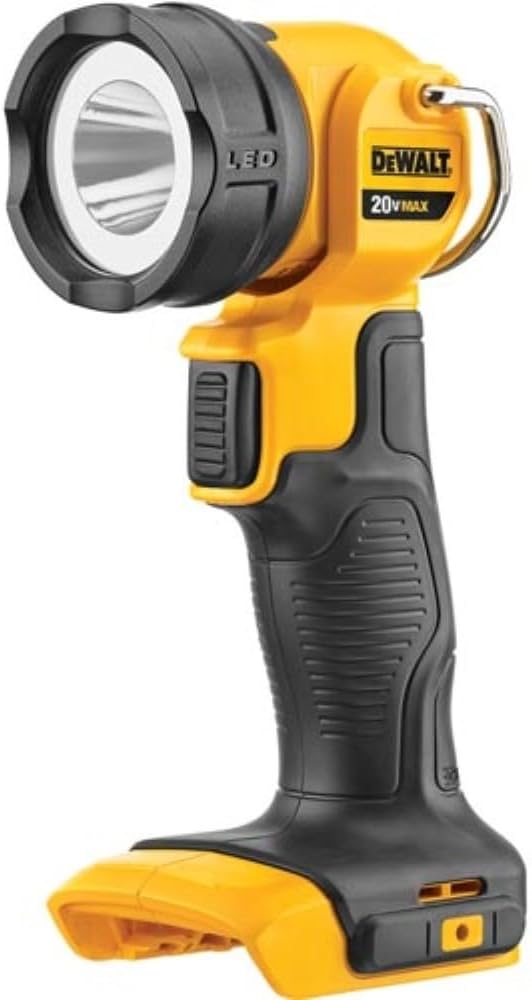
- Have a helper sit inside with a flashlight while you spray water outside.
- Start low and move upward slowly so you do not flood multiple areas at once.
- Test doors, windshield corners, sunroof drains, cowl area, roof rails, trunk opening, and tail lights separately.
If the leak is hard to spot, sprinkle talcum powder on the suspected path or place dry paper towels along seams and under trim. Fresh drip marks are easier to track that way.
Tools That Make This Job Easier


Check the Most Common Leak Sources
Sunroof Drains
A sunroof is one of the most common causes of water inside a car. Most sunroofs are designed to catch some water in a tray and send it out through drain tubes. When the drains clog, water overflows into the headliner, A-pillars, or floor.
Open the sunroof and inspect the drain holes at each corner. Pour a small amount of clean water into the tray and verify it exits under the vehicle. If it backs up, clear the drain gently with compressed air used carefully or with a flexible, non-sharp line. Do not ram wire into the drain tube, because it can puncture or disconnect the hose.
Cowl Drains and Cabin Air Intake
Leaves and debris under the windshield cowl can block drain paths and send water into the HVAC intake or passenger footwell. This is especially common when the passenger carpet is wet after rain.
Remove the cowl cover if needed, clean out leaves and dirt, and make sure water drains freely from both sides. Check the cabin air filter housing cover and seals. A loose cover or cracked housing can let water run directly into the blower area.
Door Weatherstrips and Vapor Barriers
Door seals are often blamed first, but the real issue is commonly the inner door vapor barrier. Water normally enters inside the outer door shell and drains out the bottom. If the plastic vapor barrier behind the door panel is loose, torn, or missing butyl adhesive, water can spill into the cabin instead.
Check that the door drain holes are open. If water pools inside the door, clear the drains. Remove the door panel if needed and inspect the plastic moisture barrier. Reattach it with automotive butyl tape, and replace damaged weatherstripping if it is torn, flattened, or no longer seated correctly.
Windshield or Rear Glass Seal
A poorly bonded windshield or rear glass can leak into the dash, pillars, or trunk. This often shows up after glass replacement, body repair, or rust around the pinch weld. Water stains near the A-pillars or on the headliner edges are common clues.
Because bonded glass is structural on many vehicles, this repair is usually best left to a professional glass shop. You can confirm the source with a careful hose test around the glass perimeter, but avoid smearing household sealants on the outside. That often makes later proper repairs harder.
Trunk, Hatch, and Tail Light Seals
If water collects in the trunk or spare tire well, check the trunk weatherstrip first. Then inspect tail light gaskets, hatch hinges, body seams, roof rail mounts, and any wiring grommets. On some cars, a failed tail light seal is the entire problem.
Pull back trunk trim and look for clean water tracks or rust trails. Replace crushed tail light gaskets, reseal body openings with the correct automotive product, and make sure the trunk seal is fully seated with no splits.
Floor Plugs, Firewall Grommets, and Body Seams
Water can also enter from below if body plugs are missing, seam sealer has cracked, or a wiring grommet in the firewall is loose. This is more likely after underbody damage, collision repair, stereo wiring, or aftermarket accessory installation.
Inspect the floor pan from below for missing plugs. Under the dash, check that wiring and heater hose grommets are seated tightly. Reseal only with automotive seam sealer or the proper grommet replacement, not random foam or bathroom caulk.
Air Conditioner Evaporator Drain
If the leak happens mainly with the A/C running rather than after rain, the problem may be a clogged evaporator drain. Condensation should drip outside under the vehicle. If it cannot drain, it may soak the front passenger floor.
Locate the evaporator drain tube on the firewall and clear it carefully. If you are unsure of the exact location, use a repair manual or service information for your vehicle, since poking the wrong part can damage the HVAC case.
How to Repair the Leak Based on What You Find
Blocked Drain Repair
For sunroof, cowl, and A/C drains, the fix is usually cleaning rather than part replacement. Remove debris, flush with clean water, and confirm the water exits where it should. If a drain tube is disconnected, reattach it and secure it properly.
Weatherstrip Replacement or Reattachment
If a door, trunk, or hatch seal is torn, hardened, or missing sections, replace it. Lightly clean the sealing surface first. If the seal is only loose in one area, weatherstrip adhesive may be enough. Follow cure times before exposing it to water.
Door Vapor Barrier Reseal
Remove the interior door panel carefully, keeping clips and screws organized. Peel back the plastic barrier without tearing it. Clean old adhesive from the door surface, apply fresh butyl tape around the full perimeter, and press the barrier back into place so there are no gaps near wiring openings or the speaker area.
Body Seam or Grommet Repair
If a seam has opened or cracked, clean the area thoroughly and apply automotive seam sealer according to product directions. Replace damaged body plugs or grommets instead of trying to fill the hole with generic silicone. Use RTV only where it is appropriate for that specific application.
Glass Leak Repair
If the windshield or rear glass bond has failed, schedule a professional repair. Structural glass installation requires proper urethane, surface prep, and safe cure time. A shortcut repair here can affect both leak prevention and crash safety.
Recommended Tools for This Job


Retest the Repair the Right Way
After the fix, repeat the water test before reinstalling all trim. A lot of DIY time gets wasted when panels go back on too early and the leak still exists.
- Dry the area fully so fresh water is easy to spot.
- Run water over only the repaired area for several minutes.
- Check inside for drips, dampness, or water tracks.
- If dry, move to the next suspected area until the whole leak path is ruled out.
- Reinstall trim only after a successful test.
If multiple leaks exist, fix the highest entry point first. Water always follows gravity and structure, so an upper leak can make a lower seal look bad even when it is not.
Prevent Mold, Rust, and Electrical Damage
Fixing the entry point is only part of the job. Interior moisture can damage seat brackets, floor pan paint, wire splices, connectors, amplifiers, airbag modules, and body control modules hidden under carpet or seats.
- Inspect under-seat wiring and connectors for corrosion or green residue.
- Treat any light surface rust with a rust inhibitor after the area is dry.
- Replace a wet cabin air filter if cowl or HVAC water entered the system.
- Use fans or a dehumidifier to dry the interior padding completely.
- Leave moisture absorbers in the car for a few days after the repair.
If you smell mildew even after drying, the carpet padding may still be wet or contaminated. In severe cases, the carpet or pad may need to come out for cleaning or replacement.
Mistakes to Avoid
- Do not assume the wet spot is the leak source; water often travels far from the entry point.
- Do not use a pressure washer for diagnosis because it can force water past good seals.
- Do not jam metal wire into sunroof or A/C drains and puncture the tubing.
- Do not smear household caulk around glass, seams, or weatherstrips.
- Do not ignore soaked carpet padding, because odor and corrosion will keep coming back.
- Do not reconnect power to wet electronic modules until they are dry and inspected.
When This Repair Is Better Left to a Pro
DIY diagnosis works well for clogged drains, damaged weatherstrips, tail light seals, and some door vapor barrier leaks. But some leak repairs are much easier and safer with professional tools and experience.
- Windshield or rear glass bond failure
- Sunroof cassette frame cracks or detached drain tubes hidden in pillars
- Major seam leaks after collision repair
- Extensive rust around roof channels, windshield frame, or floor pan
- Water-damaged airbag modules, seat modules, or body control electronics
If the vehicle has repeated leaks after several DIY attempts, a body shop can use smoke testing, dye tracing, and trim removal techniques that make the source easier to pinpoint.
Key Takeaways
- Start with a controlled hose test and identify the exact entry point before replacing seals or trim parts.
- Check common causes first: sunroof drains, cowl drains, door vapor barriers, trunk seals, tail light gaskets, and A/C evaporator drains.
- Use the correct automotive repair materials like butyl tape, seam sealer, and replacement grommets instead of household caulk.
- Dry carpet padding and inspect under-seat wiring immediately to prevent mold, rust, and electrical failures.
- Leave windshield bonding, major seam repairs, and water-damaged electronics to a qualified professional.
FAQ
Why Is My Car Floor Wet when It Rains but the Windows Stay Closed?
The most common causes are clogged sunroof drains, blocked cowl drains, a failed door vapor barrier, damaged weatherstripping, or a trunk or tail light seal leak. Rainwater can travel behind trim and show up far from where it enters.
Can a Clogged A/C Drain Make It Seem Like the Car Has a Rain Leak?
Yes. If the evaporator drain is blocked, condensation can overflow into the passenger footwell. If the wet carpet appears after running the A/C, especially in dry weather, check the evaporator drain before chasing roof or door leaks.
Is It Okay to Use Silicone Around the Windshield to Stop a Leak?
Usually no. Windshields are bonded with specific automotive urethane products, and exterior silicone is often a temporary patch that can interfere with proper later repair. If the glass bond is leaking, a professional glass shop is the best fix.
How Do I Know if the Door Seal Is Bad or the Door Vapor Barrier Is Leaking?
If water appears after rain and the inside bottom of the door panel or sill area gets wet, the vapor barrier is a strong suspect. If the seal is visibly torn, flattened, or missing sections, the weatherstrip may also be leaking. A hose test while the door panel is removed can help separate the two.
How Long Does It Take to Dry Soaked Carpet in a Car?
Light moisture may dry in a day with fans and warm, dry air. Fully soaked carpet padding can take several days unless you lift the carpet and dry both sides. If water remains trapped, mold and odor can develop quickly.
What if Water Is Collecting in the Trunk or Spare Tire Well?
Check the trunk or hatch weatherstrip, tail light gaskets, body seams, hinge areas, roof rail mounts, and wiring grommets. Trunk leaks often leave clear water tracks behind side trim panels or around the spare tire well.
Can Interior Water Leaks Damage Electronics?
Yes. Many modern vehicles have connectors, amplifiers, airbag modules, and control modules under seats or carpet. Continued moisture can corrode terminals and cause intermittent warning lights or no-start and communication problems.
Need Parts for This Repair?
The right parts and supplies vary by vehicle.
Select your make and model to find compatible parts and accessories for your car.
Exact Fit
Parts that fit your make and model
Quality You Can Trust
Top brands and OEM quality options
Fast Shipping
Get the parts you need, delivered fast