

Note: This article contains affiliate links. If you click on these links and make a purchase, I may earn a small commission at no extra cost to you. This helps support my research and content. Read my full affiliate disclosure here.
What You’ll Need
A quick look at the tools and supplies commonly used for this job.
Tools
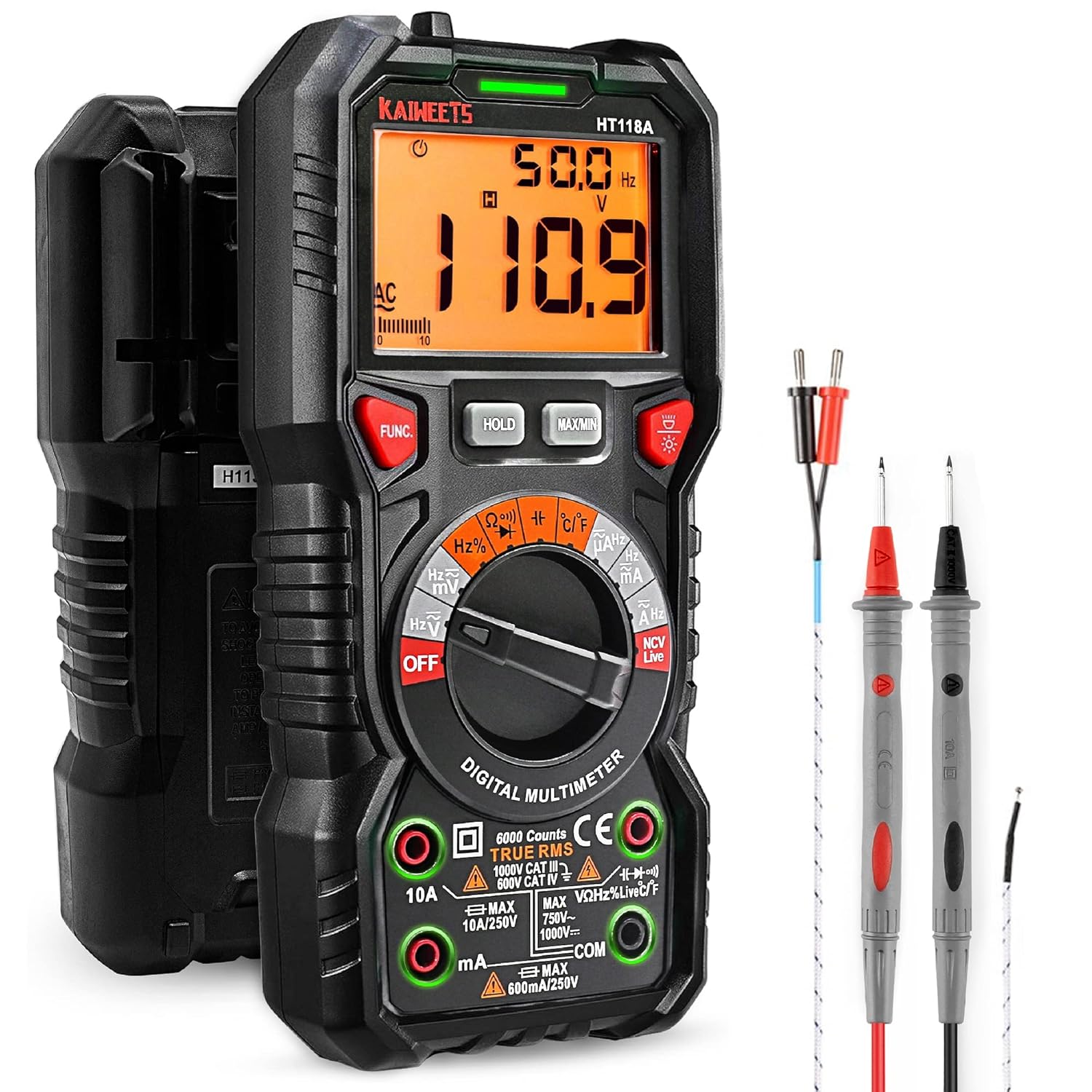
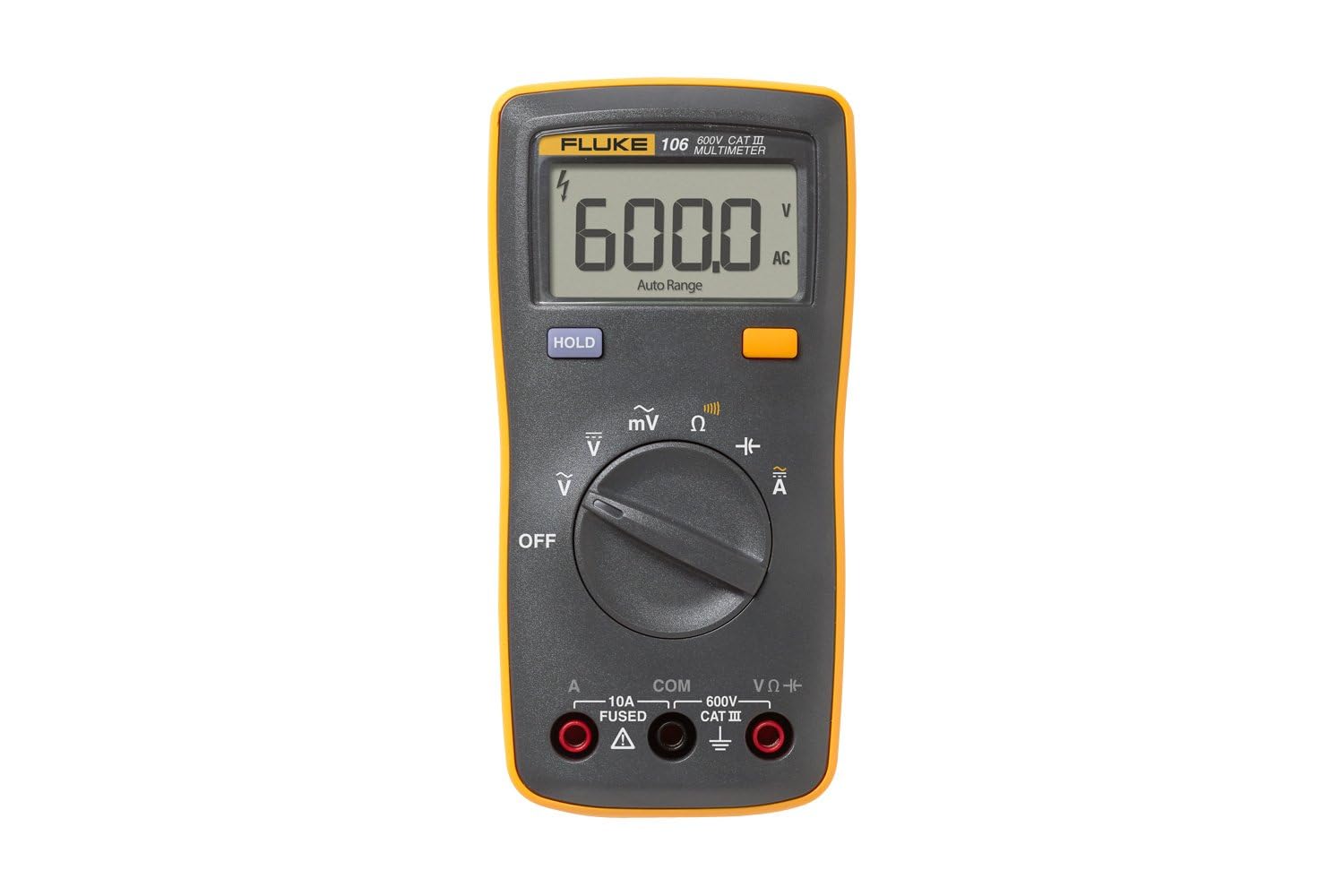
- Digital multimeter
- 12-volt test light
- Small pick or terminal probe set
- Safety glasses
- Fused jumper wire
- Relay puller or needle-nose pliers
- Vehicle wiring diagram or fuse/relay box legend
Parts & Supplies
- Replacement relay with matching part number or pin layout
- Electrical contact cleaner
- Dielectric grease
- Mini fuse assortment
This article is part of our Electrical System Maintenance & Repair Guides.
A bad relay can cause a surprising range of electrical problems, from a no-crank condition to a radiator fan that never turns on or headlights that work only sometimes. Because relays act like electrically controlled switches, they often fail in ways that look like a bad fuse, dead battery, failed switch, or wiring issue.
The key to diagnosing relays correctly is to test the circuit in order: confirm the symptom, identify the relay terminals, verify power and ground, check whether the control side is being commanded on, and then confirm the relay actually passes power to the load. That process helps you avoid replacing a good relay when the real problem is a fuse, corroded socket, bad switch, control module issue, or damaged wire.
This guide walks through practical relay checks a DIY car owner can do with a multimeter, a test light, and a wiring diagram. The examples apply to common 4-pin and 5-pin automotive relays used for fuel pumps, cooling fans, horns, HVAC blowers, lights, and starter circuits.
What a Relay Does and How It Fails
An automotive relay uses a small control circuit to switch a higher-current load circuit on or off. In most common relays, two terminals power an internal coil, and two other terminals handle the switched output. When the coil receives power and ground, it creates a magnetic field that closes or opens the internal contacts.
Typical terminal markings are 85 and 86 for the coil, 30 for battery feed, and 87 for output to the component. A 5-pin relay may also have terminal 87a, which is connected to 30 when the relay is at rest. Not every relay uses visible terminal numbers on the top, so compare the relay body, fuse box legend, and wiring diagram before testing.
Common Relay Failure Modes
- Burned or pitted internal contacts that no longer pass enough current to the load.
- An open or shorted coil that prevents the relay from clicking on.
- Heat damage that causes intermittent operation when the relay warms up.
- Corrosion or looseness at the relay socket terminals.
- A good relay in a bad circuit, where the real fault is lost power, lost ground, or no control signal.
That last point matters most. Many relays get replaced because they are easy to swap, but the circuit never works because the coil is not being commanded on or because the power feed to terminal 30 is missing.
Symptoms That Point to a Bad Relay
Relay problems usually show up as an electrical device that works intermittently, works only when tapped, or does not work at all even though the fuse looks good. The symptom depends on what the relay controls.
- Engine cranks but will not start because the fuel pump relay is not powering the pump.
- Starter will not engage because the starter relay is not switching battery voltage to the solenoid circuit.
- Cooling fans never turn on or stay on continuously because the fan relay contacts are stuck.
- Horn, headlights, fog lights, rear defroster, or blower motor work only sometimes.
- You hear a click from the relay box, but the component still does not operate, suggesting poor internal contacts or a load-side issue.
A single click does not automatically mean the relay is good. The coil may be energizing, but the load contacts may be burned or there may be no battery feed on the input side. Likewise, no click does not automatically mean the relay is bad; the coil may simply not be receiving a control signal.
Safety and Setup Before Testing
Before pulling relays or probing terminals, confirm what the circuit controls and when it is supposed to turn on. Some relays are active only with the key in RUN, while others are triggered by the engine computer under specific temperature, pressure, or timing conditions.
- Park on a level surface and set the parking brake.
- Wear safety glasses when working around the battery or fuse box.
- Use a fused jumper wire if you bypass any part of the circuit.
- Avoid forcing oversized probes into relay sockets, which can spread terminals and create a new intermittent fault.
- If you are testing a cooling fan or fuel system circuit, keep hands and clothing clear of moving parts and fuel vapors.
A wiring diagram is strongly recommended. It tells you which terminal should have constant battery power, which side is switched by the ignition or body control module, and which output feeds the component.
How to Identify the Relay Terminals
Start by removing the suspect relay and checking the terminal numbering. Many relays have a small diagram printed on the side. Match that diagram to the socket so you know which cavity is coil power, coil ground, battery feed, and output.
Typical 4-Pin Relay Layout
- Terminal 85: coil side, usually ground or control from a module or switch.
- Terminal 86: coil side, usually ignition or battery feed.
- Terminal 30: power feed into the relay from battery or fuse.
- Terminal 87: switched output to the load when the relay is energized.
On a 5-pin relay, terminal 87a is the normally closed contact. That means it is connected to terminal 30 when the relay is off. If you do not account for 87a, it is easy to misread continuity results and assume the relay is defective when it is actually working as designed.
Tools That Make This Job Easier


Step-by-step Tests for a Suspected Bad Relay
Confirm the Symptom First
Operate the affected system and verify exactly what is happening. For example, if the horn does not work, make sure the horn itself, fuse, and battery condition are not obviously at fault. If the cooling fan does not run, confirm the engine is actually hot enough for the fan command.
Check for an Obvious Swap Test
If the fuse box contains another relay with the same part number and identical pin layout controlling a non-critical system, you can temporarily swap them. If the problem moves with the relay, the relay is very likely bad. If nothing changes, continue testing instead of guessing.
Test for Battery Power at Terminal 30
With the relay removed, connect the black meter lead to a known good ground and probe the socket cavity for terminal 30. You should see battery voltage, usually around 12 volts with the engine off and somewhat higher with the engine running. If there is no power here, the relay cannot feed the component even if the relay itself is good.
If terminal 30 is dead, check the related fuse, fusible link, or upstream power distribution wiring. This is one of the most common reasons a relay-controlled system appears dead.
Check the Coil Side for Command Voltage and Ground
Next, identify terminals 85 and 86. One side of the coil usually receives power, and the other side receives ground, though some systems reverse how the control is applied. Turn the key or command the system on as needed and check both coil terminals.
- If one coil terminal has voltage and the other has a good ground when the system is commanded on, the relay should energize.
- If neither terminal changes when the system is commanded on, the problem may be a switch, module, sensor input, fuse, or broken wire.
- If both terminals show battery voltage, the ground side may be missing.
- If both terminals show ground or near-zero voltage, the power feed side may be missing.
Listen and Feel for Relay Activation
Reinstall the relay and have a helper command the circuit on while you touch the relay. A healthy relay often produces a distinct click. If proper coil power and ground are present but there is no click, the relay coil may be open or the relay may be mechanically stuck.
Be careful here: a click only proves the coil is moving the armature. It does not prove the load contacts are passing current well enough to run the component.
Check Output Voltage at Terminal 87
With the relay installed and the circuit commanded on, back-probe the output side or test at the downstream component. Terminal 87 should show battery voltage when the relay is energized. If you have power at terminal 30 and the coil is being commanded on, but terminal 87 stays dead, the relay is bad.
If terminal 87 has proper voltage but the component still does not work, the issue is likely beyond the relay: wiring to the load, the load itself, or the load ground.
Bench Testing a Relay with a Multimeter
A bench test can confirm whether the relay coil and contacts function off the vehicle. Remove the relay, identify the pins, and measure resistance across the coil terminals, usually 85 and 86.
Many 12-volt relays show moderate resistance across the coil rather than an open circuit or near-zero short. Exact values vary, so the most useful result is comparison: an open reading suggests a burned coil, while extremely low resistance can suggest an internal short.
Basic Bench Test Procedure
- Measure resistance between the coil terminals and note whether the coil appears open or shorted.
- Check continuity between terminal 30 and terminal 87 with the relay unpowered; on a standard 4-pin normally open relay, there should be no continuity.
- Apply 12 volts and ground to the coil terminals using a fused jumper setup.
- Listen for a click as the relay energizes.
- Recheck continuity between terminals 30 and 87; continuity should now be present on a normally open relay.
If the relay clicks but continuity remains poor or inconsistent across 30 and 87, the internal contacts are likely burned. If the relay never clicks and the coil has no measurable continuity, the coil has probably failed.
Recommended Tools for This Job


How to Tell Whether the Relay or the Circuit Is the Real Problem
The biggest diagnostic mistake is stopping at the relay. To separate relay failure from circuit failure, think of the relay as two systems: the control side and the load side. Both must work.
Signs the Relay Itself Is Bad
- Power and ground reach the coil at the correct time, but the relay does not click.
- The relay clicks, but terminal 30 does not connect properly to terminal 87.
- Swapping in a known-good matching relay fixes the problem.
- Bench testing shows an open coil or failed contact operation.
Signs the Circuit Around the Relay Is Bad
- Terminal 30 has no battery voltage.
- The coil is never commanded on because a switch, sensor, fuse, module, or ignition feed is missing.
- The relay output has voltage, but the component still does not work.
- The socket terminals are loose, overheated, corroded, or spread apart.
If the relay socket shows signs of melting or darkened terminals, replace or repair the socket as needed. A new relay installed in a damaged connector often fails again or works only intermittently because high resistance remains in the circuit.
Using a Jumper Wire Carefully
A fused jumper wire can help confirm whether the load side works. By bridging the correct socket terminals, usually 30 to 87 on a normally open circuit, you send power directly to the component and bypass the relay contacts.
If the component runs when 30 and 87 are jumped, the load side and downstream wiring are likely okay. That points back toward the relay, the relay control circuit, or socket connection problems. If the component still does not run, the problem is downstream of the relay.
Use this method only if you are certain of the terminal layout. Jumping the wrong terminals can blow a fuse, damage a control module, or short the circuit. Always use a fused jumper and never hold the bypass longer than needed for testing.
Intermittent Relay Problems and Heat-related Failures
Some bad relays fail only when hot, under vibration, or under full electrical load. In these cases, a basic continuity test may pass even though the relay cannot carry enough current in real use.
- The vehicle starts normally cold but not after a drive.
- The cooling fan relay clicks, but the fan does not start until the relay is tapped.
- Headlights flicker or brighten and dim when the relay warms up.
- The relay or relay box becomes unusually hot during operation.
For intermittent faults, voltage-drop testing on the load side can be more revealing than simple continuity. If battery voltage enters terminal 30 but much less voltage leaves terminal 87 under load, the relay contacts may have high resistance. A relay with excessive contact resistance can pass a bench test yet still fail in the vehicle.
What to Do After You Confirm a Bad Relay
Replace the relay with one that matches the original part number, terminal layout, amperage rating, and internal configuration. A relay that physically fits is not always electrically identical, especially with 5-pin designs that may use different normally open or normally closed layouts.
Before installing the new relay, inspect the socket closely. Clean light corrosion with electrical contact cleaner, and make sure the terminals grip the relay pins firmly. If the socket is melted, discolored, or loose, repair that issue before relying on the new relay.
After replacement, retest the system several times under the same conditions that originally caused the problem. If the new relay fails quickly, suspect excessive current draw from the component, a poor connection causing heat, or an upstream charging-system issue.
When DIY Testing Is Enough and when to Get Professional Help
DIY relay diagnosis is usually straightforward when the relay is accessible and the circuit is simple, such as a horn, fan, or light relay. It becomes more advanced when the relay is controlled by a body control module, powertrain control module, theft deterrent system, or smart fuse box.
Consider professional help if the circuit requires scan-tool commands, if the relay control side is module-driven and missing, or if you find heat damage in the fuse box. These conditions can involve software commands, network communication, or connector repairs that go beyond basic multimeter work.
Key Takeaways
- Always test terminal 30 for battery power before blaming the relay itself.
- A relay click only proves the coil moved; it does not prove the contacts can carry load current.
- If the relay has proper coil command and no output at terminal 87, the relay is likely bad.
- A fused jumper from 30 to 87 can quickly separate relay-control issues from downstream load problems.
- Inspect the relay socket for heat damage or loose terminals before installing a replacement relay.
FAQ
Can a Relay Click and Still Be Bad?
Yes. A relay can click because the coil is energizing, but the internal contacts may be burned or have high resistance, so the load still does not receive full battery voltage.
How Do I Know if It Is the Relay or a Fuse?
Check the fuse first with a meter or test light, not just by looking at it. If the fuse has power on both sides and terminal 30 at the relay socket still lacks voltage, there may be another upstream power issue. If the fuse is good and the relay has proper power and command but no switched output, the relay is more likely at fault.
Can I Swap Relays to Test One?
Yes, but only if the donor relay has the exact same part number or identical pin layout and internal function. Do not swap a different style relay just because it fits the socket.
What Should the Resistance of a Good Relay Coil Be?
It varies by relay design, so there is no single correct number for every vehicle. In practice, you are usually looking for a coil that is not open and not shorted, plus normal click and continuity behavior when power is applied.
Is It Safe to Jump Relay Terminals?
It can be safe for testing if you know the terminal layout and use a fused jumper wire. Jumping the wrong terminals can damage wiring, modules, or the fuse box, so do not guess.
Why Does a Relay Fail Repeatedly?
Repeated relay failure can be caused by excessive current draw from the component, poor terminal contact creating heat, water intrusion or corrosion in the socket, or incorrect relay replacement.
Can a Bad Relay Cause a No-start Condition?
Yes. A failed fuel pump relay, starter relay, ignition relay, or main power relay can prevent the engine from cranking or from starting and running.
Need Parts for This Repair?
The right parts and supplies vary by vehicle.
Select your make and model to find compatible parts and accessories for your car.
Exact Fit
Parts that fit your make and model
Quality You Can Trust
Top brands and OEM quality options
Fast Shipping
Get the parts you need, delivered fast