

Note: This article contains affiliate links. If you click on these links and make a purchase, I may earn a small commission at no extra cost to you. This helps support my research and content. Read my full affiliate disclaimer here.
When your BMW X1 struggles to crank or shows intermittent starting behavior, replacing the starter motor can restore dependable engine starts and reduce roadside failures. Choosing the right BMW X1 starter motor matters because fitment, electrical performance, and mounting alignment directly affect reliability and ease of installation. This guide presents the top shortlisted starter motors for BMW X1, selected for their compatibility and consistent electrical specs. It also explains the criteria we used to evaluate each option and what to check before you buy or install one.
Looking for other parts? See all BMW X1 parts & accessories.
Top Picks at a Glance
| Best Reviewed A top-rated pick with lots of positive feedback | E ZEXPREZE 17922 Starter Motor for BMW 2.0–3.0L L6 Engines |  |
| Best Quality Built to a higher standard if you want something more solid | PHILTOP Starter Motor Replacement 19308N (1.7 kW, 12V, 11-Tooth) | 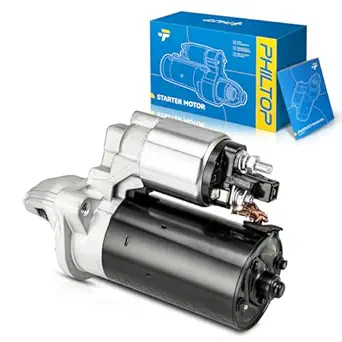 |
| Best Budget The cheapest option that still gets the job done reliably | A-Premium Starter Motor for BMW 3.0L L6 (12V, 1.2 kW, 9 Teeth, Clockwise) |  |
| Most Sold A high-volume bestseller chosen again and again | A-Premium Starter Motor for BMW X1 and select Mini Cooper models, 12V 1.7KW, 15-tooth CW |  |
| Best Value for Money The sweet spot between price and what you get | KAC 30304N Starter Motor (12V, 1.2 kW) |  |
| Best Overall The best all-around choice for most situations | Boatrip 17922 Starter Motor Replacement for BMW 3.0/2.5/2.0 L6 Engines |  |
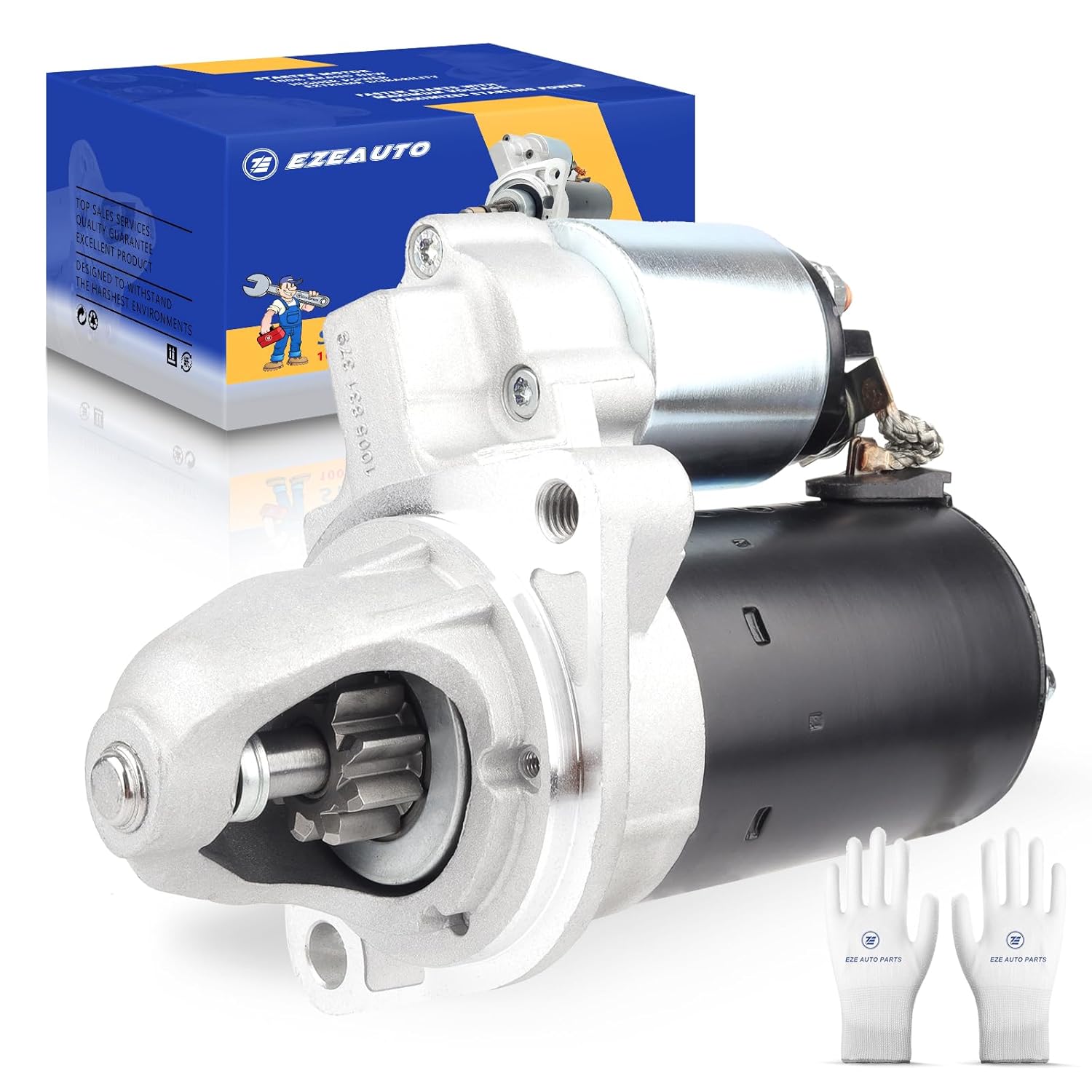
1. E ZEXPREZE 17922 Starter Motor for BMW 2.0–3.0L L6 Engines
| Voltage | 12 Volts |
|---|---|
| Wattage | 1.1 KW |
| Rotation | CW (Clockwise) |
| Number of Teeth | 9 |
This E ZEXPREZE 17922 starter is an aftermarket direct-replacement intended for BMW six-cylinder engines and is commonly used to restore reliable starting when a factory unit fails. It installs like a factory replacement and is rated 12 volts at 1.1 kW with a clockwise rotation and nine teeth, so it matches the common specifications for affected BMW models. In real-world use the unit spins the engine briskly and several buyers report straightforward bolt-up fitment and quiet operation. The manufacturer says each starter passes DV testing and comes with one year of support and a warranty, which helps reduce risk for long-term reliability-focused owners. Limitations to consider are that this is an aftermarket part rather than a factory brand and specific fitment depends on transmission type and exact reference numbers, so confirm compatibility for your X1 before purchase. For owners who need a cost-effective, tested replacement that performs like a factory-quality starter, this model is a practical choice.
Best for: Reliability-focused BMW owners who prioritize a tested, ready-to-install replacement to get an X1 back on the road quickly with minimal downtime.
Less Ideal for: Buyers who insist on factory-branded parts or extended OEM warranty coverage should consider a factory replacement instead.
- Built to match common BMW starter specs (12V, 1.1 kW, clockwise rotation) for direct replacement fitment.
- Reported easy installation and quiet, fast cranking behavior by multiple buyers.
- Each unit is DV tested and backed by one year of warranty and online engineering support.
- Fits a wide range of BMW six-cylinder models making it versatile for fleet or spare-part planning.
- Aftermarket part rather than BMW-branded factory unit which may concern purists.
- Fitment can vary by transmission and reference number so incorrect selection will prevent proper engagement.
- Manufacturer warranty is one year which may be shorter than some extended factory coverages.
Verdict A cost-effective, DV-tested aftermarket starter that delivers factory-style cranking for BMW L6 engines, but verify exact fitment for your X1 before buying.
2. PHILTOP Starter Motor Replacement 19308N (1.7 kW, 12V, 11-Tooth)

| Voltage | 12 Volts (DC) |
|---|---|
| Wattage | 1.7 KW |
| Rotation Direction | CW |
| Tooth Pinion | 11 |
| Material Type | Pure Copper Windings, Laminated Steel Core, Aluminum Housing |
This PHILTOP starter is a replacement unit intended for multiple BMW 2.0L models and uses a Bosch-style permanent magnet gear reduction design rated at 1.7 kW and 12 volts. It is typically used to restore reliable cranking when an original starter fails and installs as a plug-and-play replacement on compatible cars without modifications. Notable features include pure copper windings, a laminated steel core, aluminum housing and an 11-tooth pinion designed to match Bosch PMGR geometry. The listing claims endurance and corrosion testing plus wide temperature tolerance, which suggests the unit aims for high durability and quiet, efficient starts. Real-world benefits are straightforward: strong initial torque for cold starts, lower electrical draw than older designs, and materials that resist corrosion and heat. Limitations are fitment sensitivity and occasional mounting-hole alignment issues reported by some buyers, so verifying exact part numbers and vehicle compatibility before purchase is important.
Best for: Performance-oriented owners who prioritize reliable, strong cold-start torque and durable construction for BMW 2.0L models and want a high-quality aftermarket replacement.
Less Ideal for: Buyers who require OEM-branded parts or have vehicles outside the specified BMW 2.0L fitment should look for an exact factory replacement or model-specific option.
- Bosch-style PMGR gear reduction provides strong cranking torque with lower current draw.
- Constructed with copper windings and a laminated steel core for improved durability and heat handling.
- Designed for plug-and-play installation on compatible BMW 2.0L models without modifications.
- Manufacturing tests listed for endurance, corrosion resistance, temperature extremes and vibration imply higher reliability.
- Fitment can be sensitive and some users report misaligned mounting holes requiring verification before installation.
- Not a brand-name Bosch unit which may concern buyers seeking original-manufacturer parts.
Verdict A robust Bosch-style 1.7 kW starter aimed at performance-minded BMW owners seeking a durable, high-torque aftermarket replacement.
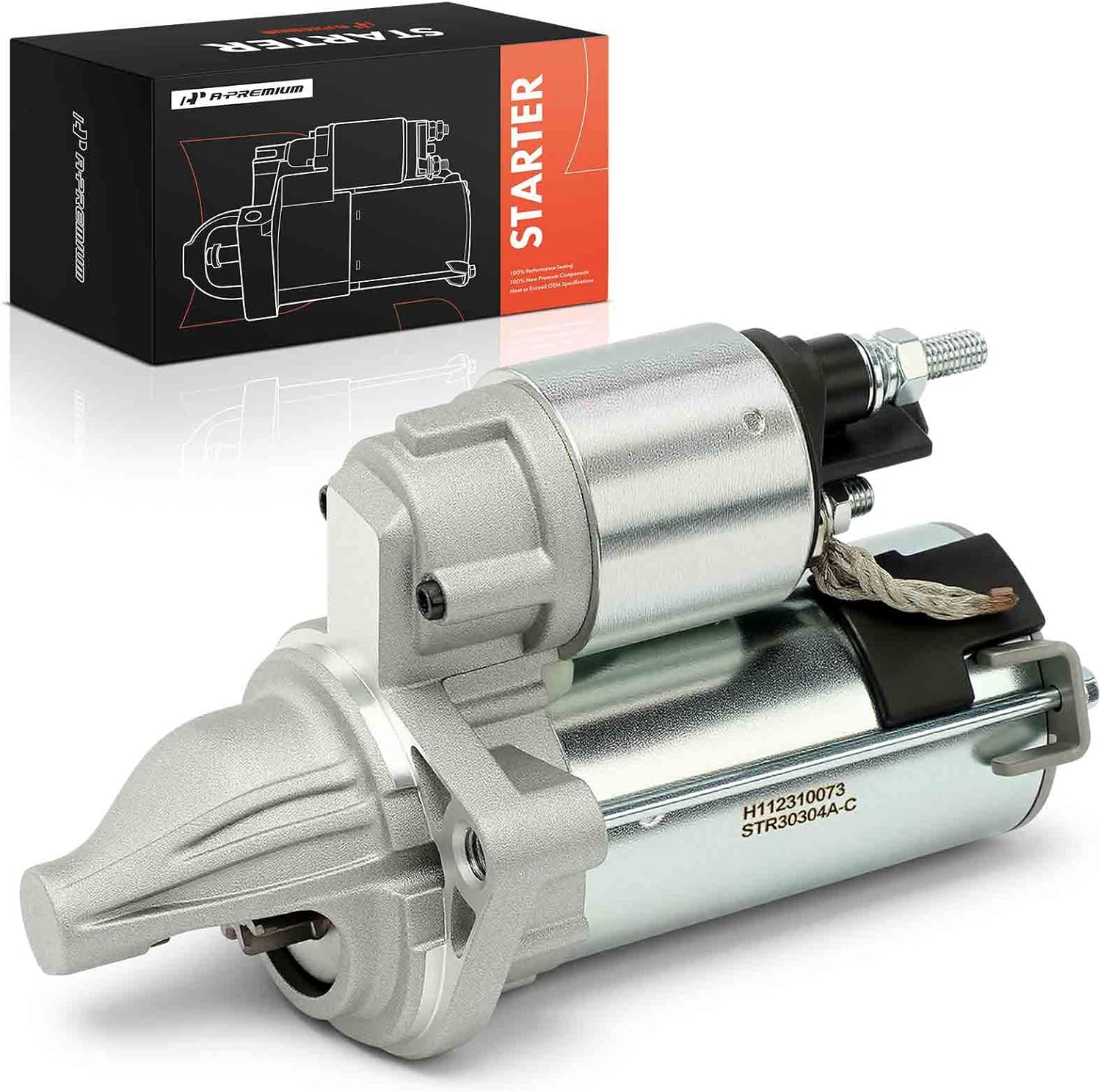
3. A-Premium Starter Motor for BMW 3.0L L6 (12V, 1.2 kW, 9 Teeth, Clockwise)
| Voltage | 12 Volts |
|---|---|
| Wattage | 1.2 KW |
| Number of Teeth | 9 |
| Rotation | Clockwise |
This A-Premium starter motor is an aftermarket replacement built to match factory-style function for BMW 3.0L inline-six engines. It is used as a direct replacement when the original starter fails and installs in the same location to crank the engine. Key features shown are 12 volts, 1.2 kW output, a 9-tooth pinion and clockwise rotation, which are the critical specs for fit and engagement with the flywheel. For a budget-focused buyer the unit delivers straightforward value: it restores starting performance without the premium price of name-brand factory units and arrives in a boxed package ready to install. Practical benefits include compatibility with many BMW models using the same reference numbers and a one-year unlimited-mileage guarantee from the seller for basic peace of mind. Important limitations are that this is an aftermarket part, so finish and long-term durability can vary compared with factory-quality replacements, and buyers must confirm exact reference numbers and orientation before ordering to ensure correct fit.
Best for: Budget-conscious BMW X1 buyers who prioritize a low-cost, direct replacement to get a stalled or failing starter running again with minimal downtime.
Less Ideal for: Drivers seeking factory-quality longevity or warranty-backed dealer replacements should consider factory-quality alternatives or remanufactured units with extended warranties.
- Matches critical fitment specs for many BMW 3.0L L6 applications including 12V, 1.2 kW output and 9-tooth clockwise pinion
- Boxed, ready-to-install replacement that restores starter function without expensive OEM pricing
- Covers a wide range of BMW models that share the same reference numbers, simplifying cross-compatibility
- Backed by a one-year unlimited-mileage guarantee from the seller for basic protection
- Aftermarket construction may not match long-term durability of factory-quality starters
- Requires careful verification of reference numbers and rotation before purchase to avoid misfit
Verdict A cost-effective aftermarket starter that restores starting function for compatible BMW 3.0L L6 models, best for budget-focused owners who will verify fitment before buying.
4. A-Premium Starter Motor for BMW X1 and select Mini Cooper models, 12V 1.7KW, 15-tooth CW

| Voltage | 12 Volts |
|---|---|
| Wattage | 1.7 KW |
| Number of Teeth | 15 |
| Rotation | CW (Clockwise) |
This A-Premium starter motor is a direct replacement designed to restore reliable starts on compatible BMW X1 2020–2023 2.0L engines. It installs like a factory-style unit and is intended for use when an original starter fails or shows intermittent engagement. Key details are a 1.7 kW power rating, 12V electrical design, 15-tooth pinion and clockwise rotation, which matter for mechanical fit and starter engagement with the flywheel. In practice this means the unit should deliver similar cranking force to the factory component and fit the same mounting points and electrical connections on the X1 when matched to the listed reference numbers. The product is sold singly and comes with a one-year unlimited-mileage guarantee from the brand. Limitations to note are that compatibility is specific to the listed model years and engine sizes, and fit must be confirmed against your vehicle reference numbers because no universal fitment is provided; professional installation is recommended to avoid electrical or mechanical issues.
Best for: Risk-averse mainstream buyers who prioritize restoring factory-like starting reliability on a 2020–2023 BMW X1 and prefer a clearly specified, drop-in replacement with a seller guarantee.
Less Ideal for: Buyers seeking a universal starter for multiple vehicle makes or those who want an upgraded high-performance starter should consider other options.
- Direct-fit replacement for BMW X1 2020–2023 when matched to the listed reference numbers
- Factory-style electrical rating (12V, 1.7 kW) intended to provide comparable cranking performance
- 15-tooth pinion and clockwise rotation matched to specific flywheel engagement
- Comes with a one-year unlimited-mileage guarantee from the brand
- Compatibility limited to specific model years and engine types so part numbers must be verified before purchase
- No multi-vehicle fitment beyond the listed BMW X1 and Mini entries is provided in the listing
Verdict A practical, factory-style replacement starter for 2020–2023 BMW X1 owners who need a direct-fit swap and value a seller-backed guarantee.
5. KAC 30304N Starter Motor (12V, 1.2 kW)

| Voltage | 12 Volts (DC) |
|---|---|
| Wattage | 1.2 KW |
| Pinion teeth | 9-Tooth |
| Rotation | Clockwise (CW) |
This KAC 30304N starter is a gear-reduction, permanent-magnet starter sold as a direct-replacement for certain BMW 3.0L applications, including the X1 3.0L. It delivers a 1.2 kW, 12V output and a 9-tooth pinion designed to engage the factory flywheel in the same rotation direction as the original. Typical use is straightforward: remove the failed unit and install this plug-and-play replacement without drilling or modification. The PMGR design means faster cranking and a compact footprint compared with older larger starters, which helps installation in tight engine bays. Practical benefits include factory-style fitment claims, shock and fatigue testing, and included instructions for DIY or shop installs. Limitations are that long-term durability is mixed across user reports and there is no core-exchange program, so buyers seeking guaranteed OEM-level longevity or a rebuilt core option may prefer a dealer or specialist reman unit. Fitment is specific to BMW X1 3.0L models listed by the manufacturer, so confirm engine and production dates before buying.
Best for: Practical optimizers who want a low-cost, direct-replacement starter for their BMW X1 3.0L to get the car back on the road quickly while avoiding dealer markups.
Less Ideal for: Buyers who prioritize factory-backed remanufactured parts or a core-return program, or those who need an explicitly lifetime‑guaranteed unit should look to dealer or specialty remanufactured starters instead.
- Direct-replacement plug-and-play design for specified BMW 3.0L fitments
- Gear-reduction permanent-magnet design provides quicker crank speed in a compact package
- Includes installation instructions and is shock and fatigue tested
- Matches factory rotation and tooth count for compatible flywheels
- Mixed longevity reports across users compared with longer-lasting factory or reman starters
- No core return or reman option offered with the unit
Verdict A budget-friendly, plug-and-play gear-reduction starter tailored to BMW X1 3.0L fitments that gets you back on the road quickly but may not match remanufactured factory longevity.
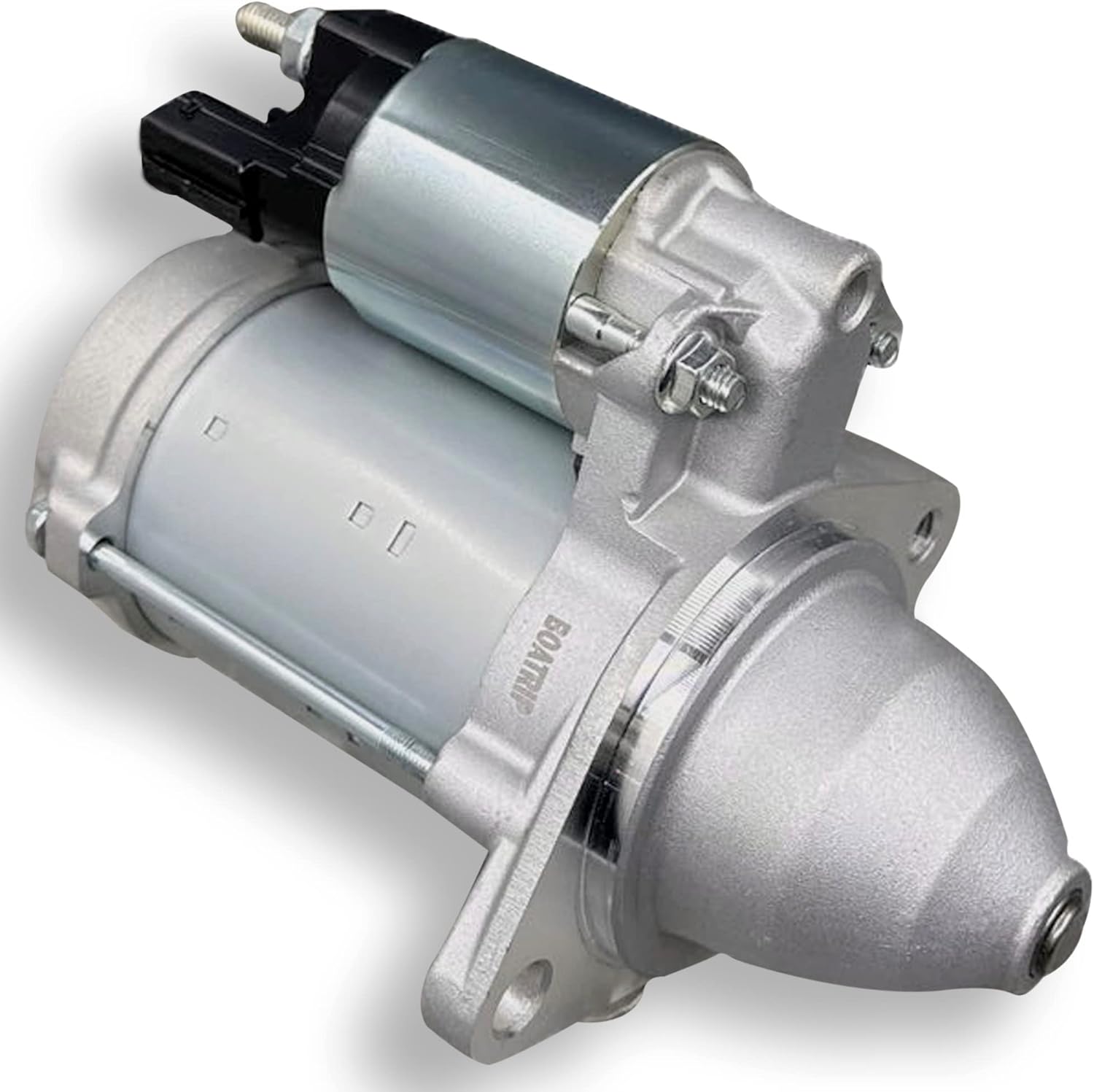
6. Boatrip 17922 Starter Motor Replacement for BMW 3.0/2.5/2.0 L6 Engines
| Voltage | 12 Volts |
|---|---|
| Wattage | 1.4 KW |
| Amperage | 0.01 Amps |
| Material Type | Metal |
This Boatrip 17922 starter is a direct-replacement 12-volt unit intended for BMW engines that need a reliable, ready-to-install starter. It is used the same way as a factory starter—swap the old unit for this one and restore normal engine cranking. Notable features from the listing include a 12 Volt rating, roughly 1.4 kW nominal output and manufactured with metal components; the maker also offers a two-year replacement policy. In practice that means straightforward fitment for compatible BMWs and solid starting power for cold cranks and routine use. Buyers can expect a plug-and-play replacement when the fitment matches the vehicle, and multiple user reports confirm easy DIY installation on BMW X1-compatible engines. Limitations are typical for aftermarket starters: fine fitment checking is required before purchase and long-term durability can vary versus higher-cost factory-name-brand units. Also the product listing shows an unusually low amperage figure that likely represents a measurement artifact and should not be used to judge starting capability.
Best for: Balanced, all-round BMW X1 owners who prioritize a cost-effective, near-factory replacement that restores reliable starting without paying OEM premiums.
Less Ideal for: Owners seeking a lifetime-performance upgrade or those who prefer to stick exclusively with high-end brand-name starters should consider other options.
- Designed as a direct replacement for compatible BMW starter applications for straightforward swap-in fitment
- Factory-style 12 Volt electrical rating with a listed 1.4 kW output suitable for typical engine cranking
- Constructed from metal components and produced under established quality systems claimed by the manufacturer
- Includes a two-year replacement service for added post-installation protection
- Fitment must be verified against the BMW X1 engine/submodel before ordering since compatibility is model-specific
- Long-term durability may differ from higher-priced OEM-brand starters despite positive short-term user reports
Verdict A budget-friendly, factory-style replacement starter that delivers reliable starting for BMW X1 owners who want good value with a two-year support promise.
Choosing the Right BMW X1 Starter Motor: Key Factors to Consider
Exact Fitment and Mounting Alignment
Correct fitment is crucial because the starter must line up precisely with the flywheel or flexplate teeth to engage smoothly. Misalignment can cause premature wear to the pinion gear and flywheel, produce grinding noises, and lead to failed starts. When a starter is designed for the BMW X1, mounting bolt patterns, shaft length, and offset match factory tolerances, reducing the need for adjustments during installation.
Beyond bolts and splines, consider the physical clearance around the starter housing. Tight engine bays leave little room for variations, so a unit that mirrors the original geometry avoids interference with nearby components and simplifies reassembly.
Electrical Performance and Solenoid Quality
A starter must deliver adequate electrical power to crank the engine under various temperatures and battery states. Look for specifications on current draw and solenoid engagement characteristics because these determine how reliably the starter engages the flywheel, especially during cold starts or under low-voltage conditions. Poor solenoid performance can produce weak engagement, grinding, or clicking noises that point to starter solenoid problems.
Also consider the quality of internal electrical contacts and insulation. Better contacts reduce voltage drop and heat generation, which supports longer life and more consistent starts across repeated cycles.
Durability of Internal Components
The internal gear train, bearings, and bushings experience heavy loads at startup, so material quality and heat treatment affect longevity. Hardened pinion gears resist tooth wear, and sealed bearings help prevent contamination from oil and road debris. Corrosion-resistant finishes on the housing and fasteners extend service life in wet or salty environments.
Evaluate expected wear behavior and whether the design allows rebuilding or replacing common wear parts. A robust starter will tolerate repeated high-load starts without accelerated failure.
Compatibility with Electrical Connectors and Wiring
Ensure the starter uses the same connector types and terminal layouts as the BMW X1 harness to minimize splicing or adapter use. Correct terminal placement avoids confusion during installation and reduces the risk of loose connections that can cause intermittent starting problems. Wiring compatibility also matters for vehicles with integrated starter control modules or specific grounding points.
If connector or terminal differences exist, factor in the effort to adapt wiring and whether replacement parts are readily available to restore original connectivity.
Serviceability and Replacement Parts Availability
Starters that can be serviced or have replacement parts available offer longer operational life and lower lifetime maintenance. Common replaceable items include brushes, bushings, and solenoids. If these parts are documented and accessible, you may repair the starter rather than fully replacing it after wear.
Check whether the manufacturer or parts suppliers publish part numbers for internal components and whether local repair shops routinely service that starter design.
Ease of Installation and Included Hardware
Installation complexity affects both DIY and professional replacement costs. Favor starters that include the necessary mounting hardware, gaskets, and clear instructions for the BMW X1. Units that match OEM bolt patterns and come with pre-assembled solenoids reduce installation time and potential errors.
Also consider the physical weight and handling features; lighter units or those with convenient handholds make alignment easier during installation and reduce the risk of dropping or damaging the starter.
FAQ
What are common starter motor symptoms on a BMW X1?
Common symptoms often include a single loud click when turning the key, slow cranking, or no cranking at all. You may also notice intermittent starting, smoke, or unusual grinding noises during engagement. These signs usually point to electrical issues like low battery or wiring, or mechanical problems within the starter.
How can I test a starter on a BMW X1?
You can perform basic tests by checking battery voltage at the starter while attempting to crank and listening for solenoid clicks. A voltage drop test under load helps reveal excessive current draw or poor connections. More thorough diagnostics use a bench test or professional starter test bench that measures draw and engagement behavior.
Is starter clicking noise always the starter failing?
Starter clicking noise often indicates insufficient electrical current or a weak solenoid, but it is not always the starter itself. Loose battery terminals, a discharged battery, or corroded ground connections can produce similar clicking symptoms. Rule out the charging and battery system before replacing the starter.
Can starter motor installation be done at home on a BMW X1?
Many mechanically inclined owners can replace a starter at home with basic tools, a service manual, and safe vehicle support. However, access can be tight depending on model year and engine layout. If you are uncomfortable with electrical diagnostics or heavy components, professional installation can reduce the risk of incorrect wiring or mounting errors.
Are starter motor replacement parts available for repair?
Replacement parts such as brushes, solenoids, and bushings are often available for common starter designs, but availability depends on the specific unit. Choosing a starter with documented parts and repair procedures increases the chance that local shops can service it rather than requiring full replacement.
How We Chose the Best BMW X1 Starter Motor
We focused on components specifically designed for the BMW X1 and evaluated options across four to six concrete dimensions that matter in real-world use. Key criteria included exact fitment and mounting alignment to match factory locations, electrical performance such as cold-cranking current draw and solenoid engagement, build quality of internal gears and bearings, and durability factors like corrosion resistance and thermal tolerance. We also assessed ease of installation based on connector type and included hardware, plus the availability of replacement parts for common wear items. Exclusions: we excluded units with unclear vehicle fitment, those lacking documented electrical specifications, and parts not intended for the BMW X1 platform. The result is a shortlist of well-specified starter motors that prioritize correct mechanical fit, reliable electrical operation, and long-term serviceability.
Our full evaluation process is outlined in our review methodology.
Conclusion
When choosing a starter motor for a BMW X1, prioritize exact mechanical fitment, reliable electrical performance, and durable internal components. Those factors determine how consistently the engine will crank and how long the unit will last under real driving conditions. Balance ease of installation and the availability of replacement parts against electrical specifications like current draw and solenoid engagement. Focusing on these tradeoffs will help you select a starter that minimizes future maintenance and restores dependable starting performance.
Explore More:
- Check out all BMW X1 parts & accessories
- Explore Electrical System
- Browse all Auto Parts
