

Note: This article contains affiliate links. If you click on these links and make a purchase, I may earn a small commission at no extra cost to you. This helps support my research and content. Read my full affiliate disclosure here.
What You’ll Need
A quick look at the tools and supplies commonly used for this job.
Tools
Parts & Supplies
- Replacement tires if due
- Replacement TPMS sensor
- Valve stem service kit
This article is part of our Wheels and Tires Maintenance & Repair Guides.
A dead TPMS sensor battery is one of the most common reasons the tire pressure warning light stays on even after you set all four tires correctly. Because the battery is sealed inside the sensor, you usually replace the whole sensor rather than the battery alone.
The tricky part is that a TPMS light does not automatically mean the sensor battery has failed. Low tire pressure, seasonal temperature drops, a damaged sensor, a failed relearn, radio interference, or a control module issue can trigger the same warning. A good diagnosis helps you avoid replacing the wrong part.
This guide walks through a practical DIY process to confirm whether the problem is really a dead TPMS sensor battery, identify which wheel is affected, and decide whether you should replace one sensor or all of them.
How the TPMS Sensor Battery Fails
Most direct TPMS systems use a battery-powered sensor mounted inside each wheel, usually attached to the valve stem or banded to the wheel. The sensor measures tire pressure and temperature, then sends that information by radio signal to the vehicle.
The internal battery is not designed to be serviced separately on most factory-style sensors. Typical life is roughly 5 to 10 years, depending on mileage, climate, and how often the sensor transmits. As the battery gets weak, the sensor may report intermittently before it stops communicating entirely.
That means a dead battery often shows up as an occasional TPMS warning at first, then a constant light, missing sensor data on a scan tool, or a message like Tire Pressure Monitor Fault rather than a simple low-pressure warning.
Common Signs of a Dead TPMS Sensor Battery
- The TPMS light stays on after all tires are adjusted to the door-jamb pressure spec.
- The warning appears shortly after startup and stays on instead of clearing after a few minutes of driving.
- One tire does not display pressure on the dash while the others do.
- A scan tool shows one sensor not responding, missing, or with low battery status.
- The vehicle is 6 years old or older and still has original sensors.
- The warning comes and goes in cold weather, then becomes more frequent over time.
These signs point toward a weak or dead sensor battery, but they are not final proof by themselves. You still need to rule out basic pressure problems and sensor communication issues.
Before You Blame the Sensor Battery
Check Actual Tire Pressures First
Use a quality tire pressure gauge and compare all four tires, plus the spare if your vehicle monitors the spare, to the pressure listed on the driver-door placard. Do this with cold tires whenever possible. If one or more tires are low, correct them and drive for several minutes. Many TPMS warnings clear after the module sees normal readings.
Look for a Recent Tire or Wheel Service History
If the light came on right after tire rotation, wheel replacement, mounting and balancing, or seasonal wheel swap, the problem may be an incomplete relearn or a damaged sensor rather than a dead battery. Shops can accidentally break a sensor during tire service, especially on older corrosion-prone valve stems.
Know the Difference Between Warning Types
On many vehicles, a solid TPMS light often means one or more tires are currently low. A flashing light for about 60 to 90 seconds at startup, followed by a solid light, often indicates a system fault such as a missing sensor, dead sensor battery, or communication failure. Check your owner’s manual because the exact behavior varies by make.
Tools That Make Diagnosis Easier
You can do the first steps with only a tire pressure gauge, but a proper diagnosis is much easier with a scan tool or TPMS tool that can identify individual sensor data. If you are planning to replace sensors yourself or want to confirm the exact failing wheel, the right tools save time.
- Tire pressure gauge to verify actual inflation
- OBD2 scanner with TPMS data access if your vehicle supports it
- A dedicated TPMS activation tool if your platform requires one
- Floor jack, jack stands, wheel chocks, and a lug wrench if you need wheel access
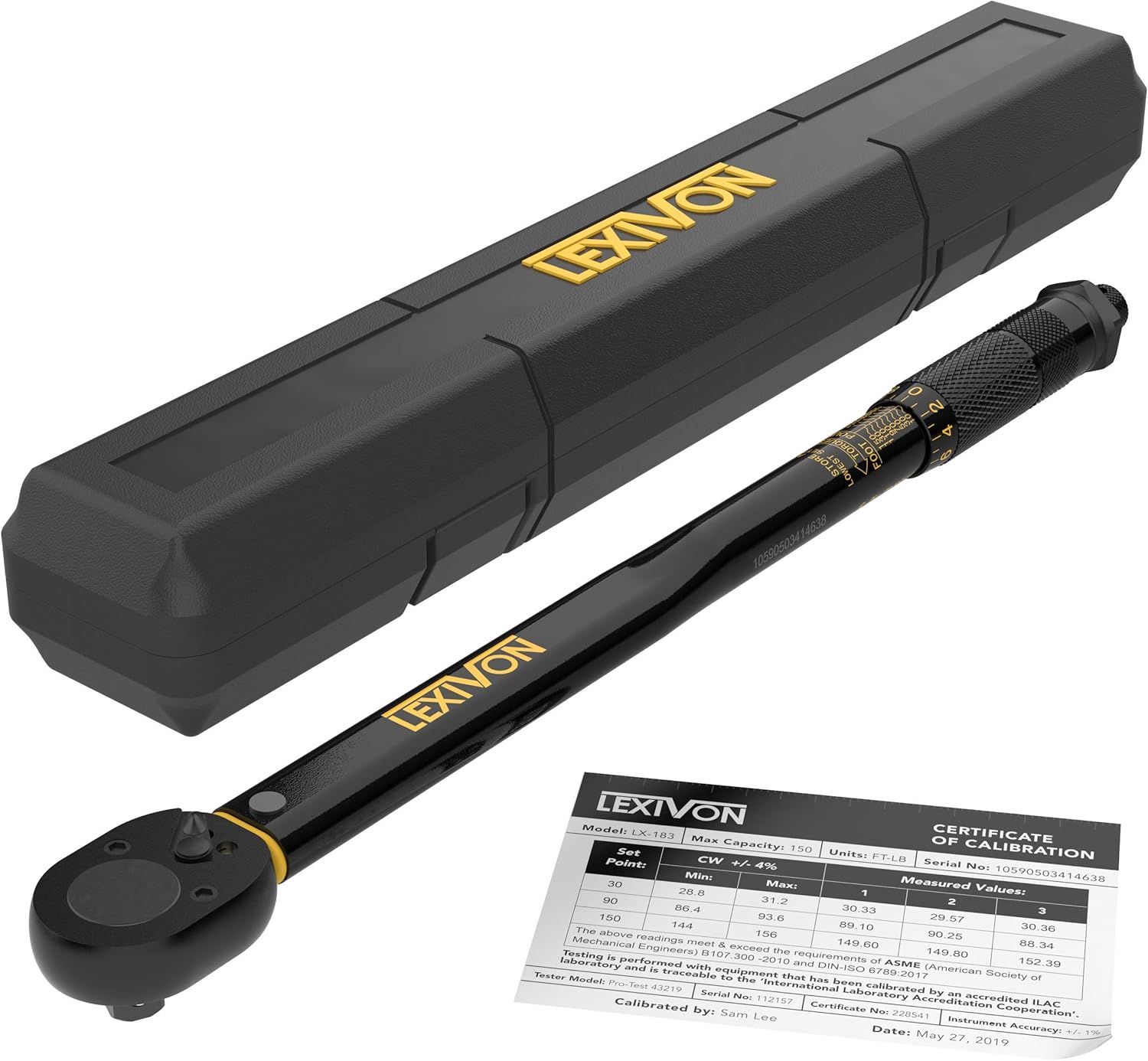
- Torque wrench for correct wheel installation after inspection or repair
Tools That Make This Job Easier


Step-by-step Diagnostic Procedure
Verify the Warning Condition
Start the vehicle and note exactly what the warning does. Does it flash first and then stay on? Does the dash show pressure readings for all four tires, only some tires, or none at all? If your vehicle displays each tire’s pressure, record which wheel is blank or implausible.
Set All Tires to the Correct Placard Pressure
Adjust every monitored tire to spec. Do not use the pressure listed on the tire sidewall. The sidewall shows maximum pressure for the tire, not the correct vehicle setting. After adjustment, drive the vehicle long enough for the system to update. If the warning remains and pressures are correct, continue diagnosing.
Check for a Dead or Missing Sensor Using Live Data
Connect an OBD2 scanner or TPMS-capable tool and look for live tire pressure data, sensor IDs, temperature readings, or battery status if supported. A dead battery usually appears as one of the following: no response from one sensor, no sensor ID detected at one wheel, no current pressure reading from one wheel, or a fault code indicating sensor communication failure.
If the tool can read three sensors but not the fourth, and tire pressure at that wheel is normal when checked manually, the most likely causes are a dead sensor battery, a physically damaged sensor, or a sensor that was not relearned correctly after service.
Compare Sensor Age and Vehicle Age
If the car still has its original TPMS sensors and is around 7 to 10 years old, battery failure becomes much more likely. When one original sensor dies, the others are often not far behind. This is especially common after new tires are installed and the shop finally notices one or more older sensors will not relearn.
Rule Out a Relearn Issue
Some vehicles need a manual relearn procedure after tire rotation, sensor replacement, or wheel swaps. If the light came on right after service, verify the relearn was completed correctly. A healthy sensor with a missed relearn can look dead because the module is still expecting a different sensor ID at that wheel position.
Inspect for Physical Damage if the Tire Is Already Off
If a tire shop has the tire dismounted, inspect the sensor body and valve stem. Corrosion, cracked plastic housings, impact damage, or a broken stem can all prevent communication. A physically damaged sensor can mimic a dead battery, so inspection matters if the wheel is already apart.
How to Interpret What You Find
Findings That Strongly Suggest a Dead TPMS Sensor Battery
- One sensor does not communicate at all, while the others report normally.
- The vehicle has original sensors that are several years old.
- The warning was intermittent before becoming constant.
- Manual tire pressure is correct, but one sensor never updates on the scanner.
- A TPMS tool reports weak battery or failed sensor transmission.
Findings That Point Somewhere Else
- All tires are simply low after a cold-weather temperature drop.
- The warning started immediately after tire rotation or wheel replacement and no relearn was performed.
- A recently serviced wheel has a damaged sensor or broken valve stem.
- Multiple sensors suddenly stop reading at once, suggesting a module, antenna, or system communication issue instead of four dead batteries.
A true dead sensor battery usually affects one wheel first, not all four at the same moment. If the entire system drops out at once, think bigger than the batteries.
Recommended Tools for This Job


Can You Replace Only the Battery?
In most OEM-style TPMS sensors, the battery is sealed inside the sensor housing. While some specialty rebuild services and solder-in battery repairs exist, they are not the standard repair for most DIY owners and are usually not worth the effort for a daily driver.
The normal fix is to replace the entire TPMS sensor, install a valve stem service kit if required, then program or relearn the new sensor to the vehicle. Because the tire must be partially or fully dismounted, many owners choose to replace sensors during tire replacement to avoid paying tire labor twice.
Should You Replace One Sensor or All Four?
If one sensor fails on an older set of original sensors, replacing all four can make sense, especially if the tires are already off the wheels. That approach reduces the odds of another sensor failing a few months later and saves repeat mounting and balancing charges.
If the other sensors are relatively new, or one wheel clearly has damage from tire service, replacing only the failed sensor is usually reasonable. The decision often comes down to sensor age, labor cost, and whether you are already installing new tires.
- Replace one sensor if the others are newer and functioning properly.
- Consider replacing all sensors if they are all original and near end-of-life.
- Bundle sensor replacement with new tires whenever possible to save labor.
What to Do After Confirming the Diagnosis
If the Sensor Battery Is Dead
Replace the failed TPMS sensor with a compatible unit for your vehicle. After installation, perform the required relearn or programming procedure. Some universal sensors must be cloned or programmed before relearn. If you are unsure, verify sensor compatibility by year, make, model, and frequency before purchase.
If the Issue Is Only Low Tire Pressure
Inflate the tires to the correct specification, inspect for punctures, and recheck pressure after a day or two. A repeating low-pressure warning with proper sensor data usually means you have a leak, not a battery problem.
If the Problem Started After Tire Service
Return to the shop that serviced the wheels and ask whether the vehicle requires a relearn, whether a sensor was damaged, or whether an incompatible replacement sensor was installed. Shops often have dedicated TPMS tools that can confirm sensor response at each wheel quickly.
Safety Notes for DIY Inspection
You do not need to dismount a tire just to diagnose most TPMS battery failures, and you should not attempt tire dismounting without proper equipment. If you lift the vehicle to inspect wheels or rotate tires, use wheel chocks, support the vehicle securely on jack stands, and torque the lug nuts to specification during reassembly.
Also remember that a TPMS light can coexist with an actual tire problem. If you see rapid pressure loss, sidewall damage, exposed cords, or a puncture in the shoulder or sidewall, address tire safety first and sensor diagnosis second.
Key Takeaways
- Always verify all tire pressures manually before assuming the TPMS sensor battery has failed.
- A flashing TPMS light at startup often points to a system fault such as a dead sensor battery or missing sensor communication.
- Use live TPMS data to identify the specific wheel that is not reporting before replacing parts.
- Most TPMS sensor batteries are not serviceable, so the standard repair is complete sensor replacement.
- If one original sensor fails on an older vehicle, consider replacing the others while the tires are already off.
FAQ
How Long Does a TPMS Sensor Battery Usually Last?
Most TPMS sensor batteries last about 5 to 10 years. Actual life depends on mileage, temperature extremes, and sensor design. Original sensors in an older vehicle are common failure points.
Will the TPMS Light Turn on if Only One Sensor Battery Dies?
Yes. One dead sensor battery can trigger a TPMS system fault even if the other three sensors still work normally. On many vehicles, the light flashes at startup and then stays on.
Can I Drive with a Dead TPMS Sensor Battery?
Usually yes, but you lose automatic pressure monitoring for that wheel or for the whole system. You will need to check tire pressures manually on a regular schedule until the sensor is repaired.
Can Cold Weather Make a TPMS Sensor Seem Dead?
Cold weather can lower tire pressure and trigger the warning light, and it can also make a weak sensor battery fail more often. That is why you should always verify actual tire pressure and scan for sensor data before replacing the sensor.
Do I Need to Replace All Four TPMS Sensors at Once?
Not always. If only one sensor is bad and the others are newer, replacing one sensor may be fine. If all sensors are the same age and original, replacing all four during tire service often saves future labor.
Can a Tire Shop Test Which TPMS Sensor Is Bad?
Yes. Most tire shops and many repair shops have TPMS tools that can activate each sensor, read its ID, and confirm whether it is transmitting. This is often the fastest way to identify the failed wheel.
Does a Dead TPMS Sensor Battery Mean My Tire Is Bad?
No. The tire and the sensor are separate parts. A dead sensor battery only means the pressure monitoring sensor inside the wheel has failed. You should still inspect the tire itself for leaks or damage.
Can I Replace a TPMS Sensor when Installing New Tires?
Yes, and that is usually the best time to do it. The tire already has to come off the wheel, so you avoid paying separate labor later if an old sensor battery is near the end of its life.
Need Parts for This Repair?
The right parts and supplies vary by vehicle.
Select your make and model to find compatible parts and accessories for your car.
Exact Fit
Parts that fit your make and model
Quality You Can Trust
Top brands and OEM quality options
Fast Shipping
Get the parts you need, delivered fast