

Note: This article contains affiliate links. If you click on these links and make a purchase, I may earn a small commission at no extra cost to you. This helps support my research and content. Read my full affiliate disclosure here.
What You’ll Need
A quick look at the tools and supplies commonly used for this job.
Parts & Supplies
- Replacement TPMS sensor
- TPMS service kit
- Valve stem cap
This article is part of our Wheels and Tires Maintenance & Repair Guides.
TPMS sensor compatibility is more than just finding a sensor that physically fits the wheel. The correct sensor also has to communicate with your vehicle at the right frequency, use the proper protocol, and support the relearn method your TPMS system expects.
That is why a sensor that fits one trim level, model year, or wheel package may not work on another version of the same vehicle. If you skip the compatibility check, you can end up with a flashing TPMS light, a no-read sensor, or a relearn that never completes after tire service.
This guide walks you through what to inspect before you buy or install a sensor, how to compare universal and direct-fit options, and the signs that tell you a sensor is a safe match for your car, truck, or SUV.
Why TPMS Sensor Compatibility Matters
A tire pressure monitoring system depends on each wheel sensor sending the right data to the vehicle’s receiver. When the sensor is compatible, the car can identify the wheel, read pressure and sometimes temperature, and clear the warning light after a successful relearn. When it is not compatible, the vehicle may not recognize the sensor at all, may only read intermittently, or may store TPMS-related faults.
Compatibility problems commonly happen after replacing a damaged sensor, buying aftermarket wheels, installing a second set of winter wheels, or ordering replacement parts by wheel size alone. Wheel size does not determine TPMS compatibility. The important match points are the vehicle’s TPMS system design and the exact sensor specifications.
- A wrong-frequency sensor may install physically but never communicate with the vehicle.
- A sensor with the wrong protocol may be detected by a tool but still fail vehicle relearn.
- An incorrect valve stem style can create fitment or sealing problems at the wheel.
- A sensor that is not pre-programmed or clonable for your application may require different setup equipment.
What Information You Need Before You Start
Before you compare sensors, gather the exact vehicle and wheel information. The most useful details are year, make, model, trim, engine, and whether the vehicle uses factory or aftermarket wheels. If the car has had wheel or TPMS work before, do not assume the current sensors are original.
You should also know whether you are checking a single replacement sensor or a full set. Replacing one failed sensor in an older set can be practical, but on high-mileage vehicles it is smart to consider the age of the remaining sensors since internal batteries eventually die.
Key Details to Confirm
- Vehicle year, make, model, and trim
- Original wheel size and whether the wheels are OEM or aftermarket
- Whether the vehicle uses direct TPMS sensors or an indirect ABS-based system
- Sensor frequency, usually 315 MHz or 433 MHz in the U.S. market
- Valve stem style: rubber snap-in or metal clamp-in
- Relearn method required by the vehicle
- Part number from the original sensor, if available
Identify the Type of TPMS System on the Vehicle
The first pass or fail step is figuring out whether the vehicle actually uses direct TPMS sensors in the wheels. Most modern U.S. vehicles do, but some systems monitor tire pressure indirectly by using ABS wheel speed data. Indirect systems do not use wheel-mounted pressure sensors, so there is no sensor compatibility issue to solve.
How to Tell Direct From Indirect TPMS
- Direct TPMS usually shows actual pressure readings for each tire on the dash or infotainment screen.
- Direct TPMS uses valve stem-mounted or band-mounted sensors inside the wheel.
- Indirect TPMS often requires a reset after tire pressure correction but does not read individual tire pressures.
- If the wheel has a visible serviceable valve stem base tied to a sensor body inside, it is likely direct TPMS.
If your vehicle uses indirect TPMS, check the owner’s manual for the calibration procedure instead of shopping for sensors. If it uses direct TPMS, continue with frequency, protocol, and relearn checks.
Check Frequency, Protocol, and Coverage
A compatible TPMS sensor must match the vehicle’s required communication frequency and data protocol. In the U.S., the most common frequencies are 315 MHz and 433 MHz. Frequency alone is not enough, though. Two sensors can share the same frequency and still be incompatible if the protocol or vehicle coverage is different.
Frequency
Check the application guide from the sensor manufacturer or the OE part information. If your vehicle requires 315 MHz, a 433 MHz sensor is an automatic fail. Some universal sensors can be programmed for either frequency, but they must be set up correctly before installation or relearn.
Protocol
Protocol is the language the sensor uses to talk to the vehicle. Different automakers and model years may require different data formats, wake-up behavior, and sensor IDs. This is why it is important to use a sensor listed for the exact vehicle application, not just a generic “fits many” label.
Vehicle Coverage Listing
A good compatibility listing should specify the exact years and models supported. Pass if the manufacturer lists your exact year, make, model, and trim or wheel package where required. Fail if the listing is vague, skips your model year, or only references a similar vehicle. A one-year change in TPMS design is common enough that guessing is not worth it.
Tools That Make This Job Easier


Inspect the Existing Sensor Before Buying
If one tire is already dismounted or the old sensor has been removed, inspect it closely. The existing part can provide the best real-world confirmation of what the vehicle is using now, especially if parts catalogs disagree.
What to Look for on the Old Sensor
- Manufacturer name and OE or aftermarket part number
- Frequency marking, if printed on the housing
- Valve stem type and mounting hardware
- Sensor body shape and orientation relative to the wheel
- Signs that the current sensor is not original, such as a brand mismatch from the rest of the set
If all four sensors match and appear original, the part number is a strong clue. If one wheel has a different sensor brand or a different valve stem style, someone may have replaced only one sensor previously. In that case, verify fitment against the vehicle’s OE data rather than assuming the oddball sensor is correct.
Compare Direct-Fit, Programmable, and Cloneable Sensors
Aftermarket TPMS sensors generally fall into three categories: direct-fit, programmable universal, and cloneable programmable sensors. Knowing the difference helps you judge whether the sensor is truly compatible or just potentially adaptable.
Direct-fit Sensors
These are built for specific vehicle applications and usually require less setup. They are often the easiest choice for DIY owners because the compatibility decision is clearer. If the exact application is listed and the valve style matches, direct-fit sensors are usually a pass.
Programmable Universal Sensors
These sensors start blank or semi-configured and must be programmed for the vehicle before use. They can work well, but they are only a pass if you or the tire shop has the right TPMS programming tool and the sensor brand supports your application.
Cloneable Sensors
A cloneable sensor can copy the ID of the original sensor. This can simplify certain vehicles that are picky about relearn procedures or for drivers who keep a second wheel set. Still, a cloneable sensor must match the vehicle coverage and frequency. Cloning does not overcome a hardware mismatch.
- Pass: the sensor is listed for your exact vehicle and the seller specifies whether programming is needed.
- Caution: the sensor is universal but no programming support is confirmed.
- Fail: the seller says it should work based only on frequency or wheel size.
Confirm Valve Stem Style and Wheel Fitment
Even a sensor with correct electronics can fail as a practical replacement if the valve stem style does not suit the wheel. TPMS sensors commonly use either rubber snap-in stems or metal clamp-in stems. The wheel’s valve hole and the contour around it must match the sensor design.
Aftermarket wheels are a common problem area. Some wheels do not leave enough clearance for certain sensor body shapes, and some valve stem holes or surfaces are not ideal for the OE-style hardware. If you are replacing wheels, always confirm TPMS sensor clearance with the wheel manufacturer or installer.
Pass and Fail Cues
- Pass if the sensor lists compatibility with your wheel type and uses the correct stem style.
- Pass if a new service kit is available for the sensor and wheel combination.
- Fail if the stem diameter, seat shape, or mounting angle does not match the wheel.
- Fail if reused hardware is corroded, stripped, or missing sealing components.
Check Relearn Requirements Before Installation
Many TPMS issues blamed on bad sensors are really relearn problems. Some vehicles automatically learn new sensors after driving. Others require a dash-menu reset, a scan tool procedure, or a trigger tool at each wheel. A sensor is only a practical match if the relearn process is supported.
Common Relearn Types
- Auto relearn after driving at a certain speed for a certain time
- Stationary relearn using ignition and vehicle controls
- Tool-based relearn using a TPMS activation or programming tool
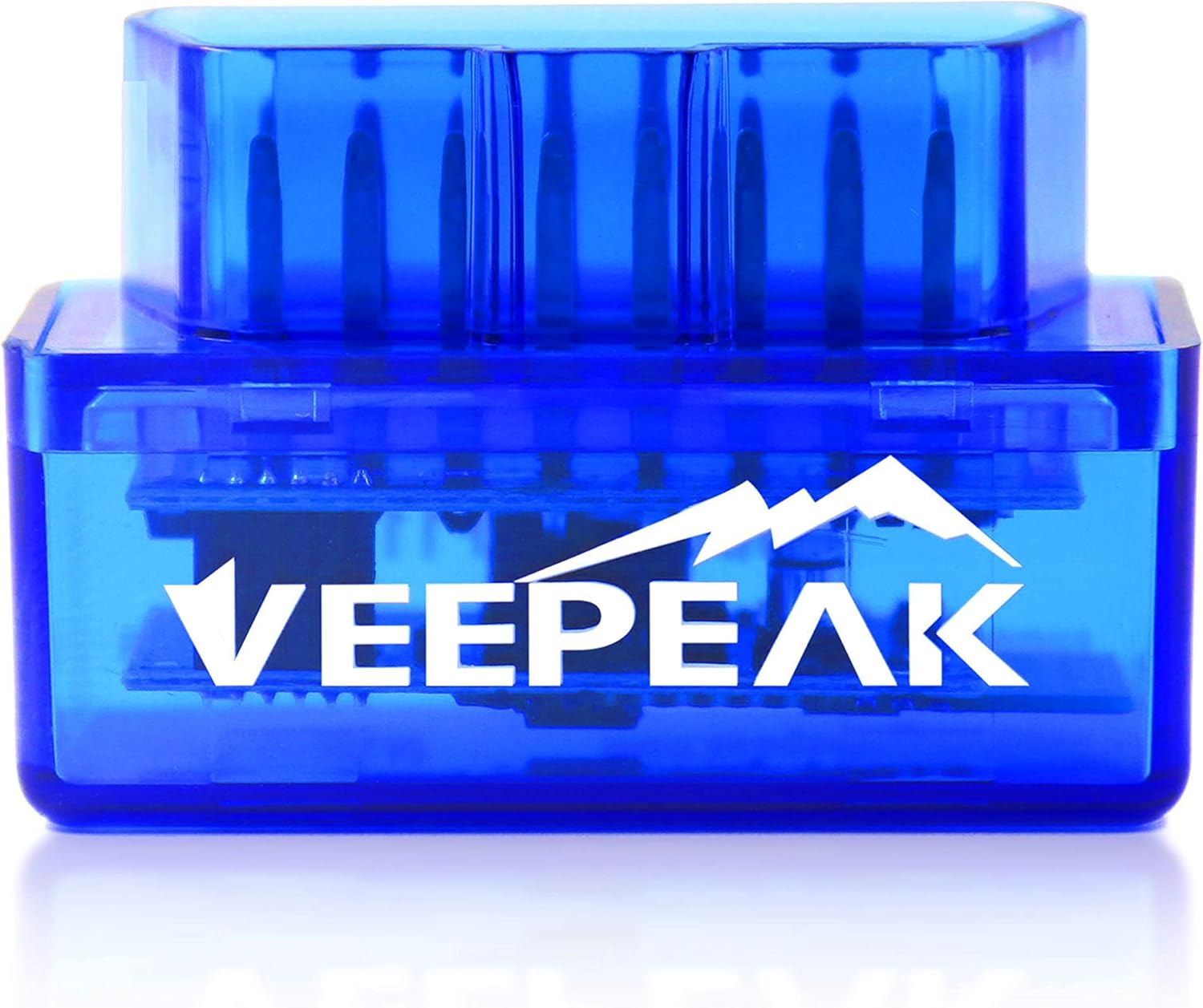
- OBD-assisted relearn on some vehicles and some aftermarket sensor systems
Before you buy, look up the relearn method for your exact vehicle. Then ask a simple question: do I have the equipment to complete that process, or does my tire shop? If the answer is no, a technically compatible sensor may still not be a good purchase for your situation.
Recommended Tools for This Job


Use a Practical Inspection Process
If you are checking compatibility before a repair, use a step-by-step inspection process instead of relying on one data point. The goal is to avoid ordering a sensor that only partly matches the vehicle.
Inspection Checklist
- Verify the vehicle uses direct TPMS sensors, not an indirect system.
- Record year, make, model, trim, and wheel setup.
- Check the OE sensor part number if the old sensor is accessible.
- Confirm required frequency from OE data or a reputable application guide.
- Confirm the replacement sensor lists your exact vehicle coverage.
- Match the valve stem style and wheel fitment requirements.
- Confirm whether the sensor is direct-fit, programmable, or cloneable.
- Check whether relearn or programming tools are required.
- Plan to install a new TPMS service kit when applicable.
- After installation, verify the warning light clears and pressure readings update correctly.
A sensor should be considered a full pass only when every step above checks out. If one critical item is unknown, especially frequency, coverage, or relearn method, keep researching before installation.
When a Sensor Is Compatible Enough to Reuse
Sometimes your goal is not replacement but deciding whether an existing sensor can be reused with new tires or a second wheel set. Reuse can make sense if the sensor is already proven compatible with the vehicle and is still in good condition.
Good Candidates for Reuse
- Sensors that communicate normally with no TPMS warning light
- Sensors with no cracked housing, loose stem, or corrosion damage
- Sensors that are not at the end of typical battery life
- Sensors being moved to wheels that provide proper clearance and valve support
If the sensors are more than several years old and the tires are already off, many owners choose replacement proactively to avoid paying for another tire dismount later. There is no exact age cutoff for every sensor, but old original sensors are a gamble because the battery is sealed inside the unit.
Common Compatibility Mistakes to Avoid
Most TPMS buying mistakes come from assuming any sensor that fits the wheel will work, or from trusting incomplete online listings. A few simple habits can prevent wasted money and repeat tire shop visits.
- Do not buy by wheel diameter alone; a 17-inch wheel does not tell you which sensor protocol the car uses.
- Do not assume the same model uses the same sensor every year or trim.
- Do not reuse old sealing hardware on metal stem sensors.
- Do not mix random sensor brands in a second wheel set without verifying relearn support.
- Do not assume a new TPMS light means the sensor is bad; it may only need relearn or correct inflation.
Use a tire pressure gauge to confirm all four tires are correctly inflated before you chase compatibility problems. A low tire can trigger the same warning symbol that appears after TPMS service, and that can send you looking in the wrong direction.
When to Let a Tire Shop or Dealer Handle It
DIY research can get you most of the way, but some situations are better handled by a shop with TPMS programming and activation tools. This is especially true if your vehicle needs sensor registration through a scan tool, if you are installing programmable universal sensors, or if you have aftermarket wheels with unknown clearance.
A professional should also step in if the TPMS light flashes, the system intermittently loses one wheel reading, or there are known communication issues after a sensor replacement. Those clues can point to a bad sensor, a wrong protocol, relearn failure, antenna or module issues, or even damage during installation.
Good Times to Get Professional Help
- You cannot confirm the exact OE part number or frequency
- The sensor requires brand-specific programming before installation
- The vehicle will not relearn sensors after correct installation
- Aftermarket wheels may interfere with sensor angle or body clearance
- You need to set up a second wheel set for seasonal tire changes
Key Takeaways
- A TPMS sensor is only compatible if frequency, protocol, vehicle coverage, valve style, and relearn method all match your exact application.
- Use the old sensor part number and a reputable application guide to verify fitment instead of buying by wheel size or a vague online listing.
- Programmable and cloneable sensors can work well, but only if the correct setup tool and supported vehicle profile are available.
- Always confirm wheel fitment and install a fresh TPMS service kit when required to avoid leaks and hardware-related failures.
- If the vehicle will not relearn new sensors or the TPMS light flashes after installation, stop guessing and have the system checked with proper TPMS tools.
FAQ
Can I Use Any 315 MHz TPMS Sensor on My Vehicle?
No. Matching frequency is necessary but not sufficient. The sensor also has to use the correct protocol, be listed for your exact vehicle, and support the right relearn method.
How Do I Find the Correct TPMS Sensor for My Car?
Start with the exact year, make, model, trim, and wheel setup. Then compare the OE part number or a reputable fitment guide, confirm frequency, and verify whether the replacement is direct-fit or requires programming.
What Is the Difference Between Direct-fit and Universal TPMS Sensors?
Direct-fit sensors are built for specific applications and usually need less setup. Universal sensors must be programmed for the vehicle before use, and some can also clone the original sensor ID.
Do I Need a Relearn After Replacing TPMS Sensors?
Usually yes, but the method varies by vehicle. Some cars relearn automatically after driving, while others need a stationary procedure, a TPMS trigger tool, or an OBD-assisted scan tool process.
Can I Reuse My Old TPMS Sensors when Installing New Tires?
Yes, if they still work properly, are not physically damaged, and are not near the end of battery life. If the tires are already off and the sensors are old, many owners replace them preventively.
Why Is My TPMS Light Still on After Installing New Sensors?
Common causes include wrong sensor frequency or protocol, incomplete programming, failed relearn, low tire pressure, or damage to the sensor or valve hardware during installation.
Do Aftermarket Wheels Affect TPMS Sensor Compatibility?
Yes. Aftermarket wheels can change valve stem fitment, sealing surface, and internal clearance. Even if the electronics are correct, the sensor may not mount or seal properly in the wheel.
Need Parts for This Repair?
The right parts and supplies vary by vehicle.
Select your make and model to find compatible parts and accessories for your car.
Exact Fit
Parts that fit your make and model
Quality You Can Trust
Top brands and OEM quality options
Fast Shipping
Get the parts you need, delivered fast