

Note: This article contains affiliate links. If you click on these links and make a purchase, I may earn a small commission at no extra cost to you. This helps support my research and content. Read my full affiliate disclosure here.
What You’ll Need
A quick look at the tools and supplies commonly used for this job.
Tools
Parts & Supplies
- Replacement shift interlock solenoid
- Replacement brake light switch
- Electrical contact cleaner
- Dielectric grease
- Replacement fuse
This article is part of our Transmission and Drivetrain Maintenance & Repair Guides.
Testing a shift interlock solenoid is one of the most useful checks you can do when the shifter will not move out of Park. On most automatic vehicles, the interlock system prevents shifting unless the ignition is on and the brake pedal is pressed, so a problem in the solenoid itself is only one possible cause.
The good news is that this system is usually straightforward to diagnose at home with a multimeter, a test light, and a careful inspection of the brake light circuit, fuses, and shifter wiring. In many cases, the real fault turns out to be a blown fuse, a failed brake light switch, low system voltage, or a loose connector rather than the solenoid.
This guide walks through the checks in a safe order so you can confirm whether the interlock solenoid is working, not getting power or ground, or being blocked by a mechanical issue inside the shifter assembly.
How the Shift Interlock System Works
A shift interlock system uses an electrically controlled lock to keep the shifter in Park until certain conditions are met. On most vehicles, those conditions are ignition power and a brake pedal input. When you press the brake pedal, the brake light switch sends a signal to the body control module or directly to the shifter interlock circuit, and the solenoid retracts a pin or latch so the lever can move.
If the shifter stays stuck in Park, think of the system as four basic parts: power supply, brake input, the solenoid and its wiring, and the mechanical shifter parts. A failure in any one of those areas can produce the same symptom.
- No brake lights often points to a blown fuse, bad brake light switch, or wiring issue.
- A click from the shifter but no movement often suggests a mechanical bind or worn shifter parts.
- No click and no release often suggests the solenoid is not being energized.
- Intermittent operation often suggests a loose connector, weak battery voltage, or worn internal contacts.
Signs the Shift Interlock Solenoid or Circuit May Be Faulty
Before pulling trim panels, confirm that the symptom actually matches an interlock problem. A transmission problem does not usually prevent the lever from leaving Park at the shifter itself; an interlock fault does.
- The shifter will not move out of Park even with the brake pedal pressed.
- The brake pedal feels normal, but there is no audible click from the shifter area.
- The shifter sometimes releases and sometimes does not.
- You can move the lever only by using the manual shift lock override.
- Brake lights are inoperative or work inconsistently.
- The problem appears after a weak battery, jump-start, spilled drink in the console, or trim work around the shifter.
Safety and Setup Before Testing
Work on level ground with the parking brake fully set. Keep your foot on the brake whenever you are testing shifter release. If the vehicle releases from Park unexpectedly, you want it secured.
Turn the ignition to the position required by your vehicle for normal shifting, usually Key On Engine Off. If the battery is weak, charge it first or confirm voltage is at least around 12.4 volts with the engine off. Low voltage can make a good solenoid act weak or fail to pull in.
Use trim tools carefully around the console. Many shifter bezels are held by hidden clips, and breaking them creates rattles or poor fitment later.
Start with the Easiest Checks First
Check the Brake Lights
Press the brake pedal and confirm the rear brake lights come on. If they do not, do not condemn the interlock solenoid yet. Many systems will not release the shifter if the brake switch signal is missing.
Listen for Solenoid Action
Sit quietly in the vehicle, turn the ignition on, and press and release the brake pedal several times. Put one hand lightly on the shifter or console trim. A healthy system often makes a faint click each time the brake pedal is pressed.
Try the Manual Shift Lock Override
Most vehicles have a small access slot or removable plug near the shifter. With the parking brake set and your foot on the brake, using the override should allow the lever to move from Park. If the override works, that strongly suggests the transmission itself is not the reason the lever is stuck. The problem is likely in the interlock circuit or the shifter mechanism.
Scan for Related Codes
A basic scan tool may reveal body or transmission codes related to brake switch input, shift lock control, or low system voltage. Not every vehicle stores a useful code, but if one is present, it can save time.
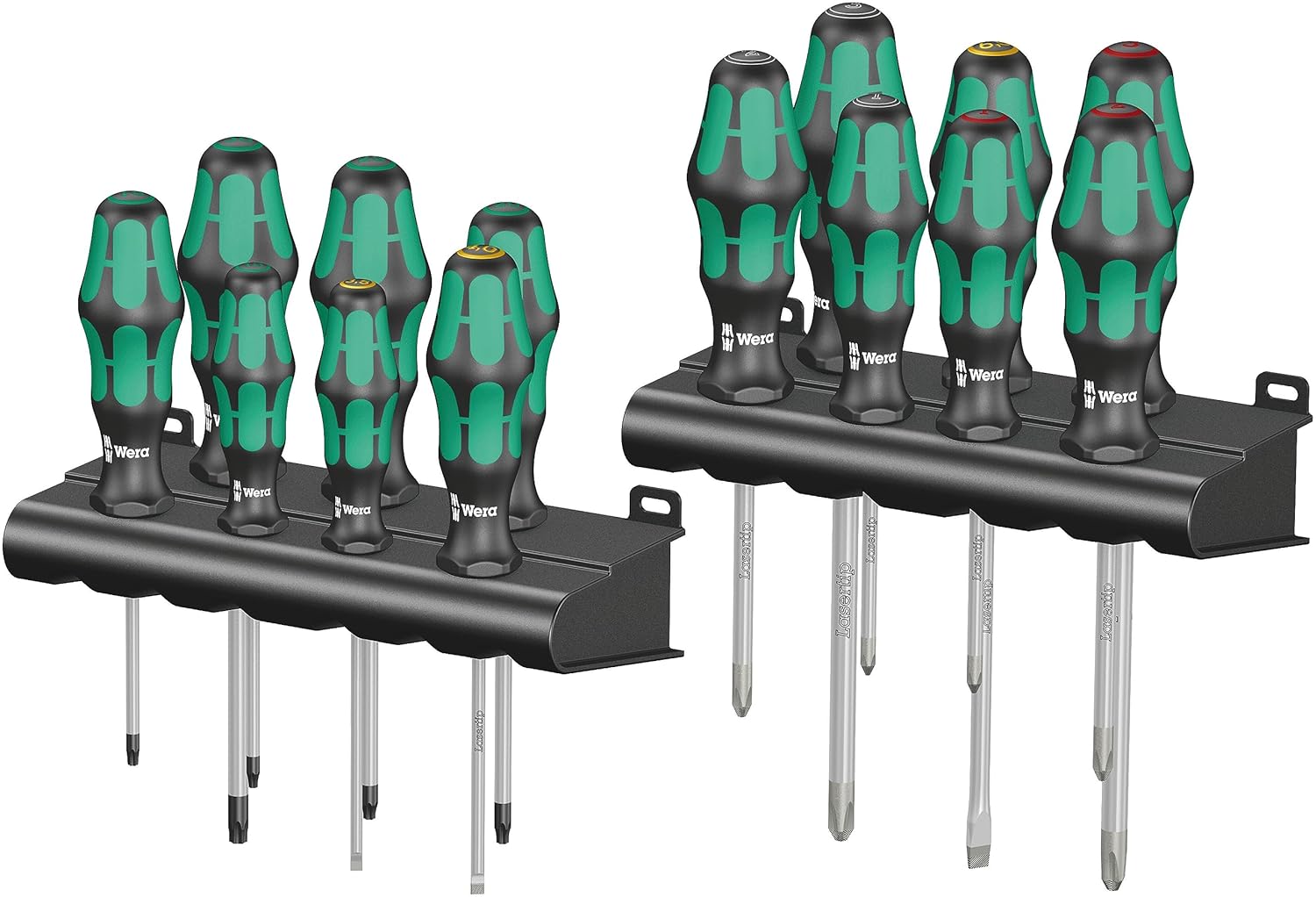
Tools That Make This Job Easier


Inspect the Fuse and Power Supply
The shift interlock circuit often shares power with the brake light switch, stop lamp circuit, body control module, or shifter assembly. Check the owner’s manual or fuse legend for fuses labeled STOP, BRAKE, SHIFT LOCK, BCM, or similar.
Use a test light or multimeter to check both sides of the fuse with the circuit powered. Do not rely only on visual inspection. A fuse can look intact and still test bad, and a good fuse with power on only one side is still a failure.
- Pass: battery voltage or test light power on both fuse terminals.
- Fail: no power at either side, which suggests an upstream feed problem or ignition feed issue.
- Fail: power on one side only, which indicates a blown fuse.
- Fail: repeated fuse failure, which suggests a shorted solenoid, pinched wire, or liquid contamination in the shifter.
Test the Brake Light Switch Input
The brake light switch is usually mounted near the top of the brake pedal arm. Some switches have two circuits inside: one for brake lamps and one for control modules. That means the brake lights can appear to work while the shift interlock input still fails, so direct testing matters.
What to Inspect
- Connector fully seated at the brake switch.
- Broken switch bracket or misadjusted switch position.
- Damaged wiring near the pedal arm from foot contact.
- Signs of aftermarket alarm or remote start wiring splices.
How to Test It
Back-probe the brake switch connector with the ignition on. One terminal should usually have battery voltage supplied to the switch. When the pedal is pressed, voltage should appear on the switched output terminal or terminals. On some vehicles the logic is reversed or module-controlled, so compare your readings with a wiring diagram when possible.
- Pass: proper input voltage to the switch and a clear on-off change at the output when the pedal is pressed.
- Fail: no power into the switch, which points back to a fuse or wiring issue.
- Fail: power into the switch but no output change when pressing the pedal, which usually means the switch is bad or misadjusted.
- Fail: erratic voltage change, which can mean worn internal contacts or a loose connector.
Access and Inspect the Shifter Assembly
Once the brake input and fuses check out, remove the console trim around the shifter as needed. Use a trim tool instead of a screwdriver whenever possible to avoid marring the panel. Look for the shift interlock solenoid mounted to the side or front of the shifter assembly.
Inspect the area closely before testing. Console spills are a common cause of sticky or failed interlock parts. Soda, coffee, and dust can gum up the lock pin or corrode connectors.
- Check for sticky residue, corrosion, or green discoloration at the connector.
- Check that the shifter cable and moving parts are not binding.
- Check that the solenoid plunger or lock pin moves freely by hand if accessible.
- Check for cracked plastic tabs, broken springs, or bent metal levers.
Test for Voltage at the Shift Interlock Solenoid
With the connector plugged in or back-probed, turn the ignition on and press the brake pedal. Most systems will send power or ground to the solenoid only when brake input is present. The exact strategy varies by manufacturer, but the key idea is to verify whether the solenoid is being commanded.
Using a Test Light
If the circuit is power-switched, clip the test light to ground and probe the power wire. The light should illuminate when the brake pedal is pressed. If the circuit is ground-switched, clip the test light to battery positive and probe the control wire for a ground signal.
Using a Multimeter
Measure voltage across the two solenoid terminals if accessible, or measure power and ground separately. You are looking for a clear change when the brake pedal is pressed. Many systems will show near battery voltage during command.
- Pass: the solenoid receives proper voltage or ground command when the brake pedal is pressed.
- Fail: no command signal, which points to wiring, brake switch input, module control, or fuse issues.
- Fail: weak voltage significantly below battery voltage, which suggests high resistance from corrosion, a weak battery, or damaged wiring.
- Fail: voltage appears briefly and disappears, which can indicate a module shutdown, loose connector, or internally shorted solenoid.
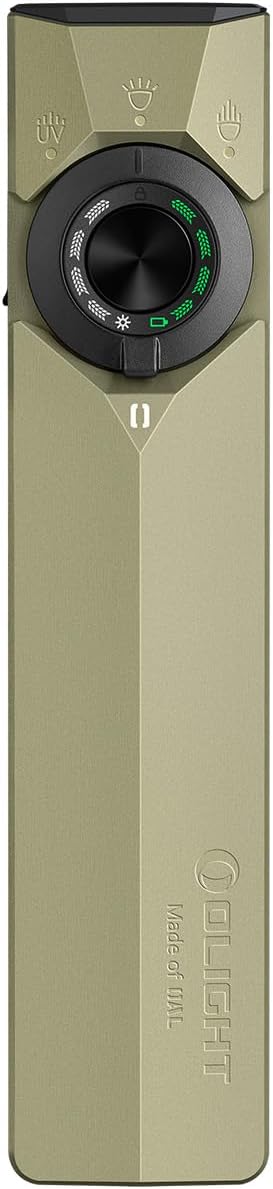
Recommended Tools for This Job


Check Solenoid Resistance and Coil Condition
If the circuit is commanding the solenoid but the lock does not release, unplug the connector and test the solenoid coil resistance with the battery off or the circuit safely isolated. Compare your reading with factory service information if available. There is no single resistance value for all vehicles, but an open circuit or a dead short is clearly abnormal.
- Pass: measurable resistance that is stable and within the manufacturer’s specification.
- Fail: OL or infinite resistance, which indicates an open coil.
- Fail: extremely low resistance, which suggests a shorted coil.
- Fail: resistance changes wildly when wiggling the connector, which suggests damaged terminals or broken internal leads.
If you have a power probe or equivalent and understand the risks, you can bench-test the solenoid with fused battery power once removed. A healthy solenoid should click sharply and move its plunger consistently. If it hums weakly, sticks, or gets hot quickly, replace it.
Differentiate Electrical Failure From Mechanical Binding
A common mistake is replacing the solenoid when the real problem is mechanical. If the solenoid clicks and receives proper voltage, but the shifter still will not move, inspect the shifter mechanism itself.
- The interlock pin may retract, but a cracked plastic lever may still keep the shifter locked.
- Dried drinks or debris can keep the release gate from moving freely.
- A misrouted shift cable or internal shifter wear can make the lever feel locked even though the solenoid works.
- Cold weather can temporarily stiffen contaminated grease or sticky plastic parts.
A useful pass-fail clue is whether the interlock pin visibly retracts when the brake pedal is pressed. If it retracts fully but the lever stays stuck, the failure is likely mechanical. If it never retracts and the solenoid has no movement, stay focused on the electrical side.
When the Solenoid Tests Good but the Problem Remains
If the solenoid has correct resistance, receives a clean command signal, and physically moves, widen the diagnosis. Some vehicles route the shift lock signal through a body control module, ignition switch logic, range switch logic, or a smart junction box.
At that point, wiring diagrams become important. Look for voltage drop across connectors, damaged grounds under the console, and signal loss between the brake switch and shifter. If your scan tool can read live data, confirm that the brake switch input changes correctly in the module when the pedal is pressed.
- Check battery voltage and charging condition if the problem happens only during cold starts.
- Check console harnesses for pinch points after stereo or interior work.
- Check for TSBs on common shifter or brake switch issues for your model.
- Check whether the ignition switch is fully reaching the run position.
When to Replace the Shift Interlock Solenoid
Replace the shift interlock solenoid when it fails one or more direct tests and the rest of the circuit checks out. A failed coil, a sticking plunger that will not respond to cleaning, or a unit that receives full command voltage but does not actuate are all solid replacement triggers.
If contamination is present, clean the connector and surrounding mechanism first, then retest. But do not rely on cleaning as a permanent fix if the coil is electrically out of specification or the solenoid is mechanically weak.
- Replace it if the coil is open or shorted.
- Replace it if battery voltage reaches the solenoid but it does not click or move.
- Replace it if it moves inconsistently after connector cleaning and wiring repairs are verified.
- Replace the shifter assembly instead if the solenoid is integrated and the mechanical lock components are damaged.
Key Takeaways
- Always check brake light operation, related fuses, and battery voltage before blaming the shift interlock solenoid.
- A solenoid that gets the correct command signal but does not click or release is a strong fail condition.
- If the solenoid clicks and the pin retracts, focus on a sticky or broken shifter mechanism instead of the electrical circuit.
- Use the manual shift lock override only as a temporary way to move the vehicle while you finish diagnosis.
- Intermittent stuck-in-Park problems often come from loose connectors, console contamination, or a failing brake light switch.
FAQ
Can a Bad Brake Light Switch Keep My Car Stuck in Park?
Yes. On many vehicles, the shift interlock will not release unless it sees a brake pedal signal. Even if the shifter itself is fine, a failed or misadjusted brake light switch can keep the lever locked in Park.
If My Brake Lights Work, Does That Mean the Interlock Solenoid Is Bad?
Not necessarily. Some brake switches have separate internal circuits, and some vehicles route the signal through a control module. The brake lights can work while the interlock command signal is still missing, so you still need to test for power and ground at the solenoid.
What Should a Working Shift Interlock Solenoid Do?
A working solenoid usually makes a light click when you press the brake pedal with the ignition on. It should retract its lock pin or release tab consistently so the shifter can move out of Park.
How Do I Know if the Solenoid Coil Is Bad?
Unplug the solenoid and measure resistance across its terminals. An open reading, a dead short, or a value far outside factory specification indicates a bad coil. Also, a solenoid that receives full voltage but does not move is likely defective.
Can Low Battery Voltage Cause Shift Interlock Problems?
Yes. Weak battery voltage can reduce solenoid pull strength or confuse module-controlled circuits. If the problem started after a dead battery or jump-start, verify battery condition and charging system voltage before replacing parts.
Is It Safe to Use the Shift Lock Override?
Yes, as a temporary measure if the parking brake is set and your foot is firmly on the brake pedal. It is meant to let you move the vehicle when the interlock fails, but it does not fix the underlying problem.
Should I Replace Just the Solenoid or the Whole Shifter Assembly?
Replace only the solenoid if it is serviceable separately and the rest of the shifter mechanism is in good shape. Replace the entire shifter assembly if the solenoid is integrated or if the plastic lock parts, springs, or lever mechanism are damaged.
Need Parts for This Repair?
The right parts and supplies vary by vehicle.
Select your make and model to find compatible parts and accessories for your car.
Exact Fit
Parts that fit your make and model
Quality You Can Trust
Top brands and OEM quality options
Fast Shipping
Get the parts you need, delivered fast