

Note: This article contains affiliate links. If you click on these links and make a purchase, I may earn a small commission at no extra cost to you. This helps support my research and content. Read my full affiliate disclosure here.
Repair Snapshot
Use a professional if the transmission must be removed from a tight engine bay, if you do not have a transmission jack, or if you are not comfortable setting converter depth and transmission alignment.
This article is part of our Transmission and Drivetrain Maintenance & Repair Guides.
A torque converter should be replaced when it is clearly causing slipping, shuddering, overheating, contaminated fluid, or lockup-clutch problems that cannot be fixed with fluid service or valve body repair.
Because the torque converter sits between the engine and automatic transmission, failure symptoms can feel like an engine misfire, a worn transmission, or even a driveline vibration. Replacing it too early wastes money, but waiting too long can send metal and clutch material through the transmission and turn a converter problem into a full rebuild.
This guide explains when replacement makes sense, how to confirm the converter is the real fault, and what is involved if you or a shop replace it. On most vehicles, the transmission must be removed to access the converter, so this is one of the more advanced DIY jobs.
What the Torque Converter Does
The torque converter is a fluid coupling between the engine and the automatic transmission. It lets the engine keep running while the vehicle is stopped, multiplies torque during takeoff, and in many vehicles uses a lockup clutch to reduce slip at cruising speed.
When the converter starts failing, the problem usually shows up in one of three areas: poor fluid coupling, internal bearing or stator damage, or a failing lockup clutch. Those failures can create shudder, slipping, delayed engagement, overheating, noise, and trouble codes related to converter clutch performance.
Signs It May Be Time to Replace the Torque Converter
Common Symptoms
- Shudder or vibration around 35–55 mph, especially during light throttle when the lockup clutch applies.
- Engine revs increase without matching acceleration, which can feel like transmission slip.
- Delayed engagement when shifting into Drive or Reverse after the vehicle is warmed up.
- Overheating transmission fluid or repeated high transmission temperature warnings.
- A rattling, whining, or scraping noise from the bellhousing area.
- Stalling as you come to a stop because the lockup clutch stays applied.
- Check engine or transmission codes such as P0740, P0741, P0742, or other torque converter clutch performance codes.
When Replacement Is Usually Justified
Replacement is usually the right move when the converter has a confirmed internal failure, repeated lockup clutch shudder after the correct fluid has been installed, metal debris in the transmission pan linked to converter damage, or a transmission rebuild is already underway. A converter with bearing damage, a damaged stator, ballooning, or clutch material failure is not something you want to leave in service.
If the transmission is already out for front pump repair, flexplate access, or a rebuild, replacing a questionable converter is usually cheap insurance. Labor is the expensive part.
Problems That Can Mimic a Bad Torque Converter
Do not replace the converter until you rule out other faults. Many drivability and shifting problems come from low fluid level, incorrect fluid type, a worn valve body, failed shift solenoids, engine misfires, bad motor mounts, or worn CV axles and driveshaft components.
- Check transmission fluid level and condition first, using the exact manufacturer procedure.
- Scan for engine and transmission trouble codes before disassembly.
- Inspect fluid for a burnt smell, glitter, or dark clutch material.
- Verify the shudder is not caused by an engine miss under light load.
- Inspect mounts and driveline parts if the complaint is a vibration rather than a shift or stall problem.
A common example is torque converter clutch shudder caused by degraded fluid rather than hard converter damage. On some vehicles, a fluid exchange with the correct specification fluid may improve or temporarily eliminate the problem. But if the shudder returns quickly, the clutch lining is often already damaged and replacement becomes more likely.
How to Confirm the Torque Converter Is the Problem
Diagnostic Checks
- Road test the vehicle and note exactly when the symptom happens: takeoff, light cruise, lockup apply, coastdown, or hot restart.
- Scan live data to see when the torque converter clutch is commanded on and whether slip speed stays too high or drops to zero when it should not.
- Check for codes related to converter clutch performance, stuck on, stuck off, or excessive slip.
- Inspect the transmission pan for friction material, metal flakes, or bronze-colored debris that can point to internal wear.
- If safe and allowed by factory procedure, compare stall speed and engagement behavior to service manual specs.
If converter clutch slip data is out of range, the fluid is contaminated, and the symptom matches lockup clutch apply or release, the converter becomes a strong suspect. If the pan contains significant debris, be realistic: the converter may not be the only failed part, and a full transmission overhaul may be the better repair.
When Not to Replace Just the Converter
If the transmission already has harsh shifts, multiple gear ratio errors, no movement, or widespread clutch debris, replacing only the converter is usually not enough. A failed converter can contaminate the transmission, and a failing transmission can also ruin a new converter. In those cases, shops typically recommend a rebuilt or remanufactured transmission with a new converter.
Tools That Make This Job Easier


Before You Start the Replacement
Torque converter replacement is transmission removal work. On rear-wheel-drive vehicles, the transmission usually comes out from underneath. On many front-wheel-drive vehicles, the job is tighter and may require subframe movement, axle removal, or engine support from above.
Always get the factory service information for your exact year, engine, and transmission code. Bolt locations, converter-to-flexplate access, torque specs, fluid type, and fill procedure vary a lot.
- Disconnect the negative battery cable.
- Raise and support the vehicle securely on jack stands placed at approved lift points.
- Chock the wheels and keep the vehicle level if fluid level will be checked later.
- Use a real transmission jack, not a floor jack balanced under the pan.
- Label electrical connectors, cooler lines, braces, and crossmembers during removal.
Torque Converter Removal Overview
General Removal Steps
- Drain the transmission fluid if your vehicle has a drain plug or remove the pan carefully to reduce mess.
- Remove any splash shields, undertrays, braces, exhaust sections, and heat shields blocking transmission access.
- Disconnect the driveshaft on rear-wheel-drive vehicles or remove the axles on many front-wheel-drive vehicles.
- Disconnect transmission cooler lines, shift linkage, electrical connectors, ground straps, and any speed sensors or brackets attached to the case.
- Support the transmission with a transmission jack and support the engine if the transmission mount or crossmember also supports engine position.
- Remove the starter or inspection cover to access the torque converter-to-flexplate bolts.
- Rotate the engine by hand and remove all converter bolts one at a time.
- Remove the transmission crossmember, bellhousing bolts, and any dowel-mounted braces.
- Slide the transmission straight back until the input shaft clears the engine, then lower it carefully.
- Pull the torque converter straight off the transmission input shaft and keep it upright to avoid spilling fluid.
Never let the transmission hang on the input shaft, and never pry aggressively between the bellhousing and engine block. If the transmission will not separate, recheck for hidden bolts, brackets, and converter bolts that were missed.
What to Inspect Before Installing the New Converter
This inspection stage matters as much as the replacement itself. A new converter installed on a contaminated or damaged transmission can fail quickly.
- Inspect the flexplate for cracks around the crankshaft flange and converter bolt holes.
- Inspect the front pump seal and pump bushing area for wear or leakage.
- Check the transmission input shaft splines and pump drive tangs for damage.
- Flush or replace contaminated cooler lines and the transmission cooler if debris is present.
- Replace the transmission filter and clean the pan and magnet thoroughly.
- Inspect the rear main seal and replace it if the engine side is already leaking.
- Compare the new converter to the old unit for pilot size, bolt pattern, depth, and overall dimensions.
If the old converter failed catastrophically and the pan contains heavy metal, many professionals replace or professionally flush the cooler and lines. Leftover debris is a common reason repeat transmission repairs fail.
Recommended Tools for This Job


Installing the New Torque Converter Correctly
Critical Installation Details
Pre-fill the converter with the correct automatic transmission fluid if your service information allows it. Lightly lubricate the converter hub and front seal with fresh ATF. Then install the converter onto the transmission input shaft while slowly rotating and pushing inward.
You should feel the converter engage in multiple steps as the splines and pump drive features seat. The exact number of drops varies by transmission design, but the converter must sit fully recessed inside the bellhousing before the transmission is installed.
- Do not force the transmission to the engine with bellhousing bolts if the converter is not fully seated.
- Verify converter depth against service manual specs before mating the transmission to the engine.
- Keep the converter pushed inward while raising and positioning the transmission.
- Once the bellhousing is seated against the engine dowels, install and torque the bellhousing bolts to spec.
- Only after the transmission is fully mounted should you rotate the converter and attach it to the flexplate.
If you pull the bellhousing tight with bolts while the converter is not seated, you can destroy the front pump immediately. That is one of the most expensive mistakes on this job.
Reassembly, Fluid Fill, and Final Checks
- Reinstall the converter-to-flexplate bolts using the specified torque and thread treatment if required.
- Reconnect mounts, crossmember, cooler lines, wiring, linkage, axles or driveshaft, exhaust parts, and shields.
- Install a new filter and pan gasket if the pan was removed, then torque pan bolts evenly to spec.
- Add the correct type and initial quantity of transmission fluid.
- Reconnect the battery, start the engine, and immediately verify the transmission pump is circulating fluid and there are no major leaks.
- With the brake applied, move the shifter slowly through each gear range to fill the circuits.
- Bring the transmission to the specified temperature range and set the final fluid level exactly per factory procedure.
- Road test the vehicle and confirm normal engagement, no shudder, no leaks, and normal converter clutch operation.
Some modern vehicles require a scan tool to monitor transmission temperature during final fill, and some may need adaptive relearn procedures after major transmission work. If you skip the correct fill process, the transmission can be overfilled or underfilled even if the converter replacement was done properly.
Torque Notes and Common Mistakes
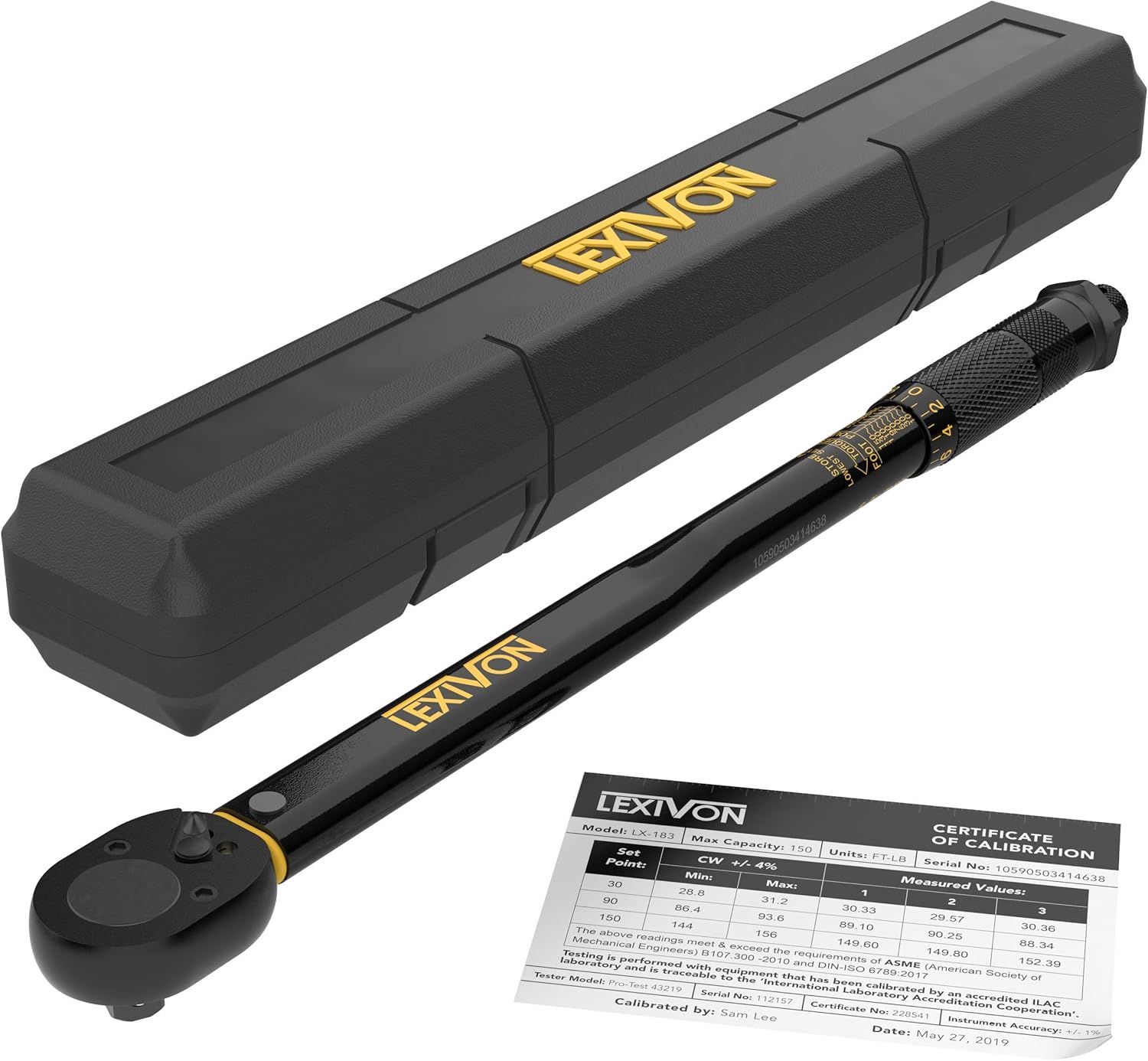
Always use factory torque specifications for bellhousing bolts, converter bolts, crossmember hardware, axle nuts, driveshaft fasteners, and pan bolts. Converter bolts that are too loose can create noise or damage the flexplate. Bolts that are too tight can strip threads or distort parts.
- Using the wrong ATF type after installation.
- Failing to flush debris from the cooler and lines.
- Reusing a damaged flexplate or leaking front pump seal.
- Not confirming converter seating depth before bolting up the transmission.
- Forgetting one converter bolt or failing to torque them evenly.
- Checking fluid level cold when the vehicle requires a hot-level procedure.
Should You Replace It Yourself or Pay a Shop?
DIY replacement makes sense only if you already have solid experience removing transmissions, safe lifting equipment, and access to service data. The converter itself is often not outrageously expensive, but labor, fluid, seals, and the chance of damaging the pump or contaminating the transmission make this a high-stakes repair.
A shop is the safer choice if the vehicle is front-wheel drive, all-wheel drive, or uses a cramped transmission layout. It is also the better choice if there is any chance the transmission has broader internal damage, because a professional can inspect the pan, pump, cooler system, and clutch debris and recommend the right level of repair.
Key Takeaways
- Replace a torque converter when symptoms are confirmed by scan data, fluid inspection, and road testing rather than by guesswork alone.
- Converter shudder, stalling at stops, delayed engagement, overheating, and converter clutch codes are the most common clues.
- If the transmission pan contains heavy debris or multiple shift problems are present, a converter-only repair may not be enough.
- The converter must be fully seated in the transmission before installation or the front pump can be destroyed.
- Correct fluid type, cooler flushing, and factory fill procedure are just as important as the new converter itself.
FAQ
Can I Keep Driving with a Bad Torque Converter?
Sometimes for a short period, but it is risky. A failing converter can overheat the fluid, contaminate the transmission, and lead to more expensive internal damage. If the vehicle is shuddering badly, slipping, or stalling, limit driving and diagnose it quickly.
Will a Transmission Fluid Change Fix Torque Converter Shudder?
It can help if the shudder is caused mainly by degraded or incorrect fluid, especially in the early stages. But if the lockup clutch friction material is already worn or damaged, the symptom often returns and the converter usually needs replacement.
How Much Does a Torque Converter Cost by Itself?
For many everyday vehicles, the converter alone is often about $150 to $600, though some applications cost more. Total repair cost rises fast because transmission removal, fluid, seals, filter service, and cooler cleaning add significant labor and parts.
Do I Need to Replace the Transmission Filter when Replacing the Converter?
Yes, in most cases you should. If the pan is removed and the converter is being replaced, installing a fresh filter and cleaning the pan and magnet is standard practice.
Can a Bad Torque Converter Trigger a Check Engine Light?
Yes. Common codes include torque converter clutch performance and slip-related faults such as P0740, P0741, and P0742, though exact codes vary by vehicle. These codes still need proper diagnosis because wiring, solenoids, and valve body issues can cause similar warnings.
Should I Replace the Front Pump Seal at the Same Time?
Usually yes, especially if the transmission is already out. The seal is inexpensive compared with the labor required to access it again, and replacing it helps prevent leaks after the new converter is installed.
What Happens if the Torque Converter Is Not Fully Seated During Installation?
The transmission may bolt up to the engine, but the converter can crush or break the front pump when the bolts are tightened. That can cause immediate no-move conditions, leaks, noise, or total transmission failure.
Need Parts for This Repair?
The right parts and supplies vary by vehicle.
Select your make and model to find compatible parts and accessories for your car.
Exact Fit
Parts that fit your make and model
Quality You Can Trust
Top brands and OEM quality options
Fast Shipping
Get the parts you need, delivered fast