

Note: This article contains affiliate links. If you click on these links and make a purchase, I may earn a small commission at no extra cost to you. This helps support my research and content. Read my full affiliate disclosure here.
What You’ll Need
A quick look at the tools and supplies commonly used for this job.
Tools
Parts & Supplies
- Brake light switch
- Shift interlock solenoid
- Park/neutral safety switch
- Shifter assembly
- Electrical contact cleaner
- Replacement fuse
- Dielectric grease
This article is part of our Transmission and Drivetrain Maintenance & Repair Guides.
A shift interlock or park switch fault can make your vehicle feel completely dead even when the transmission itself is fine. You may press the brake and find the shifter stuck in Park, or the shifter may move normally but the engine will not crank unless you jiggle the lever or start in Neutral.
Most DIY diagnoses go wrong because several parts can cause similar symptoms: the brake light switch, a blown fuse, the shift interlock solenoid, the park/neutral safety switch, the shifter mechanism, or damaged wiring. The goal is to separate a brake input problem from a shifter release problem and from a start-permission problem.
This guide walks you through the checks in a logical order, starting with the easiest observations and ending with electrical testing. That helps you avoid replacing an expensive shifter assembly when the real problem is a simple fuse or misadjusted switch.
What This System Does
On most automatic vehicles, two related systems work together around the shifter. The shift interlock prevents you from moving out of Park unless the ignition is on and the brake pedal is pressed. The park/neutral safety switch or range switch tells the vehicle that the transmission is in Park or Neutral so the engine can crank safely.
Depending on the vehicle, these functions may involve a brake light switch, a body control module, a shift lock solenoid in the console shifter or column shifter, and a transmission range sensor mounted on the transmission or integrated into the shifter assembly.
- If the shifter will not leave Park, suspect the brake light circuit, interlock solenoid, shifter mechanism, or related wiring.
- If the shifter moves but the engine will not crank in Park, suspect the park/neutral safety switch, shift cable adjustment, range sensor, or starter enable circuit.
- If both symptoms happen together, check power supply, fuses, ignition switch inputs, and shared wiring first.
Common Symptoms of a Shift Interlock or Park Switch Fault
- Shifter is stuck in Park even with the brake pedal pressed.
- Brake pedal feels normal, but you do not hear a click from the shifter when pressing it.
- Vehicle starts in Neutral but not in Park.
- Vehicle starts only when you move or wiggle the shifter.
- PRNDL indicator is wrong, missing, or flickering.
- Reverse lights do not work correctly.
- Brake lights stay off, stay on, or work intermittently.
- Check engine light or transmission warning light is on.
These clues matter because they point to different branches of the diagnosis. For example, dead brake lights strongly suggest a brake switch or fuse issue, while a no-crank problem that changes when you move the shifter suggests a park/neutral switch or cable adjustment problem.
Safety Before You Start
Work on level ground, set the parking brake firmly, and keep your foot on the brake whenever you are testing shifter operation. If you need to move the shifter out of Park using the manual release, make sure the wheels are blocked and the vehicle cannot roll.
Some tests require the key in the ON position or the engine attempting to crank. Keep clear of moving parts, and never bypass a safety switch permanently just to make the vehicle start.
Initial Checks You Should Do First
Check Battery Voltage and Obvious Electrical Issues
Low system voltage can create misleading symptoms, especially on newer vehicles with electronic shifters or body control modules. If the battery is weak, charge or test it before you chase switch faults. Dim dash lights, slow cranking, or multiple electronic warnings can point to a basic power issue rather than a failed interlock component.
Check Whether the Brake Lights Work
This is one of the most important first checks. Turn the key on, press the brake pedal, and confirm the rear brake lights illuminate. If they do not, the shift interlock often will not release because it does not see the brake-pedal input.
Listen for the Interlock Click
With the key on, press and release the brake pedal while listening near the shifter. Many vehicles produce a faint click each time the interlock solenoid energizes. No click does not prove the solenoid is bad, but it does tell you to inspect brake switch signal, fuse power, and solenoid power/ground.
Try Starting in Neutral
If the vehicle will not crank in Park, hold the brake, move the lever to Neutral, and try again. If it starts in Neutral but not in Park, that strongly points to a park/neutral safety switch, range sensor alignment problem, or shifter cable misadjustment.
Tools That Make This Job Easier


How to Tell Which Part of the System Is Failing
- Shifter stuck in Park and brake lights do not work: likely brake light switch, fuse, or power supply issue.
- Shifter stuck in Park and brake lights work: likely interlock solenoid, shifter mechanism, or interlock wiring issue.
- Shifter moves but engine will not crank in Park or Neutral: likely starter circuit, ignition switch, battery, or unrelated no-start issue.
- Shifter moves, engine will not crank in Park, but cranks in Neutral: likely park/neutral safety switch or adjustment issue.
- Gear indicator does not match actual gear position: likely range sensor, cable, or shifter alignment issue.
Step-by-Step Diagnostic Procedure
Inspect the Brake Pedal Switch
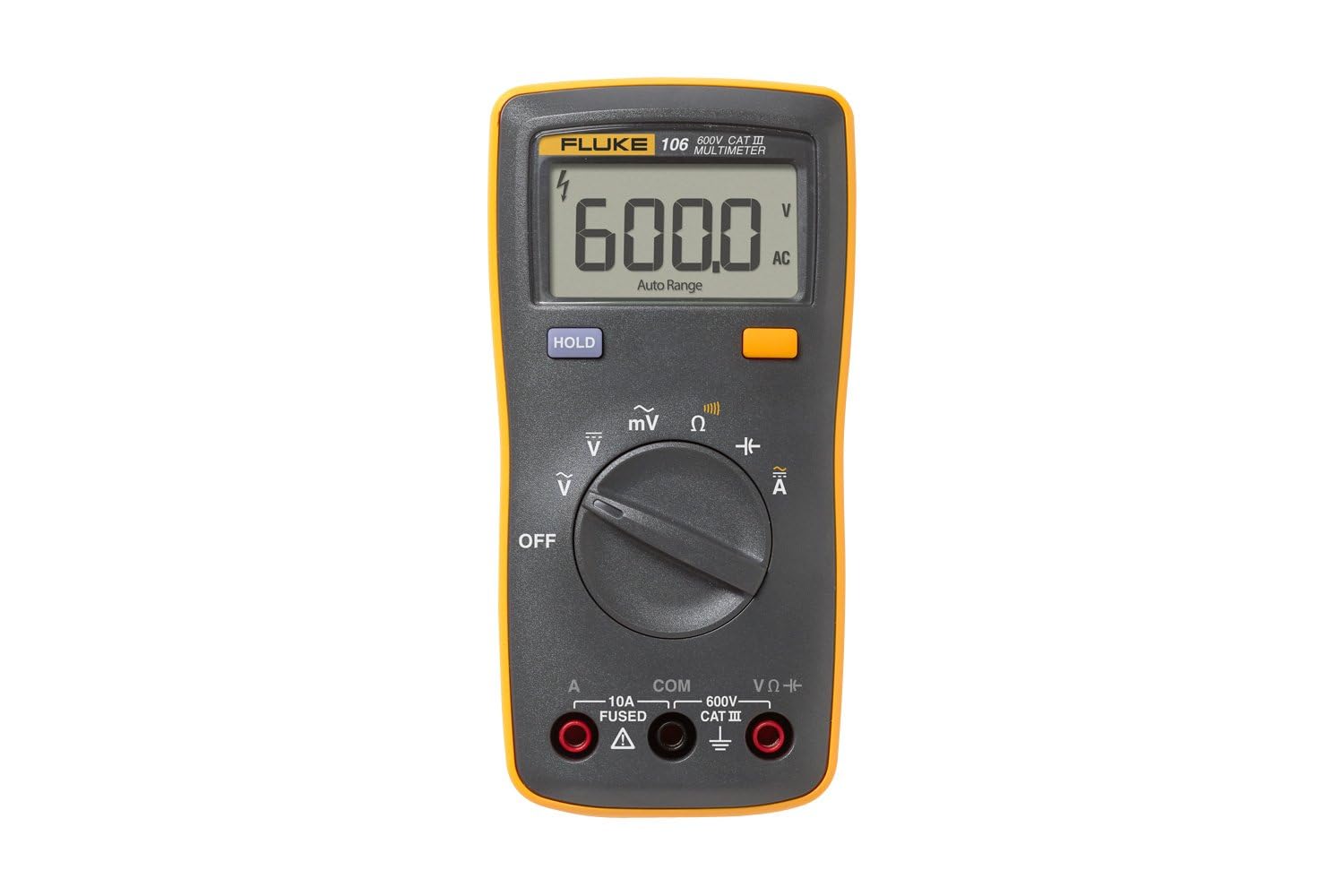
The brake light switch is usually mounted at the top of the brake pedal arm. Check that the connector is fully seated, the switch is physically secure, and the pedal bracket is not bent or loose. If the brake lights do not work, probe the switch with a test light or multimeter. One side should have battery voltage, and the output side should change state when the pedal is pressed.
If power enters the switch but does not leave when the pedal is pressed, the switch is faulty or out of adjustment. If there is no power at the switch, check the fuse and upstream wiring.
Check Fuses for Brake, Stop Lamp, Shift Lock, and BCM Circuits
Do not rely on visual inspection alone if the fuse is hard to see. Use a test light across both test tabs with the circuit powered. A blown brake or stop-lamp fuse can kill both brake lights and shift release. Some vehicles use separate fuses for the brake lamps and the shift lock or transmission control side, so check all related fuse labels.
Use the Manual Shift Lock Release
Most vehicles have a small cover or slot near the shifter for emergency release. With the parking brake set and foot on the brake, use the manual release to move the shifter out of Park. If the shifter moves smoothly with the manual release, the mechanical side of the shifter may be okay, which increases suspicion on the interlock solenoid or its control circuit.
If the shifter still binds or feels jammed even with manual override, inspect for spilled drinks, broken trim, worn shift button parts, cable damage, or internal shifter failure.
Check for Interlock Solenoid Operation
Remove the console trim as needed to access the shifter connector. When you press the brake pedal, the interlock solenoid should receive a command on many designs. Depending on the circuit, that may be battery voltage supplied to the solenoid or a ground switched by a module. A wiring diagram is ideal, but even without one you can often verify whether the solenoid gets a changing signal when the pedal is pressed.
If the brake lights work, the relevant fuse is good, and no control signal reaches the solenoid, suspect broken wiring, a module issue, or a failed input interpretation inside the shifter assembly. If the solenoid gets the correct power and ground but does not move, it is likely faulty.
Test Park Versus Neutral Starting Behavior
If the engine will not crank, note exactly what happens. A single click, no click, or crank in Neutral only are different clues. A true park switch fault usually shows up as one of these patterns: starts in Neutral but not Park, starts only when the lever is pulled slightly toward you, or starts only when the shifter is pushed firmly into Park.
Those symptoms suggest the transmission range sensor or neutral safety switch is not seeing the exact Park position, often because the switch is worn or the shift cable is slightly out of adjustment.
Inspect the Shift Cable and Linkage Adjustment
On cable-operated shifters, a stretched cable, worn bushing, or misadjustment can leave the cabin shifter showing Park while the transmission manual lever is not fully in the Park detent. Inspect both ends if accessible. Check for loose hardware, missing retaining clips, sloppy bushings, and signs that the transmission lever does not align cleanly with the gear selected at the shifter.
If the indicator is off by one position, reverse lights work in the wrong range, or the lever feels slightly off-center, adjustment is a strong possibility.
Scan for Transmission and Body Control Codes
An OBD2 scanner may reveal stored codes related to transmission range sensor correlation, brake switch circuits, shift lock circuits, or communication faults. Even if the check engine light is not on, a body or transmission module can store useful history codes. Record them before disconnecting anything.
Codes alone do not prove a part is bad, but they can tell you whether the control modules are seeing an implausible gear position or missing brake input.
Test the Park/neutral Safety Switch or Range Sensor
Older designs may use a simple switch with continuity in Park and Neutral. Newer vehicles often use a range sensor that reports several positions. For a basic continuity-style switch, disconnect the connector and test according to the service information for continuity in Park and Neutral only. For a more advanced sensor, back-probing voltage signals or reading live data on a scan tool is more effective.
If the module data shows the wrong gear while the shifter position is correct, suspect the range sensor or cable alignment. If the data changes erratically while lightly moving the lever, internal wear is likely.
Recommended Tools for This Job


How to Interpret Your Test Results
When the Brake Lights Are the Main Clue
No brake lights plus a stuck shifter is often the fastest diagnosis in this whole system. That usually means a bad brake light switch, blown fuse, damaged brake switch connector, or a wiring issue near the pedal bracket.
When the Interlock Solenoid Is the Likely Fault
If the brake lights work, fuses are good, the shifter is still stuck, and the solenoid has proper power and ground but will not actuate, the shift interlock solenoid or integrated shifter lock mechanism is likely the failed part.
When the Park Switch or Range Sensor Is the Likely Fault
If the vehicle cranks in Neutral but not Park, or only starts when the lever is held in a certain spot, the park/neutral switch or transmission range sensor becomes the top suspect. Before replacing it, verify cable adjustment because a slightly misaligned cable can mimic a failed switch.
When the Shifter Assembly Itself Is the Problem
Physical binding, broken shift button action, sticky operation after a spill, or failure of multiple shifter-mounted electronics can point to an internal shifter assembly issue. This is more common than many owners expect, especially on console shifters exposed to drinks and debris.
Repairs That Commonly Fix the Problem
- Replace or adjust the brake light switch.
- Replace a blown fuse after checking why it failed.
- Repair damaged wiring near the brake pedal, console, or transmission range sensor.
- Replace the shift interlock solenoid or shifter assembly.
- Adjust or repair the shift cable and worn cable bushings.
- Replace and align the park/neutral safety switch or transmission range sensor.
After repair, always confirm three things: the brake lights work correctly, the shifter releases normally from Park, and the engine starts only in Park or Neutral. Also verify reverse lights and PRNDL indication if your vehicle uses the same range input for those functions.
Mistakes to Avoid During Diagnosis
- Do not replace the shifter assembly before checking brake lights and fuses.
- Do not assume a no-crank in Park means the starter is bad.
- Do not ignore a misadjusted shift cable, especially if the vehicle starts in Neutral.
- Do not force the shifter aggressively, which can break plastic internal parts.
- Do not leave a manual shift lock override as your long-term solution.
When to Stop DIY and Get Professional Help
It is reasonable to stop and get professional help if your vehicle uses an electronic rotary shifter, stores module communication codes, or requires scan-tool calibration after replacing a range sensor. The same applies if the car can be shifted but may not stay securely in Park, because that creates a real safety hazard.
Professional diagnosis is also smart when the problem is intermittent and only happens hot, after rain, or on rough roads. Those cases often involve wiring faults or internal switch wear that require more advanced signal testing.
Key Takeaways
- If the shifter is stuck in Park, check brake light operation before suspecting the shifter itself.
- If the vehicle starts in Neutral but not Park, focus on the park/neutral switch, range sensor, or cable adjustment.
- A working brake light circuit plus no interlock click points toward solenoid, wiring, or shifter mechanism faults.
- Use the manual shift lock release only for temporary movement and always secure the vehicle against rolling.
- Verify brake lights, Park/Neutral starting, reverse lights, and gear indication after any repair.
FAQ
Can a Bad Brake Light Switch Keep My Car Stuck in Park?
Yes. On many vehicles, the shift interlock will not release unless it sees the brake-pedal signal from the brake light switch. If the brake lights do not come on, the switch or its fuse is one of the first things to check.
Why Does My Car Start in Neutral but Not in Park?
That usually points to a park/neutral safety switch or transmission range sensor issue, or a shift cable that is slightly out of adjustment. The system is seeing Neutral correctly but not Park.
Is a Stuck Shifter Always Caused by the Transmission?
No. A stuck shifter in Park is often caused by the brake switch circuit, shift interlock solenoid, or a failed shifter mechanism. The transmission itself may be working normally.
Can I Drive the Vehicle if I Use the Manual Shift Lock Release?
Only as a short-term emergency measure if the vehicle otherwise operates safely. The manual release bypasses an important safety function, so you should repair the underlying fault as soon as possible.
Will an OBD2 Scanner Show a Park Switch Problem?
Sometimes. Many vehicles store codes related to transmission range sensor circuits, brake switch inputs, or shift lock control. A basic scanner may show powertrain codes, while a more capable scan tool may be needed for body-control data.
Can Low Battery Voltage Cause Shift Interlock Problems?
Yes. Low voltage can cause weak solenoid operation, module faults, or confusing electronic shifter behavior. Always rule out a weak battery or poor connections early in the diagnosis.
What if the Brake Lights Work but the Shifter Is Still Stuck?
Then move to the interlock side of the system. Check the shift lock fuse, inspect the shifter for binding, and test whether the interlock solenoid is receiving proper power and ground when the brake is pressed.
Need Parts for This Repair?
The right parts and supplies vary by vehicle.
Select your make and model to find compatible parts and accessories for your car.
Exact Fit
Parts that fit your make and model
Quality You Can Trust
Top brands and OEM quality options
Fast Shipping
Get the parts you need, delivered fast