

Note: This article contains affiliate links. If you click on these links and make a purchase, I may earn a small commission at no extra cost to you. This helps support my research and content. Read my full affiliate disclosure here.
Repair Snapshot
Use a mechanic if the vehicle has severe misfueling, an in-tank pump module that is hard to access, diesel emissions equipment concerns, or if you cannot safely handle and store drained fuel. Professional help is also the better choice when the engine was run extensively on contaminated fuel and high-pressure components may be damaged.
This article is part of our Fuel System Maintenance & Repair Guides.
Flushing a contaminated fuel system means removing bad fuel, cleaning out what you safely can, replacing affected service parts, and refilling with clean fuel before more damage happens.
Contaminated fuel can come from water in the tank, dirt or rust, stale gasoline, diesel contamination, gasoline accidentally put into a diesel vehicle, or fuel from an unreliable storage can. The symptoms often look like other problems: hard starting, rough idle, stalling, no-start, smoke, poor acceleration, misfires, or a fuel pump that suddenly gets noisy.
The exact repair depends on what got into the system, how long the engine ran, and whether the vehicle uses a returnless gasoline system, port injection, direct injection, or modern common-rail diesel hardware. This guide covers a practical DIY approach for typical contamination cases and points out where stopping and calling a professional is the safer move.
Before You Start
Fuel work carries real fire and health risks. Work outside or in a very well-ventilated area, keep all ignition sources away, and have approved containers ready before disconnecting anything. Do not use household buckets, shop vacuums, or improvised electric pumps around fuel.
If the contamination is severe misfueling, especially gasoline in a diesel vehicle, stop driving immediately. Even brief operation can damage a diesel high-pressure pump, injectors, and emissions components. On many late-model diesels, professional flushing is strongly recommended.
- Disconnect the battery negative terminal before opening the system unless your service information requires another procedure.
- Relieve fuel system pressure according to the factory method before disconnecting fuel lines.
- Label drained fuel clearly so it is not accidentally reused.
- Check local rules for fuel disposal because many areas prohibit dumping or mixing it with regular trash.
How to Confirm Fuel Contamination
Common Signs
A contaminated fuel system usually shows itself soon after refueling or after the vehicle has sat for a long time. The engine may crank longer than normal, run rough under load, hesitate, stall at stops, or trigger lean, rich, or misfire trouble codes.
- Problem started right after a fill-up.
- Fuel sample looks cloudy, discolored, or has visible debris.
- Water separates to the bottom of the sample after sitting.
- Engine runs badly on fresh starting fluid but worsens once fuel supply takes over.
- Fuel filter contains rust, sludge, or unusual sediment.
What Kind of Contamination Matters
Water contamination often causes hard starts, stalling, and corrosion. Dirt or rust can clog the pump strainer, filter, injectors, or pressure regulator. Stale gasoline loses volatility and can leave varnish behind. Gasoline in a diesel system is the most serious common mistake because diesel fuel also lubricates major pump components.
If you can safely take a sample from the tank or filter, compare it with fresh fuel in a clear container. Let the sample sit for several minutes. Water and sediment usually become easier to see once the sample settles.
Decide How Far the Flush Needs to Go
Not every contaminated fuel problem needs the exact same repair. A tank of stale gasoline in a lawn can that was poured into an older car is very different from a late-model diesel that was driven with gasoline in the tank.
- If the engine was not started after bad fuel was added, draining the tank and refilling may be enough.
- If the engine ran briefly, drain the tank, replace the fuel filter, and flush the feed line before starting again.
- If the engine ran for an extended time, inspect or clean the tank, check pump operation, and consider injector service or professional cleaning.
- If metal particles are present, especially on diesel systems, stop DIY work and get a professional diagnosis because component failure may have already occurred.
Tools That Make This Job Easier

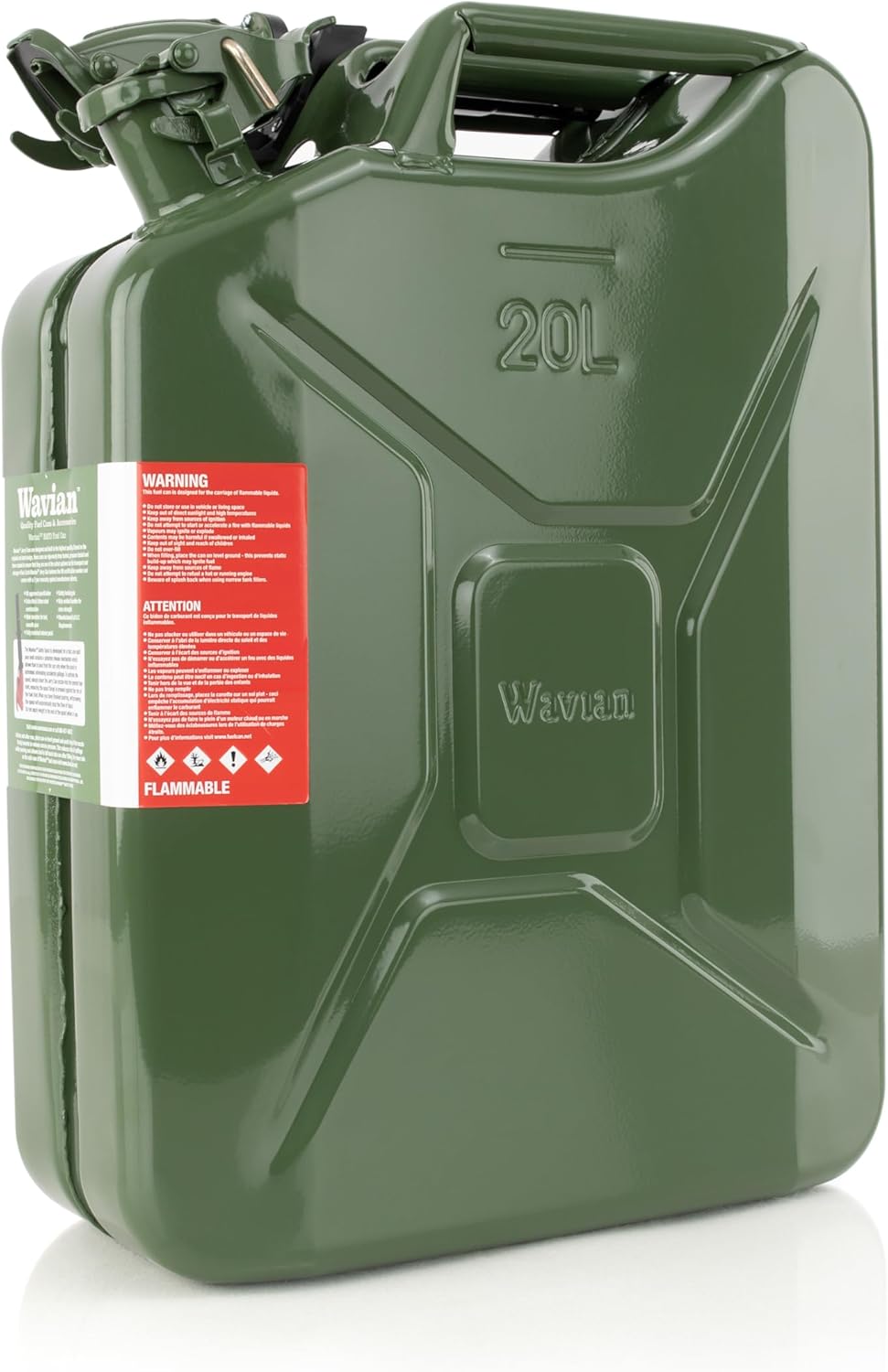

Step-by-Step Procedure to Flush the Fuel System
Relieve Pressure and Make the Vehicle Safe
Follow the factory pressure relief procedure before opening any fuel line. On some vehicles you can remove the fuel pump fuse or relay and crank the engine to bleed off pressure. Others require a scan tool command or a service port method. Once pressure is relieved, disconnect the battery negative terminal.
Drain or Remove the Fuel Tank
The cleanest method is usually to drain the tank fully. Some vehicles have an accessible drain point, but many do not. In those cases, you may need to siphon from the filler neck, pump fuel out through the supply line, or lower the tank. Use only approved containers and keep track of how much fuel you remove.
If the tank must be removed, support it safely, disconnect the filler neck, vent lines, electrical connectors, and fuel lines, then lower it carefully. A nearly full tank is heavy, so remove as much fuel as possible before dropping it.
Inspect the Inside of the Tank
With the pump module out or the tank accessible, inspect for water, rust flakes, sludge, varnish, or dirt. Light contamination may be handled by wiping and rinsing with a small amount of fresh fuel. Heavy rust, thick sludge, or damaged internal baffles often means the tank should be professionally cleaned or replaced.
- Do not use shop towels that leave lint inside the tank.
- Do not use aggressive cleaners unless the service information specifically allows them.
- If the pump strainer is coated with debris, replace it or the complete pump module as required.
Replace the Fuel Filter
A contaminated fuel event is a good reason to replace the fuel filter, even if it was changed recently. Debris and water can load the filter quickly. On vehicles with an in-tank only filter or integrated module, inspect the pump strainer and replace the module if contamination is severe or flow is reduced.
Flush the Supply Line
Disconnect the fuel supply line at a safe downstream point and direct it into an approved container. Reconnect the battery temporarily and command or jumper the fuel pump only if the service method permits it. Pump out enough fuel to clear the line, then disconnect the battery again before reconnecting lines.
On some return-style systems, both feed and return lines should be checked. On returnless systems, you usually focus on the feed side. If you are unsure which lines are present or how the pump is controlled, stop and get the vehicle-specific procedure.
Handle the Fuel Rail and Injectors Carefully
If contamination was mild and the engine was not run much, fresh fuel through the cleaned tank and line may be enough. If the engine ran poorly for a while or visible debris made it past the filter, the injectors may need cleaning or replacement. Port-injected gasoline systems are often more forgiving than direct injection or diesel systems.
Avoid spraying random cleaners into direct-injection hardware or opening high-pressure diesel lines without the correct procedure. High-pressure fuel can penetrate skin and cause severe injury. That is a job for trained service.
Refill, Prime, and Restart the Engine
Reinstall the tank and all disconnected lines, connectors, and shields. Use a new pump seal or lock ring if the old one is damaged or if service information calls for replacement. Add a sufficient amount of fresh, correct fuel so the pump can stay submerged and prime properly.
Cycle the key from OFF to ON several times without cranking if your vehicle uses an electric low-pressure pump. This helps refill the line and rail. Check carefully for leaks before starting the engine. Once it starts, let it idle and inspect again.
- Add fresh fuel.
- Reconnect the battery.
- Prime the system using the key cycle or factory scan-tool method.
- Check for leaks at the tank, filter, and line connections.
- Start the engine and let it idle for several minutes.
- Clear any codes only after confirming the repair and leak-free operation.
Recommended Tools for This Job


What to Do if It Still Runs Poorly
If the engine still misfires, stalls, smokes, or lacks power after a proper flush, more than just bad fuel may be involved. The contamination may have damaged the pump, clogged injectors, fouled spark plugs, or triggered unrelated issues that happened at the same time.
- Scan for trouble codes and look at fuel trim, rail pressure, and misfire data if available.
- Verify actual fuel pressure against specifications.
- Inspect spark plugs if the engine was heavily flooded or misfired for a long time.
- Check the old filter and drained fuel for metal particles or heavy rust.
- Consider professional injector cleaning or replacement if one or more cylinders remain affected.
On diesel vehicles, continued hard starting, rattling, low rail pressure, or metal contamination can point to high-pressure pump damage. That usually requires a much deeper repair than a simple flush.
Special Notes for Gasoline Vs. Diesel Systems
Gasoline Vehicles
Most gasoline systems tolerate a straightforward tank drain, filter replacement, line flush, and refill if the contamination was caught early. Small amounts of water or stale fuel may be corrected without replacing major components, as long as no rust or heavy debris remains in the tank.
Diesel Vehicles
Diesel systems are less forgiving, especially modern common-rail designs. Water can damage injectors and promote corrosion. Gasoline contamination removes lubrication and can quickly harm the high-pressure pump. If the engine was started or driven, the repair may require tank draining, line flushing, filter replacement, injector inspection, and in severe cases replacement of the pump and rails.
If the vehicle has a water separator, drain and service it according to the manual. Replace the diesel fuel filter whenever contamination is suspected.
How to Prevent Fuel Contamination From Happening Again
Prevention is cheaper than any fuel system flush. Most contamination cases trace back to storage fuel, questionable fuel stations, water entry, or simple misfueling.
- Use clean, sealed fuel containers and avoid storing fuel longer than recommended.
- Buy fuel from busy stations with good turnover and maintained pumps.
- Keep the tank reasonably full in humid or wet conditions to reduce condensation risk.
- Replace the fuel filter on schedule, especially on diesel vehicles.
- Double-check the pump label every time, particularly when switching between gasoline and diesel vehicles.
- If the vehicle sits for long periods, use fresh fuel management practices appropriate for the season and fuel type.
When This Job Is Better Left to a Professional
DIY flushing makes sense when you can safely access the tank, identify the contamination early, and work on a system that does not require specialized high-pressure procedures. It is a poor choice when the risk of component damage or fire outweighs the savings.
- The engine was driven extensively with the wrong fuel.
- The vehicle is a modern diesel with common-rail injection.
- You found metal shavings, heavy rust, or thick sludge in the fuel.
- The tank is difficult to remove and requires exhaust or subframe work.
- You cannot store, transport, or dispose of the drained fuel legally and safely.
Key Takeaways
- Stop driving as soon as you suspect contaminated or incorrect fuel to limit pump and injector damage.
- A proper flush usually means draining the tank, replacing the fuel filter, clearing the supply line, and refilling with fresh fuel.
- Gasoline contamination in a diesel system is a high-risk situation that often needs professional service even if the engine only ran briefly.
- Always check for leaks after priming and before road testing because disturbed fuel lines and tank seals can seep.
- If the engine still runs poorly after the flush, test fuel pressure and scan for codes instead of assuming the fuel was the only problem.
FAQ
Can I Just Dilute Bad Fuel with Fresh Fuel Instead of Flushing the System?
Sometimes a small amount of stale gasoline can be diluted in an older gasoline vehicle, but true contamination from water, dirt, rust, or wrong fuel should not be handled that way. Dilution does not remove debris or water and can still damage the pump, filter, and injectors.
Do I Always Need to Remove the Fuel Tank?
No. Some vehicles let you drain the tank through an accessible line or pump the fuel out through the supply circuit. But if there is visible debris, water, or sludge in the tank, removing it for inspection and cleaning is often the better repair.
Should I Replace the Fuel Pump After Contamination?
Not always. If the pump is quiet, pressure is correct, and the contamination was caught early, a pump may survive. Replace it if the strainer is heavily fouled, pressure is low, the pump is noisy, or contamination has clearly damaged the module.
Is a Fuel System Cleaner Enough to Fix Contaminated Fuel?
No. Additives may help with mild varnish or injector deposits, but they do not remove water, rust flakes, sand, or the wrong type of fuel. A cleaner is only a follow-up aid after the contaminated fuel has been removed.
What Happens if I Put Gasoline in a Diesel Vehicle?
Gasoline lowers the lubrication diesel components depend on, especially the high-pressure pump and injectors. If the engine has not been started, draining the tank quickly can prevent major damage. If it was started or driven, professional inspection is strongly recommended.
What Happens if I Put Diesel in a Gasoline Vehicle?
Diesel in a gasoline vehicle usually causes smoke, rough running, poor combustion, and fouled plugs because it does not atomize and ignite the same way in a gasoline engine. The system usually needs to be drained and refilled with fresh gasoline, along with filter service where applicable.
How Do I Dispose of Contaminated Fuel?
Store it in approved, clearly labeled containers and contact your local hazardous waste facility, recycling center, or municipality for disposal instructions. Do not pour it on the ground, into drains, or into household trash.
Need Parts for This Repair?
The right parts and supplies vary by vehicle.
Select your make and model to find compatible parts and accessories for your car.
Exact Fit
Parts that fit your make and model
Quality You Can Trust
Top brands and OEM quality options
Fast Shipping
Get the parts you need, delivered fast