

Note: This article contains affiliate links. If you click on these links and make a purchase, I may earn a small commission at no extra cost to you. This helps support my research and content. Read my full affiliate disclosure here.
What You’ll Need
A quick look at the tools and supplies commonly used for this job.
This article is part of our Exhaust and Emissions Maintenance & Repair Guides.
Checking a catalytic converter for internal damage means looking for a broken honeycomb substrate, melted material, or a partial blockage inside the converter rather than just reading a check-engine light and guessing. A converter can look fine from the outside while the internal core is cracked, loose, or collapsing.
For a DIY car owner, the goal is to confirm whether the converter itself is damaged or whether another engine problem is creating similar symptoms. Internal converter damage can cause rattling, lack of power, overheating under the floor, poor acceleration, sulfur smell, and catalyst-efficiency trouble codes. But misfires, fuel-control problems, and exhaust leaks can also point you in the wrong direction.
This inspection procedure walks through the safest and most useful checks you can do at home, from sound and temperature testing to scan data and visual inspection. You will also learn what counts as a pass, what counts as a fail, and when it is smarter to stop testing and replace the converter after fixing the root cause.
What Internal Catalytic Converter Damage Looks Like
Inside the converter is a ceramic or metallic honeycomb substrate coated with catalyst material. Internal damage usually falls into three categories: the substrate breaks apart and rattles, the substrate melts from overheating and restricts exhaust flow, or the core becomes contaminated and no longer works efficiently. This article focuses on physical internal damage, especially broken or blocked cores.
A broken substrate often happens after impact, age, or repeated heat cycling. A melted substrate usually points to an upstream problem such as a persistent misfire, leaking injector, oil burning, coolant contamination, or an overly rich air-fuel mixture. That matters because replacing the converter without fixing the root cause can destroy the new one quickly.
- Broken core: often causes a metallic rattle and may intermittently block flow as pieces shift.
- Melted core: often causes severe loss of power, excessive heat, and high backpressure.
- Contaminated core: may trigger efficiency codes without obvious rattling or blockage.
Common Symptoms That Suggest Internal Damage
Before lifting the vehicle or removing anything, pay attention to the exact complaint. Internal converter damage often produces a pattern of symptoms rather than one single clue. Your job is to separate a likely converter problem from a sensor problem or general engine performance issue.
Symptoms That Raise Suspicion
- Rattling from under the vehicle, especially at cold start, light throttle, or when tapping the converter shell.
- Noticeable loss of power at higher RPM or under load, as if the engine cannot exhale.
- Engine starts and idles reasonably well but falls flat during acceleration.
- Excessive heat around the converter area or a hot-metal smell after short drives.
- Trouble codes such as P0420 or P0430, sometimes along with misfire or fuel-trim codes.
- Poor fuel economy combined with sluggish response.
- Sulfur or rotten-egg smell, which can happen with converter distress or rich running.
None of these symptoms alone proves internal converter damage. For example, a loose heat shield can rattle like a broken substrate, and a clogged muffler can mimic a blocked converter. That is why the rest of the inspection process matters.
Safety Before You Inspect
Catalytic converters run extremely hot. Even after the engine is shut off, the converter can stay hot enough to burn you. If you need to work underneath the vehicle, use a level surface, chock the wheels, and support the car with jack stands. Never rely on a floor jack alone.
- Let the exhaust cool fully before touching or tapping components.
- Wear safety glasses because rust, dirt, and exhaust scale fall easily.
- Use gloves when handling shields, clamps, and hot-adjacent parts.
- Keep loose clothing away from moving belts and fans during running tests.
- Do not inhale exhaust in a closed garage; keep the area ventilated.
Start With a Scan Tool Check
A scan tool cannot see inside the converter, but it can tell you whether the engine has been operating in a way that commonly damages converters. This is one of the most important steps because many failed converters are victims, not root causes.
What to Look for in Codes and Data
- Catalyst efficiency codes such as P0420 or P0430.
- Misfire codes like P0300 through cylinder-specific misfire codes.
- Fuel-trim issues showing the engine is running too rich or too lean.
- Oxygen sensor codes that may affect catalyst monitoring.
- Coolant temperature issues indicating the engine may be running abnormally.
If you have active misfire codes, rich-running codes, or signs of oil or coolant consumption, treat those as red flags. A converter can overheat and melt internally when raw fuel enters the exhaust. In that situation, you can still inspect the converter, but do not replace it until the upstream problem is fixed.
A pass at this stage means no strong evidence of an active engine problem causing the symptom. A fail means the scan data suggests the converter may have been damaged by another fault or the converter code may be secondary to something else.
Tools That Make This Job Easier


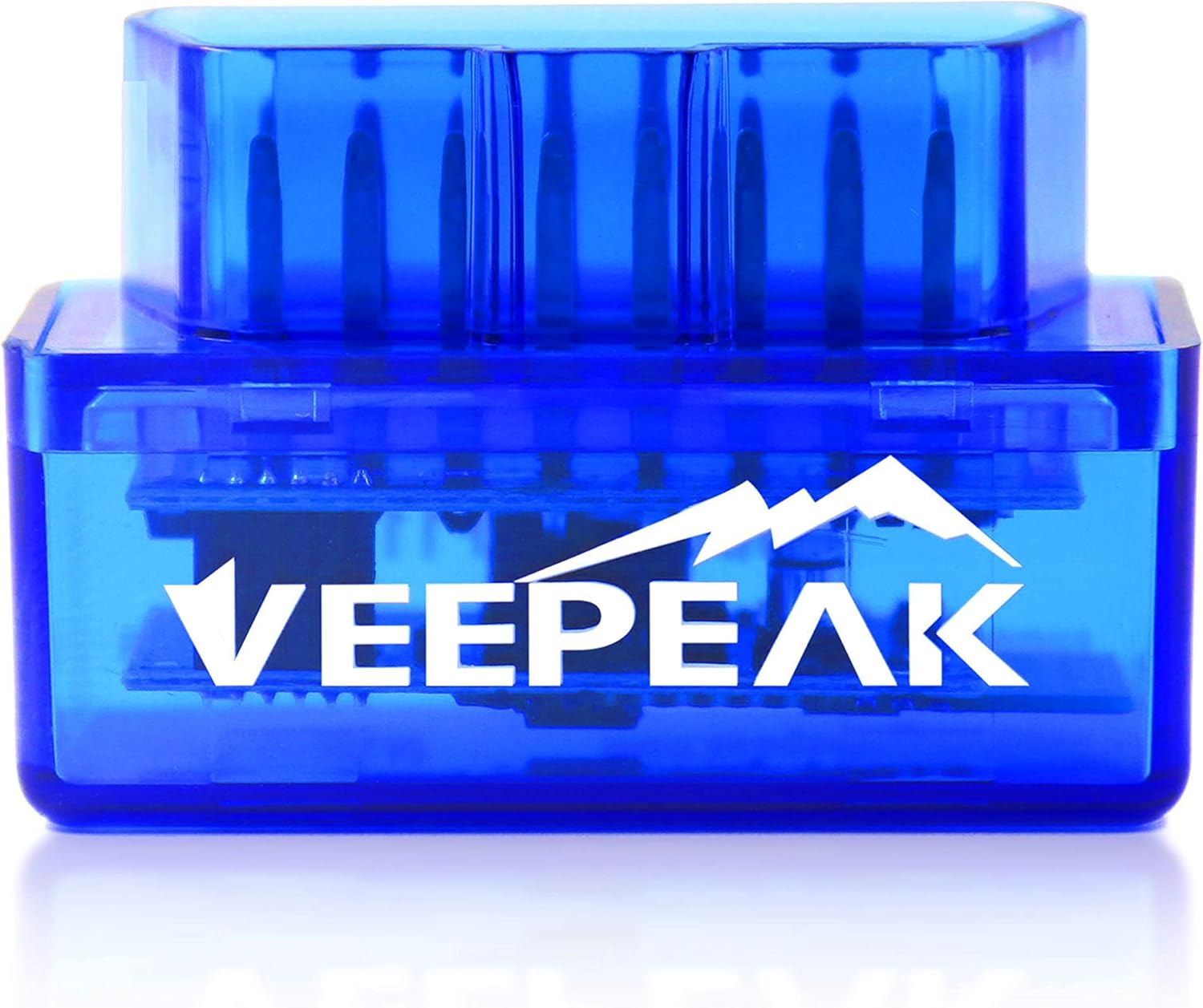
Do a Basic Exterior Inspection First
You can often learn a lot without removing any parts. With the vehicle safely raised if needed, inspect the converter shell, welds, flanges, and heat shields. The goal is to rule out external causes for noise and spot signs of overheating or impact.
Look for These Pass-fail Clues
- Dents or crushing on the converter shell, which can break the substrate inside.
- Bluing, discoloration, or flaking from extreme heat exposure.
- Loose or rusted heat shields that can create false rattles.
- Exhaust leaks at flanges or cracked pipes that may affect oxygen sensor readings.
- Signs of road impact from curbs, debris, or off-road contact.
Pass: the converter shell is intact, heat shields are tight, and there is no obvious impact damage or severe overheating. Fail: heavy shell damage, obvious overheating, or a loose shell section strongly supports internal failure.
Listen for a Loose or Broken Substrate
One of the easiest checks for internal converter damage is a rattle test. This works best when the exhaust is cool. A broken ceramic core may sound like pebbles, fragments, or a dull metallic clunk inside the converter housing.
How to Perform the Rattle Test
- Make sure the exhaust is completely cool.
- Tap lightly on the converter body with your hand or a soft rubber mallet.
- Listen for loose material moving inside the shell.
- Start the engine and listen again at idle and with a quick throttle blip.
- Compare the sound to nearby heat shields, mufflers, and pipes so you do not misidentify the noise source.
Pass: no internal rattle, and any noise you hear is clearly a loose shield or bracket outside the converter. Fail: repeated internal clunking or shifting noise from the converter body itself. A definite internal rattle usually means the substrate is physically broken and replacement is the likely fix.
Important caution: a converter can be melted and blocked without rattling at all. No rattle does not mean the converter is healthy.
Check for Restriction With a Road-Test Pattern
A restricted converter creates backpressure. Since most DIY owners do not have an exhaust backpressure gauge handy, a controlled road-test pattern is a practical screening method. You are looking for symptoms that worsen as exhaust volume rises.
Typical Restricted-converter Behavior
- The engine idles fairly normally but struggles badly under acceleration.
- Power drops off sharply above mid-range RPM.
- The vehicle may eventually reach speed, but only slowly and with poor throttle response.
- Exhaust note may sound unusually muffled or strained.
- The engine may feel smoother when lightly loaded than when climbing hills.
Pass: acceleration and high-RPM power feel normal, with no sign of choking or heat buildup. Fail: the engine consistently feels strangled under load, especially if other ignition and fuel issues have already been ruled out. This does not prove the converter is blocked, but it strongly supports that possibility.
Use Temperature Readings Carefully
An infrared thermometer can help, but temperature testing is often misunderstood. A properly working converter may run hotter at the outlet than the inlet once fully warmed up because catalyst reactions generate heat. However, temperature readings alone cannot reliably separate a healthy converter from a damaged one without context.
How to Use an Infrared Thermometer
- Warm the engine fully with a short drive if safe to do so.
- Measure near the inlet section of the converter body.
- Measure near the outlet section under similar conditions.
- Compare the readings after a steady idle period and again after holding RPM briefly.
- Use the readings as supporting evidence, not a final diagnosis.
A converter that is dramatically hotter than surrounding exhaust parts may be overheating from unburned fuel. A converter with a large hot spot at the inlet and poor downstream temperature change may also suggest restriction or internal distress. But shiny surfaces, angle, airflow, and shield placement can skew infrared readings, so treat them as a clue rather than proof.
Pass: temperature pattern is plausible and does not strongly support overheating or blockage. Fail: extreme converter heat combined with misfire history, loss of power, or sulfur smell makes internal damage much more likely.
Inspect the Substrate Through an Opening if Possible
If you want stronger confirmation without fully removing the exhaust, inspect the converter substrate through an oxygen sensor port or a disconnected exhaust joint, if accessible. A borescope is ideal for this. This method gives you the closest thing to a direct internal inspection a DIY owner can do.
What a Healthy Core Should Look Like
- Uniform honeycomb pattern.
- No missing chunks or obvious fractures.
- No melted, glassy, or collapsed passages.
- No loose debris inside the shell.
Signs of Internal Failure
- Honeycomb passages are distorted, fused, or closed up.
- The substrate looks broken or has missing sections.
- Debris is visible in the converter or downstream pipe.
- The core appears shifted off-center inside the shell.
Pass: the honeycomb is intact and open. Fail: any visible cracking, melting, or collapse is direct evidence the converter is internally damaged. If the core looks damaged from the front, assume the converter needs replacement and investigate why it failed.
Recommended Tools for This Job


Differentiate Converter Damage From Similar Problems
The best inspection procedure includes ruling out common look-alikes. Many parts can mimic converter symptoms, and replacing a converter based on guesswork is expensive.
Problems Commonly Mistaken for Internal Converter Damage
- Loose heat shield or exhaust hanger causing a rattle.
- Bad oxygen sensor causing catalyst-monitoring codes but no actual blockage.
- Exhaust leak ahead of the rear oxygen sensor affecting catalyst readings.
- Ignition misfire from worn spark plugs or failing coils causing overheating and poor performance.
- Fuel injector leaking and overheating the converter.
- Restricted muffler or crushed exhaust pipe downstream of the converter.
- Transmission or engine issues that feel like lack of power but are unrelated to exhaust restriction.
A converter diagnosis becomes much more convincing when several clues line up: internal rattle or visible substrate damage, performance loss under load, overheating signs, and a history of catalyst or misfire codes. One clue alone is rarely enough.
When the Converter Passes and When It Fails
After the inspection, make a decision based on evidence rather than suspicion. A converter passes when it shows no internal noise, no visible substrate damage, no strong restriction symptoms, and no signs of overheating beyond what would be expected. A converter fails when one or more direct indicators show the core is broken, melted, or collapsed.
Reasonable Pass Criteria
- No internal rattle from the converter body.
- Honeycomb appears intact if visually inspected.
- Vehicle does not show clear restriction symptoms.
- No external impact or severe heat distress on the shell.
- Related trouble codes point elsewhere, such as sensor or mixture faults.
Reasonable Fail Criteria
- Confirmed internal rattle from broken substrate.
- Visible melted, collapsed, or fractured honeycomb.
- Strong loss of power consistent with exhaust restriction after other causes are ruled out.
- Extreme overheating and evidence of converter distress.
- Debris from the converter found in the exhaust path.
What to Do Before Replacing a Failed Converter
If the converter fails inspection, do not stop at the converter itself. Internal converter damage usually has a cause. If you skip the root-cause repair, the replacement unit may fail early and the check-engine light may come back.
Root-cause Checks to Handle First
- Fix active misfires by checking spark plugs, coils, and ignition operation.
- Address leaking or sticking fuel injectors and rich-running conditions.
- Repair oil-burning or coolant-burning problems that contaminate the catalyst.
- Replace faulty oxygen sensors only when testing shows they are inaccurate or sluggish.
- Repair exhaust leaks before or near oxygen sensors.
- Verify there is no engine control issue causing chronic overfueling.
Also check local emissions laws before replacing a converter. Some vehicles require CARB-compliant or EPA-specific parts depending on state rules and vehicle certification. Match the replacement carefully to avoid fitment, legality, or check-engine-light problems.
When to Stop DIY Testing and Get Professional Confirmation
DIY inspection can get you very close, but some cases need professional equipment. A shop can measure exhaust backpressure directly, compare oxygen sensor waveforms on a scope, and verify whether the converter is restricted or simply inefficient. If your results are mixed or the converter is expensive, paying for a precise diagnosis can save money.
Get professional help if the vehicle has multiple unrelated codes, turbocharger issues, severe drivability symptoms, or evidence of engine damage. Also seek help if you suspect the converter is blocked badly enough to create dangerous exhaust heat or cause stalling.
Key Takeaways
- A catalytic converter can be internally damaged even when the outside shell looks normal, so combine scan data, sound checks, and symptom patterns.
- A definite internal rattle or visible melted or broken honeycomb is a clear fail and usually means replacement is needed.
- Loss of power under load often points to restriction, but you should rule out misfires, fuel issues, and exhaust leaks before condemning the converter.
- Overheating converters are often damaged by upstream engine problems, so fix the root cause before installing a new unit.
- If your test results are conflicting, a professional backpressure test or scope-based diagnosis is the safest next step.
FAQ
Can a Catalytic Converter Be Bad Internally Without Setting a Code?
Yes. A converter can have a broken or partially blocked substrate before the computer sets a catalyst-efficiency code. You may notice rattling, power loss, or heat first.
Does a Rattling Catalytic Converter Always Mean It Is Bad?
If the rattle is clearly coming from inside the converter body, the substrate is usually broken and the converter is bad. But loose heat shields can sound similar, so verify the noise source carefully.
Can I Check a Catalytic Converter by Tapping It?
Yes, but only when the exhaust is completely cool. A light tap can reveal loose internal material, but tapping alone cannot detect a melted or restricted core that is still intact.
Will a Clogged Catalytic Converter Cause Loss of Power?
Yes. A restricted converter increases exhaust backpressure, which can make the engine feel weak, especially during acceleration, hill climbing, or higher RPM operation.
Can a Bad Oxygen Sensor Mimic Catalytic Converter Problems?
Yes. A faulty oxygen sensor can trigger catalyst-related codes or confuse diagnosis, which is why scan data and symptom pattern matter before replacing the converter.
What Usually Causes a Catalytic Converter to Melt Internally?
Persistent misfires, leaking injectors, rich air-fuel mixtures, oil burning, and coolant contamination are common causes. These conditions overheat and damage the substrate.
Is It Safe to Keep Driving with a Damaged Catalytic Converter?
Not for long. A broken converter can worsen emissions and noise, while a blocked converter can cause severe drivability problems, overheating, and possible damage to other exhaust components.
Do I Need to Replace Oxygen Sensors when Replacing a Catalytic Converter?
Not always. Replace oxygen sensors if testing shows they are faulty, contaminated, or slow to respond. If they are working correctly, they may not need replacement.
Need Parts for This Repair?
The right parts and supplies vary by vehicle.
Select your make and model to find compatible parts and accessories for your car.
Exact Fit
Parts that fit your make and model
Quality You Can Trust
Top brands and OEM quality options
Fast Shipping
Get the parts you need, delivered fast