

Note: This article contains affiliate links. If you click on these links and make a purchase, I may earn a small commission at no extra cost to you. This helps support my research and content. Read my full affiliate disclosure here.
Repair Snapshot
Use a mechanic if your vehicle has an anti-theft relearn procedure, a steering column airbag you are not comfortable working around, or the key will not turn out of the LOCK position. Professional help is also smart if the cylinder housing, ignition switch, or steering column appears damaged.
This article is part of our Electrical System Maintenance & Repair Guides.
Replacing an ignition lock cylinder is a manageable DIY repair on many vehicles when the key still turns and the steering column housing is not damaged. The job usually involves removing trim panels, releasing the old cylinder through an access hole or retaining tab, and installing a matched replacement part.
The exact procedure varies by make and model, especially on vehicles with steering column shrouds, shift interlocks, or anti-theft systems. Some cars let you remove the cylinder with the key in the RUN position, while others require extra trim removal or a relearn procedure after installation.
Before you start, confirm whether you are replacing only the lock cylinder or the entire ignition switch assembly. The lock cylinder is the mechanical part the key slides into, while the ignition switch is the electrical component behind it. Mixing those parts up can waste time and money.
Before You Replace the Ignition Lock Cylinder
Take a minute to verify the failure. A bad ignition lock cylinder commonly causes a key that sticks, will not rotate smoothly, comes out in the wrong position, or requires excessive jiggling to start the vehicle. If the key turns normally but accessories or starter operation is inconsistent, the electrical ignition switch may be the real problem.
Look up your vehicle-specific procedure before disassembly. Many domestic and import vehicles use a small release pin that is only accessible when the key is turned to ACC or RUN. Others use tamper-resistant screws, a separate lock housing, or a transponder key system that needs programming or relearning.
- Make sure the replacement cylinder matches your year, make, model, trim, and whether the vehicle uses a chipped key.
- If the new cylinder comes with new keys, plan for how you will handle door locks and any anti-theft programming.
- If the original key will not turn at all, removal may be much harder and may require drilling or replacement of the housing.
- Have your radio code or memory settings handy if your vehicle loses them when the battery is disconnected.
Safety and Setup
Because you are working around the steering column, airbag system, and electrical components, disconnect the negative battery cable before removing trim. Wait at least 10 to 15 minutes after disconnecting the battery so any retained airbag system power can discharge.
Park on a level surface, set the parking brake, and center the steering wheel if possible. Tilt the steering wheel to its lowest position for access. If your vehicle has a manual shifter or floor shifter, move seats and console items out of the way so you have room to work without stressing trim pieces.
Wear safety glasses because trim clips and small retaining springs can pop out unexpectedly. Use trim tools instead of metal screwdrivers whenever possible so you do not crack the steering column covers.
What You Need to Remove First
Remove Steering Column Trim Panels
Most ignition lock cylinders sit behind upper and lower plastic steering column shrouds. Remove the screws from underneath the column, then separate the upper and lower covers carefully. Some vehicles hide screws behind the tilt lever area or under small plastic caps. If the tilt lever is removable, unscrew or unclip it first.
Remove Any Lower Dash Trim if Needed
On some vehicles, a knee bolster or lower dash panel blocks access to the column screws or the cylinder release hole. Use a trim tool to pop clips loose and remove small fasteners in a tray so nothing gets mixed up.
Inspect the Cylinder Area
Once the covers are off, locate the ignition cylinder, electrical switch connector, and the release mechanism. You may see a small round access hole in the housing, a retaining tab, or a locking pin. Dirt and metal shavings around the key slot can be a clue that the cylinder has been wearing internally.
How to Remove the Old Ignition Lock Cylinder
The easiest removal happens when the old key still works. Insert the key and turn it to the position specified for your vehicle, usually ACC or RUN. This aligns the internal tumblers so the retaining pin can be depressed and the cylinder can slide out.
- Insert the old key and turn it to ACC or RUN if the cylinder will rotate.
- Press the cylinder release pin through the housing access hole using a small pick, punch, or screwdriver.
- While holding the pin down, pull the key and cylinder straight out of the housing.
- If the cylinder hangs up, wiggle it gently while keeping steady outward pressure instead of twisting aggressively.
- Once removed, compare the length, gear position, tab shape, and connector area with the new part.
If the cylinder does not slide out, do not force it with pliers until you confirm the key is in the correct position. Forcing it can damage the aluminum housing, which may turn a simple cylinder replacement into a more expensive steering column repair.
If the Key Is Stuck or Will Not Turn
A stuck cylinder is where this repair gets more complicated. First make sure the steering wheel is not loaded against the steering lock by gently rocking the wheel left and right while turning the key. On automatic vehicles, verify the shifter is fully in PARK and the battery has enough power to release any shift interlock system.
If the key still will not turn, some vehicles allow lock cylinder removal only by drilling a designated spot in the old cylinder body. Others require replacing the entire lock housing. This is the point where many DIY owners should stop and check a factory service procedure or call a pro.
Tools That Make This Job Easier


Prepare the New Cylinder for Installation
Before installing the new part, compare it side-by-side with the old cylinder. The nose length, retaining tab, and actuator end must match. If the replacement comes in a preset key position, read the instructions so you install it in the correct orientation.
If your new cylinder uses its own keys, verify they move smoothly through LOCK, ACC, RUN, and START before fitting the part into the car. Do not lubricate the cylinder with grease or heavy oil. If lubrication is recommended, use only a lock-safe product approved by the manufacturer.
- Check whether the new cylinder must be inserted in ACC or RUN.
- Confirm the retaining pin compresses and springs back normally.
- Clean dust or debris from the housing opening with compressed air or contact cleaner if needed.
- Inspect the ignition switch actuator and surrounding housing for cracks or worn tabs before final assembly.
Install the New Ignition Lock Cylinder
With the new cylinder in the correct key position, align its retaining tab and actuator end with the housing. Slide it in gently until it clicks or seats fully. You should not have to hammer or force it. If it stops short, remove it and verify the key position and internal alignment again.
- Insert the new key into the new cylinder if it is not already installed.
- Turn the cylinder to the specified installation position, usually ACC or RUN.
- Align the cylinder with the housing and push it inward until the retaining pin clicks into place.
- Rotate the key back through each position to confirm smooth movement and proper detents.
- Remove and reinsert the key several times to verify it does not bind.
If the vehicle uses a separate electrical ignition switch behind the cylinder, make sure the new lock cylinder engages the switch correctly. A mismatch here can cause the key to turn but leave accessories, starter, or steering lock functions out of sync.
Reassemble the Steering Column
Once the cylinder operates correctly, reinstall the steering column covers and any lower dash trim panels. Route wiring exactly as it was before so it does not get pinched by the plastic shrouds or interfere with the tilt mechanism.
Reinstall all screws by hand first to avoid cross-threading. Tighten trim screws evenly and only snug them down. Overtightening can crack the plastic covers or distort the fit around the ignition opening.
If you removed any structural bolts or bracket fasteners from the column area, tighten them to the manufacturer specification. Trim screws usually do not have a published torque value, but any steering column or bracket hardware should be torqued correctly.
Recommended Tools for This Job


Reconnect the Battery and Test Operation
Reconnect the negative battery cable after the trim is back in place. Then test the cylinder before driving. Start by inserting the key and checking that it enters and exits smoothly. Turn it through LOCK, ACC, RUN, and START while listening and feeling for clean, positive engagement.
- Verify the steering wheel locks and unlocks normally if your vehicle uses a mechanical steering lock.
- Make sure accessories power on in ACC and RUN as expected.
- Confirm the engine cranks and starts consistently.
- Check that the key can be removed only in the correct position.
- Watch for a security or immobilizer light that stays on after starting.
If the engine will not start but the key turns, the vehicle may need an anti-theft relearn or the new part may not match the original system. Some vehicles require a timed key-on procedure, while others need scan tool programming. Consult a service manual for the exact process.
Common Problems After Replacement
Key Turns but Engine Will Not Crank
This can happen if the electrical ignition switch was already faulty, the actuator is misaligned, or the anti-theft system is not recognizing the new key. Check battery voltage and related fuses before assuming the new cylinder is defective.
Key Will Not Return From START
A sticky return can mean the cylinder is not fully seated, the actuator is binding, or the electrical switch behind the cylinder is worn. Do not keep forcing the key back, because that can damage the new cylinder quickly.
Security Light Stays On
Many late-model vehicles tie ignition key recognition to a transponder chip, body control module, or immobilizer module. If the security light remains on, the key may need to be programmed or a relearn may be required.
New Key Works, but Door Locks Use a Different Key
That is normal if you replace only the ignition cylinder with a keyed replacement set. Some owners live with two keys, while others have a locksmith rekey the cylinder to match the original door key.
When to Replace More Than the Cylinder
Sometimes the cylinder is only part of the failure. If the key slot is loose because the housing is broken, the switch actuator is cracked, or the electrical switch has burned contacts, replacing the cylinder alone will not fix the problem for long.
- Replace the ignition switch too if accessories cut in and out or the starter only works intermittently with normal key rotation.
- Inspect the lock housing if the cylinder is sloppy in the bore or will not stay retained.
- Check shift interlock and steering lock components if the key gets trapped in the cylinder.
- Consider a locksmith or dealer solution if you want one key to operate the ignition and doors.
Tips for a Smoother DIY Repair
Take photos during disassembly, especially of column screws, trim clips, and wire routing. Steering column plastics often look symmetrical but only fit one way. Laying parts out in order can save a lot of frustration during reassembly.
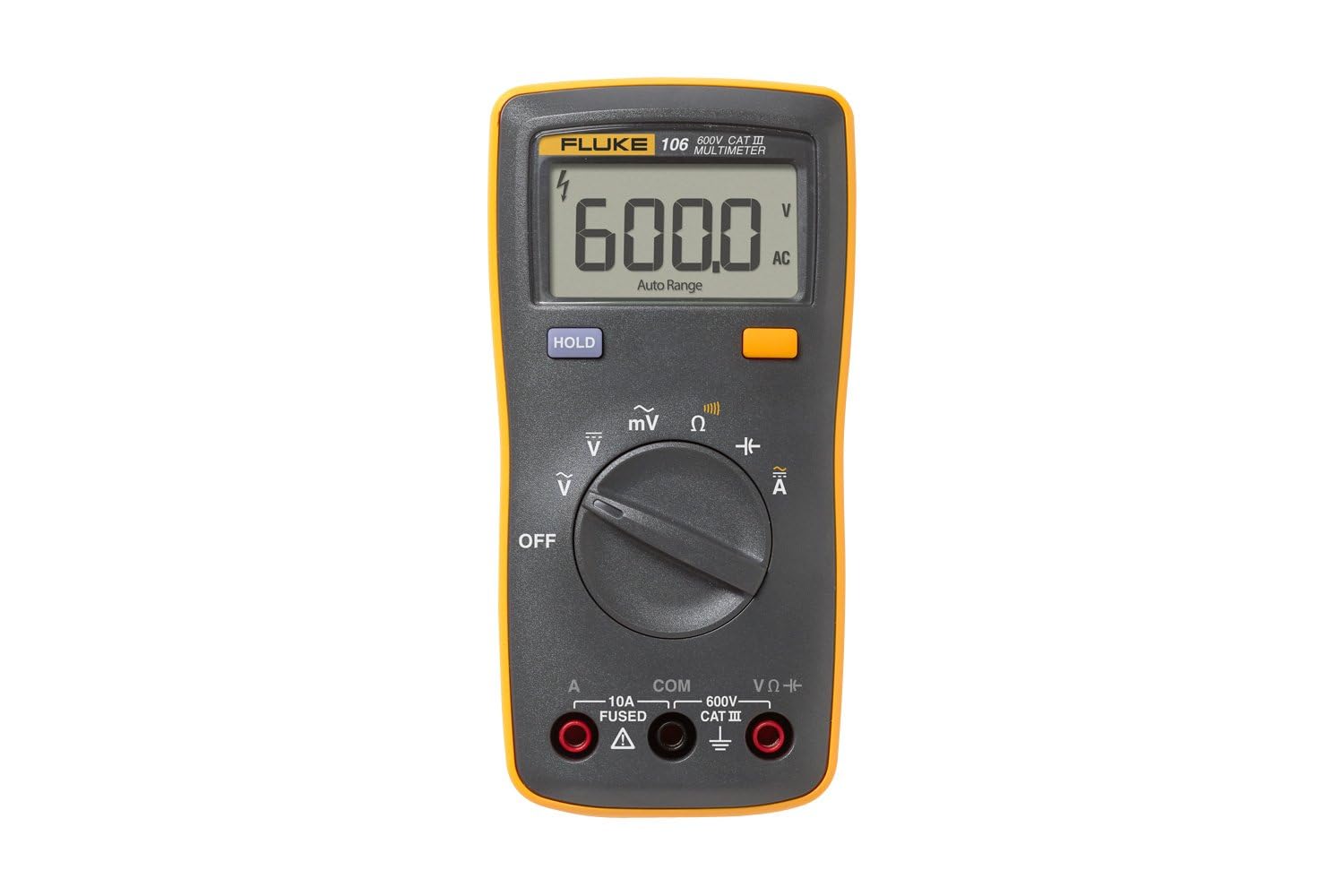
If you have an electrical concern after replacement, a multimeter can help you confirm battery voltage and continuity at related circuits, but avoid probing airbag connectors. If you suspect an immobilizer issue, an OBD2 scan tool or factory-level scan tool may be needed to read security system faults.
Most importantly, do not try to rush a stuck-cylinder removal. Steering column damage, broken trim, and accidental airbag-related mistakes happen when owners start prying before confirming the proper release method.
Key Takeaways
- Disconnect the battery and wait before working around the steering column to reduce airbag and electrical risks.
- If the old key still turns, use the release pin method instead of forcing the cylinder out.
- Match the new cylinder exactly and install it in the specified key position so the actuator aligns correctly.
- Test every key position before reinstalling all trim so you can catch binding or anti-theft issues early.
- Stop and get vehicle-specific guidance if the key will not turn, the housing is damaged, or the security light stays on.
FAQ
Can I Replace an Ignition Lock Cylinder Myself?
Yes, on many vehicles it is a moderate DIY job if the old key still turns and the cylinder uses a simple release pin. It becomes much harder if the key is seized, the housing is damaged, or the vehicle needs immobilizer programming.
Do I Need to Disconnect the Battery to Replace an Ignition Lock Cylinder?
Yes. Since you are working around the steering column and nearby electrical components, disconnecting the negative battery cable is the safer approach. Wait 10 to 15 minutes before disassembly on vehicles with airbags.
What if My Old Key Will Not Turn to the ACC or RUN Position?
First relieve steering wheel pressure, confirm the shifter is fully in PARK, and try a spare key if you have one. If the key still will not turn, removal may require a special procedure, drilling, or lock housing replacement.
Will a New Ignition Lock Cylinder Come with New Keys?
Often yes. Many replacement cylinders are sold with their own keys. That may leave you with one key for the ignition and another for the doors unless the new cylinder is rekeyed to match.
Why Does the Security Light Stay on After I Installed the New Cylinder?
The anti-theft system may not recognize the key, or the vehicle may require a relearn or programming procedure. Some vehicles only need a timed key-on process, while others require a scan tool.
Can a Bad Ignition Lock Cylinder Keep the Car From Starting?
Yes. If the cylinder will not rotate fully or does not correctly move the ignition switch actuator, the starter circuit may never engage. However, a no-start can also be caused by a bad ignition switch, weak battery, or anti-theft fault.
Do I Need Torque Specs for This Repair?
Usually only for any structural steering column fasteners or brackets you remove. Small trim screws are generally tightened snug, but any column bolts or support hardware should be torqued to the vehicle manufacturer’s specification.
Should I Lubricate the New Ignition Lock Cylinder Before Installation?
Only if the manufacturer recommends it. Avoid grease or heavy oil because they can attract dirt and gum up the tumblers. Use a lock-safe lubricant if one is specified.
Need Parts for This Repair?
The right parts and supplies vary by vehicle.
Select your make and model to find compatible parts and accessories for your car.
Exact Fit
Parts that fit your make and model
Quality You Can Trust
Top brands and OEM quality options
Fast Shipping
Get the parts you need, delivered fast