

Note: This article contains affiliate links. If you click on these links and make a purchase, I may earn a small commission at no extra cost to you. This helps support my research and content. Read my full affiliate disclosure here.
What You’ll Need
A quick look at the tools and supplies commonly used for this job.
Tools
Parts & Supplies
- Ignition lock cylinder replacement
- Replacement key or spare key
- Electrical contact cleaner
- Dry graphite lock lubricant
This article is part of our Electrical System Maintenance & Repair Guides.
A bad ignition lock cylinder can leave you with a key that sticks, a steering wheel that will not unlock, or a vehicle that will not crank even though the battery is fine.
The tricky part is that ignition lock cylinder problems often feel like starter, battery, shifter interlock, or ignition switch issues. A careful diagnosis helps you avoid replacing the wrong part and tells you whether the car is safe to drive, likely to strand you, or at risk of getting stuck with the key trapped in the column.
This guide walks through the most useful DIY checks, what each result means, and when the problem is the mechanical lock cylinder itself versus the electrical ignition switch or another part of the starting system.
What the Ignition Lock Cylinder Does
The ignition lock cylinder is the mechanical part you insert the key into. When the correct key turns, the cylinder rotates through positions like LOCK, ACC, ON, and START. On many vehicles, that motion also moves an actuator rod or directly operates the electrical ignition switch mounted behind or below the lock assembly.
Because the lock cylinder works with the steering lock, ignition switch, key, shifter interlock, and sometimes the anti-theft system, similar symptoms can come from different failures. Diagnosis starts by separating mechanical key-and-cylinder problems from electrical starting-circuit problems.
Common Symptoms of a Bad Ignition Lock Cylinder
- The key is hard to insert, remove, or turn.
- The key turns only after jiggling, pushing inward, or trying several times.
- The steering wheel stays locked even with the correct key inserted.
- The key gets stuck in the ignition and will not return fully to LOCK.
- The cylinder turns roughly, feels loose, or binds between positions.
- The vehicle intermittently will not crank unless the key is held just right.
- Accessories may work in ACC, but the START position feels inconsistent or does not spring back normally.
A worn cylinder often starts with intermittent symptoms. One day the key feels a little sticky, then a week later the steering lock hangs up, and eventually the cylinder may refuse to turn at all. If the symptom is getting worse over time, wear inside the cylinder is very likely.
Symptoms That Can Mimic a Bad Lock Cylinder
Before blaming the cylinder, rule out related issues. A dead battery, bad starter, faulty ignition switch, worn key, shifter not fully in Park, or anti-theft problem can all create a no-start that feels ignition-related.
- If the key turns smoothly but the engine does not crank, suspect the battery, starter, neutral safety switch, or ignition switch before the lock cylinder.
- If the key will not turn or only turns with force, suspect the lock cylinder, steering lock tension, or a worn key first.
- If dash lights stay dark in ON position, the electrical ignition switch or battery connection may be at fault.
- If a security light flashes and the engine starts then dies, the anti-theft or key transponder system may be involved.
- If the key will not come out unless you move the shifter, the park interlock or shifter cable adjustment could be the real issue.
Safety Steps Before Diagnosis
Work on a flat surface with the parking brake set. If you need to remove column trim, keep the wheels straight and do not probe yellow airbag connectors. On vehicles with steering-column-mounted airbags or anti-theft components, disconnecting the battery before deeper inspection is wise, but remember that disconnecting power may require radio codes or system relearns on some vehicles.
Do not force the key with pliers. If the cylinder is damaged internally, extra torque can snap the key, strip the actuator, or leave the cylinder stuck in a worse position.
Initial Checks You Can Do From the Driver Seat
Check Steering Wheel Tension
A locked steering wheel can put heavy side-load on the lock mechanism and make a good cylinder feel bad. Insert the key, then gently turn the steering wheel left and right while applying light turning pressure to the key. If the key suddenly turns normally, the issue may only be steering lock tension, not a failed cylinder.
Try a Spare Key
A worn key can mimic a worn cylinder because the internal tumblers no longer line up cleanly. If a spare key turns more smoothly or fixes the issue entirely, the cylinder may still be usable and the original key is the main problem.
Feel for Smooth Position Changes
Turn the key slowly from LOCK to ACC to ON to START. A healthy cylinder generally feels smooth and consistent. Grinding, sticking, excessive looseness, or a need to wiggle the key points toward internal wear in the cylinder.
Watch the Key Return From START
After you release the key from START, it should spring back to ON cleanly. If it hangs up, drags, or fails to return, the cylinder, actuator, or ignition switch linkage may be binding.
Tools That Make This Job Easier


Step-by-step Diagnostic Procedure
Inspect the Key First
Look for worn grooves, rounded edges, bending, or cracks near the head. A badly worn key may insert and turn inconsistently because it cannot properly align the cylinder wafers. Compare it to a spare if you have one. If the spare works much better, cut a fresh key from code if possible rather than duplicating the worn one.
Check Insertion Depth and Removal Feel
Insert the key several times. It should slide in fully without unusual resistance. If it stops short, feels gritty, or resists coming out, the cylinder wafers may be worn, dirty, or damaged. Dirt alone can cause minor sticking, but repeated binding usually points to cylinder wear.
Test All Key Positions
With the battery connected, note what happens in each position. In ACC, radio or some accessories should power up. In ON, dash warning lights should illuminate normally. In START, the starter should engage. If the key physically reaches each position but the electrical response is missing, the mechanical cylinder may be turning while the ignition switch behind it is failing.
Look for a Mismatch Between Feel and Function
This is one of the most useful clues. If the key feels rough, jams, or only works when jiggled, the cylinder is a strong suspect. If the key feels normal and solid every time but the vehicle does not consistently crank or power up, focus more on the ignition switch, wiring, battery, starter circuit, or anti-theft system.
Check Steering Lock Operation
Turn the engine off, remove the key, and rotate the wheel slightly until the steering lock engages if your vehicle uses one. Reinsert the key and confirm that the wheel unlocks easily when the key is turned. If the wheel remains locked or unlocks only after repeated tries, the cylinder or lock housing is likely worn.
Observe for Key Trap or Shifter Interlock Issues
If the key will not come out, verify the shifter is fully in Park and the steering wheel is not loaded. On many automatic vehicles, a failed park interlock switch or shifter cable issue can trap the key even when the lock cylinder itself is fine. If moving the shifter slightly allows key removal, do not rush to replace the cylinder.
How to Separate Lock Cylinder Problems From Ignition Switch Problems
The lock cylinder is mechanical. The ignition switch is electrical. They work together, but their symptoms are not identical.
- Hard key rotation, sticking, binding, key removal problems, and steering unlock trouble usually point to the lock cylinder.
- Smooth key rotation with missing dash power, intermittent cranking, or accessories cutting in and out usually points to the ignition switch or its wiring.
- A cylinder that rotates farther than normal, feels sloppy, or does not seem to engage the switch correctly may have a worn actuator or broken linkage behind it.
- If the key cannot reliably reach START, the lock cylinder is more likely than the starter relay or starter motor.
If accessible, removing the steering column trim can help. You may be able to watch whether the back of the lock assembly moves the switch linkage normally. If the key motion is inconsistent before the linkage even moves, the cylinder is likely worn internally.
Electrical Checks if the Key Turns but the Car Will Not Start
If the key turns smoothly into START but nothing happens, do not assume the cylinder is bad. At that point, basic electrical checks matter more.
Check Battery Condition
Make sure the battery is charged and terminal connections are clean and tight. A weak battery can create a misleading no-crank complaint that appears to be ignition-related.
Scan for Codes
Use an OBD2 scanner to check for anti-theft, transmission range, or body control module faults. Some vehicles store codes related to key recognition, immobilizer communication, or ignition switch input.
Verify Switch Output if Accessible
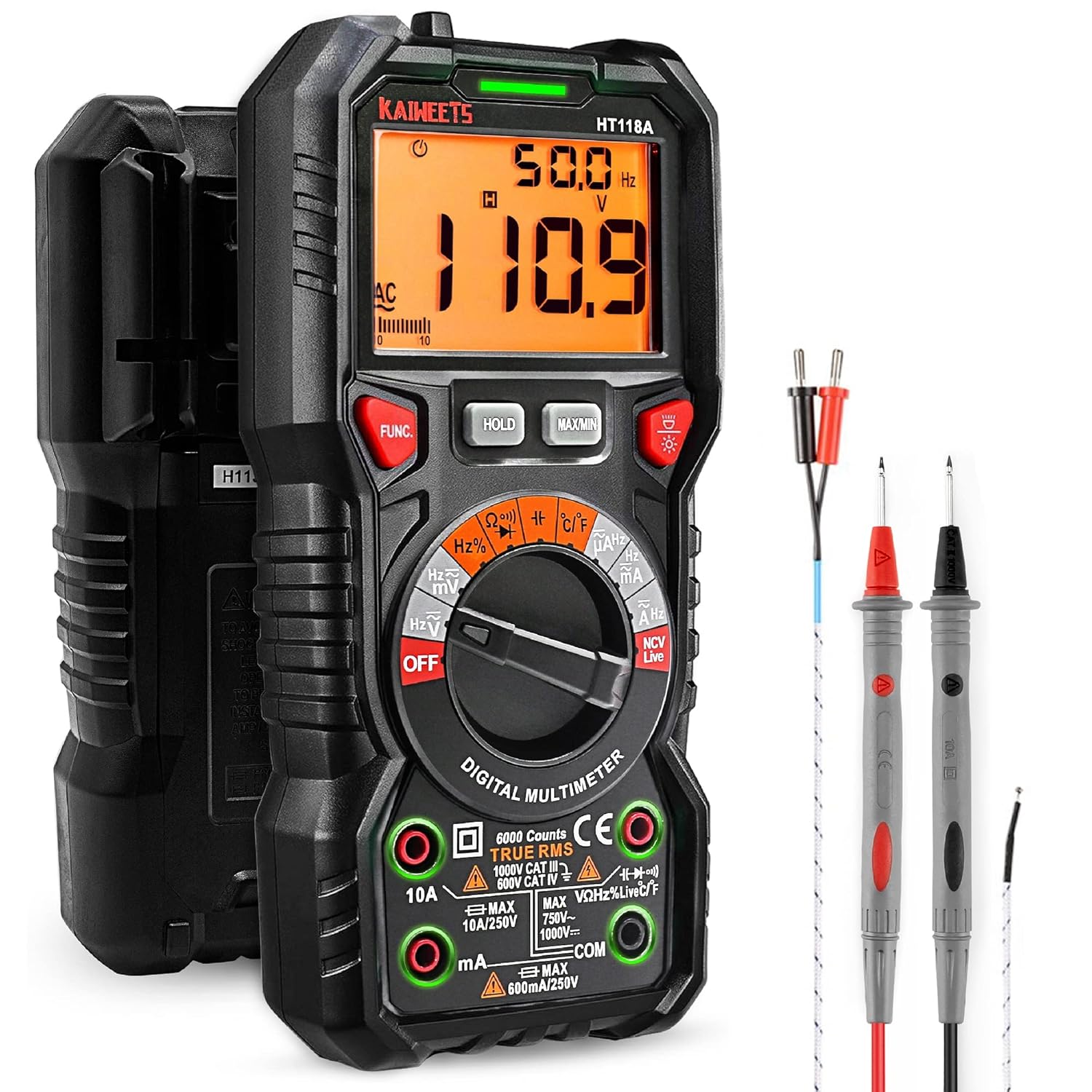
With wiring diagrams and safe access, a multimeter can confirm whether the ignition switch sends power on the START circuit when the key is turned. If the cylinder rotates normally but the switch output is missing, the switch or linkage is more likely at fault than the cylinder.
Because wiring colors and access vary widely, this test is best for DIYers comfortable with electrical diagnosis. If you are not sure which circuit you are testing, stop before probing connectors around the steering column.
Recommended Tools for This Job


What Your Test Results Usually Mean
- The key works fine with a spare but not the usual key: the key is worn, though the cylinder may also have moderate wear.
- The key sticks in every attempt, including with a spare: the lock cylinder is likely worn or internally damaged.
- The key will not turn unless the wheel is moved: likely steering lock tension, though repeated occurrences can still accelerate cylinder wear.
- The key turns smoothly but nothing powers up in ON: suspect the battery, electrical ignition switch, or wiring.
- The key reaches ON but not START, or START feels blocked or inconsistent: suspect the cylinder or actuator linkage.
- The key will not come out unless the shifter is jiggled: suspect the park interlock or shifter adjustment.
- The security light is active and the engine will not stay running: suspect immobilizer or key transponder issues more than the cylinder itself.
Can Lubrication or Cleaning Fix It?
Sometimes, but only temporarily if the cylinder is worn. A small amount of dry graphite lock lubricant can help if the problem is minor sticking from age or debris. Avoid soaking the cylinder with heavy oils because they attract dirt and can make the problem worse over time.
If the key already requires frequent jiggling, the cylinder feels loose, or the steering lock operation is unreliable, lubrication is not a real fix. It may buy a little time, but replacement is usually the proper repair.
When Replacement Is the Right Next Step
Replace the ignition lock cylinder when the key repeatedly binds, the cylinder fails with multiple keys, the steering lock does not release consistently, the key gets trapped, or the cylinder no longer turns the switch reliably. On many vehicles, waiting too long increases the chance of total failure where the key will not turn at all.
Keep in mind that some replacements require key coding, anti-theft relearn procedures, or transferring tumblers so the original key still works. On certain models, the lock cylinder and ignition switch may both be worn, especially if the vehicle has a high-mileage steering column.
When to Stop DIY Diagnosis and Call a Pro
- The key is close to breaking or already cracked.
- The cylinder is stuck between positions.
- The steering column trim must be removed near airbag components and you are not comfortable doing it.
- The vehicle uses a complex push-button or transponder-based anti-theft system with unclear symptoms.
- You need locksmith services to decode or rekey the replacement cylinder.
An automotive locksmith or experienced repair shop can often confirm the failure faster, especially when the issue involves key wear, rekeying, or a cylinder that has already seized.
Key Takeaways
- If the key is hard to turn, sticks, or only works when jiggled, the ignition lock cylinder is a stronger suspect than the starter or battery.
- Always try a spare key and relieve steering wheel tension before assuming the cylinder has failed.
- Smooth key movement with no electrical response usually points to the ignition switch, battery, wiring, or anti-theft system instead of the cylinder itself.
- Do not force a sticking key because breaking it in the cylinder can turn a diagnosis into a locksmith job.
- Replace the cylinder before total seizure if symptoms are getting worse or the key is starting to get trapped.
FAQ
Can a Bad Ignition Lock Cylinder Cause a No-start?
Yes. If the cylinder cannot rotate fully to START or cannot reliably move the ignition switch linkage, the engine may not crank. But if the key turns smoothly every time, another starting-system problem may be more likely.
What Is the Difference Between the Ignition Lock Cylinder and the Ignition Switch?
The lock cylinder is the mechanical key-operated part. The ignition switch is the electrical component that powers accessories, ignition circuits, and the starter when the key is turned.
Will a Worn Key Act Like a Bad Ignition Lock Cylinder?
Absolutely. A worn key can cause sticking, partial turning, or intermittent operation. Trying a spare key is one of the fastest and most useful diagnostic steps.
Why Is My Steering Wheel Locked and My Key Will Not Turn?
The steering lock may be loaded against the wheel. Apply light turning pressure to the key while gently moving the steering wheel left and right. If this happens often, the cylinder or lock mechanism may also be wearing out.
Can I Spray WD-40 Into the Ignition Cylinder?
It is generally not the best choice. Heavy or oily products can attract dirt and worsen long-term sticking. A dry graphite lock lubricant is usually safer for a mechanical lock cylinder.
Why Does My Key Get Stuck in the Ignition?
Possible causes include a worn lock cylinder, steering lock tension, the shifter not fully registering Park, or a park interlock problem. If moving the shifter changes the symptom, look beyond the cylinder.
Is It Safe to Keep Driving with a Failing Ignition Lock Cylinder?
Not for long. A failing cylinder can suddenly refuse to turn, trap the key, or leave you unable to restart the vehicle. If symptoms are worsening, plan repairs before it strands you.
Need Parts for This Repair?
The right parts and supplies vary by vehicle.
Select your make and model to find compatible parts and accessories for your car.
Exact Fit
Parts that fit your make and model
Quality You Can Trust
Top brands and OEM quality options
Fast Shipping
Get the parts you need, delivered fast