

Note: This article contains affiliate links. If you click on these links and make a purchase, I may earn a small commission at no extra cost to you. This helps support my research and content. Read my full affiliate disclosure here.
Repair Snapshot
Use a mechanic if the sunroof is jammed, sits unevenly, makes grinding noises, or has broken cables, damaged guides, or persistent leaks. Electrical diagnosis or panel adjustment may also require model-specific procedures.
This article is part of our Body and Exterior Maintenance & Repair Guides.
Sunroof track maintenance is one of the easiest ways to prevent slow operation, sticking, wind noise, and premature wear in the glass panel, cables, and motor.
Most sunroofs do not fail because they are used too often. They fail because dirt, old grease, leaves, and dried residue build up in the tracks and drains until the panel has to work harder every time it opens or closes. A little routine cleaning and the correct lubricant can keep the mechanism moving smoothly and help avoid expensive repairs.
This guide explains how to inspect the tracks, what to clean, what lubricant to use, what to avoid, and when a simple maintenance job has turned into a repair issue.
Why Sunroof Track Maintenance Matters
A sunroof assembly usually includes the glass panel, side tracks, sliding shoes or guides, lift arms, seals, a motor, and drain channels. The tracks are where most contamination collects. Dust mixes with old grease, pollen, tree debris, and moisture to create a sticky paste that increases drag.
When the tracks get dirty or dry, you may notice the sunroof slowing down, hesitating, popping, or stopping partway. In some vehicles, the anti-pinch feature may reverse the panel because resistance is too high. If ignored, the extra load can wear out the drive cables, strain the motor, or knock the panel out of alignment.
Regular maintenance also helps you catch related problems early, including torn seals, clogged drains, cracked wind deflectors, loose trim, and bent guides. That makes a simple service routine much cheaper than waiting until the roof no longer closes.
Signs Your Sunroof Tracks Need Attention
- The sunroof opens or closes slower than normal.
- You hear squeaking, scraping, clicking, or light grinding during movement.
- The glass panel jerks, binds, or stops before fully closing.
- The panel looks uneven or one side moves ahead of the other.
- You see visible dirt, gummy grease, or leaf debris in the side channels.
- The roof closes, but you still get extra wind noise or a poor seal.
These symptoms do not always mean parts are broken. Many times, the issue is simply contamination or dried lubricant. But if the panel is crooked, the mechanism grinds loudly, or the motor runs without moving the glass, stop and diagnose further before forcing it.
Use the Right Lubricant and Avoid the Wrong Ones
Best Lubricant Choice
For most vehicles, use a silicone-based lubricant or a sunroof-specific track lubricant recommended by the vehicle manufacturer. Silicone products are popular because they reduce friction without attracting as much dirt as heavy grease. They also tend to be safer around rubber seals and painted surfaces when used correctly.
Lubricants to Avoid
- Do not use heavy chassis grease unless the manufacturer specifically calls for it.
- Do not soak the tracks with penetrating oil because it can wash debris deeper into the mechanism and leave a mess.
- Do not use petroleum products on rubber seals unless the product label says they are safe for that material.
- Do not over-lubricate, because excess product will attract dust and can drip onto the headliner.
If your owner’s manual or service information specifies a certain grease or paste for the cables or guides, follow that guidance over any generic advice. Some panoramic roofs use model-specific lubricants and adjustment procedures.
Before You Start
Park on a level surface and work in a dry area with good lighting. Open the sunroof to the vent or slide position that gives you the best access to the visible tracks without overextending the panel. Turn the ignition on only when you need to move the roof, then switch it back off before cleaning near moving parts.
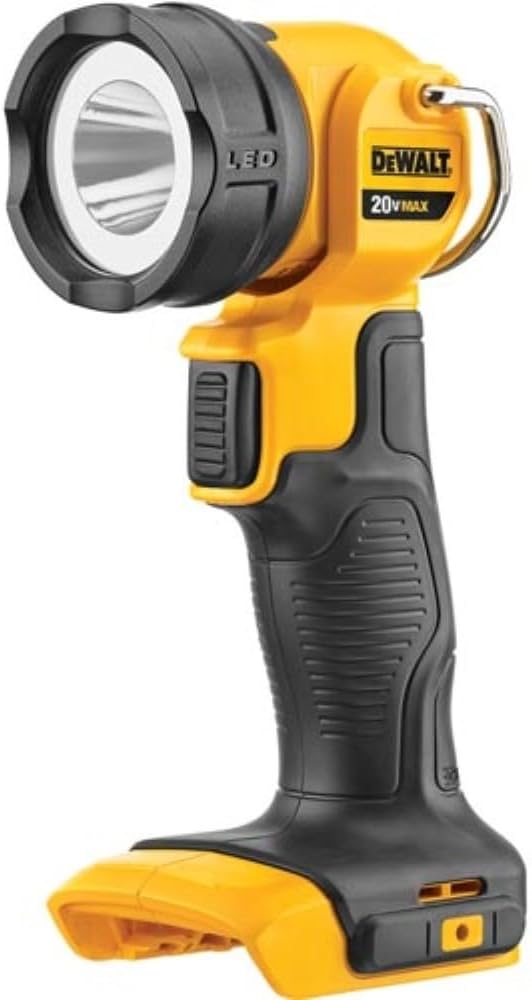
Wear gloves and safety glasses, especially if you are clearing dusty channels overhead. Keep towels handy to protect the seats and headliner from drips. If the tracks are packed with debris, vacuuming first can help keep dirt from being pushed deeper into the mechanism.
Never place fingers inside the moving linkage while someone else works the switch. A sunroof mechanism can pinch hard enough to injure you or damage trim.
Tools That Make This Job Easier


How to Clean Sunroof Tracks Properly
Remove Loose Debris First
Start by wiping the visible track surfaces with a dry microfiber towel. Use a soft brush, foam swab, or small plastic tool wrapped in a towel to lift out leaves, sand, and clumps of old grease. Work gently so you do not damage plastic guides or scratch painted surfaces.
Clean the Channels, Not Just the Top Surface
Tracks often look clean from above but still hold grime in corners and sliding grooves. Use a mild cleaner on a towel or swab and wipe the full length of both side tracks as far as you can reach. Replace swabs as they get dirty instead of smearing residue around.
Inspect While You Clean
As the tracks become clean, look for cracked plastic sliders, bent arms, missing fasteners, loose weatherstripping, or rust. Check that both sides appear similar. If one side has much more wear or sits lower, the roof may need adjustment rather than simple lubrication.
Do not flood the tracks with household cleaner or water. Extra liquid can drip into the headliner or carry contamination into the drains and moving parts.
How to Lubricate Sunroof Tracks
Apply a Light, Targeted Coating
Once the tracks are clean and dry, apply a small amount of silicone-based sunroof lubricant to a swab, applicator, or clean towel rather than spraying everywhere. Wipe a thin film onto the track contact points and any visible sliding surfaces the panel rides on.
Focus on Sliding Points, Not Every Surface
You usually want lubricant on the surfaces where the guides slide and where the mechanism pivots, if those points are exposed and intended to be serviced. Avoid coating the rubber seal heavily. A separate rubber-safe conditioner may be used on the weatherstrip if needed, but the seal itself is not the same thing as the track.
Cycle the Sunroof
After applying a light film, cycle the sunroof open and closed several times. This spreads lubricant through the mechanism. Listen for changes in sound and feel for smoother movement. Then wipe away any excess that squeezes out onto visible trim, glass edges, or the roof opening.
Less is better here. If you can visibly see blobs or wet pooling in the tracks, you have used too much.
Don’t Forget the Drains and Seals
Many owners blame the tracks when the real problem is clogged sunroof drains. Most sunroofs are designed to channel a small amount of water past the outer seal into drain troughs, then out through tubes at the corners. If those drains clog, water can overflow into the headliner, A-pillars, or carpet.
While servicing the tracks, inspect the drain openings for dirt or leaf buildup. Clear visible debris gently. If you suspect a clog, use a careful, low-force method approved for sunroof drains, such as flexible line or gentle air pressure. High-pressure compressed air can disconnect or damage drain tubes inside the vehicle.
Also inspect the rubber perimeter seal. Clean it with a mild product and wipe it dry. A dry, cracked, or folded seal can add wind noise and interfere with smooth closing, even when the tracks themselves are fine.
Recommended Tools for This Job


Step-by-Step Sunroof Track Maintenance Routine
- Open the sunroof to a position that exposes the side tracks safely.
- Lay towels over the seats and trim below the opening.
- Remove loose debris with a dry towel, brush, or vacuum.
- Clean both tracks with a mild cleaner on swabs or microfiber, working into corners and grooves.
- Inspect guides, arms, seals, and drain openings for damage or heavy buildup.
- Let the cleaned areas dry completely.
- Apply a thin film of silicone-based lubricant only to track and sliding contact points.
- Cycle the sunroof several times to distribute the lubricant.
- Wipe away excess lubricant and recheck movement, sound, and final panel alignment.
If the panel still hesitates after this routine, stop before repeated cycling overheats the motor or damages the cables. At that point, you may be dealing with a mechanical fault rather than a maintenance issue.
How Often to Service Sunroof Tracks
A good rule for most daily-driven vehicles is to inspect and lightly clean the sunroof tracks every 6 months, then lubricate only as needed. If you live in a dusty area, park under trees, drive on gravel roads, or rarely use the sunroof, check it more often.
- Every 6 months: inspect tracks, seals, and drain openings.
- Annually: perform a full clean and light lubrication if movement is no longer smooth.
- After heavy pollen season or leaf fall: clear visible debris from channels.
- After car washes or storms: check for slow drains, water marks, or damp headliner areas.
You do not need to re-lubricate on a strict monthly schedule. Over-servicing with too much product can create as many problems as neglect.
Common Mistakes That Cause Sunroof Problems
- Forcing the sunroof switch when the panel is binding.
- Spraying lubricant everywhere instead of applying a controlled light film.
- Using thick grease that traps grit in the tracks.
- Ignoring drain maintenance and focusing only on the visible rails.
- Cleaning with harsh solvents that can stain trim or damage seals.
- Trying to realign a crooked glass panel without service information.
Another common mistake is assuming any overhead noise is a dry track. Rattles can come from loose wind deflectors, trim, or the glass panel itself. Grinding and uneven movement usually point to wear or damage that lubrication alone will not fix.
When Maintenance Isn’t Enough
Sunroof maintenance can solve minor sticking and noise, but it will not repair broken guide shoes, frayed cables, stripped motor gears, or a misadjusted panel. If the roof pops up on one side, tilts unevenly, or stops with loud clicking, professional repair may be the better path.
You should also get help if the sunroof leaks repeatedly after the drains have been checked, if the headliner is already wet, or if the glass does not sit flush with the roof when closed. Some systems require removing trim, dropping part of the headliner, or recalibrating the motor after service.
On panoramic roofs, the mechanisms are often more complex and more expensive. If you feel strong resistance when hand-guiding or cycling the panel, stop before a simple service turns into a cable or motor replacement.
Key Takeaways
- Clean debris out of the sunroof tracks before adding any lubricant.
- Use a light coat of silicone-based or manufacturer-approved sunroof lubricant, not heavy grease or penetrating oil.
- Inspect drain openings and the perimeter seal during every sunroof service to help prevent leaks and wind noise.
- Stop using the sunroof if it moves unevenly, grinds, or reverses repeatedly, because lubrication alone will not fix broken guides or cables.
- A quick track inspection every 6 months can prevent expensive motor and mechanism damage.
FAQ
Can I Use WD-40 on Sunroof Tracks?
It is usually not the best choice for routine sunroof track lubrication. A silicone-based or manufacturer-approved sunroof lubricant is safer and cleaner for long-term use. Penetrating oils can leave residue, attract dirt, and may not protect the track the way a proper lubricant does.
How Do I Know if My Sunroof Needs Lubrication or Repair?
If the roof is only slightly slow or squeaky and the tracks are visibly dirty, cleaning and lubrication may help. If it binds hard, sits crooked, makes grinding noises, or one side moves differently than the other, you may have a mechanical problem that needs repair.
How Often Should I Lubricate My Sunroof Tracks?
Inspect the tracks about every 6 months and lubricate only when the mechanism starts to feel dry or less smooth after cleaning. Many sunroofs do not need frequent lubrication, and too much product can attract more dirt.
Should I Lubricate the Rubber Sunroof Seal Too?
Not with the same track lubricant unless the product specifically says it is safe for rubber seals. Clean the seal separately and, if needed, use a rubber-safe conditioner. The goal is to keep the seal supple without making it greasy.
Why Does My Sunroof Still Leak After I Cleaned the Tracks?
Leaks are often caused by clogged drains, a damaged seal, poor panel alignment, or hidden tray issues rather than dirty tracks alone. Check the drain openings and look for damp headliner spots, but avoid aggressive drain clearing methods that can disconnect the drain tubes.
Can Dirty Sunroof Tracks Damage the Motor?
Yes. Dirt and dried lubricant increase resistance, which makes the motor and cables work harder every time the roof moves. Over time that can lead to slow operation, overheating, stripped gears, or cable damage.
What if My Sunroof Closes but Does Not Sit Flush with the Roof?
That usually points to alignment, guide wear, or mechanism issues rather than lack of lubrication. A panel that is too high or too low can create wind noise and leaks, so it is best to inspect for broken hardware or use a professional adjustment procedure.
Need Parts for This Repair?
The right parts and supplies vary by vehicle.
Select your make and model to find compatible parts and accessories for your car.
Exact Fit
Parts that fit your make and model
Quality You Can Trust
Top brands and OEM quality options
Fast Shipping
Get the parts you need, delivered fast