

Note: This article contains affiliate links. If you click on these links and make a purchase, I may earn a small commission at no extra cost to you. This helps support my research and content. Read my full affiliate disclosure here.
What You’ll Need
A quick look at the tools and supplies commonly used for this job.
Tools
Parts & Supplies
- Silicone-based sunroof track lubricant
- Clean microfiber towels
- Plastic-safe cleaner
- Replacement sunroof guide, slider, or track hardware if needed
- Masking tape
This article is part of our Body and Exterior Maintenance & Repair Guides.
A jammed sunroof track usually starts as a small problem: slow movement, a pop or grind, or a panel that tilts but will not slide. If you keep pressing the switch, you can strip the drive cable, break a guide, crack the glass, or burn out the motor.
The good news is that many jammed sunroof complaints come from debris, dried grease, weak motor operation, or misaligned track parts rather than a fully failed assembly. A careful diagnosis helps you decide whether you can clean and service the system, replace a small part, or stop before the repair turns expensive.
This guide walks through safe checks a DIY owner can do at home, from basic visual inspection to electrical testing and manual movement checks. The goal is to identify whether the track is physically jammed, the motor is weak, or the mechanism has internal damage.
Common Symptoms of a Jammed Sunroof Track
Sunroof problems do not always come from the track itself, but the way the roof behaves gives strong clues. Pay attention to whether the panel binds in one area, whether the motor can be heard, and whether the glass sits unevenly when partially open or closed.
- The sunroof starts to open or close, then stops at the same point every time.
- You hear the motor running, clicking, or grinding, but the glass barely moves or does not move at all.
- The glass lifts on one side, tilts crooked, or sits lower than the roof when closed.
- The switch works intermittently, or the roof only moves after several button presses.
- The sunroof closes partway, then reverses or binds tightly near the front or rear of the opening.
If the sunroof is stuck open and weather is coming, avoid forcing it shut by repeated switch operation. That often turns a dirty track problem into broken guide or cable damage.
Safety and Preparation
Before diagnosing, park on a level surface and turn the ignition off unless you are actively checking switch or motor function. Protect the paint and roof opening with clean towels if you plan to remove trim or inspect close to the glass edges.
- Keep fingers clear of the track and lift arms while someone operates the switch.
- Wear safety glasses because dried grease, grit, and trim clips can fall from the headliner area.
- Do not pry on the glass panel itself unless the service procedure for your vehicle specifically allows adjustment.
- If the motor is straining, stop the test quickly to avoid overheating or gear damage.
If your vehicle has side curtain airbags near the headliner, be careful when removing trim. Use plastic trim tools and avoid probing blindly behind pillars or roof trim.
What Usually Causes a Sunroof Track to Jam
Most jammed tracks fall into one of four categories: obstruction, lubrication failure, mechanical damage, or weak electrical drive. Sorting the fault into the right category saves time.
Debris and Contamination
Leaves, grit, old grease, broken plastic fragments, and even hardened tree debris can collect in the rails. This creates drag and can stop the panel at the same spot each time.
Dried or Incorrect Lubricant
Old grease thickens and traps dirt. Some owners also use general-purpose grease that becomes sticky in cold weather or attacks plastic guide parts. The result is slow movement and eventual jamming.
Broken Guides, Cables, or Lift Arms
Sunroof mechanisms use cables, sliders, and lift shoes to control the glass. A cracked plastic guide or frayed cable can let one side move differently than the other, causing the panel to rack sideways and jam.
Low Voltage or a Weak Motor
A healthy mechanism still needs enough power. Low battery voltage, poor switch contacts, a failing motor, or increased resistance in the wiring can make the motor too weak to move the roof under load.
Initial Checks Before Taking Anything Apart
Start with the least invasive tests. Many sunroof faults can be narrowed down in a few minutes without removing the headliner or glass.
Check Battery Condition and Vehicle Voltage
If the sunroof is unusually slow and other electrical accessories also seem weak, start with system voltage. A low battery can mimic a bad motor or sticky track. With the engine off, a healthy battery is typically around 12.4 to 12.7 volts. Much below that can affect sunroof operation.
Listen to the Motor
Press the sunroof switch while standing inside the cabin. If you hear nothing, suspect power, fuse, switch, relay, or motor failure. If you hear a click or short buzz but no movement, the mechanism may be jammed or the motor may be stalled. If you hear grinding, stripped gears or cable damage are possible.
Watch for Uneven Movement
Look at both sides of the glass as it tries to move. If one side rises or drops more than the other, the track is likely not just dirty. Uneven movement strongly suggests a broken guide, damaged lift arm, bent track component, or cable timing problem.
Inspect Visible Rails and Seals
Open the roof as far as it safely will. Use a flashlight and mirror to inspect both rails. Look for pebbles, leaf stems, sticky grease, corrosion, broken plastic chips, or metal shavings. Also inspect the perimeter weatherstrip for bunching or pieces folding into the panel path.
Tools That Make This Job Easier

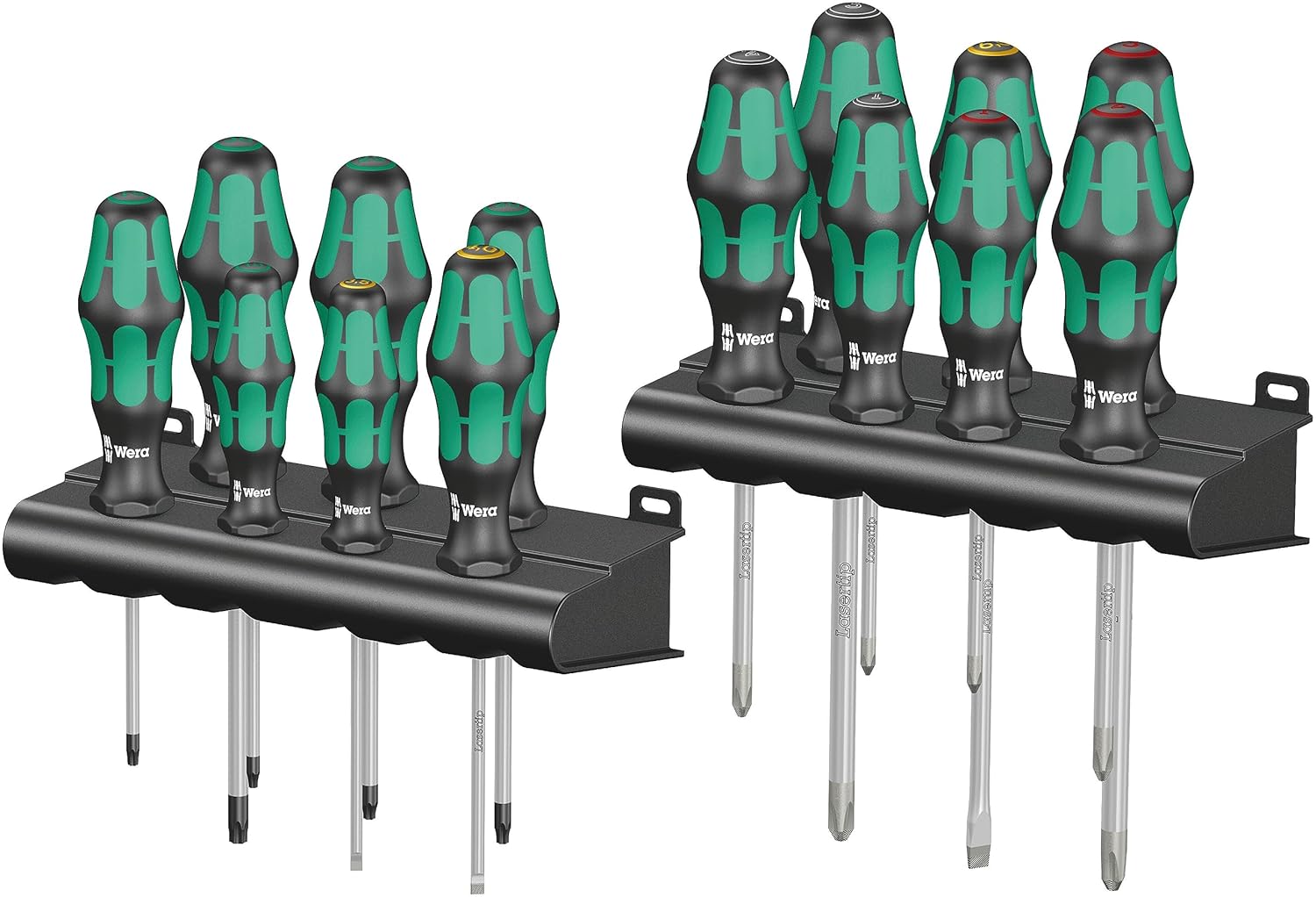

Step-by-Step Diagnostic Procedure
Clean the Accessible Track Areas First
Use a towel and plastic-safe cleaner to remove old dirt and exposed grease from the accessible rails. Do not flood the track with heavy lubricant before cleaning. Lubricating over grit only creates grinding paste.
After cleaning, apply a light amount of silicone-based lubricant to the points specified by the vehicle maker, usually the rails and moving guide contact areas. Avoid overapplying. Then cycle the roof once if it moves without binding badly.
Identify Whether the Jam Occurs at One Exact Position
A jam that always happens at the same spot usually points to a damaged section of track, a bent rail, a broken guide fragment lodged in the mechanism, or a cable tooth issue. A roof that binds randomly is more likely to have widespread contamination or weak motor output.
Check for Manual Movement Resistance
Many sunroofs have a manual override at the motor, often accessed through the overhead console. Remove the trim carefully and find the manual crank point if your vehicle has one. With the ignition off, try to move the roof manually.
- If manual movement is smooth, the motor or electrical feed may be the main problem.
- If manual movement is very stiff or stops hard, the track or drive mechanism is physically jammed.
- If the crank turns but one side lags or skips, suspect cable or guide damage.
Compare Left and Right Track Condition
Sunroof tracks should look similar on both sides. If one side has a different guide position, more exposed cable, broken plastic pieces, or a lift arm sitting at a different angle, that asymmetry is important. A jammed roof often comes from one failed side forcing the glass out of alignment.
Inspect the Deflector and Front Edge Hardware
On some designs, the wind deflector or its springs can interfere with panel travel. A bent deflector, loose screw, or displaced spring may jam the panel at the front portion of travel. Look for shiny rub marks where parts have been contacting abnormally.
Check Motor Operation Under Load
If the track looks clean and nothing obvious is broken, test whether the motor is receiving good power. With a wiring diagram if available, back-probe the motor connector or check voltage at the motor while the switch is pressed. Near battery voltage should be present during operation. A large drop suggests wiring, switch, or control issues.
If proper voltage reaches the motor but it stalls or barely turns, the motor may be weak or the mechanism load is too high. If voltage is low only under load, inspect grounds, connectors, and switch contacts.
How to Tell Track Jam, Motor Failure, and Alignment Problems Apart
Signs the Track Is Physically Jammed
- The roof stops firmly at the same point every time.
- Manual crank effort is high or impossible past one section.
- You find debris, dried grease, broken plastic, or bent rail sections.
- The motor strains or clicks but the panel does not continue moving.
Signs the Motor or Electrical Side Is the Main Issue
- The track is clean and the roof can be moved manually without much resistance.
- No sound comes from the motor when the switch is pressed.
- Voltage is missing or much lower than expected at the motor connector.
- The roof works intermittently depending on battery charge or switch position.
Signs of Alignment or Internal Mechanism Damage
- One side of the glass sits higher or lower than the other.
- The panel tilts correctly but will not slide, or slides but will not settle flat.
- One track guide is visibly ahead of the other.
- You hear skipping, popping, or cable jump noises during travel.
A key distinction is whether the roof is evenly loaded. Dirty tracks usually create slow, heavy movement. Broken guides create crooked or one-sided movement. Electrical faults often create no movement, intermittent movement, or weak movement with no strong mechanical bind.
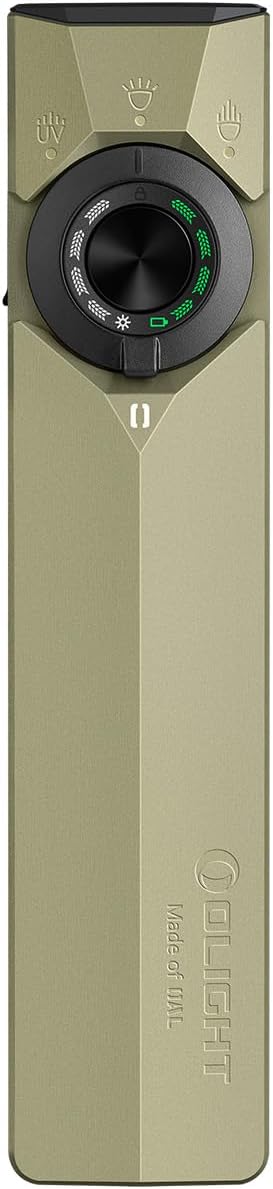
Recommended Tools for This Job


When to Remove Trim or Access the Motor
If the basic checks do not reveal the cause, the next step is usually removing the overhead console or a small trim panel to access the motor and manual override. Full headliner removal is a bigger job and should come later unless damage is already obvious.
- Remove trim if you need to access the motor connector, manual crank point, or mounting fasteners.
- Stop before full disassembly if the roof is obviously misaligned and you suspect broken guides or cables.
- Mark the glass position with masking tape before loosening any adjustment bolts so you can track movement and original alignment.
If you remove the motor from some sunroof systems, the panel can shift because the drive is no longer holding tension. Follow the vehicle-specific procedure when possible, especially if the roof must remain weather-tight.
What Not to Do During Diagnosis
Many sunroof repairs get worse because the roof is forced. A jam usually means something is out of place, not that the motor just needs more tries.
- Do not keep holding the switch after the roof stops moving.
- Do not pry the glass upward or sideways with a screwdriver.
- Do not use thick chassis grease or petroleum products on plastic guides unless the manufacturer specifically allows it.
- Do not loosen glass adjustment bolts without noting the original position.
- Do not assume a new motor will fix a crooked or binding panel.
Diagnosis Results and Next Steps
If the Problem Was Dirt or Dried Lubricant
If cleaning and correct lubrication restore smooth operation, cycle the roof several times and verify it closes evenly, seals properly, and does not hesitate. Recheck the rails after a few days to make sure hidden debris is not working back into the track.
If the Motor Has Power but Cannot Move the Roof
You may have a weak motor, damaged gearbox, or excessive mechanical load from the track. If manual movement is easy but the motor still struggles with full voltage present, motor replacement becomes more likely.
If One Side Is Out of Sync or Parts Are Broken
Broken sliders, lift shoes, or cables usually require partial disassembly of the sunroof cassette. In many vehicles, individual repair parts are available, but some require replacing the complete track assembly. This is the point where service information becomes especially valuable.
If the Roof Is Stuck Open
Use the manual close feature if available and do not force beyond firm resistance. If the mechanism will not close without binding hard, it may be safer to stop, protect the opening temporarily, and arrange a proper repair rather than damaging the glass or cassette.
When a DIY Owner Should Hand It Off
Basic inspection, cleaning, lubrication, and voltage checks are reasonable DIY tasks. Full cassette repairs can become time-consuming because they may involve glass adjustment, headliner removal, drain routing, and synchronization procedures.
- Hand it off if the glass is crooked enough to risk cracking.
- Hand it off if the roof has a broken cable or stripped internal drive parts.
- Hand it off if headliner removal would put you near airbags or delicate trim you are not comfortable handling.
- Hand it off if the sunroof needs initialization or calibration that requires a scan tool or manufacturer procedure.
Key Takeaways
- A sunroof that jams at the same exact spot usually has track damage, lodged debris, or a broken guide rather than a simple switch problem.
- If the motor gets full voltage but the roof barely moves, compare manual resistance to separate a weak motor from a physically binding track.
- Uneven glass height from left to right is a strong sign of internal mechanism damage and should not be ignored.
- Clean the rails before lubricating them, because adding lubricant over dirt often makes binding worse.
- Stop testing if the roof strains, clicks, or racks sideways, since repeated switch use can strip cables and turn a minor fault into a major repair.
FAQ
Can I Use WD-40 on a Jammed Sunroof Track?
It is not the best choice for most sunroof tracks. It can wash old residue around but is not the correct long-term lubricant for many plastic and cable-driven mechanisms. Use a plastic-safe cleaner first, then the lubricant type recommended for sunroof rails, often a light silicone-based product.
Why Does My Sunroof Tilt Up but Not Slide Back?
That usually points to a problem in the sliding portion of the mechanism rather than total electrical failure. Common causes include debris in the rails, damaged sliders, cable issues, or a section of track that binds only during rearward travel.
How Do I Know if the Sunroof Motor Is Bad or the Track Is Jammed?
If the motor receives near battery voltage and the roof still will not move, compare that with manual movement. Easy manual movement suggests a weak motor or gear problem. Hard manual movement suggests a jammed or damaged track.
Can a Low Battery Make a Sunroof Act Stuck?
Yes. Low voltage can make the motor too weak to move the panel, especially if the tracks already have some drag. Check battery condition if the roof is slow and other electrical items also seem weak.
What Does a Clicking Sound From the Sunroof Mean?
Clicking can mean the motor is trying to move but the mechanism is bound, the gear is slipping, or the control module is cycling power because the motor is overloaded. If clicking happens with no panel movement, stop forcing it and inspect the tracks and drive mechanism.
Is a Crooked Sunroof Always a Track Problem?
Not always, but it usually means a mechanical issue rather than a simple electrical one. A crooked panel often comes from a broken guide, misadjusted glass, cable timing problem, or a bent part inside the track assembly.
Can I Close a Stuck Sunroof Manually?
Many vehicles allow manual closing through an access point near the motor, often behind the overhead console. Use the vehicle-specific method and stop if resistance becomes excessive, because forcing a jammed mechanism can damage cables, guides, or the glass.
Need Parts for This Repair?
The right parts and supplies vary by vehicle.
Select your make and model to find compatible parts and accessories for your car.
Exact Fit
Parts that fit your make and model
Quality You Can Trust
Top brands and OEM quality options
Fast Shipping
Get the parts you need, delivered fast