

Note: This article contains affiliate links. If you click on these links and make a purchase, I may earn a small commission at no extra cost to you. This helps support my research and content. Read my full affiliate disclosure here.
What You’ll Need
A quick look at the tools and supplies commonly used for this job.
Tools
Parts & Supplies
- Replacement sunroof motor
- Electrical contact cleaner
- Dielectric grease
- Sunroof track grease or manufacturer-approved lubricant
- Replacement fuse
- Shop towels
This article is part of our Body and Exterior Maintenance & Repair Guides.
A bad sunroof motor can leave the glass stuck open, moving slowly, or making noise without actually sliding or tilting. The tricky part is that the motor is not always the real failure. A weak battery, blown fuse, dirty switch, jammed track, or misaligned glass can cause almost identical symptoms.
The goal of diagnosis is to separate an electrical problem from a mechanical bind before you buy parts. If the motor is getting proper power and ground but cannot move the roof, the motor is a likely suspect. If power never reaches the motor, or the roof is physically jammed, replacing the motor alone may not fix anything.
This guide walks through the safest DIY checks in a practical order, starting with the easy outside observations and ending with motor power testing. On many vehicles, that process can tell you whether the motor has failed, the switch or wiring is at fault, or the track mechanism needs repair.
Common Symptoms of a Bad Sunroof Motor
Start by writing down exactly what the sunroof does and does not do. Small differences in behavior matter because they point to different faults.
- The sunroof does nothing at all when you press the switch.
- You hear a click or humming sound, but the glass does not move.
- The roof starts moving and then stops or reverses.
- The roof moves very slowly or struggles near one end of travel.
- Tilt works but slide does not, or slide works but tilt does not.
- The roof only works sometimes, especially after hitting bumps or in hot weather.
A completely dead sunroof often points to a fuse, switch, wiring problem, or missing power and ground at the motor. A motor that hums but does not move the glass is more likely dealing with stripped internal gears, a seized motor, or a binding track. Intermittent operation often suggests a failing switch, loose connector, weak motor, or high resistance in the circuit.
Safety and Preparation
Park on a level surface, set the parking brake, and turn the ignition to the position required for accessory operation. Keep your fingers clear of the sunroof opening and mechanism when testing. The drive cables and linkages can pinch hard if the roof suddenly moves.
If you need to remove overhead trim, work slowly. Many sunroof motors sit behind an overhead console, dome light assembly, or front headliner section. Use a trim tool instead of metal pry tools when possible to reduce damage.
- Wear safety glasses when working overhead.
- Do not force the glass by hand unless the service procedure specifically allows it.
- Disconnect the battery before unplugging major connectors or removing the motor.
- Support any loosened trim so you do not crease the headliner.
What Usually Fails in a Sunroof System
A sunroof system usually includes the switch, fuse or circuit breaker, relay or control module on some vehicles, wiring, the motor, and the mechanical track and cable assembly. Some systems also need initialization after battery loss or component replacement.
That means a bad motor is only one possible failure point. In real-world DIY diagnosis, these are the most common categories:
- Electrical supply issues such as a blown fuse, low battery voltage, bad ground, or damaged wiring.
- Command issues such as a failed switch or module that never tells the motor to run.
- Motor failure such as worn brushes, internal dead spots, overheating, or stripped gears.
- Mechanical binding from dry tracks, broken guides, damaged cables, or misaligned glass.
Your job is to figure out which category your problem belongs to before replacing parts.
Initial Checks Before Accessing the Motor
Check Battery Condition and Ignition Position
Low system voltage can make a sunroof seem broken. If the battery is weak, charge it or confirm the vehicle starts and electrical accessories operate normally. Make sure the key is in the correct ignition or accessory position, since many sunroofs do not work with the key fully off.
Inspect the Fuse First
Find the sunroof fuse location in the owner’s manual or fuse box legend. A blown fuse may indicate a failed motor, a shorted wire, or a jammed mechanism that overloaded the circuit. If you replace the fuse and it blows again immediately, stop operating the sunroof until you inspect the circuit more closely.
Look for Obvious Track or Glass Problems
From outside the vehicle, inspect the glass alignment. If one side sits high or low, or the panel looks twisted, the track or lift arms may be binding. Check for leaves, broken plastic bits, hardened grease, or debris in the tracks. A healthy motor can stall if the mechanism is jammed.
Listen Closely While Pressing the Switch
Have a helper press the switch while you listen near the overhead console. No sound at all usually means no power, no command, or a totally failed motor. A single click may point to a relay or module. A steady hum with no movement suggests the motor is trying to run but cannot drive the mechanism.
Tools That Make This Job Easier


How to Tell Whether the Problem Is Electrical or Mechanical
Before taking trim apart, try to classify the failure. This saves time and helps prevent unnecessary disassembly.
- If the roof is silent and completely dead, suspect fuse, switch, power, ground, or wiring first.
- If the motor runs but the glass does not move, suspect stripped gears, broken cables, or a jammed track.
- If the roof moves a little and stops, suspect binding, weak motor torque, or loss of module calibration.
- If the roof works after tapping the overhead area or moving the switch repeatedly, suspect a failing motor with dead spots or a bad switch connection.
A true bad motor usually shows one of two patterns: it receives proper voltage and ground but does not run, or it runs weakly even though the track is not binding and battery voltage is normal.
Access the Sunroof Motor and Connector
Most vehicles place the motor near the front of the sunroof cassette, above the headliner and behind the overhead console. Remove the map light assembly, switch panel, or console carefully with a trim tool and screwdriver. On some cars, you may need to lower only the front edge of the headliner rather than remove it completely.
Once you find the motor, inspect the connector before unplugging anything. Look for corrosion, heat damage, loose pins, water intrusion, or evidence that the headliner has been wet. Sunroof drain issues can drip onto the motor or connector and create intermittent electrical faults.
- Check that the connector is fully seated.
- Look for green or white corrosion on terminals.
- Inspect nearby wiring for rubbing or pinching.
- Note whether the motor housing smells burnt or looks overheated.
Test for Power and Ground at the Motor
This is the most important diagnostic step. Use a wiring diagram if available, but even without one, you can often confirm whether the motor is being fed power and ground when the switch is pressed.
Using a Test Light
Back-probe the connector while a helper presses the sunroof switch. Depending on the design, the motor may reverse direction by swapping polarity on two wires. That means one wire may become power and the other ground in one direction, then swap roles in the opposite direction.
Using a Multimeter
Set the meter to DC volts. With the connector attached or back-probed, measure voltage across the motor feed wires while commanding open and close. In many systems, you should see battery voltage appear when the switch is pressed. If you see near-battery voltage and the motor does nothing, the motor is very likely bad.
- Battery voltage present at the motor, but no operation: motor failure is likely.
- Low voltage at the motor under load: suspect poor connection, weak ground, failing switch, or wiring resistance.
- No voltage change when the switch is pressed: suspect fuse, switch, module, relay, or open wiring.
- Voltage appears only in one direction: the motor may be good, but the switch or control circuit for the opposite direction may be faulty.
If you have access to exact service information, compare the reading against the expected values for your vehicle. Some systems use a smart module rather than a simple direct motor circuit, so the signal pattern can differ.
Check the Sunroof Switch and Related Controls
A bad switch can perfectly imitate a bad motor. If the motor never receives a command, it will stay silent even if it is healthy.
Remove the switch panel and inspect the connector. Sticky soda spills, dust, and worn internal contacts are common causes of intermittent operation. If pressing the switch harder, from a certain angle, or repeatedly changes the symptom, the switch deserves suspicion.
- Check for power into the switch.
- Check whether switch output changes when open or close is commanded.
- Inspect for bent terminals or loose connector fit.
- Clean light corrosion with electrical contact cleaner if appropriate.
If the switch has good power and ground but no output to the motor circuit, replace or further test the switch before condemning the motor.
Rule Out a Jammed Track or Cable Assembly
One of the most common misdiagnoses is replacing the motor when the real problem is a binding mechanism. Dry rails, broken guides, or damaged drive cables can overload the motor until it stalls or strips internal gears.
If your vehicle provides a manual close feature, use the factory tool or the correct hex key to try moving the roof manually. Do this gently. If it is very hard to move, do not force it. That points to a mechanical problem rather than a simple motor failure.
- Look for uneven movement from side to side.
- Check for broken plastic guide pieces in the track.
- Inspect for old, sticky grease that has turned into drag.
- Watch for the glass lifting or dropping crooked as it tries to move.
If the mechanism binds badly, a new motor may fail quickly unless you repair the track or cable issue first.
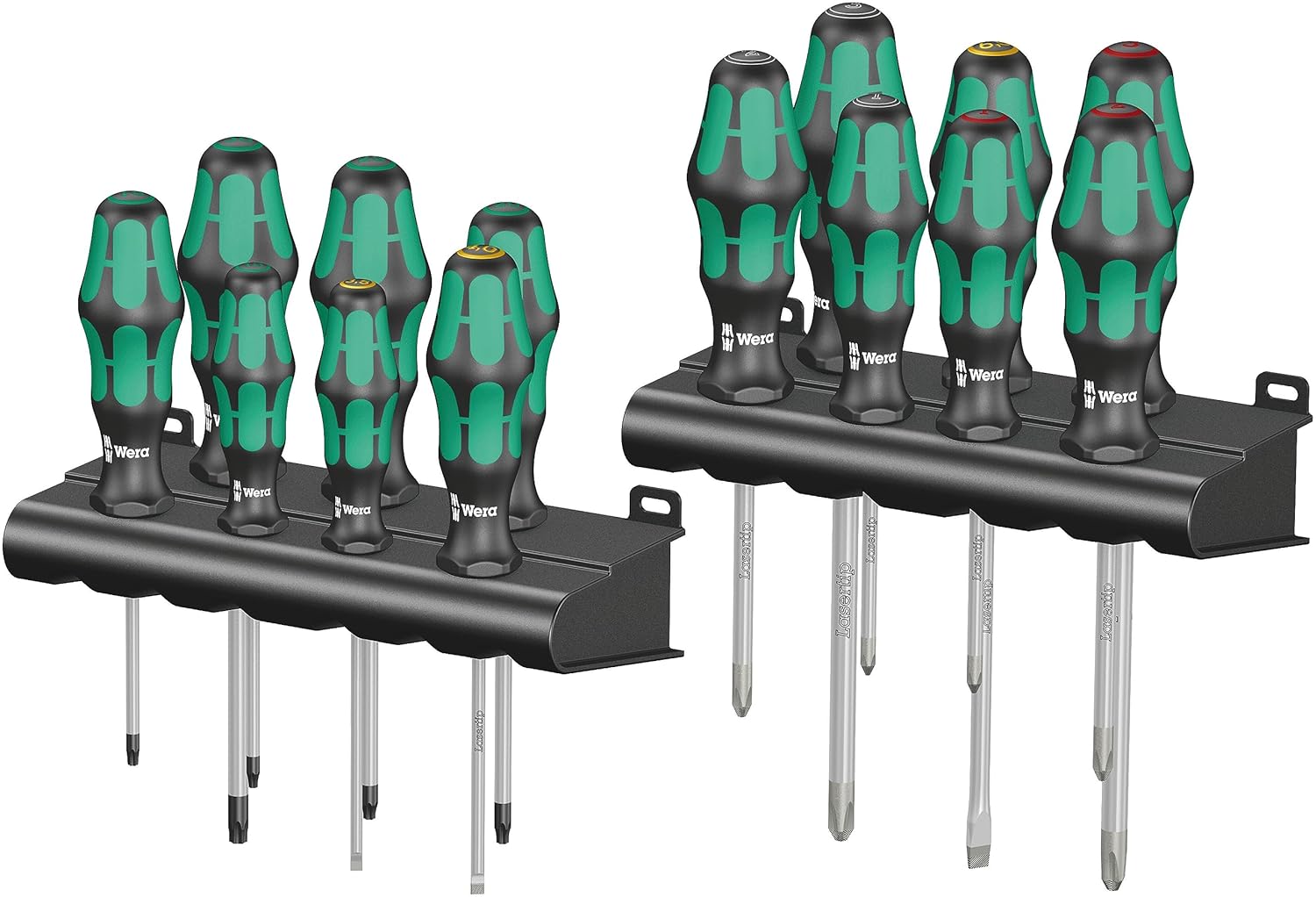
Recommended Tools for This Job


Direct Motor Testing
If the connector tests are inconclusive, the next step is to test the motor more directly. This should be done carefully and only if you are comfortable with basic electrical work.
Bench or Jumper Testing
With the motor removed or electrically isolated according to service procedure, apply fused battery power and ground directly to the motor terminals. Reverse polarity to reverse direction if the design allows. A good motor should run strongly and consistently in both directions.
- Motor does not run at all with direct power: the motor is bad.
- Motor runs weakly, inconsistently, or only after tapping it: internal failure is likely.
- Motor spins strongly on the bench but not installed: the mechanism may be binding or the wiring may have excessive resistance.
- Motor draws heavy current, gets hot quickly, or stalls: internal motor damage or mechanical overload is likely.
Use a fused jumper lead if you perform this test. Never shove unfused battery power into unknown circuits.
When Relearning or Initialization Is the Real Fix
Some modern sunroofs need initialization after battery disconnection, low voltage, or motor replacement. If the roof moves slightly, reverses, or stops in odd positions, the module may have lost its learned travel limits.
A typical relearn process involves holding the switch in the tilt or close position for several seconds until the roof cycles or resets, but the exact procedure varies by make and model. Always verify the correct procedure for your vehicle.
Do not replace the motor just because the anti-pinch function behaves strangely. If the motor works and the mechanism is not binding, initialization may solve the problem.
How to Interpret Your Results
After testing, you should be able to put the failure into one of a few practical buckets.
- Most likely bad motor: battery voltage and good ground reach the motor, but it does not run or is very weak.
- Most likely switch or control problem: no command reaches the motor, but power supply and fuse are good.
- Most likely wiring or connector problem: voltage is inconsistent, drops heavily under load, or changes when the harness is moved.
- Most likely mechanical problem: the motor runs or tries to run, but the track is jammed, misaligned, or difficult to move manually.
- Most likely calibration issue: the roof moves but stops, reverses, or loses position after battery or repair work.
This is the point where many DIYers save money. If your tests do not clearly show motor failure, do not guess. Sunroof parts can be expensive, and headliner access is time-consuming.
What to Do Next
If you confirmed a bad motor, compare the replacement part carefully by connector style, mounting pattern, and any built-in module features. Some sunroof motors must be installed in a specific position relative to the glass and track timing.
If the tests point to binding tracks, clean out debris and use only the lubricant type approved for your vehicle. Heavy grease can attract dirt and create more drag over time. If guides or cables are broken, the cassette may need partial rebuild or replacement.
If water intrusion is present, repair clogged drains and dry the connector area before replacing electrical parts. Otherwise, the new motor may suffer the same corrosion problem.
After repairs, cycle the sunroof through full open, close, and tilt functions and perform any required initialization. Verify smooth motion, even panel height, and proper anti-pinch behavior.
Key Takeaways
- Confirm fuse condition, battery voltage, and switch operation before blaming the sunroof motor.
- If the motor gets full voltage and good ground but will not run, the motor is the leading suspect.
- A humming motor with no glass movement often means track, cable, or gear damage rather than a simple electrical fault.
- Do not force a jammed sunroof manually because you can bend components and turn a small repair into a major one.
- Check for water intrusion at the overhead console because corroded connectors can cause intermittent sunroof failure.
FAQ
How Do I Know if My Sunroof Motor Is Bad or Just Stuck?
If the motor receives proper voltage and ground but does not run, or runs weakly with no significant track binding, the motor is likely bad. If the motor hums or tries to move the roof but the glass is hard to move manually or sits crooked, the mechanism may be stuck instead.
Can a Blown Fuse Mean the Sunroof Motor Is Bad?
Yes, but not always. A bad motor can overload the circuit and blow a fuse, but so can shorted wiring or a jammed track. If the new fuse blows again right away, more testing is needed before replacing parts.
Why Does My Sunroof Click but Not Open?
A clicking sound can come from a relay, control module, or a motor trying to engage. Common causes include low voltage, a weak motor, stripped gears, or a binding track assembly.
Can Low Battery Voltage Affect Sunroof Operation?
Yes. Sunroofs can move slowly, stop midway, or fail to initialize properly when battery voltage is low. Always verify battery condition and charging system health before condemning the motor.
Do Sunroofs Need to Be Reset After the Battery Is Disconnected?
Many do. Some systems lose their learned open and close positions after battery service or low voltage events. A relearn or initialization procedure may restore normal function without replacing the motor.
Is It Safe to Apply Direct Power to a Sunroof Motor?
It can be, if you use fused jumper leads and understand the circuit. This is a useful diagnostic test, but it should be done carefully to avoid short circuits, damaged modules, or pinched fingers.
Can I Lubricate the Track to Fix a Slow Sunroof?
Sometimes. If the track is dry or dirty, proper cleaning and manufacturer-approved lubricant can improve movement. But if guides, cables, or the motor are already damaged, lubrication alone will not fix the problem.
Need Parts for This Repair?
The right parts and supplies vary by vehicle.
Select your make and model to find compatible parts and accessories for your car.
Exact Fit
Parts that fit your make and model
Quality You Can Trust
Top brands and OEM quality options
Fast Shipping
Get the parts you need, delivered fast