

Note: This article contains affiliate links. If you click on these links and make a purchase, I may earn a small commission at no extra cost to you. This helps support my research and content. Read my full affiliate disclosure here.
If you drive a Dodge Dakota with a manual gearbox, the transmission fluid you choose directly affects shift feel, gear life, and long-term reliability. Using the right fluid helps maintain crisp shifts, reduces wear on synchros and gears, and can prevent costly repairs down the road. This guide presents the top shortlisted transmission fluids suited to the Dodge Dakota Manual and explains the factors that matter when you pick a product.Each option below was chosen for compatibility, protection, and real-world performance characteristics. Read on to see the evaluation criteria and practical guidance to help you decide which fluid is best for your truck and driving style.
Looking for other parts? See all Dodge Dakota parts & accessories.
Top Picks at a Glance
| Best Overall Transmission Fluid A well‑rounded fluid that balances compatibility, protection, and shifting. | Valvoline Synchromesh Manual Transmission Fluid, 1 Quart |  |
| Best Budget Transmission Fluid An inexpensive bottle that still protects gears and synchronizers adequately. | ACDelco 75W-90 Manual Transmission and Transfer Case Fluid, 32 oz (10-4033) |  |
| Best OEM‑Spec Transmission Fluid Factory‑approved fluid meeting manufacturer specifications for exact fit and performance. | Mopar NSG 370/NV 3500 Manual Transmission Lubricant (32 fl oz) |  |
| Best Synchromesh Manual Transmission Fluid Formulated specifically for synchronized manual gearboxes to improve shift feel. | Royal Purple Synchromax Manual Transmission Fluid, 1 Quart |  |
| Best 75W‑90 Transmission Fluid A gear‑oil viscosity for heavier loads and better high‑temperature protection. | TRIAX Synergy Gear MT 75W-90 GL-4 Full Synthetic Manual Transmission Fluid (1 Quart) | 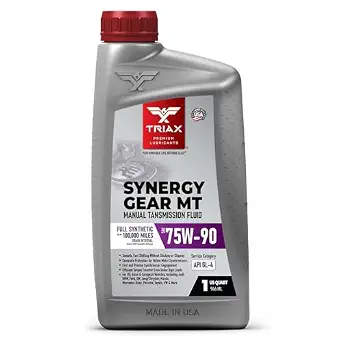 |
1. Valvoline Synchromesh Manual Transmission Fluid, 1 Quart
Best Overall Transmission Fluid

| Recommended Uses For Product | Transmission Fluid |
|---|---|
| Specific Uses For Product | Smooth Gear Shifting, Lubrication of Manual Transmission Gearboxes |
| Item Form | Oil |
| Material | Synthetic |
| Liquid Volume | 1 Quarts |
Valvoline Synchromesh is a full synthetic manual transmission fluid designed to keep manual gearboxes shifting smoothly under real-world use. It is used as a fill or top-up fluid in manual transmissions and transaxles that call for API GL-4-level MTF, including certain GM and Chrysler synchronizer-equipped gearboxes. The formula emphasizes synchronizer friendliness, anti-foam control, corrosion resistance, and thermal stability, so shifts stay positive in both cold starts and higher operating temperatures. For a DIY mechanic working on a Dodge Dakota with a manual gearbox, this product offers a reliable single-fluid choice for routine maintenance and midlife top-ups where the vehicle manual recommends GL-4-type fluids. Limitations are that fitment must match the vehicle’s specified part numbers and manufacturer recommendations; this bottle is a 1 quart size, so multiple units may be required for full drains on larger gearboxes.
Best for: DIY mechanics who want one dependable manual transmission fluid that preserves synchronizer life and provides consistent shifting across routine maintenance and top-up jobs on compatible vehicles.
Less Ideal for: Anyone whose Dodge Dakota manual specifies a different fluid specification or who needs a large-volume supply for fleet servicing should consider an alternative or larger container sizes.
- Full synthetic formulation for improved thermal stability and cold-flow compared with conventional MTFs
- Formulated for synchronizer performance to deliver smoother, more positive shifts
- Anti-foam and corrosion additives help protect gears under high load and extended use
- Meets API GL-4 and is recommended against specific GM and Chrysler part numbers for cross-reference
- Sold in 1 quart bottles which may require buying multiple bottles for a full transmission service
Verdict: The top pick for DIY mechanics who want a single transmission fluid that delivers reliable protection, smooth shifting, and broad compatibility across common transmissions.
2. ACDelco 75W-90 Manual Transmission and Transfer Case Fluid, 32 oz (10-4033)
Best Budget Transmission Fluid

| Viscosity | 75W-90 |
|---|---|
| Formulation type | Manual transmission and transfer case fluid |
| Volume | 32 Ounce |
| GL rating | GL-4 |
This ACDelco 75W-90 manual transmission and transfer case fluid is a straightforward factory-replacement option for routine service. It is intended for manual gearboxes and transfer cases, providing GL-4 friction characteristics that help preserve gearset life and maintain consistent shift feel down to lower temperatures. Packaged in a 32-ounce jug, it is convenient for topping off or changing fluid in a single axle or transfer case on a mid-size truck. The formula emphasizes corrosion protection and stable viscosity in cold weather, which makes cold starts and first shifts less abrupt. Because it is a basic, discontinued OEM-style product, it does not carry advanced additives aimed at extreme-duty or racing use, so expect standard wear protection suitable for everyday driving rather than heavy towing or severe off-road use. For Dodge Dakota manual transmissions doing routine street duty, it delivers dependable performance at an economical value.
Best for: Buyers seeking an affordable, factory-quality manual transmission fluid for routine maintenance on a truck, prioritizing reliable everyday protection and shift quality over specialty performance.
Less Ideal for: Drivers who frequently tow heavy loads, use the vehicle in severe-duty conditions, or need a fluid rated for high-performance or racing applications should look for a heavy-duty or specialty formulation instead.
- Meets GL-4 friction spec suitable for manual gearboxes and transfer cases
- Stable 75W-90 viscosity for consistent shifting and cold-weather starts
- Factory-brand formula aimed at compatibility with manufacturer recommendations
- 32-ounce jug size convenient for single-service changes or top-ups
- Discontinued by manufacturer which may limit long-term availability or support
- Not formulated for extreme-duty, high-torque, or motorsport applications
Verdict: Choose this economical fluid when you need a low‑cost option that provides acceptable wear protection and shift quality for routine maintenance.
3. Mopar NSG 370/NV 3500 Manual Transmission Lubricant (32 fl oz)
Best OEM‑Spec Transmission Fluid

| Part Number | 4874464AB |
|---|---|
| Liquid Volume | 32 fluid ounces |
| Material | Synthetic |
| Viscosity | 5W |
| SAE J300 Viscosity Grade | 5W |
This Mopar NSG 370/NV 3500 Manual Transmission Lubricant is a synthetic, factory-targeted fluid intended as a direct replacement for manual gearboxes that require the NSG 370 or NV3500 specification. It is supplied in a 32 fl oz bottle and carries a 5W viscosity grade to deliver consistent film strength and controlled friction for proper shift feel and synchro engagement. Install it like any manual trans fluid during service or drain-and-fill maintenance to maintain factory shift characteristics and help preserve synchronizers. Benefits include formulation matched to manufacturer friction requirements and synthetic base oils for thermal stability and longer life than conventional fluids. Limitations are that it is engineered for specific transmissions only, so it is not a universal manual fluid and you must confirm compatibility with your vehicle's manual gearbox spec before use.
Best for: Buyers who need a direct, factory-matching manual transmission fluid for Dodge manual gearboxes and prioritize maintaining OEM shift feel and warranty-aligned service.
Less Ideal for: Drivers looking for a universal manual fluid, aftermarket performance lubricants, or fluids specified for different transmission families should choose a different product.
- Factory-formulated to NSG 370/NV3500 specifications for correct friction and shift feel
- Synthetic base provides improved thermal stability and longer service life than conventional oils
- 5W viscosity grade offers consistent film strength across operating temperatures
- Convenient 32 fl oz bottle suitable for a single drain-and-fill service
- Only intended for transmissions that specify NSG 370 or NV3500, so not compatible with all manual gearboxes
Verdict: Use this OEM‑spec fluid when you want a direct replacement formulated to meet the vehicle maker's requirements for correct friction, longevity, and warranty compliance.
4. Royal Purple Synchromax Manual Transmission Fluid, 1 Quart
Best Synchromesh Manual Transmission Fluid

| Unit Count | 1 Quarts |
|---|---|
| Material | Synthetic |
| Viscosity | 10W |
| Container Type | Jug |
Synchromax is a synthetic manual transmission fluid designed to improve synchronizer performance and smooth shifting in manual gearboxes. It is commonly used in manual transmissions, transfer cases, and 2-cycle motorcycle gearboxes that call for a light-viscosity fluid. The formula uses Royal Purple’s Synerlec additive technology to reduce gear noise, help transfers between gears feel less notchy, and maintain consistent shift quality in hot and cold conditions. It is also fully compatible with common friction materials and offers corrosion and oxidation protection for internal parts. In practice this means easier, crisper shifts and potential reduction in transmission wear when the vehicle is driven frequently or in variable climates. Limitations include that it is a specialized light-viscosity synchromesh fluid and should only be used where the transmission manufacturer permits an automatic transmission fluid or similar light-viscosity oil; it is not a universal replacement for higher-viscosity manual oils.
Best for: Drivers who want noticeably smoother, crisper shifting and improved synchronizer performance in manual gearboxes and are willing to use a light-viscosity synthetic fluid approved for their transmission.
Less Ideal for: Drivers who need a higher-viscosity manual gear oil or whose transmission explicitly requires a different fluid specification should choose a product matched to that requirement.
- Improves synchronizer engagement for smoother, less notchy shifts.
- Synthetic Synerlec additive package reduces gear noise and supports consistent shift feel across temperatures.
- Compatible with a wide range of friction materials so it will not harm synchronizers.
- Provides corrosion and oxidation protection to extend component life.
- Intended for light-viscosity applications only and not suitable where higher-viscosity manual fluids are specified.
Verdict: Pick this synchromesh manual fluid if you need improved synchronizer performance and smoother, less notchy shifting in a manual transmission.
5. TRIAX Synergy Gear MT 75W-90 GL-4 Full Synthetic Manual Transmission Fluid (1 Quart)
Best 75W‑90 Transmission Fluid

| SAE J300 Viscosity Grade | 75W-90 |
|---|---|
| Viscosity | 75W90 / MT 90 |
| Liquid Volume | 1 Quarts |
| Material | Full Synthetic Fluid |
The TRIAX Synergy Gear MT 75W-90 is a full synthetic GL-4 manual transmission fluid aimed at delivering strong film strength and smooth shifting. It is used like any gear oil top-up or service fill for manual boxes specified for SAE 75W-90 GL-4, and the formulation emphasizes friction control to reduce sticking, slipping, shudder, and hard synchronizer engagement. Notable features include full synthetic base stocks and a friction-optimized additive package that claims compatibility with yellow metal synchronizers and other copper alloys. In practice this means better wear resistance and more consistent shifts in higher-load or performance use compared with lighter fluids. The product is offered in a one-quart bottle for single-bottle servicing. Limitations: it is specified as GL-4 rather than GL-5, so it is intended for transmissions requiring GL-4 chemistry and may not match applications that call for different gear oil specs or limited-slip differentials that need specific additives.
Best for: Dodge Dakota owners who prioritize extra wear protection and firmer film strength for manual transmissions and who need a GL-4 75W-90 fluid for high-load or performance driving.
Less Ideal for: Not a good choice if the service manual specifies a different gear oil spec, a GL-5 product, or a transmission that needs a fluid with special limited-slip additives.
- Full synthetic formulation for stronger film strength and thermal stability.
- Friction-optimized additive package designed to improve synchronizer engagement and reduce shudder.
- Yellow metal safe formulation compatible with brass and copper synchros.
- Claims extended drain capability for long service intervals under many driving conditions.
- GL-4 chemistry may not be appropriate where GL-5 or manufacturer-specific fluid is required.
Verdict: Opt for this 75W‑90 gear oil when you want thicker film strength and extra wear resistance for gearsets and synchronizers under higher loads.
Choosing the Right Dodge Dakota Manual Transmission Fluid: Key Factors to Consider
Viscosity Grade And Temperature Performance
Viscosity determines how the fluid flows at cold start and how it maintains a lubricating film at operating temperatures. For a Dodge Dakota Manual, a fluid that is too thick can make cold shifts harsh and increase wear during short trips, while a fluid that is too thin may fail to protect gear teeth and bearings under heavy loads.
Look for manufacturer-recommended viscosity ranges and fluids with published cold-flow properties. Consider the climate you drive in: fluids with better low-temperature flow improve shiftability in winter, while those with strong high-temperature viscosity retention resist thinning on long highway runs or when towing.
Friction Characteristics And Synchro Compatibility
Manual transmissions rely on friction behavior for smooth gear engagement and clutch operation. The friction modifiers and additive package in a fluid influence how quickly synchros match gear speeds, which affects shift crispness and the risk of gear clash.
Choose fluids formulated for manual transmissions rather than automatic-specific ATFs unless the ATF explicitly lists manual gearbox approval. Fluids with balanced friction properties promote predictable, positive shifts without excessive drag on clutch components.
Wear Protection And Load Carrying Capacity
Gears, shafts, and bearings experience high contact pressures. Additives like anti-wear agents and extreme-pressure components protect metal surfaces from micropitting and scuffing. Long-service protection reduces the pace of wear, preserving gear geometry and smooth operation.
Assess fluids by their stated anti-wear performance and whether they reference standards relevant to truck transmissions. Fluids with proven load-carrying additives are preferable if you tow, haul heavy loads, or frequently operate in hilly terrain.
Seal Compatibility And Material Safety
Older Dodge Dakota transmissions may contain seals and gaskets made from specific elastomers. Some additives or detergents can cause swelling, shrinkage, or hardening of these materials, leading to leaks or premature seal failures.
Opt for fluids that declare compatibility with common seal materials or that are formulated for older manual transmissions. If you are topping up an older unit, verify that the fluid is unlikely to interact negatively with existing seals.
Oxidation Resistance And Service Life
Oxidation degrades fluid over time, increasing acidity and forming varnish or sludge that can impair shifting and lubrication. Fluids with good antioxidant packages extend service intervals and maintain clean internal surfaces.
Consider the recommended drain interval and whether the fluid has documented stability under heat and shear. For vehicles with higher mileage or intermittent maintenance history, choose fluids that offer stronger oxidation control to mitigate the effects of prior degradation.
Compatibility With Fill And Top-Up Practices
Owners often top up or mix fluids during maintenance. Compatibility between different formulations matters because mixing incompatible chemistries can alter friction properties, viscosity, and additive performance.
When selecting a fluid, prefer products that state they can be mixed with conventional manual transmission oils or that follow widely used specifications. If you plan to perform a partial drain and fill rather than a full flush, prioritize compatibility to avoid unpredictable shifts or seal issues.
When To Perform A Transmission Fluid Change
Service intervals depend on use and driving conditions. For typical city and highway driving, inspect fluid at regular maintenance intervals and plan for a change if the fluid appears dark, has a burnt smell, or if shifts become grinding or imprecise. Severe service such as frequent towing, off-road use, or repeated short trips at low speeds can accelerate fluid breakdown.
- Check fluid color and odor during routine inspections.
- Schedule a drain and fill if the vehicle has high mileage and service history is uncertain.
- Consider more frequent changes if you tow or haul heavy loads.
How Fluid Choice Affects Shift Feel
Different formulations change clutch and synchro interaction. A manual transmission fluid designed for positive friction will give crisp, definite shifts, while a formulation with more slip may feel smoother but less precise. Drivers prioritizing sporty, quick shifts should choose fluids that emphasize rapid synchro engagement; those who prefer effortless, casual shifting may opt for a slightly more forgiving friction character.
- Crisp shifts often come from fluids with tailored friction modifiers.
- Smoother shifts can reduce driver fatigue in heavy traffic.
- Test a small change to understand the feel before committing to long-term use.
Top Maintenance Practices For Manual Gearboxes
Regular inspection and correct fluid service are central to gearbox longevity. Besides changing fluid at recommended intervals, check for leaks around the fill and drain plugs, inspect the clutch hydraulic system for contamination, and monitor for abnormal noises or vibration during gear changes.Keep records of fluid types used and service dates. That information helps when diagnosing future issues and ensures compatibility if future top-ups are required.
- Inspect fill and drain plug seals each service.
- Note fluid type and date on a maintenance sticker.
- Address clutch or shift linkage issues promptly to avoid stressing the transmission.
Signs Your Transmission Fluid Needs Attention
Early warning signs include rough or crunchy shifts, increased gear noise, or a distinct burnt smell. Visual clues include darkened fluid or visible contaminants on a drain plug magnet. If you notice any of these symptoms, plan an inspection and fluid analysis if available.Addressing fluid condition early can prevent accelerated wear and more expensive repairs later.
- Crunchy or hesitant shifts.
- Dark, opaque fluid or burnt odor.
- Metal particles on drain plug magnet.
Still looking for the perfect fit?
Select your Dodge Dakota configuration to see the most relevant Transmission Fluids recommendations
How We Chose the Best Dodge Dakota Manual Transmission Fluid
Our selection process focused on fluids that meet the technical demands of older light-truck manual gearboxes while delivering measurable protection and consistent shift performance. We prioritized supplies that specify compatibility with Dodge or equivalent Chrysler manual transmission specifications and that offer clear viscosity and additive information. Key evaluation criteria included shear stability, friction modifier formulation, and thermal protection to ensure consistent clutch engagement and synchro life under varying loads.We also considered laboratory and field-derived performance attributes such as anti-wear characteristics, oxidation resistance, and compatibility with common seal materials used in these transmissions. Fluids with ambiguous spec sheets, unclear compatibility statements, or that lacked data on long-term stability were excluded. We avoided products labeled only for automatic transmissions unless they explicitly stated manual gearbox approval. The result is a shortlist of five fluids that balance protection, shifting quality, and documented fitment for a Dodge Dakota with a manual transmission.
Our full evaluation process is outlined in our review methodology.
FAQ
Can I use automatic transmission fluid in a Dodge Dakota manual gearbox?
It depends on the specific ATF and whether its manufacturer lists manual gearbox approval. Many ATFs are formulated for automatic systems and have friction characteristics that differ from manual fluids, so only use an ATF if it explicitly states compatibility with manual transmissions.
How often should I change the manual transmission fluid in a Dakota?
Intervals vary with use. Typical service ranges from moderate intervals to more frequent changes under heavy towing or severe duty. Check fluid condition regularly and follow any available manufacturer guidance for similar model years.
Will switching fluids fix hard shifting immediately?
Switching to a properly specified fluid can improve shift feel if the current fluid is degraded or the wrong type. However, hard shifting can also stem from worn synchros, clutch issues, or linkage problems, so fluid change may not resolve every cause.
Is a full flush necessary or is a drain and refill enough?
A drain and refill replaces only part of the fluid but is often adequate for routine maintenance. A full flush removes more old fluid but should be done carefully and only if you are sure there are no contamination or debris concerns in the gearbox.
Can different manual transmission fluids be mixed?
Mixing is possible in many cases but not always ideal. Mixing can alter friction properties and viscosity. If you must top up between services, choose a compatible fluid and, when convenient, perform a full change to establish a single formulation.
What should I check after changing the transmission fluid?
After service, check shift quality, inspect for leaks at the drain and fill plugs, and verify the fluid level according to the vehicle-specific procedure. Monitor for any unusual noises or feel during the first few drives.
Final Verdict
For a Dodge Dakota with a manual gearbox, prioritize fluids that match the vehicle's specified viscosity, provide balanced friction for synchro compatibility, and offer solid anti-wear protection. Consider your driving conditions—frequent towing, extreme temperatures, or heavy city use should push you toward fluids with stronger thermal and load-carrying properties. Maintain records of the fluid you use, inspect for leaks, and address shifts or noises promptly.Ultimately, choosing a fluid is a tradeoff among shift feel, longevity, and compatibility. Focus on proven specifications and documented compatibility with manual gearboxes to make a confident, long-lasting choice.
Explore More:
- Check out all Dodge Dakota parts & accessories
- Explore Fluids & Chemicals
- Browse all Accessories
