

Note: This article contains affiliate links. If you click on these links and make a purchase, I may earn a small commission at no extra cost to you. This helps support my research and content. Read my full affiliate disclosure here.
If you tow with a Mitsubishi Outlander, the right trailer hitch affects safety, load control, and vehicle handling. Picking the correct hitch ensures the trailer mounts securely, the load stays stable, and the vehicle's towing limits are respected. This guide presents seven shortlisted Mitsubishi Outlander trailer hitches that meet common towing needs while balancing durability and installation simplicity. We evaluated fitment, weight capacity, and installation characteristics to narrow the options. Read on to find hitches that suit different towing demands and preferred installation approaches.
Looking for other parts? See all Mitsubishi Outlander parts & accessories.
Top Picks at a Glance
| Best Overall The best all-around choice for most situations | CURT Class 3 Trailer Hitch 2-Inch Receiver for Mitsubishi Outlander |  |
| Best Quality Built to a higher standard if you want something more solid | KUAFU Universal RV 2" Class III Trailer Hitch Receiver |  |
| Best Value The sweet spot between price and what you get | KUAFU Class 3 Trailer Hitch 2" Receiver for 2022-2024 Mitsubishi Outlander |  |
| Best Budget The cheapest option that still gets the job done reliably | KUAFU Class 3 Trailer Hitch, 2-Inch Receiver for 2011-2026 Mitsubishi Outlander Sport RVR |  |
| Highest Rated A top-rated pick with lots of positive feedback | CURT Class 3 Trailer Hitch 2-Inch Receiver for Mitsubishi Outlander Sport / RVR |  |
| Best Seller A high-volume bestseller chosen again and again | CURT Class 3 Trailer Hitch 13163 for Mitsubishi Outlander |  |
CURT Class 3 Trailer Hitch 2-Inch Receiver for Mitsubishi Outlander
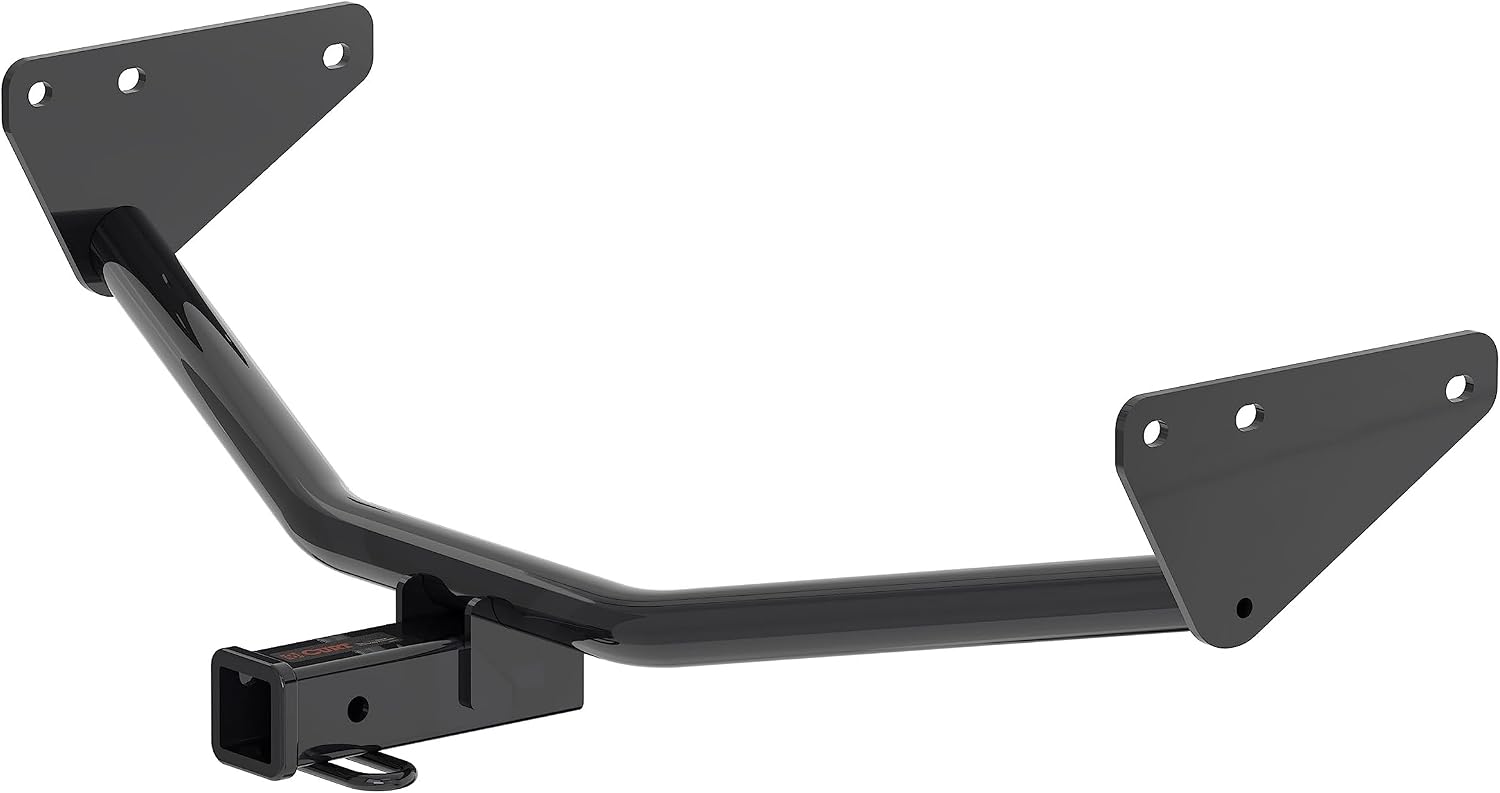
| Receiver size | 2-inch |
|---|---|
| Gross trailer weight | 3,500 lb |
| Tongue weight | 525 lb |
| Material | Carbon Steel |
| Finish | Co-cured undercoat and powder-coat |
This CURT Class 3 trailer hitch is a custom-fit receiver engineered specifically for select Mitsubishi Outlander models to provide towing capability and discreet integration with the vehicle. It installs to factory mounting points and presents a concealed main body for a near-factory appearance while offering a 2-inch receiver tube for common hitch accessories. Built from carbon steel with a co-cured liquid Bonderite undercoat and powder-coat finish, the design emphasizes durability against rust and chips for long-term use. It is rated for 3,500 lb gross trailer weight and 525 lb tongue weight, making it suitable for small campers, boat trailers, cargo carriers and bike racks within those limits. Buyers should expect a moderately involved DIY install that typically requires basic hand and power tools and a helper or lift for alignment. There is no integrated wiring or ball mount included so plan to add those separately, and towing must always stay within the hitch and vehicle limits.
Best for: Balanced buyers who want a factory-quality, vehicle-specific hitch that offers solid towing capability without altering the Outlander’s appearance and who value long-term durability.
Less Ideal for: Drivers who need high-capacity towing above 3,500 lb or who want a complete plug-and-play kit with wiring and ball mount included should consider alternative solutions.
- Vehicle-specific design for a tight, factory-like fit
- Rated 3,500 lb GTW and 525 lb tongue weight for common light towing tasks
- Durable carbon steel construction with co-cured undercoat and powder-coat finish for corrosion resistance
- Low-profile, concealed main body maintains the Outlander’s rear styling
- Does not include wiring harness, ball mount, or electrical components
- Installation can require effort and tools and may be easier with an assistant
Verdict: A factory-fit, durable Class 3 hitch that gives Mitsubishi Outlander owners reliable 3,500 lb towing capacity while keeping a low-profile, factory appearance.
KUAFU Universal RV 2" Class III Trailer Hitch Receiver
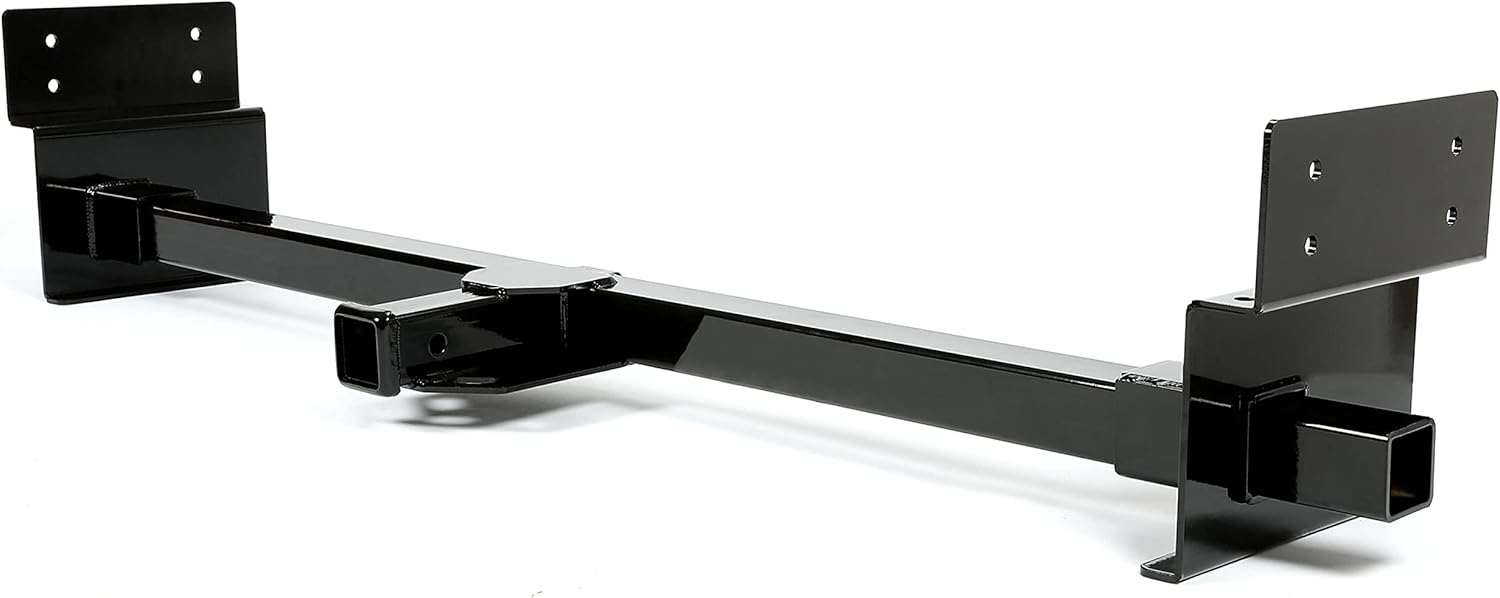
| Maximum Towing Capacity | 3500 Pounds |
|---|---|
| Tongue Weight | 350 Pounds |
| Receiver Size | 2 Inch Class III |
| Finish Type | Powder Coated |
| Fits Frame Width | Up to 72 inch frames |
This KUAFU 2-inch Class III trailer hitch is a sturdy, bolt-on receiver intended for attaching cargo carriers, bike racks, or small trailers to compatible frames. It is built from heavy-duty steel with a powder-coated finish and a published towing capacity of 3,500 pounds and tongue weight of 350 pounds. Typical use involves mounting the crossmember and end brackets to the vehicle frame and welding or bolting the assembly for a permanent receiver. The package includes hardware and straightforward instructions but the unit is very heavy and usually requires two people and basic tools to position and drill mounting holes. Buyers get a strong, low-cost alternative to factory replacements that performs well hauling e-bikes, utility trailers, and cargo carriers, but installation can require frame notching, drilling, and occasional trimming for a perfect fit to the Outlander frame. This is a purpose-built hitch for reliably carrying moderate loads when installed carefully and securely.
Best for: Performance-oriented buyers who prioritize a strong, high-capacity receiver for hauling bikes, small trailers, or cargo carriers and who are comfortable modifying mounting points during installation.
Less Ideal for: Buyers seeking a plug-and-play factory-quality hitch engineered specifically for the Mitsubishi Outlander with no drilling or frame modification should consider a vehicle-specific option instead.
- Rated 3,500 lb gross trailer weight and 350 lb tongue weight for moderate towing tasks
- Heavy-duty steel construction with powder-coated finish for corrosion resistance
- Comes with mounting hardware and clear instructions for a bolt-on installation
- Universal 2-inch Class III receiver works with common hitch accessories
- Universal design may require drilling, notching, or minor trimming to fit the Mitsubishi Outlander frame
- Unit is very heavy and typically needs two people and lifting support to install
- Not a direct factory-quality replacement engineered specifically for the Outlander mounting points
Verdict: A heavy-duty, affordable 2-inch Class III receiver that delivers solid 3,500 lb towing performance if you are prepared for a hands-on installation and frame modifications.
KUAFU Class 3 Trailer Hitch 2" Receiver for 2022-2024 Mitsubishi Outlander

| Maximum Towing Capacity | 3500 Pounds |
|---|---|
| Tongue Weight | 525 Pounds |
| Material Type | Alloy Steel |
| Finish Type | Powder Coated |
This KUAFU Class 3 trailer hitch bolts to the frame of 2022–2024 Mitsubishi Outlander models to provide a standard 2-inch x 2-inch receiver for towing. It is made from alloy steel with a powder-coated finish for corrosion resistance and ships with mounting hardware and instructions for bolt-on installation. Rated up to 3,500 lb gross trailer weight and 525 lb tongue weight, it covers common towing needs like small trailers, cargo carriers, and bikes. Installation is straightforward for someone comfortable working under the vehicle, though many buyers prefer professional installation; a few reviewers noted fitment variance on PHEV and some units needing adjustment. The hitch’s powder coat helps durability, but confirmed fit depends on exact Outlander variant so check compatibility carefully. For buyers looking to add basic towing capability without heavy-duty capacity, this hitch delivers a practical, value-oriented solution with familiar Class 3 performance and factory-style mounting.
Best for: Practical optimizers who want a reliable, budget-conscious way to add everyday towing capability to a 2022–2024 Mitsubishi Outlander without upgrading to heavy-duty hardware.
Less Ideal for: Not intended for buyers who need high-capacity towing or frequent heavy towing use; also avoid if your Outlander is a variant explicitly excluded by fitment notes.
- Vehicle-specific fit for 2022–2024 Mitsubishi Outlander adds a factory-style 2" receiver
- Class 3 rating supports common towing tasks up to 3,500 lb GTW and 525 lb tongue weight
- Alloy steel construction with powder-coated finish for corrosion and wear resistance
- Includes mounting hardware and installation instructions for bolt-on installation
- Some buyers reported fitment issues on PHEV or certain trim variants so verify vehicle compatibility before ordering
- May require professional installation or minor adjustments for correct alignment
Verdict: Adds a practical, factory-style 2-inch receiver to 2022–2024 Mitsubishi Outlander models for everyday towing needs at a strong value.
KUAFU Class 3 Trailer Hitch, 2-Inch Receiver for 2011-2026 Mitsubishi Outlander Sport RVR
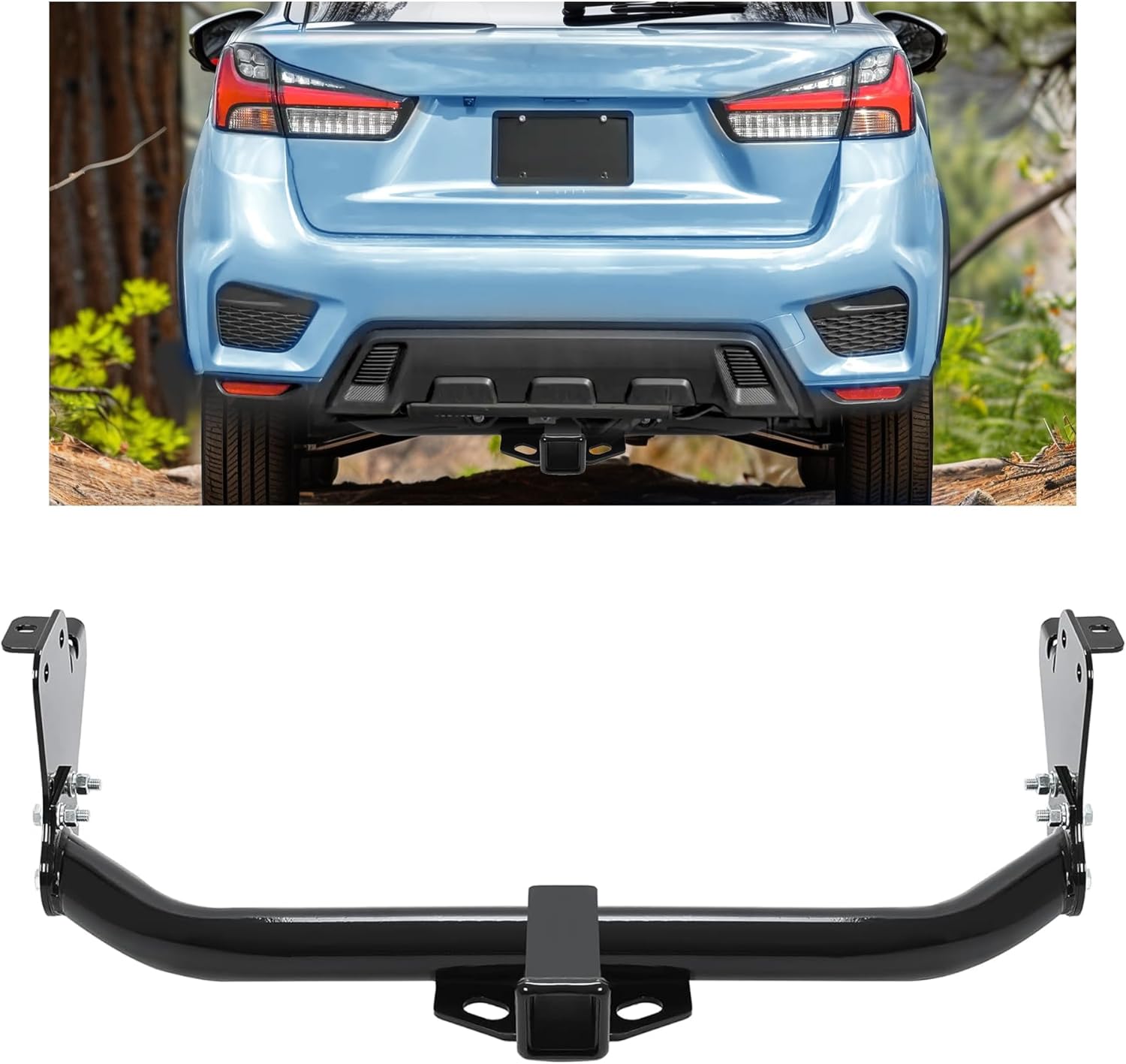
| Compatible with Vehicle Type | 2011-2026 Mitsubishi Outlander Sport, RVR |
|---|---|
| Material Type | Alloy Steel |
| Finish Type | Powder Coated |
| Item Type Name | Trailer Hitch |
| Manufacturer Part Number | BL2318 |
This KUAFU Class 3 trailer hitch is a vehicle-specific, bolt-on 2" x 2" receiver designed for 2011–2026 Mitsubishi Outlander Sport and RVR models. It is made from alloy steel with a powder-coated finish and is rated to tow up to 3,500 lbs gross trailer weight with 350 lbs tongue weight, making it suitable for bike racks, small trailers, and camping gear. Typical installation uses the vehicle frame mounting points and includes hardware and instructions, though some buyers report needing to chase rusted weld-nuts or replace bolts on older cars. The powder coat helps resist corrosion, and the hitch’s two-support assembly makes lifting and aligning easier for one person. Trade-offs are that installation can be fiddly on rusty or damaged frames and a few users reported fit or thread issues, so professional installation or basic mechanical tools are recommended if you encounter seized threads. For budget-focused owners who need a factory-style towing receiver for light to moderate loads, this hitch provides solid capability at a lower cost than many branded alternatives.
Best for: Budget-conscious Outlander Sport owners who want a factory-style hitch for occasional towing, bike racks, or light cargo hauling without paying for a dealer-installed unit.
Less Ideal for: Drivers who plan frequent heavy towing or need a warranty-backed dealership installation should consider higher-end or dealer options; those uncomfortable with basic mechanical work should budget for professional install.
- Vehicle-specific fit for 2011–2026 Mitsubishi Outlander Sport and RVR simplifies alignment
- Alloy steel construction with powder-coated finish resists corrosion
- Standard 2" receiver supports common accessories like bike racks and cargo carriers
- Rated 3,500 lbs GTW and 350 lbs tongue weight suitable for many light trailers
- Some installations require cleaning or chasing rusted frame weld-nuts which can extend install time
- A few reported manufacturing defects in threads or hardware which may require replacement parts
Verdict: A cost-effective, vehicle-specific Class 3 hitch that adds a standard 2-inch receiver for light to moderate towing on the Mitsubishi Outlander Sport.
CURT Class 3 Trailer Hitch 2-Inch Receiver for Mitsubishi Outlander Sport / RVR

| Receiver size | 2-inch x 2-inch |
|---|---|
| Gross trailer weight | 3,500 lb GTW |
| Tongue weight | 350 lb TW |
| Material | Carbon Steel |
The CURT Class 3 trailer hitch is a custom-fit receiver engineered for select Mitsubishi Outlander Sport and RVR model years to provide a secure towing connection. It installs at the vehicle rear and gives you a standard 2-inch x 2-inch receiver for bike racks, cargo carriers, and light trailers. Constructed from high-strength carbon steel with robotic and manual welding, the hitch is finished with a co-cured liquid Bonderite undercoat plus a black powder coat to resist rust and chipping. CURT tests designs to SAE J684 standards and publishes vehicle-specific fitment, so the hitch aligns with factory mounting points and carries a 3,500 lb gross trailer weight rating and 350 lb tongue weight limited by the lowest-rated towing component. Installation is achievable at home but the assembly is heavy and bolt access under the vehicle can be tight, so a second person or a floor jack makes the job easier. Expect durable, truck-grade strength for everyday towing and recurring use, but check coating edges after unpacking and touch up any exposed metal to prevent corrosion over time.
Best for: A reliability-focused buyer who prioritizes a factory-style, vehicle-specific hitch that supports regular towing and accessories and wants a tested, long-lasting solution.
Less Ideal for: Buyers seeking a universal or multi-vehicle hitch or those who need a lighter, temporary carrier solution should consider other options.
- Vehicle-specific design for a direct fit to select Mitsubishi Outlander Sport and RVR models
- Rated for 3,500 lb gross trailer weight and 350 lb tongue weight for common towing tasks
- 2-inch receiver accepts standard hitch-mounted racks and carriers
- High-strength carbon steel construction with precise welding for durability
- Dual-layer co-cured liquid Bonderite undercoat plus powder coat for improved corrosion resistance
- Assembly is heavy and tight clearances under the vehicle make solo installation difficult
- Some units have minor powder-coat chips out of the box that may need touch-up painting
Verdict: A rugged, vehicle-specific Class 3 hitch that delivers tested, factory-quality towing capability for Mitsubishi Outlander Sport and RVR owners.
CURT Class 3 Trailer Hitch 13163 for Mitsubishi Outlander

| Receiver tube | 2 inch |
|---|---|
| Material | Carbon Steel |
| Finish Type | Gloss, Powder-Coated |
| Vehicle fit | Mitsubishi Outlander |
The CURT 13163 is a custom-fit Class 3 trailer hitch built for the Mitsubishi Outlander that gives you a 2-inch receiver and towing capacity suitable for small campers, boat trailers, or hitch-mounted racks. It installs using the Outlander mounting points and typically takes one to two people about 30 to 60 minutes depending on access to the muffler and spare-tire area. The hitch is made from high-strength carbon steel with a co-cured liquid undercoat and powder-coat finish for corrosion resistance, and it is tested to SAE towing specs. In practice this means a durable, frame-integrated attachment that handles bikes, cargo carriers, and light trailers without fuss. Expect some heft during installation and occasional scuffs from shipping since the receiver is heavy and the packaging is minimal. The kit includes the hitch hardware but not a ball mount, pin, or clip, so you will need those items separately. For risk-averse buyers the factory-quality fit, proven construction, and clear vehicle-specific design make this a dependable, straightforward upgrade.
Best for: Risk-averse mainstream buyers who prioritize a factory-quality, vehicle-specific hitch that minimizes fitment uncertainty and delivers dependable towing for everyday recreational and utility needs.
Less Ideal for: Shoppers seeking a fully hidden or low-profile dealer-style hitch or those who want an all-in-one package that includes a ball mount and hitch pin should consider alternatives.
- Vehicle-specific design for a precise fit on the Mitsubishi Outlander
- Constructed from high-strength carbon steel with a co-cured undercoat and powder coat finish for corrosion resistance
- 2-inch receiver supports common Class 3 towing uses like bike racks, cargo carriers, and small trailers
- Tested to SAE J684 standards and offers specified GTW and TW ratings for safer towing
- Heavy assembly can require two people and some vehicle disassembly for installation
- Minimal original packaging often leads to scuffs or paint chips on arrival
Verdict: A durable, vehicle-specific Class 3 hitch that gives Outlander owners a reliable 2-inch receiver for everyday towing and hitch-mounted accessories.
Choosing the Right Mitsubishi Outlander Trailer Hitch: Key Factors to Consider
Towing Capacity And Tongue Weight
Towing capacity and tongue weight determine the maximum trailer mass and how much downward force the hitch can safely carry on the ball. Choosing a hitch with capacities that meet or exceed the trailer's loaded weight helps avoid overload, poor handling, and excessive wear on the vehicle's rear suspension.
Assess both the gross trailer weight and the tongue weight of the trailer plus cargo. Many towing problems come from underestimating tongue weight, so match the hitch rating to expected loads and leave margin for occasional heavier loads or added gear.
Receiver Size And Accessory Compatibility
Receiver size affects what accessories and ball mounts you can use. A 2 inch hitch receiver is common for midsize SUVs and supports a wide range of towing accessories, but verify that the receiver size aligns with the ball mount and cargo carriers you plan to use.
Consider whether you need a receiver that supports common accessory sizes, and whether adapters will be required. Choosing a standard receiver size reduces the need for multiple adapters and simplifies using bike racks, cargo carriers, and other hitch-mounted gear.
Mounting Method And Installation Complexity
Installation complexity ranges from bolt-on hitches that use factory holes to models that require drilling or partial removal of trim. A simpler install reduces labor time and lowers hitch installation cost if you hire a technician, and it decreases the risk of fitment issues when installing yourself.
Review the vehicle-specific installation steps and the tools required. If you plan to install the hitch yourself, choose options with clear instructions and minimal cutting or drilling. If you will hire a shop, factor typical installation procedures into your decision.
Corrosion Resistance And Build Quality
A hitch is exposed to road salt, moisture, and debris, so corrosion resistance and robust materials are important for longevity. Look for heavy-gauge steel construction, quality welds, and protective finishes such as powder coat or corrosion inhibitors to extend service life.
Higher build quality also reduces flex and movement during towing, improving handling and reducing wear on mounting hardware. Inspect thread and hardware quality as well, since those details affect long-term reliability.
Vehicle Fitment And Ground Clearance
Correct fitment to the Mitsubishi Outlander frame and bumper is critical for safe towing and for preserving factory crash structures. A hitch that aligns with factory mounting points minimizes the need for modifications and maintains designed load paths.
Consider how the hitch affects ground clearance, approach angle, and rear bumper appearance. Low-hanging receivers can catch on curbs or ramps, while a well-designed hitch balances function with minimal intrusion under the rear fascia.
Weight Distribution And Specialized Features
For heavier trailers, weight-distribution systems or hitches designed to accept them can improve stability by shifting tongue load across tow vehicle and trailer axles. Even if you do not plan heavy towing now, choose a hitch that can accommodate additional components if your towing profile changes.
Also look for integrated features such as reinforced mounting plates, provisions for sway control attachments, or multiple mounting holes for adjustable drops. These details increase flexibility and make it easier to tailor the hitch to diverse towing scenarios.
Which Trailer Hitch Styles Fit the Mitsubishi Outlander
The Mitsubishi Outlander most commonly accepts bolt-on receiver hitches designed to use existing frame points without cutting or welding. Options include compact Class II receivers for light cargo carriers and bike racks, and heavier Class III-style bolt-on units for towing small trailers. When researching a Mitsubishi Outlander trailer hitch, focus on hitches engineered specifically for the Outlander's chassis and year range so mounting holes and brackets align cleanly.
Understanding the basic styles helps match the hitch to how you plan to use the vehicle. A low-profile receiver preserves rear departure angle and rear parking sensors, while a full-frame crossbar hitch provides extra strength for heavier loads.
- Bolt-on receivers that use factory mounting points are the most common and reversible option
- Class II-style hitches suit cargo carriers and light accessory use
- Class III-style bolt-on hitches are intended for modest towing tasks and heavier accessories
Common Towing and Cargo Setups for Outlander Owners
Decide what you will tow or carry before selecting a Mitsubishi Outlander trailer hitch. Typical Outlander setups include small trailer towing for cargo or light utility trailers, hitch-mounted bike racks, and cargo carriers. Each application has different load and clearance needs that influence the ideal hitch and accessories.
If you plan to tow a trailer frequently, prioritize a hitch with a higher trailer hitch weight rating and solid attachment points. For occasional use such as a bike rack or cargo basket, a lower-profile receiver and easy-to-access mounting area may be preferable.
- Light trailers and utility loads: choose a stronger receiver and confirm tongue weight limits
- Bike racks and cargo carriers: look for a receiver height that keeps accessories level and clear of the bumper
- Seasonal use for recreational gear: consider a removable or fold-away accessory to restore rear access
Installation Approaches, Time and Typical Costs
You can either install a Mitsubishi Outlander trailer hitch yourself or have it fitted by a professional. DIY installation is possible for owners with basic hand tools and a safe way to support the vehicle, and many bolt-on units come with vehicle-specific hardware and instructions that simplify alignment.
Professional installation reduces the chance of fitment issues and preserves warranty coverage in some cases. When getting quotes, ask whether labor includes torqueing fasteners to spec, any trimming or bumper modification, and reinstalling rear sensors if applicable. This helps avoid surprise charges and ensures a secure installation.
- DIY install trailer hitch: typically a few hours for a competent hobbyist with the right tools
- Professional hitch installation cost: depends on labor rates and complexity; get a written estimate and confirm included services
- Always follow manufacturer torque specs and reuse provided hardware for best results
Receiver Sizes, Accessory Compatibility and Common Accessories
Most Mitsubishi Outlander hitches intended for towing and heavier accessories use a 2 inch hitch receiver size, which is the industry standard for many hitch-mounted accessories. That receiver size balances strength and accessory availability, making it easy to find cargo carriers, hitch-mounted steps, and ball-mounts that fit.
Accessory choices range from simple pin-and-clip mounted carriers to multi-use platforms that combine storage and bike carrying. Check compatibility between the receiver size and the specific accessory before purchase to avoid adapter stacks that reduce capacity or introduce instability.
- 2 inch hitch receiver: common for class III-style setups and a wide range of accessories
- Hitch accessories to consider: ball mounts, anti-rattle devices, pin locks, cargo baskets and bike racks
- Avoid stacking adapters where possible, as each adapter can lower the effective weight rating
Managing Loads, Tongue Weight and Legal Limits
A safe towing setup depends on staying within the Outlander's tow rating and the trailer hitch weight rating posted by the hitch manufacturer. Exceeding tongue weight or gross trailer weight can impair braking, steering and suspension, and can cause premature component wear. Always calculate both trailer gross weight and static tongue weight before hitting the road.
Use a simple scale or a commercial tongue-weight gauge to verify the load distribution on the hitch. If your towing plan approaches the vehicle or hitch limits, consider load shifting, a different trailer, or equipment such as a weight-distributing hitch designed to spread forces more evenly across the tow vehicle and trailer.
- Check both vehicle tow rating and the hitch's published trailer hitch weight rating
- Measure loaded tongue weight; target about 10 to 15 percent of trailer gross load unless otherwise specified
- If over-limit, adjust cargo forward or backward, or upgrade to an appropriate hitch and towing setup
Driving, Storage and Common Fitment Issues to Watch For
After a hitch is installed on a Mitsubishi Outlander, test-drive at low speed with a loaded accessory to check for interference with the bumper, spare tire, exhaust or parking sensors. Listen for unusual noises and inspect for rubbing on trim. Addressing minor fit issues early prevents long-term damage.
When the hitch is not in use, a removable ball mount or quick-detach accessories reduce corrosion and improve clearance for parking and reversing. Keep locking hardware and anti-rattle fittings clean and periodically check the fasteners for proper torque to maintain safe attachment.
- Common fit issues: bumper trim contact, sensor shading, and insufficient ground clearance with bulky accessories
- Storage tip: remove protruding accessories when parked in tight spaces to avoid damage
- Maintain hardware: inspect fasteners and electrical connector mounts regularly and apply light anti-seize where specified
How We Chose the Best Mitsubishi Outlander Trailer Hitch
We screened available Mitsubishi Outlander trailer hitches using criteria focused on real-world towing use. Primary factors included manufacturer-stated towing and tongue weight capacities to ensure safe load limits, and fitment compatibility specifically with the Outlander frame and mounting points. We also evaluated build materials and corrosion protection because those affect long-term durability in road conditions. Installation factors were considered, including whether the hitch required drilling, the complexity of the install, and common vehicle prep steps. Ease of attaching common hitch accessories and the presence of standard receiver sizes were used to assess versatility. We excluded any units lacking clear fitment information for the Mitsubishi Outlander, and we did not include products designed for other vehicle platforms or multi-vehicle claims. The result is a focused list of hitches that meet practical towing and installation expectations for Outlander owners.
Our full evaluation process is outlined in our review methodology.
FAQ
What receiver size should I choose for a Mitsubishi Outlander?
Most Mitsubishi Outlander owners find a 2 inch receiver covers common towing and accessory needs. Receiver size matters because it determines compatibility with ball mounts, cargo carriers, and other hitch accessories. If you plan unusual loads or accessories, confirm the receiver and accessory sizing before buying.
Can I install a trailer hitch myself on an Outlander?
You can install many Outlander hitches as a DIY project if you have standard hand tools and a safe way to raise the vehicle. Some hitches are bolt-on while others require drilling or trim removal. If the install requires welding or complex body work, consider professional installation to ensure proper mounting and alignment.
How do I know the right towing capacity for my setup?
Start with your vehicle's manufacturer towing limits and then consider the trailer's gross weight and tongue weight. Add cargo and passengers to the vehicle weight calculation to ensure you stay within combined limits. Choosing a hitch with a margin above your expected loads increases safety and reduces stress on components.
Does a higher weight rating always mean a better hitch?
Not necessarily. A higher weight rating offers greater capacity, but build quality, fitment, and correct installation are equally important. Selecting a hitch that matches your typical towing profile while providing some capacity buffer is usually the most practical approach.
What maintenance keeps a hitch reliable over time?
Regularly inspect the hitch for corrosion, loose hardware, and chipped coating. Clean road salt and debris off the hitch and touch up any exposed metal. Lubricate moving parts such as hitch pins and check torque on mounting bolts after the first few hundred miles and periodically thereafter.
Will adding a hitch affect my Outlander's ground clearance?
Some hitches sit low and can reduce rear ground clearance, which may change approach angles on steep driveways or ramps. Choose a hitch designed for the vehicle that minimizes intrusion beneath the bumper, and consider receiver height when matching ball mounts to trailer coupler height.
Final Verdict
Choosing the right Mitsubishi Outlander trailer hitch comes down to matching rated capacities, receiver size, and installation type to your towing needs. Prioritize a hitch with adequate towing and tongue weight ratings, corrosion-resistant construction, and confirmed fitment to the Outlander frame. Balance installation complexity and potential labor with the features you need, and leave a safety margin for occasional heavier loads. Focusing on these criteria helps you pick a hitch that is safe, durable, and suited to how you actually tow. Regular inspection and correct installation will keep the hitch performing well over time.
Explore More:
- Check out all Mitsubishi Outlander parts & accessories
- Explore Other Accessories
- Browse all Accessories
