

Note: This article contains affiliate links. If you click on these links and make a purchase, I may earn a small commission at no extra cost to you. This helps support my research and content. Read my full affiliate disclosure here.
If you tow with a 1998-2011 Ford Ranger, choosing the right trailer hitch affects safety, load capacity, and how the truck handles on the road. The right hitch ensures correct tongue weight distribution and gives you confidence when towing trailers, bike racks, or cargo carriers.This guide covers the top six trailer hitches selected for this Ranger generation, assessing fitment, weight ratings, mounting style, and installation considerations. Read on to understand the practical tradeoffs so you can pick the hitch that matches your towing plans and installation capabilities.
Looking for other parts? See all Ford Ranger parts & accessories.
Top Picks at a Glance
| Best Overall Trailer Hitch The best all-around hitch balancing strength, fit, and ease | CURT Class 3 Trailer Hitch 2-Inch Receiver (Model 13138) |  |
| Best Budget Trailer Hitch A low-cost hitch that delivers safe, basic towing performance | KUAFU 2-Inch Class 3 Trailer Hitch Receiver (Vehicle Specific) |  |
| Best Class III Trailer Hitch A higher-capacity hitch rated for heavier towing and accessories | Off Roader 2-Inch Class 3 Trailer Hitch Receiver for Ford Ranger (1983–2011) |  |
| Best Heavy-Duty Trailer Hitch Robust construction and beefed-up components for demanding loads | CURT Class 3 Trailer Hitch 2-Inch Receiver for Select Ranger |  |
| Best Compact Trailer Hitch Low-profile hitch that minimizes rear clearance and visibility | Vijay Class 3 2" Trailer Hitch Receiver for Ford Ranger and Mazda B-Series |  |
| Best Corrosion-Resistant Trailer Hitch Extra rust protection and coatings for long-lasting outdoor use | APS Trailer Hitch Receiver for Ford Ranger (1983–2011) | |
1. CURT Class 3 Trailer Hitch 2-Inch Receiver (Model 13138)
Best Overall Trailer Hitch
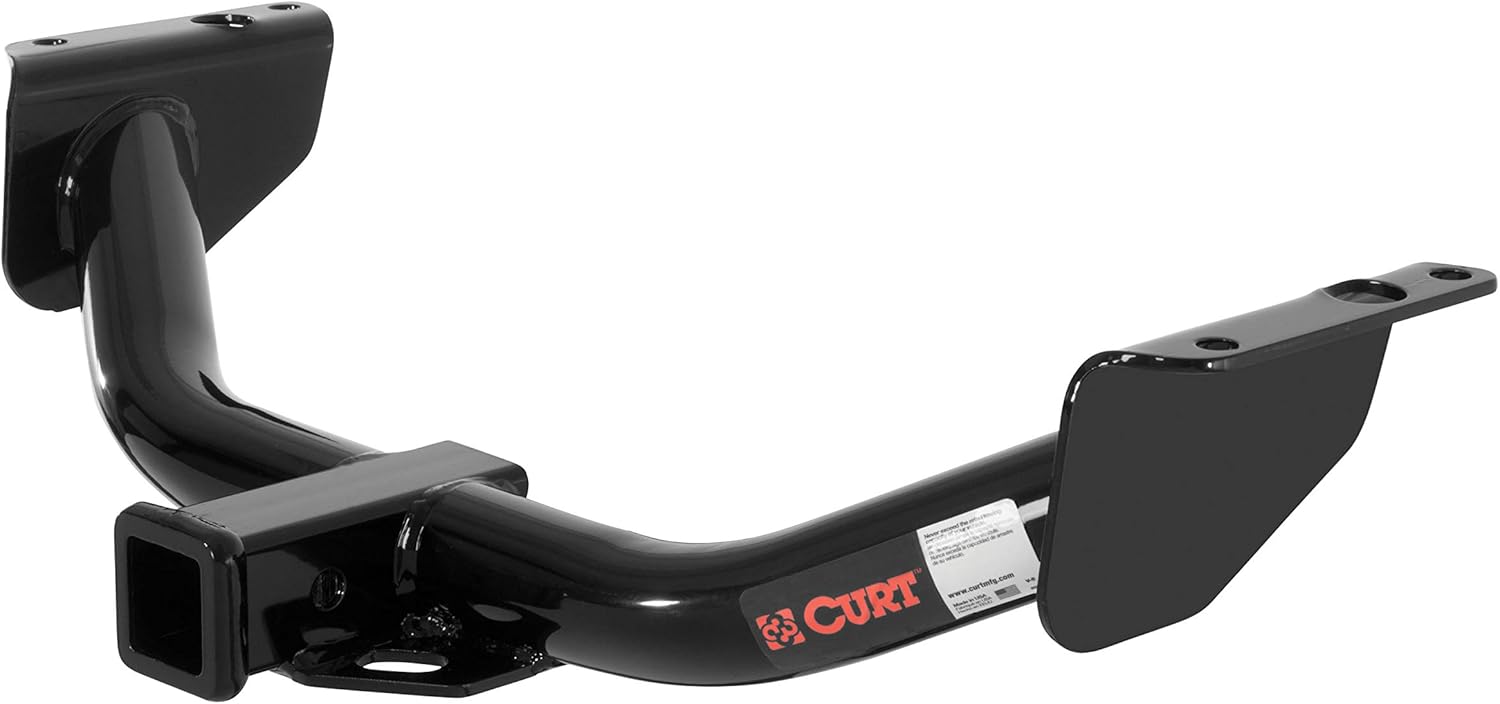
| Receiver size | 2 inches |
|---|---|
| Gross trailer weight | 4,000 lbs |
| Tongue weight | 400 lbs |
| Weight distribution capacity | 6,000 lbs |
| Material | Carbon Steel |
The CURT Class 3 trailer hitch (model 13138) gives a reliable, factory-style tow point for compatible Ranger and Mazda pickup years. It installs as a vehicle-specific rear mount and provides a 2-inch receiver for common ball mounts, cargo carriers and hitch-mounted accessories. Built from high-strength carbon steel with precise welding and a co-cured liquid A-coat plus powder coat finish, the hitch resists rust and chipping for long-term use. Its ratings—4,000 lb gross trailer weight and 400 lb tongue weight, or 6,000 lb with a weight-distribution setup—cover most midweight towing tasks like small campers, boat trailers and utility loads. Because the design is tailored to fit specified vehicle frames, installation is straightforward for DIY mechanics with basic tools, and it accepts standard 2-inch accessories. The main limitation is capacity: it is not intended for heavy commercial towing or trailers that exceed the listed limits, and compatibility is limited to the specified Mazda B2300/B3000/B4000 and Ford Ranger year ranges so buyers must confirm fitment for their exact model year and configuration.
Best for: A DIY-minded Ranger owner seeking a durable, factory-quality 2-inch receiver that handles everyday towing tasks like boats, small campers and utility trailers while keeping installation simple.
Less Ideal for: Do not choose this if you need commercial-grade towing capacity or if you plan to tow trailers that exceed midweight ratings; consider a higher-class hitch or vehicle upgrade instead.
- Vehicle-specific design for a custom fit and easier installation
- Durable carbon steel construction with co-cured liquid A-coat plus powder coat for rust and chip resistance
- Standard 2-inch receiver fits the widest range of common hitch accessories
- Rated for 4,000 lb GTW and compatible with weight-distribution systems to increase towing versatility
- Not suitable for heavy commercial towing beyond the stated weight limits
- Fitment is limited to specific Mazda B-series and Ford Ranger years so verification is required
Verdict: The best all-around trailer hitch that balances reliable towing capacity, durable construction, straightforward installation, and broad compatibility for most DIY mechanics.
2. KUAFU 2-Inch Class 3 Trailer Hitch Receiver (Vehicle Specific)
Best Budget Trailer Hitch

| Hitch Class | Class 3 |
|---|---|
| Receiver Size | 2 inch |
| Maximum Towing Capacity | 4000 Pounds |
| Tongue Weight | 400 Pounds |
| Material | Alloy Steel |
This KUAFU trailer hitch is a straightforward, vehicle-specific 2-inch Class 3 receiver built for basic towing tasks on compatible Ford Ranger and Mazda B-series pickups. It bolts to the frame without drilling or welding, giving a clean install for hauling a small utility trailer, bike rack, or cargo carrier. Made from alloy steel with all-welded construction and a black powder coat, the hitch is designed to resist rust and handle the listed 4,000 lb towing capacity and 400 lb tongue load when used within those limits. The package is minimalistic — you get the receiver and install guide but no pins, clips, ball mount, or wiring — so expect to purchase common towing accessories separately. Finish and fitment are functional rather than fancy, and while the unit is sturdy for regular light towing, it lacks integrated features like a stamped safety loop or included hardware that some higher-priced hitches provide. For buyers prioritizing a safe, no-frills tow solution at a low cost, this delivers reliable performance; shoppers wanting the most convenience or premium coatings may prefer a different option.
Best for: Buyers who need an affordable, factory-fit replacement hitch that safely handles routine light towing without extra bells and whistles.
Less Ideal for: Avoid this if you want a fully featured hitch package with included hardware, premium corrosion protection, or advanced integrated accessories.
- Vehicle-specific bolt-on design for 1998-2011 Ford Ranger and compatible Mazda B-series simplifies installation
- All-welded alloy steel construction rated for 4,000 lb tow capacity and 400 lb tongue weight
- Durable black powder-coated finish helps resist corrosion during regular use
- Does not include mounting hardware, hitch pin, ball mount, or wiring connectors
- Finish is functional but not a premium corrosion-resistant coating
- No integrated accessories such as safety loops or multi-ball mounts included
Verdict: The best budget trailer hitch for buyers who need a safe, functional tow solution at a low price while accepting simpler finishes and fewer features.
3. Off Roader 2-Inch Class 3 Trailer Hitch Receiver for Ford Ranger (1983–2011)
Best Class III Trailer Hitch

| Maximum Towing Capacity | 4000 Pounds |
|---|---|
| Pull Force | 4000 Pounds |
| Compatible with Vehicle Type | Truck |
| Material Type | Carbon Steel |
| Finish Type | Powder Coated |
This Off Roader Class 3 2-inch trailer hitch is a vehicle-specific receiver that installs with the bolt-on style used on Ford Rangers from 1983 through 2011 and comes with all mounting hardware and a weather-tight hitch cover. Made from carbon steel with a multi-layer powder coat, the receiver is tested to SAE J684 standards and rated for a 4,000 pound maximum towing capacity and 4,000 pound pull force, which covers common uses like light trailers, small campers, and utility racks. The kit is intended for a DIY install using supplied instructions and preserves a compact rear profile thanks to the 2-inch receiver size, so you can run standard towing accessories such as ball mounts, bike racks, and cargo carriers. Expect strong corrosion resistance from the powder coat but plan to follow good maintenance practices in harsh climates. This hitch is vehicle-specific, so installation is straightforward for Rangers in the listed years, but professional installation may still be preferred if you lack tools or welding experience.
Best for: Buyers who need a compact Class 3 receiver that preserves a low-profile rear end while giving enough capacity to tow small trailers, campers, or carry common hitch-mounted accessories on a 1998–2011 Ford Ranger.
Less Ideal for: Customers seeking higher towing capacities for heavy trailers or commercial towing should choose a higher-rated hitch or consult a professional upfitter.
- Rated 4,000 lb towing capacity and 4,000 lb pull force suitable for common Class 3 towing tasks
- Vehicle-specific bolt-on design for Ford Ranger 1983–2011 simplifies installation and alignment
- Carbon steel construction with multi-layer powder coat for long-lasting corrosion resistance
- Includes mounting hardware, DIY instructions, and a weather-tight hitch cover for a complete kit
- Item weight and steel construction may require two people or a lift for safe installation
Verdict: The best Class III trailer hitch for users who require a higher towing capacity and the ability to run common towing accessories while preserving a compact installation footprint.
4. CURT Class 3 Trailer Hitch 2-Inch Receiver for Select Ranger
Best Heavy-Duty Trailer Hitch

| Gross trailer weight | 7,500 lbs |
|---|---|
| Tongue weight | 750 lbs |
| Weight distribution capacity | 8,000 lbs |
| Receiver tube size | 2 inches |
| Material | Carbon Steel |
This CURT Class 3 trailer hitch gives select Ford Ranger models a factory-style 2-inch receiver and the towing capacity needed for serious hauling. It installs as a vehicle-specific unit and is typically used to tow utility trailers, boats, campers, or to mount cargo and bike carriers. Notable features include a 7,500 lb gross trailer weight rating, compatibility with weight distribution systems (up to an 8,000 lb WD rating), and a dual-layer co-cured finish that resists rust, chipping and UV exposure. The hitch is built from high-strength carbon steel with precise welding and is tested to SAE J684 standards, which supports confidence for frequent heavy towing. Practical benefits are straightforward: strong rated capacity for heavier loads, wide accessory compatibility through the 2-inch receiver, and a custom fit that keeps installation tidy. The main limitation is that this is a Class 3 hitch, so buyers needing much higher capacities should look at heavier classes; also fitment is limited to the specified Ranger years so verification before purchase is required.
Best for: Buyers who need a robust, vehicle-specific trailer hitch for frequent heavy recreational or light commercial towing on a Ford Ranger and prioritize a high rated capacity and durable finish.
Less Ideal for: Someone who needs maximum commercial towing capacity beyond Class 3 or owners of vehicles outside the specified Ranger year range should consider heavier-class hitches or model-specific alternatives.
- 7,500 lb gross trailer weight and 750 lb tongue weight rating supports most heavy recreational trailers
- Compatible with weight distribution systems, increasing capacity to 8,000 lb WD when used with appropriate components
- Vehicle-specific design for a precise fit on select Ford Ranger model years
- Durable co-cured liquid A-coat plus powder coat finish for strong corrosion and chip resistance
- Constructed from high-strength carbon steel with precise welding and SAE J684 testing
- Class 3 capacity is not as high as Class 4 or 5 hitches for commercial super-heavy towing
- Fitment is limited to specific Ranger years so compatibility must be verified
Verdict: The best heavy-duty trailer hitch for buyers who prioritize maximum strength, thicker steel, and reinforced welds for frequent heavy towing or commercial-style use.
5. Vijay Class 3 2" Trailer Hitch Receiver for Ford Ranger and Mazda B-Series
Best Compact Trailer Hitch

| Compatible vehicles | 1983–2011 Ford Ranger; 1994–2009 B2300/B3000/B4000 |
|---|---|
| Receiver size | 2" x 2" |
| Towing capacity | 2000 lbs |
| Material | Alloy Steel |
| Finish | Powder Coated |
This Vijay Class 3 trailer hitch is a compact, vehicle-specific receiver intended for Ford Ranger and Mazda B‑series trucks in the listed years. Built from alloy steel with a textured black powder coat and internal corrosion protection, it mounts to factory bolt points with the included hardware and does not require cutting or drilling. The hitch provides a standard 2" x 2" receiver opening and a practical 2,000 lb tongue weight capacity suitable for light towing tasks like small utility trailers, cargo carriers, or bike racks. Its relatively low-profile design keeps bumper and ground clearance reasonable compared with larger bumper-mounted options, and the packaged mounting brackets and screws make installation straightforward for a competent DIYer. Limitations are its modest towing capacity and single receiver size, so it is not appropriate for heavy trailers or towing demands above its rated load. Buyers should also confirm fitment to their exact model year and consult torque specs during installation.
Best for: Buyers who need a low-profile, factory-style hitch for everyday light towing or carrying accessories on a Ranger/B‑series and prioritize preserving bumper and ground clearance.
Less Ideal for: Do not choose this hitch if you plan to tow heavy trailers, haul large loads frequently, or need higher tongue weight capacity or multiple receiver options.
- Vehicle-specific fit for listed Ford Ranger and Mazda B-series years for bolt-on installation
- Durable alloy steel construction with textured powder coat and internal corrosion protection
- Standard 2" x 2" receiver that works with common hitches and accessories
- Includes mounting hardware and installation instructions for straightforward installation
- 2,000 lb capacity limits use to light towing and accessories only
- Single receiver height and design may not suit heavy-duty or commercial towing needs
Verdict: The best compact trailer hitch for owners who want a low-profile, space-saving design that keeps ground and bumper clearance while still supporting everyday towing needs.
6. APS Trailer Hitch Receiver for Ford Ranger (1983–2011)
Best Corrosion-Resistant Trailer Hitch
| Pull Force | 4000 pounds |
|---|---|
| Automotive Fit Type | Vehicle Specific Fit |
| Material Type | Carbon Steel |
| Finish Type | Powder Coated |
This APS hitch receiver is a vehicle-specific Class 3 unit built to fit Ford Ranger model years within the listed range and installs with the included mounting hardware without drilling. It is intended for conventional towing tasks and supports a 4,000 lb gross trailer weight with a 400 lb tongue weight and higher capacities when used with weight-distribution setups. The hitch is made from carbon steel and finished with a three-stage corrosion protection system that includes pre-treatment, an E-coating, and a black powder coat to resist rust in wet or salty environments. The bolt-on design and included user manual make installation straightforward for a competent DIYer or a shop. Buyers should note this is a vehicle-specific receiver so fitment must match the Ranger years advertised and the hitch is a structural towing component that requires correct torqueing and inspection during installation. Documentation lists a limited 3-year warranty from the manufacturer.
Best for: Buyers in wet or coastal climates who prioritize long-lasting, corrosion-resistant finishes and want a factory-style, bolt-on hitch for a Ford Ranger that minimizes rust over time.
Less Ideal for: People who need a hitch for a different vehicle or who require a higher class hitch for very heavy commercial towing should look elsewhere.
- Vehicle-specific fit for Ford Ranger for a close, factory-style integration.
- Robust towing capacity up to 4,000 lb with higher capacity using weight-distribution systems.
- Triple-layer corrosion protection (pre-treatment, E-coating, powder coat) for improved resistance in wet or salty climates.
- Includes mounting hardware and user manual for bolt-on installation without drilling.
- Limited 3-year warranty may be shorter than some competitor offerings.
Verdict: The best corrosion-resistant trailer hitch for buyers in wet or salty climates who want superior finishes and coatings to minimize rust and extend service life.
Choosing the Right 1998-2011 Ford Ranger Trailer Hitch: Key Factors to Consider
Fitment and Mounting Style
Proper fitment to the 1998-2011 Ford Ranger frame is the foundation of safe towing. Hitches designed for this Ranger generation align with factory mounting points and bolt patterns, minimizing the need for drilling or cutting.
Frame-mounted hitches distribute towing loads into the chassis, which is crucial for preventing stress concentrations on the bumper or unreinforced sheet metal. Confirm whether the hitch fits the Ranger's bed and cab configuration and whether the design clears the spare tire and exhaust routing. A poor fit can complicate installation and lead to alignment problems that affect towing stability.
Weight Ratings and Capacity
Trailer hitch weight ratings determine what you can safely tow. Look at both the gross trailer weight (GTW) rating and the maximum tongue weight for each hitch and compare them to your intended trailer and cargo.
Rangers are often paired with light utility trailers, small campers, or cargo carriers, so selecting a hitch with appropriate GTW and tongue weight margins provides safety and reduces strain on the vehicle. Overrating by a modest margin gives flexibility; underrating risks damage or unsafe handling. Also check combined weight when using accessories like bike racks or cargo trays that add tongue weight.
Receiver Size and Class
Receiver size dictates what ball mounts and accessories you can use. For many towing tasks on a Ranger, a 2 inch hitch receiver and a Class III rating are common, balancing versatility and load capacity.
Confirm the receiver class matches the intended trailer and accessory hardware. A higher class or larger receiver may offer more capacity but can add weight and bulk. Make sure your ball mount and hitch accessories are rated to match the hitch to avoid mismatched components that reduce safe towing capacity.
Corrosion Protection and Finish
Hitches are exposed to moisture, road salt, and abrasion, so durable coatings matter for long-term performance. Look for powder-coated finishes, e-coatings, or zinc primers that resist rust and maintain structural integrity.
A quality finish reduces maintenance and the chance of corrosion-induced weakening at mounting points. Check weld quality and whether hardware is similarly treated. In climates with heavy salt use or frequent wet conditions, prioritize superior corrosion protection to avoid early replacement or safety concerns.
Installation Effort and Hardware
Installation complexity affects total cost and your ability to fit the hitch yourself. Some Ranger hitches use existing bolt locations and bolt-on hardware for a straightforward install, while others require drilling or partial bumper removal.
Consider whether you have the tools and experience to install a hitch and whether the package includes all necessary hardware and fasteners. Clear instructions and included bolts reduce uncertainty. If professional installation is needed, factor installation accessibility and how the hitch's shape affects the work required.
Ground Clearance and Rear Access
Hitch design impacts ground clearance, departure angle, and access to the tailgate or spare tire. A low-hanging receiver can reduce off-road capability and make it easier to strike obstacles when unloading.
Evaluate how the hitch sits relative to the bumper and how it affects access to rear-mounted items like a spare tire or cargo carrier. Some hitches have drop or rise options via ball mounts; others require different mounting hardware. For Rangers used on uneven terrain or for frequent loading, preserve as much clearance and rear access as possible.
Common Receiver Sizes and When To Use Them
Understanding receiver sizes helps you match the hitch to trailers and accessories. The 2 inch receiver is the most versatile for the Ranger and fits many ball mounts, cargo carriers, and bike rack adapters. Smaller receivers may limit accessory selection while larger ones are typically only necessary for heavier towing.
Choose a receiver size that pairs with your trailer coupler and accessory set. If you expect varied towing tasks, a 2 inch receiver provides broad compatibility without unnecessary bulk. For heavier trailers that exceed typical Ranger loads, ensure the hitch and receiver class are rated accordingly.
- 2 inch receiver: versatile for most light trailers and accessories
- Larger receivers: used when towing heavier loads, requires matching class hardware
- Adapter use: can change receiver size but may affect rated capacity
Wiring and Electrical Considerations
A properly installed trailer hitch should include or coordinate with the correct trailer wiring for brake lights, turn signals, and, when needed, trailer brakes. Verify the Ranger's wiring harness compatibility and whether a separate harness or module is required for trailer brake controllers.
Plan electrical work alongside the hitch installation. Route wiring away from heat sources and sharp edges, secure connections, and test all functions before towing. Consider a plug location that is easy to access and does not interfere with cargo or the spare tire.
- Confirm connector type and pin configuration
- Check for required brake controller compatibility
- Secure and protect wiring from road debris and heat
Installation Tips for a Smooth Fit
Prepare the truck by lowering the spare tire if needed and clearing the mounting area. Use a jack or support to hold the hitch in alignment while installing bolts. Hand-thread hardware first to ensure holes line up, then torque to specified values.
If drilling is required, double-check measurements and protect the frame from rust with touch-up coatings. Keep hardware tight and follow torque specs in the instructions. If you are uncomfortable with drilling or welding, seek professional installation to preserve safety.
- Test-fit the hitch before tightening all bolts
- Use proper torque settings to avoid loose mounts
- Apply anti-seize or thread locker as recommended
How Hitch Design Affects Towing Dynamics
The way a hitch mounts to the Ranger affects load distribution and vehicle handling. A sturdy frame-mounted hitch reduces stress on the bumper and improves towing stability, while poorly distributed loads can cause trailer sway, reduced steering control, and premature wear on suspension components.
Think about trailer tongue weight and how cargo placement in the trailer alters handling. Use weight-distributing systems only when compatible with the hitch rating and the combined vehicle-trailer setup to mitigate sag and improve control.
- Frame-mounted hitches transfer loads into the chassis
- Correct tongue weight maintains steering and braking balance
- Weight distribution systems can help with heavier loads if rated
Accessory Compatibility and Practical Add-Ons
Consider the accessories you plan to use with the hitch, such as ball mounts, hitch locks, cargo carriers, and bike racks. Ensuring accessory compatibility with the receiver size and class keeps the system safe and functional.
Look for practical add-ons like hitch covers to protect the receiver, anti-rattle devices for reduced noise, and receiver-mounted steps for easier bed access. Confirm each accessory's tongue or mounting weight against the hitch's tongue weight rating.
- Match accessories to receiver size and weight ratings
- Use anti-rattle or locking devices for security and noise reduction
- Consider electrical adapters for multi-function wiring
Still looking for the perfect fit?
Select your Ford Ranger configuration to see the most relevant Trailer Hitches recommendations
How We Chose the Best 1998-2011 Ford Ranger Trailer Hitch
We focused on criteria that matter for 1998-2011 Ford Ranger owners who need a reliable, vehicle-specific towing solution. Our selection process prioritized secure frame-mounted designs and hitches engineered to align with Ranger factory mounting points to avoid modifications that could compromise structural integrity.Key evaluation criteria included: (1) Fitment to the Ranger frame and cab/bed configurations for 1998-2011 model years; (2) Gross trailer weight (GTW) and tongue weight ratings that match typical Ranger towing use; (3) Receiver size and class compatibility, especially common 2-inch, Class III receivers used with utility trailers and accessories; (4) Corrosion protection and coating quality for longevity in varied climates; (5) Ease of installation, including whether the hitch uses existing holes or requires drilling and the clarity of installation instructions; (6) Impact on ground clearance and rear bumper function, including towing electrical connector access.We excluded hitches that required extensive frame cutting, major welding, or unproven non-frame-mounted adapters. Products were screened for clear vehicle-specific fit claims and for engineering that preserves the Ranger's safety margins. The result is a set of options that balance towing capacity, installation effort, and long-term durability for this truck.
Our full evaluation process is outlined in our review methodology.
FAQ
Can I install a trailer hitch on my 1998-2011 Ford Ranger myself?
Often you can install a bolt-on hitch yourself if it uses existing mounting points and you have basic tools. Drilling may be required for some designs, and if that is the case or if welding is involved, professional installation is recommended.
What receiver size should I choose for common Ranger towing tasks?
A 2 inch receiver is typically the most versatile for light trailers, bike racks, and cargo carriers on Rangers. Choose a larger receiver only if you have a trailer that exceeds the Ranger's usual towing needs.
How do I know the hitch has the right weight rating for my trailer?
Compare the hitch's gross trailer weight and tongue weight ratings to your trailer's loaded weight and tongue weight. Always account for a safety margin and ensure the truck's towing capacity is not exceeded.
Will adding a hitch change my Ranger's ground clearance?
Some hitch designs sit lower and can reduce ground clearance or alter the departure angle. If you frequently drive on rough roads, choose a hitch with a profile that preserves as much clearance as possible.
Do I need to modify the bumper or frame to install a hitch?
Many hitches bolt to existing frame points and require no bumper modification. However, certain hitch designs may need partial bumper trimming or drilling. Verify the installation instructions for the specific hitch design before purchasing.
How should I store and protect my hitch when not in use?
Keep the receiver covered with a cap when not in use to block moisture and debris. Periodically inspect mounting hardware for corrosion and touch up any exposed metal with appropriate rust-inhibiting coatings.
Final Verdict
When choosing a trailer hitch for a 1998-2011 Ford Ranger, prioritize a hitch that fits the frame without excessive modification and that has weight ratings matching your towing needs. Balance receiver size, corrosion protection, and installation complexity against how often and how much you will tow.Focus on secure mounting, proper electrical integration, and a receiver class that aligns with your trailers and accessories. With those priorities in mind, you can select a hitch that provides safe, reliable towing and minimizes long-term maintenance.
Explore More:
- Check out all Ford Ranger parts & accessories
- Explore Other Accessories
- Browse all Accessories
