

Note: This article contains affiliate links. If you click on these links and make a purchase, I may earn a small commission at no extra cost to you. This helps support my research and content. Read my full affiliate disclosure here.
If you plan to haul a trailer, cargo carrier, or recreational gear behind your Ram Dakota, choosing the right tow hitch receiver is essential for safety and performance. The correct receiver affects how much you can tow, how the load transfers to the frame, and how easy the unit is to fit to your truck.This guide outlines six top-rated Ram Dakota tow hitch receivers shortlisted for common towing needs and mounting styles. We focus on real buyer concerns like towing capacity, hitch class and size, mounting method, and installation considerations so you can pick the right receiver for your driving and towing habits.
Top Picks at a Glance
| Best Overall Tow Hitch Receiver The best all-around receiver balancing strength, fit, and ease of install | CURT Class 3 Trailer Hitch 2-Inch Receiver (Model 13230) |  |
| Best Budget Tow Hitch Receiver A low-cost receiver that still meets basic towing requirements | WeiSen 2" Rear Trailer Hitch Receiver Class 3 | 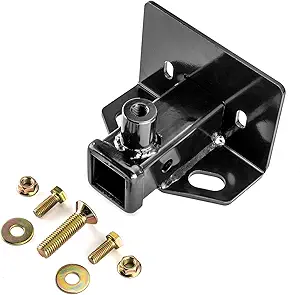 |
| Best Premium Tow Hitch Receiver Higher-end materials and finish for long-term durability and looks | CURT Class 3 Trailer Hitch Receiver 13280 |  |
| Best Low-Profile Tow Hitch Receiver A discreet receiver that keeps a low visual and ground profile | Gelacie Class 3 2" Trailer Hitch Receiver for 1987–2004 Dodge Dakota |  |
| Best 2-Inch Tow Hitch Receiver Standard 2-inch opening for the widest range of hitch accessories | APS Class 3 2-Inch Trailer Hitch Receiver for 1987–2004 Dodge Dakota |  |
| Best Complete Tow Hitch Receiver Includes all mounting hardware and often wiring or installation extras | CURT Class 3 Trailer Hitch Tow Package with 2" Ball for 2005–2010 Dodge Dakota |  |
1. CURT Class 3 Trailer Hitch 2-Inch Receiver (Model 13230)
Best Overall Tow Hitch Receiver

| Receiver tube size | 2 inches |
|---|---|
| Gross trailer weight | 5,000 lbs |
| Tongue weight | 500 lbs |
| Material | Carbon Steel |
| Finish | Co-cured undercoat and powder coat |
This CURT Class 3 trailer hitch is a vehicle-specific 2-inch receiver designed to attach to select Dodge Dakota trucks and handle everyday towing tasks. Built from carbon steel with precise welding and a co-cured plus powder-coat finish, it provides corrosion resistance for long-term use. The hitch is rated for 5,000 lb gross trailer weight and 500 lb tongue weight and is compatible with weight distribution systems up to 8,000 lb WD and 800 lb WDTW, so it covers boat trailers, campers, utility trailers and similar loads common to pickup owners. Installation is straightforward for most DIYers familiar with underbody hardware since the design is made for a direct fit to the vehicle. The exposed main body gives easy access for hitch accessories but is less concealed than hidden-mount designs. This hitch focuses on dependable, no-surprise towing capacity and a durable finish rather than lightweight or low-profile styling, making it a dependable choice for routine towing on the specified Dakota years.
Best for: Buyers who want a strong, factory-quality 2-inch receiver that fits select Dakota trucks and provides reliable everyday towing for boats, campers and utility trailers.
Less Ideal for: Drivers seeking a low-profile or invisible hitch installation for cosmetic reasons or those needing towing capacities beyond the listed ratings should look elsewhere.
- Vehicle-specific design for a direct, bolt-on fit to the listed Dodge Dakota applications
- 5,000 lb gross towing capacity and compatibility with weight distribution systems for heavier trailers
- Rugged carbon steel construction with precise welding for strength and durability
- Co-cured undercoat plus powder coat finish improves resistance to rust, chipping and UV damage
- Exposed main body is more visible under the bumper compared with hidden-mount hitches
Verdict: The best all-around tow hitch receiver for most buyers, offering a strong construction, common receiver size, straightforward installation, and reliable performance for typical towing needs.
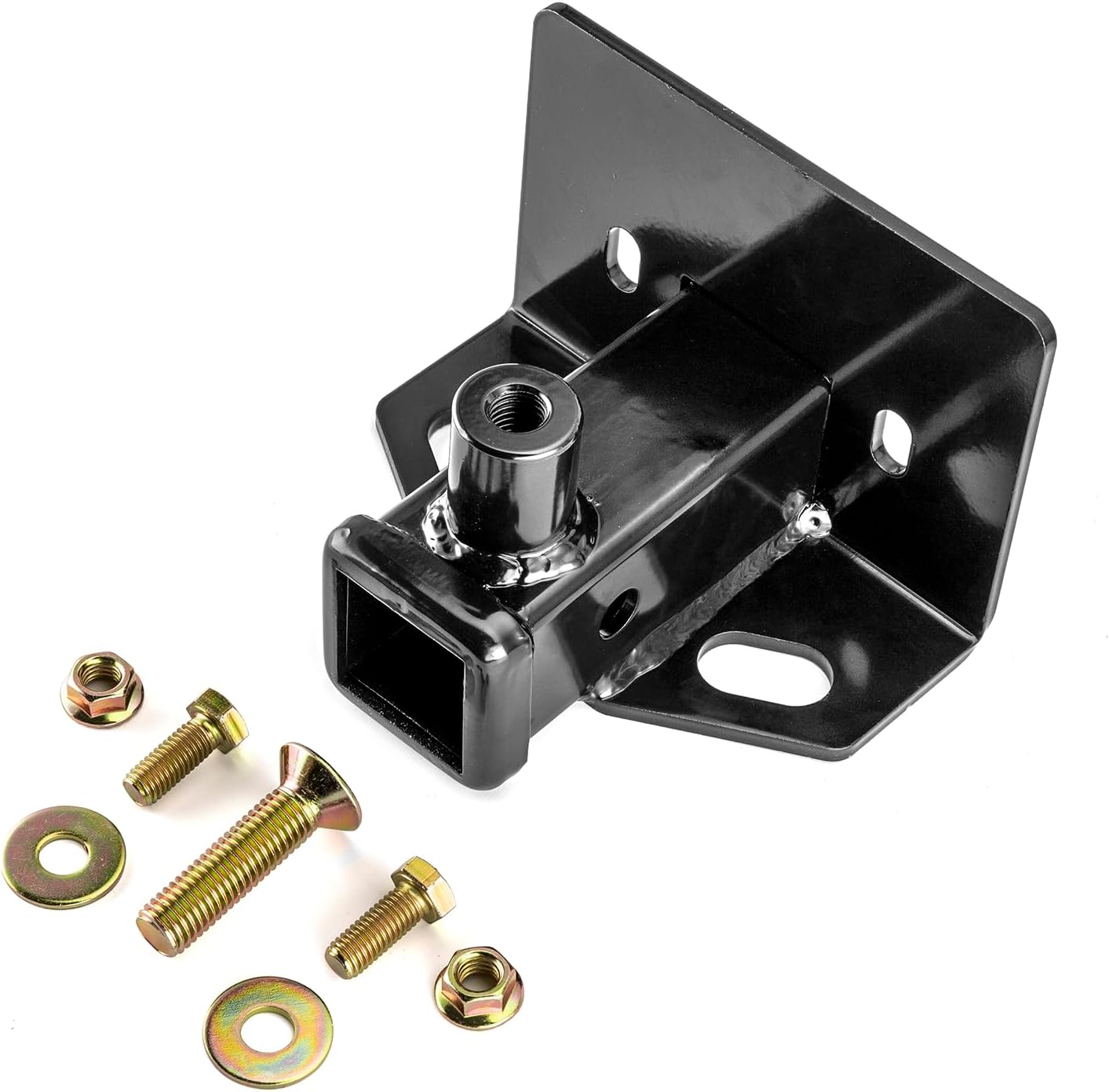
2. WeiSen 2" Rear Trailer Hitch Receiver Class 3
Best Budget Tow Hitch Receiver
| Vehicle Service Type | Trailer |
|---|---|
| Material | Alloy Steel |
| Finish Type | Powder Coated |
| Pull Force | 5000 Pounds |
| Automotive Fit Type | Vehicle Specific Fit |
This WeiSen 2" Class 3 receiver is a straightforward, vehicle-specific replacement designed to restore towing capability on Dodge Dakota and Mitsubishi Raider trucks. Made from heavy-duty alloy steel with a black powder-coat finish, it arrives as a one-piece welded assembly meant to be bolted to existing frame points with no drilling required. The 2" receiver accepts standard ball mounts, cargo carriers, bike racks, hitch steps and other common accessories, and the 5,000 pound gross trailer weight rating covers most light towing tasks and utility trailers. Installation uses basic hand tools and the included instructions, so a competent DIYer can fit it in a garage or driveway. The design focuses on function rather than extras, so you get a durable, factory-style mounting point but no integrated wiring, detachable components, or decorative trim. If you want a simple, cost-conscious way to tow without premium finishes or advanced features, this hitch provides the core performance you need.
Best for: Buyers who want a safe, no-frills factory-style hitch to restore or add basic towing capability without paying for premium features or finishes.
Less Ideal for: Drivers who need built-in trailer wiring, modular accessories, or a higher-capacity hitch for heavy towing should consider more feature-rich or heavy-duty options.
- Vehicle-specific fit for Dodge Dakota 2005–2010 and Mitsubishi Raider 2006–2009 simplifies installation
- Heavy-duty alloy steel one-piece welded construction for strength and durability
- 5,000 lb gross trailer weight rating supports common light towing jobs
- Powder-coated finish improves resistance to rust and road corrosion
- Installs with basic hand tools and does not require drilling
- No integrated wiring or electrical connectors included for trailer lights
- Lacks cosmetic trim or removable accessories for a cleaner look when unused
Verdict: The best budget tow hitch receiver for buyers who need a safe, no-frills mounting point for light towing without paying for premium materials or extra features.
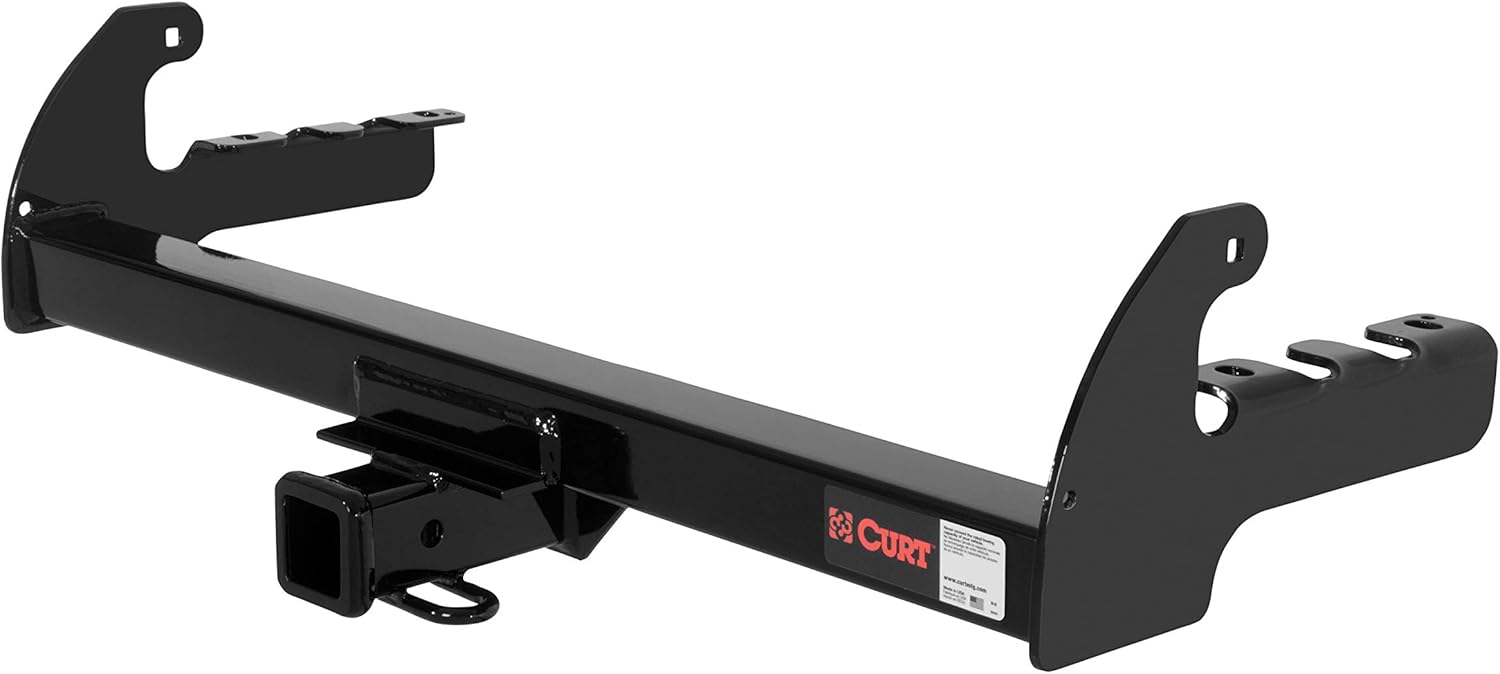
3. CURT Class 3 Trailer Hitch Receiver 13280
Best Premium Tow Hitch Receiver
| Receiver size | 2 inch |
|---|---|
| Gross trailer weight | 5,000 lb |
| Tongue weight | 500 lb |
| Material | Carbon Steel |
This CURT Class 3 receiver is a vehicle-specific tow hitch engineered for Dodge Dakota installations and built to handle everyday towing tasks. It provides a 2-inch receiver tube with a 5,000 lb gross trailer weight and 500 lb tongue weight rating, and it also supports weight-distribution setups up to 8,000 lb when the lowest-rated component allows. Constructed from high-strength carbon steel with precise welding, the hitch uses a co-cured liquid A-coat undercoating plus a black powder coat for robust corrosion and chip resistance. Typical use is mounting to the Dakota frame to tow utility trailers, small campers, boats, or ATV haulers; the custom fit simplifies installation and produces a clean, factory-like integration. The refined finish and vehicle-specific engineering make it a strong choice for buyers who tow regularly and want longer-term durability. Limitations are its vehicle-specific fit—verify application years for your Dakota—and the unit is focused on hauling rather than specialized accessories that require nonstandard receiver orientations.
Best for: Buyers who prioritize a premium, long-lasting hitch with thicker steel and superior corrosion protection for frequent towing from a Dakota and who want a refined, factory-style fit.
Less Ideal for: Shoppers who need a universal hitch for multiple vehicles or who prioritize the lowest possible purchase cost over long-term durability should consider other options.
- Rated for 5,000 lb gross trailer weight and 500 lb tongue weight for common towing needs
- Vehicle-specific design for a tight, factory-style fit on compatible Dodge Dakota model years
- Dual-layer co-cured liquid A-coat plus powder coat finish for superior rust and chip resistance
- Constructed from high-strength carbon steel with precise welding for long-term durability
- Fits specific Dodge Dakota years only so compatibility must be confirmed before purchase
Verdict: The best premium tow hitch receiver for buyers willing to pay more for thicker steel, superior corrosion protection, refined fitment, and longer-term durability under frequent use.
4. Gelacie Class 3 2" Trailer Hitch Receiver for 1987–2004 Dodge Dakota
Best Low-Profile Tow Hitch Receiver

| Compatible with Vehicle Type | 1987-2004 Dodge Dakota All Styles Class 3 |
|---|---|
| Maximum Towing Capacity | 5000 pounds |
| Pull Force | 5000 pounds |
| Material Type | Alloy Steel |
| Finish Type | Powder Coated |
This Gelacie Class 3 hitch is a vehicle-specific replacement designed to restore full towing capability to Dodge Dakota trucks from 1987 through 2004 while keeping a low visual profile. It installs using the included hardware and bolts to the factory mounting points so the receiver sits close to the frame, minimizing how much it protrudes behind the bumper. Made from alloy steel with a black powder coat, it offers corrosion resistance and the strength to tow up to 5,000 pounds with a 500-pound tongue weight. The 2-inch receiver opening accepts common ball mounts, cargo carriers, and other 2" accessories so you keep full towing versatility without a bulky aftermarket crossmember. Expect a straightforward bolt-on installation, though professional help can simplify alignment and torqueing. Compared with heavier multi-piece hitches, this single-piece design reduces visual intrusion and ground clearance impact but does not include electrical or ball-mount hardware, so you will need to supply wiring and hitch accessories separately.
Best for: Buyers who want to maintain the truck's original bumper lines and minimize visual and ground-clearance impact while retaining full Class 3 towing capability.
Less Ideal for: Drivers who need an integrated wiring harness, hitch-mounted accessories included out of the box, or who plan heavy-duty modifications that require a custom or reinforced hitch solution.
- Vehicle-specific fit for 1987–2004 Dodge Dakota limits excess overhang and preserves ground clearance
- 5,000 lb towing and 500 lb tongue weight capacity suitable for common towing tasks
- Powder-coated alloy steel construction improves durability and corrosion resistance
- Standard 2" receiver opening supports a wide range of hitch-mounted accessories
- Does not include wiring, ball mount, or other towing accessories
- Installation may require tools and moderate mechanical skill or professional installation
Verdict: The best low-profile tow hitch receiver for buyers who prioritize minimal visual intrusion and reduced ground clearance impact while retaining full towing functionality.
5. APS Class 3 2-Inch Trailer Hitch Receiver for 1987–2004 Dodge Dakota
Best 2-Inch Tow Hitch Receiver

| Material | Carbon Steel |
|---|---|
| Finish Type | Powder Coated |
| Receiver Size | 2 inches |
| Weight Carrying Capacity | 5000 Pounds |
| Weight Distribution Capacity | 8000 Pounds |
This APS Class 3 2-inch receiver is a vehicle-specific replacement hitch for 1987–2004 Dodge Dakota models that brings back a standard 2-inch opening for common ball mounts, cargo carriers, and other accessories. It is made from carbon steel with a high gloss multi-layer powder coat to resist corrosion and road wear, and APS states it is tested to SAE J684 standards. The hitch supports a 5000 lb weight carrying capacity and an 8000 lb weight distribution rating, so it covers typical light towing needs like small trailers and utility loads when paired with the right ball mount and wiring. Installation is bolt-on with the included mounting hardware, which helps keep fitment straightforward for trucks in the specified year range. Buyers should note this is a vehicle-specific unit and must be matched to the Dodge Dakota application, and professional installation is recommended if you are unfamiliar with frame-mounted hitch work.
Best for: Shoppers restoring or replacing a factory-style tow receiver on a 1987–2004 Dodge Dakota who want the common 2-inch opening to use standard ball mounts and cargo/towing accessories with a straightforward bolt-on install.
Less Ideal for: Buyers who need a hitch for other vehicle makes or model years or who require heavier commercial towing capacities beyond light trailer loads.
- Standard 2-inch receiver opening fits a wide range of ball mounts and accessories
- Vehicle-specific bolt-on design includes mounting hardware for direct fit to 1987–2004 Dodge Dakota
- Durable carbon steel construction with multi-layer high gloss powder coat for corrosion resistance
- Rated for 5000 lb carrying capacity and 8000 lb with weight distribution for common light towing needs
- Limited to Dodge Dakota 1987–2004 fitment so it is not a universal receiver
- No integrated electrical connections; trailer wiring and ball mount sold separately
Verdict: The best 2-inch tow hitch receiver for shoppers who want the most common receiver size that fits a broad selection of ball mounts, cargo carriers, and other towing accessories.
6. CURT Class 3 Trailer Hitch Tow Package with 2" Ball for 2005–2010 Dodge Dakota
Best Complete Tow Hitch Receiver

| Material Type | Alloy Steel |
|---|---|
| Compatible with Vehicle Type | Trailer |
This CURT Class 3 tow package is a ready-to-install hitch assembly sold for 2005–2010 Dodge Dakota trucks and includes a 2-inch ball so you get a complete towing setup in one purchase. It is made from alloy steel and built to the typical CURT standard for a durable, welded tow receiver that mounts to factory frame points. For DIY installers the main benefit is receiving a single package that eliminates the need to buy a ball separately and simplifies fitment checks for the Dakota. The sturdy construction and integrated finish mean it will handle common towing tasks like trailers, utility trailers, and small boat loads within Class 3 limits. Limitations are that the listing does not show included electrical wiring or detailed install hardware inventory, so buyers should confirm whether a wiring harness or specific fasteners are provided for their Dakota model and year. Professional installation may be preferred if you lack torque tools or frame access experience.
Best for: Buyers who want a single, factory-style tow hitch package that minimizes parts chasing and simplifies installation on a 2005–2010 Dodge Dakota.
Less Ideal for: People who need a wiring harness, custom electrical hookups, or a multi-vehicle tow solution should consider a kit that explicitly includes those items instead.
- Complete package including a welded Class 3 receiver and a 2-inch tow ball
- Alloy steel construction designed for durable towing use
- Made to mount to factory frame points on 2005–2010 Dodge Dakota for straightforward fitment
- Appears to arrive as a single assembly which reduces parts sourcing for DIY installs
- Product details do not confirm inclusion of a vehicle-specific wiring harness for trailer lights
- Listing lacks a clear parts inventory so additional fasteners or install aids may be needed
Verdict: The best complete tow hitch receiver for buyers who prefer a single package that includes mounting hardware, instructions, and sometimes wiring harnesses or install aids for a smoother DIY install.
Choosing the Right Ram Dakota Tow Hitch Receiver: Key Factors to Consider
Towing Capacity and Tongue Weight
Towing capacity and tongue weight ratings determine what trailers and loads you can safely tow with your Ram Dakota. The gross trailer weight limit sets the maximum mass the receiver assembly and the vehicle should pull, while the tongue weight specification governs the downward force on the hitch, which affects vehicle handling and rear suspension. Matching a receiver with adequate gross trailer and tongue weight ratings ensures you do not overload the system during towing.
For owners who tow frequently or pull heavier loads such as utility trailers, a receiver with higher published ratings provides a margin of safety. Keep in mind the truck's own towing limits and the trailer setup; the lowest rated component in the hitch-trailer-vehicle chain dictates safe towing limits. Always allow for trailer tongue weight to vary with cargo distribution and consider a higher-rated receiver if you plan to carry dense loads or use weight-distributing equipment.
Hitch Class and Receiver Size
Hitch class dictates the standard receiver opening size and typical use cases. Common classes for mid-size trucks include Class II and Class III types, with 1.25-inch or 2-inch receiver openings respectively. The receiver size determines which hitch-mounted accessories and ball mounts are compatible, so choose a size that aligns with the ball mount and accessories you plan to use.
Selecting the appropriate class and size affects not only compatibility but also structural capability. A larger receiver size typically supports higher tongue weights and gross trailer weights. Verify that the chosen receiver size fits both your payload and accessory needs; upgrading to a larger class may require different mounting hardware and could change installation complexity.
Mounting Method and Fitment
Mounting method affects installation time, required tools, and whether drilling or welding is necessary. Bolt-on receivers that use existing frame holes or supplied brackets are often the least invasive and easiest to install for a do-it-yourselfer with common tools. Weld-on or frame-modifying receivers may offer a lower profile or different load paths but usually require professional installation.
Accurate fitment to the Ram Dakota frame is critical for structural integrity. Receivers designed specifically for the Ram Dakota will align with factory mounting points and reduce the need for modifications. Consider whether the receiver includes all required fasteners and whether installation instructions are clear; ambiguous fitment information can complicate installation and lead to improper mounting.
Material, Build Quality, and Corrosion Protection
Material thickness, weld quality, and the type of corrosion-resistant finish determine long-term durability. Heavy-gauge steel and reinforced welds resist bending and fatigue under repeated loads. A robust finish like powder coating or specialized rust inhibitors protects the hitch from moisture, salt, and road debris that accelerate corrosion.
For vehicles driven in wet or winter environments, prioritize receivers with superior corrosion protection and replaceable hardware. Attention to plate thickness, gusseting at stress points, and fade-resistant finishes increases the likelihood that the receiver will maintain structural integrity and appearance over many years of towing.
Installation Complexity and Required Tools
Installation complexity ranges from simple bolt-on kits requiring only hand tools to more involved installs needing lifts, drilling, or welding. Understanding the tool and skill requirements helps Ram Dakota owners decide whether to self-install or seek professional help. Kits that include all necessary fasteners, clear instructions, and torque specs reduce the chance of improper installation.
Consider also vehicle accessibility: some installs require temporarily supporting the exhaust or spare tire to reach mounting points. If you plan to install the receiver yourself, verify that the job is feasible in your workspace and that you have the torque tools called for in the instructions. Simpler installs generally reduce labor time and unexpected complications.
Accessory Compatibility and Versatility
A receiver's compatibility with accessories like ball mounts, cargo carriers, or hitch-mounted bike racks affects how useful it will be. Standardized receiver sizes and pin-hole placements ensure that common accessories fit without adapters. Some receivers offer integrated features such as dual-pin holes for weight distribution or built-in wiring brackets for trailer connectors.
Assess whether you may need accessories that require a specific pin-hole location, rise/drop range, or shank length. Choosing a receiver that supports the range of accessories you anticipate using prevents the need for additional adapters and preserves towing geometry.
Understanding Towing Limits for the Ram Dakota
Knowing the Ram Dakota's towing limits is the foundation of safe towing. The vehicle's chassis, suspension, and engine combination set boundaries for gross vehicle weight and what can be towed. When selecting a tow hitch receiver, pair the receiver's ratings with the truck's published towing numbers to avoid overloading the vehicle.
Also account for trailer setup and cargo distribution. A properly balanced trailer reduces sway and improves handling, while overloaded or improperly distributed cargo can exceed tongue weight limits even if gross trailer weight is within limits. Plan towing loads conservatively to allow for variations in cargo weight and environmental conditions.
- Confirm both gross trailer weight and tongue weight compatibility
- Factor in payload and tongue weight from trailer cargo
- Use weight-distributing equipment if necessary to manage axle loads
Bolt-On Versus Weld-On Receivers: Pros and Cons
Bolt-on receivers are typically easier to install and are often reversible since they use existing frame holes or supplied bracketry. They are attractive for owners who prefer minimal vehicle modification and the option to remove the receiver later. Bolt-on designs also make it easier to replace the receiver if it becomes corroded or damaged.
Weld-on receivers can offer a lower-profile look and an uninterrupted load path into the frame, which some installers prefer for heavy-duty applications. However, they require professional welding and are not easily removed. Consider the tradeoff between permanence and installation complexity when choosing the mounting style.
- Bolt-on: simpler installation, reversible, often less labor
- Weld-on: permanent, may offer different load characteristics, requires professional work
Electrical and Wiring Considerations
Towing usually requires trailer lighting and sometimes brake control wiring. Check whether the receiver or its installation path allows easy routing for trailer wiring harnesses. Some receivers provide integrated brackets or holes to secure wiring connectors and junctions, which helps protect wiring from road debris and heat sources.
If you plan to add supplemental electronics like brake controllers or trailer brake power, factor in the ease of accessing cabin wiring and routing harnesses near the receiver mounting area. Ensure wiring connectors are positioned for convenient access when hitching up a trailer.
- Plan wiring route before finalizing receiver installation
- Look for receivers with built-in wiring mounts or clear attachment points
Corrosion Prevention and Long-Term Maintenance
Maintaining the receiver and its fasteners preserves structural integrity and resale value. Regularly inspect mounting bolts, pin holes, and the finish for rust or loosening. Clean and recoat exposed areas as needed, and replace fasteners showing advanced corrosion.
Choose a receiver with a durable finish and consider additional rust prevention measures in climates with road salt. Periodic lubrication of pin connections and visual checks before towing trips reduce the risk of unexpected failures.
- Inspect mount points and hardware every few months
- Wash and dry the receiver after exposure to salt or heavy dirt
- Recoat or touch up finish chips promptly to prevent rust
Choosing Mounting Hardware and Torque Specs
Proper hardware selection and torqueing are essential for a secure installation. Use the fasteners specified by the receiver manufacturer and adhere to recommended torque values. Under-torqued bolts can loosen under load, while over-torqued fasteners risk thread damage or stress concentrations.
If your chosen receiver does not include hardware, pick high-strength grade bolts and secure them with thread-locking compounds or hardened washers when appropriate. Keep a record of torque values for periodic rechecks as part of routine maintenance.
- Always use hardware and torque specs in the installation instructions
- Consider anti-corrosion coatings for exposed fasteners
- Recheck torque after initial use and periodically thereafter
Accessory Compatibility: Planning for Future Use
Think ahead to accessories you may want, such as cargo carriers, bike racks, or weight-distributing hitches. A standard 2-inch receiver opens up a wider range of accessories, while smaller receivers limit options. Verify the vertical pin hole placement and whether the receiver allows common rise/drop combinations.
Also consider whether the receiver design accommodates a wiring bracket or clearance for trailer couplers. Choosing a receiver that aligns with accessory standards reduces the need for adapters and helps preserve towing geometry and safety.
- Standardize on a receiver size that fits your planned accessories
- Check pin hole placement and shank clearance for common ball mounts
How We Chose the Best Ram Dakota Tow Hitch Receiver
Our shortlist reflects a practical, vehicle-focused editorial process designed to highlight tow hitch receivers that balance strength, fitment, and installation practicality for the Ram Dakota. We prioritized receivers with clear vehicle-specific fitment information, robust rated towing and tongue capacities, and common hitch classes suitable for light- and medium-duty towing. Structural quality was a key filter: we favored units made from heavy-gauge steel with durable finishes and proven mounting designs that reduce frame stress.We also considered installation method and required hardware, giving weight to bolt-on options and kits that minimize vehicle modification while maintaining secure attachment. Ease of servicing, such as accessible mounting points and replaceable components, influenced selection. Corrosion protection and finish longevity were another selection dimension, given exposure to road salt and weather.Exclusions: we omitted any receivers lacking vehicle-specific fit data, units with unclear load ratings, and products that require extensive frame cutting or welding without clear professional guidance. The result is a set of receivers that represent reliable choices for Ram Dakota owners across typical towing scenarios.
Our full evaluation process is outlined in our review methodology.
FAQ
How do I know which hitch class my Ram Dakota needs?
It depends on what you plan to tow. Match the hitch class to your expected gross trailer weight and tongue weight. For many light trailers and cargo carriers, a Class II may suffice, but heavier loads typically require a Class III-type receiver. Always verify the receiver rating against the truck's towing limits.
Can I install a bolt-on receiver myself?
Many bolt-on receivers are suitable for competent DIYers with basic hand tools and a torque wrench. Installation complexity varies, and some steps may require temporarily lowering exhaust components or supporting the spare tire. If drilling, welding, or heavy lifting is required, professional installation is recommended.
Will adding a receiver affect my truck's payload or handling?
A receiver itself has modest weight, but towing adds load to the rear of the vehicle and can change handling characteristics. Tongue weight directly affects rear suspension and steering feel. Keep payload and tongue weight within recommended limits and consider weight distribution systems for heavier trailers to maintain balanced handling.
How should I protect the receiver from rust?
Choose a receiver with a proven corrosion-resistant finish and perform regular inspections. Clean off road salt and debris, touch up any exposed metal with appropriate coatings, and replace heavily corroded fasteners. Preventive maintenance extends service life and keeps mounting integrity intact.
Do I need extra wiring when I install a hitch receiver?
If you plan to tow a trailer with lights or electric brakes, you will need a trailer wiring harness and possibly a brake controller. Some receivers include convenient wiring attachment points, which simplifies routing. Plan wiring installation alongside the receiver fitment to avoid hard-to-reach runs.
What should I check before towing a trailer for the first time?
Confirm that the receiver and fasteners are torqued to spec, verify pin and clip installation, check trailer light function, and confirm trailer load distribution and tongue weight. Reinspecting these items after a short test drive helps ensure the setup is secure before long-distance towing.
Final Verdict
Choosing the right Ram Dakota tow hitch receiver comes down to matching rated capacity, mounting method, and receiver size to your intended towing tasks. Prioritize a receiver with ratings that exceed your typical loads, a mounting style you are comfortable installing, and corrosion protection suited to your climate. Balance accessory needs and future plans when selecting receiver size and pin-hole configuration.By focusing on these tradeoffs and verifying fitment and installation details, you can select a receiver that supports safe, reliable towing without unnecessary modifications. Prioritize structural quality and clear installation guidance to make a confident choice for your Ram Dakota.
