

Note: This article contains affiliate links. If you click on these links and make a purchase, I may earn a small commission at no extra cost to you. This helps support my research and content. Read my full affiliate disclosure here.
If you tow regularly or plan to haul a cargo trailer, choosing the right tow hitch receiver for a 1997-2004 Dodge Dakota matters for safety and longevity. A properly matched receiver ensures correct tongue weight distribution and helps preserve the truck frame and suspension over time.This guide presents five shortlisted tow hitch receivers that suit the 1997-2004 Dakota. We evaluated options for fitment, mounting style, and rated towing capacity so you can pick a receiver that matches your trailer type and loading habits. Below we summarize what to look for, practical installation notes, and other considerations before you install a trailer hitch.
Looking for other parts? See all Dodge Dakota parts & accessories.
Top Picks at a Glance
| Best Overall Tow Hitch Receiver The best all-around receiver balancing strength, fit, and convenience | CURT Class 3 Trailer Hitch 2-Inch Receiver (fits select Dodge Dakota) |  |
| Best Budget Tow Hitch Receiver A low-cost receiver that provides safe basic towing capability | Gelacie Class 3 Trailer Hitch Receiver, 2-Inch for 1987-2004 Dodge Dakota |  |
| Best Premium Tow Hitch Receiver A higher-end choice with superior materials and refined features | CURT Class 3 Trailer Hitch Receiver 13280 |  |
| Best Heavy-Duty Tow Hitch Receiver Built for maximum towing capacity and heavy loads under stress | maXpeedingrods 2" Trailer Hitch Receiver with Rubber Cover for Dodge Dakota 1987-2004 |  |
| Best Class III Tow Hitch Receiver A common mid-range class offering strong capacity for typical towing | APS Class 3 Trailer Hitch Receiver for 1987-2004 Dodge Dakota |  |
1. CURT Class 3 Trailer Hitch 2-Inch Receiver (fits select Dodge Dakota)
Best Overall Tow Hitch Receiver

| Receiver size | 2-inch |
|---|---|
| Gross trailer weight | 5,000 lbs. |
| Tongue weight | 500 lbs. |
| Material | Carbon Steel |
| Finish type | Co-cured liquid undercoat and powder coat |
This CURT Class 3 trailer hitch is a custom-fit 2-inch receiver designed to restore or add towing capability to compatible Dodge Dakota trucks. It provides a 5,000 lb gross trailer weight rating and 500 lb tongue weight, and is compatible with weight-distribution systems up to 8,000 lb WD. Constructed from carbon steel with precise welding and a co-cured liquid Bonderite plus powder-coat finish, the hitch resists rust and chips for long-term use. Its vehicle-specific design simplifies alignment and mounting, so a typical DIY mechanic can install it with common tools and basic vehicle access. Because it follows SAE J684 testing practices and is built for a 2-inch receiver, it works well for boat trailers, campers, and utility trailers commonly towed by mid-2000s Dakotas. The finish and robust construction are strong points, but buyers must verify exact year and configuration fitment before purchasing and follow the truck and trailer weight limits to avoid overloading. Some installations may require removal of a bumper trim or drilling depending on vehicle variation, so plan a bit of time for fitment checks during install.
Best for: A Dakota owner who wants a reliable, factory-quality replacement or upgrade hitch that balances strong towing capacity with durable construction and a straightforward DIY-friendly install.
Less Ideal for: Not the best choice for buyers who need a higher class hitch for heavy commercial towing or for users who require universal multi-vehicle compatibility.
- Vehicle-specific design for an accurate, straightforward fit on supported Dodge Dakota years
- 5,000 lb GTW and 500 lb tongue weight rating suitable for most midsize towing needs
- Durable carbon steel construction with co-cured liquid undercoat and powder coat for corrosion resistance
- Tested to SAE J684 standards and compatible with weight-distribution systems for heavier loads
- Fitment is limited to select Dodge Dakota years so exact vehicle application must be confirmed before purchase
Verdict: The best all-around tow hitch receiver that balances reliable towing capacity, durable construction, ease of installation, and useful features for most DIY mechanics.
2. Gelacie Class 3 Trailer Hitch Receiver, 2-Inch for 1987-2004 Dodge Dakota
Best Budget Tow Hitch Receiver

| Compatible with Vehicle Type | 1987-2004 Dodge Dakota All Styles Class 3 |
|---|---|
| Maximum Towing Capacity | 5000 pounds |
| Pull Force | 5000 pounds |
| Material Type | Alloy Steel |
| Finish Type | Powder Coated |
This Gelacie Class 3 trailer hitch is a straightforward vehicle-specific receiver for 1987 to 2004 Dodge Dakota models that delivers basic, usable towing capacity without extras. It provides a 2-inch square opening and a 5,000 pound maximum tow rating with a 500 pound tongue weight, making it suitable for towing small trailers, utility loads, or work equipment. Constructed from alloy steel with a powder coat finish, the hitch focuses on durability and corrosion protection rather than decorative trim or integrated wiring. Installation ships with hardware and a manual and can be handled by a competent DIYer, though professional installation ensures proper torque and alignment. The design is simple and functional so you should not expect plated hardware, anti-rattle accessories, or built-in wiring options. For buyers prioritizing a low-cost, vehicle-specific receiver that restores towing capability to a Dakota, this hitch covers the essentials with a clear factory-replacement approach.
Best for: Buyers who need a low-cost, vehicle-specific receiver that restores safe towing capability to a Dodge Dakota without paying for premium extras or decorative features.
Less Ideal for: Those who want built-in wiring, anti-rattle systems, decorative trim, or higher-end finishes should look at upgraded or feature-rich receivers instead.
- Vehicle-specific fit for 1987–2004 Dodge Dakota for simpler installation and alignment
- Class 3 2-inch receiver with 5,000 lb tow rating and 500 lb tongue weight for common towing tasks
- Alloy steel construction with powder coat finish for basic corrosion resistance
- Includes installation hardware and manual so no separate mounting kit is required
- No integrated wiring provision or anti-rattle hardware included
- Finish and hardware are utilitarian rather than premium, may show wear over time
Verdict: The best budget tow hitch receiver for buyers who need safe, functional towing performance at the lowest reasonable price without premium frills.
3. CURT Class 3 Trailer Hitch Receiver 13280
Best Premium Tow Hitch Receiver
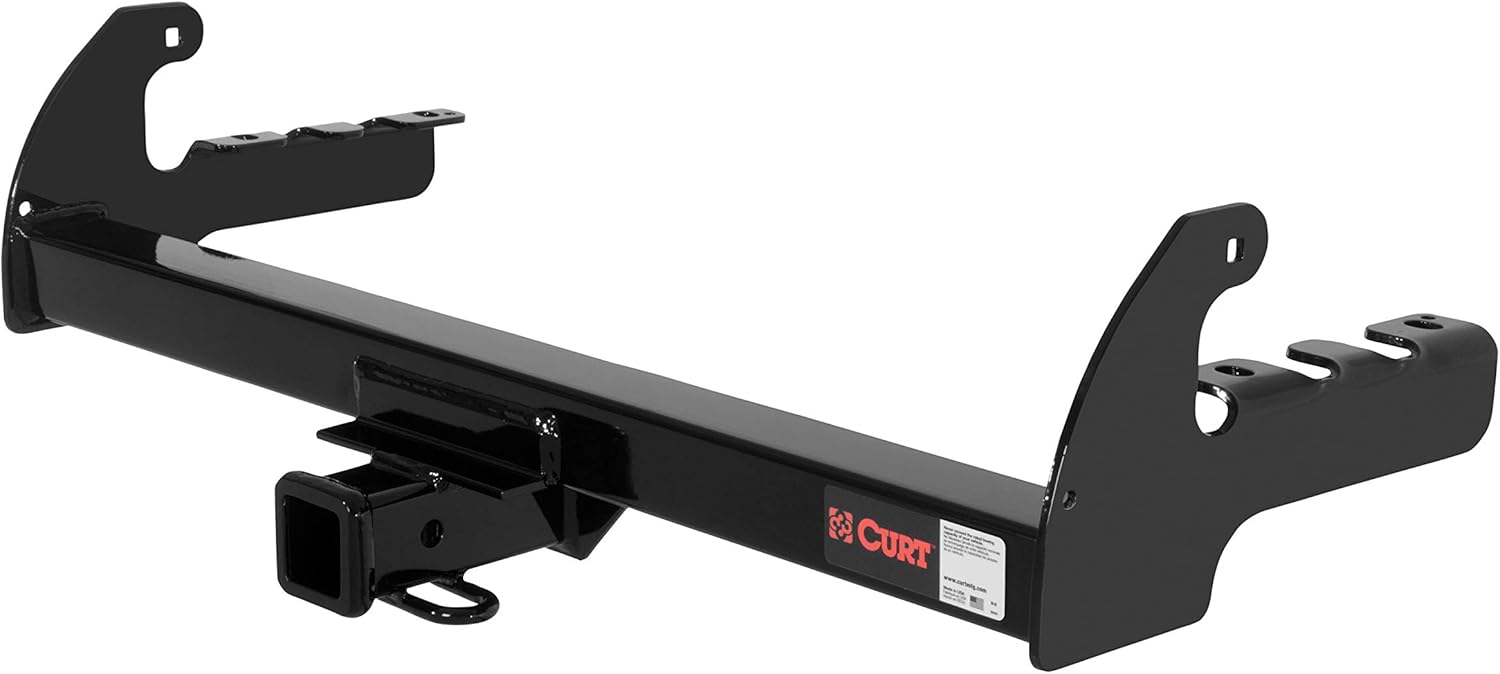
| Material Type | Carbon Steel |
|---|---|
| Included Components | Class 3 Hitch |
| Weight Carrying Capacity | 5,000 lbs GTW, 500 lbs TW |
| Receiver Tube Size | 2 inches |
| Test Standard | SAE J684 |
The CURT 13280 is a custom-fit Class 3 trailer hitch built to give select 1997–2004 Dodge Dakota trucks a factory-style towing connection. It provides a 2-inch by 2-inch receiver tube and is rated for 5,000 lbs gross trailer weight and 500 lbs tongue weight, with higher capacities when used with a weight-distribution setup. Made from carbon steel with precise welding and a co-cured liquid A-coat plus powder coat finish, the hitch resists rust and chipping and is intended for long-term road use. Installation is vehicle-specific, which simplifies bolt-on mounting and keeps the hitch tucked close to the frame for a clean appearance. Because it is engineered and tested to SAE J684 guidelines, the hitch suits hauling boats, campers, utility trailers, and other common loads for a Dakota. The main compromise is that this is a single-piece, vehicle-specific receiver, so it must match the listed Dodge Dakota years and will not fit other trucks without the exact application fitment.
Best for: Buyers who prioritize a refined, long-lasting tow solution for a Dodge Dakota and are willing to pay for premium finish and vehicle-specific fitment.
Less Ideal for: Shoppers who need a universal or multi-vehicle hitch, or those planning to move the hitch between different makes or models.
- Vehicle-specific design for a precise, bolt-on fit that keeps the hitch close to the frame
- Strong carbon steel construction with precise welding for reliable towing strength
- Durable co-cured liquid A-coat plus powder coat finish for superior corrosion and chip resistance
- 2-inch receiver and Class 3 capacity suitable for common trailers and accessories
- Fits only the specified Dodge Dakota application and cannot be used as a universal hitch
Verdict: The best premium tow hitch receiver for shoppers willing to pay more for top-tier materials, corrosion resistance, refined fit, and long-term durability.
4. maXpeedingrods 2" Trailer Hitch Receiver with Rubber Cover for Dodge Dakota 1987-2004
Best Heavy-Duty Tow Hitch Receiver

| Receiver size | 2 inches |
|---|---|
| Gross trailer weight | 5000 LBS |
| Tongue weight | 750 LBS |
| Compatible vehicle | Dodge Dakota 1987-2004 |
This maXpeedingrods 2-inch receiver is a heavy-duty Class 3 hitch built to bolt to the rear of Dodge Dakota trucks from 1987 through 2004 for towing and accessory use. It is made from heavy steel with a powder-coated finish to resist corrosion and includes a rubber hitch cover to keep debris and moisture out of the tube. The hitch is rated for a 5,000 lb gross trailer weight and 750 lb tongue weight, so it handles boat, small camper, and utility trailer loads that fit those limits. Typical use is straightforward bolt-on installation to the factory mounting points and pairing with standard 2-inch accessories like bike racks or cargo carriers. The reinforced construction and clear load ratings make this a practical upgrade when you need reliable towing capacity, but installers should verify vehicle frame condition and follow the stated GTW and TW limits since higher-capacity towing requires additional vehicle upgrades.
Best for: Dodge Dakota owners from the specified years who prioritize a reinforced, factory-style rear receiver that supports routine towing and common 2-inch accessories.
Less Ideal for: Drivers planning to tow heavier trailers beyond the listed ratings or who need a heavy commercial-grade hitch should consider higher-capacity alternatives or vehicle upgrades.
- Heavy-duty steel construction offers strong load-bearing capability.
- Powder-coated finish helps resist rust and corrosion in typical road conditions.
- Rated for 5,000 lb GTW and 750 lb TW for substantial towing tasks for its class.
- Includes rubber hitch cover to prevent dirt and moisture from entering the receiver tube.
- Not the highest-capacity hitch available if you need more than 5,000 lb GTW or 750 lb TW.
Verdict: The best heavy-duty tow hitch receiver when you need the highest practical towing and tongue weight ratings plus reinforced construction for demanding loads.
5. APS Class 3 Trailer Hitch Receiver for 1987-2004 Dodge Dakota
Best Class III Tow Hitch Receiver

| Receiver tube | 2 inches |
|---|---|
| Weight carrying capacity | 5000 Pounds |
| Weight distribution capacity | 8000 Pounds |
| Material | Carbon Steel |
| Finish type | Powder Coated |
This APS Class 3 trailer hitch is a vehicle-specific rear receiver built to replace the factory-style hitch on Dodge Dakota models from 1987 through 2004. It provides a 2-inch receiver tube and is rated for a 5000 lb weight carrying capacity with a 500 lb tongue weight and 8000 lb rating with weight distribution, making it suitable for most small trailers, cargo carriers, and towing chores. Construction uses carbon steel with a multi-layer high gloss black powder coat to resist corrosion and road wear, and the package includes the mounting hardware for a bolt-on installation so a DIY mechanic can mount it with common tools. Because it follows SAE J684 testing, the hitch offers proven strength and predictable fitment on the specified Dakota years. The hitch is straightforward and functional but does not include wiring, sway-control components, or higher-capacity mounting options, so heavier towing setups will need additional equipment or a different hitch class.
Best for: DIY mechanics restoring or replacing the rear hitch on a 1997–2004 Dodge Dakota who want a mid-range, vehicle-specific receiver that supports typical small-trailer and cargo-carrier tasks.
Less Ideal for: Drivers who need higher towing capacity, integrated wiring, or a hitch intended for multiple vehicle models should consider a different solution.
- Vehicle-specific design for direct bolt-on fitment to 1987–2004 Dodge Dakota
- Class 3 2-inch receiver with 5000 lb carrying capacity and 500 lb tongue weight
- Carbon steel construction with multi-layer high gloss powder coat for corrosion resistance
- Includes necessary mounting hardware for DIY installation
- Tested to SAE J684 for safety and on-vehicle reliability
- Does not include trailer wiring or electrical components
- Not suited for heavier towing without weight-distribution or higher-class hitch accessories
Verdict: The best Class III tow hitch receiver for DIY mechanics seeking a proven, mid-range hitch class that supports most small trailers, cargo carriers, and towing tasks.
Choosing the Right 1997-2004 Dodge Dakota Tow Hitch Receiver: Key Factors to Consider
Towing Capacity and Tongue Weight
Rated towing capacity and tongue weight determine what you can safely tow with the Dakota. Choose a receiver with a maximum trailer weight and tongue weight rating that meet or exceed the intended trailer and cargo load. Matching these ratings avoids overstressing the receiver, hitch ball, or truck frame and helps preserve brake and drivetrain components under load.
Also consider tongue weight distribution for common trailer types. Some trailers concentrate weight over the tongue; if your tongue weight is high relative to trailer gross weight, ensure the receiver and ball mount combination can handle the concentrated load without causing sag or compromised handling.
Receiver Class and Size
Receiver class defines the common tongue and gross towing ranges as well as the physical opening size. For many Dakota towing needs, a Class 3 receiver with a 2-inch opening is the most versatile for trailers, cargo carriers, and accessories. Verify the opening size and pin-hole diameter to ensure compatibility with ball mounts and other hitch accessories.
If you plan to tow heavier loads or use specialty equipment, confirm the receiver class matches those requirements. Smaller openings limit accessory options while oversized or higher-class receivers may require modifications or provide unnecessary capacity for light hauling.
Mounting Style and Installation Complexity
Bolt-on receivers attach using existing frame holes or factory attachment points and tend to be easier for most owners to install without welding. Verify whether the receiver requires drilling or bumper removal, and whether mounting brackets align with the Dakota frame for the 1997-2004 model years.
Weld-in receivers offer a more permanent connection but require professional welding and can complicate future removal. Consider installation tools, access to a lift or jack stands, and whether you will perform the work yourself or have it installed by a shop.
Material and Corrosion Protection
Tow receivers are exposed to road salt, moisture, and road debris, so material grade and finish matter for longevity. Look for receivers made from high-strength steel with a durable powder coat or e-coat to resist rust. Thicker wall tubing and reinforced welds reduce flex and fatigue over time.
Pay attention to the finish around welds and mounting points since these are early failure areas. Proper surface treatment will minimize long-term corrosion and maintenance needs, especially if you tow in winter conditions.
Fitment to 1997-2004 Dakota Frame Geometry
Even within a single year range, small changes in bumper design or frame accessories can affect how a receiver mounts. Choose receivers with explicit fitment notes confirming compatibility with 1997-2004 Dodge Dakota configurations. Correct alignment reduces the need for trimming or bumper adjustments and ensures hitch height and clearance meet towing needs.
Double-check whether the receiver interferes with exhaust routing, spare tire access, or rear sensors if your Dakota has them. Proper fitment preserves vehicle functionality and reduces time spent on additional modifications.
Accessory Compatibility and Practical Features
Consider features that make towing easier, such as integrated safety chain loops, anti-rattle hardware, and multiple pin-hole positions for adjustable drop or rise. These features improve convenience and help match trailer geometry without additional adapters.
Also consider compatibility with common accessories like a ball mount, hitch-mounted cargo carrier, or weight-distributing systems. Built-in reinforcements or thicker cross-tubes can improve stability when using heavy accessories.
Common Receiver Options for the Dakota
Dakota owners typically choose between bolt-on receivers that use factory frame holes and more heavy-duty units that require additional bracketry. Bolt-on receivers are popular because they minimize cutting or welding and often reuse existing fasteners, making the install faster and more reversible.
- Bolt-on receivers: generally easier to install, often reuse factory holes.
- Bracket-style receivers: provide extra reinforcement where frame attachment points are limited.
- Weld-in receivers: most permanent, require professional welding and careful corrosion protection.
Trailer Types and How They Affect Receiver Choice
The trailer you plan to tow affects receiver selection. Small utility trailers and bike racks place lower demands on tongue weight and capacity, whereas boat trailers or enclosed cargo trailers impose higher sustained loads and may need a higher-class receiver.If you frequently tow uneven or heavy loads, prioritize receivers with higher tongue weight ratings and robust mounting hardware. For seasonal or occasional towing, a well-rated Class 3 receiver often provides sufficient versatility without adding unnecessary mass.
- Light trailers and carriers: 2-inch Class 1 or Class 2 options may suffice for very light towing.
- Typical utility and boat trailers: Class 3 2-inch receivers are the common choice.
- Heavy-duty or specialized towing: confirm higher-class ratings and reinforced mounts.
Installation Tips for Dakota Owners
Prepare the truck by raising it safely and supporting it with jack stands so you have access to the frame. Clean mounting surfaces and remove any undercoating where the receiver will bolt to ensure a solid metal-to-metal connection. Use a torque wrench and follow the specified bolt torque values when tightening fasteners.If the installation requires cutting or trimming of a factory bumper valance, measure carefully and trial-fit the receiver first. Protect exposed welds or cut edges with rust-inhibiting primer and a matching protective finish after installation.
- Verify trailer ball height to select proper drop or rise for the ball mount.
- Use thread locker or locking nuts on mounting bolts in high-vibration applications.
- Inspect fasteners after the first 500 miles of towing and periodically thereafter.
Legal and Safety Considerations
Adhere to the rated towing and tongue weight limits specified for both the receiver and your Dakota. Exceeding these limits can lead to brake fade, steering instability, or structural damage. Ensure wiring for trailer lights is properly installed and fused, and that safety chains meet local regulations.Check local regulations for required trailer braking systems at specific gross trailer weights. Proper trailer brakes reduce strain on the truck's brakes and improve stopping distances when towing heavier loads.
- Confirm trailer wiring provides functioning brake lights, turn signals, and running lights.
- Use weight-distributing hitches where recommended for heavier trailers to improve stability.
- Regularly inspect hitch components for cracks, corrosion, and loose hardware.
Still looking for the perfect fit?
Select your Dodge Dakota configuration to see the most relevant Tow Hitch Receivers recommendations
How We Chose the Best 1997-2004 Dodge Dakota Tow Hitch Receiver
We focused our selection on products that provide safe, reliable tow points for the 1997-2004 Dodge Dakota and that match common hauling needs for this truck. Our editorial filters prioritized correct fitment to the Dakota frame and factory bumper geometry, certified towing ratings, and hardware that supports secure mounting under real-world loads.Key evaluation criteria included towing capacity and tongue weight rating to ensure compatibility with common trailers, receiver size and class to match hitch accessories, build quality such as material grade and corrosion-resistant finishes, and mounting method whether bolt-on or weld-in for owners who prefer factory-style installation. We also weighed installation complexity and whether the receiver required bumper removal or offered straightforward bolt-on fitment.We excluded any units without clear vehicle-specific fitment information or lacking manufacturer-rated towing metrics. We did not consider adapters that reduce capacity or receivers requiring significant frame modification. Final picks balance durability, correct-rated capacity, and installation practicality for Dakota owners.
Our full evaluation process is outlined in our review methodology.
FAQ
Can I install a hitch receiver on my Dakota myself?
Often yes if you have basic mechanical skills and a safe way to raise and support the truck. Bolt-on receivers are designed for home installation, but you will need common hand tools, a torque wrench, and time to follow the instructions precisely.
What class receiver should I choose for a small boat trailer?
Most small boat trailers are well-served by a Class 3 receiver with a 2-inch opening, which offers broad accessory compatibility and sufficient capacity for many common boat sizes. Confirm the tongue weight and gross trailer weight before deciding.
Will adding a receiver change my truck's ground clearance?
Receivers can affect rear ground clearance depending on design and drop. Many receivers sit close to the frame and have minimal impact, but some heavy-duty units or those with lower cross-tubes may reduce clearance and require awareness on steep driveways or off-road sections.
Do I need trailer brakes for my trailer?
Requirement depends on trailer gross weight and local laws. Heavier trailers typically require an electric or surge braking system to comply with regulations and to ensure safe stopping performance when loaded.
How do I verify the receiver fits my specific Dakota configuration?
Check the receiver's stated fitment notes for the 1997-2004 Dodge Dakota and examine whether it lists compatible bumper styles or bed configurations. Measure frame attachment points and confirm any required hardware or drilling instructions before purchasing.
Can I tow a fifth-wheel trailer with a standard receiver?
Towing a true fifth-wheel trailer requires a dedicated fifth-wheel hitch mounted in the bed and sufficient payload capacity; standard rear receivers are not designed for fifth-wheel loads and should not be used for that purpose.
Final Verdict
Prioritize a receiver that matches the Dodge Dakota's frame geometry and your intended towing demands. Focus first on correct rated towing capacity and tongue weight, then confirm receiver class and mounting style to fit your usage and installation preferences.Balancing durable construction, corrosion protection, and practical installation features will deliver the most reliable service. Choose the receiver that provides the certified capacity you need with straightforward installation and minimal modification to the truck.
Explore More:
- Check out all Dodge Dakota parts & accessories
- Explore Exterior Accessories
- Browse all Accessories
