

Note: This article contains affiliate links. If you click on these links and make a purchase, I may earn a small commission at no extra cost to you. This helps support my research and content. Read my full affiliate disclosure here.
If your Toyota Tundra is showing hesitation, slipping, or poor tow response, choosing the right torque converter can make a noticeable difference in daily driving and heavy-load situations. You need a unit that matches your transmission, intended use, and desired stall characteristics so shifts are firm, heat is managed, and drivetrain stress is minimized.This guide covers seven shortlisted torque converters selected for their relevance to the Tundra platform. We evaluated each option based on fitment, stall speed, and build quality to help you pick the right replacement or upgrade. Read on to see the criteria we used and what to prioritize when shopping for a torque converter for your truck.
Looking for other parts? See all Toyota Tundra parts & accessories.
Top Picks at a Glance
| Best Quality Built to a higher standard if you want something more solid | Sawyer Auto Torque Converter for 4.7L V8 Toyota/Tundra (RWD) |  |
| Best Value The sweet spot between price and what you get | DACCO TO90 Torque Converter |  |
| Best Budget The cheapest option that still gets the job done reliably | Sawyer Auto Torque Converter for 4.7L V8 Toyota Tundra and compatible Lexus/Toyota models |  |
| Highest Rated A top-rated pick with lots of positive feedback | Sawyer Auto Torque Converter for 4.7L Toyota Tundra, Sequoia, Tacoma (2005–2015) |  |
| Most Popular A crowd favorite that many people choose with confidence | Sawyer Auto Torque Converter for 5.7L V8 Toyota Tundra/Lexus/Land Cruiser/Sequoia |  |
1. Sawyer Auto Torque Converter for 4.7L V8 Toyota/Tundra (RWD)
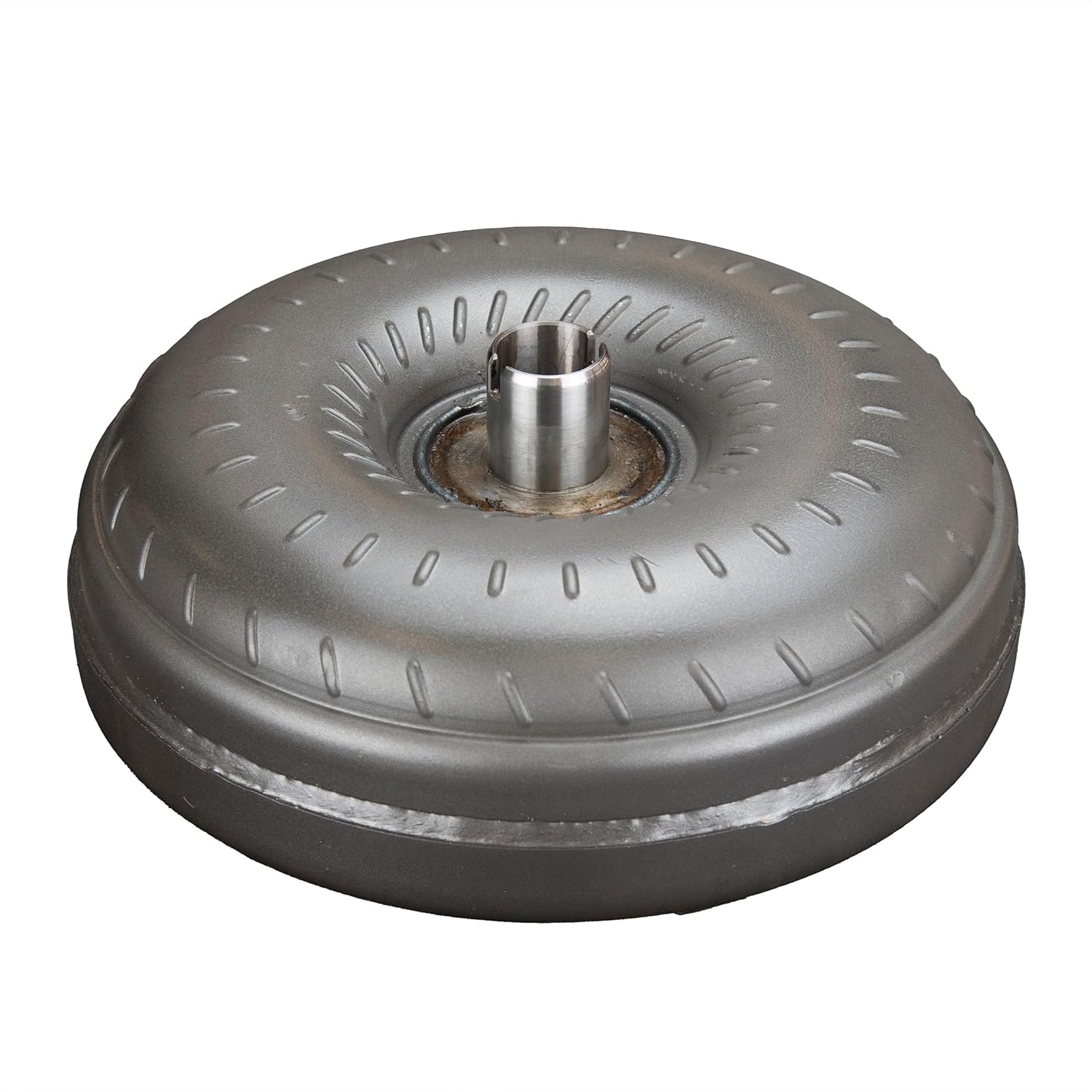
| Fitment | 4.7L V8 RWD |
|---|---|
| Pilot Length | 0.985 Pilot Length |
| Manufacturer | Sawyer Auto |
| Manufacturer Part Number | PAT-109905 |
This Sawyer Auto torque converter is a direct-fit replacement for 4.7L V8 RWD Toyota applications such as the Tundra and installs like a factory unit. It is manufactured to factory-spec tooling and materials, with each unit road tested and inspected before shipping. Typical use is a drivetrain repair or performance refresh where you need a reliable converter that mates to the stock transmission and maintains factory pilot length. The product emphasizes quality manufacturing and claims tougher materials than the original supplier, which should help longevity under heavier loads and spirited driving. Because it is a like-for-like replacement, installation follows standard transmission service procedures and does not require modifications. Limitations are that fitment is specific to the 4.7L V8 RWD setup and the listing does not include detailed internal stall or torque ratings, so tuners seeking exact performance numbers will need dyno data or vendor confirmation before selection.
Best for: Performance-oriented buyers looking for a high-quality, factory-style replacement to restore drivetrain responsiveness and durability in a Toyota Tundra 4.7L V8 RWD.
Less Ideal for: Buyers who need verified stall speed, custom stall converters, or converters for non-4.7L configurations should consider specialist performance units instead.
- Direct-fit design for 4.7L V8 RWD Toyota applications for straightforward installation
- Manufactured using modern tooling and higher-grade materials for improved durability
- Each unit is road tested and inspected to verify reliability and compatibility
- No published stall speed or torque capacity figures provided for performance tuning decisions
Verdict: A factory-spec direct-fit torque converter built and tested for reliable, longer-lasting replacement in 4.7L V8 Toyota/Tundra RWD drivetrains.
2. DACCO TO90 Torque Converter
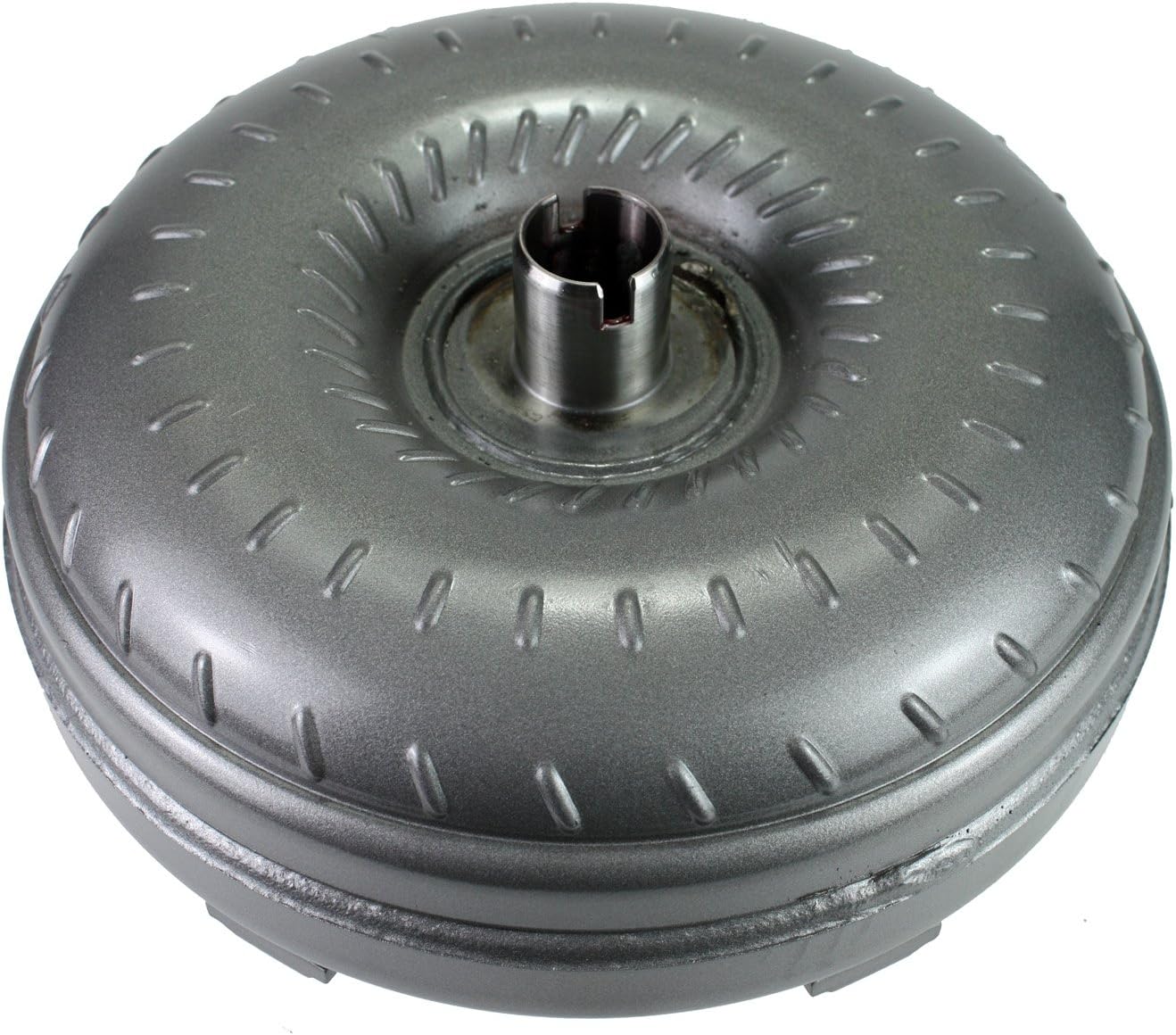
| Model Number | TO90 |
|---|---|
| Material Type | Alloy Steel |
| Unit Count | 1.0 Count |
The DACCO TO90 is a basic replacement torque converter intended to restore drivability after a failing unit. It functions as the fluid coupling between the engine and transmission, transferring torque and allowing the vehicle to idle and shift without stalling. Typical use is a direct-fit swap during a transmission service or rebuild to return gear engagement and stall characteristics to expected levels. Notable features from the listing include an alloy steel construction and a round head style, which suggest a durable build for routine towing and daily driving demands. The practical benefit is a straightforward, no-frills replacement that can save money compared with remanufactured or performance converters. Important limitations are the lack of any listed stall speed, vehicle-specific fitment notes, or performance enhancements, so it should be treated as a budget factory-style replacement rather than an upgrade for special towing needs or increased launch performance. Install should be performed by a transmission-capable shop to ensure correct fitment and balance for the Tundra transmission specified by your vehicle.
Best for: Practical optimizer buyers who want the lowest-cost, factory-style replacement to restore normal operation after a failed torque converter without paying for performance upgrades or remanufactured units.
Less Ideal for: Owners seeking a higher-stall or heavy-towing performance converter for modified or heavily loaded Toyota Tundra applications should consider performance-specific options instead.
- Alloy steel construction for basic durability
- Sold as a single complete unit ready for install
- Simple direct-replacement design suitable for standard repairs
- No stall speed or vehicle-specific performance data provided
- Limited listing details about internal balancing or warranty information
Verdict: A straightforward, budget-minded torque converter that restores basic transmission function for Toyota Tundra owners seeking a practical replacement.
3. Sawyer Auto Torque Converter for 4.7L V8 Toyota Tundra and compatible Lexus/Toyota models

| Fitment | 4.7L V8 |
|---|---|
| Bolt circle | 9.437 inch |
| Manufacturer | Sawyer Auto |
This Sawyer Auto torque converter is a direct-fit replacement designed for 4.7L V8 Toyota Tundra and related Lexus/Toyota vehicles. It installs like a factory unit and is marketed as meeting OEM standards through modern tooling and road testing. Typical use is as a like-for-like replacement when an original converter fails or shows symptoms like slipping or shudder. Notable features include a specified 9.437 inch bolt circle for correct mounting and claimed higher-durability materials compared with older factory parts. The practical benefit is a lower-cost option that promises straightforward installation and compatibility without modification. Limitations are that there are no detailed performance specs or test data provided on stall speed, lockup behavior, or internal components, so buyers seeking performance gains or precise calibration should look elsewhere. Fitment must be confirmed against the vehicle's engine and bolt pattern before purchase.
Best for: Budget-conscious owners seeking an inexpensive, no-frills replacement torque converter to restore drivability on a 4.7L V8 Toyota Tundra without aftermarket performance upgrades.
Less Ideal for: Drivers who want increased performance, custom stall characteristics, or verified dyno-proven upgrades should consider performance-oriented converters instead.
- Direct-fit replacement designed for 4.7L V8 Toyota/Tundra family for straightforward installation
- Manufactured with modern tooling and inspected for reliability
- Marketed as using durable materials intended to match or exceed factory specifications
- No detailed technical specs such as stall speed or internal component design are provided
- Product listing lacks independent performance data or dyno testing results
Verdict: A cost-focused, direct-fit torque converter replacement for 4.7L V8 Toyota Tundra owners who need a straightforward factory-style swap.
4. Sawyer Auto Torque Converter for 4.7L Toyota Tundra, Sequoia, Tacoma (2005–2015)

| Brand | Sawyer Auto |
|---|---|
| Manufacturer | Sawyer Auto |
| Model | Sawyer Auto |
| Item Weight | 165 pounds |
This Sawyer Auto torque converter is a direct-fit replacement intended for 4.7L Toyota Tundra, Sequoia, and Tacoma models from 2005 to 2015. It installs like a factory unit and is positioned as a reliability-focused option for transmission rebuilds or converter failures. The listing highlights modern manufacturing and road testing, which suggests consistent quality control and a part built to match factory specifications. In practice this unit will be used during transmission overhaul or when a faulty converter causes slipping, shuddering, or poor acceleration; buyers can expect straightforward installation when paired with the correct vehicle and transmission. Practical benefits include a claimed durable construction and vendor testing to reduce early failures. Important limitations are that fitment is limited to the 4.7L applications and the listing provides minimal technical detail such as stall speed or material specifics, so professional installers may want to confirm compatibility and performance expectations before purchase.
Best for: Reliability-focused buyers who prioritize a factory-style, tested replacement when repairing a transmission on a 4.7L Toyota vehicle and want a straightforward swap that minimizes downtime.
Less Ideal for: Buyers who need a performance-oriented converter (higher or custom stall) or who are replacing converters on non-4.7L Toyota models should consider other options.
- Direct-fit design for 4.7L Toyota applications simplifies installation
- Manufacturer states modern tooling and road testing for consistent build quality
- Positioned as a durable replacement built to factory specifications
- No technical specs provided such as stall speed or internal construction details
- Fitment restricted to 4.7L V8 Toyota models from 2005–2015, not universal
Verdict: A direct-fit, road-tested replacement built to match factory fitment for 4.7L Toyota trucks and SUVs.
5. Sawyer Auto Torque Converter for 5.7L V8 Toyota Tundra/Lexus/Land Cruiser/Sequoia

| Fitment engine | 5.7L V8 |
|---|---|
| Spline count | 24 |
| Manufacturer | Sawyer Auto |
| Manufacturer part number | PAT-109947 |
This Sawyer Auto torque converter is a direct-replacement unit intended for 5.7L V8 Toyota engines with a 24-spline crank interface. It installs like a factory part and is marketed as meeting OEM-quality standards after manufacturing and road testing. Typical use is to replace a worn or failing converter during a transmission service or rebuild to restore smooth torque transfer and proper lockup behavior. Notable features include direct-fit design for plug-and-play installation and claimed higher-grade materials and inspection testing for reliability. Practical benefits are easier installation with minimal modification, compatibility focused to the 5.7L V8 family, and potential longevity from upgraded material choices. Important limitations are limited published technical data and no explicit performance or warranty details, so buyers should confirm spline count and fitment with their vehicle and be prepared for professional installation and testing to ensure correct operation.
Best for: Buyers who prioritize convenience and a straightforward swap will appreciate a direct-fit, road-tested replacement that minimizes shop time and diagnostic hassle.
Less Ideal for: Drivers seeking verified performance upgrades, detailed engineering data, or a documented warranty may prefer branded transmission specialists or dealer-sourced units.
- Direct-fit design for 5.7L V8 Toyota-family applications simplifies installation
- Manufacturer states production uses modern tooling and road testing for quality control
- Designed as a replacement built to factory specifications with upgraded materials
- 24-spline fitment clearly specified for correct crank interface
- Limited published technical specifications and performance data available
- No explicit warranty or service details listed in the product information
Verdict: A straightforward, direct-fit torque converter for 5.7L V8 Toyota vehicles aimed at buyers who want a convenient, factory-style replacement.
Choosing the Right Toyota Tundra Torque Converter: Key Factors to Consider
Fitment and Compatibility
Correct fitment is fundamental because the torque converter must match the transmission input shaft spline count, bolt pattern, and pilot dimensions. A converter that does not seat properly can cause misalignment, vibration, or premature wear on the pump and input shaft.
Compatibility also includes whether the unit works with your Tundra's transmission (including factory electronic controls) and any modifications such as transmission controllers or stall converters. Verify specifications carefully to avoid returns and potential drivability issues.
Stall Speed and Intended Use
Stall speed affects how engine RPM and torque are transmitted when the truck is at a standstill or under heavy load. Lower stall speeds favor smooth everyday driving and fuel economy, while higher stall speeds can help engines operate in a stronger powerband during towing or performance driving.
Choose a stall speed that matches your common use case. Too high a stall for daily driving can feel sluggish and increase heat, while too low a stall for towing can lead to lugging and potential transmission strain.
Internal Construction and Materials
The quality of internal components such as clutch plates, stator, turbine, and hub materials directly affects durability and shift quality. Hardened splines, quality friction materials, and well-balanced turbines reduce the chance of shudder and early failure.
Look for converters with clear information on component materials and manufacturing processes. Better materials typically tolerate higher temperatures and repeated torque cycles without glazing or slipping, extending service life.
Cooling and Thermal Management
Torque converters generate heat under load, especially during towing or aggressive driving. Effective heat dissipation through proper fluid flow, fin designs, and compatibility with the vehicle's cooling system helps prevent fluid degradation and reduces transmission wear.
Consider converters that support improved fluid circulation or pair well with transmission coolers when your driving includes frequent heavy loads. Managing operating temperature preserves clutch friction and seals and maintains consistent performance.
Balance and Vibration Control
A well-balanced converter reduces vibration transmitted to the drivetrain and minimizes wear on bearings and seals. Imbalance can cause noise, premature bearing failure, and even transmission damage if left unaddressed.
Manufacturing processes that include dynamic balancing and attention to weld quality lower the risk of vibration. For trucks used in towing or with modified drivetrains, balance becomes more critical because increased loads amplify any imperfections.
Serviceability and Rebuild Options
Knowing whether a converter can be serviced or rebuilt affects long-term ownership costs and downtime. Rebuildable units allow for replacement of wear items like clutch packs or sprag components, which can extend usable life and adapt to changing performance needs.
If you plan to keep the truck long term or expect heavy use, consider converters with available rebuild kits and accessible technical documentation. Availability of parts and clear rebuild procedures make maintenance easier and more predictable.
How We Chose the Best Toyota Tundra Torque Converter
We prioritized parts that specifically fit the Toyota Tundra transmission and addressed the most common performance and reliability concerns for this platform. Key evaluation criteria included correct spline and bolt pattern fitment to ensure proper installation, stall speed options to match towing or performance needs, internal component quality such as clutch materials and stator design, and thermal durability including cooling and metal hardness. We also considered construction features that affect longevity, such as balance, welding quality, and the presence of hardened bushings or improved fins.Units that required extensive transmission modification or did not specify direct fit for the Tundra were excluded. We did not consider units lacking clear technical specs or reputable manufacturing methods. The result is a list focused on correct fitment, predictable stall behavior, internal durability, and serviceability for owners who need a reliable replacement or targeted upgrade.
Our full evaluation process is outlined in our review methodology.
FAQ
How do I know if the torque converter is failing in my Toyota Tundra?
Symptoms often include slipping under load, delayed or soft shifts, shuddering at certain speeds, and unusual transmission noise. These signs can vary in severity depending on the underlying issue.It usually depends on multiple factors like fluid condition and driving habits, so diagnose by checking fluid level and condition, scanning for transmission codes, and noting when symptoms occur to narrow down the cause.
Can I replace the torque converter myself on a Tundra?
Replacing a torque converter is mechanically involved and typically requires transmission removal or partial separation, along with careful alignment and proper fluid procedures. It is doable for experienced DIYers with the right tools, a service manual, and workspace.Many owners prefer professional installation because correct torque, seal handling, and flushing procedures are important to prevent damage and maintain transmission longevity.
What stall speed should I choose for towing with a Tundra?
A moderate increase in stall speed is often recommended for towing to help the engine operate in a stronger RPM range under heavy loads. The ideal stall depends on the engine tune, weight towed, and whether towing is frequent or occasional.Too high a stall can raise operating temperature and reduce drivability during normal use, so aim for a balance that suits your typical towing profile.
Is it better to rebuild a torque converter or replace it?
Rebuilding can be cost-effective if the core components are in good condition and parts are available, and it allows you to address specific wear items. Replacement may be preferable if there is extensive damage, unknown history, or if you want a unit with different stall characteristics.The decision often depends on condition, availability of rebuild kits, and your comfort with teardown and reassembly procedures.
How does a bad torque converter affect transmission fluid?
A failing torque converter can contaminate fluid with degraded friction material or metal particles, and it can increase fluid temperature due to slipping. Dark, burnt-smelling fluid or unusual debris are indicators of internal wear.Regular fluid checks help catch these issues early, and addressing them promptly can reduce the risk of broader transmission damage.
Conclusion
Choosing the right torque converter for a Toyota Tundra means balancing fitment, stall characteristics, and internal durability against your typical driving and towing needs. Prioritize correct transmission fit and a stall speed that matches how you use the truck to avoid drivability and heat-related issues.Also consider long-term serviceability and thermal management if you do frequent towing or heavy-use driving. Focusing on those factors will help you select a converter that restores smooth shifts and reliable performance.
Explore More:
- Check out all Toyota Tundra parts & accessories
- Explore Transmission & Drivetrain
- Browse all Auto Parts
