

Note: This article contains affiliate links. If you click on these links and make a purchase, I may earn a small commission at no extra cost to you. This helps support my research and content. Read my full affiliate disclosure here.
If you own a 2002-2006 Honda CR-V, the tires under the vehicle have an outsized effect on ride comfort, safety, and fuel economy. Choosing the right tires matters because this compact SUV is often used for mixed driving: commuter miles, occasional cargo or passenger loads, and light inclement weather. The wrong tire can reduce grip in wet conditions, accelerate wear, or make the ride harsher than necessary.This guide shortlists the top tires suited to the 2002-2006 CR-V's weight and handling characteristics. We focused on options that balance wet and dry traction, tread life, road noise, and load capacity. Below you'll find our recommended picks and the evaluation criteria we used to build the list, followed by practical buying guidance tailored to this vehicle.
Looking for other parts? See all Honda CR-V parts & accessories.
Top Picks at a Glance
| Best Overall The best all-around choice for most situations | Starfire Solarus AS All-Season 215/65R16 98H Tire |  |
| Best Quality Built to a higher standard if you want something more solid | MICHELIN CrossClimate2 All-Season Tire — 235/65R17 104H (Single) | 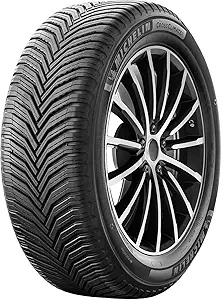 |
| Best Value The sweet spot between price and what you get | Fullway PC369 All-Season Passenger Tire 215/65R16 98H |  |
| Best Budget The cheapest option that still gets the job done reliably | Nexen CP672 All-Season Radial Tire 215/65R16 98H |  |
| Highest Rated A top-rated pick with lots of positive feedback | Sailun Atrezzo SH408 All-Season 215/65R16 Tire |  |
| Most Popular A crowd favorite that many people choose with confidence | Hankook Kinergy ST (H735) Touring All-Season Tire — 215/65R16 98T |  |
| Best Seller A high-volume bestseller chosen again and again | Evoluxx Capricorn HP All-Season 235/65R17 Tire |  |
1. Starfire Solarus AS All-Season 215/65R16 98H Tire

| Rim Size | 16 Inches |
|---|---|
| Load Index | 98.0 |
| Speed Rating | H |
| Tread Type | Symmetrical |
| Seasons | Year Round |
The Starfire Solarus AS is an all-season touring tire built for everyday driving on passenger cars and crossover SUVs. Its re-engineered tread compound and symmetrical pattern deliver predictable wet and dry grip while a solid center rib improves straight-line stability and steering response. Deep shoulder slots and biting edges help maintain traction as the tire wears, and a variable-pitch tread layout reduces highway noise for a quieter cabin. Typical use is daily commuting, errands, and occasional highway trips where comfort, low noise, and reliable traction matter more than high-performance cornering. The tire carries a 98 load index and H speed rating, and the listing includes a 50,000 mile treadwear backing, which supports reasonable longevity for the price. Limitations are that this is a touring all-season design rather than a performance or winter specialist, so drivers who need aggressive snow capability or spirited handling should look elsewhere. Also the tire is offered singly so you will likely buy four for a full fitment and professional mounting and balancing are recommended.
Best for: Drivers seeking a quiet, comfortable all-season touring tire that balances everyday traction, comfort, and value for routine commuting and family use.
Less Ideal for: Drivers who need specialized winter traction or high-performance sport handling should consider dedicated winter or performance tires instead.
- All-season compound and tread profile for dependable wet and dry traction
- Solid center rib for stable steering and a smooth highway ride
- Variable-pitch tread design reduces road noise at speed
- Shoulder Control Technology with deep slots maintains grip as tread wears
- Manufacturer-backed 50,000 mile treadwear promise
- Not designed as a winter/snow-specific tire so performance on ice and deep snow is limited
Verdict: A quiet, value-oriented all-season touring tire that delivers reliable wet and dry performance and long tread life for everyday driving.
2. MICHELIN CrossClimate2 All-Season Tire — 235/65R17 104H (Single)

| Size | 235/65R17 104H |
|---|---|
| Tread Type | Directional |
| Seasons | Year Round |
| Tread Depth | 10 32nds |
| Load Capacity | 1984 Pounds |
The Michelin CrossClimate2 is an all-season touring tire built for CUVs and SUVs that balances grip, comfort, and longevity. It uses a directional, V-formation tread and a compound engineered to improve wet braking and maintain traction on light snow, so day-to-day driving around town and highway trips feel secure in mixed conditions. For a 2002–2006 Honda CR-V the size 235/65R17 with a 104 load index provides robust load capacity while keeping a quiet, comfortable ride typical of touring designs. Notable features include a deep 10/32 tread depth for extended mileage and a factory-quality radial construction aimed at even wear; Michelin claims improved treadlife versus several competitors. The tire leans toward performance in wet braking and winter capability compared with standard all-seasons, but it is still a touring tire rather than a dedicated winter or performance summer tire, so extreme-cold grip and high-speed cornering limits will be noticeable to very performance-focused drivers. Installation should follow factory alignment and load recommendations for best results.
Best for: Drivers of 2002–2006 Honda CR-Vs who prioritize reliable year-round traction, quieter ride quality, and long tread life over peak cold-weather or track performance.
Less Ideal for: Drivers who regularly encounter heavy snow, prolonged ice, or who demand aggressive high-speed cornering should choose a dedicated winter tire or a summer performance tire instead.
- Designed for all-season use with directional tread for improved wet braking and light snow traction
- Deep 10/32 tread depth and Michelin compound for extended treadlife compared with many competitors
- Comfort-oriented radial construction that maintains a quiet, smooth ride on highways and city streets
- Not a dedicated winter tire so performance on deep snow and ice is limited compared with winter-specific tires
Verdict: For 2002–2006 CR-V owners wanting a quiet, long-lasting all-season tire with strong wet braking and light-snow capability, the CrossClimate2 is a top practical choice.
3. Fullway PC369 All-Season Passenger Tire 215/65R16 98H

| Rim Size | 16 Inches |
|---|---|
| Load Index | 98 |
| Speed Rating | H |
| Tread Type | All Season |
| Load Capacity | 1653 Pounds |
The Fullway PC369 is a budget-focused all-season radial intended for passenger cars that need a reliable everyday tire. In common use it handles commuting, highway cruising, and light winter conditions; the tread features extra siping and four wide circumferential grooves that push water away to cut hydroplaning risk. With a 98 load index and H speed rating it supports typical mid-size crossovers while offering a quiet, comfortable ride according to user reports. The construction is a standard 4-ply SL load-range design and the listing notes a 35 psi maximum inflation. Practical benefits are straightforward: competent wet traction, predictable handling for daily driving, and lower cost than many premium options. Limitations to expect are typical of budget tires — treadlife and ultimate grip in severe winter or spirited driving will not match premium high-performance or snow-specific tires, and you should have correct alignment and regular rotation to avoid uneven wear.
Best for: Buyers seeking a cost-conscious replacement tire for everyday driving on a 2002–2006 Honda CR-V who prioritize reliable wet traction, a comfortable ride, and lower upfront cost.
Less Ideal for: Drivers who need a dedicated winter or high-performance tire or who plan aggressive driving and want maximum tread longevity should consider specialized or premium alternatives.
- All-season tread with extra siping for improved wet and light winter grip
- Wide circumferential grooves help reduce hydroplaning
- Quiet, comfortable ride reported by users
- Compatible 98 load index and H speed rating suitable for typical crossover passenger use
- Budget construction may have shorter treadlife and less ultimate grip than premium tires
- Not intended for heavy snow or high-performance driving scenarios
Verdict: A budget-friendly all-season tire that delivers competent wet traction and a comfortable daily ride for 2002–2006 CR-V owners who want reliable value.
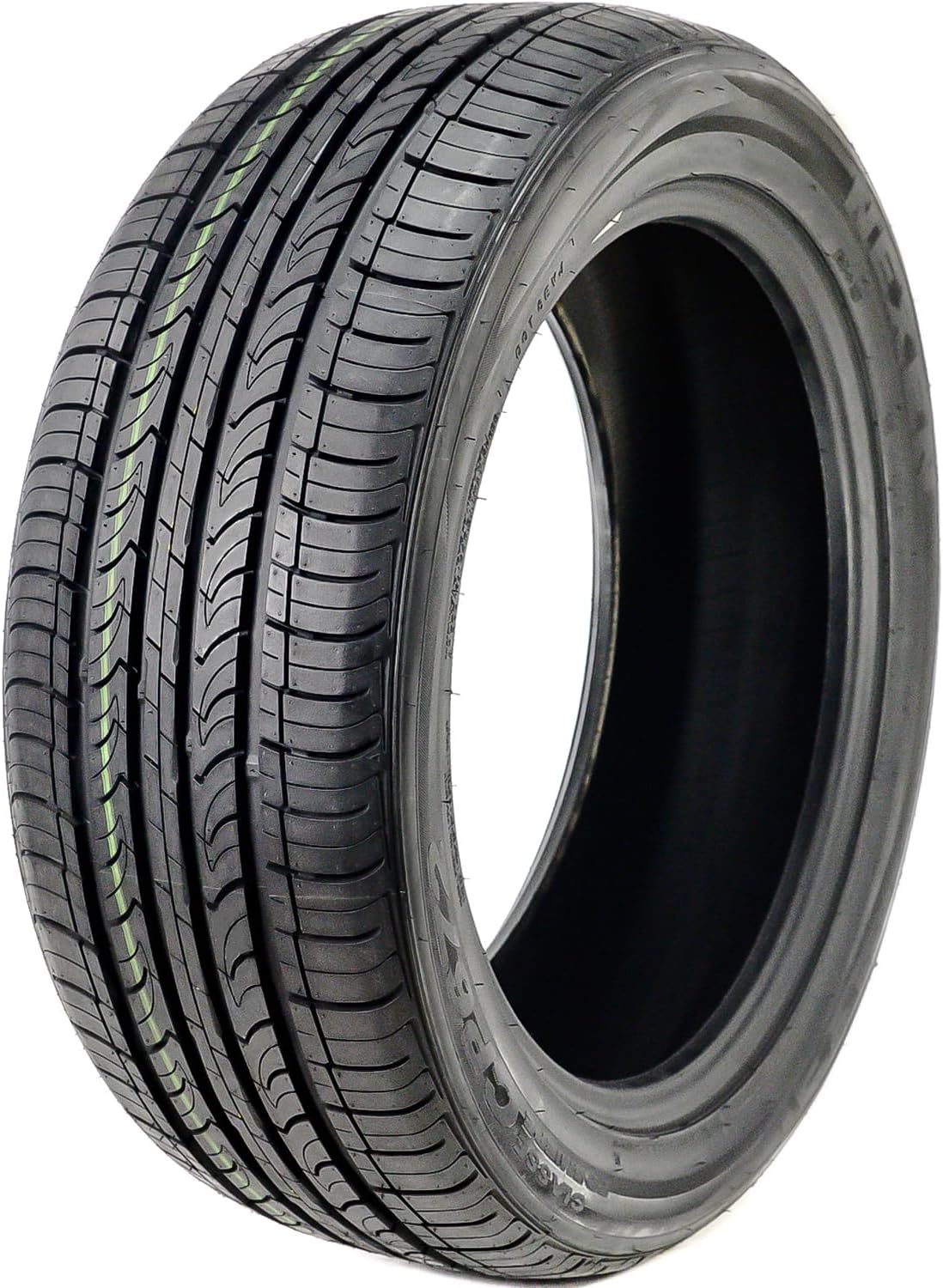
4. Nexen CP672 All-Season Radial Tire 215/65R16 98H
| Rim Size | 16 Inches |
|---|---|
| Load Index | 98.0 |
| Speed Rating | H |
| Tread Type | Asymmetrical |
| Seasons | Year Round |
The Nexen CP672 is an all-season passenger tire designed to deliver steady mileage and predictable handling without a premium price. It uses an asymmetrical tread with four wide circumferential grooves and a semi dual center rib to aid water evacuation and straight-line stability, which makes it suitable for wet and dry commuting. Typical use is on compact SUVs and cars that need an affordable, universal-fit replacement tire; the 98 load index supports common CR-V load needs and the H speed rating covers everyday highway speeds. Buyers will appreciate the 10/32 tread depth and 6-ply construction for durability and longer wear compared with some economy tires. Trade-offs are modest highway refinement and limited performance in deep snow compared with dedicated winter or premium all-season models. Overall it is a straightforward, value-focused tire for drivers prioritizing lifespan and basic all-weather capability over sporty handling or high-end wet/braking performance.
Best for: Drivers looking for an inexpensive, dependable all-season replacement for everyday commuting and light-duty SUV use who prioritize mileage and basic wet-weather safety.
Less Ideal for: Drivers who need high-performance handling, short wet-braking distances, or frequent winter snow driving should choose a higher-grade all-season or a dedicated winter tire instead.
- Affordable replacement option with universal fit for common passenger vehicles
- Asymmetrical tread and four wide grooves help with wet traction and water evacuation
- Deeper 10/32 tread depth and 6-ply construction aimed at longer wear and durability
- Not tuned for sporty handling or premium wet braking performance
- Limited capability in heavy snow compared with dedicated winter tires
Verdict: Choose the Nexen CP672 if you want a budget-friendly, durable all-season tire that covers daily commuting and light SUV use without extra frills.
5. Sailun Atrezzo SH408 All-Season 215/65R16 Tire

| Size | 215/65R16 |
|---|---|
| Load Index | 98 |
| Speed Rating | T |
| Tread Type | Asymmetrical |
| Seasons | Year Round |
The Sailun Atrezzo SH408 is an all-season radial passenger tire built for everyday driving on wet and dry roads. Its asymmetrical tread and four circumferential grooves help channel water away for improved wet traction while the staggered lug pattern is tuned to reduce road noise and enhance ride comfort. You would typically use this as a direct replacement tire on a compact SUV or car that requires 215/65R16 size; the manufacturer backs it with a 55,000 mile limited treadlife warranty. In practice the tire aims to balance stable handling, predictable wet performance, and a quiet cabin rather than sporty grip or aggressive winter traction. Limitations to note are that it is a standard load SL tire with a T speed rating, so it is intended for regular commuting and family driving rather than heavy loads or sustained high-speed runs. Buyers should also plan for professional mounting and balancing since installers may charge extra if tires were not bought from them.
Best for: Drivers who prioritize a dependable, quiet all-season tire for daily commuting and family driving and want long treadlife coverage for routine use.
Less Ideal for: Drivers who frequently carry heavy loads, tow, or need high-speed performance or specialized winter traction should consider a tire engineered for those demands.
- Asymmetrical tread with four grooves improves wet handling and hydroplaning resistance
- Staggered lug design helps keep road noise low for a quieter ride
- Backed by a 55,000 mile limited treadlife warranty for long-term use
- Year-round rating provides usable traction in most seasonal conditions
- T speed rating and standard load range mean it is not designed for high-speed or heavy-load use
Verdict: A quiet, long-wearing all-season replacement tire well suited to everyday commuting and reliable year-round use on a 2002–2006 Honda CR-V.
6. Hankook Kinergy ST (H735) Touring All-Season Tire — 215/65R16 98T

| Rim Size | 16 Inches |
|---|---|
| Load Index | 98.0 |
| Speed Rating | T |
| Construction Type | Radial |
| Seasons | NON_WINTER |
The Hankook Kinergy ST H735 is a touring all-season tire built for everyday passenger car use. It pairs a rigid center rib and optimized tread block stiffness to improve dry handling and provide more uniform tread wear, while wide circumferential and lateral grooves help resist hydroplaning in wet conditions. The pitch-sequenced tread and multiple sipes are intended to reduce road noise and improve ride comfort, making it a solid choice for commuting, family driving, and light highway miles. Practical benefits include predictable handling, reasonably quiet operation, and a design focused on longer tread life compared with aggressive performance tires. Limitations to expect are that this is not a winter tire and its T speed rating targets modest highway speeds rather than spirited driving, and some users report faster-than-expected wear or noise depending on vehicle and driving style. For a CR-V used for daily driving and light cargo, these tires deliver balanced performance without aggressive handling characteristics.
Best for: Buyers seeking a quiet, comfortable touring tire that delivers reliable wet and dry performance and reasonable tread life for daily driving on a 2002–2006 CR-V.
Less Ideal for: Do not choose this tire if you need winter traction, high-speed performance handling, or if you prioritize maximum treadlife warranties over balanced touring performance.
- Designed for even tread wear through optimized tread block stiffness for longer life
- Rigid center rib improves dry handling and braking response
- Wide circumferential and lateral grooves enhance water evacuation to reduce hydroplaning risk
- Pitch-sequenced tread and multiple sipes reduce road noise for a more comfortable ride
- Not rated for winter driving and unsuitable for severe snow or ice conditions
Verdict: A balanced, quiet touring all-season tire that fits 215/65R16 CR-V applications and prioritizes comfortable daily driving with competent wet and dry traction.
7. Evoluxx Capricorn HP All-Season 235/65R17 Tire

| Size | 235/65R17 |
|---|---|
| Treadlife | 45,000 Mile Limited Warranty |
| Load Index | 104 |
| Speed Rating | H |
| Ply | 4-Ply |
The Evoluxx Capricorn HP is an all-season performance tire sized 235/65R17 that aims to deliver confident steering and long treadlife for SUVs and passenger vehicles. It uses a three-center-rib tread and optimized siping to maintain surface contact, which improves steering response and helps resist irregular wear during everyday driving. The tire is built with a heat-resistant compound and a stronger tread construction to limit heat buildup at sustained speeds and preserve tread integrity. In practical use it should feel composed on highway runs, provide predictable handling in dry and wet conditions, and offer reasonable winter grip for light snow thanks to the siping pattern. Notable specs include a 45,000-mile limited treadlife warranty, a 104 load index, and an H speed rating. Limitations to consider are that this is a performance-oriented all-season tire rather than a dedicated winter tire, and long-term durability and noise depend on correct mounting, balancing, and alignment; one reviewer also reported receiving older-manufacture tires, so check DOT dates when they arrive.
Best for: Drivers who want a factory-quality, all-season tire that emphasizes stable highway handling and predictable daily performance for a CR-V used mainly for commuting and family errands.
Less Ideal for: Drivers who need maximum winter traction in severe snow or ice conditions or those seeking a performance summer-only tire for spirited driving.
- Performance-focused tread with three center ribs for improved steering response
- Heat-resistant compound and stronger tread construction to reduce heat buildup
- Symmetrical tread with optimized siping for consistent wet and light-snow grip
- 45,000-mile limited treadlife warranty provides an expected longevity benchmark
- Not a dedicated winter tire so performance in heavy snow or ice will be limited
- Some buyers reported receiving older manufacture-dated tires so inspect DOT date on delivery
Verdict: A balanced all-season tire that gives 2002–2006 CR-V drivers steady highway handling and a long treadlife expectation for everyday driving.
Choosing the Right 2002-2006 Honda CR-V Tires: Key Factors to Consider
Tire Size and Load Rating
Choosing the correct tire size and load rating is the first priority for a 2002-2006 Honda CR-V. Using the factory-recommended dimensions preserves steering geometry and speedometer accuracy. The load rating must match or exceed the vehicle's Gross Vehicle Weight Rating when accounting for passengers and cargo to avoid overstressing the tire structure.
Incorrect sizes or low load ratings can cause premature wear, compromised handling, and potential structural failure under heavy load. When replacing tires, check the placard on the doorjamb or the owner manual, and select replacements that match those specifications or the manufacturer-approved alternatives. If you plan to carry heavier loads regularly, choose a tire with a higher load index while staying within allowed wheel and clearance limits.
Wet and Dry Traction
Traction in both wet and dry conditions influences braking distance, cornering confidence, and everyday safety for a CR-V. The vehicle's relatively tall profile compared with passenger cars makes managing traction in crosswinds and on wet pavement particularly important. Tread compound, siping, and groove design all affect water evacuation and grip.
Prioritize tires with good channeling for surface water and stable contact patches for dry grip. For mixed driving that includes frequent rain, choose tires that show a balance of hydroplaning resistance and steering responsiveness. Avoid tires optimized solely for dry performance if you live where rain is common, as that can compromise wet braking.
Tread Life and Warranty
Tread life is a major cost factor over the life of the tires on a CR-V that accumulates commuting miles. A longer-rated tread life means fewer replacements and better value, but real-world results depend on driving habits and maintenance. Look for manufacturers that publish mileage warranties and back them with clear conditions.
Understand what can void a tread warranty, such as improper rotation intervals, misalignment, or riding on underinflated tires. Consider the expected local driving surface: frequent highway miles typically extend tread life versus constant stop-and-go city driving. Choosing a tire with a credible warranty and reasonable expected wear helps reduce total ownership cost while keeping performance consistent.
Seasonal Performance and Climate Suitability
Deciding between all-season, summer, and winter-focused tires is driven by your local climate and driving needs. All-season tires offer balanced year-round performance and are appropriate for mild winters and variable weather. If you face regular snow and icy roads, a dedicated winter tire will provide safer traction in cold temperatures and on packed snow.
Consider how often you drive in subfreezing temperatures. Rubber compounds that perform well in warm months harden in cold weather and lose grip, so a winter-specific compound is worthwhile for frequent subfreezing driving. For climates with rare snow, high-quality all-season tires with good siping and snow traction ratings may be the most practical choice.
Ride Comfort and Noise
Tire construction, tread pattern, and sidewall height influence ride quality and cabin noise—important for CR-V owners who use the vehicle for daily commuting or family trips. A smoother, quieter tire improves perceived vehicle refinement and reduces driver fatigue on long drives.
Consider tires with noise-optimization features such as staggered tread block patterns or pitch sequencing. Also account for the tradeoff between low rolling resistance or performance-oriented tread designs and the resulting increase in road noise. Sidewall stiffness affects comfort; a balance between steering responsiveness and cushioning tends to work best for this type of SUV.
Maintenance Needs: Rotation, Balancing, and Alignment
Proper maintenance maximizes tread life and preserves handling for the CR-V. Regular tire rotation helps even out wear across all four corners, especially on front-heavy or front-wheel-drive configurations. Balancing prevents vibration, and periodic alignment checks ensure the tires meet the intended contact angles with the road.
Neglecting maintenance can accelerate uneven wear, reduce fuel economy, and cause steering pull or vibration. Plan routine checks every 5,000 to 8,000 miles or at each oil change, and inspect tread depth often. Addressing balancing and alignment early keeps replacement costs lower and safety margins higher.
Common Factory Tire Sizes and What They Mean
The 2002-2006 Honda CR-V came equipped with a few factory tire size options depending on trim and year. Understanding the numeric size code helps you pick replacements that preserve handling and speedometer accuracy. The size indicates tire width, aspect ratio, and wheel diameter; matching these values or staying within approved alternatives keeps suspension geometry consistent.
If you are unsure of the correct size for your specific CR-V, check the tire placard on the driver doorjamb or the owner manual. When selecting an alternate size, ensure the overall diameter and load index remain compatible with the vehicle's specifications to avoid clearance or gearing changes.
- Width and aspect ratio affect sidewall height and ride comfort.
- Wheel diameter must match the wheel you plan to mount the tire on.
- Load index must meet or exceed the vehicle's requirements.
Choosing Between All-Season and Winter Tires
All-season tires are a practical choice for CR-V owners in regions with mild winters and occasional cold snaps. They offer good wet traction and reasonable snow performance without the need to change tires seasonally. However, if you experience regular heavy snow, icy roads, or sustained subfreezing temperatures, dedicated winter tires provide superior compound flexibility and tread designs optimized for snow and ice.
Switching seasonally to winter tires improves braking and lateral grip where it matters most, but it also requires a second set of wheels or a temporary tire change. For many owners, high-quality all-season tires strike the best balance of convenience and year-round performance.
- Look for the three-peak mountain snowflake symbol for effective winter traction.
- All-season tires simplify ownership but can underperform in deep snow.
- Winter tires wear faster in warm weather, so plan seasonal changes accordingly.
How Tread Design Affects Water Evacuation and Hydroplaning Resistance
Tread pattern geometry, groove depth, and siping influence how quickly a tire evacuates water from the contact patch. For the CR-V, good water evacuation helps reduce hydroplaning risk during heavy rain and improves directional stability. Tires with wide circumferential grooves and well-placed lateral channels typically move water away more effectively.
Siping—small slits in the tread blocks—adds biting edges that improve traction on wet and slippery surfaces. While aggressive void patterns can help in deep slush, they may increase road noise, so pick a tread design that balances water handling with on-road refinement for everyday driving.
- Deeper grooves channel more water but can impact noise and rolling resistance.
- As tires wear, hydroplaning resistance declines, so monitor tread depth regularly.
- Directional and asymmetric patterns offer different tradeoffs between handling and water evacuation.
When to Replace Tires: Tread Depth, Age, and Inspection Signs
Replace tires when tread depth nears the legal minimum or when performance deteriorates. For everyday safety, many owners replace tires before they reach the absolute legal limit to preserve wet traction margins. Look for uneven wear, sidewall damage, bulges, or exposure of the internal structure, all of which indicate the need for immediate replacement.
Tire age also matters even if tread looks acceptable. Rubber compounds degrade over time; manufacturers often recommend replacement after a certain number of years regardless of tread. Regular inspections will reveal cracks, dry rot, or other age-related issues that compromise structural integrity.
- Use a tread depth gauge or the tread wear indicators molded in the grooves.
- Inspect sidewalls for cuts, cracks, or bulges during routine maintenance.
- Replace tires that show excessive uneven wear, even if tread remains above minimums.
Balancing, Alignment, and Proper Inflation: Keeping Tires Performing
Maintaining correct tire pressure, wheel balance, and alignment extends tread life and preserves handling characteristics on the CR-V. Underinflation increases tire flex, generating heat and uneven wear, while overinflation reduces the contact patch and can cause rapid center wear. Proper balance prevents vibration at highway speeds, and accurate alignment ensures even footprint across corners.
Check tire pressures monthly and before long trips, and follow the vehicle placard specifications. Have tires balanced after installation and alignments checked if you notice pulling, uneven wear, or after hitting a large pothole.
- Rotate tires at regular intervals to even out wear.
- Balance wheels whenever new tires are mounted or vibration appears.
- Get an alignment after suspension work or if steering feels off-center.
Tire Noise and Comfort: What to Expect on the CR-V
Tire noise levels vary across tread designs and compounds. For a CR-V used primarily for commuting and family trips, selecting tires that emphasize comfort and low noise will improve daily experience. Pitch sequencing and block placement reduce tonal noise, while softer compounds and taller sidewalls absorb road imperfections.
If you cover a lot of highway miles, prioritize tires with proven noise control features. Keep in mind that quieter tires sometimes trade off a degree of steering precision, so match your choice to the balance of comfort and responsiveness you prefer.
- Touring-style tires typically offer the quietest ride.
- Performance-oriented treads may increase road noise but improve steering feel.
- Inspect reviews and real-world reports focused on noise for a clearer expectation.
Still looking for the perfect fit?
Select your Honda CR-V configuration to see the most relevant Tires recommendations
How We Chose the Best 2002-2006 Honda CR-V Tires
We evaluated candidates using criteria that matter for a 2002-2006 Honda CR-V rather than abstract performance numbers. Key evaluation points included wet and dry traction under typical driving speeds for this compact SUV, because confident braking and cornering in rain are common owner concerns. Tread life and warranty coverage were weighted heavily to reflect long-term cost of ownership given typical annual mileage for CR-V owners. Ride comfort and road noise were assessed because many CR-Vs are daily drivers and family vehicles. Load capacity and speed rating were checked against the CR-V's curb weight and recommended tire sizes to ensure safe handling when carrying passengers or gear. Finally, winter capability and all-season performance were considered for buyers in colder climates, focusing on tread compounds and siping rather than extreme winter-only tradeoffs.We excluded tires that require non-stock wheel sizes or load ratings outside the vehicle's factory recommendations. Tires with consistently poor real-world durability or known structural issues were removed. The final picks prioritize balanced performance, safety, and durability appropriate for the CR-V's chassis and typical usage scenarios.
Our full evaluation process is outlined in our review methodology.
FAQ
What tire size should I use on my 2002-2006 CR-V?
Consult the driver doorjamb placard or the owner manual for the factory-recommended size for your exact model year and trim. Choose replacements that match the diameter and meet the recommended load index to preserve handling and speedometer accuracy.
How often should I replace tires on a CR-V?
Replacement intervals depend on mileage, driving conditions, and maintenance. Many owners replace tires between 40,000 and 70,000 miles, but monitor tread depth and condition regularly and replace earlier if you see significant wear, sidewall damage, or age-related degradation.
Are all-season tires okay for winter driving in light snow?
High-quality all-season tires with good siping can handle light snow and slushy conditions, but they are no substitute for dedicated winter tires in regions with frequent heavy snow or prolonged subfreezing temperatures. Consider a winter set if you drive regularly in severe winter weather.
How do I know if my tires need balancing or alignment?
Signs that balancing or alignment is needed include steering wheel vibration at certain speeds, uneven or tapered tread wear, pulling to one side, and steering that does not return to center smoothly. Have a professional check balance and alignment to address these issues.
Can I buy tires online and have them installed locally?
Yes. Many owners purchase tires online to access a wider selection and then have them installed by a local shop. Ensure the seller specifies the correct size and load rating, and budget for installation services such as mounting, balancing, and disposal of old tires.
What does the tread wear indicator tell me?
Tread wear indicators are raised bars across the grooves that show when tread depth has reached the minimum legal level. When these bars become flush with the tread surface, the tire no longer provides adequate water evacuation and should be replaced.
Final Verdict
When selecting tires for a 2002-2006 Honda CR-V, prioritize correct size and load rating, strong wet traction, and credible tread life to match how you use the vehicle. Balance seasonal requirements against convenience: all-season tires suit mild winter areas, while winter-specific tires are the safer choice for frequent snow.Focus on regular maintenance—proper inflation, rotation, balancing, and alignment—to extend tire life and preserve handling. With those priorities in mind, you can pick a tire that keeps the CR-V safe, comfortable, and reliable for daily driving.
Explore More:
- Check out all Honda CR-V parts & accessories
- Explore Tires Maintenance & Repair Guides
- Explore Wheels & Tires
- Browse all Auto Parts
