

Note: This article contains affiliate links. If you click on these links and make a purchase, I may earn a small commission at no extra cost to you. This helps support my research and content. Read my full affiliate disclosure here.
When your Honda Fit is running too hot or never reaches proper operating temperature, the thermostat is often the cause. Choosing the right Honda Fit thermostat matters because a correct unit restores proper coolant flow, protects the engine from thermal stress, and helps the cabin heater perform as expected.This guide highlights seven shortlisted thermostats chosen for fitment reliability and thermal performance. We evaluated each option on fit accuracy, flow rate, and build quality to help you pick a unit that suits your needs. Read on for the criteria we used and practical guidance before you replace the part.
Looking for other parts? See all Honda Fit parts & accessories.
Top Picks at a Glance
| Best overall The best all-around choice for most situations | Honda Thermostat Assembly 19301-PAA-306 (Genuine Honda) |  |
| Best quality Built to a higher standard if you want something more solid | Mishimoto Racing Low-Temp Thermostat (MMTS-CIV-92L) | 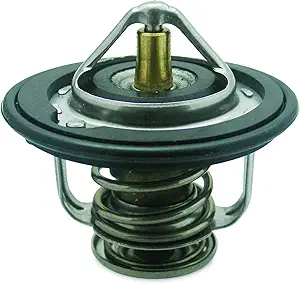 |
| Best Value The sweet spot between price and what you get | X AUTOHAUX Engine Coolant Thermostat Replacement for Honda Fit (2015–2020) |  |
| Best budget The cheapest option that still gets the job done reliably | MAXWIN Engine Coolant Thermostat (NTH-0026) |  |
| Highest Rated A top-rated pick with lots of positive feedback | MotoRad 636-170 Integrated Thermostat Housing Assembly (170°F) |  |
| Most popular A crowd favorite that many people choose with confidence | Honda Genuine Thermostat Assembly 19301-RNA-315 |  |
| Best Seller A high-volume bestseller chosen again and again | ROVIKE Engine Thermostat (replaces 19301‑PAA‑306) for Honda/Acura |  |
1. Honda Thermostat Assembly 19301-PAA-306 (Genuine Honda)

| Manufacturer Part Number | 19301-PAA-306 |
|---|---|
| Manufacturer | Honda |
| Material | Metal |
| Specific Uses For Product | Engine Temperature Regulation |
| Country of Origin | Japan |
This genuine Honda thermostat assembly replaces the engine's temperature-regulating valve to restore correct warm-up and cooling behavior. It is used in the cooling housing where the factory thermostat sits and functions as the temperature-triggered valve the cooling system relies on. Being a factory replacement, it matches original fit and operation so installation is straightforward for anyone comfortable draining a small amount of coolant and unbolting the housing. Buyers report it fixes stuck-open or stuck-closed issues, returns the gauge to normal range, and can improve drivability and fuel trim by allowing the engine to reach operating temperature. The part is simple in design with no electronics to fail and includes the matching gasket for sealing. Important limitations: this is a direct replacement thermostat only, so it will not address unrelated cooling-system failures such as a bad water pump, clogged radiator, or damaged sensors, and installation requires basic hand tools and some coolant handling.
Best for: Balanced buyers who prioritize a reliable, factory-quality replacement to restore normal engine temperature and avoid repeat repairs.
Less Ideal for: Drivers looking for performance modifications, universal aftermarket upgrades, or those unwilling to perform basic installation and coolant handling should consider alternatives or professional installation.
- Exact factory-fit replacement that restores original thermostat operation
- Simple mechanical design with no electronics to troubleshoot
- Includes OEM part number and matching gasket for correct sealing
- Widely used by owners to resolve temperature gauge and overheat/stay-cool symptoms
- Only replaces the thermostat function and will not fix other cooling system faults
- Requires coolant draining and basic mechanical work to install
Verdict: If you want a no-nonsense, factory-quality thermostat to restore proper engine temperature in a Honda, this genuine Honda assembly is the dependable choice.
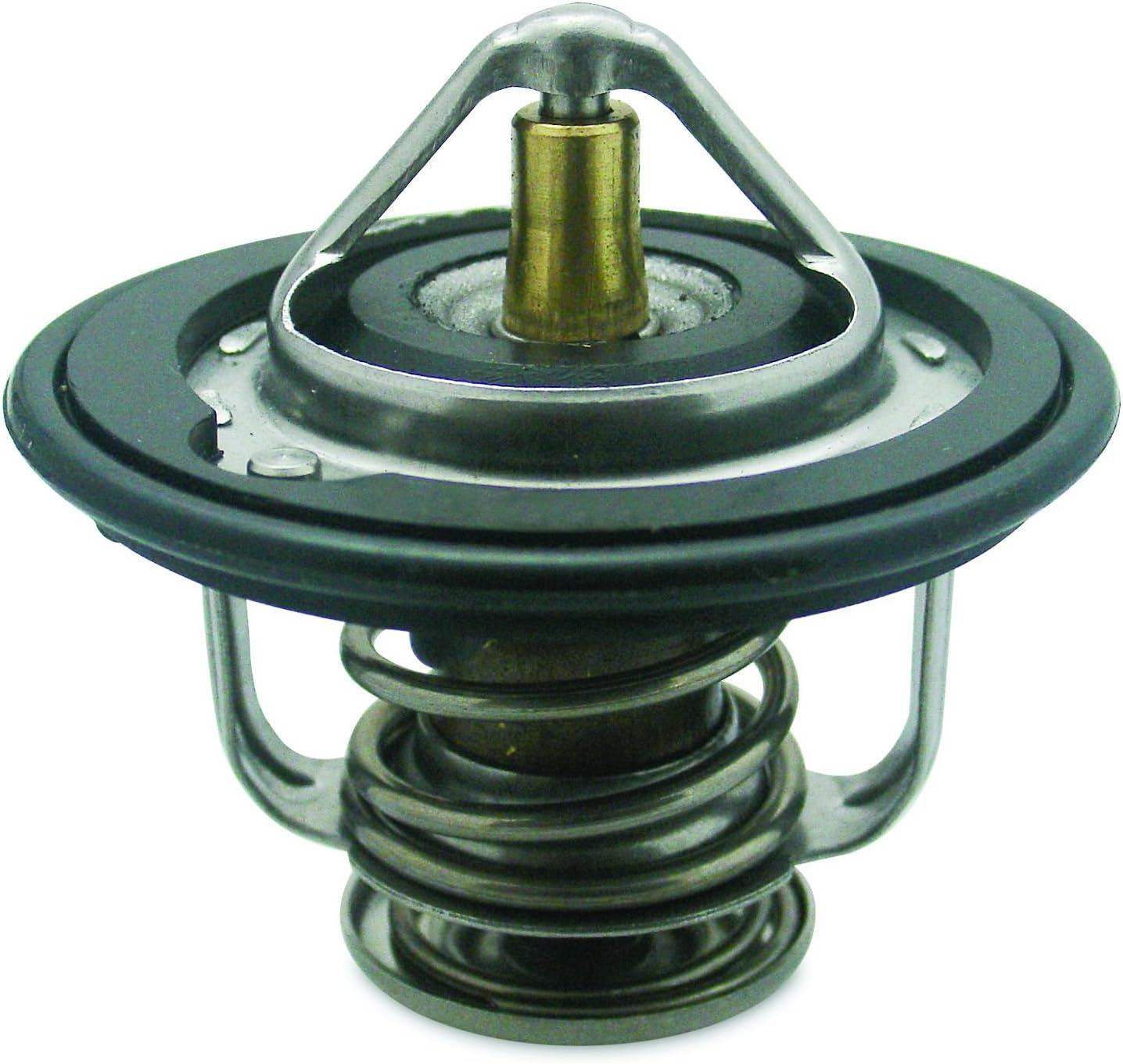
2. Mishimoto Racing Low-Temp Thermostat (MMTS-CIV-92L)
| Fits | 1992–2000 Honda Civic |
|---|---|
| Activation temperature | 154°F (68°C) listed |
| Material | Billet Aluminum |
| Included components | (1) Mishimoto Thermostat |
This Mishimoto racing thermostat is built to activate at a lower temperature than factory thermostats, allowing coolant to circulate sooner and reduce peak engine temperatures on hot-running Honda Fit engines that have been modified or fitted with forced induction. It installs in place of the stock thermostat and is typically used by enthusiasts chasing cooler operating temps under sustained load or track use. Notable features include a billet-aluminum construction and a lower activation point (listed at about 154°F/68°C versus a typical factory 172°F/78°C), which translates to measurably lower coolant temperatures in many real-world reports. Practical benefits are improved temperature control during aggressive driving and reduced thermal stress on the engine when other cooling upgrades are in place. Limitations to consider are that a lower-temp thermostat can lengthen warm-up time and may not deliver benefits on completely stock, low-stress cars; some users report mixed results depending on their cooling system and installation. Pay attention to fitment and bleeding the system during installation to avoid air pockets.
Best for: Performance-oriented buyers who prioritize lower engine temperatures for modified or high-load Honda Fit engines and who plan additional cooling upgrades or spirited driving.
Less Ideal for: Drivers who keep their Fit strictly stock and prioritize quick warm-up and maximum heater output in cold climates should consider a factory-spec thermostat instead.
- Opens at a lower temperature than factory units for cooler operating temps under load
- Billet-aluminum build adds durability compared with stamped alternatives
- Direct-fit replacement designed for Honda applications to simplify installation
- Backed by Mishimoto lifetime warranty for long-term ownership confidence
- Lower activation temperature can extend engine warm-up time and cabin heat availability
- Effectiveness depends on the rest of the cooling system and vehicle modifications, so results vary
Verdict: Choose this Mishimoto low-temp thermostat if you want a durable, lower-opening unit to help control temps on a performance-tuned Honda Fit; skip it if you need factory warm-up and heater performance.
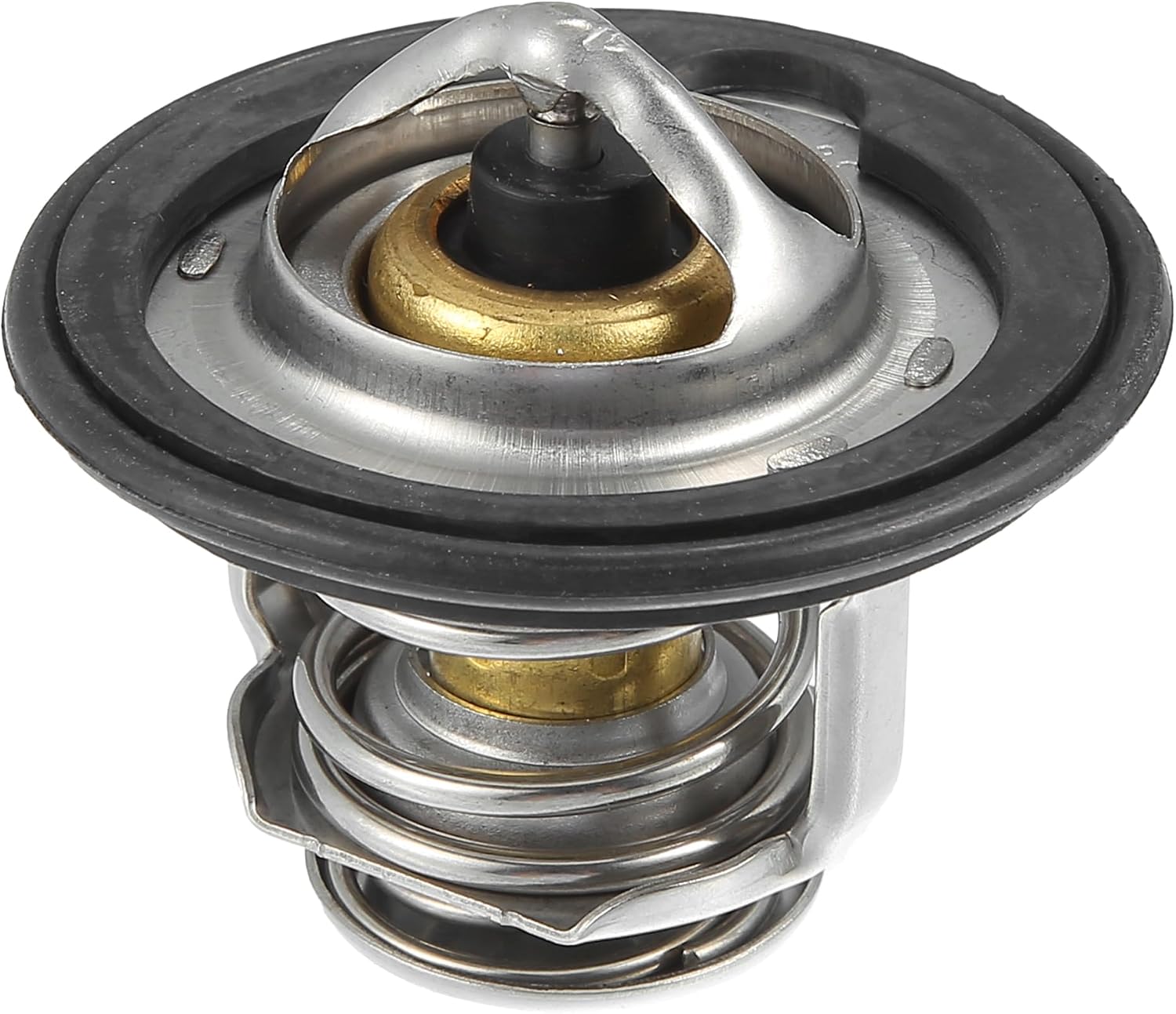
3. X AUTOHAUX Engine Coolant Thermostat Replacement for Honda Fit (2015–2020)
| Fitment | Honda Fit 2015-2020 |
|---|---|
| Material | Aluminum Rubber |
| Gasket Included | Yes |
| Position | Inner |
This X AUTOHAUX thermostat assembly replaces the factory thermostat and inlet housing on Honda Fit models from 2015 through 2020. It combines an aluminum housing with rubber seals and includes a gasket for a complete install; the manufacturer describes it as a plug-and-play replacement intended to meet original performance and prevent leaks. In normal use it cycles open and closed to route coolant through the radiator as the engine warms, helping the engine reach and hold its optimal temperature. The aluminum construction should resist cracking and thermal stress better than cheap plastic housings, and the included gasket simplifies installation for DIY mechanics. Expect straightforward fitment when the OE number matches, but remember this is an aftermarket part so finish and long-term durability may differ from factory components. Installation requires basic hand tools and some coolant drainage, and buyers should verify fitment before purchase to avoid returns.
Best for: Practical optimizers looking for a cost-effective, serviceable replacement that restores cooling function without paying for an OEM part.
Less Ideal for: Buyers who prioritize factory-original parts, extended warranty coverage, or guaranteed long-term OEM fitment should consider factory-sourced replacements instead.
- Includes gasket for a ready-to-install replacement
- Aluminum housing offers greater crack resistance than many plastic housings
- Designed to match factory function for simple plug-and-play installation
- Aftermarket part so long-term durability and exact fit may vary from factory components
Verdict: A budget-friendly, aluminum thermostat assembly that provides a straightforward replacement to restore proper cooling on Honda Fit 2015–2020 models.
4. MAXWIN Engine Coolant Thermostat (NTH-0026)

| Opening Temperature | 77°C / 170°F |
|---|---|
| Manufacturer | Maxwin Auto Parts |
| Manufacturer Part Number | NTH-0026 |
| Compatible Part Numbers | Multiple OEM part numbers listed |
This MAXWIN replacement thermostat controls coolant flow by opening at about 77°C (170°F), restoring proper engine warm-up and preventing overheating when installed as part of the cooling system. It is a basic, budget-focused factory-quality replacement intended for routine repair or preventative maintenance. Typical use is direct swap-in replacement during a cooling-system service; the unit lists multiple OEM part numbers for fitment checks and claims easy installation. The main benefits are straightforward function and an opening temperature tuned to typical gasoline engines, plus claimed OEM-level quality at a low price point. Limitations are typical of low-cost aftermarket parts: long-term durability and fitment precision can vary between vehicles, and this listing does not include extensive technical documentation or materials information. For a vehicle like the Honda Fit, expect a cost-effective way to replace a failed thermostat, but plan to verify fitment before purchase and consider replacing related coolant hoses or the sensor if they show wear.
Best for: Budget-conscious owners seeking an affordable, no-frills replacement thermostat to restore normal cooling performance and avoid tow or overheating issues.
Less Ideal for: Drivers wanting guaranteed long-term OEM-level longevity or who prefer thermostats with extensive material specs, extended testing data, or performance-tuned opening temperatures.
- Opens at 77°C (170°F) matching typical engine temperature control needs.
- Marketed to meet or exceed factory-quality standards for straightforward replacement.
- Compact, simple design for direct swap-in installation during routine cooling system service.
- Lists multiple OEM part numbers to help confirm vehicle fitment.
- Manufacturer information on long-term durability and materials is limited in the listing.
- Fitment must be confirmed carefully since compatibility varies by engine and year.
Verdict: A low-cost, factory-quality replacement thermostat that works as an economical fix for a failed thermostat if you confirm fitment for your Honda Fit.
5. MotoRad 636-170 Integrated Thermostat Housing Assembly (170°F)

| Part number | 636-170 |
|---|---|
| Opening temperature | 170 Degrees |
| Manufacturer | Motorad |
| OEM cross-reference | 19301RAF003, 19301RAF004 |
This MotoRad integrated thermostat housing combines the thermostat and housing into a single replacement unit designed to restore proper engine temperature control. It installs in place of factory components and is typically used to fix overheating, a stuck thermostat, or P0128 economy code conditions. The unit is built as a direct replacement for the listed OEM part numbers and includes a painted housing with the thermostat preinstalled to simplify swap-out. For reliability-minded owners the main benefits are a factory-style fit and a consistent 170°F opening point that returns normal warm-up behavior. Installation can be straightforward for a competent DIYer, though some reviewers note the o-ring can be fussy during fitment and tight engine bays may require removing nearby components for access. This part is a practical, lower-cost alternative to dealer parts when you need to restore proper cooling function quickly, but expect typical aftermarket fitment quirks and follow correct sealing and torque procedures during installation.
Best for: A reliability-focused buyer who prioritizes restoring factory cooling behavior with a budget-friendly, direct-replacement part and prefers a straightforward repair over performance modifications.
Less Ideal for: Not a good choice for someone seeking performance thermostats with nonstandard opening temperatures or tuners who need custom cooling behavior.
- Integrated housing and thermostat simplifies replacement and reduces parts to track during installation
- Built to replace specific factory part numbers for direct-fit compatibility
- 170°F opening point restores correct engine warm-up and cooling behavior
- Painted housing offers corrosion resistance and a finished appearance
- O-ring can be difficult to seat during install which may slow the job
- May require removal of nearby components in tight engine bays for access
Verdict: A practical, reliability-focused direct-replacement thermostat housing that restores factory-temperature control at a lower cost than dealer parts, with minor fitment fiddliness possible during installation.
6. Honda Genuine Thermostat Assembly 19301-RNA-315

| Manufacturer | Honda |
|---|---|
| Manufacturer Part Number | 19301-RNA-315 |
| Voltage | 12 Volts |
| Item model number | 19301-RNA-315 |
This is the genuine Honda thermostat assembly intended as a direct replacement for the factory unit. It installs in place of a failed thermostat to restore correct coolant flow and normal operating temperature, which can clear temperature-related engine codes and improve fuel economy. As a factory-quality part it matches the original fit and function, so installation is straightforward for anyone following service instructions and most bolt-in replacements will not require modification. The package lists a 12 volt rating and the part is explicitly marketed as a Honda manufacturer part number 19301-RNA-315. Practical benefits include long-term durability and predictable thermostat opening temperature that returns the cooling system to OEM behavior. The main limitation is that this is a straight replacement rather than a performance or adjustable thermostat, so it will not change operating temperature for tuning purposes. Also buyers should ensure they select the correct Honda Fit engine year and variant before ordering.
Best for: Buyers prioritizing convenience and reliability who want a no-fuss, factory replacement to fix cooling issues and return their Honda Fit to factory temperature behavior.
Less Ideal for: Drivers looking to alter engine operating temperature for performance or economy tuning or those needing a universal or aftermarket adjustable thermostat should look elsewhere.
- Factory-quality replacement that matches original fit and function
- Direct swap design keeps installation simple for routine maintenance
- Durable OEM construction aimed at long service life
- Restores correct operating temperature and can resolve temperature-related fault codes
- Not adjustable or performance-oriented for altered thermostat temperatures
- Requires correct engine/year fitment check before purchase
Verdict: A straightforward factory replacement thermostat for owners who want an easy, reliable fix to restore proper cooling system operation in their Honda Fit.
7. ROVIKE Engine Thermostat (replaces 19301‑PAA‑306) for Honda/Acura

| Included Components | Engine Thermostat |
|---|---|
| Manufacturer | ROVIKE |
| Item model number | 19301-PAA-306 |
| OEM Part Number | 19301-PAA-306, 19301-PLC-315, 19301RNA315 |
This ROVIKE replacement thermostat is a straightforward direct-replacement unit meant to restore proper coolant flow and engine temperature control on compatible Honda models. It is typically used when a failing thermostat causes overheating, running too cool, or triggers temperature-related fault codes. The listing identifies it as replacing several Honda part numbers and states the part is inspected and tested before shipment, which is helpful for buyers who want a low-risk repair. Installation is the same process as a factory thermostat but can be fiddly on some late-model engines where access is limited. Buyers report it fits common Civic and Integra applications and that it functions like the original when the correct part number is selected. However, there are occasional reports of defective units and some fitment confusion for specific Accord and Civic years, so verify the part number and vehicle fit before ordering. Expect a basic, no-frills thermostat that reinstates normal cooling operation at a budget-friendly price but without the backing of a factory-branded part.
Best for: Risk-averse mainstream buyers who prefer a tested aftermarket replacement to restore normal engine temperature control without the premium of a dealer part.
Less Ideal for: People who want factory-branded parts for absolute assurance or those who need a plug-and-play solution for models not explicitly confirmed by part number fitment.
- Direct replacement for part numbers including 19301-PAA-306 and related OEM references
- Described as inspected and tested prior to shipping
- Many buyers report correct fit and restored temperature control
- Compact, simple design makes it a quick swap for experienced DIYers
- Some customers reported defective units that did not resolve their temperature issue
- Fitment is not universal across all model years and has caused confusion for certain Accords and Civics
- Installation can be difficult on engines with limited access, increasing labor time
Verdict: A budget-friendly, tested aftermarket thermostat that restores normal cooling for compatible Honda models if you confirm the correct part number before ordering.
Choosing the Right Honda Fit Thermostat: Key Factors to Consider
Fitment and Compatibility
Accurate fitment is essential because the thermostat must match the housing, bolt pattern, and inlet/outlet alignment on the Honda Fit. A correct physical match avoids leaks, improper sealing, and installation headaches.
Compatibility also includes the thermostat's diameter, flange shape, and how it seats in the housing. Even small mismatches can cause poor sealing or restrict coolant flow, so confirm the unit is specified for the exact model year and engine variant. Consider whether the replacement lists a compatible part number or provides clear dimensional specs to verify fit before purchase.
Opening Temperature
The thermostat opening temperature determines when coolant begins circulating through the radiator and thus affects engine warm-up and operating temperature. Choosing a unit with the correct calibrated opening temperature helps maintain intended engine efficiency and emissions control.
If the thermostat opens too early the engine may run cold, increasing wear and reducing cabin heat. If it opens too late you risk overheating and thermal stress. Look for parts that specify the thermostat opening temperature and tolerance so you can match the vehicle's factory specification.
Flow Characteristics and Valve Design
How the valve and bypass passages are designed affects coolant flow at different engine speeds and loads. A well-designed valve provides smooth transition from closed to open and avoids flow restriction that could trap heat in the engine block.
Consider whether the thermostat includes a bypass or calibrated spring tension that promotes appropriate flow as the valve opens. Uniform, predictable flow behavior is important for consistent engine temperatures and to avoid hotspots during heavy use or idling.
Materials and Corrosion Resistance
Thermostats operate in a corrosive coolant environment, so materials matter for longevity. Metals that resist corrosion and degradation under antifreeze exposure reduce the chance of sticking or premature failure.
Check for stainless steel or treated components, durable seals, and heat-resistant materials for the valve and housing interface. Better materials also help maintain calibration and mechanical integrity through many thermal cycles, which reduces the frequency of replacement.
Sealing and Gasket Quality
A reliable seal between the thermostat and housing prevents coolant leaks and air ingress, both of which can cause overheating or reduced heater performance. The gasket or O-ring design must match the housing surface finish and bolt pattern to ensure a uniform seal.
Inspect the quality and type of gasket material specified and whether the part includes a preformed seal. A robust seal reduces the chance of a thermostat housing seal leak and minimizes the need for re-torquing or additional sealant during installation.
Ease of Installation and Serviceability
Thermostat replacement can be a moderate DIY job, so ease of installation affects time and cost. Consider whether the part comes as a complete kit with gasket, O-ring, and any necessary hardware to avoid multiple trips to source missing components.
Also evaluate whether the design allows straightforward access in the engine bay, if the unit requires special tools to seat correctly, and whether the instructions include torque specs and bleed procedures. Parts that simplify installation reduce downtime and the risk of installation-related issues.
How We Chose the Best Honda Fit Thermostat
We focused on selecting thermostats that match Honda Fit-specific fitment and performance needs. Key filters included precise OEM or OEM-equivalent fitment dimensions, compatible housing sealing interfaces, and correct opening temperature specifications for the engine cooling system. We also evaluated valve and spring design that influence coolant flow, materials and corrosion resistance for long-term durability, and the ease of installation including bolt pattern and gasket requirements.Products with ambiguous fitment data, missing temperature calibration specs, or poor sealing details were excluded. We prioritized parts with clear engineering specifications and commonly recommended opening temperatures for the Honda Fit engine. Finally, we considered reported longevity and whether the unit maintains consistent operation under typical driving conditions rather than one-off performance claims.
Our full evaluation process is outlined in our review methodology.
FAQ
What are common thermostat symptoms overheating in a Honda Fit?
Typical signs include the temperature gauge rising into the hot zone, frequent coolant boil-over in severe cases, or the heater producing little heat when the engine is warm. Owners may also notice erratic temperature gauge behavior or coolant leakage near the thermostat housing. These symptoms often indicate restricted coolant flow or a thermostat that failed to open properly.
How to test a thermostat on a Honda Fit at home?
A simple test is to monitor the engine temperature from cold start and watch whether the upper radiator hose stays cool until the engine reaches normal operating temperature, then warms as the thermostat opens. A more direct method is removing the thermostat and placing it in boiling water to observe whether the valve opens at the rated temperature, but this requires the correct opening temperature spec. Exercise care and consult repair guidance to avoid burns or damage.
Can a bad thermostat cause the engine running cold thermostat stuck open?
Yes, if the valve is stuck open the engine may struggle to reach normal operating temperature, causing increased fuel use and reduced heater output. This condition usually results from a failed valve or weakened spring that cannot hold the thermostat closed until the correct temperature is reached. Diagnosing the root cause helps determine whether replacement or addressing cooling system issues is needed.
What should I look for regarding thermostat housing seal leak?
Inspect the mating surfaces for corrosion, check that the gasket or O-ring is present and undamaged, and verify bolts are torqued to specification. A leaking seal can come from a warped housing surface, degraded gasket material, or improper seating during installation. Replacing the gasket and ensuring clean, flat surfaces often resolves minor leaks.
Does thermostat part number fitment matter for a Honda Fit?
Yes, using a thermostat part number specified for the Honda Fit ensures physical compatibility and correct operating temperature. Part numbers help confirm flange dimensions, bolt patterns, and sealing interfaces. When in doubt, compare dimensions and opening temperature to the vehicle's factory specification rather than relying solely on generic listings.
How long does a thermostat typically last in normal use?
Thermostat lifespan varies widely with materials, coolant quality, and driving conditions, but they often last many years under normal use. Corrosive coolants, frequent thermal cycling, or manufacturing defects can shorten life. Regular cooling system maintenance and using recommended coolant can extend service intervals and reduce premature failures.
Conclusion
Choosing the right Honda Fit thermostat means balancing accurate fitment, correct opening temperature, and reliable sealing. Prioritize parts that list clear dimensional specs, the proper calibration for your engine, and durable materials to reduce the chance of leaks or sticking.Remember that installation quality and a good gasket are as important as the thermostat itself. Focus on components that simplify service and match factory specifications to maintain proper engine temperature and long-term reliability.
Explore More:
- Check out all Honda Fit parts & accessories
- Explore Thermostats Maintenance & Repair Guides
- Explore Cooling System
- Browse all Auto Parts
