

Note: This article contains affiliate links. If you click on these links and make a purchase, I may earn a small commission at no extra cost to you. This helps support my research and content. Read my full affiliate disclosure here.
If you drive a Ford Ranger Single Cab, the right seat covers can protect factory upholstery from daily wear, spills, pet hair, and UV damage while keeping the cabin comfortable and tidy. Because the single-cab layout has limited seating and specific contours, fit and material choice matter more than on larger cabs.This guide groups five top options that balance fit, durability, and cleanability for Ranger Single Cab owners. We focus on how each style performs for common use cases—work duty, family duty, pet transport, and long-term protection—and explain the criteria used to shortlist these picks. Read on for practical guidance that helps you choose covers that match how you use your truck.
Looking for other parts? See all Ford Ranger parts & accessories.
Top Picks at a Glance
| Best Overall Seat Covers The best all-around seat covers balancing fit, durability, and style | NLQR 2-Piece Front 60/40 High-Back Bench Seat Covers for Ford Ranger (1998–2003) |  |
| Best Budget Seat Covers An affordable option that protects seats without breaking the bank | runfider 60/40 Cloth High-Back Front Bench Seat Cover for Ford Ranger XLT (1998–2003) |  |
| Best Premium Seat Covers Higher-end materials and finish for a refined, long-lasting upgrade | Totally Covers 60/40 Split Bench Wetland Camo Seat Covers for 1998–2003 Ford Ranger/Mazda B-Series |  |
| Best Custom-Fit Seat Covers Tailored covers designed to match seat contours for a precise fit | SAPUBK Custom-Fit Front Seat Covers for 1998–2003 Ford Ranger 60/40 High Back Seats |  |
| Best Waterproof Seat Covers Moistureproof protection to guard seats from spills and wet gear | RealSeatCovers Neoprene Front 60/40 Bench Seat Cover for 1998–2001 Ford Ranger (Gray/Black) |  |
1. NLQR 2-Piece Front 60/40 High-Back Bench Seat Covers for Ford Ranger (1998–2003)
Best Overall Seat Covers

| Fit Type | Custom Fit |
|---|---|
| Special Features | Machine Washable, Easy Install |
| Seat Cover Placement | Front |
| Material Type | Polycotton |
These NLQR front seat covers are designed specifically for the 60/40 high-back bench in 1998–2003 Ford Ranger single cabs and provide an easy way to hide worn upholstery while adding everyday protection. The slip-on design installs in about 10 minutes with elastic straps and underside hooks, and the integrated headrest covers keep the look cohesive while preserving seat belt access and the fold-down armrest cutout on the driver side. Made of a breathable polycotton blend, the covers are comfortable for year-round use, machine washable, and show reasonable resistance to fading and light abrasion from boots, pets, and tools. Because they are a non-permanent slip-on solution, fit is close to vehicle-specific but not as tight as full replacement upholstery, so very large spills or heavy abrasion over time will still wear the original seat beneath. For owners who want a quick, affordable interior refresh with practical protection and easy cleaning, these covers hit the right balance of comfort, durability, and convenience.
Best for: Buyers who want an affordable, easy-to-install way to refresh and protect the factory bench seats on a 1998–2003 Ranger single cab while keeping comfort and year-round breathability.
Less Ideal for: Drivers seeking a factory-quality, molded replacement or heavy-duty waterproof protection should consider tailored upholstery or heavier industrial-grade covers instead.
- Vehicle-specific 60/40 bench cut for Ford Ranger 1998–2003 ensures a closer fit than universal covers
- Breathable polycotton fabric that is soft to the touch and machine washable for easy maintenance
- Quick slip-on installation with elastic straps and hooks requires no tools or seat removal
- Includes integrated headrest covers and preserves seat belt access and driver armrest cutout
- Slip-on style is not as form-fitting as full replacement upholstery and can shift under heavy use
Verdict: The best all-around seat covers for most buyers, offering a strong balance of fit, durability, comfort, and appearance for everyday vehicle use.
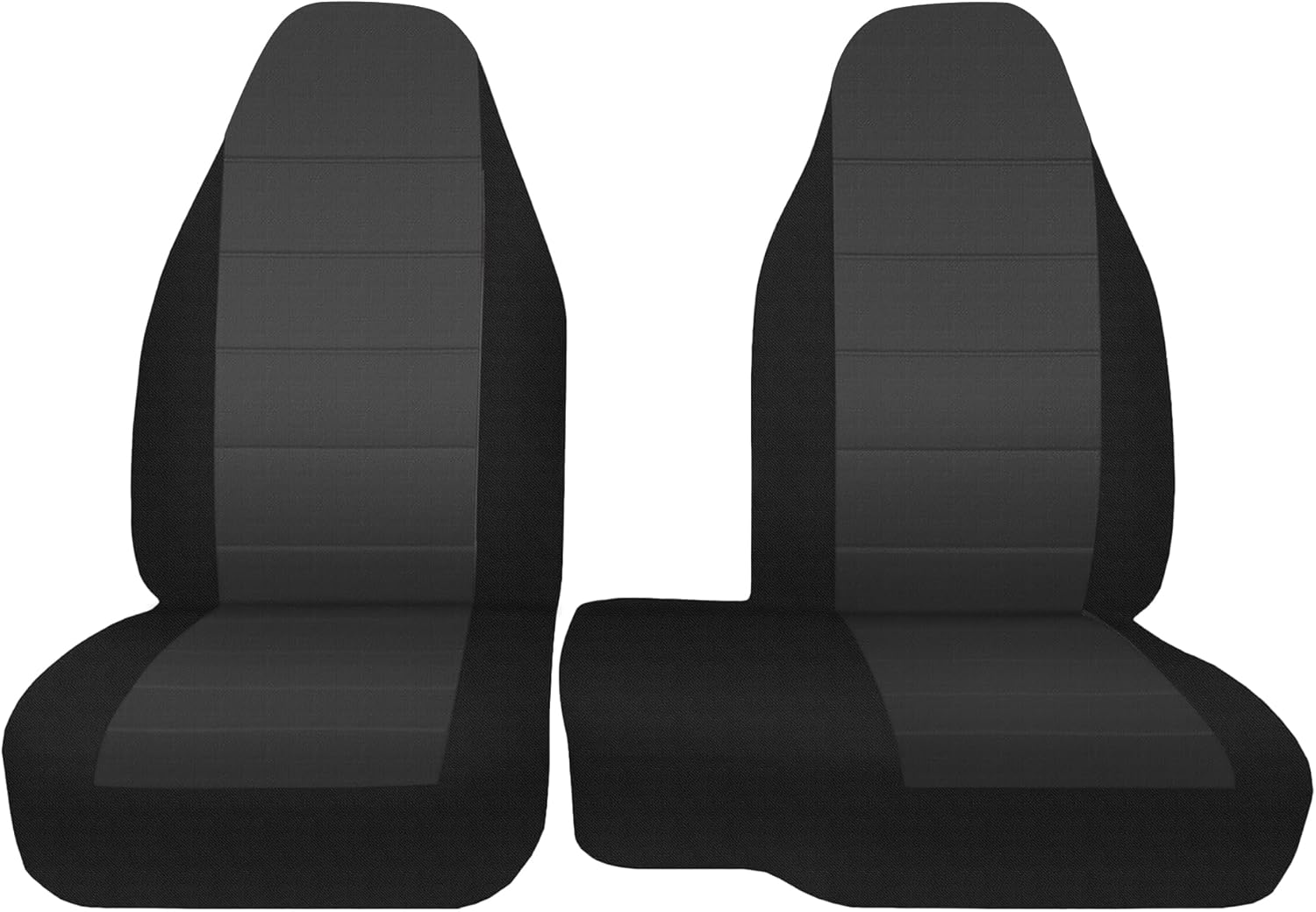
2. runfider 60/40 Cloth High-Back Front Bench Seat Cover for Ford Ranger XLT (1998–2003)
Best Budget Seat Covers
| Fit Type | Custom Fit |
|---|---|
| Seat Cover Placement | Front Bench Seat |
| Material Type | Polyester |
| Target Audience | Ford Ranger XLT Front (1998-2003) |
These runfider seat covers provide an inexpensive, vehicle-specific way to protect the 60/40 high-back front bench in a 1998–2003 Ford Ranger XLT. Made from polyester and sold as a two-piece set, the covers slip over the seats and secure with an elastic band at the base so installation is quick and tool-free; the listing includes instructions and seller support if you need help. The custom-fit labeling and cutout styling mean a much cleaner look than universal covers, and the black cloth hides everyday dirt and wear. Because the covers compress for shipping, expect creases to smooth out after a few minutes to hours once unpacked. These are protective covers, not heavy-duty upholstery replacements, so they are best for everyday protection against spills, pet fur, and light abrasion rather than heavy commercial use. For buyers focused on keeping costs low while maintaining a near-fit for a single-cab Ranger, this set delivers straightforward coverage and easy maintenance, with modest durability consistent with budget polyester construction.
Best for: Shoppers on a tight budget who want inexpensive, vehicle-specific seat protection for occasional to daily driving and prefer an easy, no-tools install.
Less Ideal for: Do not choose this if you need heavy-duty, long-lasting upholstery for commercial work trucks or want premium materials and padding for frequent heavy use.
- Vehicle-specific cut tailored for 1998–2003 Ford Ranger XLT front 60/40 bench for a neater fit than universal covers
- Simple elastic-base installation makes fitting and removal fast and tool-free
- Polyester cloth in black conceals stains and is easy to clean for everyday protection
- Sold as a two-piece set so both seat sections are covered consistently
- Polyester budget fabric is less durable than heavy-duty or padded aftermarket upholstery and will show wear sooner
Verdict: The best low-cost seat covers for shoppers prioritizing price who still want decent protection, acceptable fit, and reasonable durability for light-to-moderate use.
3. Totally Covers 60/40 Split Bench Wetland Camo Seat Covers for 1998–2003 Ford Ranger/Mazda B-Series
Best Premium Seat Covers

| Fit Type | Custom Fit |
|---|---|
| Automotive Fit Type | Vehicle Specific Fit |
| Material Type | Cotton |
| Auto Part Position | Front |
These Totally Covers seat covers are a vehicle-specific, 60/40 split bench set made in a wetland camouflage cotton construction with foam padding and three-layered build for added durability. They slip over the factory seats to protect against wear and stains while adding a camo styling that suits outdoor or hunting-oriented rigs. The included console cover fits trucks with a center armrest and cup holders, and the covers are machine washable on a cold cycle for easy maintenance. Because they are listed as custom fit for the 1998–2003 Ranger/B-Series, installation is straightforward compared with universal covers and the foam padding improves comfort on long drives. Limitations include the cotton material, which is less water-resistant than neoprene or synthetic blends favored for heavy-duty outdoor use, and styling that prioritizes camo aesthetics over a refined, luxury look. Buyers seeking a softer hand, heavier weather protection, or luxury-grade stitching may want to consider other premium options, but these covers deliver durable, washable protection with a strong outdoors-oriented design.
Best for: Buyers who prioritize a durable, washable, vehicle-specific cover with outdoors-oriented styling and added comfort for regular use and recreational outings.
Less Ideal for: Those seeking high-end luxury finishes, heavy weatherproofing, or a more formal interior aesthetic should consider premium synthetic or leather alternatives.
- Vehicle-specific 60/40 split bench fit for 1998–2003 Ford Ranger and Mazda B-Series ensures simpler installation and a neater appearance
- Three-layer construction with foam padding adds seat protection and extra comfort on long drives
- Machine washable on a cold cycle for easy cleaning and maintenance
- Includes center console/armrest cover adapted for cup holders for a cohesive look
- Cotton material offers less water and stain resistance than synthetic premium fabrics
- Camo styling favors outdoors aesthetics over a refined, upscale interior appearance
Verdict: The best premium seat covers for buyers willing to pay more for top-quality materials, superior stitching, refined aesthetics, and longer-lasting wear.
4. SAPUBK Custom-Fit Front Seat Covers for 1998–2003 Ford Ranger 60/40 High Back Seats
Best Custom-Fit Seat Covers

| Fit Type | Custom Fit |
|---|---|
| Seat Cover Placement | Driver's Seat |
| Material Type | Foam, Knitted Fabric, Polycotton |
| Special Features | Extra Comfort and Snug Fit with Foam Backing |
These SAPUBK front seat covers are tailored for 1998–2003 Ford Ranger 60/40 high back seats and aim to deliver a close, factory-like fit. Constructed with a breathable knitted fabric outer layer and a composite soft foam lining, they provide extra cushioning and improved comfort for daily driving. The covers use reinforced stitching, hooks, and elastic bands for a snug installation that follows the seat shape and keeps cutouts aligned with common seat features. Practical benefits include better protection from dirt, spills, pet claws, and UV exposure, plus the ability to machine wash and dry for easy maintenance. Because they are vehicle specific, the fit is much tighter than universal covers, reducing shifting and bunching. Limitations are modest: the listing targets the front seats only and does not replace a center console, and fit accuracy can vary slightly depending on aftermarket seat options or heavy wear to original upholstery. Expect a noticeable comfort boost and a near-stock appearance when installed on correctly configured Ranger seats.
Best for: Buyers who want near-factory fit and finish for a Ford Ranger Single Cab and prioritize accurate contours, secure attachment, and a comfortable, protective seat cover that looks integrated.
Less Ideal for: Drivers seeking a full interior revamp that includes console and rear seat coverage or those with heavily modified seats where factory cutouts no longer match.
- Custom-fit design tailored for 1998–2003 Ford Ranger 60/40 high back seats for a close, contoured fit
- Breathable knitted fabric outer layer helps keep seats cooler in warm weather
- Composite soft foam lining adds cushioning for daily driving comfort
- Reinforced stitching and fastening system (hooks and elastic bands) improve durability and reduce shifting
- Machine-washable and easy to clean for regular maintenance
- Front set excludes a center console so it will not cover consoles or replace console-specific pieces
Verdict: The best custom-fit seat covers for users wanting a near-factory fit and finish, with accurate contours and cutouts for original seat features.
5. RealSeatCovers Neoprene Front 60/40 Bench Seat Cover for 1998–2001 Ford Ranger (Gray/Black)
Best Waterproof Seat Covers

| Fit Type | Custom Fit |
|---|---|
| Seat Cover Protection Level | Waterproof |
| Seat Cover Placement | Front Seat |
| Material Type | Neoprene |
This neoprene seat cover is tailored for the 60/40 front bench of 1998–2001 Ford Rangers and is designed to keep seats dry and resist stains from wet or messy cargo. It installs over the high-back seats with cut and shaping aimed at an exact fit for the driver-side wider bottom and center armrest configuration. The material is automotive-grade neoprene with pre-applied Scotchgard for added stain resistance and a padded feel that improves comfort and durability. In practice the waterproof construction makes cleaning quick—wipe off spills or hosedown light messes—and the custom shaping keeps the cover from bunching during entry and exit. Because it is a vehicle-specific fit for the Ranger bench, alignment around the armrest and seat contours is better than universal covers. Limitations include the single-count kit that covers the front bench only and may require some trimming or adjustment for aftermarket accessories or seat-mounted hardware. Expect a snug, protected fit most useful for trucks used for outdoor work, gear hauls, or transporting damp items.
Best for: Drivers who regularly haul wet or dirty gear and want a reliable, easy-to-clean waterproof cover specifically fitted to the Ranger front 60/40 bench.
Less Ideal for: Buyers seeking full-cab coverage or those who prefer a universal, multi-vehicle cover that fits many different seat types.
- Vehicle-specific cut tailored to the 60/40 high-back bench for a neater fit around the armrest
- Automotive-grade neoprene material provides waterproof protection against spills and moisture
- Pre-treated with Scotchgard stain protector for easier cleaning and stain resistance
- Padded construction adds comfort and improved durability over thin universal covers
- Sold as a single front-bench kit only, so rear seats are not covered
- May need minor trimming or adjustments to clear aftermarket seat accessories or hardware
Verdict: The best waterproof seat covers for people who regularly transport wet or messy items and need reliable, easy-to-clean moisture protection.
Choosing the Right Ford Ranger Single Cab Seat Covers: Key Factors to Consider
Fit and Seat Profile Compatibility
A precise fit is critical in a Single Cab where seat width and backrest contours differ from wider cab variants. Good fit reduces bunching, maintains access to adjustment levers, and prevents the cover from shifting when you slide in and out.
Look for covers that reference single-cab or provide templates and adjustable anchors. Elastic edges, integrated straps, and non-slip backing all help maintain alignment. Poor fit can trap dirt in folds, accelerate material wear at stress points, and interfere with seat-mounted accessories.
Material and Durability
Material choice determines how well covers resist abrasion, punctures, and UV fading in daily truck use. Heavy-duty woven fabrics and reinforced synthetic leathers usually handle tool belts, work boots, and pet claws better than thinner textiles.
Examine fabric weight, stitch quality, and whether seams are double-stitched at high-stress areas. Materials with water resistance or a waterproof backing extend protection against spills and wet gear. Durability considerations also include how the material responds to repeated cleaning and exposure to sunlight.
Water Resistance and Cleanability
Trucks often carry wet gear, muddy boots, and food or drink, making liquid resistance essential. Waterproof or water-resistant covers prevent fluids from soaking into the factory upholstery and simplify post-use cleanup.
Consider how the cover's surface sheds liquids, whether it has sealed seams, and if the backing prevents liquid migration. Also factor in maintenance: machine-washable covers or those that wipe clean with a damp cloth are easier to keep sanitary, particularly if you transport pets or children frequently.
Attachment System and Stability
A reliable attachment system preserves fit and prevents migration during entry, exit, and seat adjustment. Common systems include seat anchors, straps with buckles, elastic hems, and under-seat straps that anchor to the frame.
Strong anchors and well-placed straps reduce slippage and minimize tension on seams. For a Single Cab with limited anchoring points, covers with integrated backing and non-slip materials help keep everything in place without complex installation.
Comfort and Breathability
Comfort matters when you spend long hours on the road. Breathable fabrics reduce sweat and heat buildup in warm conditions, while added foam or quilted padding can increase comfort on rough roads.
Balance thickness and breathability: thick pads provide cushioning but may trap heat, whereas mesh-backed or perforated materials improve airflow. Evaluate whether the cover affects seat heating or cooling features if your vehicle has those systems.
Functionality and Feature Compatibility
Think about how the covers interact with seat features you rely on, such as seat belts, armrests, storage pockets, and headrests. Properly designed covers leave access to anchors, adjustment levers, and any integrated safety features.
Also consider extras like seat-back storage pockets, fold-down armrest accommodations, and reinforced zones for pet claws or heavy-duty use. These functional elements make a cover more useful day to day and reduce the temptation to remove it for access.
Comparing Universal Versus Custom Options
Universal covers are typically less expensive and designed to stretch across a range of seat shapes, whereas custom-oriented patterns are cut to match the Ford Ranger Single Cab's dimensions more closely. For a Single Cab, the smaller seat surface makes fit differences more apparent, so universal covers may require more adjustment to avoid wrinkles or interference with seat controls.
Custom-cut covers often use measured templates and provide a cleaner appearance with fewer loose areas. However, they can cost more and may have longer lead times. If you use your Ranger for heavy work, a cover that hugs the seat minimizes dirt traps and reduces abrasion from shifting fabric.
- Universal covers: broader fit, easier to source, may need trimming or additional anchors
- Custom-oriented patterns: better fit, neater look, fewer pressure points
- Consider your use: work trucks benefit from tighter-fitting patterns that minimize fabric movement
Protecting Seats From Spills and Pet Messes
Water-resistant surfaces and sealed backing are the most important features when you need to protect car seats from spills or transport pets. Look for covers that combine a wipeable top layer with a waterproof liner that prevents liquids from soaking through to the original upholstery.
If you frequently carry pets, reinforcement at the corners and along the seams helps resist claw damage. Pair covers with washable seat-back protectors and consider models that are easy to remove and launder after heavy use.
- Waterproof top layer and backing for spill protection
- Reinforced seams and abrasion-resistant panels for pet use
- Machine-washable or wipe-clean surfaces for ease of maintenance
Installation Tips for Front Seat Covers
Plan a simple, stepwise installation to avoid frustration. Start by slipping the cover over the seatback, align headrest openings, feed anchors into the seat creases, and tension straps under the seat. Use the manufacturer-recommended order to ensure straps are not crossed and anchors sit flat.
If the cover includes an integrated headrest cover, check that the headrest retention mechanism still functions. For Single Cab layouts where space behind the seat is limited, tuck excess material into seat creases and use non-slip pads to prevent bunching during use.
- Follow a set order: backrest, seat base, straps, then final adjustments
- Use non-slip pads or additional anchors if the cover shifts during entry
- Avoid overtightening straps that can distort seat contours
Choosing Materials: Leather-Like Vs Fabric Options
Leather-style materials offer a neat look and wipe-clean convenience but can become hot in direct sun unless ventilated. High-quality synthetic leather resists stains and is easy to maintain, which is useful for a work truck or pet transport. Fabric options typically breathe better and can be more comfortable in varying temperatures.
Think about how the truck is used. For a vehicle exposed to dirt, oil, and heavy boots, a durable synthetic leather or heavy woven fabric with a waterproof backing often offers the best balance of protection and serviceability.
- Synthetic leather: wipe-clean, neat appearance, may retain heat
- Woven fabric: better breathability, often more comfortable for long drives
- Hybrid constructions: offer reinforced panels with breathable centers for balanced performance
Still looking for the perfect fit?
Select your Ford Ranger configuration to see the most relevant Seat Covers recommendations
How We Chose the Best Ford Ranger Single Cab Seat Covers
We evaluated options using practical, vehicle-focused criteria that reflect real-world use by Ford Ranger Single Cab owners. Primary filters included fit accuracy for single-cab seat profiles and retention systems that keep covers stable during entry and exit. Material performance was assessed for abrasion resistance, liquid barrier properties, and UV resistance since these directly affect longevity in a truck used for work or outdoor activities. Comfort factors such as padding, breathability, and compatibility with factory seat features were considered to ensure daily usability. Installation complexity and available hardware were measured because many owners prefer a one-person install without seat removal. We excluded any covers that only list generic fitment for multiple cab sizes without documented Single Cab compatibility, and we discounted options that lacked clear material specifications or durable attachment systems. Final selections balance secure fit, durable materials, and straightforward installation suited to the Ford Ranger Single Cab.
Our full evaluation process is outlined in our review methodology.
FAQ
Can I keep seat-mounted safety features and airbags with seat covers installed?
Most well-designed covers leave access to seat-mounted features and airbag seams. Confirm the cover lists compatibility with seat airbags and preserves seam locations. Improperly fitted covers can interfere, so choose covers that reference safety feature compatibility.
Are universal seat covers a good fit for a Single Cab Ranger?
Universal covers can fit a Single Cab but may require adjustment and extra anchoring to avoid wrinkles. For a neater, more secure fit consider covers labeled for single-cab or with adjustable tensioning systems.
How do I clean a waterproof seat cover after a spill?
Wipe liquid off the surface as soon as possible with a clean cloth and mild soap if needed. For machine-washable covers follow care instructions; for nonwashable options use a gentle cleaner and avoid harsh solvents that could damage waterproof coatings.
Will seat covers affect seat heaters or electronics?
Some thicker or poorly designed covers can reduce heater effectiveness or impede sensors. Choose breathable materials and designs that state compatibility with seat heating and electronic adjustments to avoid performance issues.
What is the best option for transporting pets in a Single Cab?
Select covers with reinforced seams, waterproof backing, and strong attachment points to prevent shifting. Covers with textured, non-slip surfaces and claw-resistant panels reduce damage and keep animals more secure during transport.
How long should seat covers last in a work truck environment?
Lifespan varies by material and use. Heavy-duty synthetic leathers and reinforced woven fabrics typically last longer under abrasive conditions, while thin fabrics may show wear sooner. Proper installation and regular cleaning extend life.
Final Verdict
Prioritize fit and material based on how you use your Ford Ranger Single Cab. If you haul wet gear or pets regularly, prioritize water resistance and reinforced panels. If daily comfort on long drives matters, choose breathable fabrics with adequate padding.Weigh the tradeoffs between universal convenience and a custom-like fit: tighter-fitting options reduce fabric migration and increase protection, while universal choices offer wider availability and lower upfront effort. Focus on secure attachment, cleanability, and compatibility with seat features to confidently select seat covers that protect your truck's interior for years.
Explore More:
- Check out all Ford Ranger parts & accessories
- Explore Interior Accessories
- Browse all Accessories
