

Note: This article contains affiliate links. If you click on these links and make a purchase, I may earn a small commission at no extra cost to you. This helps support my research and content. Read my full affiliate disclosure here.
If you own a 1997-2003 Ford F-150 and need extra cargo space, a properly matched roof rack turns your truck into a more capable hauler. A correctly chosen roof rack keeps bulky gear off the bed, improves load organization, and reduces the need for trailer trips. For older F-150s the right fitment and mounting approach matter more than ever because of roof profiles and existing accessory points.This guide highlights seven shortlisted roof rack systems chosen for fit, load capacity, and ease of installation on the 1997-2003 Ford F-150. We outline the evaluation criteria and what to expect during installation so you can pick the best roof cargo rack for your hauling needs. Read on to compare the practical tradeoffs for everyday use and occasional heavy loads.
Looking for other parts? See all Ford F-150 parts & accessories.
Top Picks at a Glance
| Best Overall Roof Rack Balanced choice that fits most trucks and carries varied loads | ECOTRIC Adjustable Steel Roof Rack Cargo Basket with Extension |  |
| Best Budget Roof Rack Low-cost, no-frills crossbars or carrier for light regular use | Seah Hardware Universal Roof Rack Cross Bars (Pair) |  |
| Best Steel Cargo Basket Welded steel basket design for rugged loads and long trips | LT Sport Steel Roof Cargo Basket |  |
| Best Aluminum Crossbars Lightweight, corrosion-resistant bars that reduce noise and weight | Surco R3600 36" Universal Aluminum Roof Rails (pair) |  |
| Best Lockable Crossbars Crossbars with locking end caps or keyed security for gear | TeqHome 48" Universal Lockable Aluminum Roof Rack Cross Bars |  |
| Best Window‑Frame Crossbars Clamps to door frames for vehicles without factory rails or gutters | ECCPP Aluminum Roof Cross Bars 54" for Window‑Frame Clamp Mounts |  |
| Best Soft‑Pad Roof Rack System Padded, strap-based pads for kayaks, surfboards, and removable use | MeeFar Universal Soft Roof Rack Pads with Straps and Storage Bag |  |
ECOTRIC Adjustable Steel Roof Rack Cargo Basket with Extension
Best Overall Roof Rack

| Load Capacity | 250 Pounds |
|---|---|
| Is Foldable | No |
| Mounting Type | Bolt Mount,Crossbar Mount,Rails,Roof Mount,Tie Down Mount |
| Automotive Fit Type | Universal Fit |
| Material Type | Alloy Steel |
This ECOTRIC roof rack is a straightforward steel cargo basket built to carry extra luggage and outdoor gear on a truck with crossbars. The basket adjusts in length using a removable extension piece so you can trim it down for smaller roofs or extend to carry longer loads, and the included steel fairing helps deflect wind and reduce noise. It mounts to existing crossbars or roof rails with U-bolts and simple hardware, so installation is a matter of positioning, tightening four mounts, and sealing vulnerable joints if you want longer life. The high-strength alloy steel frame and powder coating give it good stiffness for weekend hauling, but the finish and tack-welded joints on some units are thin and can show chipped paint or surface rust unless you touch them up. Assembly is segmented for compact storage, but you should expect to do some prep work like sealing seams or repainting for heavy outdoor use. For a budget-conscious aftermarket basket it balances capacity and convenience, but it is not a lifetime, corrosion-proof solution.
Best for: Buyers looking for a practical, budget-friendly roof basket that expands a Ford F-150s cargo capacity for trips and weekend projects and who prioritize easy mounting and adjustable length.
Less Ideal for: Those who need a corrosion-proof, heavy commercial rack or a factory-quality lifetime solution should consider higher-end welded baskets or purpose-built truck bed systems instead.
- Adjustable length with removable extension for flexible load sizes
- Mounts to crossbars and roof rails with common U-bolt hardware for easy installation
- Included steel fairing reduces wind resistance and audible wind noise
- Segmented construction disassembles for easier storage and transport
- Powder coat and weld quality can be inconsistent leading to chips and early surface rust
- Some units arrive with cosmetic dents or bent sections requiring minor repairs
Verdict: The all-purpose pick for readers who want a reliable, well-built roof rack that balances load capacity, fitment options, and ease of installation.
Seah Hardware Universal Roof Rack Cross Bars (Pair)
Best Budget Roof Rack

| Load Capacity | 170 LBS |
|---|---|
| Compatible with Vehicle Type | Car |
| Mounting Type | tie down |
| Material Type | Carbon Steel |
These Seah Hardware crossbars are a budget-minded way to add a temporary roof rack to a four-door vehicle without factory rails. The kit includes two 48-inch steel tubes, adjustable mounting hooks, ratchet webbing, and basic fasteners so you strap items like ladders, kayaks, or plywood directly to the roof using the door-frame tie system. Installation is straightforward and most buyers can fit and tension the straps in minutes; the ratchet built into the webbing helps keep loads secure on short trips. Practical benefits are the low price, compact storage when not in use, and a 170 pound load rating for light-to-moderate cargo. Expect compromises: some plastic components and low-cost screws can feel flimsy, fitment may require minor adjustment or drilling on imperfectly manufactured tubes, and the straps cross the door seals so water intrusion and wind noise are possible. For occasional hauling it delivers solid value, but it is not a long-term heavy-duty replacement for permanent racks or truck-specific systems.
Best for: Buyers who want a very affordable, removable roof rack for occasional hauling and who prioritize simple installation and storage over heavy-duty longevity.
Less Ideal for: Avoid this if you need a permanent, heavy-load roof system or want a rack that will be regularly exposed to high-speed highway use and harsh weather.
- Low-cost, complete kit with crossbars, straps, and fasteners ready to install
- 48-inch steel crossbars provide a stable platform for ladders, kayaks, or plywood
- Integrated ratchet straps help secure loads quickly without extra hardware
- Adjustable hook positions let you fit most four-door cars without side rails
- Compact and removable for easy storage when not in use
- Strap routing over door seals can cause wind noise and some water leakage
- Some hardware and plastic mounts are low quality and may require careful handling
- Manufacturing inconsistencies reported that can need minor modification to fit correctly
Verdict: Choose this slot if you need an inexpensive, functional roof rack solution for occasional cargo without spending on heavy-duty features.
LT Sport Steel Roof Cargo Basket
Best Steel Cargo Basket

| Compatible with Vehicle Type | Car |
|---|---|
| Is Foldable | No |
| Mounting Type | Crossbar Mount,Roof Mount |
| Automotive Fit Type | Universal Fit |
| Material Type | Alloy Steel, Metal |
The LT Sport Steel Roof Cargo Basket is a crossbar-mounted carrier built from alloy steel to hold bulky items for camping, travel, or work gear. It attaches to roof crossbars and spreads load across the basket platform, so you can strap tents, coolers, and odd-shaped cargo rather than cramming everything inside the cab. Notable features include a full metal mesh floor and raised sides to help keep items from shifting and clamp-style mounting hardware for most aftermarket crossbars. In practice it delivers a robust feel and visual rigidity suited to rougher use, but assembly and installation require attention since instructions and some small parts may be unclear or missing. A few buyers replaced the supplied nuts with locking hardware to prevent loosening on long drives. It is not foldable, so it stays fixed on the roof when installed and adds permanent aerodynamic drag and wind noise compared with a low-profile basket or cargo box.
Best for: Buyers who need a rugged steel basket to carry bulky, heavy equipment on a truck with aftermarket crossbars and prioritize load security over low-profile styling.
Less Ideal for: Drivers seeking a low-drag, removable solution or those without sturdy crossbars should consider a low-profile basket or cargo box instead.
- Alloy steel construction provides strong, deformation-resistant platform for heavy loads
- Raised sides and mesh floor help secure irregular cargo and allow drainage
- Universal crossbar clamp mounting fits common aftermarket roof racks
- Large footprint offers significant cargo capacity for trips and gear
- Solid visual rigidity that stands up to rough use when properly installed
- Installation instructions and included hardware can be incomplete or may require replacing non-locking nuts
Verdict: This label is for buyers who prioritize a heavy-duty steel basket that resists deformation and secures bulky gear for rough use.
Surco R3600 36" Universal Aluminum Roof Rails (pair)
Best Aluminum Crossbars
| Manufacturer | Surco |
|---|---|
| Model | R3600 |
| Length | 36 inches |
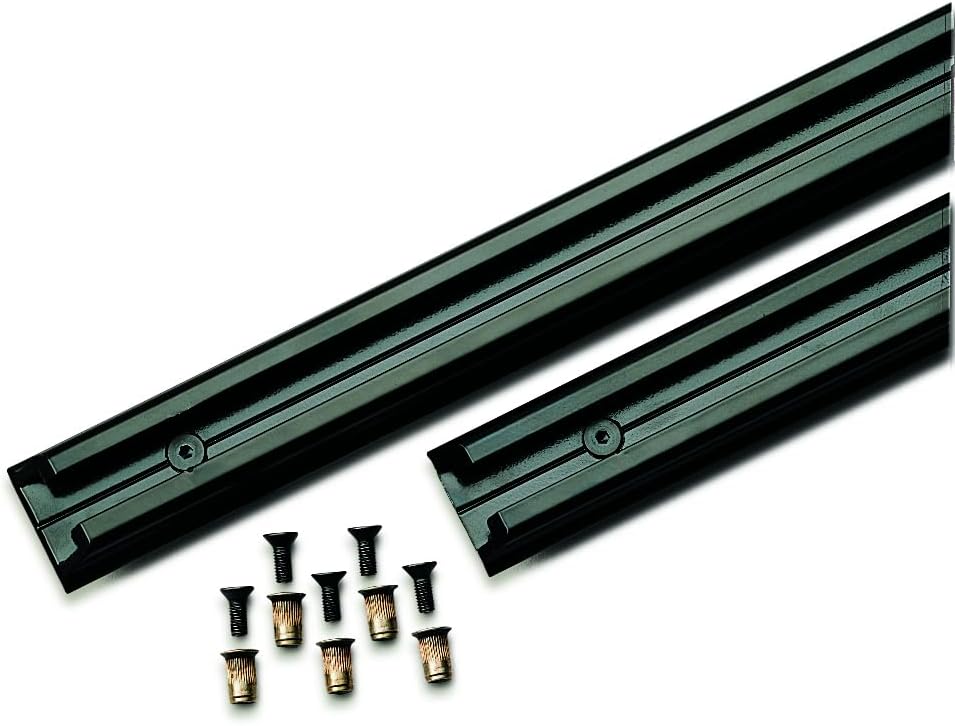
The Surco R3600 rails are a straightforward way to create anchor points for an aftermarket roof rack on trucks and SUVs that did not come with factory rails. Each 36-inch aluminum rail is powder-coated for corrosion resistance and installs using threaded inserts and screws that require drilling into the roof. In practice these rails give you a rigid, low-weight mounting option you can combine with crossbars or Surco adapters to carry cargo boxes, bikes, or light gear. They are made in the United States and feel durable once fitted, but installation is invasive and needs careful measurement and sealing to prevent leaks. Hardware and rivnut inserts are included with some kits, though recent buyer reports note occasional missing parts on delivery, so verify contents before you start. Also the straight, rigid profile may not perfectly follow curved roof contours on all vehicles, which can require extra fitting work. For an owner willing to drill and seal mounting points, they offer a tidy, lightweight solution for adding crossbars to older trucks like the 1997-2003 Ford F-150.
Best for: Buyers who prioritize a lightweight, rust-resistant aluminum rail set they can mount permanently and who are comfortable drilling and sealing roof holes to add crossbars for regular hauling.
Less Ideal for: People who want a noninvasive, no-drill rack solution or who lack the tools and skills for custom fitment and roofing work should look for clamp-on or vehicle-specific systems instead.
- Lightweight aluminum construction reduces added roof weight and corrosion risk.
- 36-inch length works well as a pair to position crossbars for cargo boxes or bike mounts.
- Durable powder coat finish for weather resistance.
- Made in the USA with simple, familiar hardware and a rigid profile for strong load support.
- Requires drilling into the roof and careful sealing to avoid leaks.
- Straight profile may not match curved roof contours without modification.
- Some packages have arrived with missing mounting hardware per buyer reports.
Verdict: Pick an aluminum crossbar set when you want lower weight, rust resistance, and an easy-to-handle roof rack for regular hauling.
TeqHome 48" Universal Lockable Aluminum Roof Rack Cross Bars
Best Lockable Crossbars

| Compatible with Vehicle Type | suv |
|---|---|
| Is Foldable | Yes |
| Load Capacity | 165 Pounds |
| Mounting Type | Power Grip |
| Material Type | Aluminum |
These TeqHome cross bars are a budget-friendly lockable option for a bare roof pickup like a 1997–2003 Ford F-150 with a smooth roof. The bars are made from aluminum alloy, come mostly preassembled, and use extendable window-frame clamps with scuff-resistant rubber pads so you can mount them without drilling or roof rails. Built-in lockable end caps add theft deterrence for bikes, kayaks, or a rooftop cargo basket, and the 165 lb rated capacity is enough for heavy weekend gear. Installation is tool-light and can be done in under 10 minutes, though careful tightening is required to avoid stressing the claw clamp. Some customers report minor wind noise and a few plasticky-feeling ratchet parts, and they are not compatible with raised or flush rails or fixed factory mounting points. For a truck owner who wants a lockable, removable solution for hauling kayaks or luggage on a bare roof, these deliver strong value; those needing long-term heavy-duty professional use or rail-specific fitment should consider a dedicated truck rack system instead.
Best for: Ford F-150 owners with a bare, smooth roof who want a removable, lockable crossbar setup to carry weekend gear without drilling or permanent racks.
Less Ideal for: Truck owners who need a rail-specific or permanent heavy-duty commercial rack system or who have raised/flush rails or fixed mounting points on their roof.
- Lockable end caps provide theft deterrence for mounted accessories
- Lightweight aluminum construction balances strength with easier handling
- Tool-free, clamp-style installation for bare/smooth roofs avoids drilling
- 165 lb rated load capacity suitable for kayaks, bikes, or cargo boxes
- Not compatible with raised/flush rails, fixed mounting points, or factory-installed racks
- Some plastic ratchet components and clamps can feel less durable under heavy repeated use
- Potential for wind noise if bars are slightly misaligned
Verdict: This slot is for owners seeking crossbars with built-in locks or lockable end caps to discourage theft and secure mounted accessories.
ECCPP Aluminum Roof Cross Bars 54" for Window‑Frame Clamp Mounts
Best Window‑Frame Crossbars

| Material Type | Aluminum |
|---|---|
| Mounting Type | Crossbar Mount,Railing Mount,Rails,Roof Mount |
| Is Foldable | No |
| Item Dimensions | 54.33 x 4.72 x 4.33 inches |
These ECCPP cross bars are a simple clamp-on roof rack solution for vehicles with a naked roof and a 54-inch inner distance between window frames or rain gutters. Made from anodized aluminum, they are lightweight yet stiff enough for hauling roof bags, bike racks, skis, or small kayaks. The window-frame clamp design means installation requires no drilling and can be fitted or removed seasonally, and the package includes the mounting hardware and instructions. The bars feature an aerodynamic profile intended to reduce wind noise and the locking feet are designed to hold firmly once tightened. Limitations to be aware of are fitment requirements and the fixed 54-inch length, which restricts use to trucks or cabs that match that span; heavier commercial loads may exceed the practical capacity of this aftermarket set. Expect some basic assembly and periodic re‑check of hardware tightness on long trips.
Best for: Buyers who need a non‑drilling, clamp‑on crossbar system for a truck with a naked roof and prioritize easy seasonal installation and basic cargo hauling capability.
Less Ideal for: People who need a load-rated commercial rack for very heavy gear or those whose Ford F-150 roof span does not match the 54-inch bar length should look at other options.
- Clamps to window frame for non-drilling installation
- Anodized aluminum construction balances light weight and corrosion resistance
- Aerodynamic bar profile reduces wind noise at highway speeds
- Includes mounting hardware and instructions for straightforward seasonal fitting
- Fixed 54-inch length limits fit to vehicles that match that span and may not suit all roof widths
Verdict: Choose a window‑frame clamp system if your truck has a naked roof and you need a non‑drilling, clamp‑on mounting method for crossbars.
MeeFar Universal Soft Roof Rack Pads with Straps and Storage Bag
Best Soft‑Pad Roof Rack System

| Load Capacity | 99.2 Pounds |
|---|---|
| Mounting Type | Strap |
| Automotive Fit Type | Universal Fit |
| Includes | 2 tie-down straps, 2 tie-down ropes, quick-loop straps, storage bag |
The MeeFar soft roof rack is a portable pad-and-strap system designed to carry kayaks, surfboards, SUPs, and other long loads on vehicles without permanent crossbars. Two EVA-padded pads sit under the load to cushion and reduce vibration while a built-in non-slip mat helps keep the board from shifting. The kit includes two long cam-lock tie-down straps, two bow and stern ropes, quick-loop straps for cars with no lashing points, and a storage bag so the whole system stows compactly when not in use. Installation needs no tools: run the straps through the vehicle door openings or over existing rails, position the pads, and tension the cam locks. For a 1997–2003 Ford F-150 this setup gives a flexible, removable option when you do not want fixed crossbars, and it is light enough for one person to fit and remove. Limitations include potential wind and window noise if straps pass through door seals and possible water ingress in heavy rain when straps prevent a full door seal; for long high-speed trips permanent crossbars are quieter and more secure.
Best for: Buyers who want a removable, padded roof-carry solution for occasional kayak or board trips on a 1997–2003 Ford F-150 and prioritize portability and easy storage over a permanent rack.
Less Ideal for: Do not pick this if you need a daily-use, high-speed towing solution or frequent wet-weather trips where a sealed roof and lower wind noise are critical.
- Thick EVA foam pads cushion the load and reduce vibration during transport
- Built-in non-slip mat helps keep kayaks and boards from sliding
- Comes with long cam-lock straps, bow and stern ropes, and quick-loop straps for a complete setup
- Foldable design and included storage bag make it easy to stow when not in use
- Universal strap mounting works on vehicles without factory rails, so no permanent hardware needed
- Straps routed through door openings can create wind noise and may allow water ingress in heavy rain
- Not as quiet or rigid at highway speeds as fixed crossbars and hard racks
Verdict: This pick suits buyers who want portable, cushioned roof pads and straps for carrying kayaks, boards, or occasional cargo without permanent mounts.
Choosing the Right 1997-2003 Ford F-150 Roof Rack: Key Factors to Consider
Fitment and Mounting Method
Correct fitment is the foundation of a reliable roof rack for a 1997-2003 Ford F-150. Those model years include cab and roof variations that affect how a rack attaches, including gutter-mounted hardware, clamp-on systems, and options that use existing bolt points.
A vehicle-specific or well-documented fitment kit reduces the risk of leaks, roof deformation, and wind noise. Understand whether the rack clamps to door jambs, attaches to drip rails, or uses a custom mounting plate. Each method has different torque requirements and load distribution characteristics. Prioritize mounting approaches that spread loads across the roof structure and include rubber or polymer pads to prevent paint abrasion.
Load Capacity and Intended Use
Load capacity determines what you can safely carry on top of the F-150. For routine items like luggage or soft cargo, a moderate-rated rack is sufficient. For heavier gear—bikes, rooftop cargo boxes, kayaks, or building materials—choose a system with higher static and dynamic load ratings.
Keep in mind the roof load limits specified by the vehicle manufacturer for the 1997-2003 F-150. The rack's load capacity should be paired with proper tie-down practices and periodic checks during long trips. Look for clear published ratings for both the crossbars and the complete rack assembly to ensure safety under real-world conditions.
Crossbar Profile and Compatibility
Crossbar shape and size influence accessory compatibility and aerodynamic behavior. Aero-style bars tend to cut wind noise and drag compared with square or round profiles but may require specific accessory adaptors. Square or rectangular crossbars are often simpler to work with when mounting cargo trays or U-bolt attachments.
Confirm that common accessories such as bike mounts, ski carriers, and rooftop boxes are compatible with the crossbar profile used on the rack you choose for the F-150. Also inspect how the crossbars attach to the side rails or towers; robust clamp systems and anti-slip surfaces help keep loads secure during acceleration and braking.
Materials and Corrosion Resistance
Materials affect weight, strength, and longevity. Aluminum crossbars with stainless hardware are common because they resist corrosion while keeping weight down. Steel racks can offer higher load limits but need durable coatings to prevent rust, especially on older trucks where moisture can get trapped between rack components and the roof.
Look for powder-coated finishes, anodized aluminum, or marine-grade fasteners if you plan to expose the rack to salt or wet conditions. Properly designed drainage and rubber pads at contact points help minimize corrosion risk to both the rack and the truck roof over time.
Installation Complexity and Tools Required
Installation difficulty varies from simple clamp-on setups to multi-part assemblies requiring accurate torque and alignment. For owners who prefer to install the rack themselves on a 1997-2003 F-150, choose a system that includes clear instructions, labeled hardware, and minimal specialized tools.
Assess whether the installation will require removal of door trim, drilling, or use of backing plates. Systems that avoid permanent modifications and provide snug, repeatable clamping procedures reduce the chance of installer error. Also consider whether you will need a helper for alignment and lifting during installation.
Noise, Aerodynamics, and Fuel Impact
Wind noise and aerodynamic drag are practical concerns for daily driving. Crossbar shape, spacing, and the height of the rack above the roof influence how much additional noise you will hear and the fuel economy impact at highway speeds.
If quiet cruising is important, prefer lower-profile bars and aero-shaped crossbars. Some racks include wind deflectors or have integrated channels for noise reduction. While the fuel impact is usually modest for short trips, it becomes noticeable on long highway journeys, so weigh aerodynamic design alongside capacity and accessory needs.
Roof Rack Types Suitable for the 1997-2003 F-150
There are a few common roof rack architectures that work well on the 1997-2003 F-150. Gutter-mounted systems clamp into the truck's roof gutters without drilling, distributing loads along the drip rails. Clamp-style racks attach to door jambs and can be a good option for models without continuous gutters.
Low-profile modular racks with towers and crossbars provide more accessory flexibility but can be slightly more complex to install. Choose the architecture that matches your cab roof style and your typical cargo so you do not compromise fitment or load distribution.
- Gutter-mounted: installs into roof gutters, minimal roof alteration
- Clamp-on: uses door jamb clamps for trucks without gutters
- Tower-and-crossbar: modular and accessory-friendly
Choosing Crossbar Spacing and Rack Width
Crossbar placement affects load stability and accessory fit. For long items like ladders or kayaks, wider spacing reduces flex and improves support. For rooftop cargo boxes or bike mounts, manufacturer-recommended spacing ensures secure mounting points.
Measure the width of your F-150 roof and consider whether you want the crossbars aligned to the bed centerline or slightly forward to balance loads. Keep straps away from sharp edges and allow adequate overhang clearance for doors and cab movement.
- Wider spacing for long loads
- Follow accessory spacing recommendations
- Ensure clearance with windshields, antennas, and roof-mounted lights
Accessory Options and Modular Add-Ons
A rack becomes much more versatile with the right accessories. Look for systems that accept common add-ons like bike mounts, kayak cradles, cargo trays, and load stops. Modularity allows you to swap accessories without changing the whole rack.
Consider integrated tie-down points and locking options to secure gear. If you plan to carry bikes or sports equipment frequently, choose a rack with attachment standards that match widely used accessory designs so you have more options.
- Bike mounts and trays for two or more bikes
- Cargo baskets and bags for irregular loads
- Accessory rails and T-slot crossbars for versatile mounting
Preparing Your F-150 Roof Before Installation
Before installing any roof rack on a 1997-2003 F-150, clean and inspect the roof, drip rails, and door jambs. Remove old adhesive or rust spots and address any damaged trim. A smooth contact surface helps maintain paint integrity and ensures pads seat correctly.
Check that rubber seals and weatherstrips are intact; replace brittle material that could pinch or leak after rack installation. When possible, apply light protective tape under pads to guard the factory finish during mounting and periodic adjustments.
- Clean contact areas thoroughly
- Inspect seals and replace as needed
- Protect paint with adhesive-backed trim tape where clamps sit
Safe Loading and Tie-Down Best Practices
How you secure cargo matters as much as the rack you choose. Use rated straps or cam-buckle tie-downs and route them around sturdy rack elements, not just plastic trim. For long loads, use front and rear tie-downs to prevent shifting during sudden stops.
Distribute weight evenly across the rack and keep the center of gravity as low as possible. Re-check fasteners and strap tension after the first few miles and at regular intervals during long trips to avoid surprises on the road.
- Use rated straps and redundant tie-downs for heavy loads
- Check tension and hardware after initial drive
- Keep loads within both rack and vehicle roof load limits
Maintenance and Seasonal Care
Periodic maintenance extends rack life and protects your truck. Inspect fasteners for corrosion, tighten mounting bolts to the recommended torque, and clean contact pads to remove grit that can wear paint. Lubricate locking mechanisms and replace deteriorated rubber components.
For winter use, rinse salt and grime from the rack and roof more frequently. If you plan to remove the rack for storage, keep parts organized and protect pads to prevent deformation.
- Inspect fasteners and pads every few months
- Rinse salt and debris after winter use
- Store components in a dry place when not mounted
Still looking for the perfect fit?
Select your Ford F-150 configuration to see the most relevant Roof Racks recommendations
How We Chose the Best 1997-2003 Ford F-150 Roof Rack
We focused on roof racks that reliably fit the 1997-2003 Ford F-150 roof geometry and common factory mounting points used on that model years. Our evaluation emphasized real-world usability for truck owners rather than theoretical specs alone.Key criteria included secure vehicle-specific fitment and mounting method, since older F-150 roofs vary between factory cab styles and roof drip rail or gutter arrangements. Load capacity and structural robustness were weighed to ensure racks can handle typical loads like kayaks, lumber, or rooftop cargo boxes without risking roof damage. Ease of installation and the availability of clear instructions and hardware were included because many owners install racks themselves. Aerodynamics and noise levels under highway loads were considered to balance fuel-efficiency impact and comfort. Versatility for accessories such as bike mounts, cargo trays, and tie-down points rounded out the selection criteria.We excluded one-off custom fabrications and racks that require permanent roof modification. Products with unclear vehicle compatibility, missing mounting hardware, or no documented load ratings were also omitted. The final list prioritizes safe fitment, capacity, and practical use on the 1997-2003 Ford F-150.
Our full evaluation process is outlined in our review methodology.
FAQ
Will a universal roof rack fit my 1997-2003 F-150?
Universal roof racks sometimes fit the 1997-2003 F-150, but compatibility depends on roof style and mounting method. Verify that the universal kit lists the F-150 roof profile or provides adaptable clamps for drip rails or door jambs.
How do I determine the roof load capacity for my 1997-2003 F-150?
Check the vehicle's owner manual for the manufacturer's roof load limit and compare it with the rack's published static and dynamic ratings. Use the lower of the two limits for safe loading and factor in cargo weight plus tie-down forces.
Can I install a roof rack myself or do I need professional help?
Many owners can install a rack themselves if it is vehicle-specific and includes clear instructions. Choose a simpler clamp-on or gutter-mounted system if you have basic tools. For systems requiring drilling or complex alignment, professional installation is recommended.
What are the best crossbar types for reducing wind noise?
Aero-shaped crossbars typically produce less wind noise than square or round bars. Choosing lower-profile bars and proper spacing also reduces turbulence and noise on highway drives.
Can I use a roof rack to carry bikes on a 1997-2003 F-150?
Yes, a properly rated roof rack can carry bikes using compatible bike mounts. Ensure the combined weight of bikes and mounts stays within the rack and vehicle roof limits and use locking hardware if security is a concern.
How should I protect my truck's paint when using a roof rack?
Use protective pads, adhesive-backed trim tape, or rubberized contact surfaces at clamp points. Periodically remove the rack to clean and inspect the contact areas and address any early signs of wear before they worsen.
Final Verdict
Prioritize secure fitment and realistic load capacity when choosing a roof rack for the 1997-2003 Ford F-150. A system that matches your cab roof style and mounts without permanent modification will reduce installation headaches and the risk of roof damage. Balance crossbar profile, accessory compatibility, and installation complexity against the loads you carry most often.If you need frequent heavy-duty hauling, select a higher-capacity rack and plan for professional installation if the system requires reinforced mounting. For occasional cargo and sports gear, a well-fitted, modular rack with good accessory support and reduced wind noise will give the best daily utility and longevity.
Explore More:
- Check out all Ford F-150 parts & accessories
- Explore Exterior Accessories
- Browse all Accessories
