

Note: This article contains affiliate links. If you click on these links and make a purchase, I may earn a small commission at no extra cost to you. This helps support my research and content. Read my full affiliate disclosure here.
If your Toyota Sienna is showing reduced fuel economy or running rough, the oxygen sensor can be a key culprit. Choosing the right sensor matters because fit and response speed affect engine tuning, emissions, and long-term component life. This guide highlights the top shortlisted options for the Toyota Sienna and explains the testing, fitment, and durability criteria used to select them. Read on to understand which features matter most and what to expect when replacing an oxygen sensor.
Looking for other parts? See all Toyota Sienna parts & accessories.
Top Picks at a Glance
| Best overall The best all-around choice for most situations | Denso Oxygen (O2) Sensor 234-4622 |  |
| Best quality Built to a higher standard if you want something more solid | Denso 234-9021 Upstream Heated Air/Fuel Ratio Sensor (Thread-In) |  |
| Best Value The sweet spot between price and what you get | A-Premium Downstream Heated Oxygen Sensor for Toyota Sienna (Rear) |  |
| Best budget The cheapest option that still gets the job done reliably | Maxfavor Upstream Oxygen Sensor Replacement for Toyota Sienna (234-9012) |  |
| Highest Rated A top-rated pick with lots of positive feedback | YHTAUTO Downstream Oxygen Sensor Replacement for Toyota Prius and Sienna (direct fit) |  |
| Most popular A crowd favorite that many people choose with confidence | NECATUO Upstream Oxygen Sensor 234-9128 (Compatible with Toyota Sienna 2012-2015) |  |
| Best Seller A high-volume bestseller chosen again and again | TRQ O2 Oxygen Sensor (OSA61788) compatible with 2011–2015 Toyota Sienna |  |
1. Denso Oxygen (O2) Sensor 234-4622

| Manufacturer Part Number | 234-4622 |
|---|---|
| Output Type | electrical |
| Mounting Type | threaded |
| Maximum Supply Voltage | 12 Volts (DC) |
The Denso 234-4622 is a direct-fit narrow-band O2 sensor meant to replace a failing downstream oxygen sensor on specific Toyota and Lexus models. It installs using the threaded mount and plugs into the factory wiring harness, so it is typically used when a check engine code or poor fuel economy points to a bad sensor. Notable features include a corrosion-resistant stainless steel body, a refined zirconia sensing element for quicker response, and a PTFE filter to help block contaminants that can shorten sensor life. In real-world use this sensor restores accurate oxygen readings, clears emissions-related trouble codes, and helps the engine control unit relearn proper fuel trims. Installation can be straightforward for a DIYer with the right socket and access, though older exhaust hardware may be seized and make removal difficult. While most buyers report OEM-equivalent fit and longevity, a small number of units have arrived defective, so expect the occasional DOA and plan for basic troubleshooting or replacement if needed.
Best for: Balanced all-round buyers seeking a reliable, factory-style replacement to clear emissions codes and restore normal fuel control on their vehicle while prioritizing a straightforward, long-term fix.
Less Ideal for: Drivers who need an upstream air/fuel sensor, a wide-band performance sensor, or a universal aftermarket sensor for multiple vehicle types should look elsewhere.
- Direct-fit replacement designed to match factory connectors and mounting
- Stainless steel construction resists corrosion in exhaust environments
- Zirconia sensing element for responsive oxygen measurement
- PTFE filter layer reduces contamination and helps longevity
- Some users report occasional defective units on arrival
- Removal from corroded exhaust pipes can require extra tools or heat
Verdict: A dependable factory-quality downstream oxygen sensor that restores emissions performance for compatible Toyota/Lexus models but watch for difficult removals on corroded exhausts.
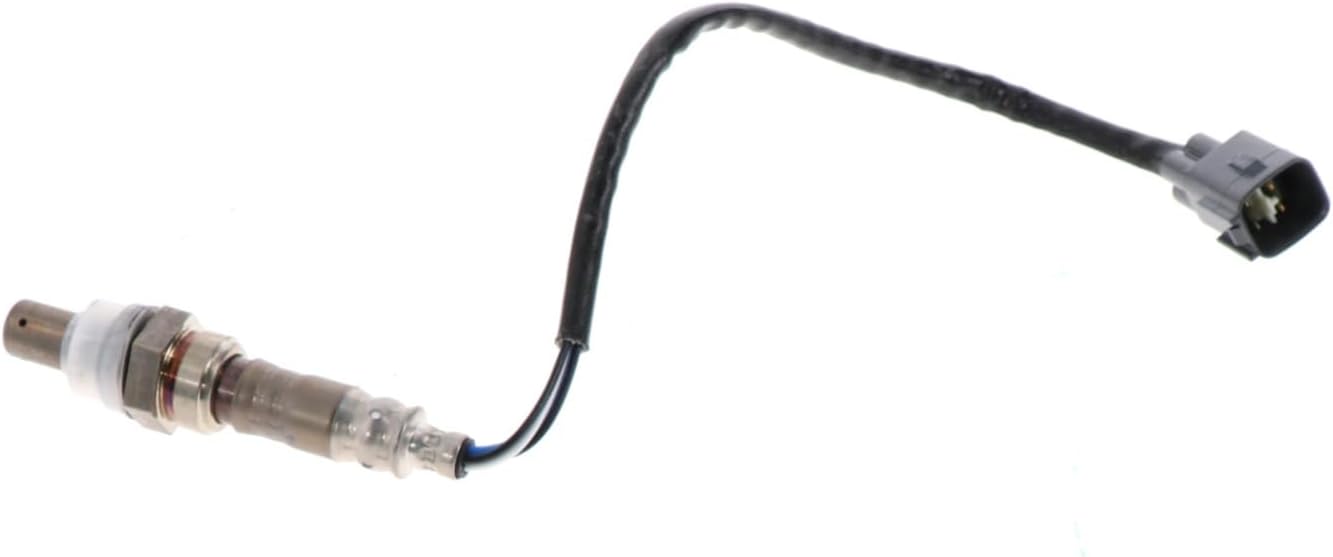
2. Denso 234-9021 Upstream Heated Air/Fuel Ratio Sensor (Thread-In)
| Material | Zirconia |
|---|---|
| Mounting Type | Thread-In |
| Output Type | Electronic |
| Measuring Range | 0-20 AFR |
| Upper Temperature Rating | 1500 Degrees Fahrenheit |
This Denso 234-9021 is a wide-band upstream air/fuel ratio sensor built to replace the factory unit on compatible Toyota and Lexus V6 applications. It installs in the exhaust manifold and connects with the supplied 4-wire harness, where its planar zirconia element and platinum electrodes measure air/fuel ratio across a broad range to help the engine control module tune fuel delivery. For performance-focused Sienna owners this sensor restores precise AFR feedback, which can improve throttle response, fuel trims, and catalytic converter longevity after the original sensor ages. The part is manufactured to factory-quality tolerances for a direct fit and comes with a short wiring pigtail and anti-seize on the threads. Expect straightforward installation if you can access the upstream sensor location, though tight space on the manifold can make the job awkward and may require penetrating oil and the correct sensor socket. Packaging has been reported as minimal at times, so handle carefully on receipt.
Best for: Performance-oriented buyers who prioritize restoring precise air/fuel control and engine responsiveness on their Sienna V6 and want a factory-quality replacement that matches OEM behavior.
Less Ideal for: Drivers seeking a universal or budget aftermarket sensor for multiple vehicles should consider alternatives; do not choose this if you need a different fit or a simpler downstream O2 sensor.
- Direct factory-quality replacement for specified Toyota/Lexus V6 engines.
- Wide-band zirconia sensing element measures a broad AFR range for accurate fuel trim feedback.
- Heated 4-wire design speeds sensor warm-up for reliable readings at idle and under load.
- Includes wiring harness and anti-seize for easier installation and correct thread protection.
- Upstream sensor location on the manifold can be hard to reach, making installation physically difficult.
- Packaging has been noted as minimal in some cases, requiring careful unpacking to avoid damage.
Verdict: A factory-quality wide-band upstream replacement that restores accurate AFR feedback for performance-minded Toyota Sienna V6 owners, though access and packaging require care.
3. A-Premium Downstream Heated Oxygen Sensor for Toyota Sienna (Rear)

| Vehicle fitment | Toyota Sienna 2004-2006 V6 3.3L; 2007-2010 V6 3.5L; 2015-2016 V6 3.5L |
|---|---|
| Sensor type | Heated |
| Wire quantity | 4 |
| Mounting type | Threaded |
| Connector gender | Male |
This A-Premium downstream (rear) heated oxygen sensor is a direct-replacement style part intended for Toyota Sienna V6 models listed in the fitment. It measures exhaust oxygen and sends an electrical signal to the engine control system to help maintain correct air fuel ratios and support emissions monitoring. Typical use is replacement of a failing rear O2 sensor to clear check engine codes and restore proper emissions reporting. The sensor ships with a four-wire heated design and a threaded mounting for standard installation without special tools. Practical benefits include straightforward plug-and-play fitment to the listed Siennas, a heated element for faster warm-up, and a one-year unlimited-mileage guarantee for peace of mind. Limitations are variability in output compared with some factory or premium-brand sensors, which may affect catalyst efficiency monitors in borderline exhaust systems, and mixed long-term durability reports from users compared with higher-end options. Expect a budget-friendly fix that works for most Sienna rear-sensor replacements but may not match exact OEM signaling in every vehicle or diagnostic scenario.
Best for: Practical optimizers who want an affordable, immediately usable replacement part to fix emissions or check-engine issues on their Toyota Sienna without spending on premium-brand components.
Less Ideal for: Owners seeking an exact factory-spec signal for sensitive diagnostic or catalyst-efficiency troubleshooting should consider a higher-end OEM-equivalent sensor instead.
- Direct-replacement fit for specified Toyota Sienna rear position
- Heated 4-wire design for faster sensor warm-up and reliable readings
- Threaded mount and standard connector for easy install without special tools
- One-year unlimited-mileage guarantee from the brand
- Output signal can differ from factory sensors which may affect catalyst efficiency monitors in some vehicles
- Mixed user reports on long-term durability compared with higher-end name brands
Verdict: A cost-conscious, plug-and-play rear heated O2 sensor for compatible Toyota Siennas that delivers reliable function for most repairs but may not exactly match OEM signal characteristics for advanced diagnostics.
4. Maxfavor Upstream Oxygen Sensor Replacement for Toyota Sienna (234-9012)

| Mounting Type | Flange Mount |
|---|---|
| Output Type | electrical signal |
| Upper Temperature Rating | 1000 Degrees Celsius |
| OEM Part Number | 234-9012 |
This Maxfavor upstream oxygen sensor is a direct-replacement style part marketed for the Toyota Sienna rear/right-side positions on specific 3.3L and 3.5L model years. It measures exhaust oxygen and sends an electrical signal to the engine computer to help control fuel mixture and catalytic converter efficiency. Typical use is straightforward: remove the old sensor, compare fitment, clean the threaded port, and install the new unit using the existing connector and wiring routing. Notable features include flange mounting and a claimed 1000 C temperature rating, which aim to match the basic functional demands of an exhaust sensor. In practice it delivers the expected behavior for clearing lean/rich codes and restoring normal fuel trim when the original sensor has failed. Being a budget aftermarket part, build consistency can vary and it lacks any manufacturer-backed performance testing reports. Expect acceptable performance for normal driving and economy recovery but consider a higher-end branded sensor if you need extended durability or guaranteed vehicle-specific calibration.
Best for: Practical, budget-conscious buyers who need an affordable replacement to restore normal fuel control and clear oxygen-sensor-related drivability issues on a Toyota Sienna.
Less Ideal for: Drivers seeking long-term durability, guaranteed vehicle-specific calibration, or professional-level parts for high-mileage or performance-modified Siennas should consider premium branded alternatives.
- Designed to match factory-style fitment for listed Toyota Sienna applications
- Flange-mount design simplifies direct replacement installation
- Electrical output type compatible with standard engine control inputs
- Higher stated temperature rating aimed at exhaust conditions
- Aftermarket budget part with variable build consistency compared with premium sensors
- No detailed manufacturer performance validation or long-term durability data provided
Verdict: A cost-focused, direct-fit replacement that restores oxygen-sensor function on compatible Toyota Siennas but lacks the durability assurances of premium options.
5. YHTAUTO Downstream Oxygen Sensor Replacement for Toyota Prius and Sienna (direct fit)

| Mounting Type | Flange Mount |
|---|---|
| Output Type | Analog |
| Upper Temperature Rating | 800 Degrees Celsius |
| Manufacturer Part Number | YHTOS0057-DD |
This YHTAUTO downstream oxygen sensor is a direct-fit replacement designed to restore proper oxygen sensing after a failed unit or catalytic-converter work. It installs like a factory replacement and is used in the exhaust stream downstream of the catalytic converter to monitor efficiency and help the engine control module tune fuel trim. Notable features listed include flange mounting, analog output, and an upper temperature rating of 800 C, which support durability in high-heat exhaust locations. In practice the sensor offers straightforward plug-and-play installation and many users report immediate resolution of check-engine codes when the original sensor was bad. Limitations to consider are variable long-term durability across units and occasional reports of early failures, so expect mixed longevity compared with higher-cost branded sensors. Fitment confirmation by year, engine, and install location is important before buying to ensure compatibility with Toyota Sienna models.
Best for: Reliability-focused buyers who prioritize restoring factory-like operation on older Toyotas and want a direct-fit replacement to clear emissions-related faults and maintain engine control behavior.
Less Ideal for: Buyers seeking a long-term, premium laboratory-tested sensor or extended warranty coverage should consider higher-end branded options or dealer parts.
- Direct-fit design intended to match factory sensor mounting and connector for easier installation
- High upper temperature rating (800 C) suitable for exhaust system use
- Analog output and flange mount match common downstream oxygen sensor requirements
- Multiple OEM reference numbers listed to help confirm fitment
- Some users report premature failures, so longevity may vary between units
- Not all vehicle years/engine variants are guaranteed compatible without checking the fitment chart
Verdict: A cost-conscious direct-fit downstream oxygen sensor that restores factory-style function quickly but may show mixed long-term durability.
6. NECATUO Upstream Oxygen Sensor 234-9128 (Compatible with Toyota Sienna 2012-2015)

| Brand | NECATUO |
|---|---|
| Material | Ceramic, Stainless Steel |
| Output Type | electrical signal |
| Upper Temperature Rating | 125 Degrees Celsius |
This NECATUO upstream oxygen sensor is a direct-fit replacement intended to restore proper air/fuel readings on compatible vehicles. Installed in place of the factory upstream sensor, it measures exhaust oxygen and sends an electrical signal to the engine computer so fueling and emissions controls can return to normal. The unit is built with a ceramic sensing element, stainless steel housing, and a flange mount for bolt-in installation, and the listing notes a reasonable measurement accuracy and a 125 C upper temperature rating. For a convenience-focused buyer it offers straightforward fitment and claims factory-quality fit to simplify DIY replacement and get the check-engine light cleared without diagnostic headaches. Some users report reliable performance and easy plug-and-play installation, but a minority experienced incorrect operation that caused rich running after installation. That means while the part can be a cost-effective, quick fix for many Sienna owners, it is important to verify the exact upstream part number and be prepared to revert to a factory-quality sensor if unusual drivability appears.
Best for: Convenience-driven owners who want a straightforward, low-effort upstream O2 sensor replacement to clear codes and restore normal fueling on their Toyota Sienna without professional installation.
Less Ideal for: Drivers who need guaranteed factory-spec performance under demanding conditions or who cannot tolerate any risk of drivability changes should consider a factory-quality branded sensor instead.
- Direct-fit flange mount designed to match factory installation for easy bolt-in replacement
- Ceramic sensing element with stainless steel housing for durability in exhaust conditions
- Outputs standard electrical signal compatible with vehicle engine control systems
- Many owners report it clears the check-engine light and restores normal operation
- Some buyers reported sensors that caused rich running or inconsistent readings versus factory sensors
Verdict: A convenient, direct-fit upstream O2 sensor for Toyota Sienna owners seeking an easy DIY replacement, but buyers should confirm fitment and watch for any drivability changes.
7. TRQ O2 Oxygen Sensor (OSA61788) compatible with 2011–2015 Toyota Sienna

| Mounting Type | Flange Mount |
|---|---|
| Output Type | Push-Pull |
| Material Type | Stainless Steel |
| Included Components | O2 Oxygen Sensor |
The TRQ O2 Oxygen Sensor (OSA61788) is a direct-fit, pre-calibrated replacement sensor built to read exhaust oxygen and feed that data to the engine control unit so the vehicle can adjust fuel trim and emissions. It installs like a factory replacement using the flange mount and push-pull connector and is typically used to clear O2-related check engine codes and improve fuel economy after an original sensor fails. Notable features include a stainless steel housing with a double-layered 310S construction for moisture and debris protection and pre-applied anti-seize on the threads to ease installation. TRQ also provides DIY installation videos which help non-professional installers. Practical benefits are straightforward fitment, faster code reset when the ECU relearns the sensor, and a lower cost than many factory parts. Limitations to expect are mixed longevity reports in user feedback and occasional fitment differences with connector gender that may require splicing or verification before install.
Best for: Risk-averse, mainstream Toyota Sienna owners who prioritize a direct-fit, lower-cost factory-replacement style sensor that minimizes installation complexity and gets the car back to normal operation quickly.
Less Ideal for: Drivers who need guaranteed long-term durability or a heavy-duty professional-grade sensor should consider higher-end or OEM-specific options instead.
- Direct-fit pre-calibrated design for straightforward replacement and installation
- Stainless steel, double-layered construction offers extra corrosion and moisture protection
- Pre-applied anti-seize on threads and included installation resources simplify DIY repairs
- Some users report premature failures so longevity may vary
- Connector orientation has varied between vehicles and may require rewiring or adapter
Verdict: A budget-friendly, direct-fit replacement that simplifies restoring proper engine function and emissions control on 2011–2015 Toyota Sienna models.
Choosing the Right Toyota Sienna Oxygen Sensor: Key Factors to Consider
Fitment and Connector Type
Correct fitment ensures the sensor threads, mounting location, and electrical connector match the Toyota Sienna application. A sensor that fits without adapters reduces installation time and the risk of poor sealing or wiring issues.
Connector type matters because mismatched plugs can cause loose connections or require splicing, which can introduce failure points. Confirming OEM-style connectors and thread pitch helps avoid troubleshooting after installation and keeps the vehicle's engine control system reading the sensor reliably.
Response Time and Sensitivity
How quickly a sensor reacts to changes in exhaust composition affects engine control decisions like fuel trimming and ignition timing. Faster response delivers more accurate real-time data to the engine control unit, helping maintain optimal air-fuel ratio under varied driving conditions.
Sensitivity determines how well the sensor discriminates rich versus lean conditions. A sluggish or insensitive sensor can cause prolonged incorrect fuel trims, leading to higher emissions, reduced economy, and potential drivability issues.
Upstream Versus Downstream Location
Upstream sensors (before the catalytic converter) primarily guide immediate fuel control, while downstream sensors (after the catalytic converter) monitor catalyst efficiency. Knowing the targeted location on the Toyota Sienna is critical because each position faces different temperature and contamination exposure.
Upstream units often need faster response and more robust thermal tolerance. Downstream units emphasize long-term stability and resistance to catalytic byproducts. Choosing the correct location-specific sensor ensures proper feedback to the engine management system and accurate diagnostic readings.
Durability and Contamination Resistance
Exhaust sensors are exposed to high heat, vibration, and chemical contaminants from fuel and oil. Construction materials, protective coatings, and internal design determine how well a sensor resists fouling from deposits or damage from thermal cycling.
A durable sensor minimizes premature failure and maintains stable output over time, reducing the likelihood of repeat replacements. Look for proven materials and design features that limit exposure of the sensing element to soot and chemical attack.
Installation Accessibility and Tools Required
Some sensor locations on the Toyota Sienna can be hard to reach, necessitating special sockets, extensions, or vehicle lifts. Consider how accessible the mounting point is and whether the sensor includes an extended harness or swivel connector to simplify installation.
Ease of installation saves time and reduces the chance of damaging threads or connectors. When planning a replacement, factor in the tools and workspace you will need to complete the job properly and safely.
Electrical Compatibility and Diagnostic Behavior
Sensors must provide signals within expected voltage or frequency ranges so the engine control unit can interpret them correctly. Electrical compatibility includes matching output type, heater circuit requirements, and resistance specs for the built-in heater if present.
Understanding how a new sensor will behave with the vehicle diagnostics helps avoid false trouble codes. A sensor that aligns with the Toyota Sienna's diagnostic expectations will clear or prevent check engine light triggers related to oxygen sensing and heater circuits.
How We Chose the Best Toyota Sienna Oxygen Sensor
We focused our selection on sensors that meet vehicle-specific fitment and provide reliable readings under typical driving conditions. Key evaluation criteria included electrical compatibility with Toyota Sienna engine management, connector and thread fit, and response time to changes in exhaust oxygen content. We also assessed durability factors such as operating temperature tolerance and anti-contamination construction, as well as expected service life based on materials and warranty coverage. Another important factor was ease of installation, including access to upstream and downstream locations and standard thread sizes. We excluded items that required vehicle modifications, non-OEM wiring adapters, or unusual mounting arrangements. Units lacking clear fitment documentation for the Toyota Sienna or those with ambiguous electrical specifications were not considered. The final list prioritizes accurate, durable sensors with documented compatibility and practical installation characteristics.
Our full evaluation process is outlined in our review methodology.
FAQ
What are common O2 sensor symptoms on a Toyota Sienna?
Common symptoms include decreased fuel economy, rough idling, and occasional hesitation during acceleration. You may also notice the check engine light activating with codes related to oxygen sensor performance. These signs often indicate the sensor is slow, contaminated, or its heater circuit is failing.
Can I test an oxygen sensor myself?
You can perform basic checks such as inspecting the wiring and connector, measuring heater circuit resistance, or using a multimeter to observe voltage fluctuations at the signal wire while the engine runs. More thorough testing uses a scan tool to view live sensor data and response to throttle changes. If you are uncomfortable with electrical diagnostics, a technician can perform a definitive test.
Do upstream and downstream sensors have different functions?
Yes. The upstream sensor(s) feed the engine control unit real-time exhaust oxygen levels for immediate fuel control. Downstream sensor(s) primarily monitor the catalytic converter's effectiveness. Each location has distinct performance requirements, so replacements should match the intended position.
Will replacing the oxygen sensor clear a check engine light?
Replacing a faulty oxygen sensor can clear codes related to sensor performance or heater circuit problems, but it may not automatically erase stored codes. After replacement, a scan tool can reset codes and confirm the new sensor operates correctly. If other engine issues exist, additional diagnostics may be necessary.
How long do oxygen sensors usually last?
Sensor lifespan varies with driving conditions, fuel quality, and exposure to contaminants. Many modern sensors last multiple years, but sensors exposed to oil or coolant contamination or frequent short trips may fail sooner. Regular inspection and addressing engine issues that cause contamination can extend service life.
Is installing an oxygen sensor difficult?
Difficulty depends on the sensor location and your access to proper tools. Some sockets and anti-seize for threads are helpful, and certain positions may require lifting the vehicle. For those with basic mechanical skills and the right tools, installation is often manageable, but professional installation ensures correct fit and torque.
Conclusion
When replacing a Toyota Sienna oxygen sensor, prioritize correct fitment, electrical compatibility, and appropriate placement for upstream or downstream service. Balance response speed and durability to match your driving patterns and emissions needs. Consider installation accessibility and the sensor's resistance to contamination to reduce the chance of repeat work. Focusing on those core criteria will help you select a sensor that restores proper engine control and maintains emissions performance while minimizing downtime and future troubleshooting.
Explore More:
- Check out all Toyota Sienna parts & accessories
- Explore Oxygen Sensors Maintenance & Repair Guides
- Explore Engine
- Browse all Auto Parts
