

Note: This article contains affiliate links. If you click on these links and make a purchase, I may earn a small commission at no extra cost to you. This helps support my research and content. Read my full affiliate disclosure here.
When a Nissan Titan oxygen sensor starts to fail, you can notice rough idle, higher fuel use, or a persistent check engine light. Choosing the right replacement matters because the sensor directly affects fuel trims, emissions performance, and overall drivability. This guide covers seven shortlisted options that meet common fitment and performance needs for the Nissan Titan.Below we outline how each pick meets practical criteria like fit accuracy and sensor response, then explain what to watch for when choosing a replacement.
Looking for other parts? See all Nissan Titan parts & accessories.
Top Picks at a Glance
| Best Reviewed A top-rated pick with lots of positive feedback | A-Premium Downstream Heated Oxygen Sensor (Compatible with Nissan Titan and Select Nissan/Infiniti V8 5.6L) |  |
| Most Popular A crowd favorite that many people choose with confidence | Bosch 16596 Premium Original Equipment Oxygen Sensor |  |
| Best Quality Built to a higher standard if you want something more solid | HTMXJA Oxygen O2 Sensor Kit (Upstream & Downstream) for 5.6L Nissan Titan |  |
| Best Budget The cheapest option that still gets the job done reliably | CNPAPC 2-Pack Oxygen Sensor Downstream Compatible with Nissan Titan 5.6L |  |
| Most Sold A high-volume bestseller chosen again and again | YWIM Replacement Upper and Lower Oxygen Sensors (4 pcs) for Nissan Titan V8 5.6L |  |
| Best Value for Money The sweet spot between price and what you get | Yezoauto Upstream Oxygen O2 Sensor (HNO013) |  |
| Best Overall The best all-around choice for most situations | Denso Oxygen Sensor 234-4835 |  |
1. A-Premium Downstream Heated Oxygen Sensor (Compatible with Nissan Titan and Select Nissan/Infiniti V8 5.6L)

| Wire Quantity | 4 |
|---|---|
| Sensor Type | Heated |
| Mounting Type | Threaded |
| Output Type | Analog Electrical Signal |
| Upper Temperature Rating | 800 Degrees Celsius |
This downstream oxygen sensor measures exhaust oxygen content and sends an analog signal to the engine control unit so the system can adjust fuel trim and monitor catalytic converter performance. It is a four-wire heated sensor with a threaded mounting and a female connector, intended as a direct-fit replacement for the listed Nissan Titan, Titan XD, Armada, NV vans and Infiniti QX80 V8 5.6L applications as well as select Rogue Sport and Sentra engines. Installation is straightforward for a mechanically inclined owner or technician because it threads into the exhaust and uses the factory-style connector, and the heater speeds warm-up for reliable readings during cold starts. Made from stainless steel with an 800 C temperature rating, the sensor is built to handle exhaust conditions but users should confirm vehicle compatibility before purchase. The product comes with a one-year unlimited-mileage guarantee from the brand, but longevity will depend on driving conditions and exhaust system health.
Best for: Reliability-focused buyers who prioritize a straightforward, factory-style replacement to restore proper emissions and fuel control on Nissan Titan V8 5.6L vehicles.
Less Ideal for: Buyers seeking a universal sensor for multiple vehicle makes or those who need multi-year OEM-backed warranties should consider other options.
- Direct-fit downstream replacement for specified Nissan and Infiniti applications which simplifies installation
- Heated 4-wire design for faster sensor warm-up and stable readings at low temperature
- Stainless steel construction and high temperature rating for durability in exhaust environments
- Factory-style threaded mount and female connector that use existing wiring harness
- Compatibility is limited to the listed vehicle models and engine types so fit must be verified before ordering
- No detailed longevity data beyond the one-year guarantee, so actual service life may vary
Verdict A practical, factory-style downstream heated oxygen sensor for Nissan Titan V8 owners who want a reliable direct replacement to restore emissions and fuel control.
2. Bosch 16596 Premium Original Equipment Oxygen Sensor

| Brand | Bosch |
|---|---|
| Material | Alloy Steel, Stainless Steel |
| Mounting Type | Flange Mount |
| Maximum Supply Voltage | 5 Volts (DC) |
This Bosch 16596 oxygen sensor is a direct-fit replacement intended for upstream fitment on compatible Nissan and Infiniti V8 models such as the Titan. It monitors exhaust oxygen to help the engine control module maintain the correct air-fuel ratio and improve fuel economy and emissions. Bosch builds the sensor with a double laser-welded stainless steel body and an integral fast-acting heater so it reaches operating temperature quickly and withstands combustion byproducts. The unit ships with pre-coated threads and a factory-style connector for straightforward installation with standard tools. Practical benefits include OEM-style fit and wiring, broad compatibility across model years listed, and a reputation for durable construction. Limitations are that fitment depends on engine and sensor position so you must verify it matches your Titan's exact year and engine, and a small number of users reported minor connector or tab fit issues that required light modification during installation.
Best for: Buyers who prioritize convenience and a near-OEM, plug-and-play replacement to quickly fix emissions or drivability issues without complex modifications.
Less Ideal for: Owners seeking a universal or performance-tuned sensor for custom exhaust work should consider purpose-built options instead.
- Direct-fit connector and harness for straightforward installation
- Fast-acting heater reduces warm-up time for reliable readings soon after start
- Double laser-welded stainless steel body designed for corrosion resistance and long life
- Threads pre-coated with anti-seize for easier future removal
- Fit depends on engine and sensor location so requires verification for your specific Titan
- Some users reported minor tab or connector differences that needed trimming or adjustment
Verdict A convenience-focused, factory-style replacement sensor that gives Nissan Titan owners a straightforward way to restore proper emissions and fuel control when fitment matches their engine and sensor position.
3. HTMXJA Oxygen O2 Sensor Kit (Upstream & Downstream) for 5.6L Nissan Titan

| Fitment | Nissan Titan 5.6L 2008–2012 |
|---|---|
| Connector | 4-pin male |
| Included | Upstream and downstream sensors |
| Reference part numbers | 234-9038, 234-4835 |
This HTMXJA kit includes both upstream and downstream oxygen sensors intended as direct replacements for the 5.6L Nissan Titan (2008–2012). Each sensor provides real-time monitoring of exhaust oxygen to help the engine control module maintain proper air fuel ratio, which can restore fuel economy and smooth running when old sensors have degraded. The listing specifies 4-pin connectors and male plug orientation to match factory harnesses for straightforward installation without modifications. The seller highlights high-temperature resistance and precision sensing for durability under engine bay conditions. Practical benefits are quicker diagnostics and the ability to replace both banks at once to avoid mismatched sensor response times. Limitations are that fitment is restricted to the specified Titan engine and years, and long-term durability claims are manufacturer stated rather than third-party verified, so buyers should verify connector and part-number match before ordering.
Best for: Performance-oriented owners focused on restoring engine efficiency and responsiveness on a 5.6L Nissan Titan who prefer replacing both sensors together to maintain balanced sensor response.
Less Ideal for: Buyers with different Titan engines or model years should seek sensors specified for their vehicle, and those needing sensors with documented long-term testing may prefer established OEM-name alternatives.
- Includes both upstream and downstream sensors for coordinated replacement
- 4-pin male connectors match factory harness for plug-and-play installation
- Designed for high-temperature environments to withstand engine bay conditions
- Aims to restore proper air fuel control, improving fuel economy and drivability
- Compatibility limited to the 5.6L Titan 2008–2012 and requires confirming part numbers before purchase
- Durability and lifespan are manufacturer claims without independent longevity data
Verdict A plug-and-play upstream/downstream sensor pair aimed at restoring fuel control and performance on 5.6L Nissan Titan trucks, provided you confirm part-number fitment first.
4. CNPAPC 2-Pack Oxygen Sensor Downstream Compatible with Nissan Titan 5.6L

| Mounting Type | Plug Mount |
|---|---|
| Output Type | electrical signal |
| Specific Uses For Product | automotive, downstream position |
| Material | Zirconium-Iridium And Platinum |
This 2-pack of downstream oxygen sensors is a budget-focused direct-fit replacement designed for Nissan Titan V8 5.6L engines. The sensors use a zirconium-iridium core with a platinum coating and come with pre-coated threads and compatible connectors for straightforward installation without modifications. In typical use they replace a failing downstream O2 sensor to restore correct oxygen readings, which helps the engine control module maintain proper air-fuel ratio, reduce emissions, and stop check-engine light codes tied to the sensor. For a value option the kit covers both downstream positions so you can swap one or both sensors during a service. Expect factory-replacement fitment for Titans with OE-style headers, but realize the long-term durability and exact calibration can vary compared with higher-end branded sensors. If you need an OEM-matched calibration or extended lifespan under heavy towing and extreme heat, a premium factory-quality sensor may be a better choice.
Best for: Budget-conscious owners who prioritize a low-cost, straightforward replacement to clear O2-related codes and restore normal engine operation on a Nissan Titan 5.6L.
Less Ideal for: Drivers who regularly tow heavy loads or need extended lifespan and factory-matched calibration should consider a premium, heavy-duty sensor instead.
- Direct-fit design for Nissan Titan 5.6L downstream position for easy installation
- Sold as a two-piece kit so both downstream sensors can be replaced at once
- Core materials listed (zirconium-iridium core and platinum coating) for heat and corrosion resistance
- Budget option may not match the long-term durability or exact calibration of higher-end factory-quality sensors
Verdict A cost-conscious, direct-fit downstream O2 sensor kit for Nissan Titan 5.6L owners who want a quick, affordable way to fix sensor-related drivability or emissions codes.
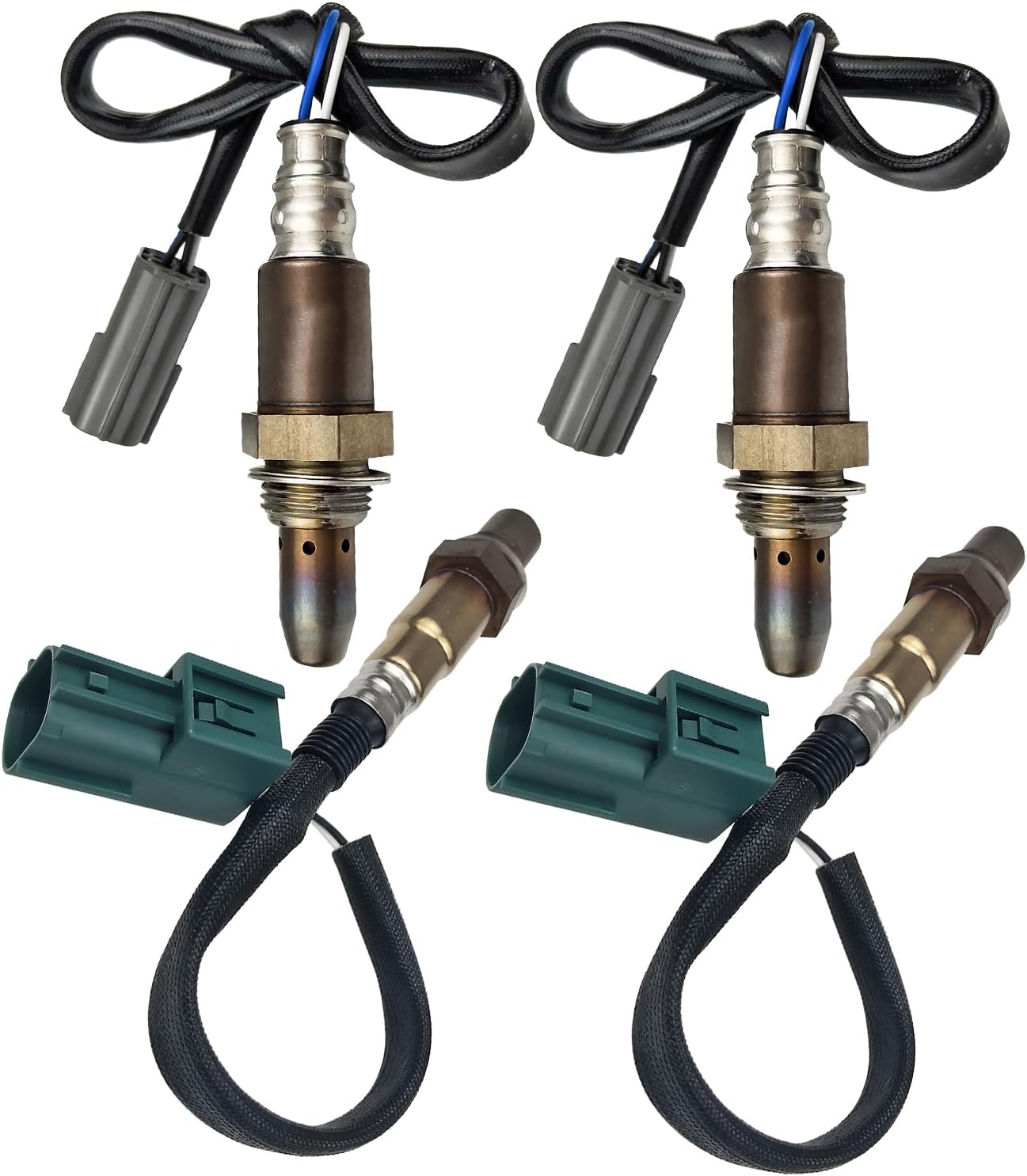
5. YWIM Replacement Upper and Lower Oxygen Sensors (4 pcs) for Nissan Titan V8 5.6L
| Material | Stainless Steel, Teflon |
|---|---|
| Maximum Supply Voltage | 12 Volts (DC) |
| Measurement Accuracy | + -2% to + -10% |
| Mounting Type | Flange Mount |
| Upper Temperature Rating | 250 Degrees Fahrenheit |
This YWIM kit supplies two upstream and two downstream oxygen sensors intended as direct replacements for the Nissan Titan V8 5.6L. The sensors mount into the exhaust flange and connect electrically to the factory harness, restoring the vehicle's air-fuel ratio feedback used by the engine computer. Buyers report straightforward installation and correct fitment, and the stainless steel construction and Teflon components suggest corrosion resistance for under‑car service. Measurement accuracy is listed broadly, so while many users see improved operation and cleared codes, a minority report persistent codes or early failures when compared with higher-end name-brand sensors. Expect a budget-friendly option that can solve slow or faulty sensor diagnostics on the Titan, but be prepared to replace individual units if one arrives defective or to upgrade to a premium sensor if problems persist after installation.
Best for: Risk-averse mainstream buyers looking to restore normal engine operation on a Nissan Titan without paying premium dealer prices and who prioritize a complete, ready-to-install sensor set.
Less Ideal for: Drivers seeking the highest long-term durability and the tightest measurement tolerance should consider higher-end branded sensors or professional-grade replacements instead.
- Direct-fit set covering both upstream and downstream positions for the Nissan Titan V8 5.6L
- Stainless steel and Teflon construction for corrosion resistance in exhaust environments
- Sold as a four-piece kit so all sensor positions can be serviced at once
- Connector and flange mounting match factory-style installation for simpler replacement
- Measurement accuracy range is broad and may produce inconsistent behavior compared with premium sensors
- Some buyers reported persistent diagnostic trouble codes or early failures on a portion of units
Verdict A budget-friendly four-piece replacement kit that fits Nissan Titan V8 5.6L exhaust ports and can fix sensor-related drivability issues, but some units may be less consistent than premium sensors.
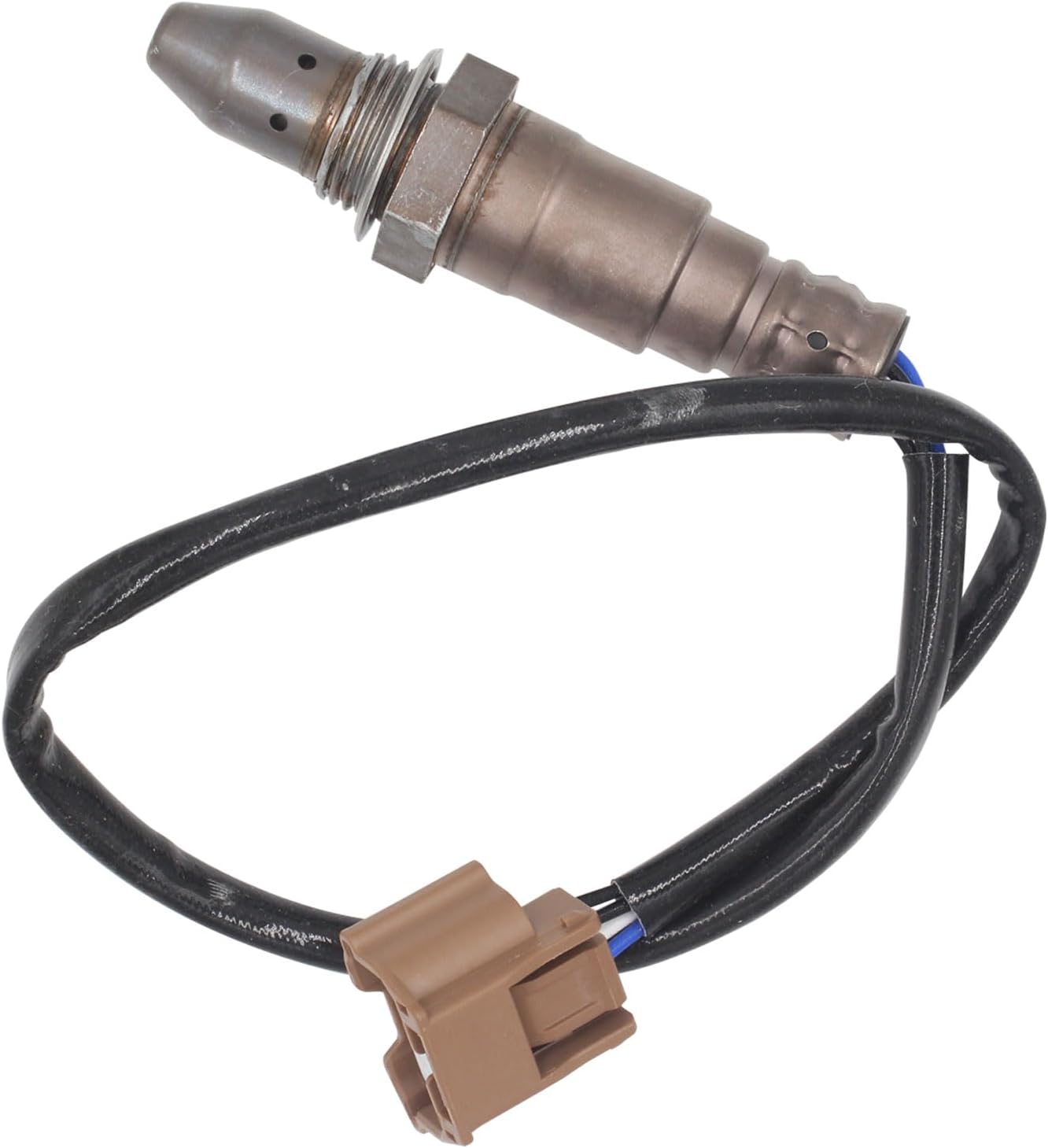
6. Yezoauto Upstream Oxygen O2 Sensor (HNO013)
| Brand | Yezoauto |
|---|---|
| Mounting Type | Flange Mount |
| Output Type | electric |
| Manufacturer Part Number | HNO013 |
This upstream O2 sensor replaces the factory upstream unit to measure exhaust oxygen and send voltage signals to the engine control module so the ECU can correct fuel mixture. It is a direct-replacement style sensor intended for Nissan/Infiniti fitments listed by the manufacturer and is typically used when a failing sensor causes rough idle, reduced fuel economy, or a check engine light. The part includes a flange mount and a standard electrical output, so installation follows the same steps as a factory sensor and is a straightforward DIY job for someone with basic tools. Practical benefits are improved fuel trim control and the potential to clear related OBD-II codes without an expensive shop visit. Limitations are typical of aftermarket sensors: long-term durability and exact factory-match calibration can vary compared with factory-quality parts, and buyers should verify exact vehicle year and engine compatibility before installing.
Best for: A practical optimizer looking to fix a check engine light or improve fuel economy without paying dealer labor costs; ideal for owners who prefer DIY repairs and value straightforward, cost-effective replacements.
Less Ideal for: Buyers seeking OEM-specified lifetime durability or exact factory calibration for performance tuning should consider factory-quality parts or dealer replacements instead.
- Direct-replacement upstream sensor that restores oxygen measurement for ECU fuel control.
- Flange-mount design matches factory-style installation for straightforward DIY swap.
- Electrical output compatible with standard engine control inputs for immediate ECU feedback.
- Aftermarket unit may not match long-term durability or exact calibration of a factory-quality sensor.
Verdict A budget-friendly direct-replacement upstream oxygen sensor that gets your Nissan Titan's air/fuel feedback working again without an expensive shop visit.
7. Denso Oxygen Sensor 234-4835

| Material | Stainless Steel |
|---|---|
| Measurement Accuracy | ±1% |
| Measuring Range | 0% – 21% |
| Mounting Type | Threaded |
| Output Type | Digital |
This Denso oxygen sensor is a direct-style replacement designed to detect oxygen levels in the exhaust and feed that data to the engine control system. It installs in the threaded bung on the exhaust stream and is typically used to restore correct air-fuel trim and clear oxygen-sensor-related trouble codes. Notable features listed include a stainless steel housing, a PTFE filter, an aluminum oxide trap layer and a double-protection design intended to resist contamination and extend service life. In practice that means more consistent sensor readings and reliable performance after installation, which helps with fuel economy and emissions on vehicles like the Nissan Titan. The sensor is manufactured to factory-quality standards and is built for straightforward, first-time fit. Limitations include the usual lifespan constraints of heated zirconia sensors and the need to choose the correct upstream or downstream position for the Titan, since sensors are position-specific.
Best for: Balanced buyers who want a reliable, factory-quality replacement to restore proper engine management on a Nissan Titan without fuss and who prioritize a proven aftermarket part from a respected supplier.
Less Ideal for: Drivers seeking an adjustable or performance-tuning sensor or someone who needs a universal sensor kit for multiple vehicle applications should look elsewhere.
- Manufactured to factory-quality standards for reliable fit and function
- Stainless steel housing and protective layers resist contamination for longer service life
- Digital output and designed for direct threaded installation make replacement straightforward
- Measuring range and accuracy suitable for normal exhaust monitoring and engine control feedback
- Sensor lifespan is finite and will eventually require replacement like all oxygen sensors
- Position-specific part requiring correct upstream/downstream selection for proper operation
Verdict A dependable, factory-quality oxygen sensor that provides accurate exhaust readings and straightforward fitment for Nissan Titan owners seeking a long-lasting replacement.
Choosing the Right Nissan Titan Oxygen Sensor: Key Factors to Consider
Fitment And Connector Compatibility
Correct fitment is essential for a hassle-free replacement. A sensor that matches the Titan's thread size, mounting angle, and connector pinout minimizes installation time and reduces the risk of exhaust leaks or poor electrical contact.
Mismatched connectors can lead to loose connections or require splicing, which undermines reliability. Confirming OEM-style connectors and heat-shield geometry avoids common installation pitfalls and preserves factory routing and clips.
Sensor Response Time
How quickly the sensor reacts to changes in exhaust oxygen content impacts fuel trim adjustments and throttle response. Faster response helps the engine control module make timely corrections, which supports smoother idle and better transient performance.
Slower sensors can cause the ECU to run richer or leaner than ideal for longer periods, increasing emissions and fuel use. Look for sensors specified with low latency and consistent performance across typical operating temperatures.
Durability And Environmental Resistance
Oxygen sensors are exposed to road salt, water, and high heat cycles. A durable sensor body, protective boots on the wiring, and corrosion-resistant materials extend service life and reduce the chance of premature failure.
Heat cycling resistance matters because repeated thermal expansion stresses internal elements. Robust strain relief and quality wiring insulation help prevent damage during routine engine movement and under-hood maintenance.
Electrical And Thermal Specifications
Matching electrical characteristics such as output range, heater circuit resistance, and operating temperature ensures the sensor behaves like the original unit. Heater elements bring the sensor to operating temperature faster; correct heater specs prevent overcurrent faults or insufficient warming.
If the sensor’s electrical profile deviates significantly from factory values, the ECU may flag fault codes or adjust trims improperly. Verify published resistance and voltage ranges to ensure compatibility with the Titan’s control systems.
Upstream Versus Downstream Placement
Understand whether the sensor is intended for upstream (pre-catalyst) or downstream (post-catalyst) use. Upstream sensors drive real-time fuel trim corrections and typically require faster response and a different calibration than downstream sensors, which monitor catalyst efficiency.
Installing the wrong type in the wrong location can produce misleading readings and trigger diagnostic trouble codes. Confirm the intended bank and sensor position to match the Titan’s emissions control architecture.
Installation Ease And Documentation
Clear installation instructions, proper torque specs, and wiring diagrams reduce the risk of installation errors. A sensor that includes anti-seize on threads or explicit guidance for torque and connector mating helps preserve factory sealing and prevents thread galling.
Availability of vehicle-specific instructions or support resources is valuable for DIY installers. Ease of access to common tools and recommended procedures can shorten install time and improve the odds of a correct, lasting repair.
FAQ
What are common O2 sensor symptoms on a Nissan Titan?
You will often notice rough idle, reduced fuel economy, or an illuminated check engine light when an oxygen sensor is failing. The engine may also run richer or leaner than normal during acceleration. Sensors sometimes pass self-tests intermittently, so symptoms can be sporadic rather than continuous.
How do I know if I need an upstream or downstream sensor?
Upstream sensors are before the catalytic converter and affect fuel trims directly, while downstream sensors monitor catalyst performance. Diagnostic trouble codes or the sensor location on the exhaust will indicate which sensor is affected. If unsure, consult the vehicle’s service manual for the correct bank and sensor numbering.
Can I test an oxygen sensor myself?
Basic tests are possible with a multimeter or scan tool to check heater circuit resistance and sensor voltage behavior at different engine states. Watching live voltage data while the engine warms up can reveal whether the sensor responds to throttle changes. For more detailed diagnosis, follow procedure steps in a service manual or use a professional-grade scan tool.
Will replacing an oxygen sensor clear a check engine light?
Replacing a faulty sensor can clear the light if the sensor was the only issue, but the ECU may require a drive cycle or a code clear to verify the repair. If related systems were affected by long-term sensor faults, additional faults may appear until the vehicle completes the required readiness checks.
Is installation difficult for most owners?
Many Nissan Titan oxygen sensor replacements are accessible with common hand tools, especially if the sensor is externally mounted. Some locations may be obstructed or require lifting the vehicle. Properly following torque specs and connector mating procedures helps prevent leaks and electrical issues, so modest mechanical skill is recommended.
How long do oxygen sensors usually last?
Sensor life depends on driving conditions and exposure to contaminants, but they often last many tens of thousands of miles under normal use. Harsh environments, fuel additives, or exhaust leaks can shorten life. Regular inspection and addressing engine issues promptly will help maximize sensor longevity.
How We Chose the Best Nissan Titan Oxygen Sensor
To assemble this list we applied targeted filters that matter for Nissan Titan oxygen sensor replacements. We focused on correct vehicle fitment and connector compatibility to ensure straightforward installation and reliable electrical connections. Sensor response time and accuracy under varying exhaust temperatures were weighed because they affect fuel trim adjustments and emissions control. Durability and materials were evaluated, with emphasis on element construction and corrosion resistance for long life in underbody conditions. Electrical and thermal specifications were considered to match stock ECU expectations and avoid false fault codes. We also vetted warranty coverage and documented installation guidance as a proxy for manufacturer confidence.We excluded sensors with unclear fitment information, aftermarket parts lacking basic electrical specs, and any offering that required vehicle-specific modifications. The resulting shortlist prioritizes sensors that meet practical performance, compatibility, and longevity standards for the Nissan Titan.
Our full evaluation process is outlined in our review methodology.
Conclusion
When replacing a Nissan Titan oxygen sensor, prioritize proper fitment, matching electrical specs, and fast response time. Those factors most directly affect fuel economy, emissions, and engine performance.Balance durability and installation ease against the sensor’s electrical and thermal compatibility with the vehicle. Confirm the correct bank and upstream or downstream placement before ordering to avoid installation issues and ensure reliable long-term operation.
Explore More:
- Check out all Nissan Titan parts & accessories
- Explore Oxygen Sensors Maintenance & Repair Guides
- Explore Engine
- Browse all Auto Parts
